The Importance of Regular Maintenance for Masonry
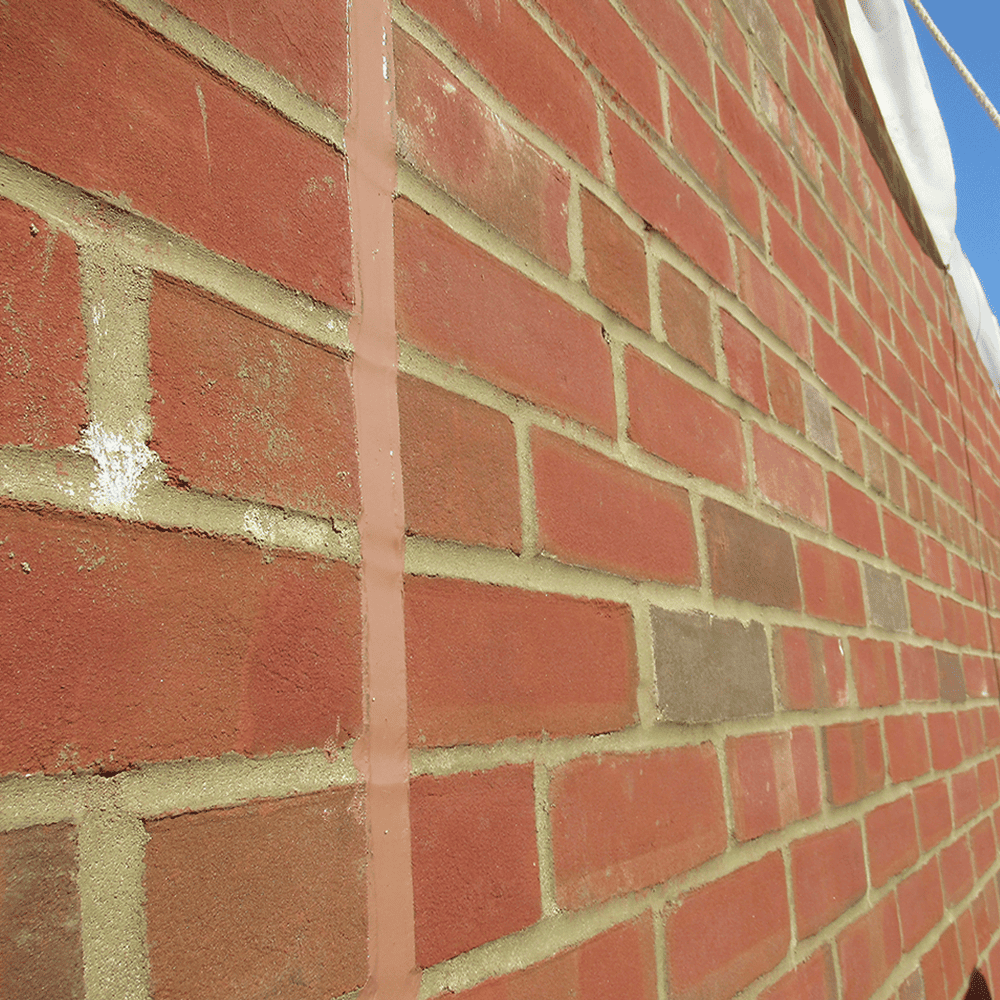
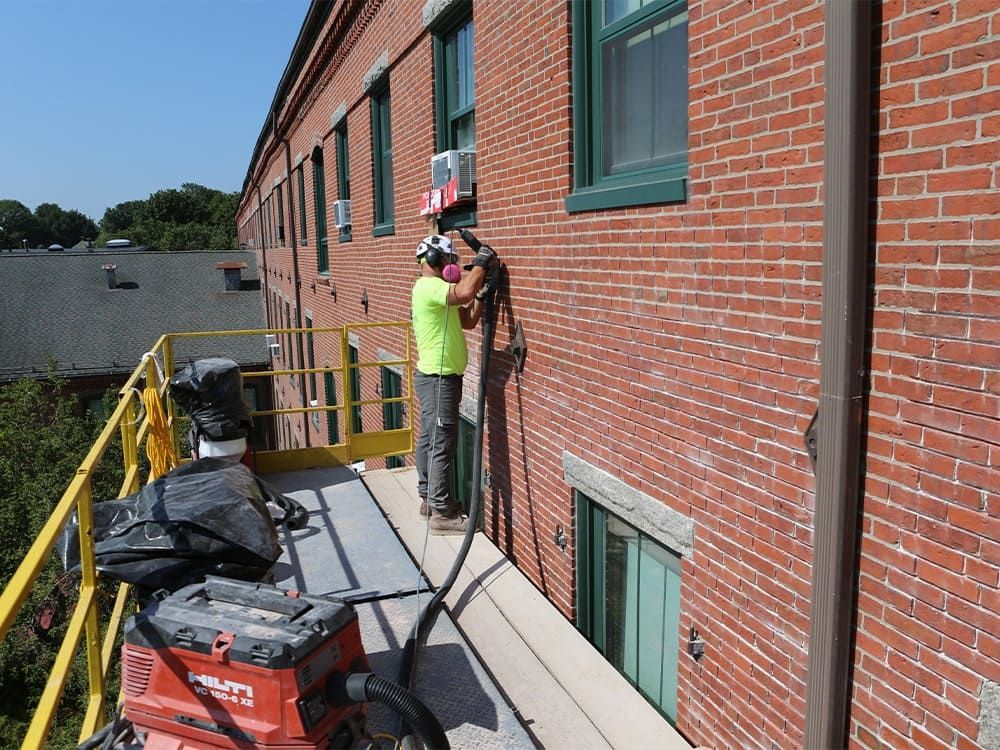
Keeping your property in top-notch condition isn't just about aesthetics – it's also about safety, comfort, and making sure your investment lasts as long as possible. That's where masonry cleaning comes in.
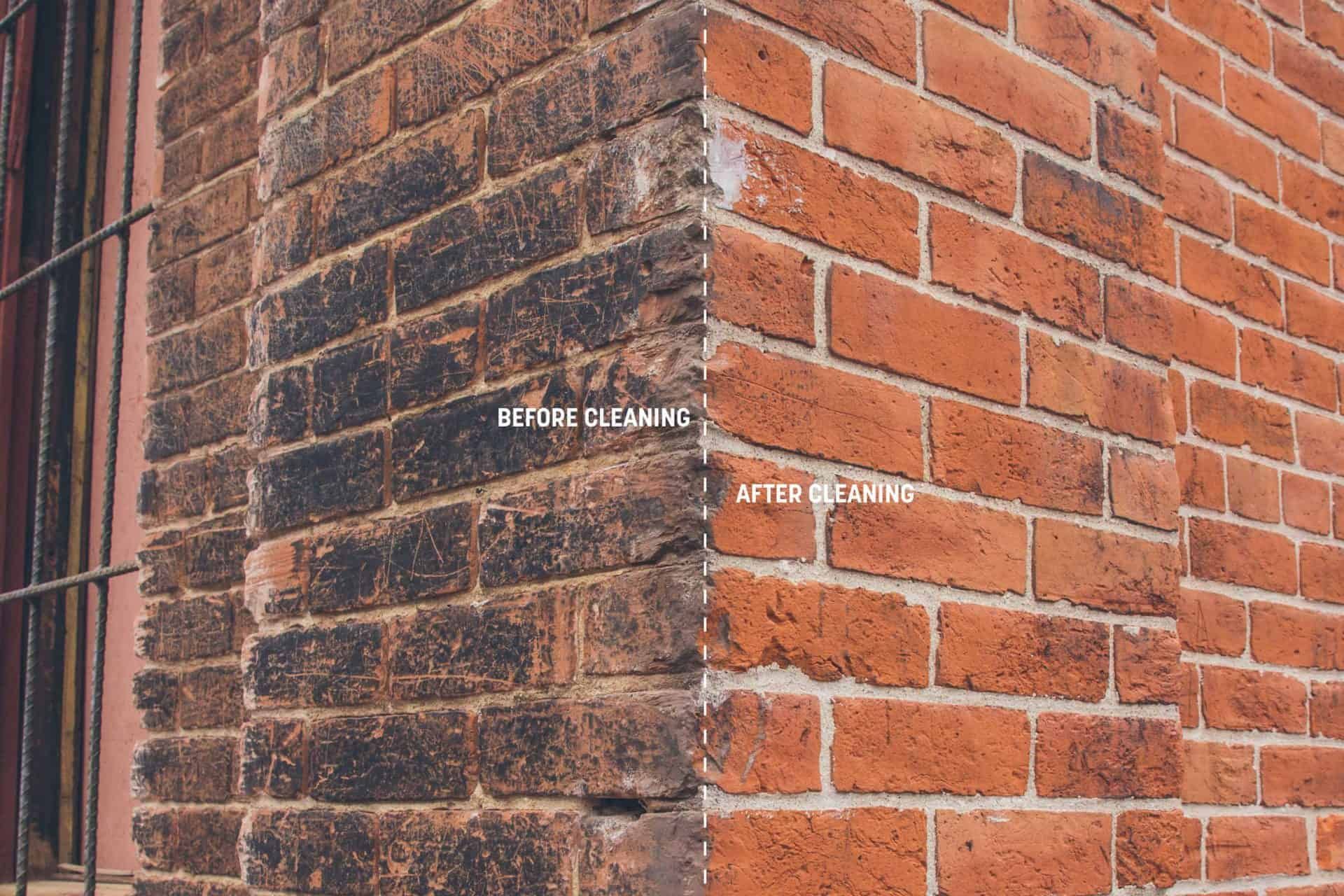
By removing dirt, grime, and other unsightly build-up, you not only enhance your building's curb appeal, but also help to protect its structural integrity and keep its occupants safe and happy. So, if you're looking to keep your building looking great and functioning smoothly for years to come, regular concrete and masonry maintenance is a must!
Why Maintenance of Brick Masonry is Done?
Throughout history, masonry has been a popular choice for architects and builders due to its versatility, beauty, and exceptional durability. Some of the most significant architectural marvels of the world, such as the Egyptian Pyramids, the Colosseum in Rome, India's Taj Mahal, and the Great Wall of China, are prime examples of the stunning achievements that can be accomplished with stone, brick, and concrete.
Masonry's unique properties make it resistant to fire, earthquakes, and sound, making it an ideal material for constructing buildings that are both safe and aesthetically pleasing. Masonry structures are not only artistic but also incredibly durable, able to withstand the normal wear and tear of centuries. From ancient times to modern construction, masonry has proven itself to be a reliable and timeless choice for builders and architects alike.
But even these impressive feats of engineering eventually need a little TLC. Environmental factors like weather, chlorides, and pollution can all take their toll on masonry, necessitating periodic maintenance and repairs.
Here's the deal: neglected masonry can lead to serious consequences like water penetration, decreased property value, increased energy expenses, and even personal injury. Don't let your majestic structure fall victim to the elements and neglect! Keep up with regular maintenance and restorative cleaning to ensure that your building remains a symbol of strength and longevity for centuries to come.
The Benefits of Regular Concrete and Masonry Maintenance
Over time, masonry surfaces begin to look a little tired. But regular maintenance overcomes that and more:
- Regular historic masonry cleaning helps to remove dirt, stains, and other debris that accumulates on building surfaces over time. This helps to prevent damage to the masonry that can compromise the structural integrity of the building.
- In addition, a cleaning masonry contractor will assist in preventing the growth of mold, mildew, and other types of organic growth (like ivy) that can lead to further damage or even health hazards for occupants.
Reasons Why You May Need Masonry Cleaning
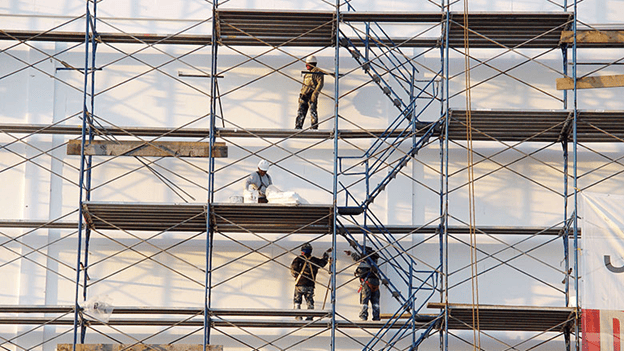
The building envelope is like the armor of a structure, shielding it from the elements and providing crucial structural support. But even the strongest armor can suffer from wear and tear over time. In the case of building envelopes, there are a range of issues that can arise and compromise their effectiveness.
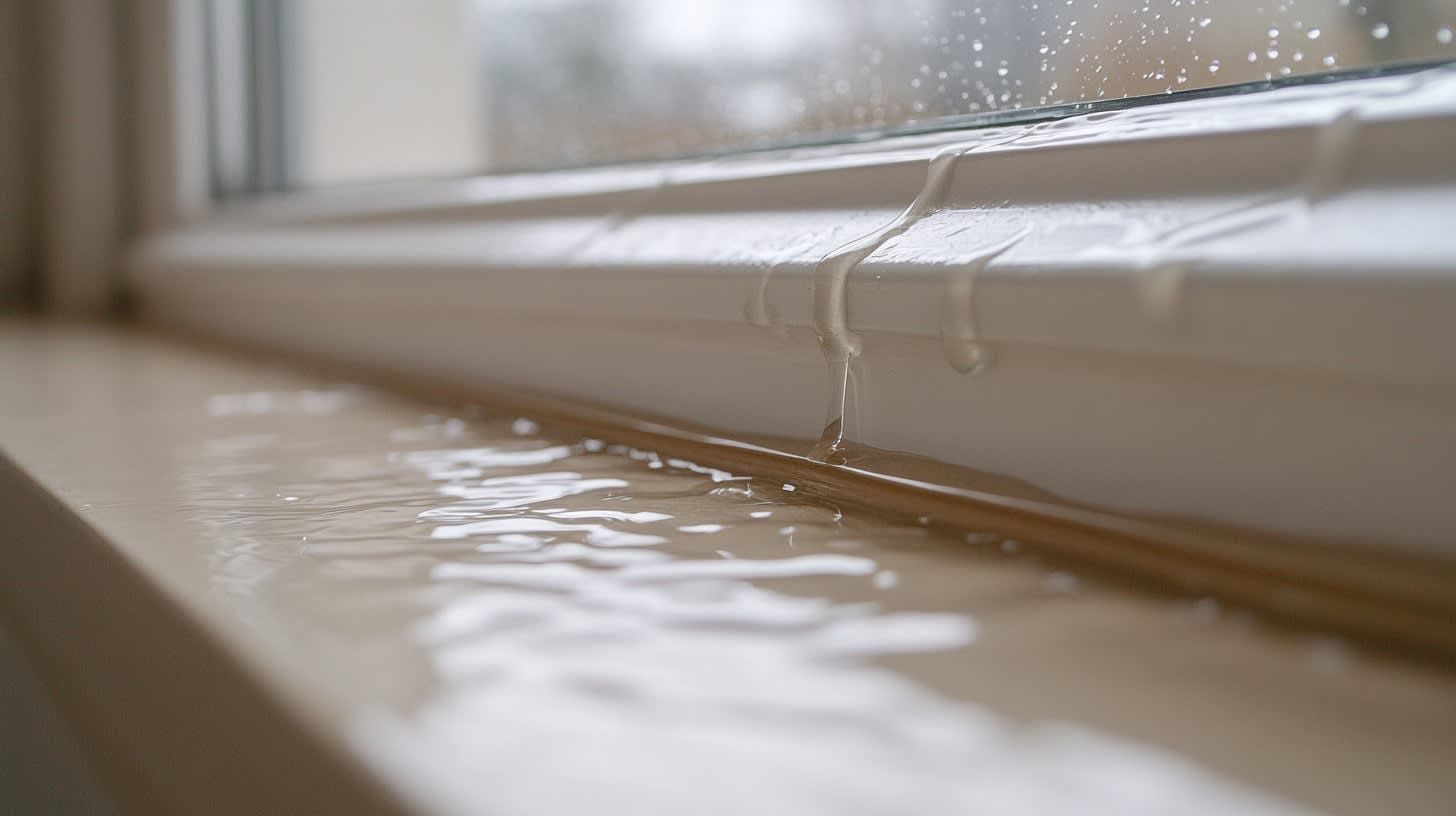
- Water damage and infiltration is a major concern for masonry structures. When exposed to the elements, stone, brick, and concrete can easily absorb water, which weakens their overall structural integrity. The water that seeps in can also freeze and thaw, exerting pressure on the entire structure. This water infiltration doesn't only endanger the masonry materials, but also other adjacent components, such as wood, metal, doors, and windows.
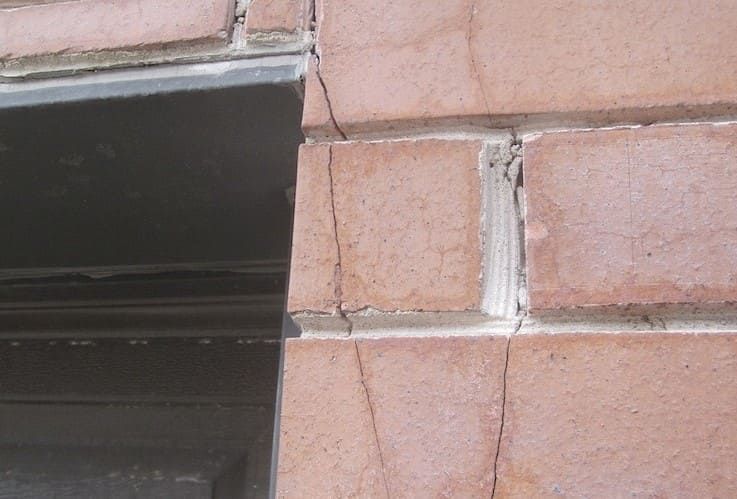
- Cracks - whether small hairline cracks or more significant ones - are indicative of shifting, settling, or other structural issues that need to be addressed to prevent spalling. Spalling is a condition where the surface of masonry or concrete begins to flake or peel away. This is typically caused by exposure to freeze-thaw cycles, water damage, or other factors. Spalling can compromise the integrity of the structure and should be addressed promptly.
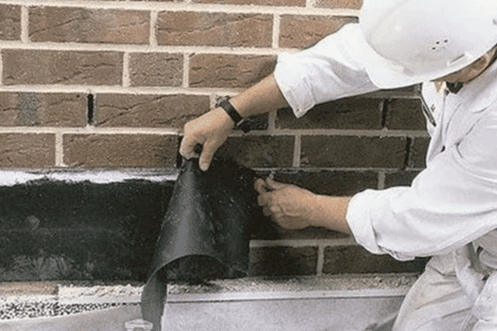
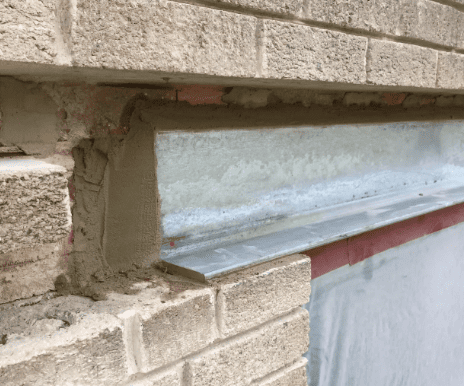
- Corrosion and rust in metal components like flashing, lintels, and shelf angles. Because they are integral to many building envelopes, this may lead to masonry deterioration and other forms of damage.
- Mother Nature can be tough on building envelopes, with wind, rain, snow, and extreme temperatures all contributing to wear and tear. Weather and environmental factors can cause cracks and gaps, and unsightly discoloration which can range from a mild staining to a more severe darkening or efflorescence*.
* Efflorescence is a white or grayish, powdery substance on the surface of masonry or stucco. It is caused by the migration of salts and other minerals to the surface and can point to underlying moisture issues. - Loose or missing masonry indicates deterioration of the mortar or underlying structural issues.
When to Hire an Expert
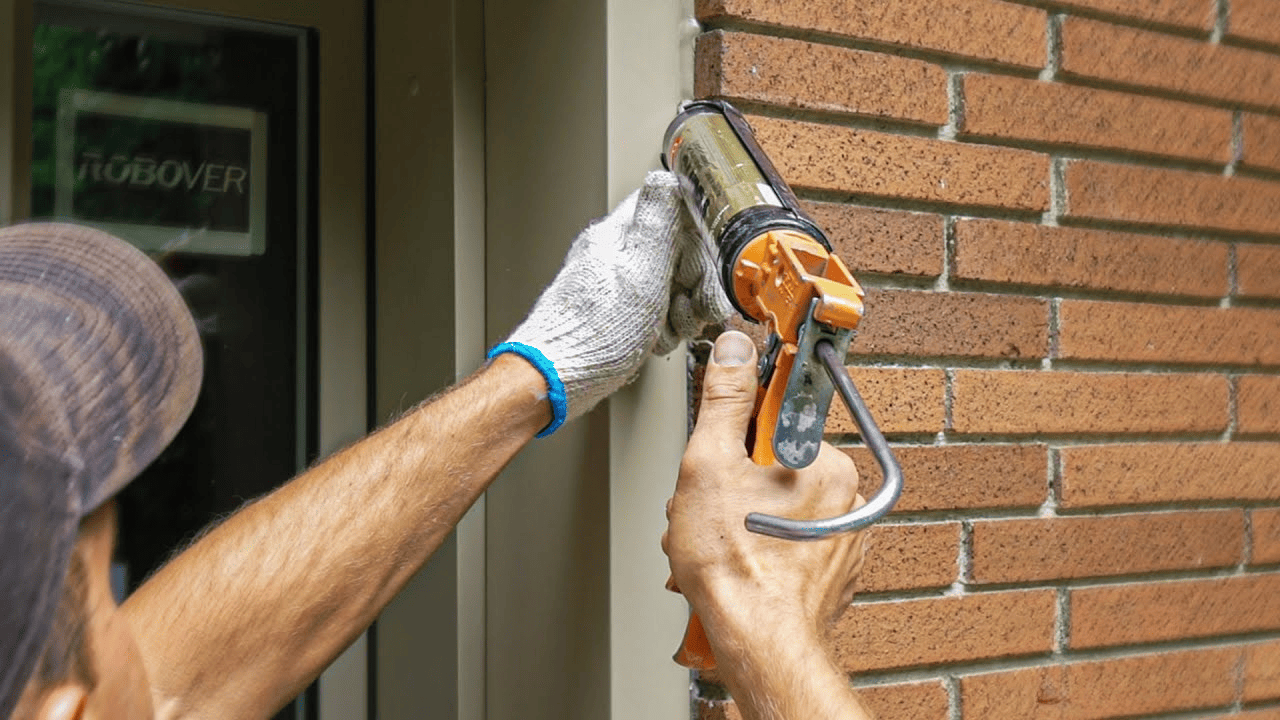
As a responsible building owner, it's essential to keep a keen eye on your masonry surfaces to determine whether they require maintenance and restoration. If you observe any of these signs, it is best to consult with a professional restorative masonry cleaning contractor. A skilled contractor can assess the damage, identify the underlying cause, and develop a plan for proper maintenance and restoration to ensure your building's safety, appearance, and longevity.
To ensure the longevity of both contemporary and historic buildings, contact the experienced team at RestoreWorks to discuss your masonry cleaning and maintenance requirements.