Building Envelope Repairs: The Key to Long-Term Energy Efficiency

Energy loss in commercial buildings rarely happens through a single failure. More often, it occurs gradually through small gaps, deteriorated joints, or moisture intrusion within the exterior wall system.
These issues are tied directly to the building envelope, which is the exterior barrier that separates interior conditioned space from the outside environment.
For masonry buildings throughout the Chicago region, maintaining the building envelope is essential not only for protecting structural systems but also for maintaining long-term energy efficiency. When exterior wall systems begin to deteriorate, air infiltration and moisture intrusion can increase operating costs while accelerating façade deterioration.
Understanding how building envelope systems work (and how they fail) helps property managers and engineers address problems before they become large-scale restoration projects.
What the Building Envelope Does in Masonry Buildings
The building envelope refers to the complete exterior system that protects a structure from weather, moisture, and temperature changes.
In masonry construction, the envelope typically includes:
- Brick, stone, or concrete façades
- Mortar joints and expansion joints
- Sealant systems around windows and control joints
- Steel lintels above openings
- Flashing and drainage systems within the wall assembly
- Concrete balconies or façade elements
These components work together to control three critical forces affecting building performance:
Air Control
Exterior walls act as barriers that limit uncontrolled air movement between the interior and exterior environments. When gaps develop in mortar joints or sealant systems, conditioned air can escape while outside air enters the building.
According to the EnergySense Resilience Center at the University of Illinois, reducing uncontrolled air leakage through the building envelope is one of the most cost-effective strategies for improving building energy efficiency. Pressure differences caused by wind, mechanical systems, and temperature changes (often referred to as stack effect) can pull air through small openings in the façade and increase heating and cooling demand.
Moisture Control
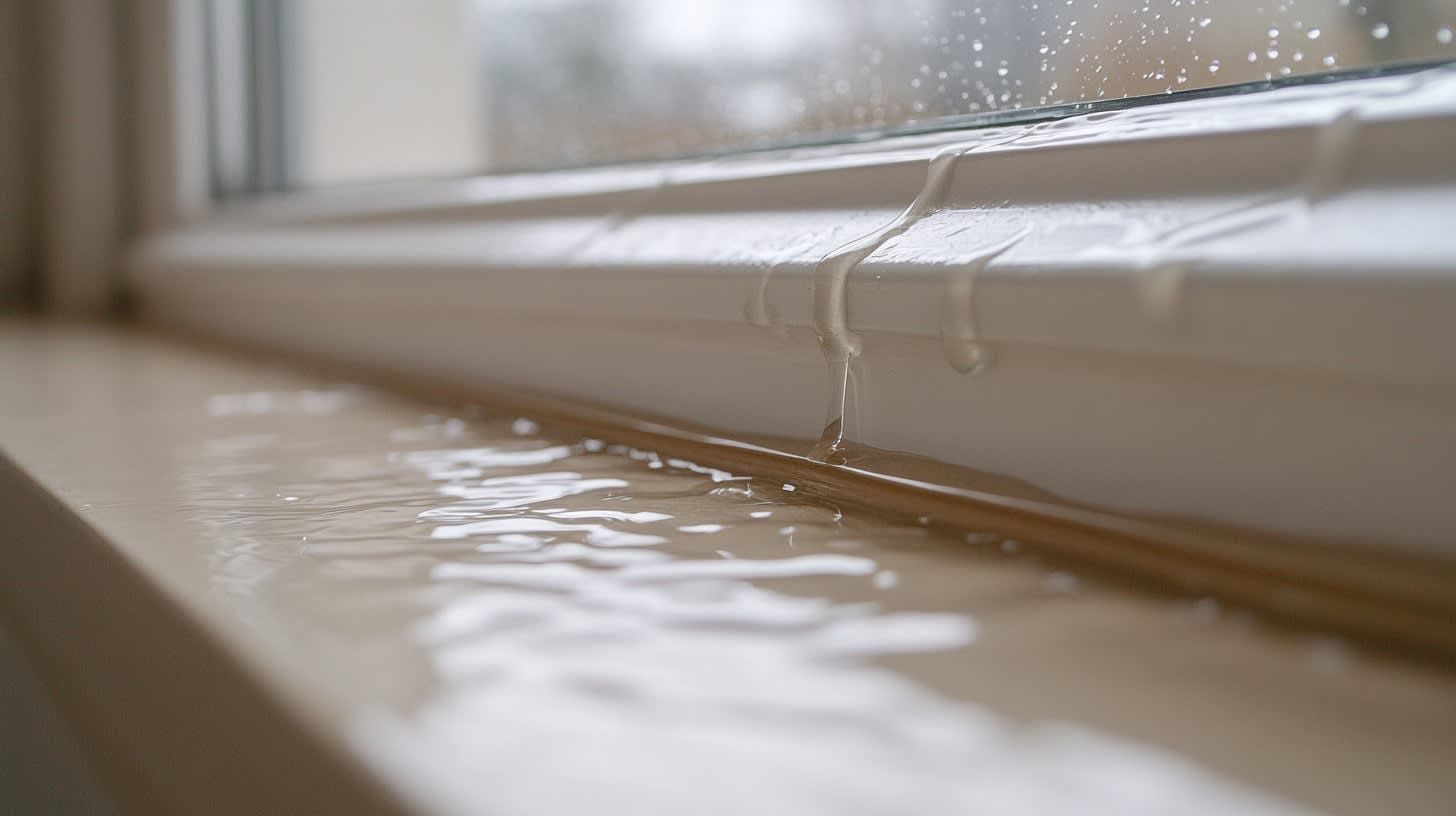
Masonry walls are designed to manage water penetration through a system of drainage components such as flashing and weep holes. When these systems fail, water can accumulate inside the wall assembly.
Thermal Control
Exterior wall systems help regulate heat transfer between the interior and exterior of a building. When air infiltration increases or insulation becomes compromised by moisture, heating and cooling systems must work harder to maintain interior temperatures.
Thermal performance can also be reduced by thermal bridging, which occurs when conductive materials such as steel or aluminum allow heat to transfer through the wall assembly more easily than surrounding materials. An article published by Facility Executive notes that thermal bridging can significantly reduce the real-world efficiency of building envelope systems, particularly in colder climates where temperature differences are greatest.
When gaps, moisture intrusion, or material deterioration occur within the envelope, the overall thermal performance of the wall system declines.

Why Masonry Buildings Lose Energy Efficiency Over Time
Exterior wall systems naturally deteriorate due to environmental exposure and aging materials. Over time, several common conditions can affect building envelope performance.
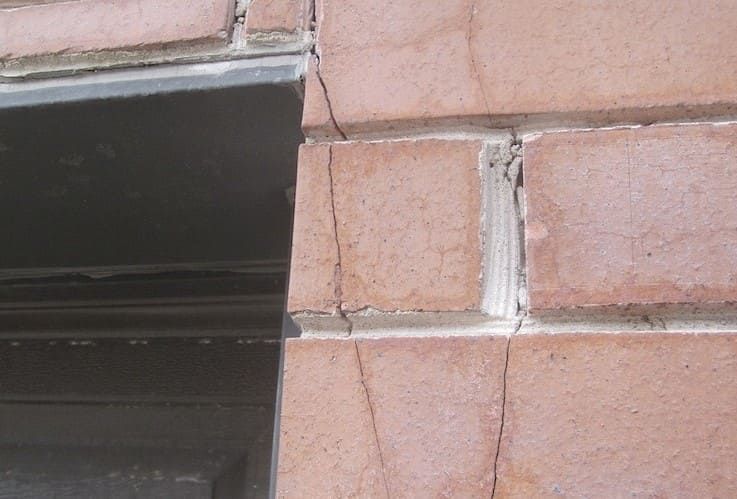
Mortar Joint Deterioration
Mortar joints are intentionally softer than the masonry units they hold together. Over decades of exposure, mortar gradually erodes due to weather and temperature fluctuations.
When mortar joints deteriorate, small openings allow air and moisture to penetrate the wall assembly.
Aging Sealant Systems
Sealant joints around windows and building movement joints typically have a service life of 15 to 25 years. As these materials age, they can crack, shrink, or separate from adjacent surfaces.
These failures often create pathways for both air infiltration and water penetration.
Corrosion of Steel Components
Steel lintels and shelf angles are commonly used to support masonry above openings and floor lines. When moisture reaches these components, corrosion can cause steel to expand, which may crack surrounding masonry.
Cracking in Concrete Elements
Concrete façade components and balconies may develop cracks due to structural movement, freeze–thaw exposure, or reinforcing steel corrosion. These cracks allow moisture to penetrate and may affect both durability and thermal performance.
How Building Envelope Problems Are Diagnosed
Before repairs begin, façade consultants and engineers typically perform detailed investigations to identify the root cause of envelope failures.
Common diagnostic methods include:
- Façade inspections to identify visible deterioration
- Exploratory openings to examine concealed wall components
- Moisture mapping to detect water infiltration within walls
- Engineering reports outlining recommended repair strategies
These investigations help determine whether issues are isolated or part of a larger building envelope problem.
In some cases, investigators also use infrared thermography to help identify hidden envelope issues. As discussed in the Everything Building Envelope podcast, thermal imaging can reveal temperature differences in walls, roofs, and window systems that may indicate air leakage, missing insulation, or trapped moisture. This technology helps identify potential problem areas before more invasive testing or exploratory openings are performed.

Chicago Conditions That Accelerate Envelope Deterioration
Buildings in the Chicago region face environmental conditions that place significant stress on exterior wall systems.
Some of the most influential factors include:
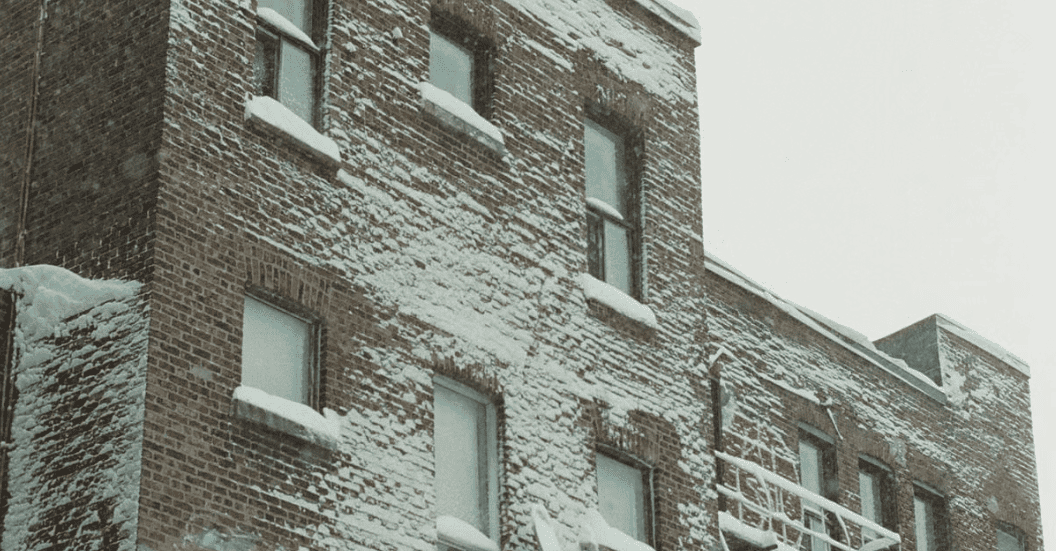
- Freeze–thaw cycles that expand trapped moisture within masonry
- Wind-driven rain, particularly near Lake Michigan
- Large seasonal temperature swings that cause expansion and contraction of building materials
- Aging masonry construction in many commercial and institutional buildings
Because of these conditions, façade systems in the Midwest often require periodic restoration to maintain their long-term performance.
Typical Building Envelope Repair Strategies
Once the causes of deterioration are identified, restoring the building envelope often involves repairing several interconnected exterior wall components.
Common repair strategies may include:
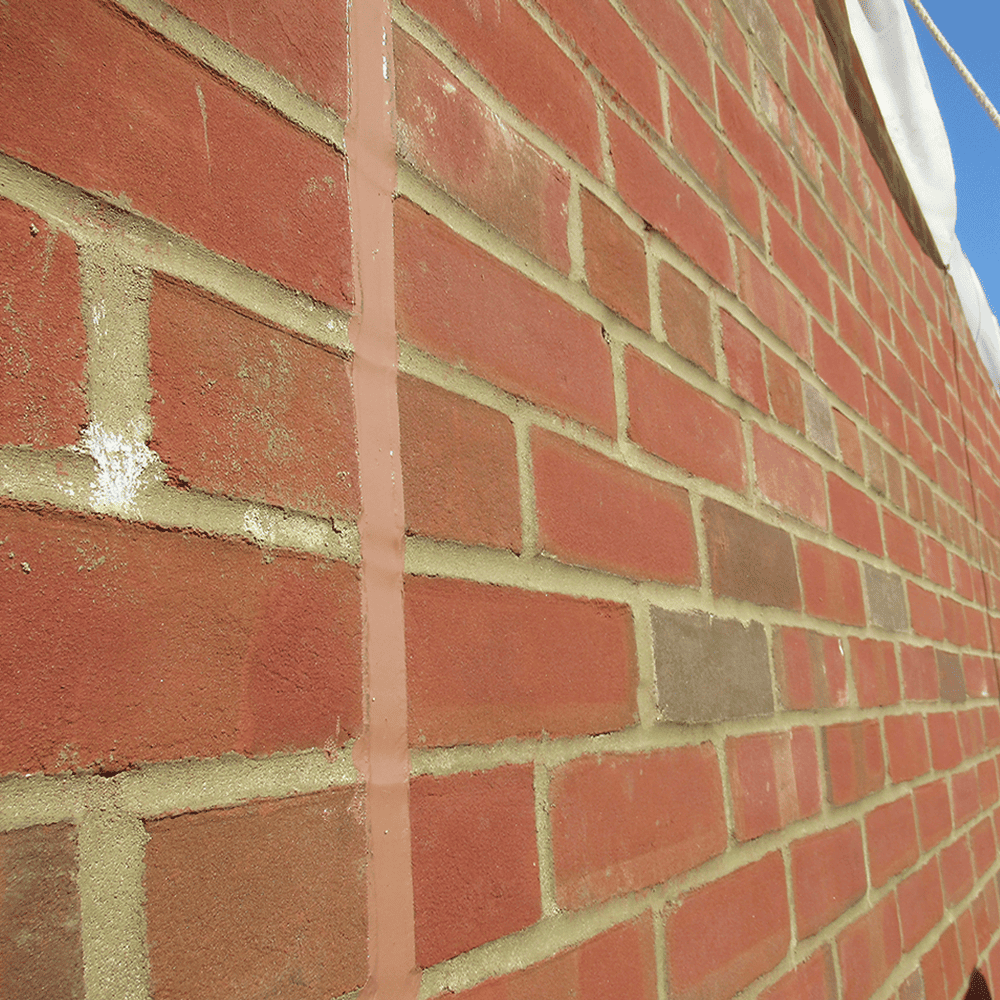
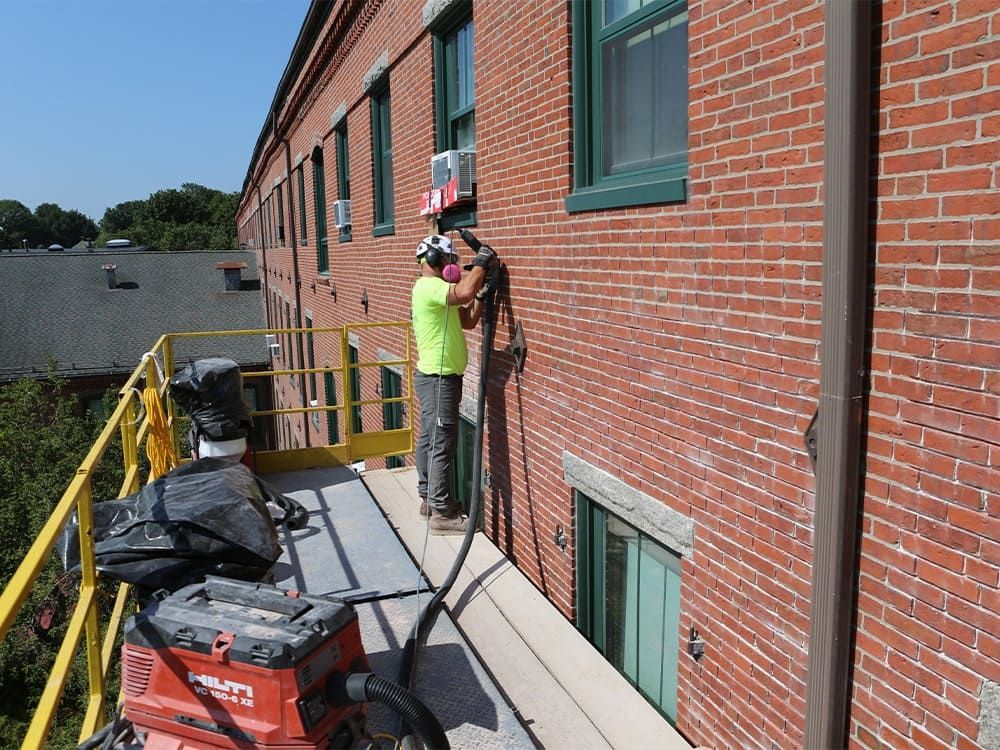
- Rebuilding deteriorated mortar joints to restore the integrity of masonry walls
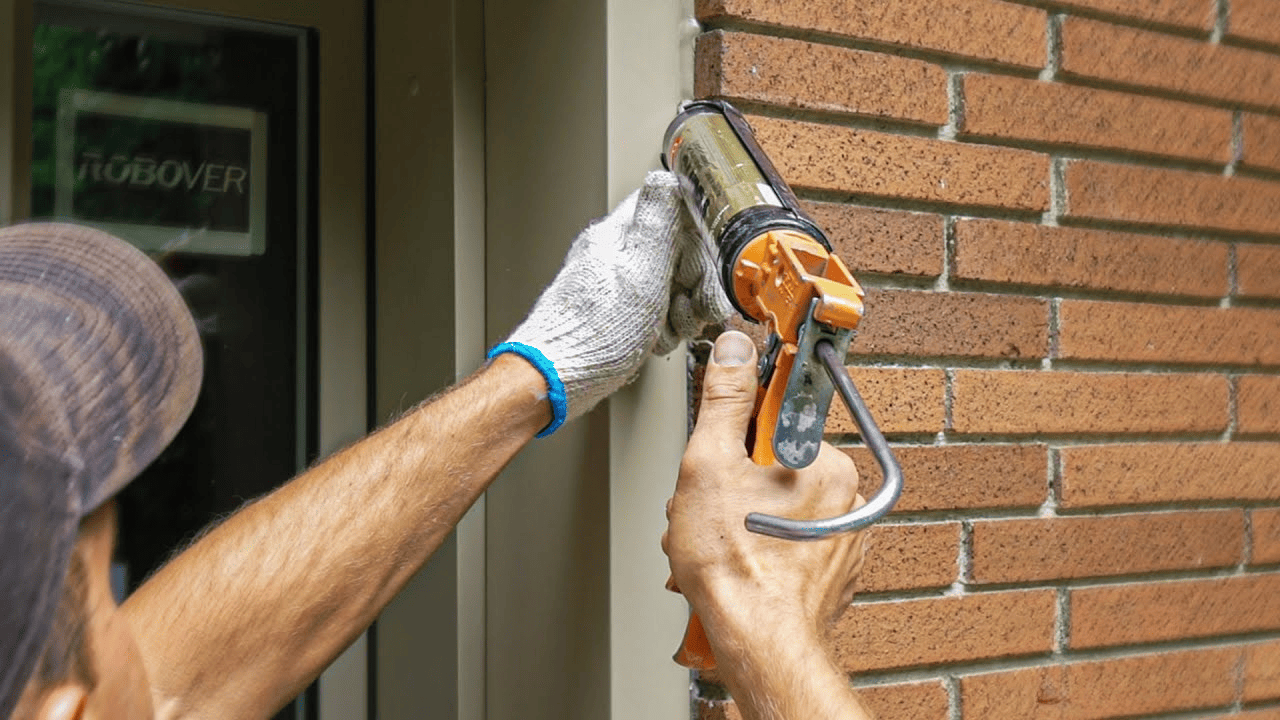
- Replacing failed sealant joints around windows and movement joints
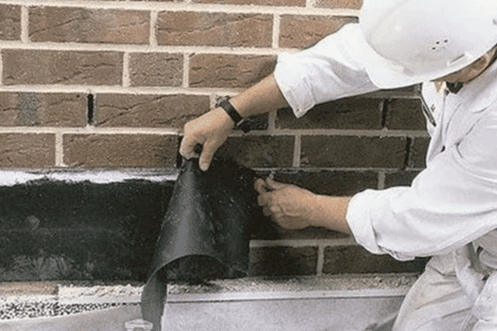
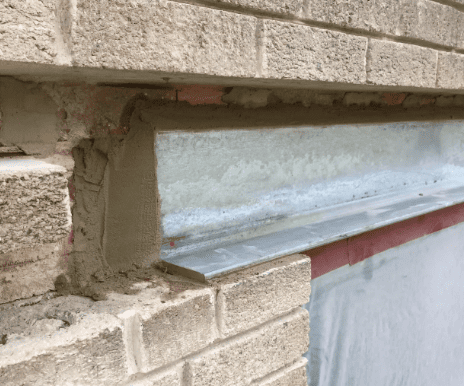
- Repairing or replacing corroded lintels and flashing systems that manage water drainage
- Restoring damaged concrete façade elements or balconies
These repairs are often performed as part of broader masonry restoration projects that focus on restoring the performance of the entire façade system rather than addressing isolated issues.
Signs a Building Envelope May Need Repairs
Building envelope deterioration can develop gradually, which makes early detection important.
Common warning signs include:
- Cracked or deteriorated mortar joints
- Rust staining above windows
- Brick displacement near openings
- Interior water staining or moisture damage
- Drafts near exterior walls
- Rising heating and cooling costs
When these conditions appear, a professional façade inspection can help determine the appropriate repair approach.
How Building Envelope Repairs Improve Energy Performance
Restoring exterior wall systems can significantly improve the performance of a building over time. According to research published by the U.S. Department of Energy’s Office of Scientific and Technical Information, the opaque building envelope influences roughly 25% of energy use in buildings, highlighting how important exterior wall performance is to overall energy efficiency.
Benefits of properly maintained envelopes often include:
• Reduced air infiltration
• Improved interior temperature stability
• Lower heating and cooling demand
• Reduced risk of moisture damage
• Longer service life for façade systems
By addressing deterioration early, building owners can prevent minor envelope issues from developing into large-scale structural problems.
FAQ: Building Envelope Repairs
What are building envelope repairs?
Building envelope repairs involve restoring exterior wall systems that control air, water, and heat movement. This work may include repairing masonry joints, replacing sealants, restoring flashing systems, or repairing structural façade components to improve durability and building performance.
How do building envelope repairs improve energy efficiency?
When cracks or failed joints allow uncontrolled airflow, conditioned air escapes and outside air enters the building. Repairing these failures restores the integrity of the exterior wall system and helps maintain stable interior temperatures.
How often should a building envelope be inspected?
Most commercial masonry buildings benefit from façade inspections every three to five years. Buildings exposed to severe weather or aging façade systems may require more frequent evaluations to detect early deterioration.
What is the difference between envelope repair and restoration?
Envelope repair typically addresses localized problems such as a failed sealant joint or damaged lintel. Envelope restoration involves a broader effort to repair multiple façade components and restore the overall performance of the exterior wall system.
Do you have any questions about building envelope repairs and maintenance? Contact RestoreWorks today.