Signs Your Building Needs Tuckpointing in Chicago Before Spring 2026
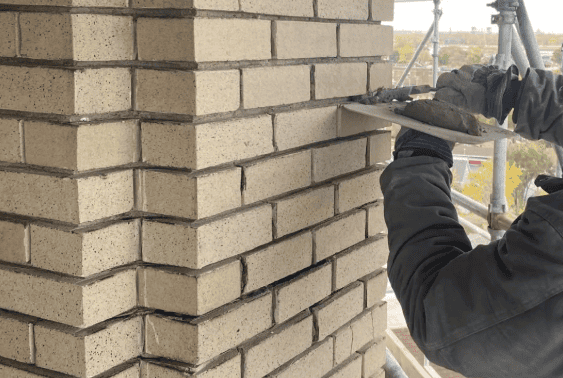
Chicago buildings don’t fail all at once. Masonry issues show up quietly, cracked joints, loose bricks, subtle water entry, long before major damage becomes obvious. By the time spring arrives, winter exposure has already done its work.
If you’re responsible for a commercial or multi-family building in Chicago, tuckpointing decisions made before spring 2026 can be the difference between controlled maintenance and emergency repairs.
Below are the most reliable signs we see in the field that indicate tuckpointing should be addressed now, not later.
What Tuckpointing Actually Does (and Why Timing Matters)
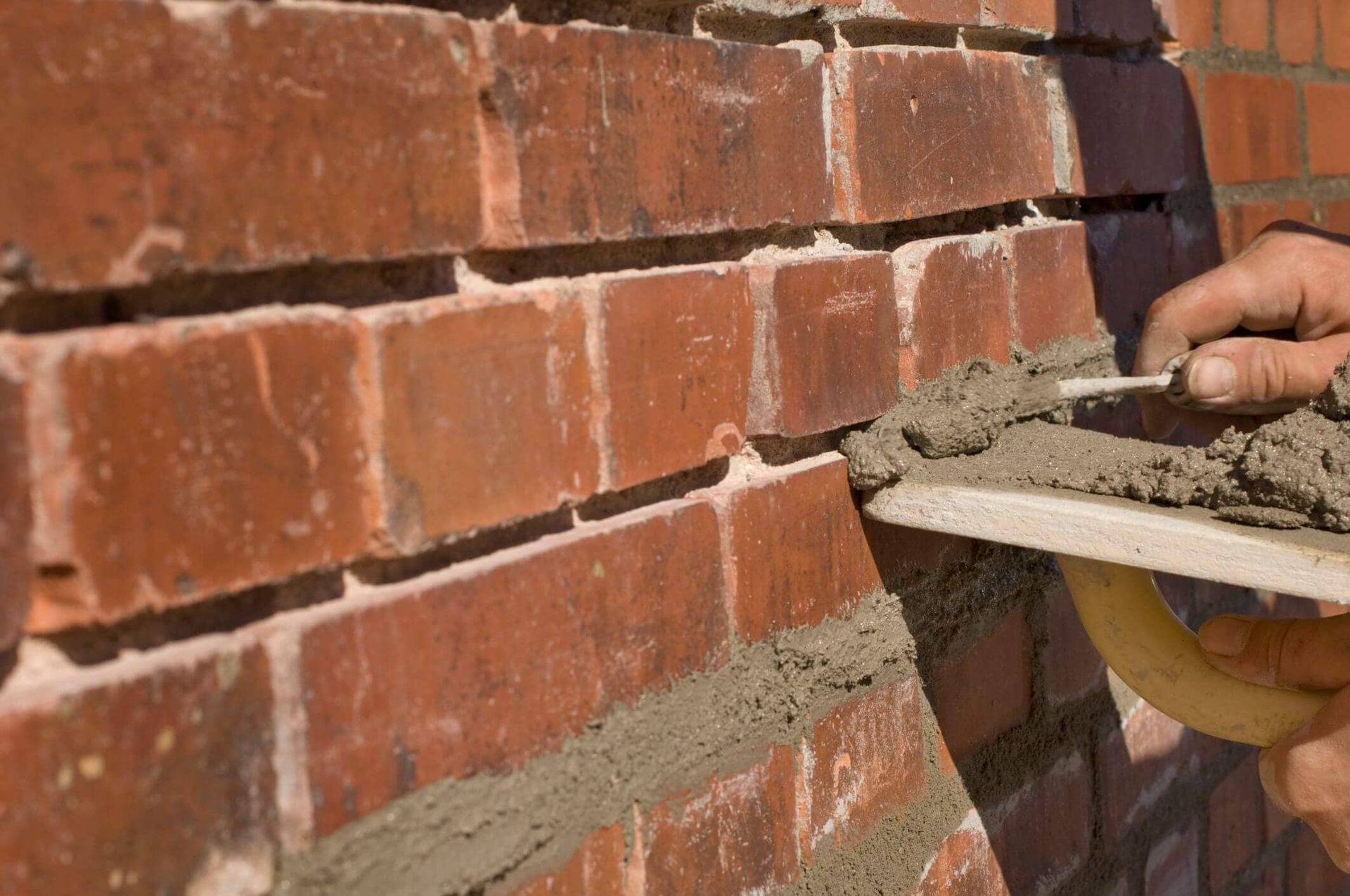
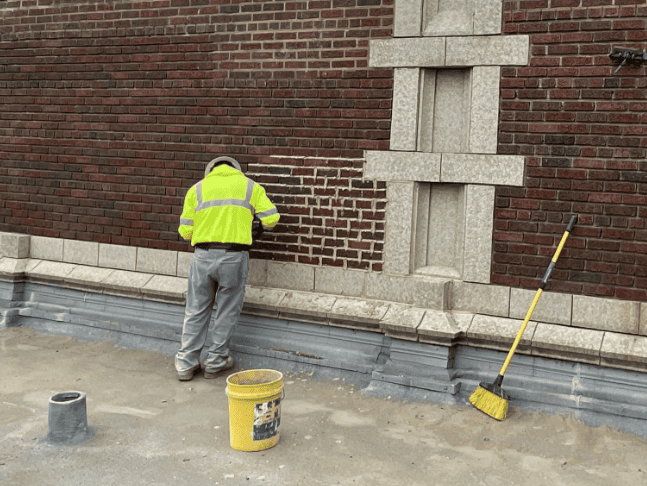
Tuckpointing is the process of removing deteriorated mortar and replacing it with new, compatible mortar. Mortar is intentionally designed to be the sacrificial element in a masonry wall, it absorbs movement, moisture, and temperature stress so the brick or stone units do not have to. As noted by the International Masonry Institute, mortar joints are the most weather-exposed component of a masonry wall and are expected to require periodic maintenance over a building’s life cycle.
In Chicago’s freeze–thaw environment, failing mortar accelerates moisture intrusion. Water enters open joints, freezes, expands, and transfers stress directly into the surrounding masonry. Over time, this can lead to cracking, displacement, or spalling of brick units that were never meant to carry that load. Spring doesn’t reset that damage, it exposes it.
Cracked, Powdery, or Missing Mortar Joints
This is the most direct indicator and the one most often underestimated.
Warning signs include:
- Mortar that crumbles when pressed with a finger or tool
- Hairline cracking that runs continuously along bed joints
- Joints recessed beyond their original profile
Once mortar loses cohesion, it no longer sheds water. That allows moisture to migrate deeper into the wall assembly, increasing the risk of brick displacement and interior leakage.
Brick Movement or Step Cracking Along Masonry Walls
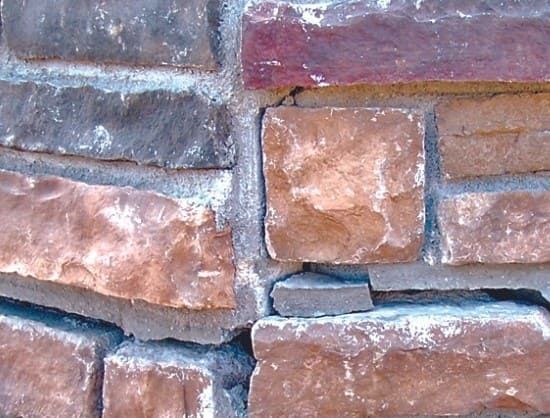
When mortar fails, bricks begin carrying loads they were never meant to handle.
Common field observations include:
- Stair-step cracking through brick and mortar
- Bricks that appear rotated, shifted, or misaligned
- Localized bulging or waviness in façade walls
These conditions often start as tuckpointing issues but can escalate into structural concerns if ignored, especially on taller commercial or residential buildings.
Efflorescence or White Staining on Brick Surfaces
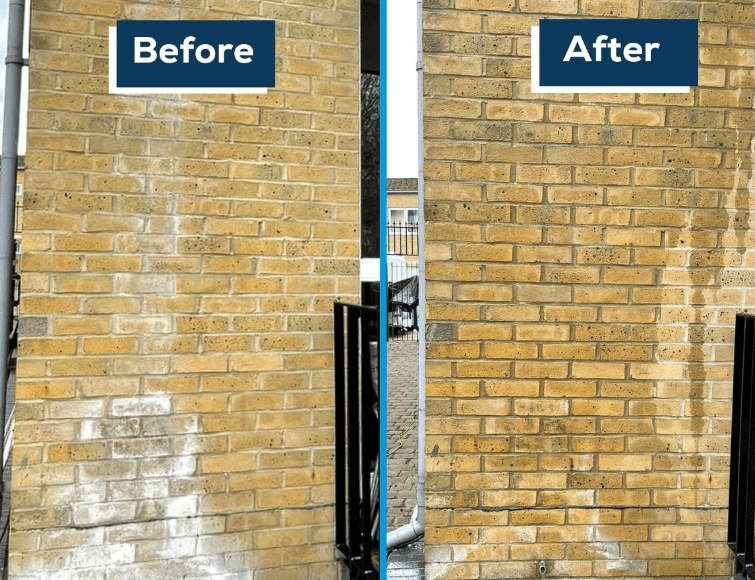
Efflorescence is the white, powdery residue that appears when moisture moves through masonry and deposits water-soluble salts on the surface. While it is often assumed to come from the brick itself, guidance from the Brick Industry Association (GoBrick) explains that efflorescing salts most commonly originate from materials in contact with the brick, such as mortar, grout, concrete, or adjacent substrates, and are transported outward by moisture movement.
While efflorescence itself isn’t structural, it is a clear indicator that:
- Water is entering the wall system
- Moisture is migrating through mortar joints or interfaces
- The wall is not drying as intended
In Chicago, efflorescence often becomes more visible after winter as walls thaw and dry unevenly. When it appears on an established building, especially more than a year after construction, it is frequently associated with ongoing water penetration rather than a one-time construction condition. When paired with deteriorated mortar, it’s a strong signal that tuckpointing should be evaluated before spring moisture cycles begin.
Interior Water Leaks Near Masonry Walls
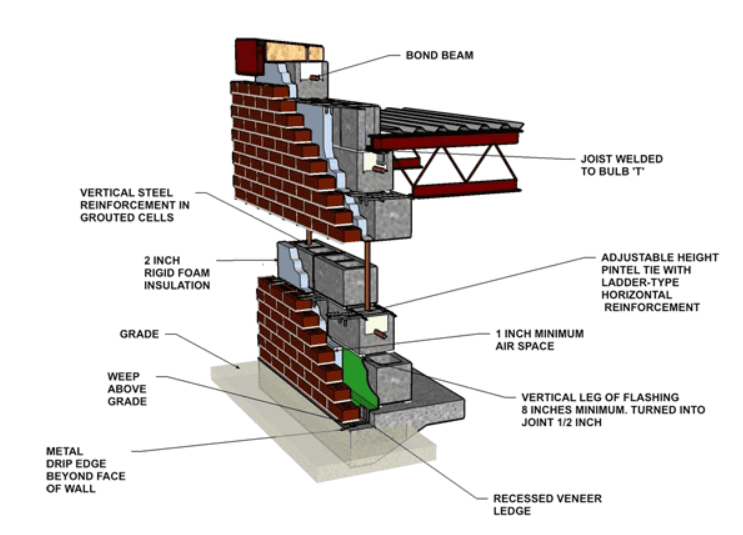
Leaks at window heads, parapets, or floor lines adjacent to masonry walls are rarely isolated interior issues. Masonry walls are designed with the expectation that some water will penetrate the exterior surface, but that water must be collected, directed, and discharged through flashing, cavities, and weep systems.
As discussed in a water-resiliency feature by Masonry Magazine, moisture problems occur when water entering the wall has no clear path back out. When flashing is incomplete, end dams are missing, weeps are blocked, or mortar joints allow uncontrolled migration, water can accumulate and move inward rather than draining externally.
In our experience, interior leaks near masonry walls often trace back to:
- Failed mortar joints allowing water to bypass intended drainage paths
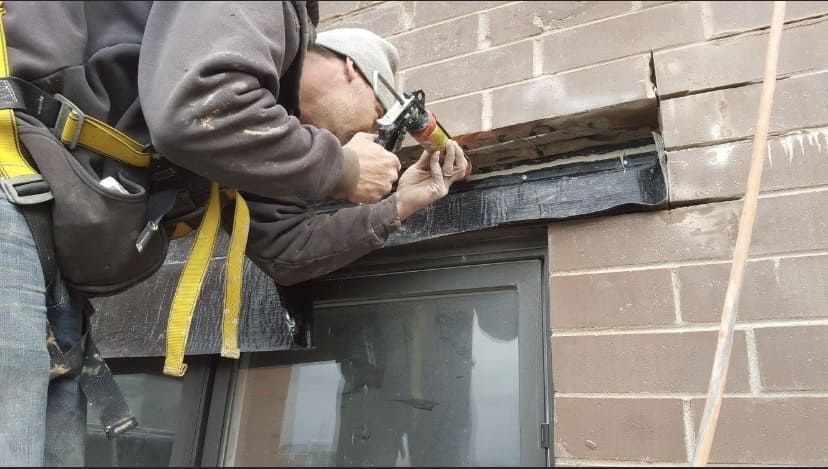
- Deteriorated sealant at window perimeters, control joints, or masonry interfaces
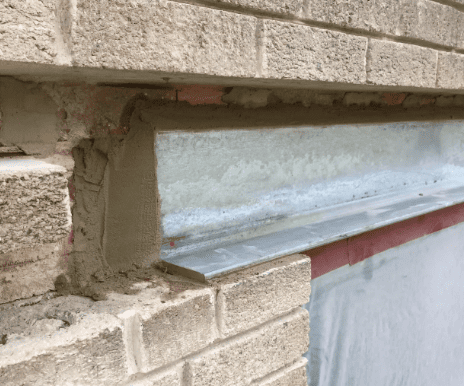
- Compromised lintel or shelf angle flashing that no longer directs water outward
Tuckpointing alone may not resolve the issue, but it is frequently a required part of a broader repair strategy. Restoring mortar joints helps control how water enters the wall, while coordinated repairs, such as sealant replacement or flashing corrections, ensure that water is properly managed once it’s inside the assembly.
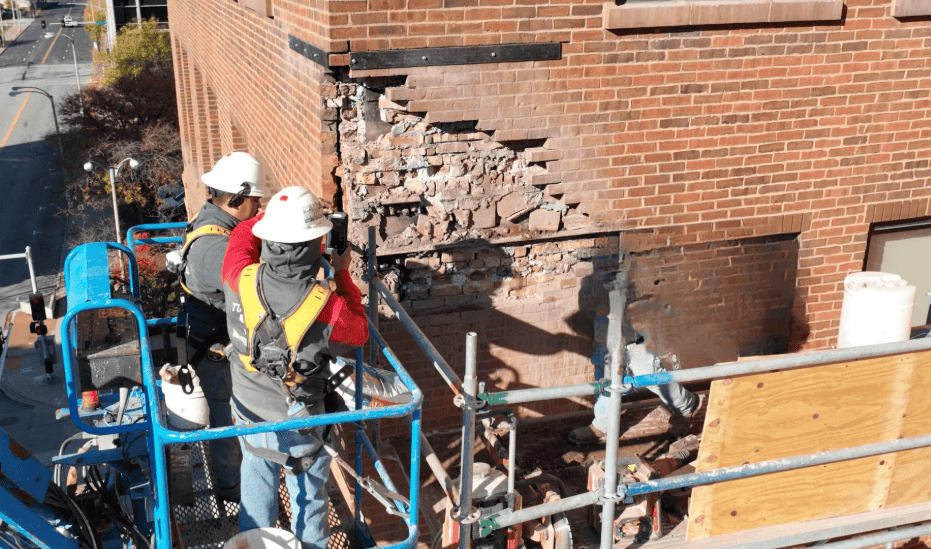
Spalling Brick or Face-Shell Delamination
When water becomes trapped behind masonry and freezes, brick faces can shear off. This is not cosmetic, it’s a sign of prolonged moisture exposure.
Spalling commonly appears:
- At parapets and coping lines
- Beneath windows and shelf angles
- On elevations exposed to prevailing winds or lakefront conditions
Once spalling begins, tuckpointing becomes preventative for adjacent areas, while damaged units may require selective brick replacement.
Aging Buildings with Original or Incompatible Mortar
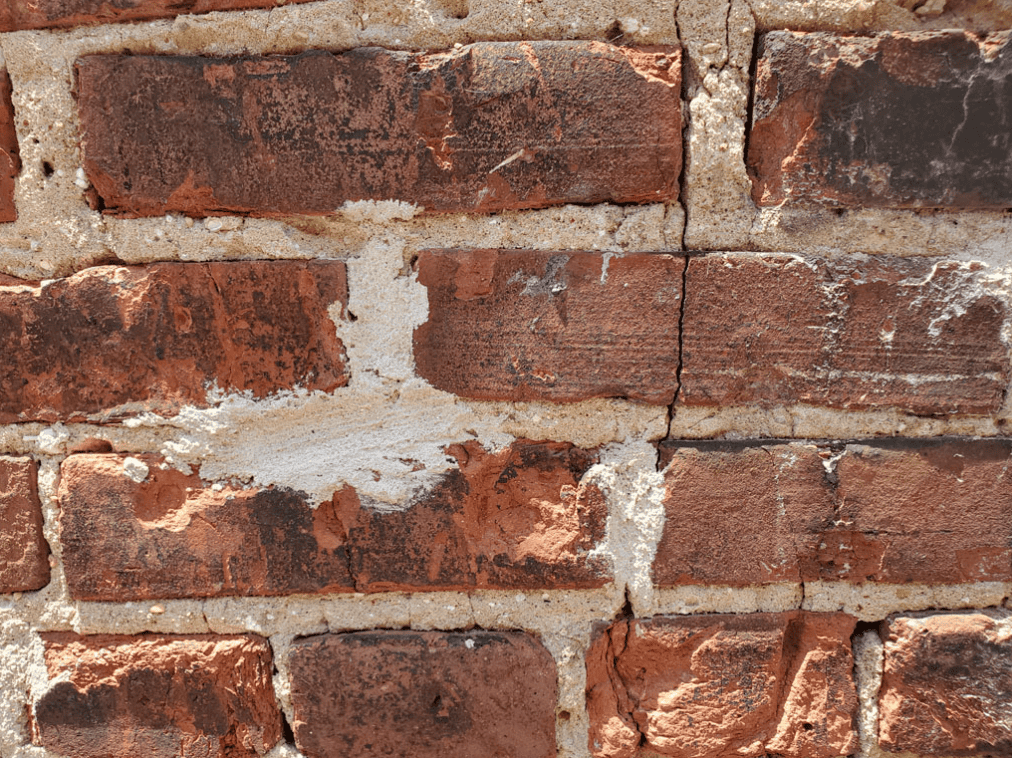
Many Chicago buildings, especially pre-1960 construction, were built with softer lime-based mortars. Over time, inappropriate repairs using hard Portland cement mortar can accelerate brick damage. Guidance used by the U.S. General Services Administration for historic masonry emphasizes that lime mortars are generally more permeable and better suited to manage moisture movement in older walls, and that mortar should remain softer than the masonry units so the mortar, not the brick, takes the wear.
When repointing mortar is too hard or too impermeable, two things tend to happen: (1) the wall’s natural movement concentrates stress into the brick units instead of the joints, and (2) moisture can become trapped in the wall. In Chicago freeze–thaw conditions, trapped moisture raises the risk of cracking and spalling because water expands as it freezes.
If your building has:
- Patchwork mortar colors or textures
- Previous repairs that appear harder than surrounding masonry
- Historic brick with cracking but intact units
A mortar analysis and targeted tuckpointing program can prevent irreversible masonry damage by matching the new mortar’s permeability, strength, and appearance to what the wall was designed to handle.
Why Spring 2026 Is an Important Decision Point
Spring is when masonry failures become visible, but planning must happen before that.
Scheduling tuckpointing ahead of spring allows:
- Proper assessment before emergency conditions develop
- Coordination with other façade repairs or inspections
- Better sequencing with mock-ups, testing, and budget planning
Waiting until leaks or brick failures appear often limits options and increases costs.
Chicago-Specific Factors That Accelerate Mortar Failure
Chicago masonry deteriorates differently than in milder climates due to:
- Repeated freeze–thaw cycles
- Lake Michigan wind exposure and driving rain
- Deicing salts near sidewalks, plazas, and parking structures
How Tuckpointing Fits Into a Larger Restoration Strategy
Tuckpointing is rarely a standalone decision. It often works in coordination with:
- Masonry restoration and façade stabilization
- Caulking and sealant replacement at transitions
- Lintel and shelf angle repairs
- Concrete façade or balcony restoration where masonry interfaces with concrete
Proper sequencing matters. Addressing mortar early reduces the scope, and cost, of future repairs.
Frequently Asked Questions About Tuckpointing
How do I know if my building needs tuckpointing or full masonry restoration?
Tuckpointing addresses mortar failure only. If bricks are cracked, spalled, or structurally compromised, masonry restoration may be required. A façade assessment determines whether mortar replacement alone is sufficient.
When is the best time to do tuckpointing in Chicago?
Late spring through early fall provides optimal curing conditions. Planning and evaluations should occur before spring so work can be scheduled proactively rather than reactively.
How long does tuckpointing typically last?
Properly installed, compatible mortar can last 25–40 years depending on exposure, detailing, and maintenance. Poor material selection or workmanship can significantly shorten that lifespan.
Can tuckpointing help stop interior water leaks?
Often yes, but only if failing mortar is part of the moisture path. Leaks may also involve flashing, sealants, or structural movement that must be addressed concurrently.
Have more questions about tuckpointing? Contact RestoreWorks today.