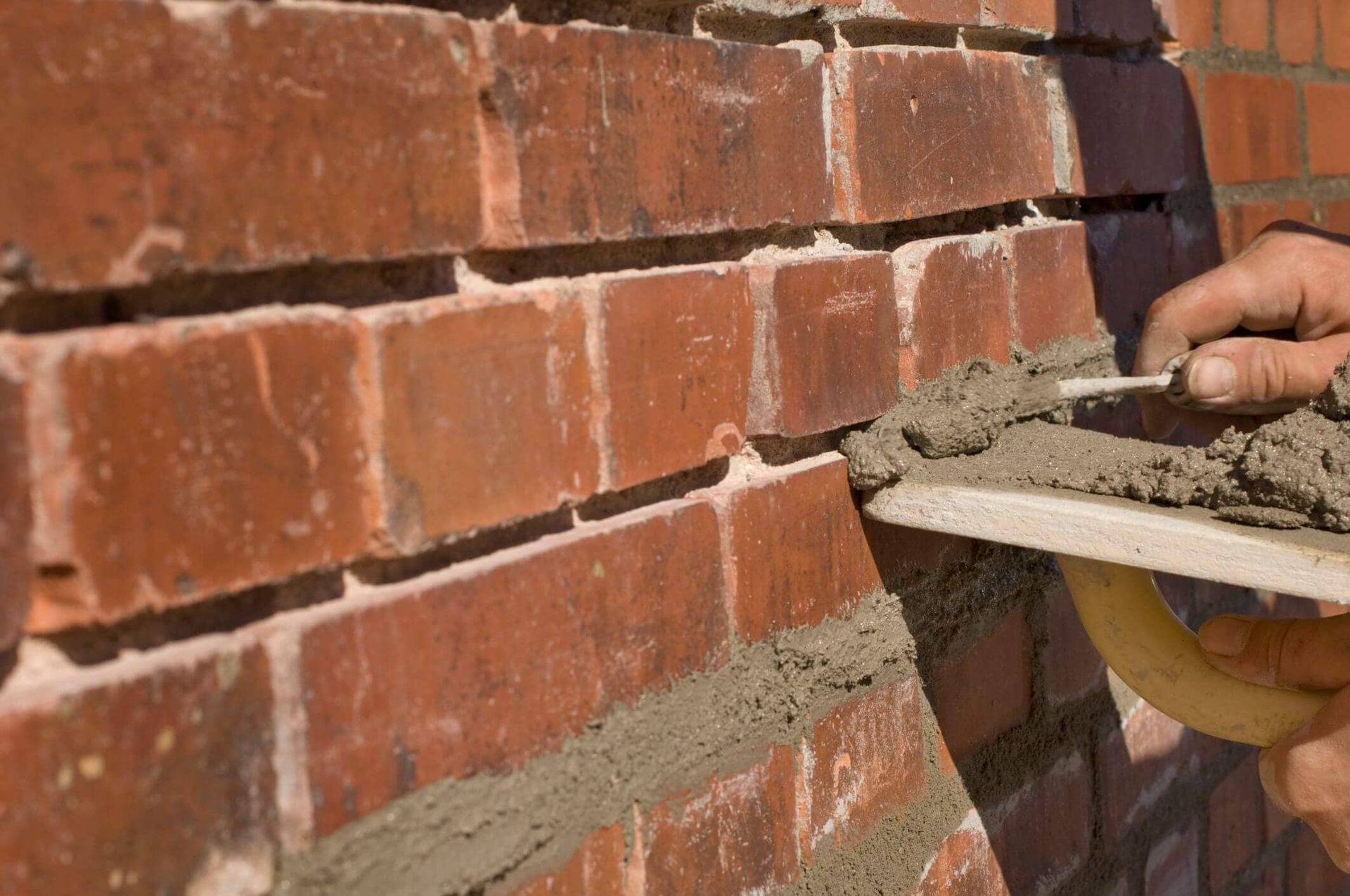
Preventing Water Infiltration Through Failing Mortar Joints
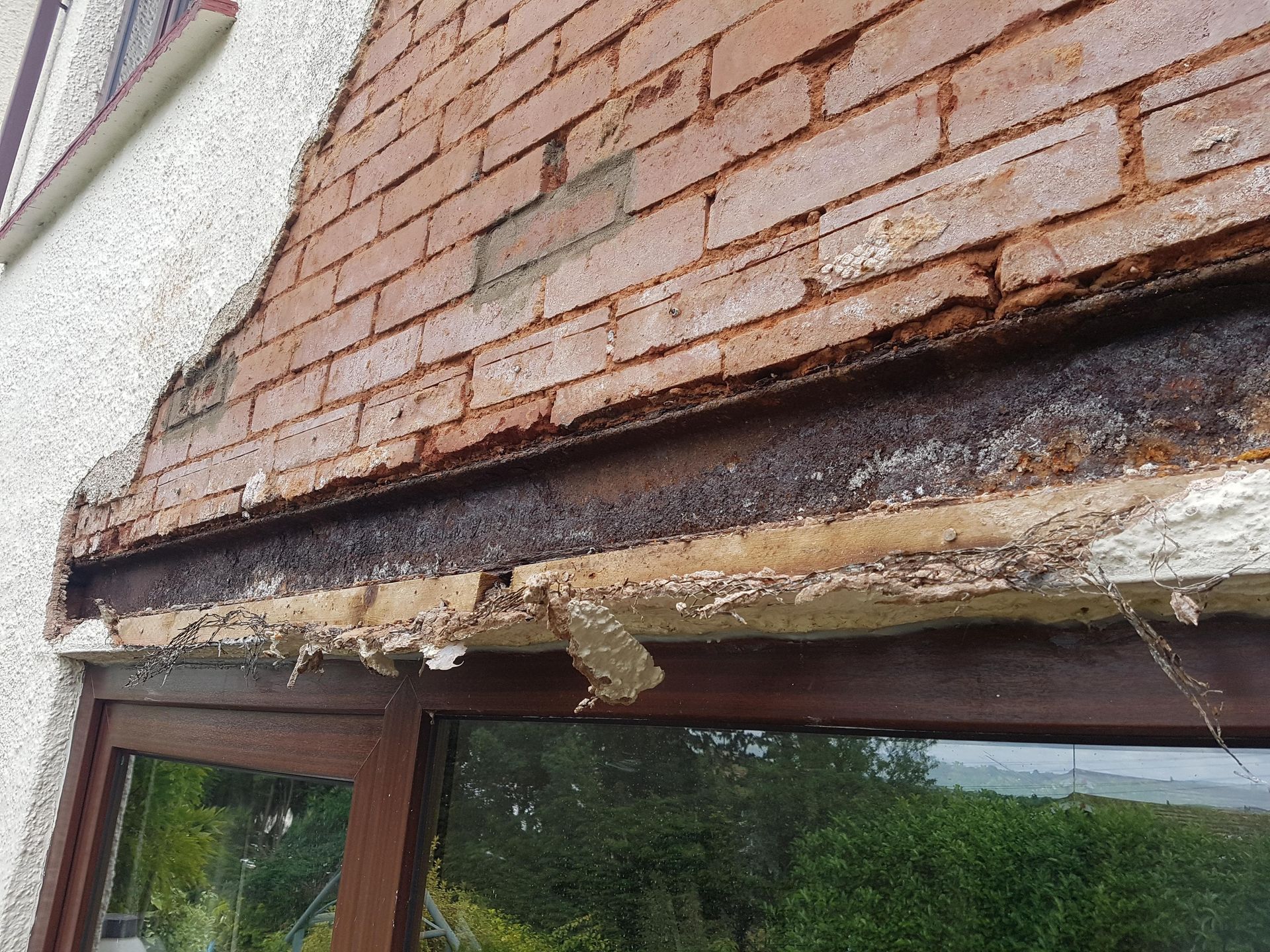
Failing mortar joints are one of the most common entry points for water in commercial masonry buildings. In Chicago, repeated freeze–thaw cycles, wind-driven rain off Lake Michigan, and decades-old construction amplify the risk.
If mortar joints are deteriorating, water infiltration is not a possibility, it is a timeline issue.
Understanding how mortar joints fail and how to address them early can prevent interior damage, structural deterioration, and expensive façade repairs.
Why Mortar Joints Are the First Line of Defense
Mortar joints are designed to be the sacrificial element of a masonry wall system. Brick and stone units are durable; mortar absorbs movement, accommodates minor shifts, and allows controlled moisture transfer.
When mortar joints begin to crack, recede, or powder, the wall’s water-shedding ability weakens. In older Chicago buildings, this can also occur when historic lime-based mortar is repointed with a harder, cement-heavy mix. The Mason Contractors Association of America emphasizes that mortar compatibility, not maximum strength, should guide historic repointing. Strength, stiffness, and vapor transmission characteristics should be similar to the original mortar and masonry units.
Stronger mortar is not necessarily better. When overly hard mortar is installed, stresses can concentrate at the face of the wall, leading to cracking or spalling in masonry units. Harder mortars can also restrict vapor movement, forcing moisture through brick or stone instead of through the joint, which accelerates deterioration.
In Chicago’s climate, this deterioration typically accelerates due to:
• Freeze–thaw expansion cycles
• Wind-driven rain
• Thermal movement from hot summers and cold winters
• Improper historic repointing using overly hard mortar
• Deferred maintenance on aging façades
Once mortar joints open up or lose their ability to properly transmit moisture, water can migrate behind the veneer.
How Water Infiltration Through Mortar Joints Causes Damage
Water entering through failing mortar joints does not stay localized. It travels.
Common downstream impacts include:
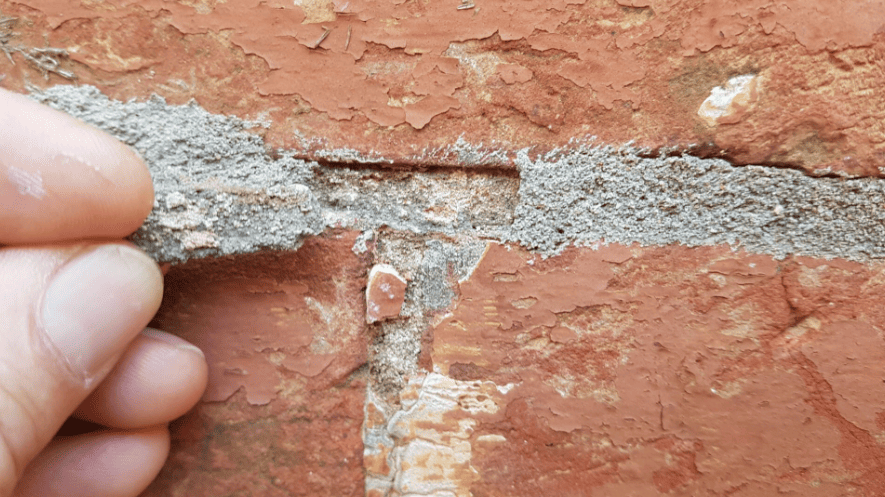
- Rusting steel lintels and shelf angles
- Deterioration of backup masonry
- Interior leaks and drywall damage
- Efflorescence and staining
- Freeze expansion causing brick spalling
- Concrete balcony edge deterioration
Many pre-1950 Chicago buildings were constructed as multi-wythe mass masonry walls without modern drainage cavities or weather-resistive barriers. As noted by the International Institute of Building Enclosure Consultants, these walls rely heavily on well-bonded mortar joints to limit water penetration beyond the exterior wythe.
When mortar joints crack or open, water moves deeper into the wall assembly. Once saturated, moisture can reach embedded steel shelf angles or lintels. Corrosion expands, cracking surrounding masonry and accelerating structural deterioration.
This is where minor tuckpointing becomes major structural repair.
Signs Your Mortar Joints Are Allowing Water In
Experienced property managers and engineers typically notice these early indicators:
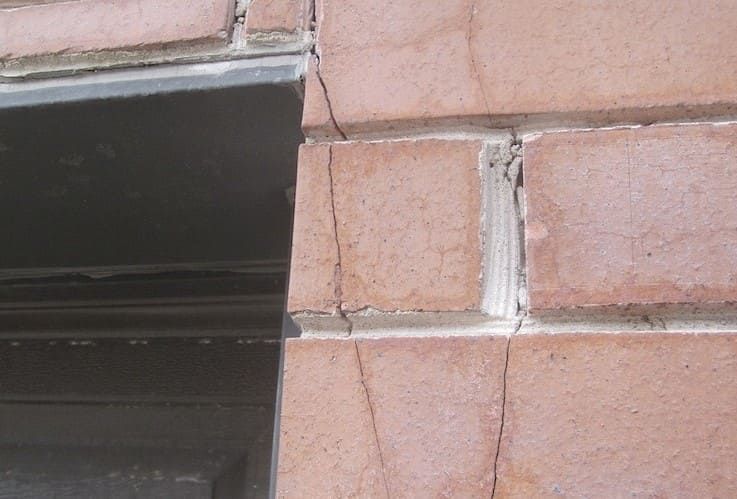
- Recessed or missing mortar
- Vertical cracking along mortar lines
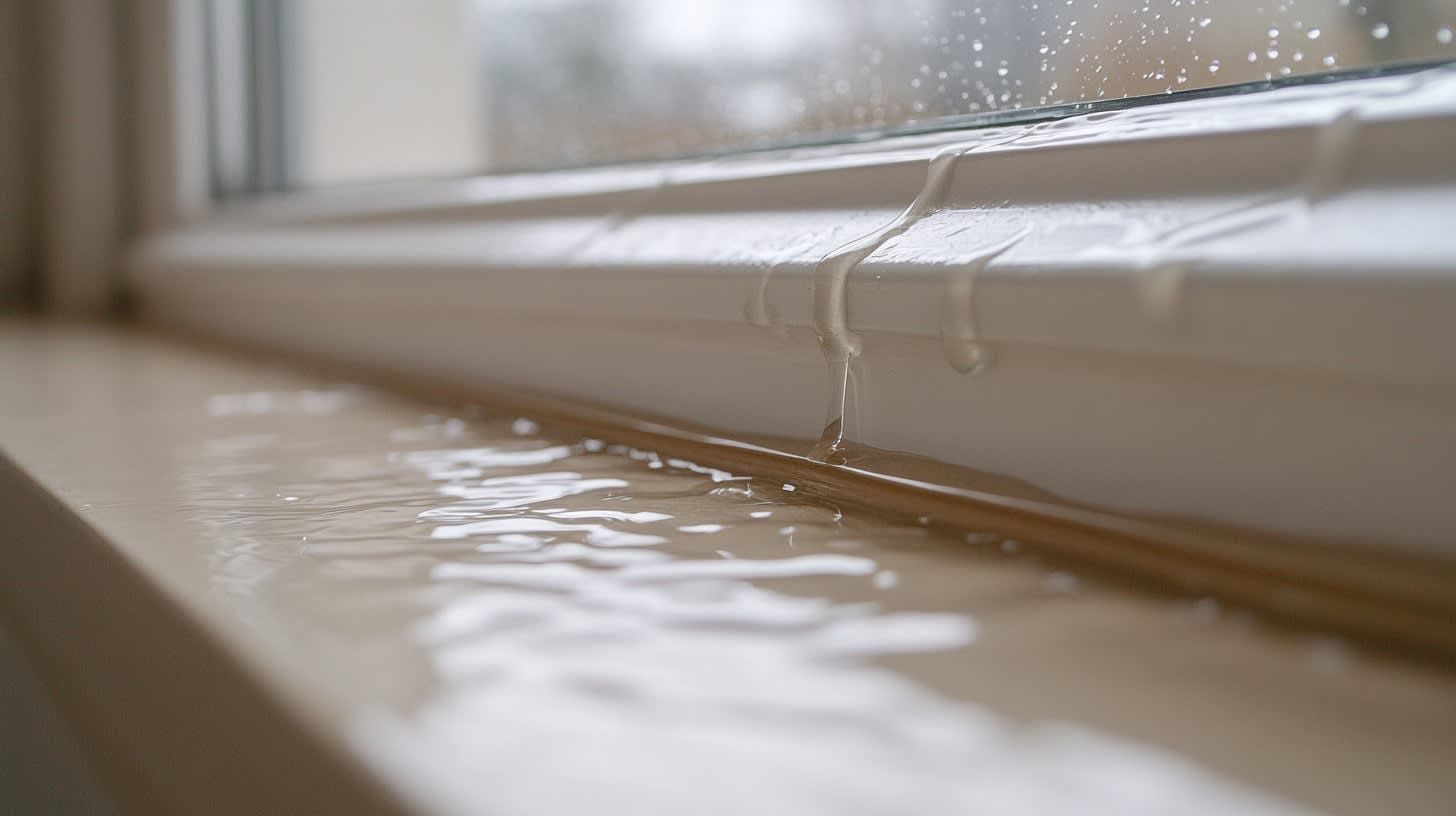
- Interior leaks during heavy rain
- White salt deposits (efflorescence)
- Brick faces beginning to pop or spall
- Rust staining above windows
If you see two or more of these signs, moisture intrusion is likely already occurring.
Chicago-Specific Risk Factors for Mortar Joint Failure
Chicago buildings face unique stress conditions:
1. Freeze–Thaw Cycling
Water enters small cracks in mortar joints. When temperatures drop, it freezes and expands. Repeated cycles enlarge those cracks over time.
2. Lakefront Exposure
Buildings near the lake experience higher wind loads and wind-driven rain. Mortar joints on west- and north-facing elevations often deteriorate faster.
3. Historic Construction
Many Chicago commercial properties and multi-family buildings were built with lime-based mortar. If repointed with modern Portland-cement-heavy mortar, the wall can trap moisture instead of releasing it.
Guidance from the U.S. General Services Administration emphasizes that lime mortars are often preferable for historic masonry because they are more permeable, more flexible, and better able to accommodate movement. Repointing mortar should be softer and more vapor-permeable than the original masonry units to reduce stress and allow moisture to pass through the joints rather than the brick or stone.
When mortar is too hard or too dense, water can become trapped within the wall. In Chicago’s freeze–thaw environment, that trapped moisture increases the risk of cracking, spalling, and long-term deterioration.

The Correct Way to Prevent Water Infiltration Through Mortar Joints
Stopping water intrusion requires more than surface patching.
Step 1: Proper Evaluation
A façade inspection should determine:
- Extent of mortar deterioration
- Depth of joint failure
- Moisture pathways
- Condition of embedded steel
- Need for mock-ups to confirm color and profile
Mock-ups are especially important for historic façades and high-visibility commercial properties.
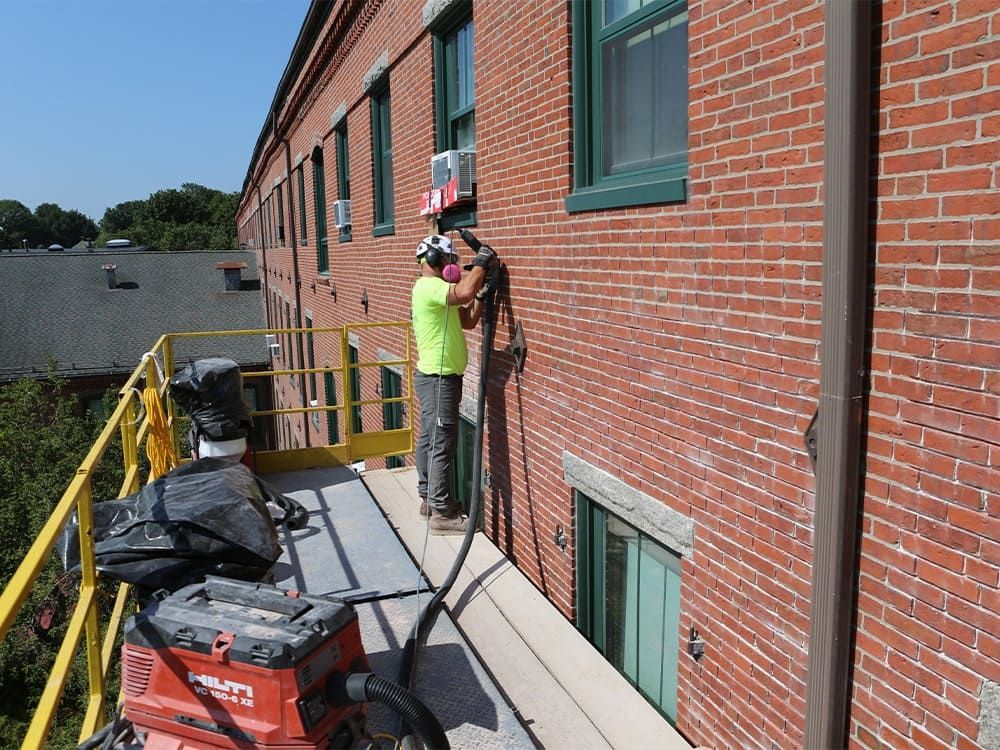
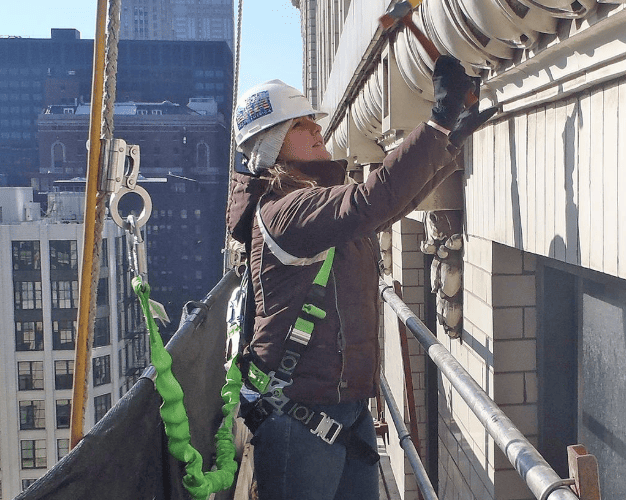
Step 2: Professional Tuckpointing
Tuckpointing involves:
- Removing deteriorated mortar to proper depth
- Cleaning joints thoroughly
- Installing new, compatible mortar
- Tooling joints to match original profile
Proper depth of removal is important. Surface smearing does not stop water infiltration.
Step 3: Address Adjacent Failure Points
Mortar joints often fail alongside:
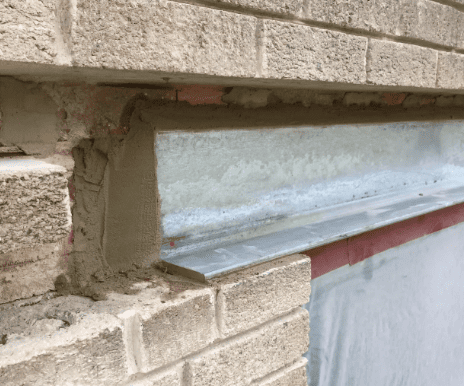
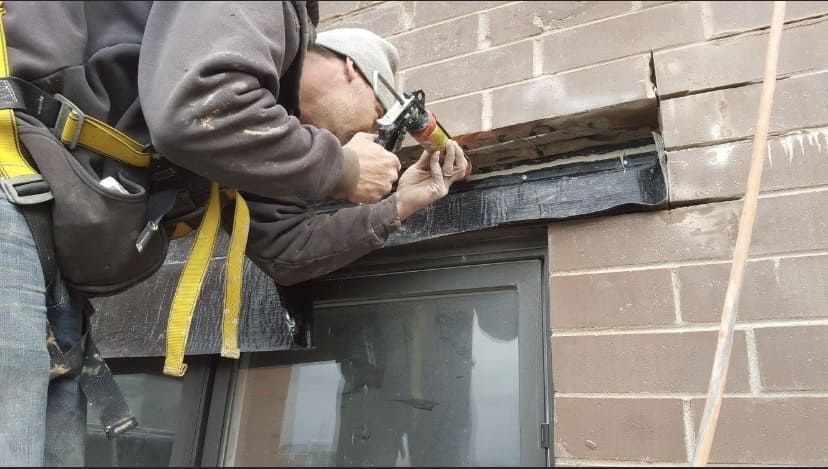
- Lintel and shelf flashing issues
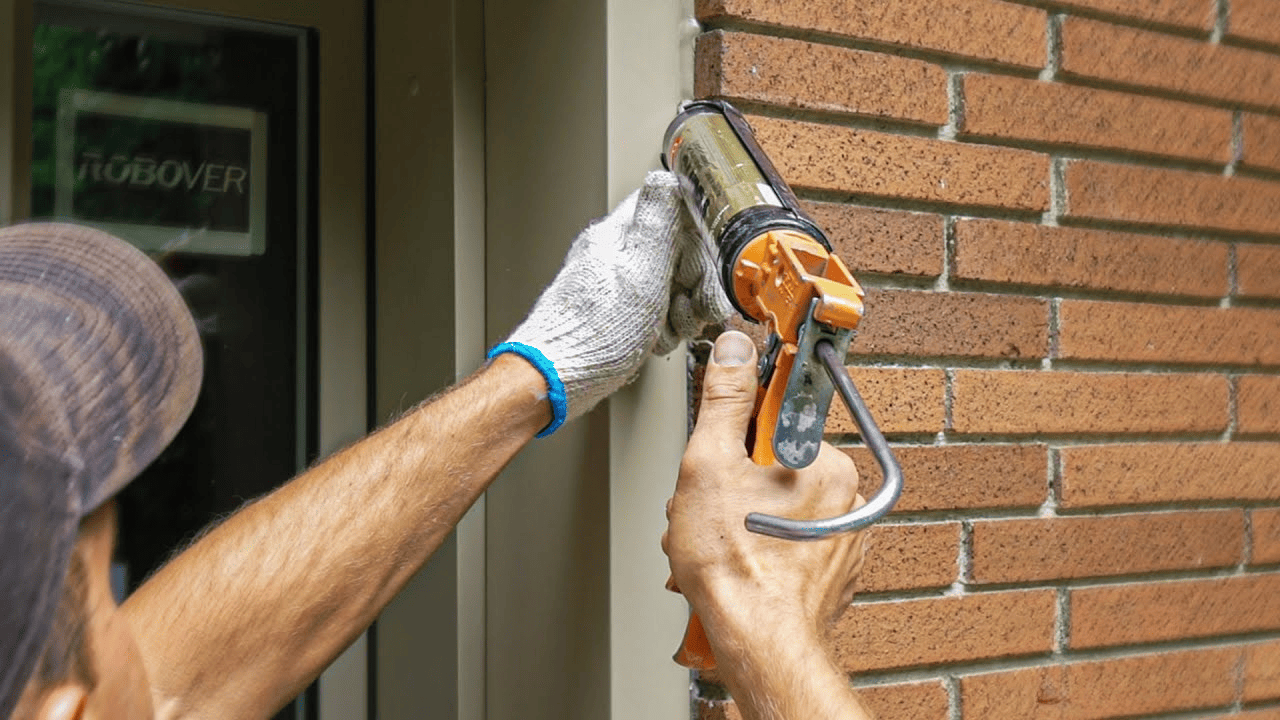
- Caulking and sealant breakdown
- Concrete façade cracking
- Balcony edge deterioration
Water follows the path of least resistance. A comprehensive masonry restoration approach ensures the problem is fully resolved.
When to Schedule Mortar Joint Repairs in Chicago
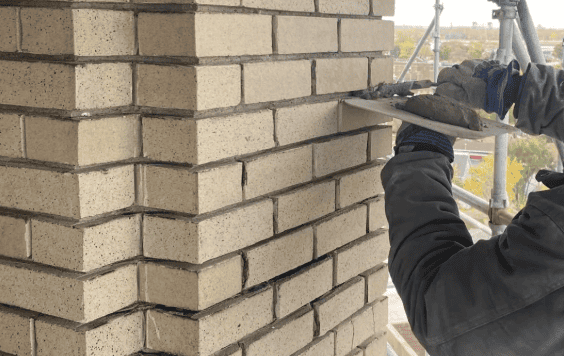
Spring and early fall are ideal for tuckpointing in Chicago.
Mortar requires proper curing temperatures. Performing repairs during extreme heat or freezing conditions can reduce bond strength and longevity.
Planning inspections in late winter allows teams to schedule work before peak construction season.
Real-World Chicago Implications
On commercial and multi-family properties throughout the Chicago area, we frequently see minor mortar joint deterioration escalate into:
- Lintel replacement
- Shelf angle reconstruction
- Concrete balcony restoration
- Interior remediation costs
Early intervention through targeted tuckpointing is significantly more cost-effective than structural steel replacement or façade rebuilding.
The key difference is timing.
FAQ: Mortar Joints and Water Infiltration
How do I know if mortar joints are causing water leaks?
If leaks occur during wind-driven rain, especially near windows or corners, deteriorated mortar joints are a common source. Recessed joints, cracking, or efflorescence indicate moisture penetration pathways.
How long do mortar joints last in Chicago?
Mortar joints in Chicago typically last 20–30 years depending on exposure, original materials, and maintenance history. Lakefront buildings and high-rise façades may experience faster deterioration.
Can you seal mortar joints instead of tuckpointing?
Applying sealants over failing mortar joints is not a long-term solution. Proper repair requires removing deteriorated mortar and installing new compatible material to restore structural and water-shedding performance.
Is tuckpointing disruptive to tenants?
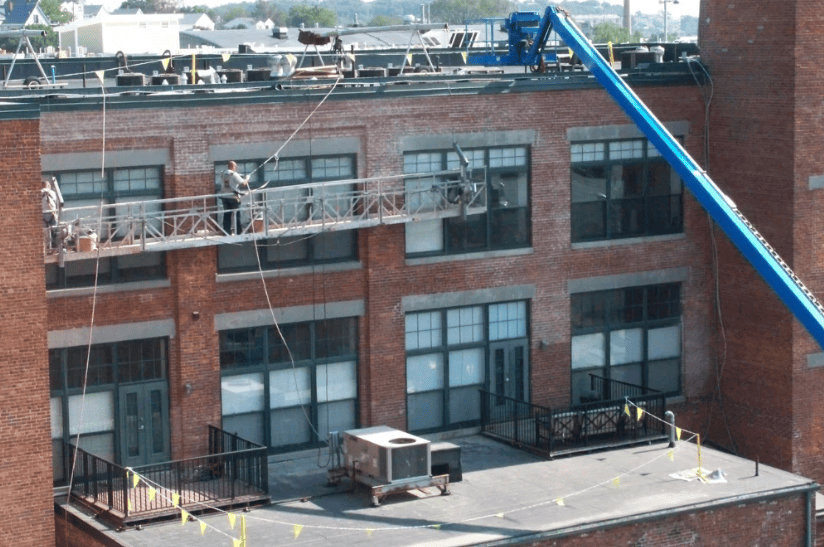
Professional tuckpointing is typically exterior-focused and minimally disruptive. Noise and staging are temporary. Phased scheduling reduces impact on occupied commercial and multi-family buildings.
Protecting Your Building Envelope Starts at the Joints
Failing mortar joints are not cosmetic issues. They are water entry points.
In Chicago’s climate, small cracks become major repairs quickly. Early evaluation and properly executed tuckpointing protect structural components, reduce liability, and extend the life of your masonry façade.
If you manage or own a commercial or multi-family building, scheduling a façade review before visible damage escalates is one of the most cost-effective risk mitigation steps available.