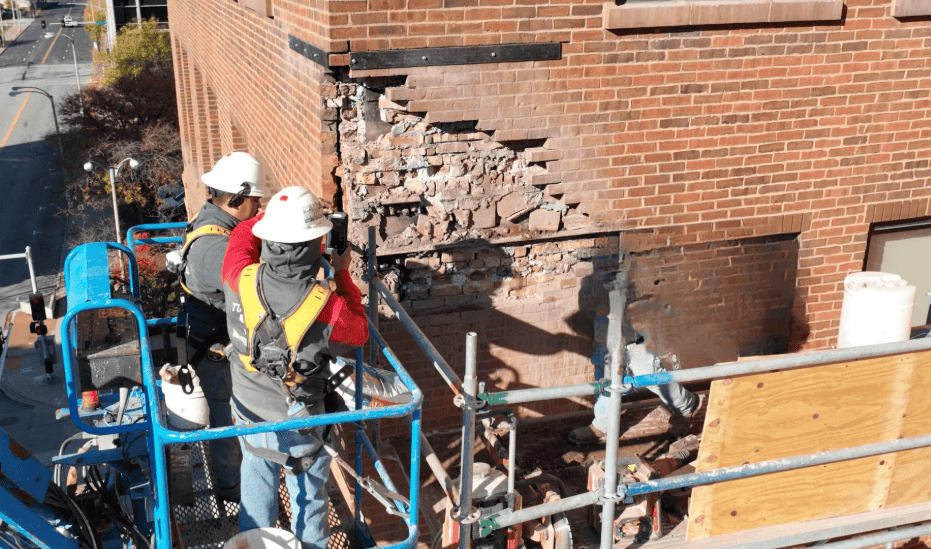
The Role of Expansion Joints in Preventing Spring Water Damage
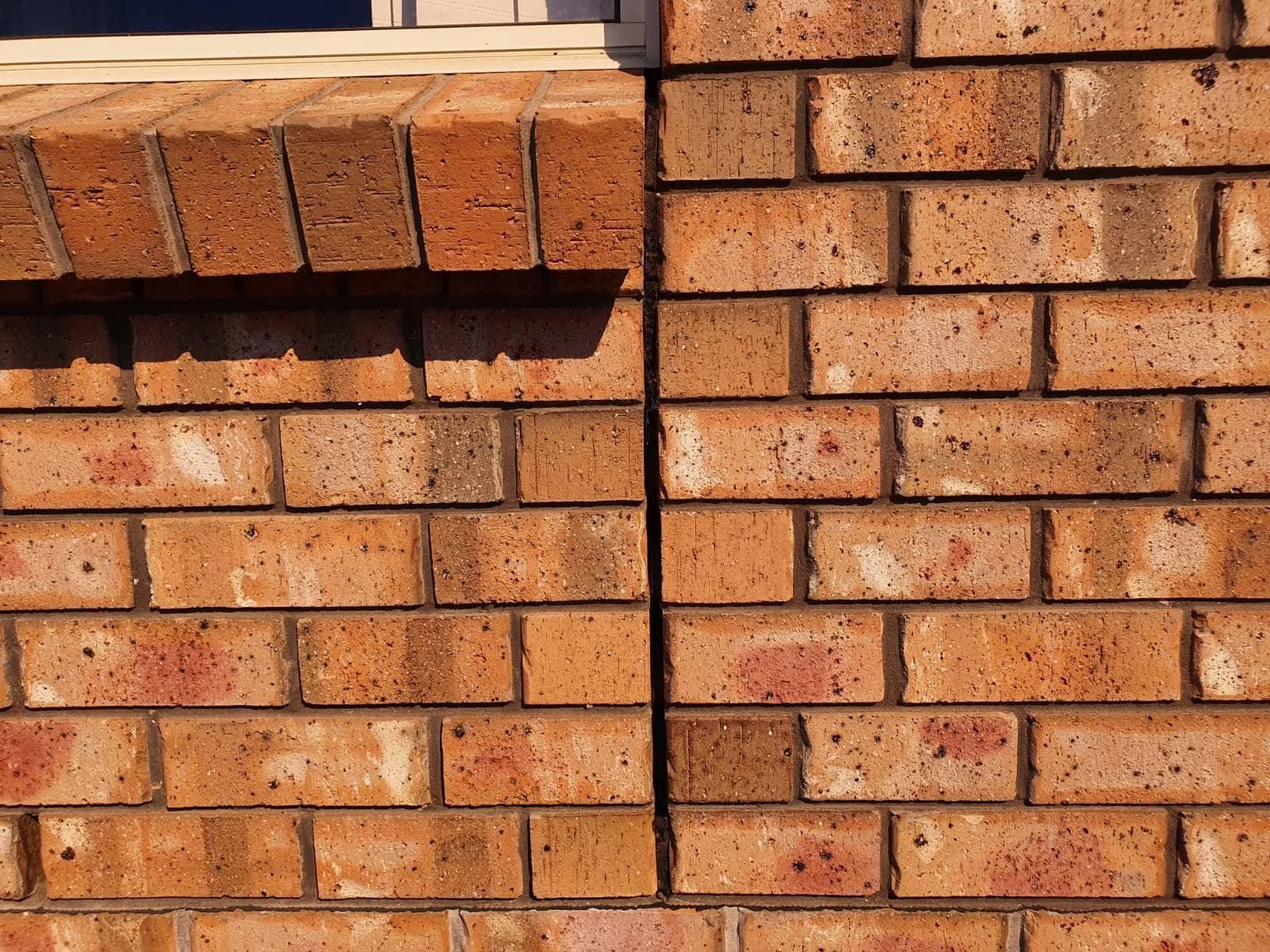
Spring water damage often gets blamed on cracks, failed mortar joints, or deteriorated sealants. In many cases, the real issue starts earlier, at expansion joints that were never designed, detailed, or maintained to manage seasonal movement.
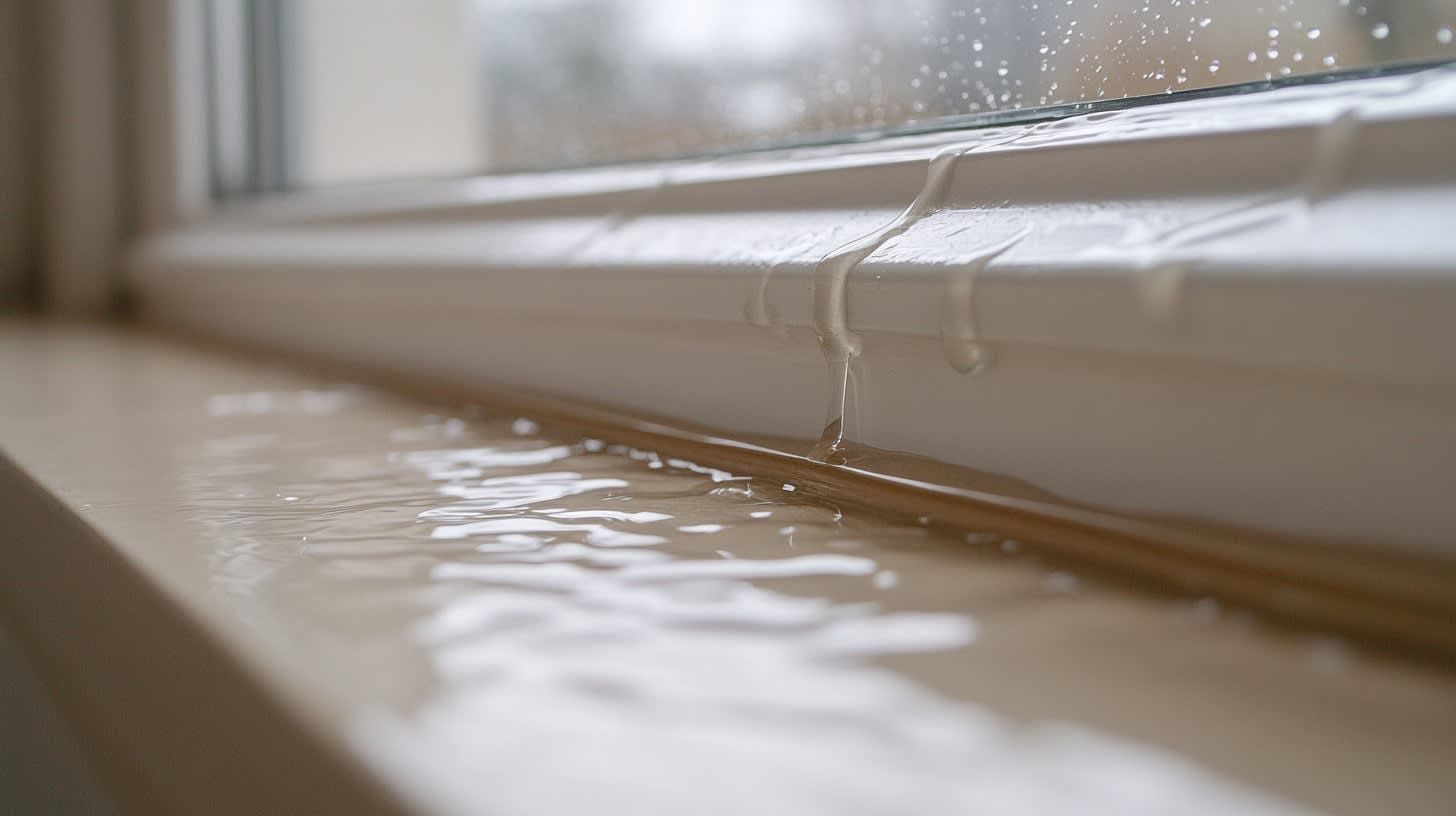
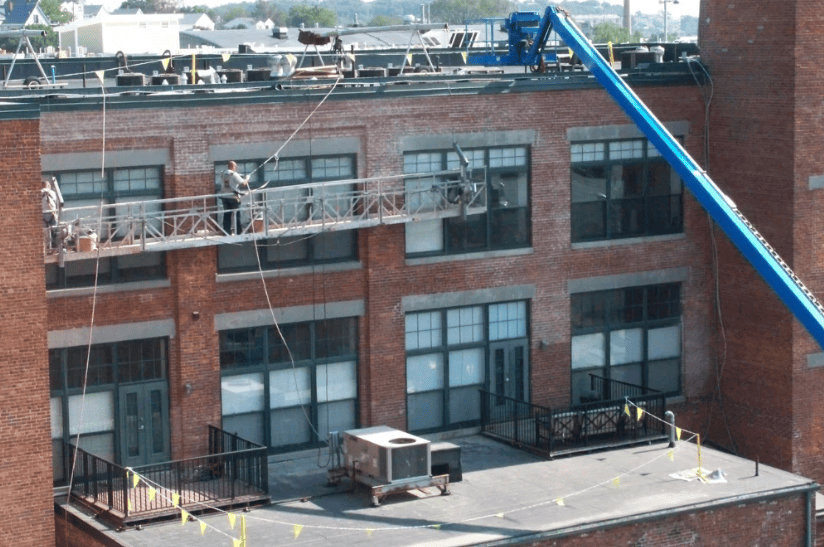
For commercial and multi-family buildings in Chicago, expansion joints are a primary defense against moisture intrusion during spring thaw. When they fail, water finds its way behind masonry, into wall assemblies, and down to steel and concrete elements that were never meant to stay wet.
What Expansion Joints Are Designed to Do
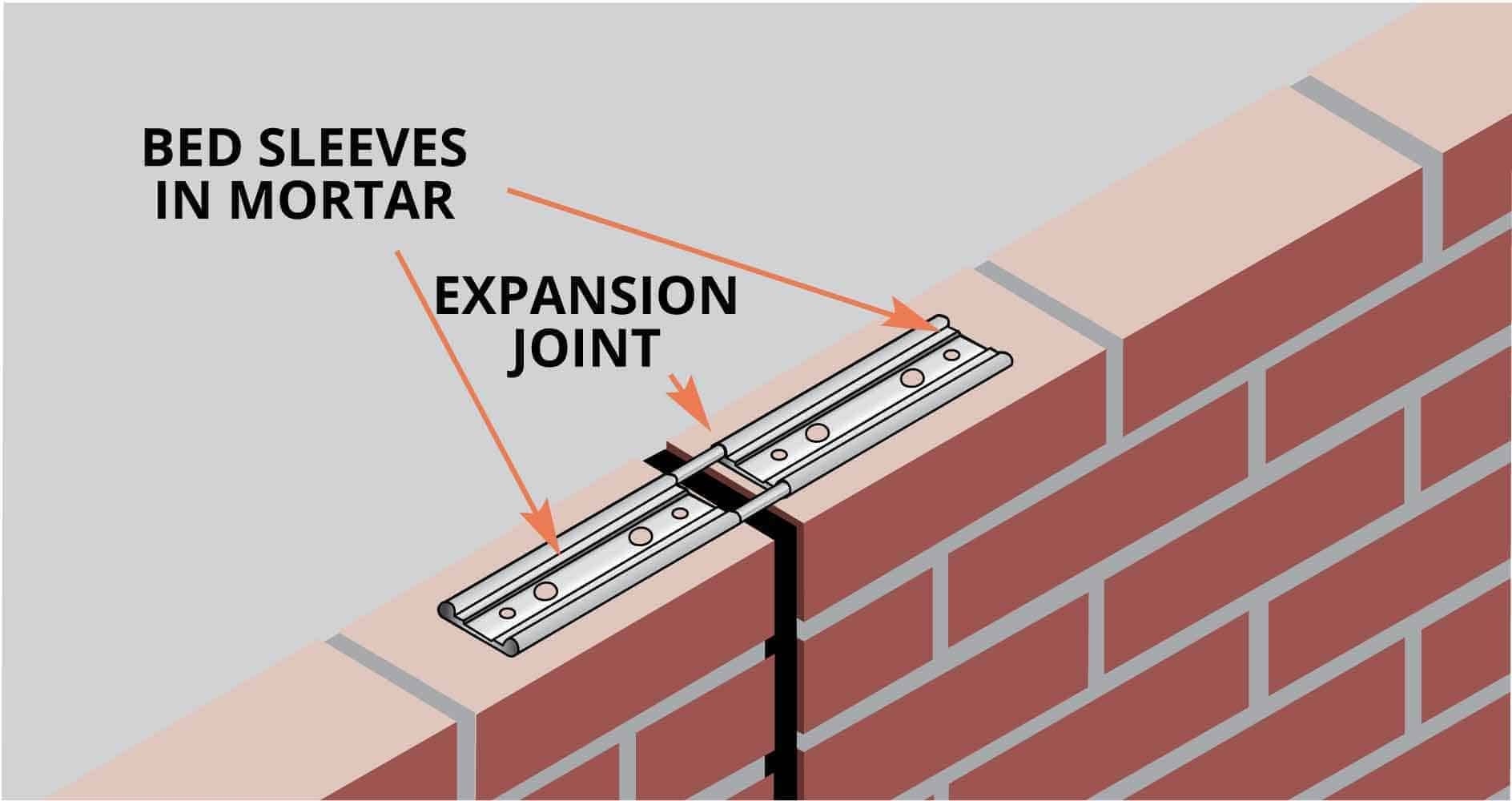
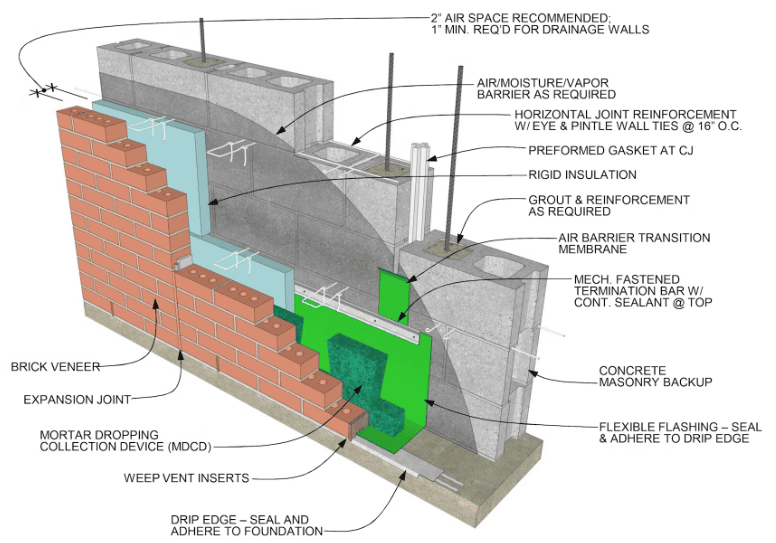
Expansion joints are intentional separations built into masonry and concrete façades. Their purpose is to absorb movement caused by temperature changes, moisture variation, material shrinkage, and structural behavior, without transferring stress to surrounding materials.
As noted by the Masonry Advisory Council, all masonry walls move. In brick masonry, the dominant movement is thermal expansion driven by temperature and solar exposure. In concrete masonry, movement is primarily shrinkage caused by moisture loss during curing and service life.
In Chicago’s climate, that movement is not theoretical. Freeze–thaw cycles, rapid spring temperature swings, and uneven solar exposure, especially on south- and west-facing elevations, place constant stress on rigid building materials. Expansion joints allow that movement to occur safely and in a controlled location.
When joints are missing, improperly sealed, or past their service life, the building compensates elsewhere, usually through stress cracking, displaced masonry, and water intrusion paths that emerge during spring thaw.
Why Spring Is the Highest-Risk Season for Expansion Joint Failure
Winter loads the system. Spring exposes the damage.
As snow melts and temperatures rise, trapped moisture expands and contracts inside wall assemblies. Failed expansion joints become direct water pathways during this transition period, especially where different materials and structural elements meet.
According to the International Masonry Institute, most masonry distress related to movement is not caused by the masonry itself, but by how movement is, or is not, accommodated between materials. When masonry, concrete, and steel respond differently to temperature and moisture changes, stress concentrates at joints, openings, slab edges, and parapets.
Common spring-specific risks include:
- Meltwater entering open, hardened, or poorly detailed joint seals
- Differential movement between masonry veneers, concrete backup, and steel supports
- Hydrostatic pressure pushing water inward at slab edges, lintels, and parapets
Once water bypasses the exterior plane, it often shows up as interior leaks, corrosion staining, or displaced masonry weeks or months later, long after the initial movement event occurred.
How Expansion Joint Failure Leads to Water Damage
Expansion joint problems rarely exist in isolation. They tend to accelerate other façade failures.
The Brick Industry Association emphasizes that a complete movement-joint system is necessary to prevent brickwork cracking as materials expand and shift over time. When expansion joints are missing, clogged/bridged, or the sealant system has aged out, movement is redirected into predictable stress points, corners, openings, parapets, and areas where veneer support or wall backing changes. Cracking at those locations is often what turns a movement problem into a moisture problem.
Typical consequences include:
- Water infiltration behind brick or stone veneer
- Freeze–thaw damage to adjacent mortar joints
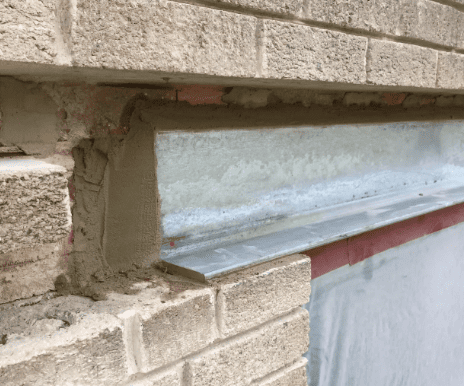
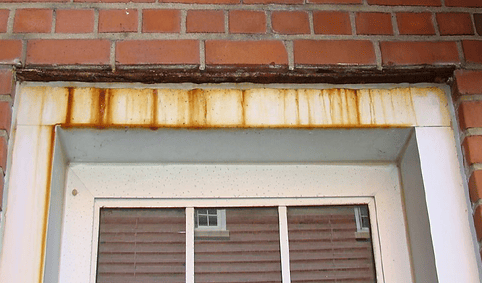
- Corrosion of embedded steel, lintels, or shelf angles
- Deterioration of adjacent caulking and sealant repairs
In post-winter inspections, joint failure is often the upstream cause of much larger masonry restoration scopes, because once the exterior plane is breached, moisture doesn’t stay localized.
Signs Expansion Joints Need Attention After Winter
Expansion joints do not fail quietly, but the warning signs are easy to miss if you’re only looking at masonry surfaces.
Watch for:
- Sealant that is cracked, brittle, or pulling away from substrates
- Gaps at joint edges or inconsistent joint widths
- Interior water staining aligned with façade joints
- Efflorescence or rust staining adjacent to joint locations
These indicators suggest the joint is no longer accommodating movement, or sealing water.
Expansion Joint Maintenance vs. Reactive Repairs
Waiting for leaks is the most expensive strategy.
Proactive expansion joint maintenance typically involves:
- Removing failed sealant
- Preparing joint substrates correctly
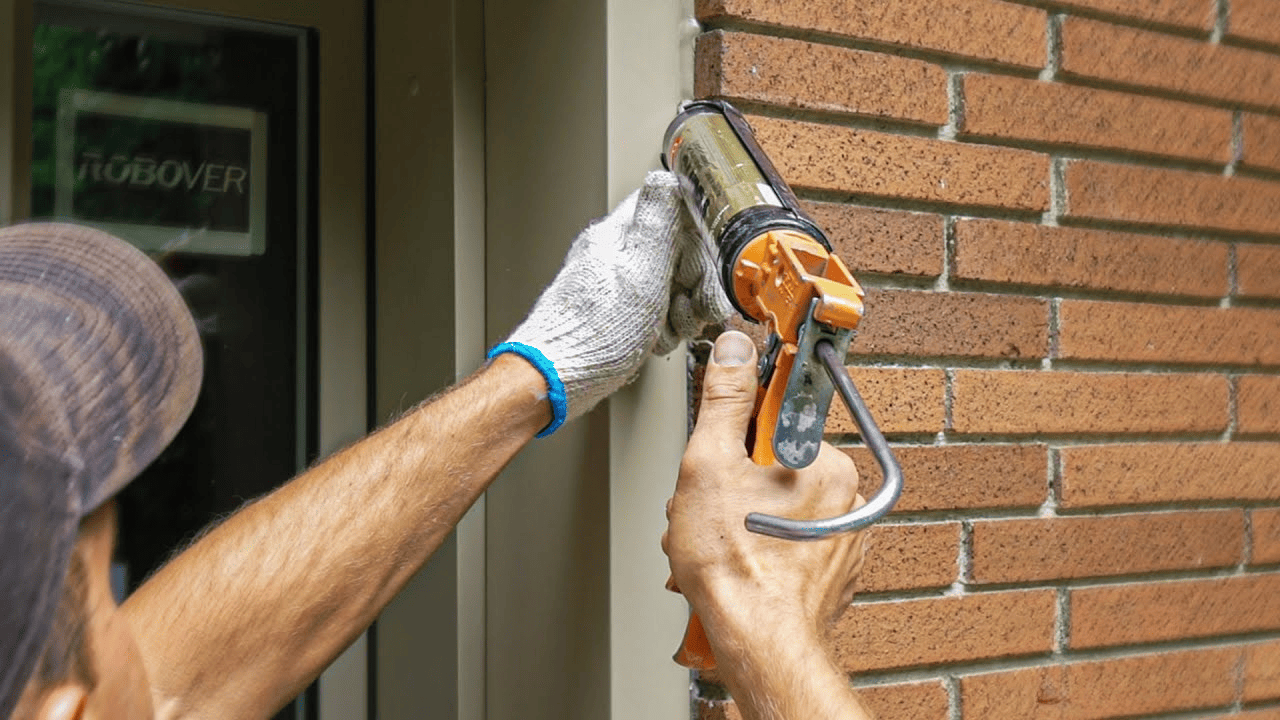
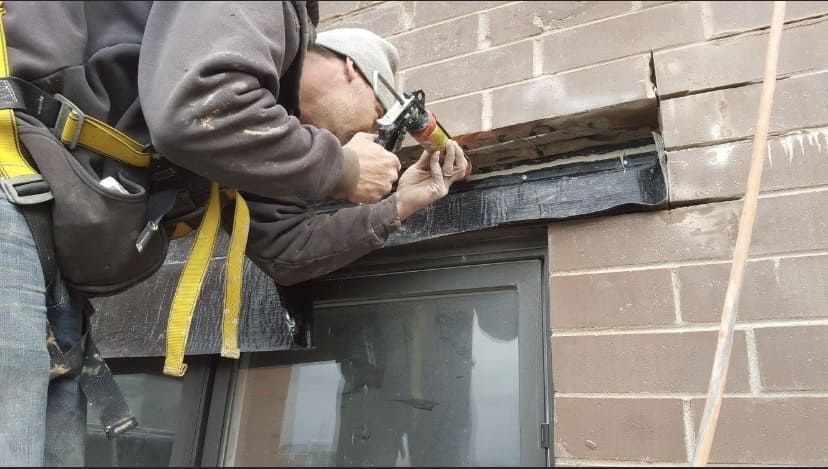
- Installing properly specified, flexible sealant systems
- Coordinating with adjacent tuckpointing or masonry restoration
Reactive repairs, by contrast, often include interior damage mitigation, steel repairs, concrete façade repair, and repeated caulking failures because the root cause was never addressed.
How Expansion Joints Work With Other Façade Systems
Expansion joints do not function independently. Their performance affects, and is affected by, adjacent building components. Sika Emseal notes that joints are typically “invisible” to most people when they’re planned into façade transitions, material changes, plane shifts, and shadow lines, instead of being forced into place late in the process.
Coordination is critical between:
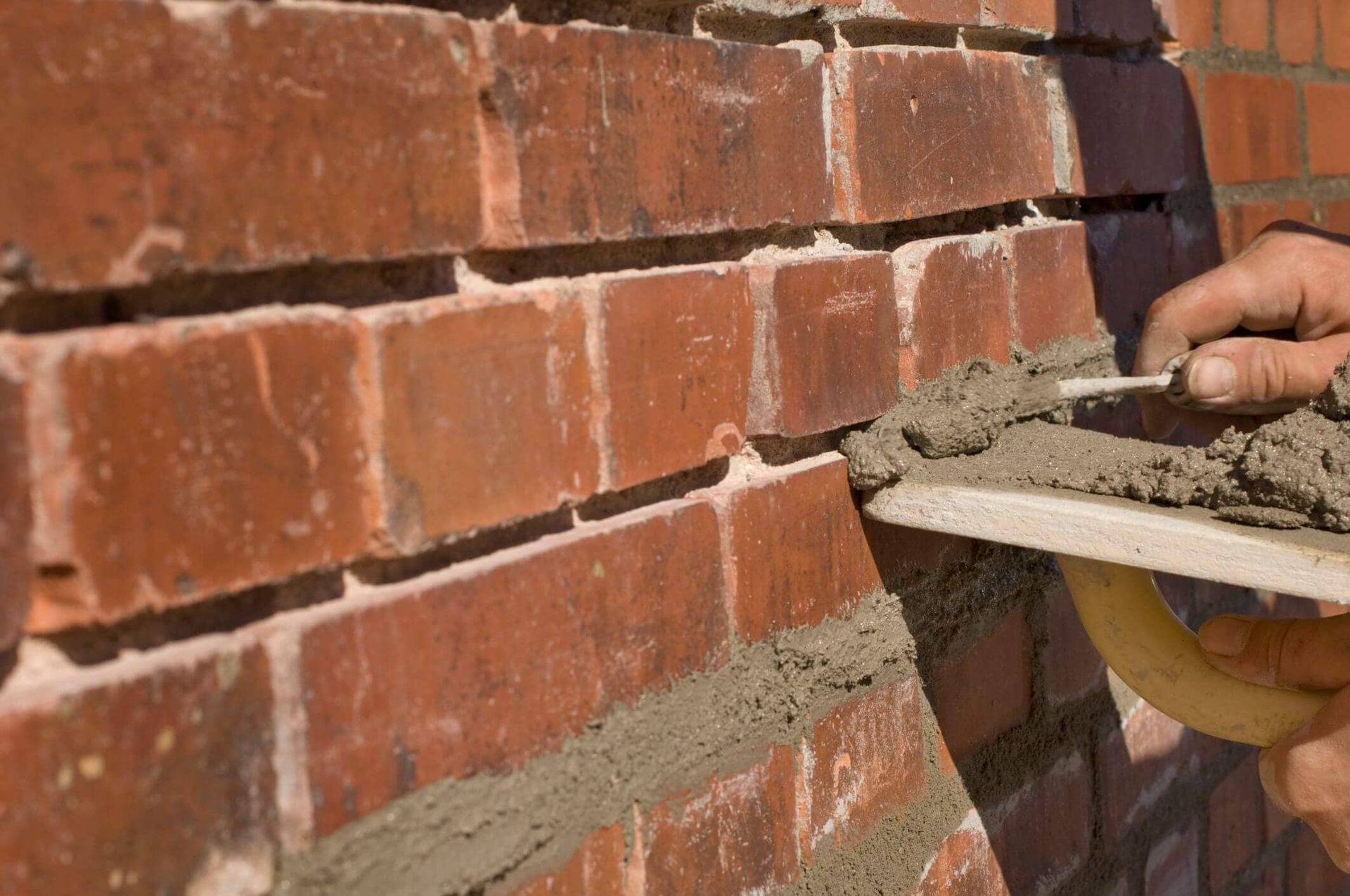
- Tuckpointing and expansion joint placement
- Caulking and sealant repairs at window and door interfaces
- Lintel and shelf flashing repairs where movement concentrates
- Concrete balcony restoration and slab edge transitions
When these systems are evaluated together, water management improves dramatically, and the joint detailing is cleaner, easier to maintain, and less visually disruptive.
Real-World Insight From Chicago Façade Evaluations
During spring façade assessments, it is common to find buildings with recently completed tuckpointing but original, hardened expansion joint sealants. The mortar performs as expected, until water bypasses the system through the joints and undermines the repair.
This mismatch is a sequencing issue, not a workmanship issue. Expansion joints must be evaluated as part of the overall façade strategy, not treated as a separate maintenance item.
When to Include Expansion Joints in a Spring Inspection
Expansion joint evaluation should be standard during spring masonry inspections, especially for:
- Mid- and high-rise residential buildings
- Buildings with long façade runs or complex geometry
- Structures with mixed masonry and concrete systems
- Properties with recurring interior leaks near façade transitions
Early identification allows targeted repairs instead of broad restoration scopes.
Frequently Asked Questions About Expansion Joints
What does expansion joint maintenance include?
Expansion joint maintenance typically includes removing failed sealant, cleaning and preparing joint edges, and installing a flexible, properly specified sealant that accommodates movement and prevents water intrusion.
Can failed expansion joints cause interior leaks?
Yes. Failed expansion joints often allow water to bypass the exterior façade and enter wall assemblies, leading to interior leaks, staining, and corrosion, especially during spring thaw.
How often should expansion joints be inspected?
Expansion joints should be visually inspected annually and closely evaluated every 5–10 years, depending on exposure, joint design, and sealant type.
Are expansion joints part of tuckpointing work?
They are related but not the same. Tuckpointing addresses mortar joints, while expansion joints require flexible sealant systems. Both should be coordinated within a single façade strategy.
Do you have more questions about expansion joints? Contact RestoreWorks today.