How Often Should You Inspect Your Window Caulking?
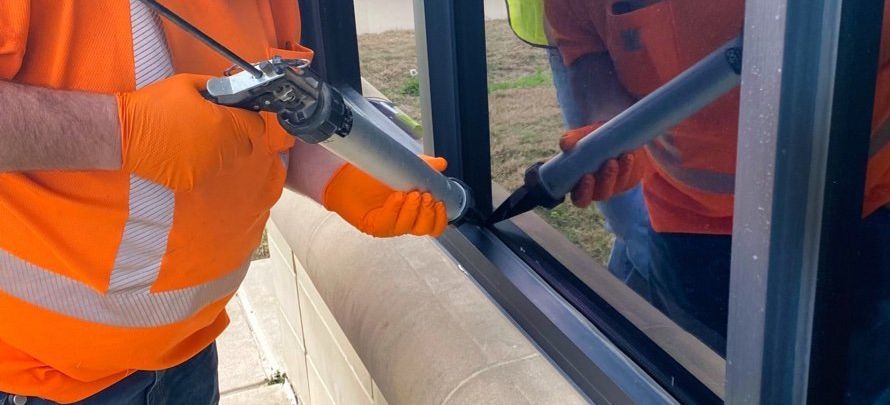
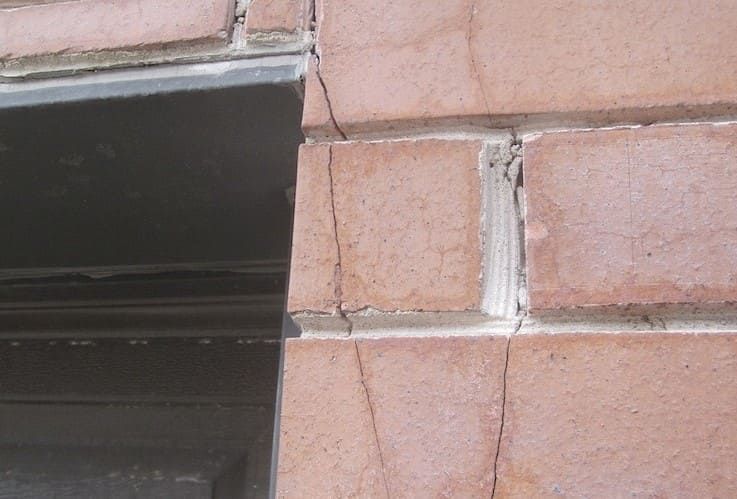
Window caulking is a sealant applied between the window frame and the wall to prevent air and water infiltration. This tiny element of your building is something you may not even have noticed. However, when commercial caulk is damaged, you will notice a few physical sensations or changes in the indoor environment:
- Drafts around the window area which causes discomfort and makes it more difficult to maintain a consistent indoor temperature.
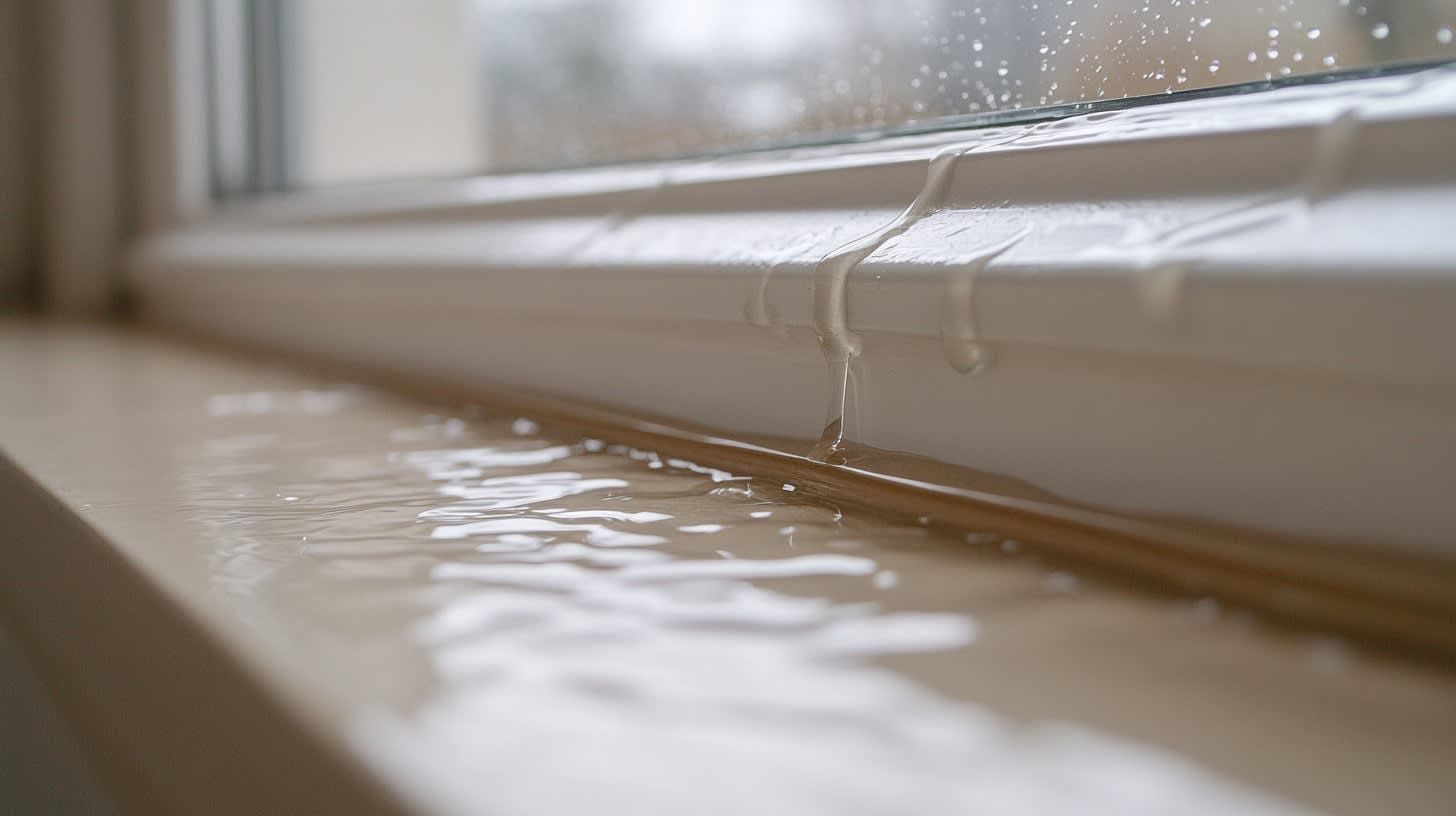
- Moisture seeping in that leads to mold growth and water damage to walls or floors.
- Higher energy bills* as a result of energy loss when commercial window seals have become dry, brittle, and cracked. *The bill may not strictly speaking be a physical sensation, the reaction it induces in you may be!
Because caulk reacts to the weather by expanding in summer and contracting in winter, it understandably deteriorates a little over time. To prolong the lifespan of exterior caulk used in your properties, commercial caulking contractors recommend a two-pronged approach:
- Choosing the right exterior silicone sealant product for your building, surfaces, and local climate. There are many types of caulk available on the market, and selecting high-quality products provides long-lasting results.
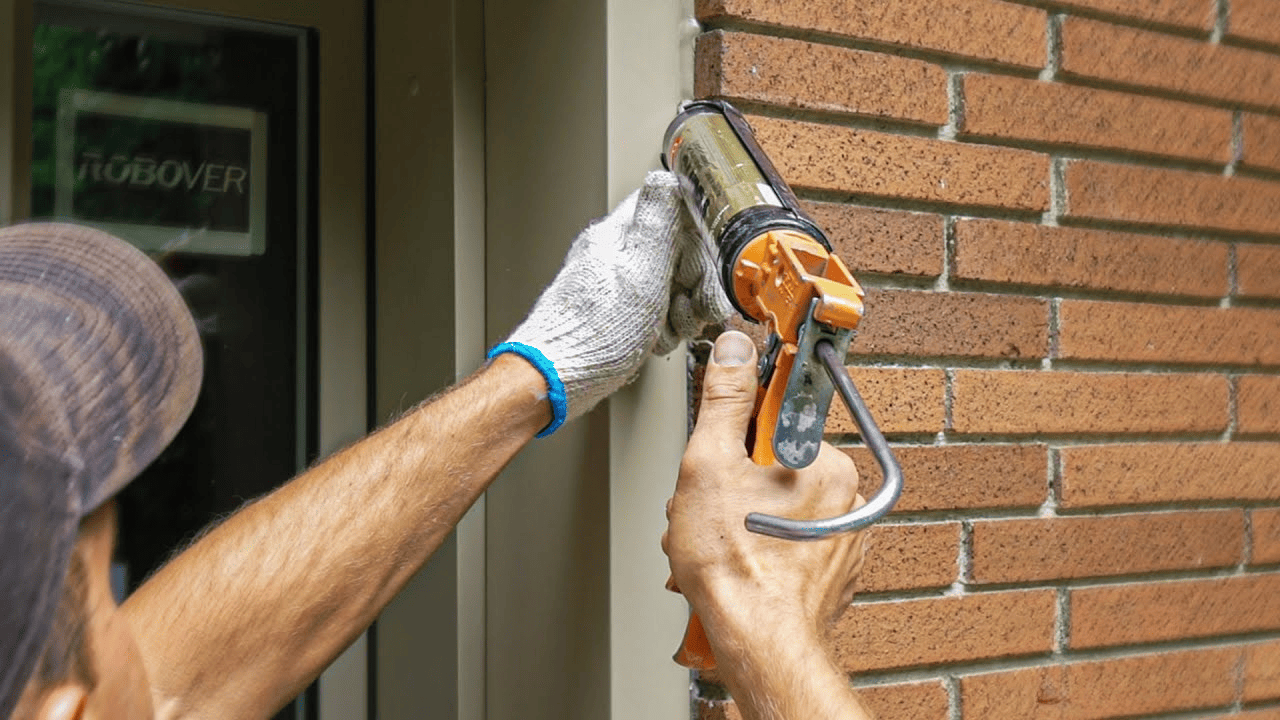
- Proper application of the caulk is equally important to ensure that it lasts as long as possible. The longevity of the exterior caulk is improved when its application is done by a professional commercial sealant contractor.
How Often Should You Inspect Your Caulking
Windows are a crucial component of any commercial property, allowing natural light to enter and providing ventilation. But when your commercial sealing is past its prime, they can be a liability. That's why regular inspections of your window caulking and commercial door seals are a simple yet effective way to maintain its integrity.
Don't let something as simple as exterior caulking issues lead to costly repairs or energy inefficiencies. By identifying and addressing any issues with the exterior caulking before they become a bigger problem, window caulking services nip these problems in the bud.
But how often do you actually check the condition of the exterior caulking? If your answer is "not often enough," then you will be pleased to hear that annual or bi-annual inspections are sufficient to keep your commercial property in tip-top condition.
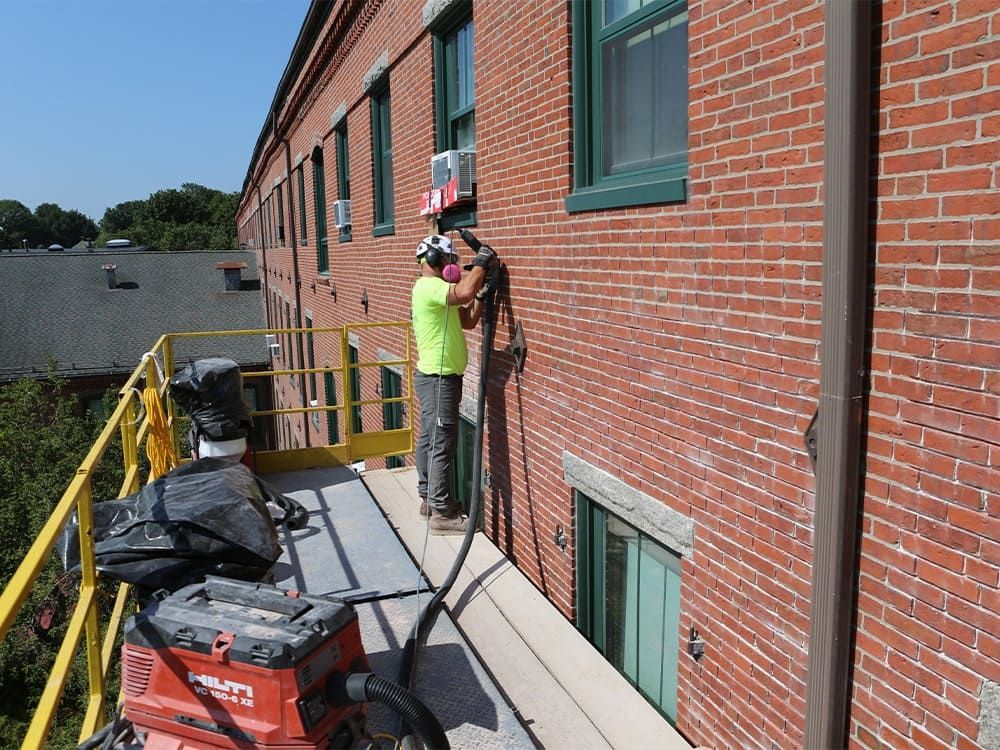
- To get started, take a stroll around the building and examine the south side first. This side is most likely to show signs of wear and tear due to its exposure to the sun's harsh UV rays.
- But don't stop at the windows! Pay close attention to other areas that may be more prone to damage, such as commercial roll up door seals, at the roof line, and where different materials meet. These places may be particularly vulnerable to water damage or cracking from temperature fluctuations.
Do You Need to Remove Old Caulk Around Windows?
Are you planning to freshen up the caulk on your commercial property's windows? Before starting, there’s an important rule you need to keep in mind: don't caulk over old sealant.
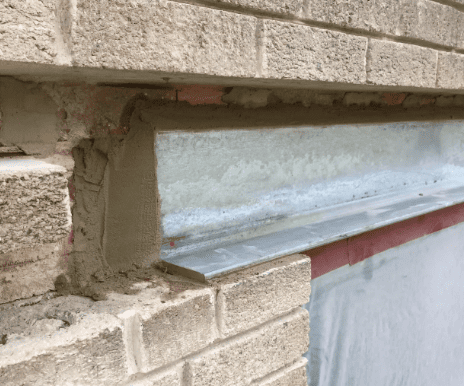
If the existing caulk has hardened and is pulling away, simply running a bead over it is not going to fix the problem. In fact, the old caulk will continue to pull away, taking the new seal off with it. The result? A messy caulk line that doesn't look good at all.
Make sure that the caulking and sealing services provider you hire uses a steel putty knife and a little elbow grease to scrape off the old seal before applying the new. This ensures that the new caulk has a proper surface to adhere to, giving you a clean and professional finish – not to mention a secure closure.
Best Time to Replace the Exterior Caulk
Taking the time to re-caulk during the right conditions will help ensure that your windows remain properly sealed and protected against the elements. With that in mind, avoid re-caulking during rainy or humid weather as this can prevent the caulk from adhering properly to the surface.
Now, Chicago and Indiana both have warm and humid summers, cold and snowy winters, and spring and fall seasons that are unpredictable, with temperature fluctuations and frequent rain showers! Plan for a re-caulk during the dry season and choose a day with mild temperatures and low humidity to ensure the caulk dries properly.
When to Hire an Expert
Hiring a professional caulking service provider is a smart investment in the long-term:
- They have the skills and experience necessary to complete the job quickly and efficiently, minimizing disruption to your business operations.
- They understand that different types of caulks are suitable for different materials, climates, and conditions, and will select the right product accordingly.
- They ensure the job is done properly the first time, saving you costly repairs and maintenance down the line.
To discuss your window caulking needs, get in touch with the experts at RestoreWorks today.