Common Causes of Lintel Corrosion and How to Prevent It

Steel lintels are an important structural component in masonry buildings. They support the weight of brick, stone, or block above windows, doors, and other openings. When lintels begin to corrode, the expansion of rust can push surrounding masonry outward, creating cracks, displacement, and potential safety risks.
In many Chicago-area buildings, particularly older commercial properties and multi-family structures, lintel corrosion is one of the most common sources of façade deterioration. Understanding why lintel failure occurs and how it can be prevented helps property managers and engineers address problems early, before repairs become significantly more expensive.
What Is a Lintel in Masonry Construction?
A lintel is a horizontal structural element that spans an opening in a masonry wall. Its purpose is to support the masonry above the opening and transfer the load to the wall on either side.
Lintels are typically made from:
- Steel angles (most common in brick veneer construction)
- Structural steel channels or beams
- Stone lintels in historic masonry buildings
- Reinforced concrete lintels
In modern masonry construction, steel lintels above windows and doors are the most common type. While strong and durable, steel lintels must be properly protected from moisture to prevent corrosion.

How Lintel Corrosion Leads to Masonry Damage
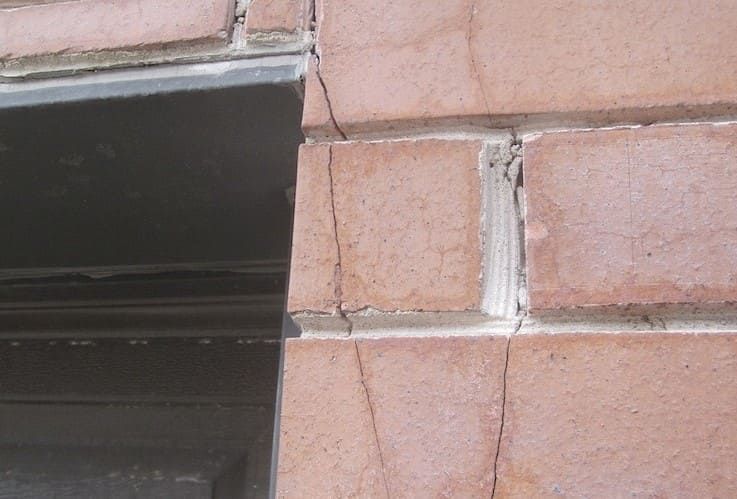
When steel lintels begin to corrode, the damage is not limited to the metal itself. The real problem is expansion. As rust forms, it takes up significantly more space than the original steel. The International Institute of Building Enclosure Consultants (IIBEC) has noted that corrosion scale can occupy four to 12 times the volume of the uncorroded metal, which helps explain why even concealed lintel deterioration can create visible cracking and displacement in the surrounding brickwork.
Over time, that pressure can cause several warning signs:
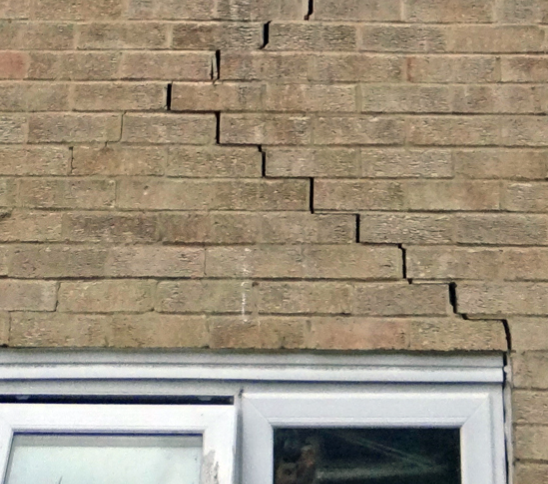
- Horizontal cracks in brickwork above windows
- Stair-step cracking near openings
- Brick displacement or bulging
- Rust staining on the façade
- Loose or deteriorated mortar joints
These symptoms are often treated as isolated masonry problems, but the source is frequently deeper. In many cases, the underlying issue is steel lintel corrosion behind the brick veneer, often made worse by long-term moisture intrusion.
Common Causes of Lintel Failure
Several conditions contribute to lintel corrosion and eventual lintel failure. Most problems are related to moisture management and long-term exposure.
1. Failed or Missing Shelf Angle Flashing
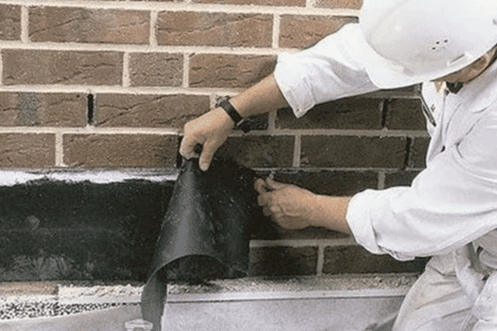
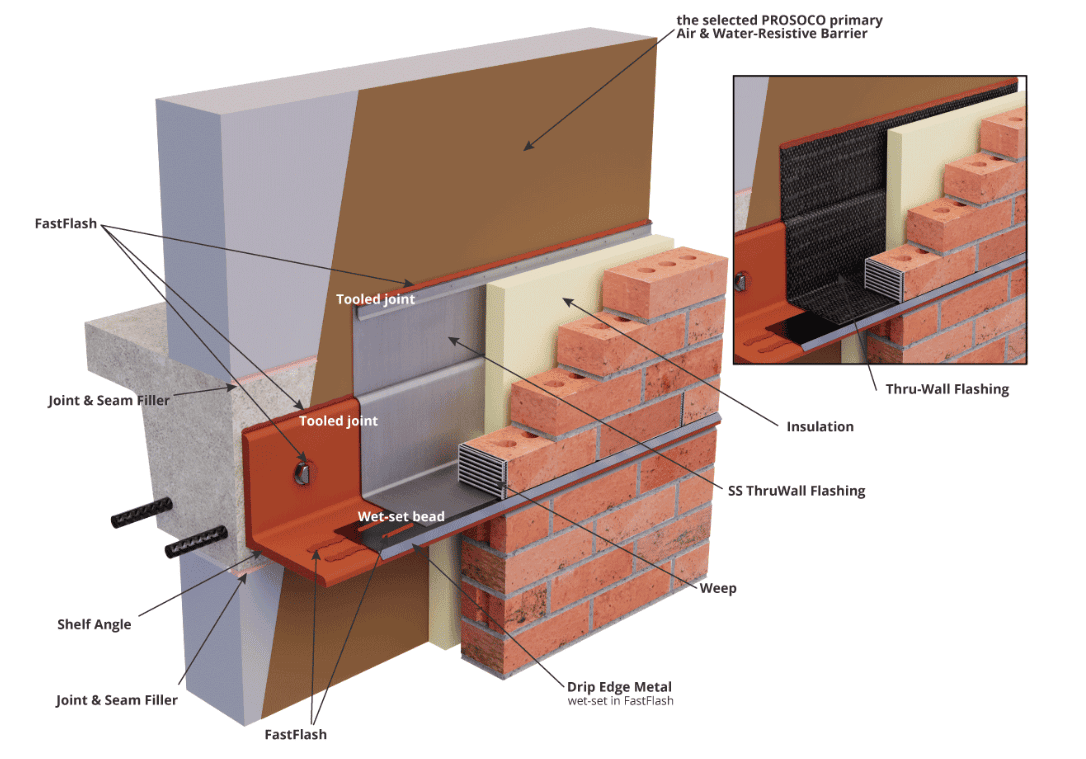
Proper flashing above lintels is designed to collect and redirect water that penetrates the brick veneer. When flashing fails (or was never installed), water can accumulate directly on the steel lintel.
In cavity wall construction, shelf angles interrupt the drainage path within the wall system. Because of this, through-wall flashing is required to redirect moisture back to the exterior. As noted by the industry publication “Building Enclosure”, shelf angles can block the drainage path in masonry cavity walls, making properly detailed flashing critical to prevent trapped water and corrosion.
Over time, this leads to:
- Persistent moisture exposure
- Accelerated corrosion
- Rust expansion that cracks surrounding masonry
In many older Chicago buildings constructed decades ago, flashing systems were either improperly installed or have deteriorated with age.
2. Blocked or Missing Weep Holes
Weep holes allow water that enters the wall cavity to drain back out through the façade. The industry publication “The Construction Specifier” notes that weeps are openings placed in mortar joints at the level of flashing that allow moisture collected within the wall cavity to escape.
If weep holes are missing, sealed during past repairs, or blocked with debris, moisture can become trapped behind the masonry.
This trapped water frequently sits directly on the lintel, accelerating corrosion.

3. Degraded Mortar Joints
Mortar joints are the first line of defense against water infiltration.
When mortar begins to deteriorate, especially in freeze–thaw climates like Chicago, water penetration increases significantly. Once water reaches the wall cavity, steel lintels become vulnerable to corrosion. The International Masonry Institute has also noted that cracking in masonry walls is often related to design and detailing issues, such as improperly located movement joints, rather than a failure of the masonry units themselves. When cracking occurs near openings or deteriorated joints, it can allow additional moisture to enter the wall system.
Buildings that have not undergone tuckpointing maintenance within several decades often experience this issue.
4. Inadequate Lintel Protection or Coating
Some older steel lintels were installed with little or no corrosion protection. Over time, protective coatings break down due to weather exposure.
Protective coatings are widely recognized as the first line of defense against corrosion in structural steel systems. According to the Association for Materials Protection and Performance (AMPP), coatings play a critical role in limiting moisture and oxygen from reaching the steel surface, which are the primary drivers of corrosion.
Without adequate protection, steel lintels can rust even if the masonry above appears intact.

5. Chicago Freeze–Thaw Cycles and Moisture Exposure
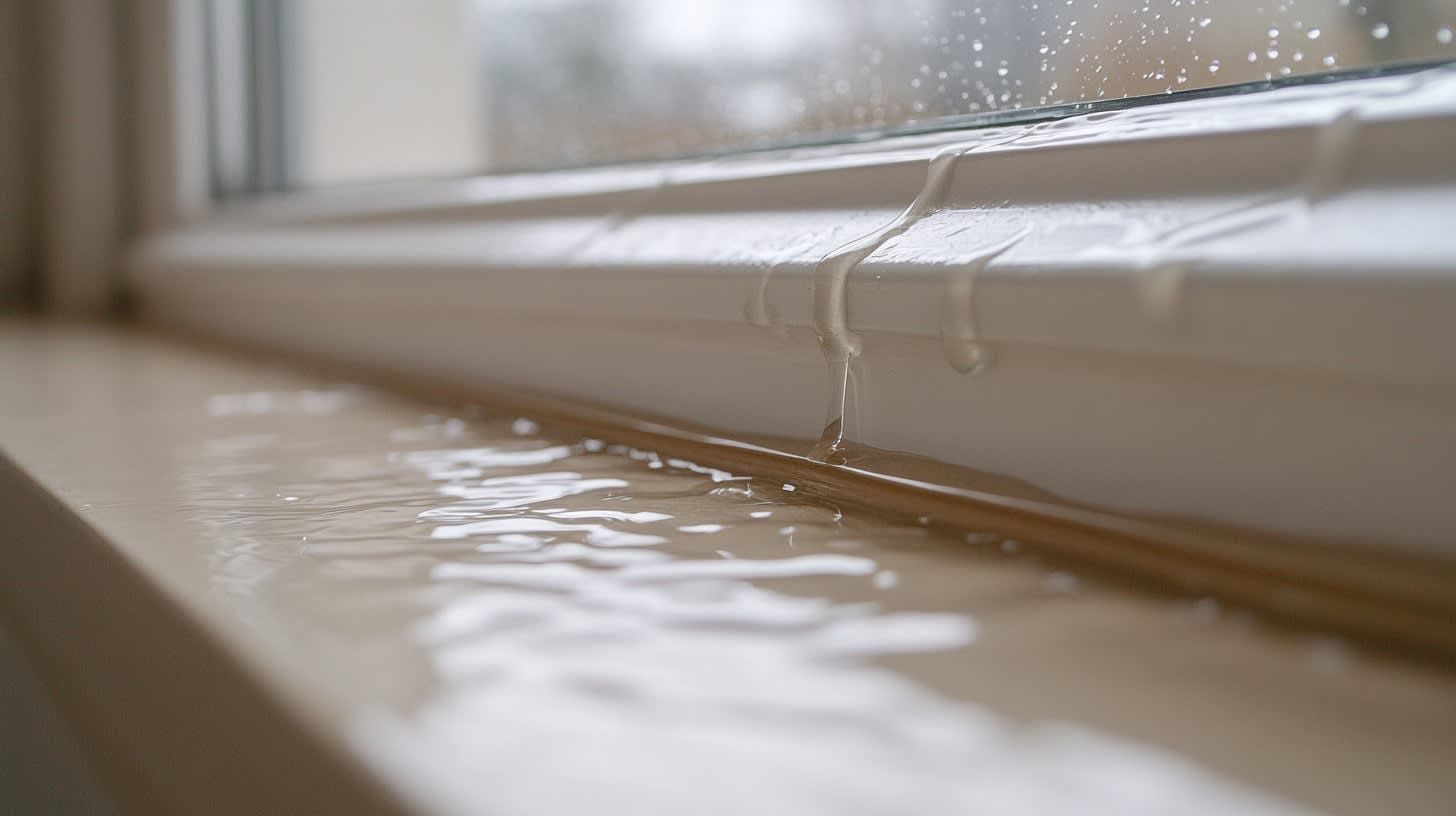
Chicago’s climate places significant stress on masonry systems. Even well-constructed brick veneer walls are designed with the expectation that some moisture will penetrate the exterior surface. Masonry Magazine notes that masonry wall systems must be detailed to manage and drain this moisture rather than attempting to prevent it entirely.
Repeated cycles of:
- Wind-driven rain from Lake Michigan
- Freeze–thaw expansion in winter
- Seasonal temperature fluctuations
can introduce moisture behind masonry walls. Once water reaches unprotected steel, corrosion begins.
Over decades, this process leads to widespread lintel repair needs across aging building façades.
How Lintel Repair Is Typically Performed
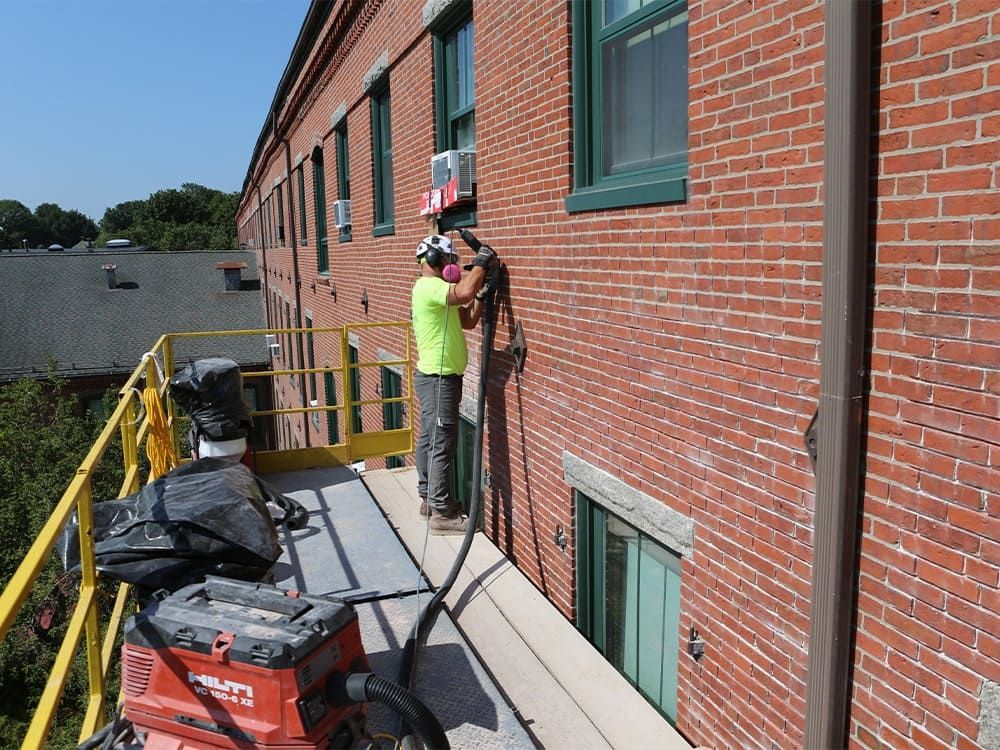
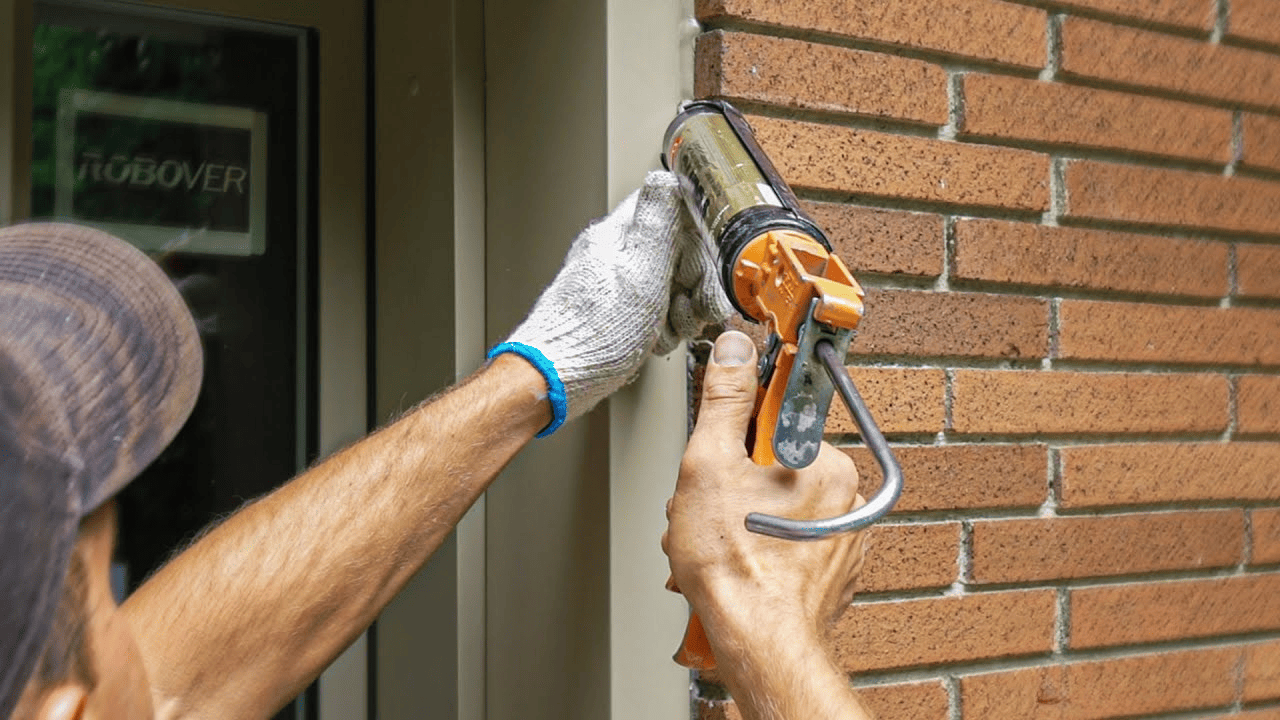
When lintel corrosion is identified, repairs should be performed by experienced masonry restoration contractors working with engineers or architects when structural conditions require it.
Typical brick lintel repair involves several steps:
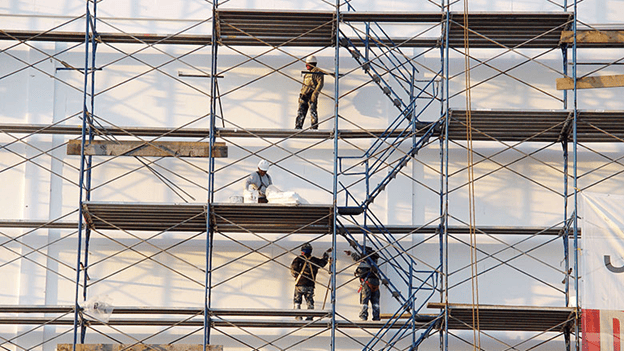
- Temporary shoring to support masonry above the opening
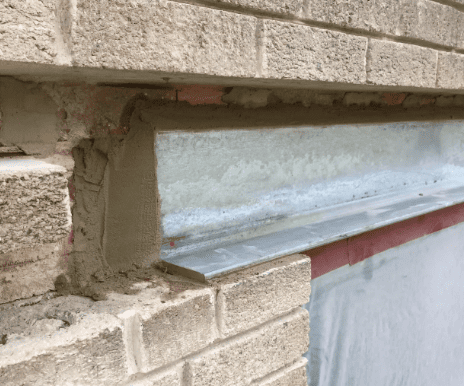
- Selective brick removal to expose the steel lintel
- Removal and replacement of severely corroded lintels
- Installation of proper flashing and waterproofing
- Reinstallation of brick and mortar joints (tuckpointing)
- Installation or clearing of weep holes
In many cases, addressing flashing and drainage at the same time as lintel repair significantly improves long-term performance.

Preventative Measures to Extend Lintel Life
Lintel corrosion is often preventable with proactive building maintenance and proper façade restoration.
Recommended preventative measures include:
- Regular façade inspections
- Maintaining mortar joints through periodic tuckpointing
- Ensuring flashing systems are intact and functional
- Keeping weep holes open and unobstructed
- Addressing early signs of cracking near openings
Early intervention helps prevent larger structural repairs and reduces the likelihood of masonry displacement or falling brick hazards.
Why Early Inspection Matters for Commercial Buildings
In dense urban areas like Chicago, façade failures present both safety and liability concerns.
Many municipalities, including Chicago, require façade inspections under building safety programs for certain structures. Identifying lintel corrosion early helps owners remain compliant while avoiding emergency repairs.
For property managers overseeing commercial or multi-family buildings, proactive inspections can reveal hidden conditions before visible cracking develops.
FAQ’s About Lintel Corrosion
What is a lintel in masonry construction?
A lintel is a horizontal structural support placed above openings like windows and doors. It carries the weight of the masonry above and transfers the load to the surrounding wall. In most modern masonry buildings, lintels are made from steel angles embedded behind the brick veneer.
What causes cracks above windows in brick walls?
Cracks above windows are often caused by corrosion of the steel lintel behind the brick. As the lintel rusts, the expanding steel pushes outward on the masonry, creating horizontal or stair-step cracks in the brickwork.
How do you repair a rusted steel lintel?
Repair typically involves removing the brick above the opening, replacing or repairing the steel lintel, installing flashing to manage water, and reinstalling the brick with new mortar joints. The repair must restore both structural support and proper drainage.
Can lintel corrosion cause bricks to fall?
Yes. Severe lintel corrosion can push bricks outward and weaken the surrounding mortar joints. Over time, this can create loose masonry that may eventually detach from the façade if repairs are not performed.
Do you have more questions about lintel and shelf flashing repairs? Contact RestoreWorks today.