Why Masonry? A Short Guide to Masonry

Ever wondered why in Chicago, masonry restoration is such a valued service?
Well, as the saying goes, “brick built Chicago”. After the Great Chicago Fire of 1871, new building codes were passed that made building with wood just about impossible. Historians note that as “the city rebuilt itself literally from the ground up”… it turned to “its underlying clay for the raw material needed to construct less flammable houses, schools, hotels and offices.”
With such a rich past, masonry repair and restoration maintains the historical integrity of our beautiful surroundings.
Why Choose Masonry?
Masonry offers several advantages for building construction:
- Masonry offers fire protection as it is non-combustible (that's why fireplaces are commonly made of masonry). Insurance companies recognize that masonry is the best building material for fire resistance, as it cannot burn, melt, or bend. This is reflected in lower premiums for you.
- It resists rot, pests, weather, and natural disasters such as hurricanes and tornadoes, making it an attractive option for builders.
- The high thermal mass of masonry absorbs heat during the day and releases it slowly at night. Not only does this improved energy efficiency of your premises provide a more consistent indoor temperature, but it also reduces energy costs.
- Masonry offers unparalleled adaptability to design forms and richness in texture, making it the preferred material for modern buildings that require both function and aesthetics.
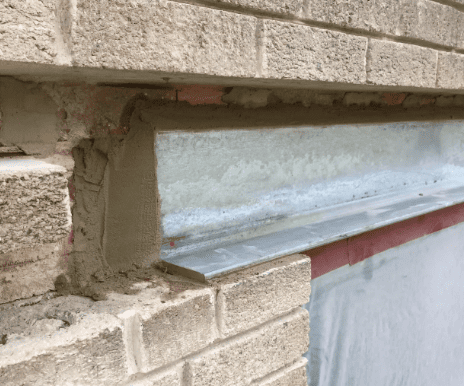
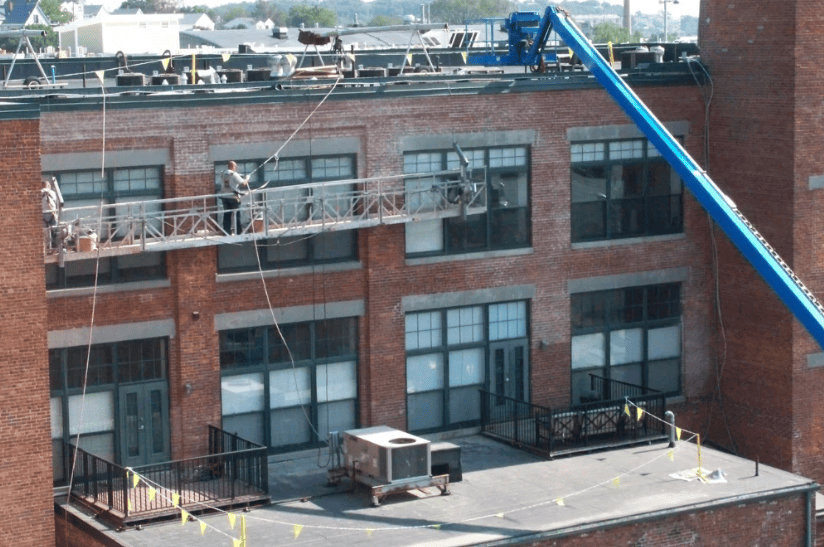
- Masonry buildings have longer lifespans than other types, and their use can improve resale value. Restoring masonry work has numerous benefits over replacing it entirely, such as preserving the historical or traditional nature of your monument or landmark, avoiding tearing down portions or all of your structure, and enjoying a modern restoration that matches the original style. Moreover, restoring masonry work can prolong the life of old buildings, monuments, and landmarks.
Masonry Myths and Facts
As masonry restoration contractors who have been in the industry for 35 years, we have heard our fair share of misconceptions about stone, brick, and concrete buildings. Let’s clear them up!
Myth: Masonry can’t support an entire structure because it’s just a type of decorative cladding.
Fact: Historically, masonry buildings were load-bearing, meaning the masonry itself resisted all the imposed loads. A masonry system approach, such as a brick and concrete block cavity wall, can deliver unparalleled performance and satisfaction.
Myth: Finding skilled mason contractors and craft workers for building projects is difficult.
Fact: The masonry industry is actively rebuilding its workforce strength by investing in comprehensive apprenticeship schools nationwide. These programs teach new craft workers not only how to construct new buildings but also how to preserve the beauty and structural integrity of historic and contemporary structures.
Myth: Masonry is hard to maintain.
Fact: Because masonry does not rust, shatter, warp, dent, buckle, or rot, it requires minimal upkeep. Additionally, masonry can handle abuse from vehicles, equipment, or harsh weather conditions without sustaining significant damage.
Aside from its durability, simply cleaning masonry helps to keep your facade looking good. Bonus: The task only needs to be done every few years*. Hire professional concrete and masonry cleaners to maintain your building’s appearance and prevent any damage caused by accumulated dirt or debris.
* The frequency of masonry cleaning depends on various factors, such as the type of masonry material, the location of the building, and the level of pollutants or dirt in the environment.
Myth: Masonry structures are slow to construct.
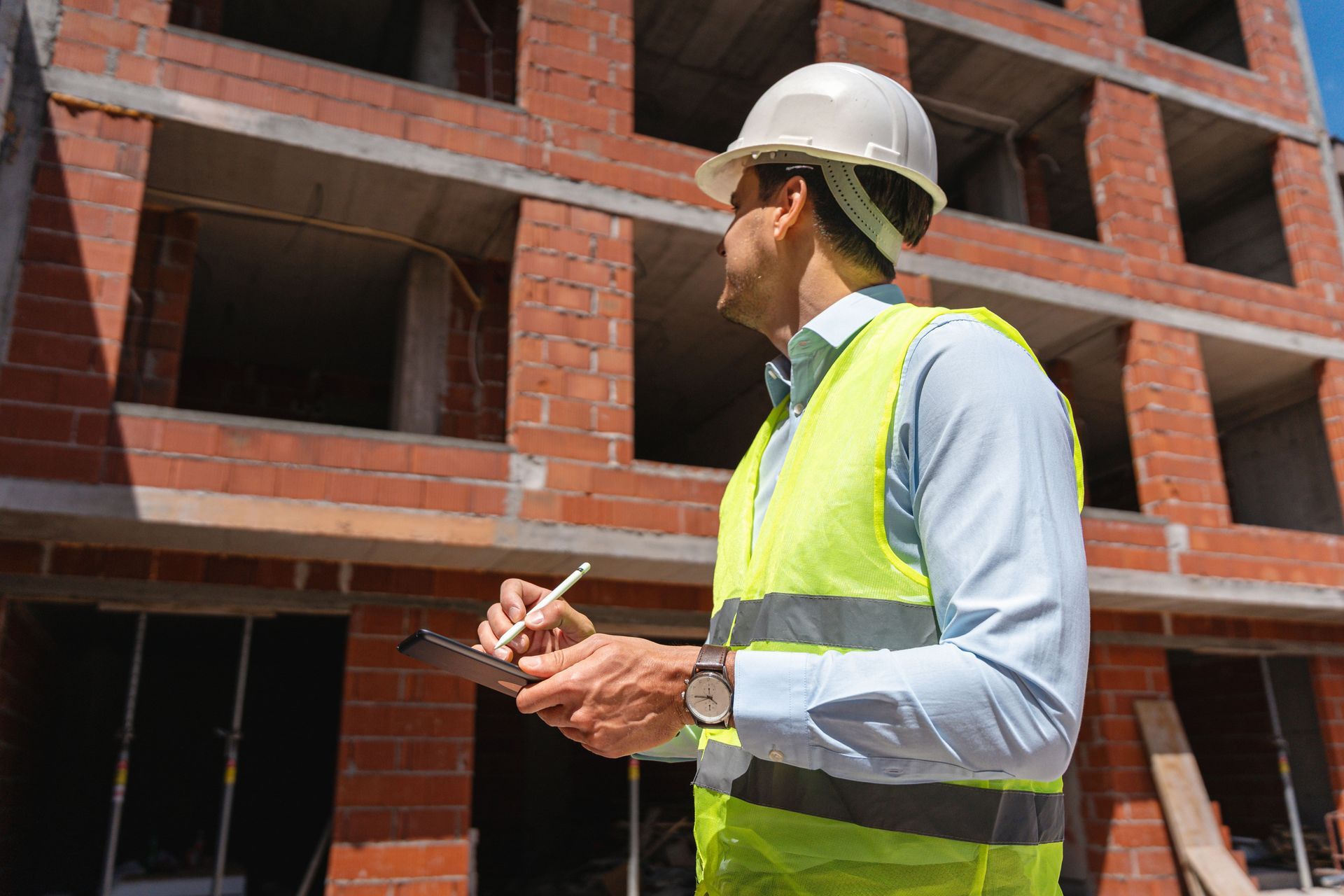
Fact: In most cases, using a masonry system can actually speed up the construction process. Local brick and block sources can be on-site and laid down the day after setting foot.
Myth: Hot and cold weather delays masonry construction.
Fact: With updated all-weather practices, masonry construction can continue year-round without fear of weather-related delays or damage.
Why Choose RestoreWorks?
Choose RestoreWorks for your masonry project because of our extensive experience and expertise.
Established in 1988 as Midwest Pressure Washing and Restoration, Inc., we started as a one-man operation and have grown into a leading player in the masonry restoration industry.
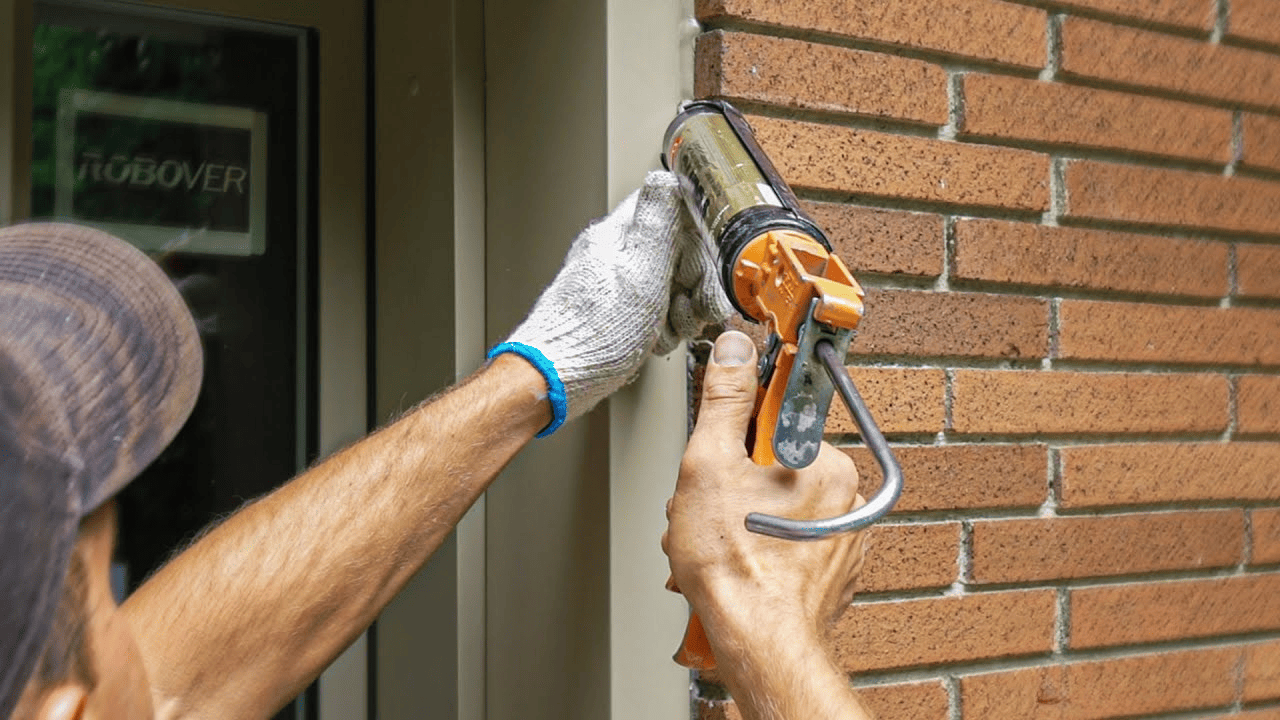
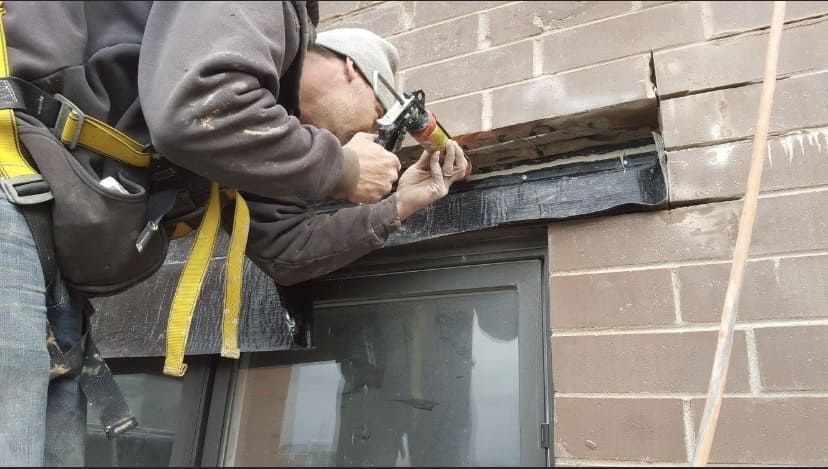
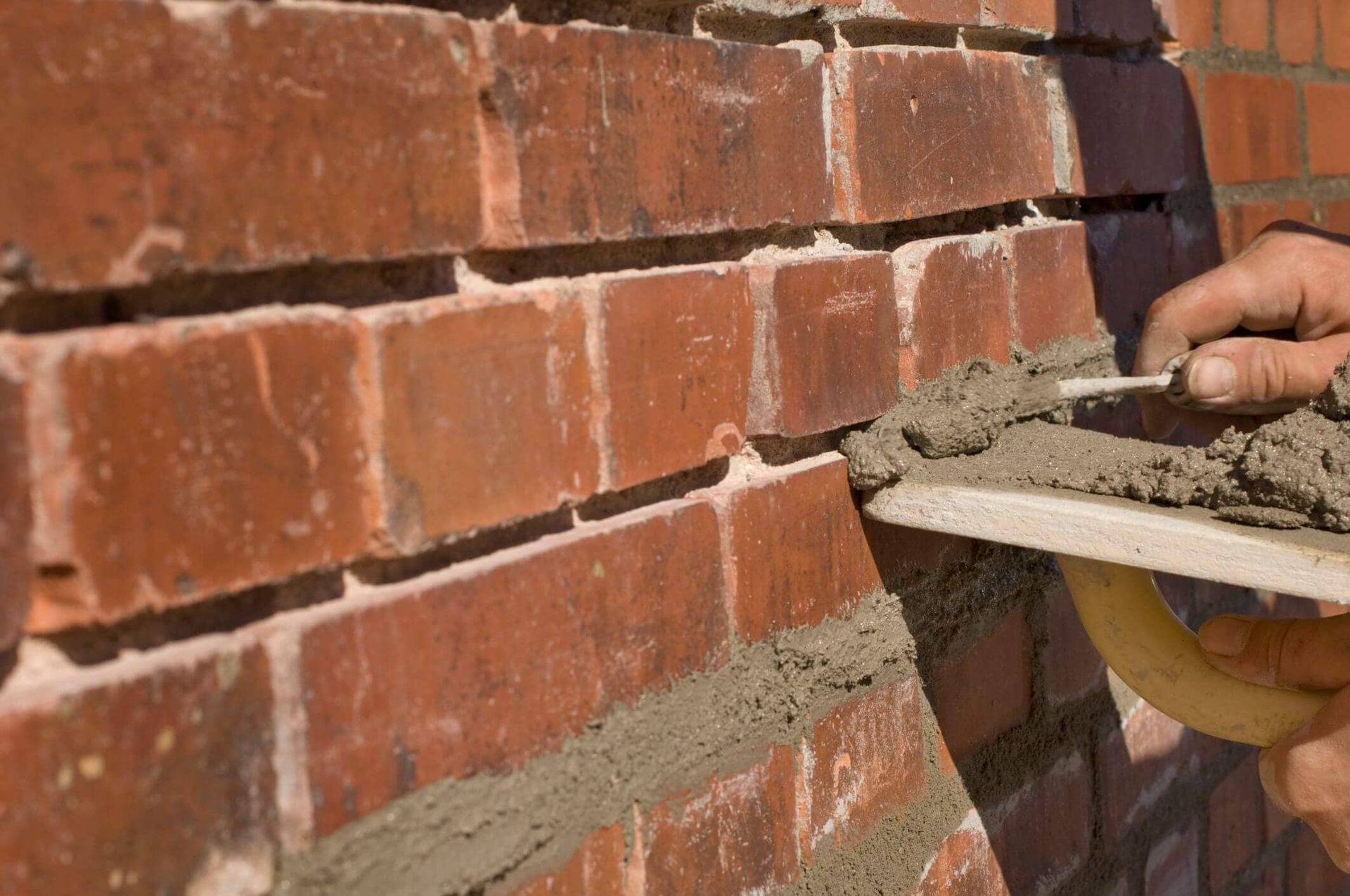
Our expanded services now include interior restorative cleaning, tuckpointing, caulking, and all types of masonry repairs.
With iconic projects like the Art Institute of Chicago, the Wrigley Building, and Frank Lloyd Wright's Unity Temple under our belt, we have proven our capabilities.
Our mission is to make buildings better by returning value and restoring pride, and we achieve this through our seven guiding principles.
Contact us for a personalized consultation or to learn more about our exceptional services in the Chicagoland area and beyond.