Tuckpointing in Chicago: What Proper Mortar Joint Repair Involves
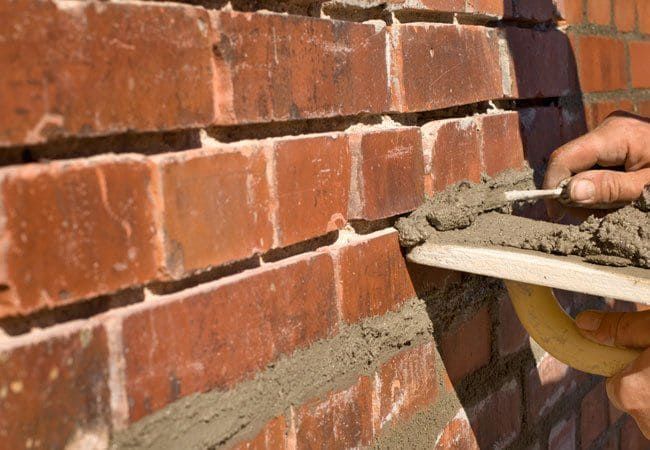
In Chicago and throughout the Midwest, “tuckpointing” is the term most commonly used to describe mortar joint repair. Regardless of terminology, long-term performance depends on proper grinding depth, joint preparation, and compatible mortar installation.
Understanding what actually happens during the process helps building owners and project teams set clear expectations for durability and façade performance.
What Does Mortar Joint Repair Involve?
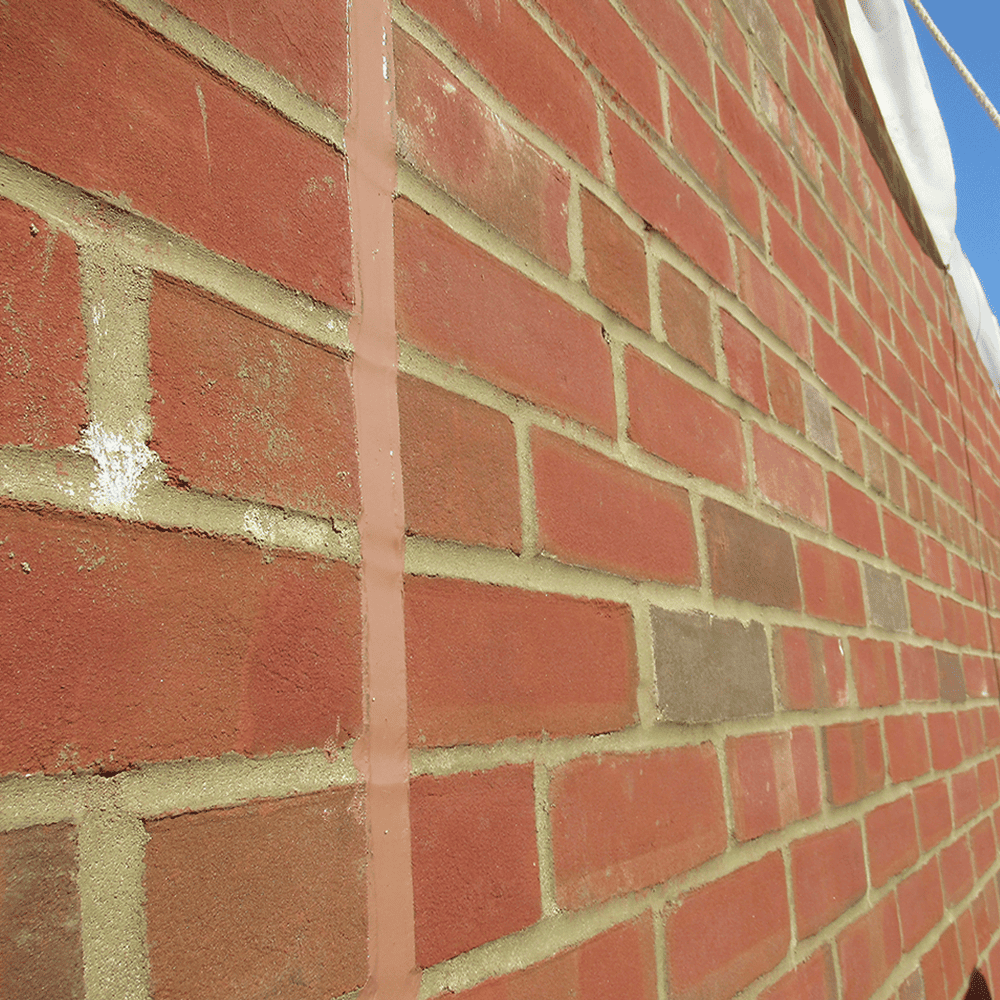
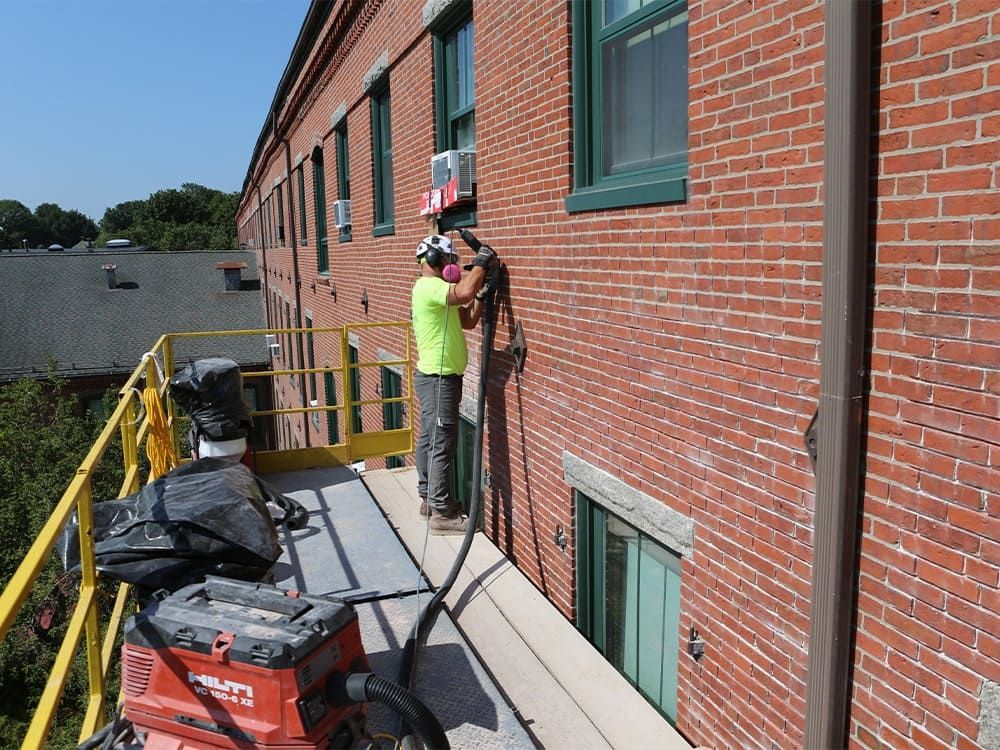
Mortar joint repair typically involves grinding out deteriorated mortar (often to about 3/4" depth) and installing new mortar that matches the original in color, composition, strength, and profile.
This is a structural and performance-driven repair. The goal is to restore the wall’s ability to properly manage moisture, accommodate movement, and protect the masonry units.
When Mortar Joint Repair is Typically Required
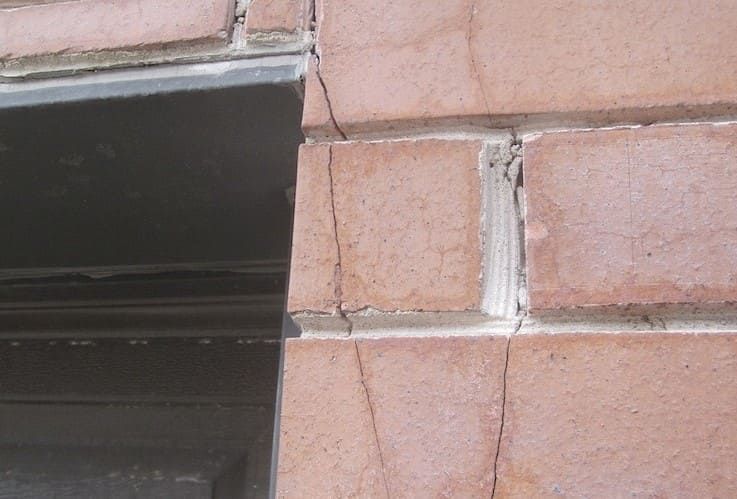
- Mortar is cracked, powdering, or missing
- Joints are recessed beyond their original profile
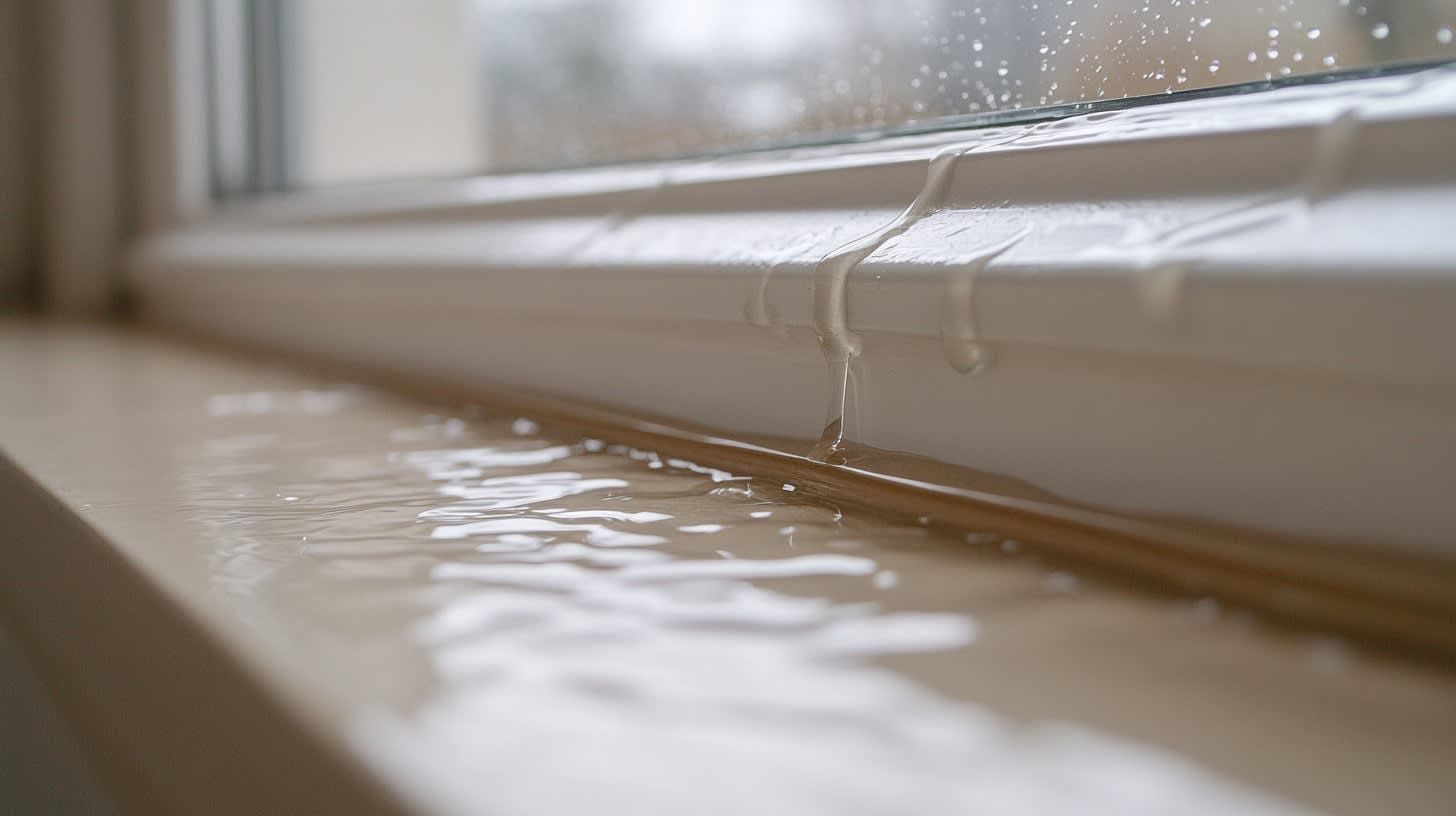
- Water infiltration or interior leakage is present
- Masonry movement is visible near openings or corners
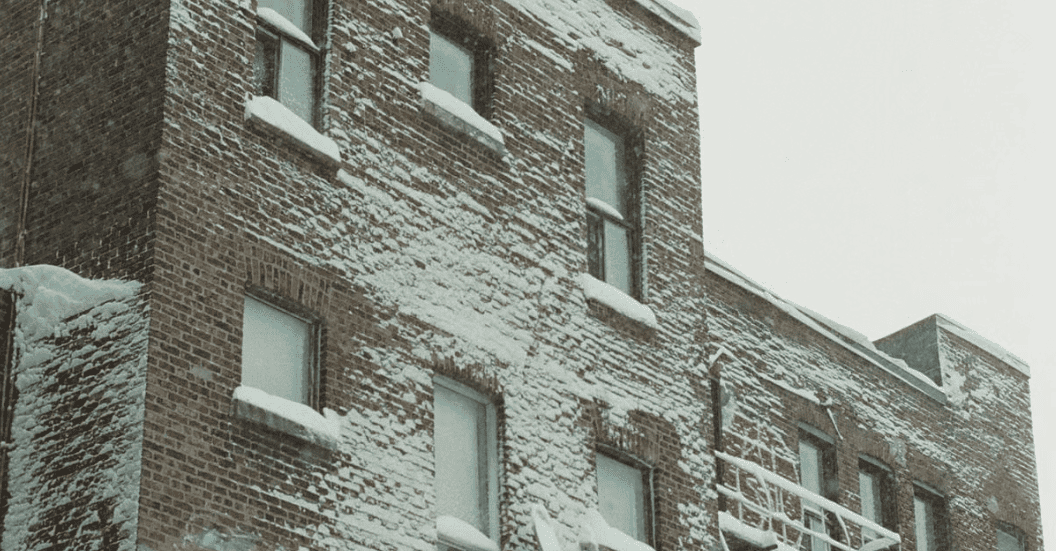
In Chicago’s climate, where freeze–thaw cycles, wind-driven rain, and lakefront exposure are constant stressors, failed mortar joints are one of the most common contributors to masonry deterioration.
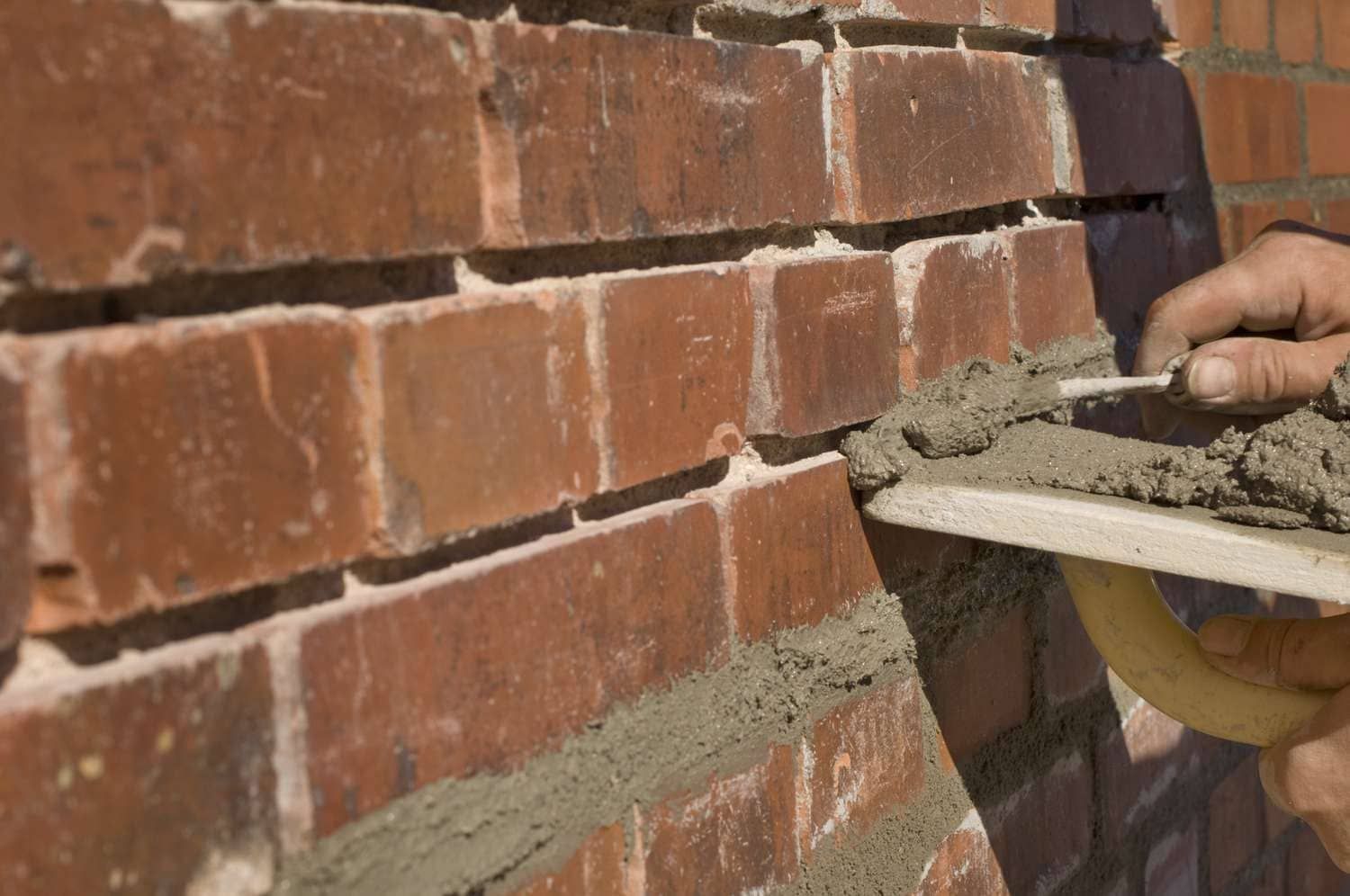
Why Proper Joint Preparation Matters for Chicago Buildings
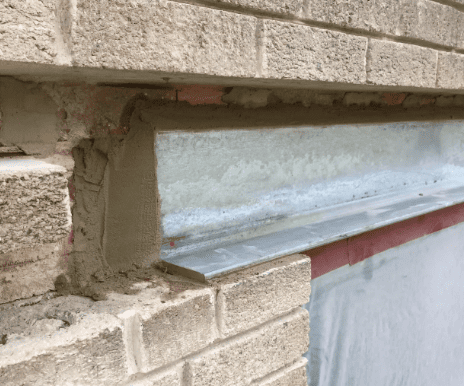
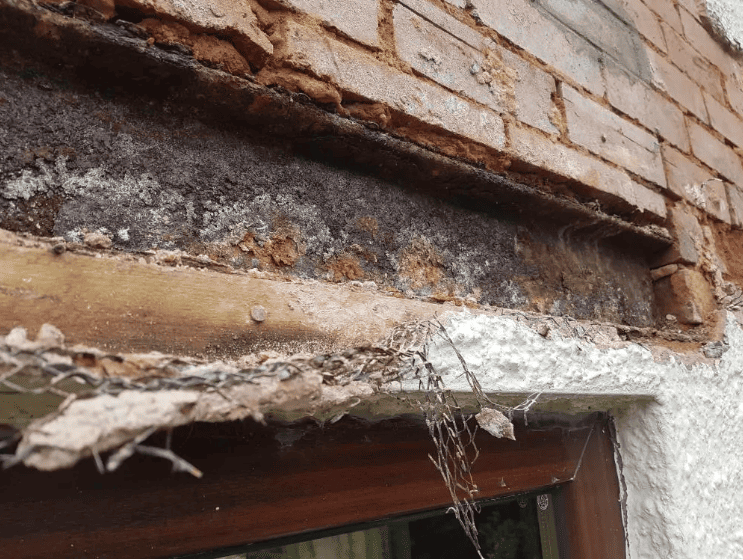
Freeze–thaw cycling forces trapped moisture to expand, leading to cracking and brick spalling. Over time, persistent moisture intrusion can also contribute to steel lintel corrosion at openings. Older buildings with lime-based mortar are especially vulnerable when repairs use mortar that is too hard or improperly detailed, shifting stress into the masonry units instead of the joints.
This risk is amplified in older, multi-wythe brick buildings that are common throughout Chicago. Research published by Green Building Advisor explains that colder masonry holds moisture longer because less heat is available to drive water out of the wall. When that retained moisture is repeatedly exposed to freeze–thaw cycles, both brick and mortar experience accelerated deterioration.
Properly installed mortar joints act as a sacrificial element, absorbing movement and weathering while protecting both the structural integrity and appearance of the façade. This is why proper evaluation, mock-ups, and mortar analysis are standard best practices on professional masonry restoration projects, especially for Chicago buildings where moisture management directly affects long-term durability.

How Mortar Joint Repair Fits Into a Broader Masonry Restoration Strategy
Mortar joint failure rarely exists in isolation. During façade assessments, repointing is often coordinated with related services such as:
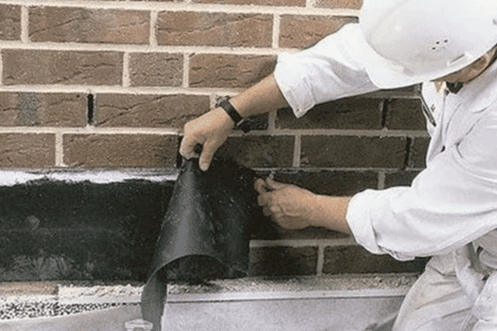
- Lintel and shelf flashing repairs where rust-jacking is present
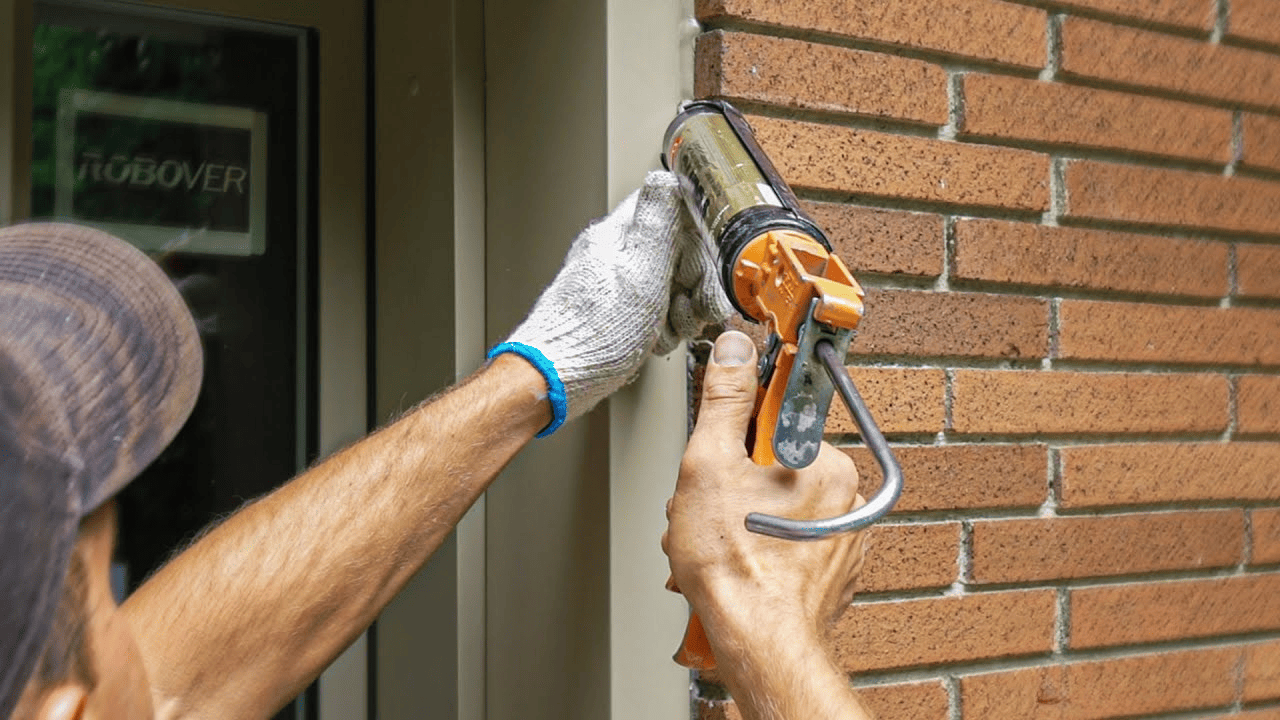
- Sealant and caulking replacement at window and expansion joints
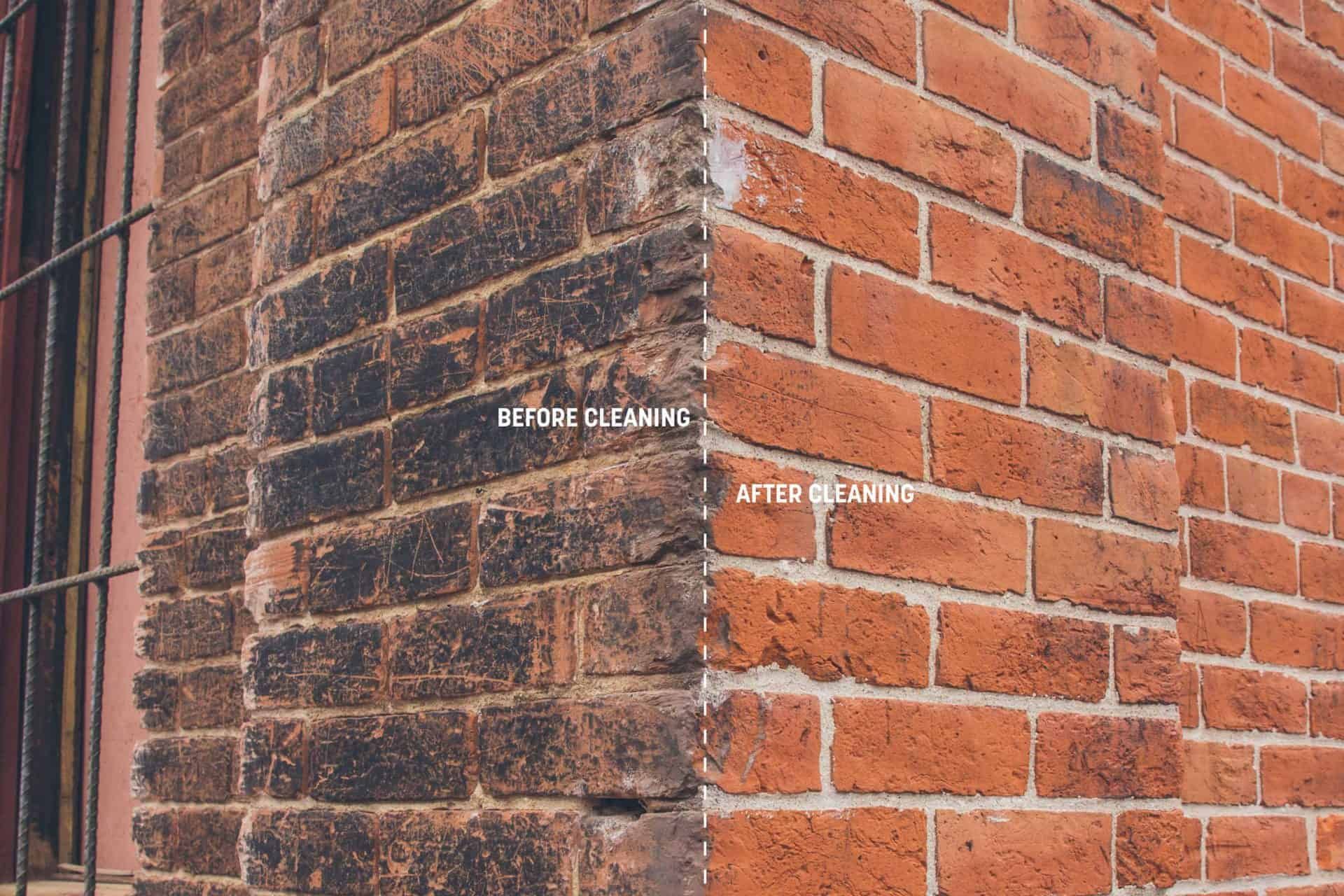
- Restorative cleaning to remove soiling before mortar work
- Concrete façade or balcony repairs where masonry interfaces with structural concrete
This approach aligns with the Secretary of the Interior’s Standards for Rehabilitation, which guide preservation projects reviewed by the Illinois State Historic Preservation Office (SHPO). The Standards emphasize repairing historic materials rather than replacing them and require that any necessary replacement match original materials and appearance. Coordinating these scopes reduces redundant access costs and ensures the wall system performs as a whole.
The Role of Testing, Mock-Ups, and Specifications
On larger or sensitive projects, mortar joint repair should never start without confirmation of mortar compatibility.
Mock-ups allow teams to:
- Confirm mortar color and tooling
- Verify curing behavior in real conditions
- Align expectations between owners, architects, and contractors
This process reduces risk and prevents costly rework.anage Text button to change the font, color, size, format, and more. To set up site-wide paragraph and title styles, go to Site Theme.
Common Misconceptions That Lead to Expensive Repairs
- “The wall just needs tuckpointing.”
Often, deeper deterioration requires more than a surface repair and must include proper grinding depth and full joint replacement.
- “New mortar should be as hard as possible.”
Harder is not better. Mortar must be compatible with the masonry units.
- “Appearance issues are only cosmetic.”
Visual cracking or joint loss often signals deeper water-management problems.
These misconceptions are a leading cause of repeat repairs and premature façade failure.
Frequently Asked Questions About Mortar Joint Repairs
What is the difference between repointing and tuckpointing?
In the Midwest, “tuckpointing” and “repointing” are commonly used to describe mortar joint repair. The critical factor is how the work is performed: proper grinding depth, thorough joint cleaning, and compatible mortar materials.
Do I need tuckpointing or repointing for my building?
Most commercial and multi-family buildings require properly executed mortar joint replacement. In the Midwest, this work is commonly referred to as tuckpointing.
Is tuckpointing structural?
When mortar joints are properly ground out and replaced, the work restores the wall’s ability to manage moisture and movement. While the masonry units carry structural load, properly installed mortar joints play an important role in overall wall performance.
How long does mortar repair last in Chicago?
When properly specified and installed, repointing can last several decades. Longevity depends on mortar compatibility, exposure conditions, and integration with other façade repairs.
Do you have more questions about mortar joint repairs? Contact RestoreWorks today.