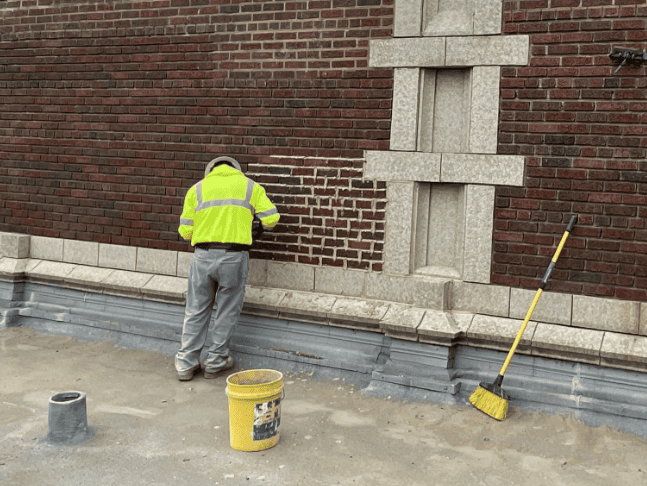
Cracked Mortar Joints: Early Warning Signs Property Managers Miss
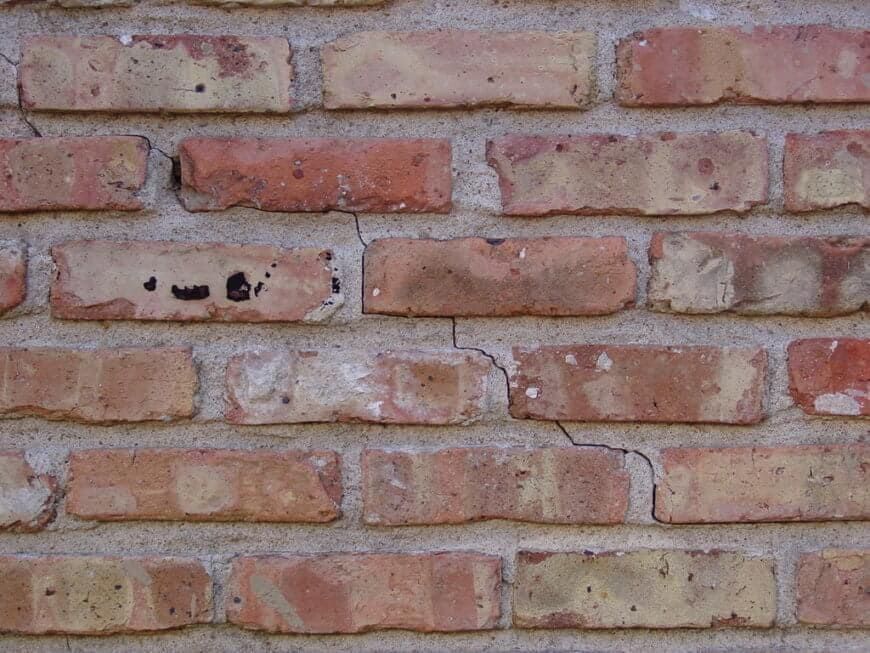
Cracked mortar joints are often the first visible indicator that a masonry façade is starting to fail.
In Chicago, where freeze–thaw cycles, wind-driven rain, and lakefront exposure accelerate deterioration, ignoring these early signs can turn a manageable repair into a large-scale masonry restoration project.
If you manage commercial, institutional, or multi-family properties, understanding what cracked mortar joints mean (and what they don’t) can help you avoid emergency repairs and tenant disruption.
What Do Cracked Mortar Joints Actually Indicate?
Mortar is the sacrificial element of a masonry wall. It is intentionally softer than the brick or stone so that it absorbs movement and weathering first.
Cracking in masonry occurs when movement is restrained. The Mason Contractors Association of America has long emphasized that walls are constantly moving due to temperature change, moisture variation, settlement, and structural drift. When that movement cannot be accommodated, tensile stress develops, and masonry is far weaker in tension than in compression.
In other words, the wall wants to move. When it can’t, it cracks.
When mortar joints crack, it may indicate:
- Normal weathering from age
- Freeze–thaw expansion within the joint
- Differential movement between materials
- Moisture intrusion behind the façade
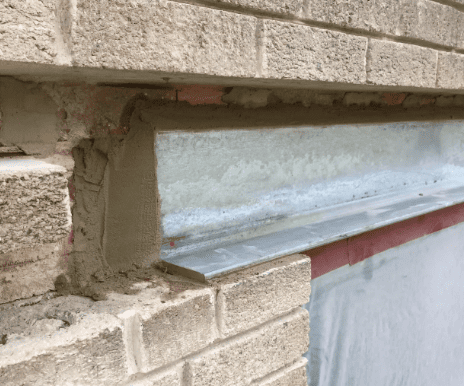
- Corrosion of embedded steel lintels
- Structural settlement or façade deflection
- Restrained shrinkage or thermal expansion within the wall panel
Not all cracks are equal. The key is identifying whether the cracking is superficial surface shrinkage, or a symptom of deeper distress caused by restrained movement within the wall assembly.
Why Chicago Buildings Are More Vulnerable
Chicago’s climate places unusual stress on mortar joints.
- Freeze–thaw cycles: Water enters small cracks, freezes, expands, and widens the joint.
- Lakefront wind pressure: Wind-driven rain forces moisture deep into porous mortar.
- Historic construction methods: Many pre-war buildings use lime-rich mortar, which weathers differently than modern cement-based mixes.
- Deicing salts: Salts tracked onto balconies and façades can accelerate mortar breakdown.
Industry research from the Concrete Masonry & Hardscapes Association and federal transportation studies consistently reinforces how repeated freeze–thaw cycling reduces long-term durability in moisture-exposed masonry materials. In vertical wall assemblies, mortar joints are especially vulnerable because they absorb and release moisture more readily than surrounding brick.
In Chicago, small cracks rarely stay small.
Early Warning Signs Property Managers Often Miss
Many property managers focus on obvious brick damage but overlook subtle mortar distress.
Watch for:
1. Hairline Horizontal Cracks
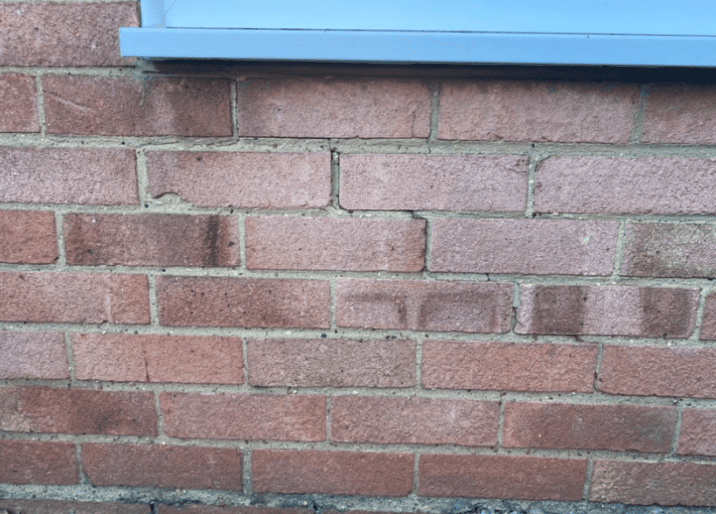
Often seen beneath window lintels. These may indicate expanding steel behind the wall.
If ignored, corrosion can cause brick displacement and shelf angle failure.
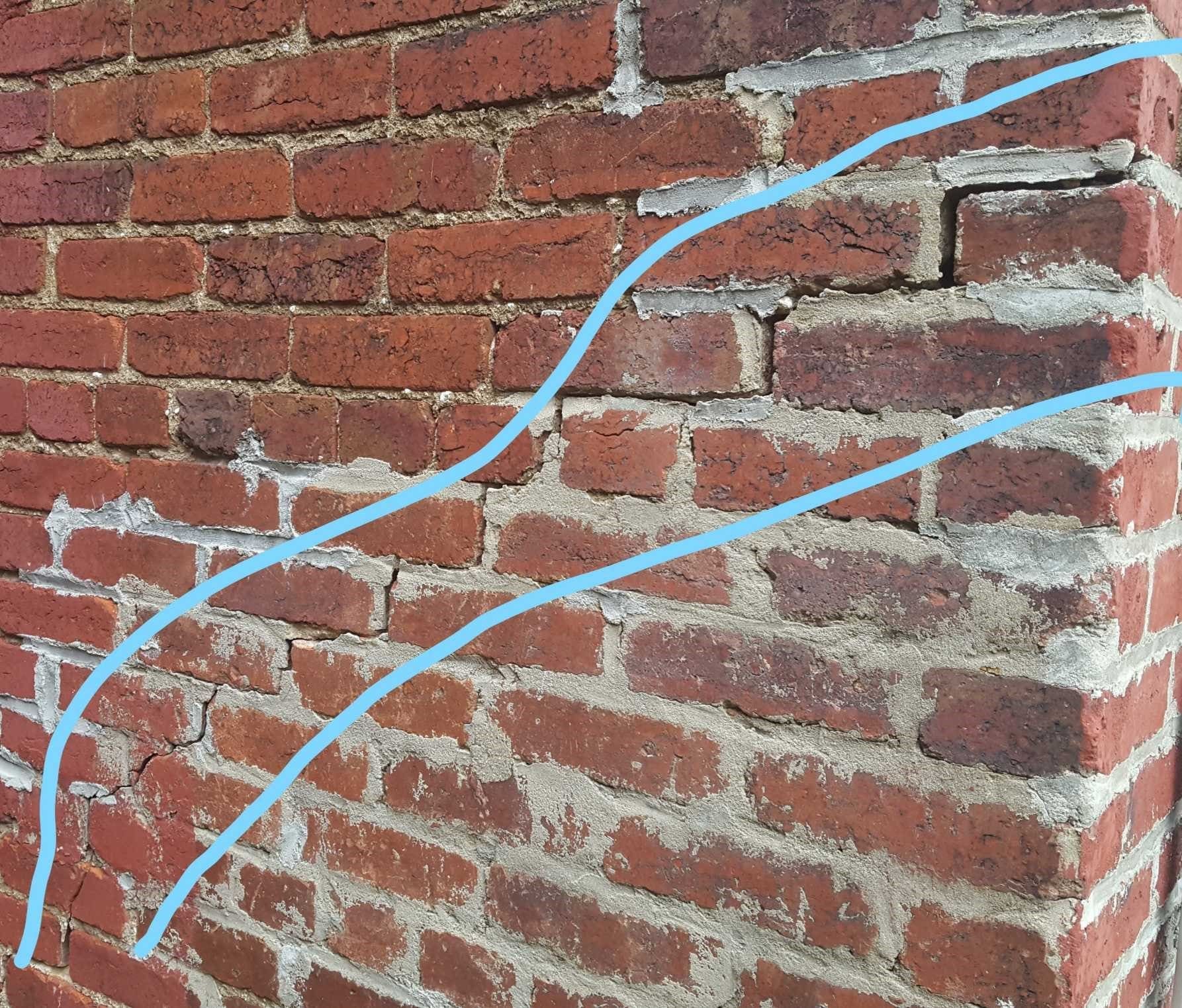
2. Stair-Step Cracking Along Joints
This pattern may suggest differential settlement or structural movement.
It’s not always structural, but it always warrants evaluation.
3. Recessed or Missing Mortar
When mortar erodes beyond ¼ inch from the face of the brick, water infiltration risk increases significantly.
4. Efflorescence Along Joints
White salt deposits indicate active moisture movement through the wall.
The crack you see may just be the exit point.
5. Cracks Concentrated on One Elevation
South- and west-facing façades in Chicago often show accelerated deterioration due to sun exposure and thermal cycling.
Patterns matter more than isolated cracks.
When Do Cracked Mortar Joints Require Tuckpointing?
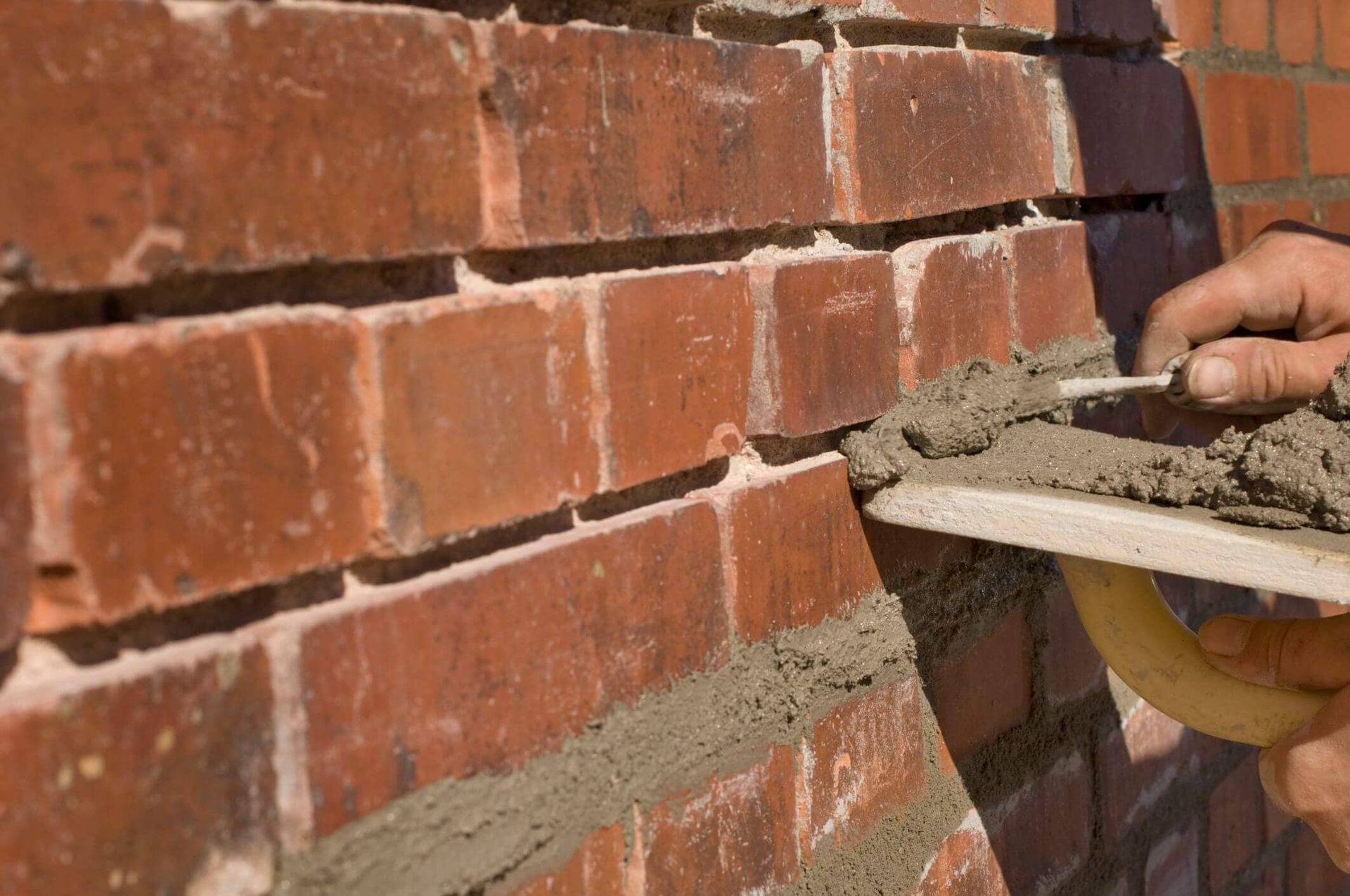
Tuckpointing becomes necessary when mortar has lost its bond, depth, or protective function.
You likely need tuckpointing if:
- Mortar can be scraped out easily with a screwdriver
- Cracks run continuously along multiple courses
- Water infiltration has been confirmed
- Interior leaks correspond to exterior joint deterioration
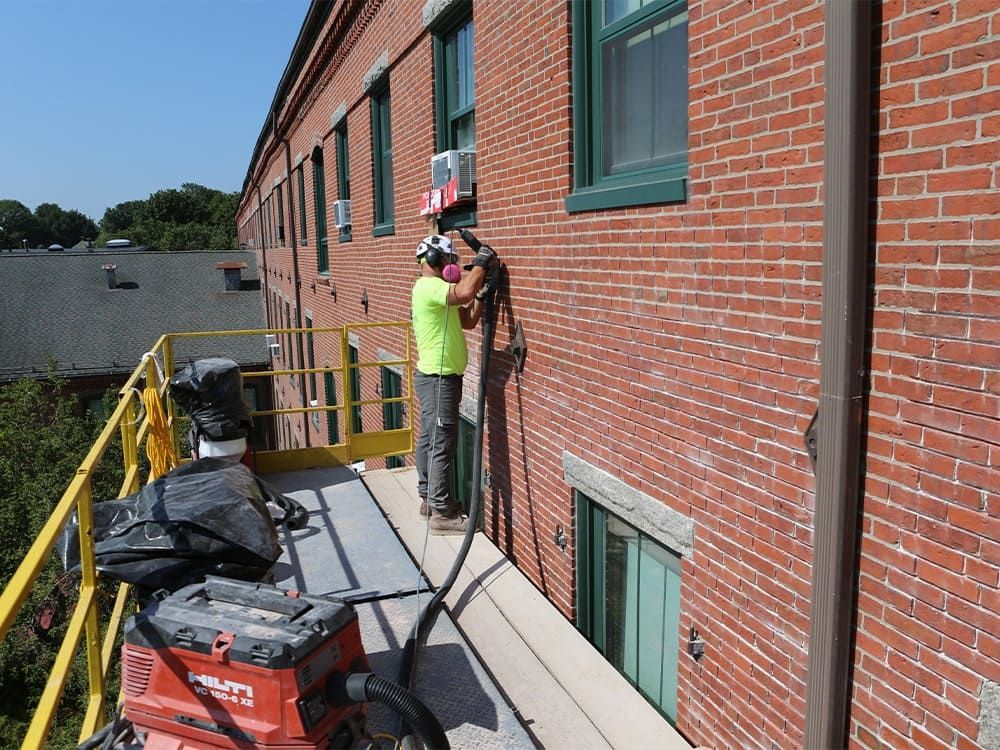
Proper tuckpointing is not cosmetic. It requires:
- Controlled removal of deteriorated mortar
- Joint cleaning and preparation
- Installation of compatible mortar (strength and color matched)
- Proper tooling and curing
In historic Chicago façades, mortar compatibility is important. Overly strong mortar can damage surrounding brick. As noted in The Construction Specifier, mortar is intended to be sacrificial. When repointing mortar is harder or less permeable than the adjacent masonry, stresses are relieved through brick spalling instead of joint movement.
The Risk of Waiting Too Long
Delayed repair often leads to secondary failures, including:
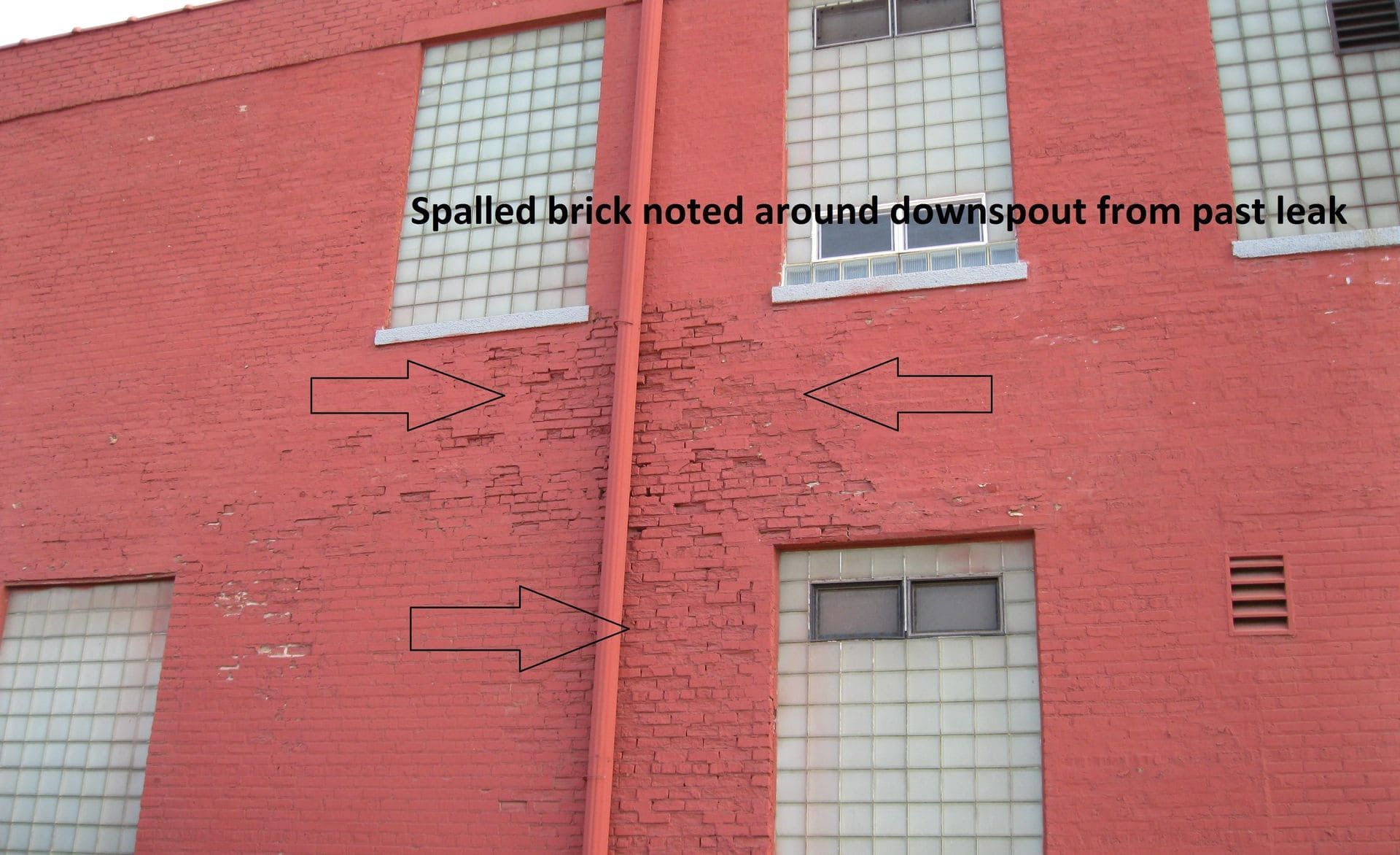
- Brick spalling
- Lintel corrosion
- Shelf angle expansion
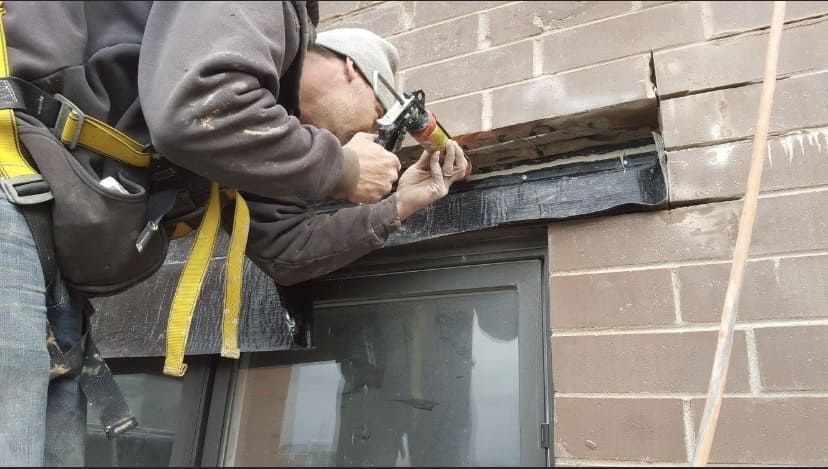
- Caulking and sealant failure at transitions
- Concrete balcony edge deterioration
At that stage, a small tuckpointing scope becomes broader masonry restoration.
Industry guidance published in Masonry Magazine emphasizes that routine inspections and preventative maintenance are essential to preserving masonry performance. Identifying deteriorated mortar early, before water infiltration or structural movement progresses, prevents minor joint repairs from escalating into broader façade restoration scopes.
Real-World Chicago Observation
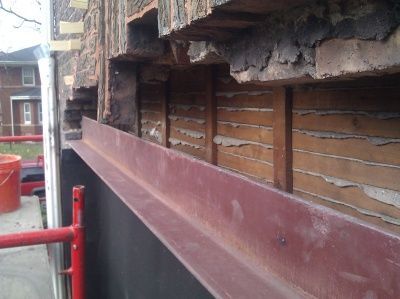
On multiple Chicago-area commercial buildings, we’ve seen cracked mortar beneath steel lintels serve as the first visible sign of concealed corrosion.
By the time brick displacement becomes visible, steel expansion has already compromised surrounding masonry.
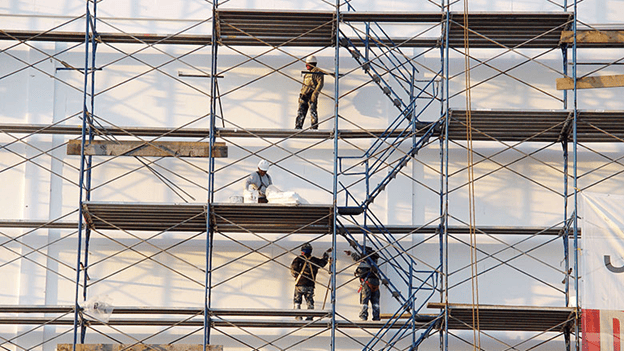
Early investigation through targeted façade openings or mock-ups allows repair planning before full brick replacement becomes necessary.
Cracks are data points. The wall is communicating.
Inspection Timing: When Should You Evaluate?
For Chicago properties, consider:
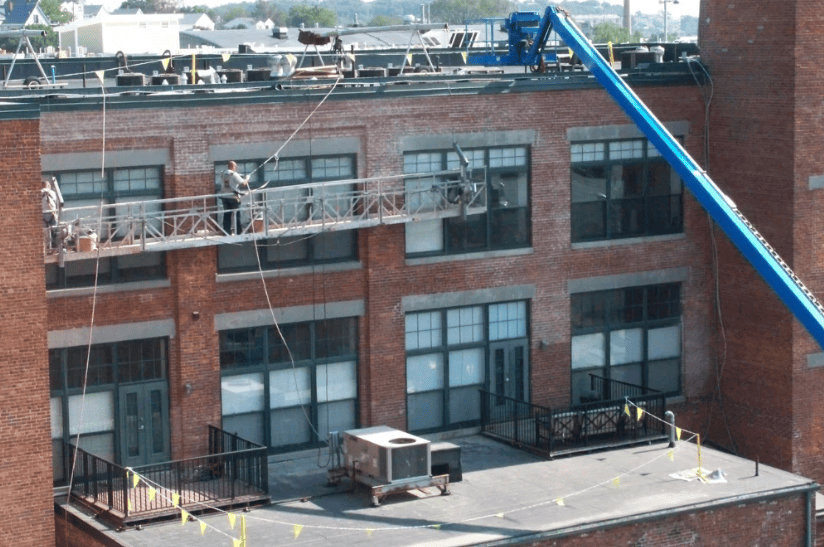
- Annual façade walk-throughs (spring is ideal after freeze–thaw season)
- Formal inspections aligned with local façade ordinances for high-rise structures
- Immediate evaluation if cracking patterns change or expand
If the crack pattern grows year-over-year, that’s not cosmetic aging, it’s progressive movement.
Repair Strategy Options
Depending on severity, solutions may include:
- Localized tuckpointing
- Lintel and shelf flashing repairs
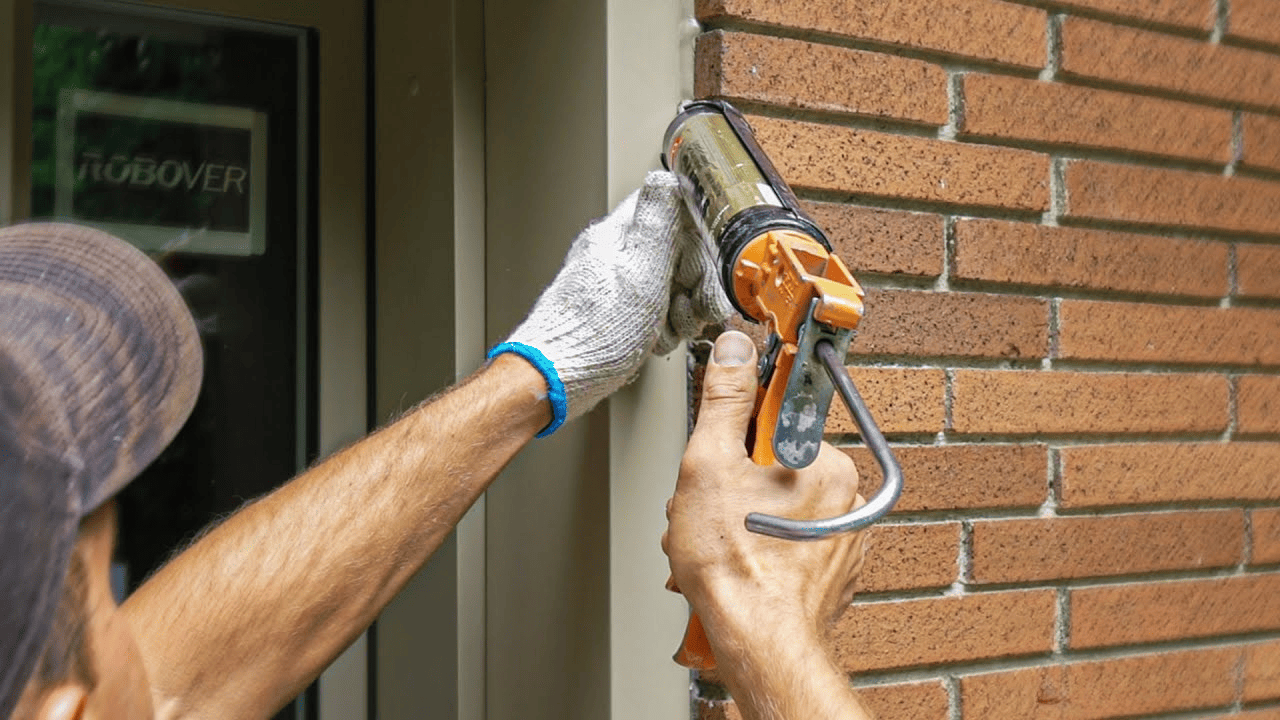
- Caulking and sealant repair at transitions
- Targeted masonry restoration
- Mock-ups to confirm material compatibility
- Concrete façade or balcony repairs if water migration has spread
Scope should follow diagnosis, not assumption.
Frequently Asked Questions About Cracked Mortar Joints
Are cracked mortar joints normal in Chicago buildings?
Minor surface cracking can be normal due to freeze–thaw cycles. However, continuous, widening, or patterned cracks usually indicate moisture intrusion or structural movement and should be evaluated.
How much does it cost to repair cracked mortar joints?
Costs vary based on height, access, and extent of deterioration. Localized tuckpointing is far less expensive than full façade reconstruction, which is why early detection matters.
Can cracked mortar joints cause leaks?
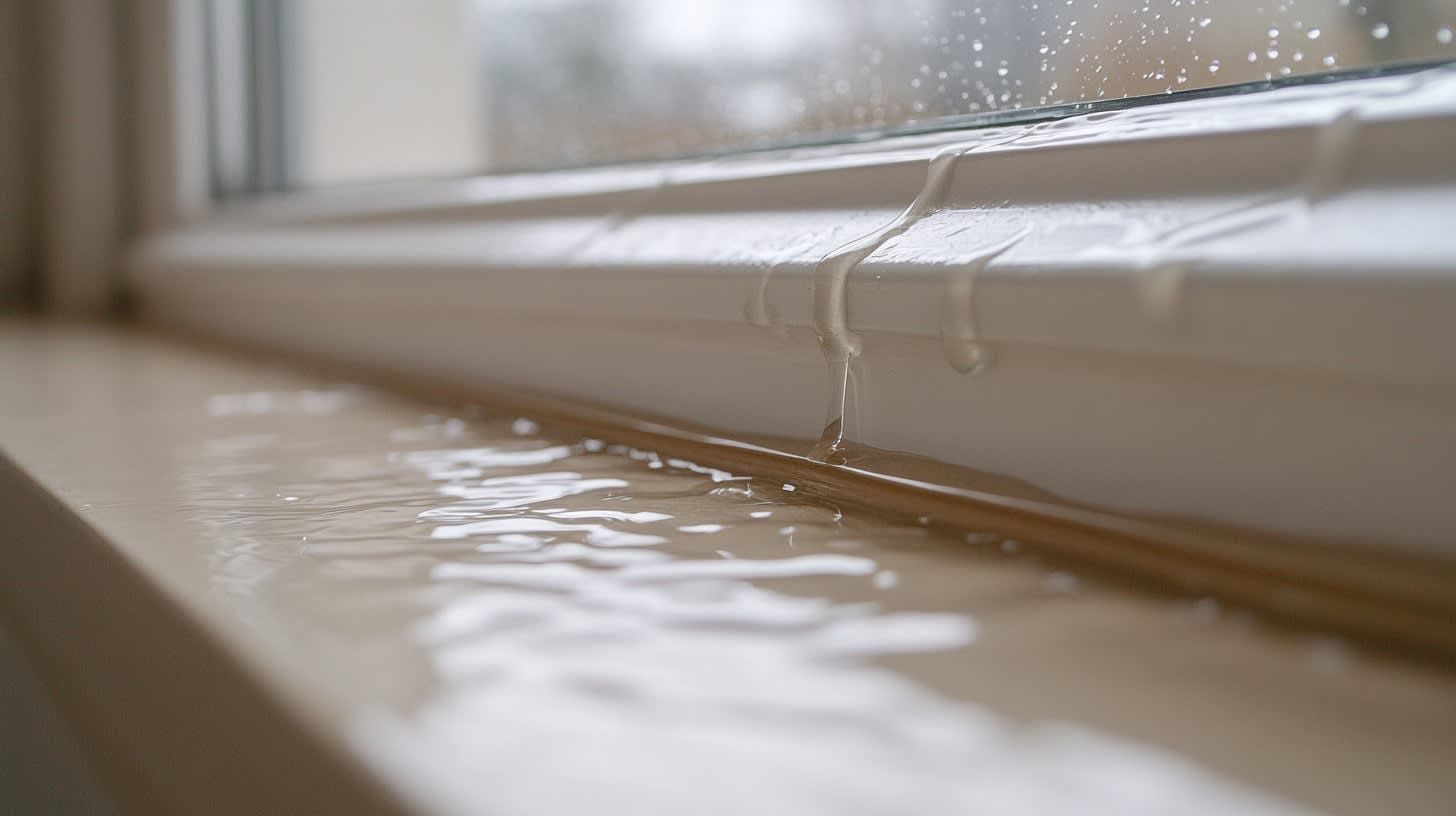
Yes. Mortar is the primary barrier preventing water penetration at joints. Once cracked or recessed, moisture can enter and travel behind the façade.
Should I repair cracked mortar before winter?
Yes. Addressing open joints before freezing temperatures prevents water from expanding inside cracks and worsening deterioration during winter.
Proactive Maintenance For Cracked Mortar Joints Is Always Less Expensive
Cracked mortar joints are not just aesthetic issues. They are early indicators of movement, moisture, and material fatigue. In Chicago’s climate, small cracks rarely self-correct. They either stabilize or they expand. Knowing the difference protects your building and your budget.
If you have more questions about cracked mortar joints and the restoration associated with this work, contact RestoreWorks today.