Masonry Restoration Guide: Cleaning and Repair Explained
Does your commercial building need
masonry restoration? Masonry is a material known for its resiliency and longevity. It has been used in construction for centuries. However, various factors such as weathering and pollution may lead to the deterioration of these structures, causing them to pose a safety issue. To bring back the splendor of these masonry structures, and to protect workers, it is essential to undergo restoration and cleaning processes.
In this masonry restoration guide, we’ll walk business owners, architects, and contractors through best practices for preserving and restoring masonry structures, ensuring you make informed decisions.
What is Masonry Restoration?
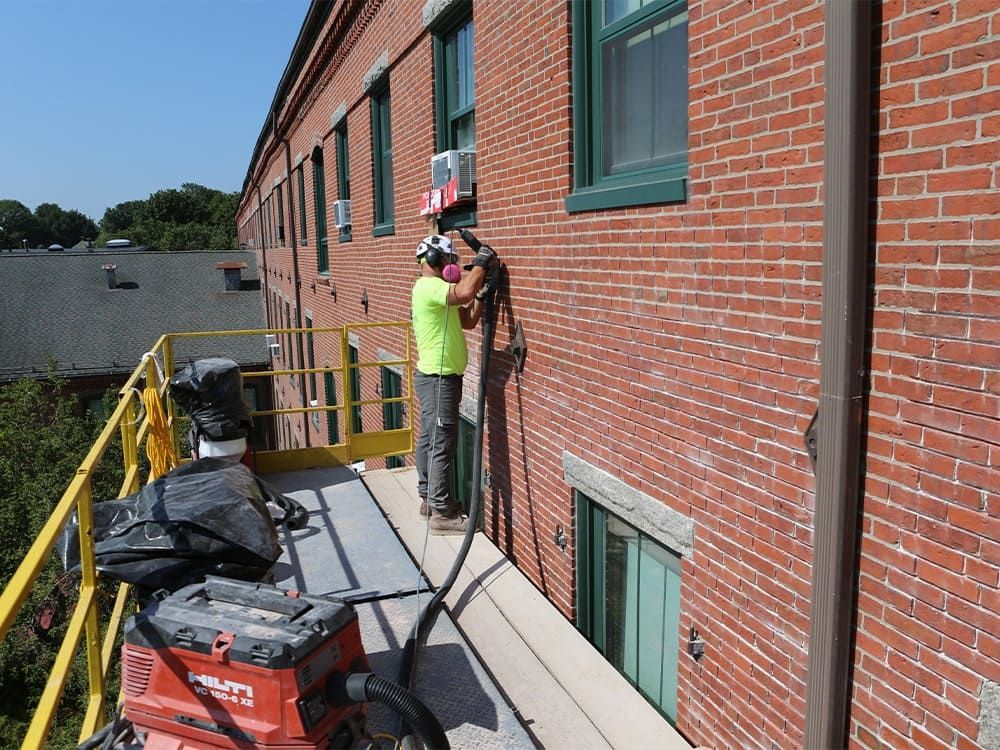
So, what is masonry restoration? Masonry restoration is the process of repairing and restoring damaged or deteriorating masonry structures, including buildings, walls, and monuments. A masonry restoration contractor is responsible for all masonry restoration. The contractor restores masonry by repairing or replacing damaged masonry units, such as bricks, stones, concrete blocks, and mortar.
Why is Masonry Restoration Important?
Restoring masonry is important for several reasons. Masonry restoration experts can help to preserve the historical and architectural integrity of buildings and structures. They help to prevent further deterioration and damage, which can lead to costly repairs or even the eventual collapse of the structure. Masonry repair and restoration can also improve the energy efficiency of buildings by addressing issues such as air leaks, insulation, and prevention of water infiltration.
Benefits of Masonry Restoration and Cleaning
There are many benefits of hiring a masonry restoration company for
masonry cleaning and restoration, namely:
- The preservation of historical and architectural integrity
- The prevention of further damage and deterioration
- An improved energy efficiency
- Increased property value
- Enhanced curb appeal
- Safer and more stable structures
Common Masonry Problems With Building Envelopes
Building envelopes are critical components of any structure. They serve to protect the interior from the elements and provide structural support. However, they are subject to a range of issues that can compromise their integrity and cause damage over time. These common problems with building envelopes include:
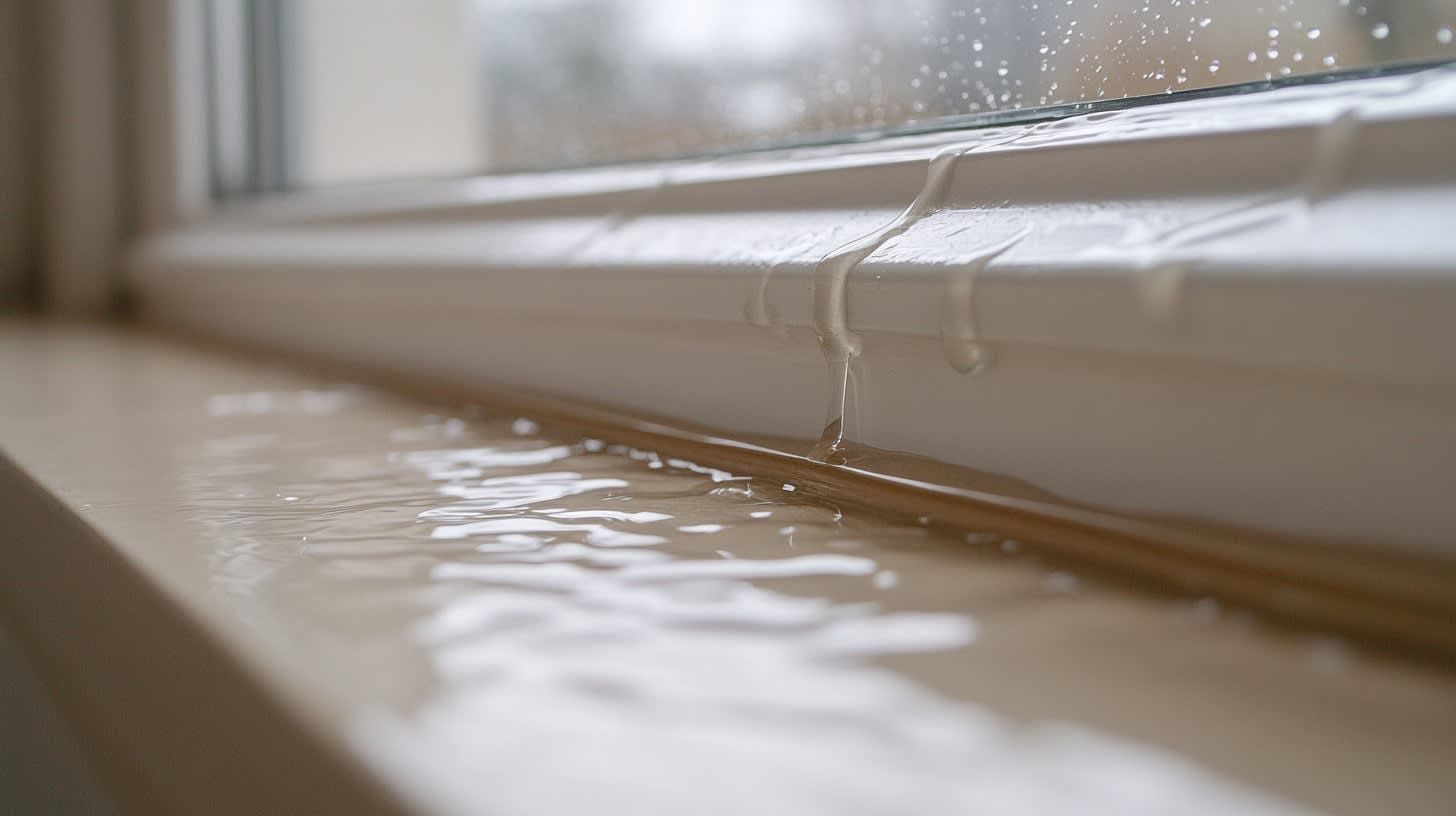
- Water damage and moisture infiltration: Water damage is one of the most common problems with building envelopes. Water can seep through small cracks and gaps in the masonry, leading to mold growth, rot, and structural damage.
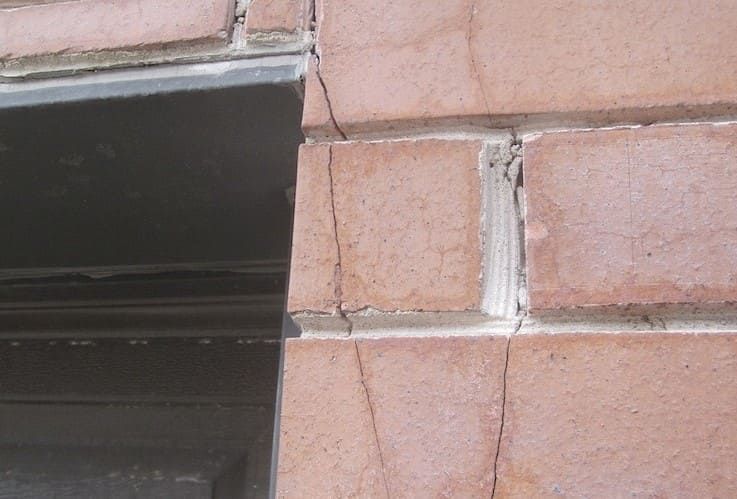
- Cracks and gaps in the masonry: Over time, masonry units can shift and settle, leading to cracks and gaps that allow moisture and air to penetrate the structure. Water infiltration can cause further damage and compromise the structural integrity of the building.
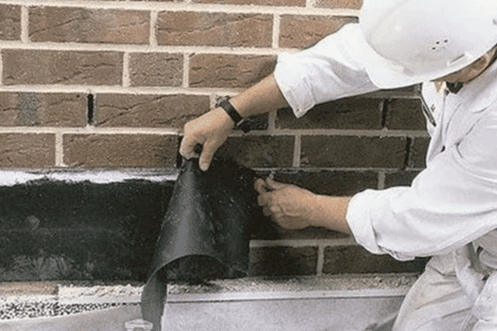
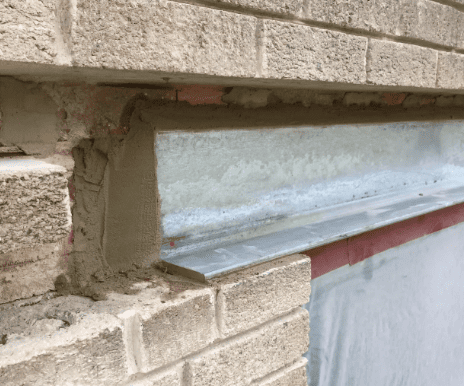
- Corrosion and rust in metal components: Many building envelopes include metal components, such as flashing, lintels, and shelf angles that are susceptible to corrosion and rust over time. Corrosion in a wall can cause masonry deterioration and create further damage.
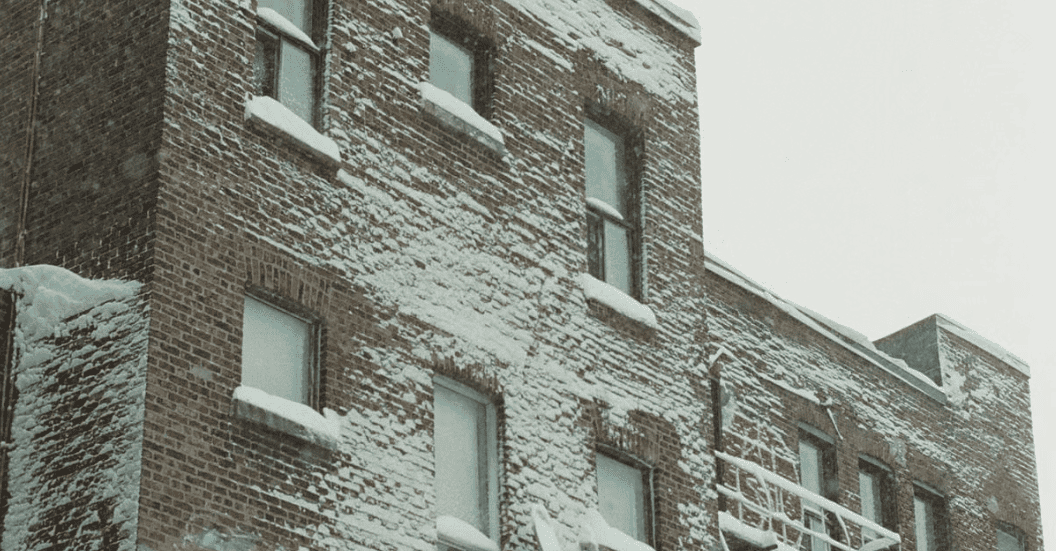
- Damage from weather and environmental factors: Wind, rain, snow, and extreme temperatures can all take a toll on building envelopes, leading to cracks, gaps, and other forms of damage.
To address these and other issues with building envelopes, it is important to work with a professional masonry restoration contractor who has the expertise and experience to identify and address these issues effectively. With the right care and maintenance, building envelopes can last for many years and continue to protect and support the structure they surround.
Does Your Commercial Building Need Masonry Restoration?
Identifying the right time for masonry restoration is critical to avoid structural failure and costly emergency repairs. Several visible signs indicate that your commercial building may require restoration services:
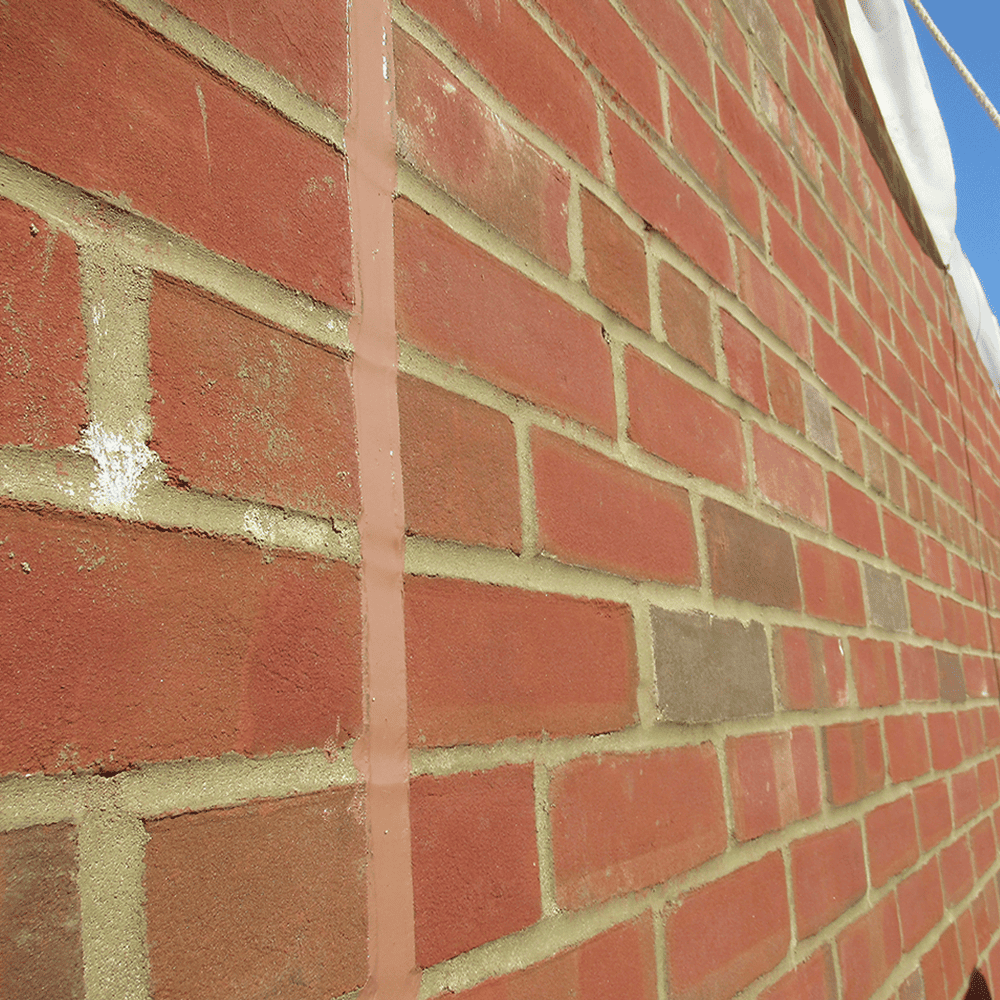
- Cracked or crumbling mortar joints are a clear indicator that tuckpointing is needed to prevent water intrusion and structural weakening.
- Spalling or flaking brick and stone are often caused by freeze-thaw cycles or salt exposure, compromising the building envelope.
- Water stains or efflorescence (white salt deposits). These are signs of moisture infiltration that can lead to deeper masonry damage.
- Rusting lintels or displacement of metal components point to corrosion behind the façade, requiring immediate attention.
- Discoloration or biological growth suggests that the masonry surface is holding moisture, which can lead to further degradation.
If any of these issues are present, a professional assessment by a Chicago masonry restoration expert is essential. Restore Works provides detailed on-site evaluations to determine the appropriate scope of repair, ensuring your building remains safe, compliant, and visually intact.
Masonry Maintenance and Long-Term Preservation Strategies
Ongoing masonry maintenance is the most cost-effective way to extend the lifespan of a building envelope and minimize repair needs. A proactive preservation strategy includes
- Annual inspections: especially after Chicago’s harsh winters, to check for joint degradation, cracks, and water intrusion.
- Scheduled tuckpointing: replacing deteriorated mortar with a proper match to maintain structural integrity and appearance.
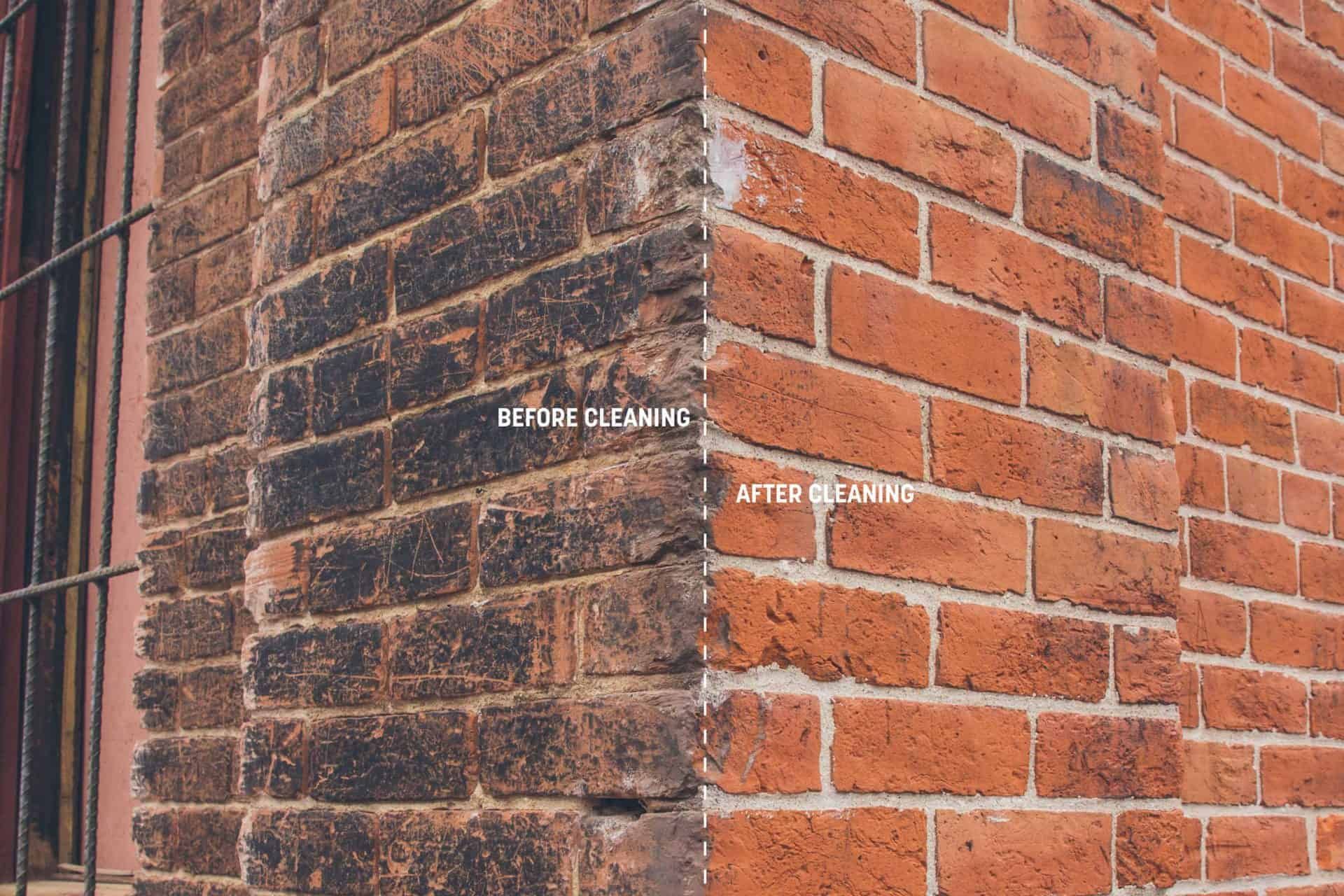
- Routine cleaning: using restorative cleaning techniques that remove pollutants and organic buildup without damaging masonry surfaces.
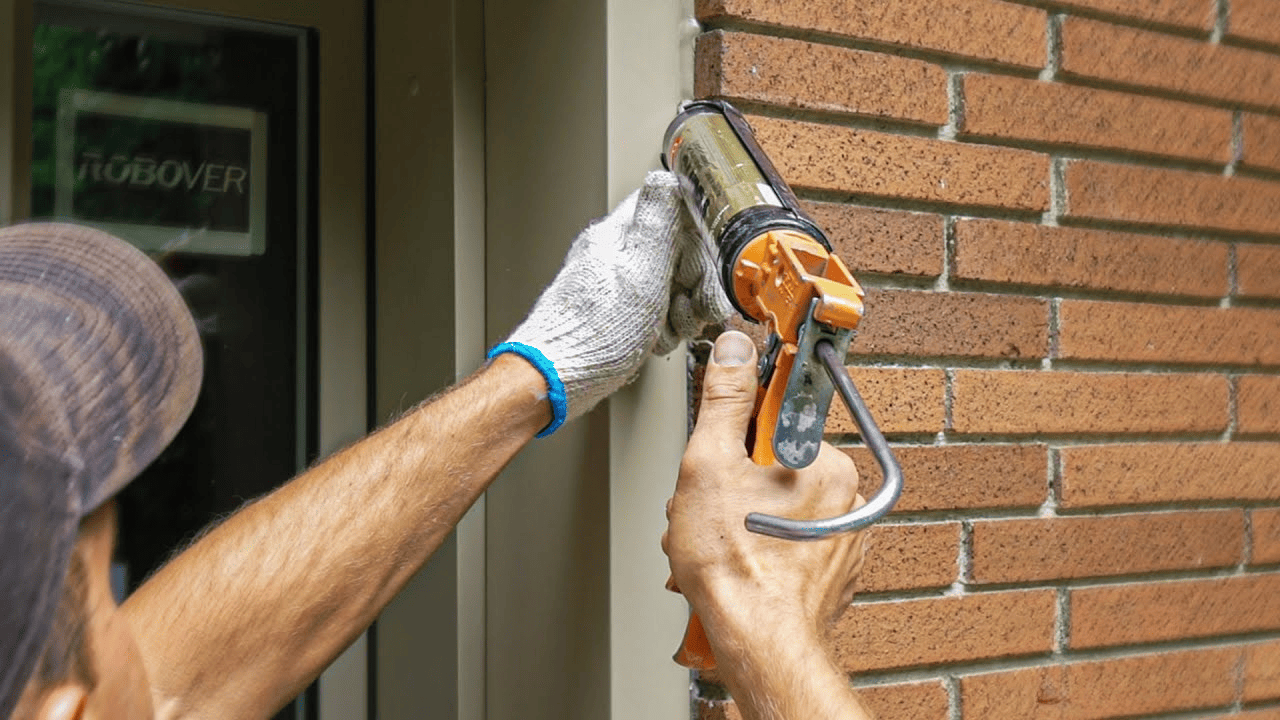
- Sealant and flashing checks: ensuring expansion joints, window perimeters, and parapets are properly sealed to prevent water ingress.
- Surface protection: consider breathable water repellents that protect without trapping moisture, particularly important in historic restorations.
Restore Works partners with commercial property owners to create tailored maintenance plans that address both current needs and future preservation. Our long-term strategies help protect investment, preserve aesthetics, and ensure code compliance.
How We Can Help at RestoreWorks
If you need Chicago masonry restoration or cleaning services, the RestoreWorks Masonry Restoration experts can help. Our team has the skills and experience to restore masonry structures to their original condition. We offer a range of services, including masonry repair and restoration, concrete and masonry cleaning, using advanced masonry restoration techniques.
Let this masonry restoration guide be your first step toward protecting your property’s integrity and value for years to come.
Contact us today to learn more about our masonry restoration and cleaning to preserve your masonry structures.