Can Concrete Be Repaired During Winter in Chicago?
Can Concrete Be Repaired During Winter in Chicago?
Yes, but only under the right conditions and with the right scope.
Winter concrete repair in Chicago is not an all-or-nothing decision. Some repairs can be safely completed during cold weather, while others carry significant risk if temperatures, moisture, or curing conditions aren’t properly controlled.
The challenge isn’t just cold. Chicago’s freeze–thaw cycles, wind exposure, and lakefront moisture create a narrow margin for error. Understanding which repairs are viable, and which should be deferred, protects both performance and long-term cost.
Why Winter Conditions Matter for Concrete Repair
Temperature doesn’t just affect how fast concrete cures, it affects how durable the repair becomes. Research shows that when concrete cures at low temperatures, hydration slows significantly, and strength gain can stall altogether below roughly 40°F. Improper temperature control during curing can also increase concrete porosity, creating pathways for moisture intrusion. In a climate like Chicago’s, that combination accelerates freeze–thaw damage and reinforcement corrosion, shortening the service life of the repair.
Concrete Repairs That Are Often Possible in Winter
Not all concrete work needs to wait for spring. Certain repairs can move forward safely when planned correctly.
1. Localized Concrete Patching
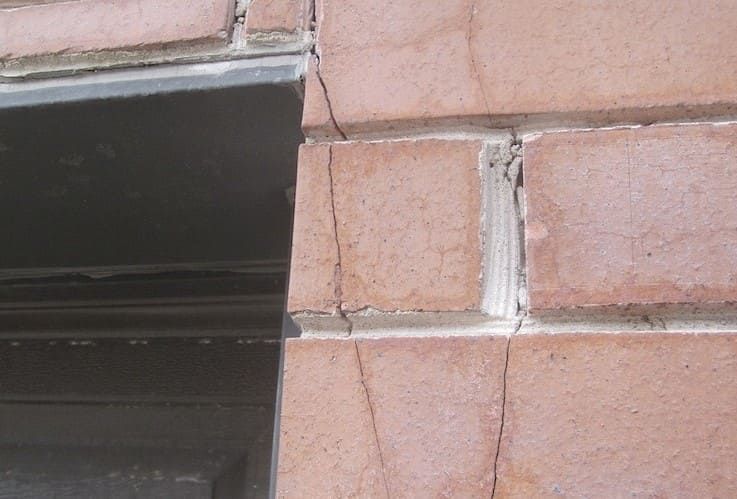
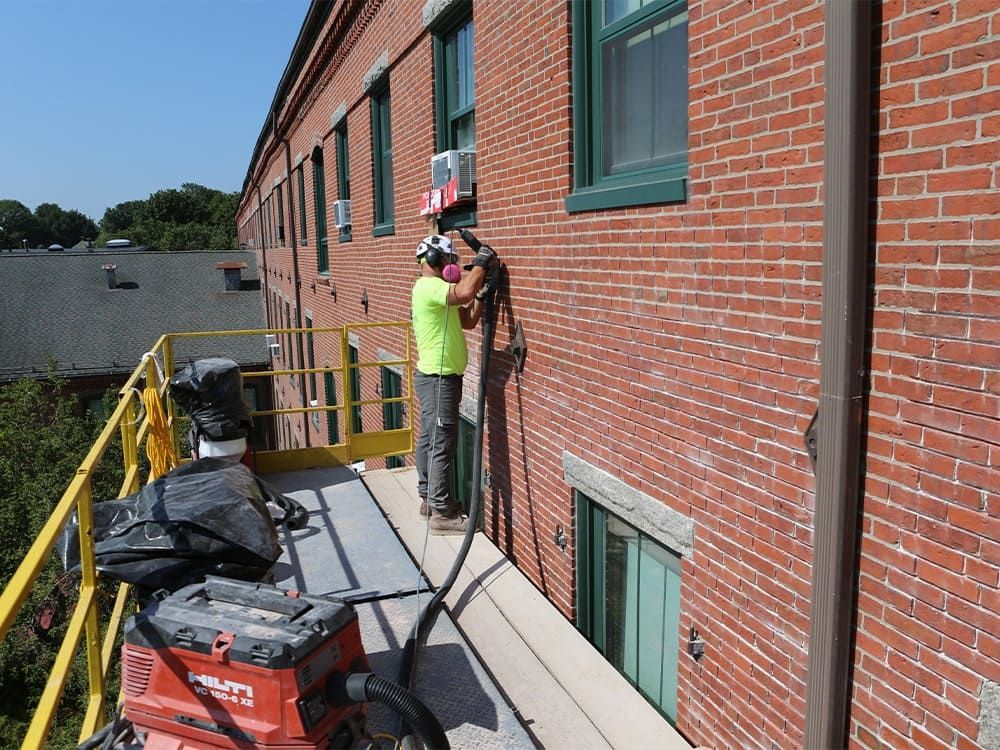
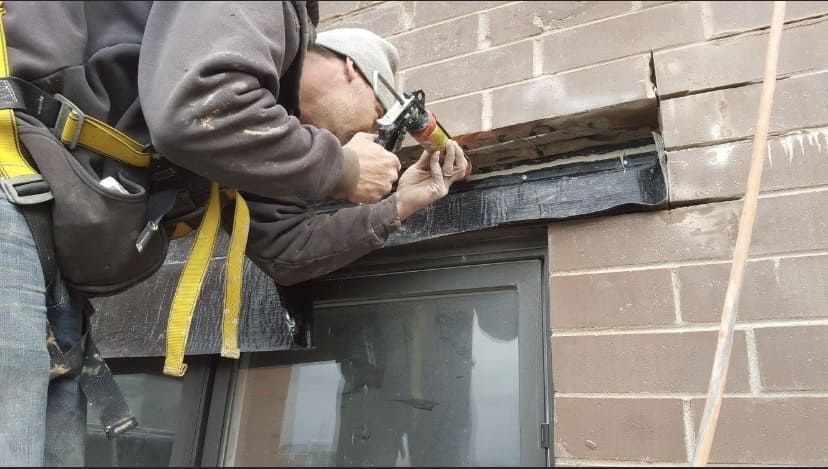
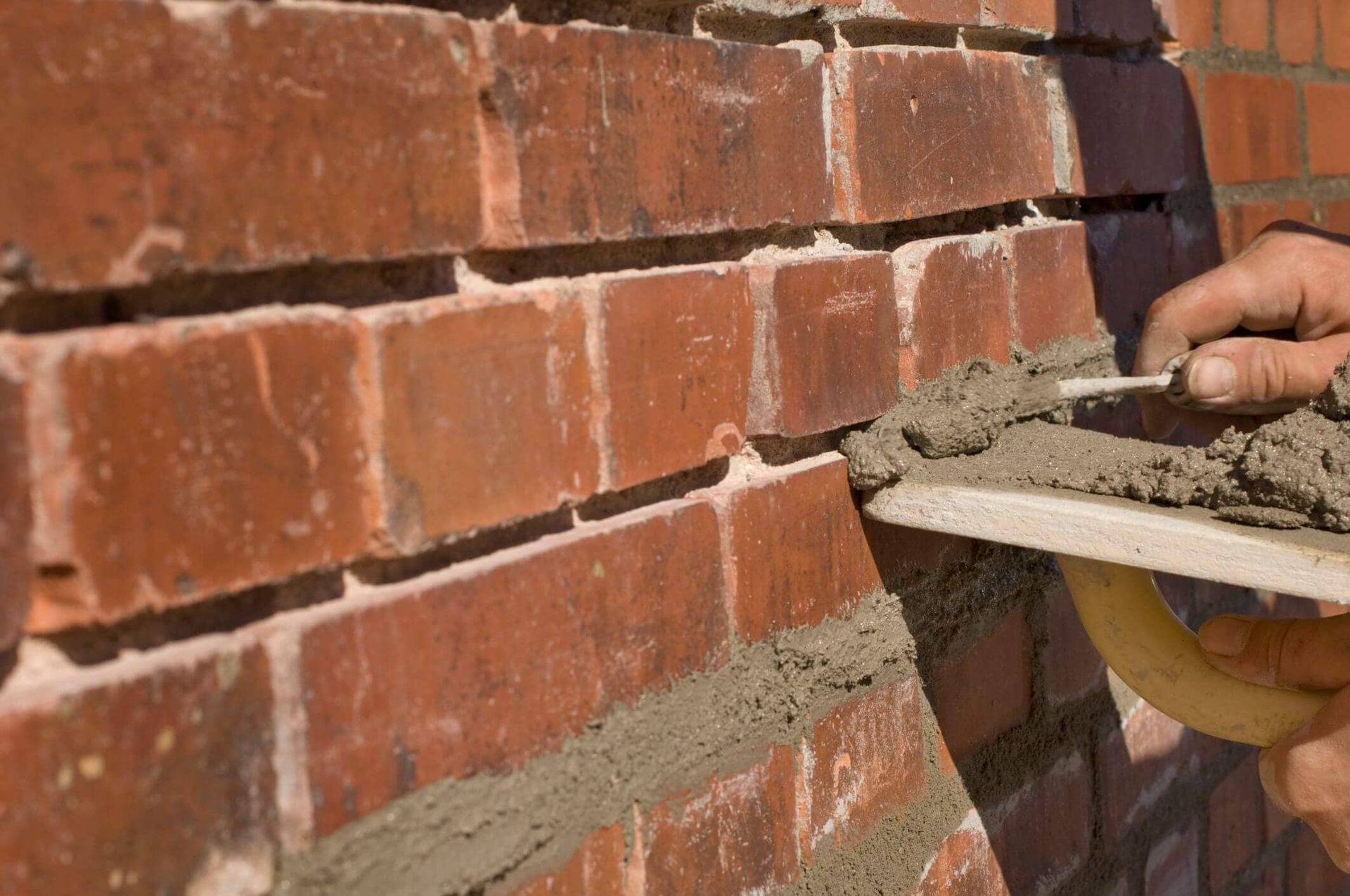
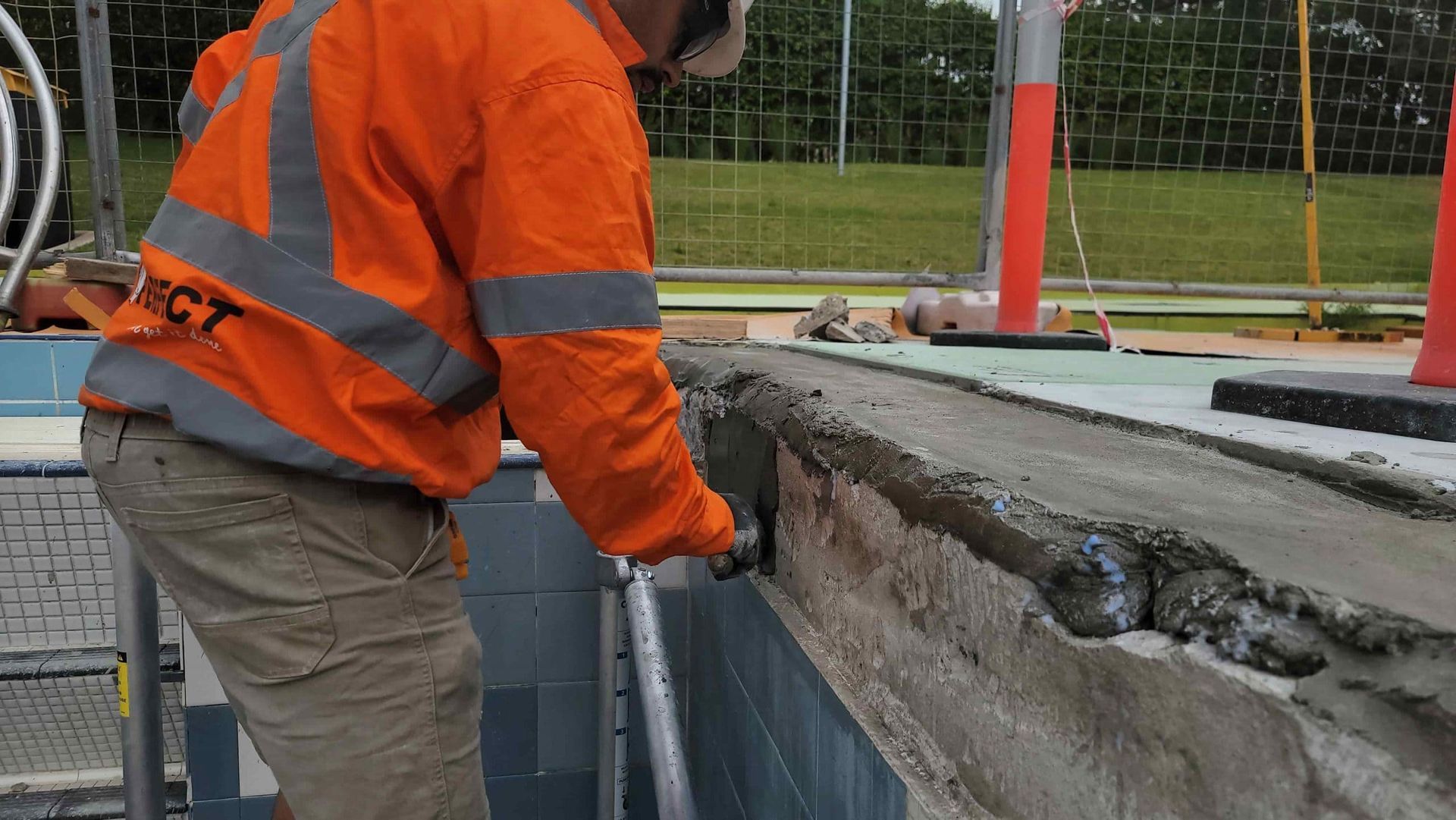
Small-area repairs such as spalled edges, impact damage, or isolated surface deterioration, can often be completed with cold-weather repair mortars and proper protection.
Key requirements:
- Substrate temperatures maintained above manufacturer minimums
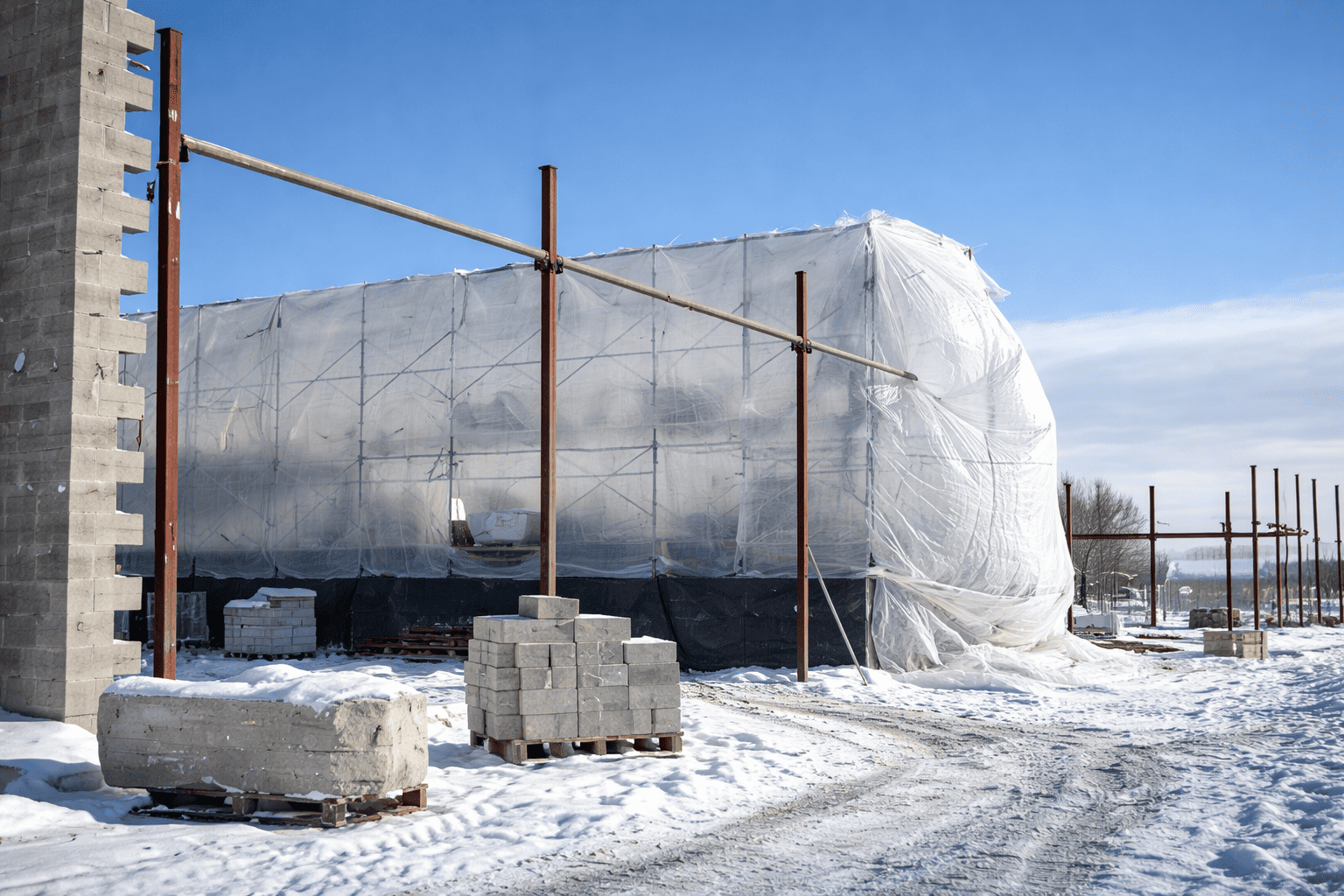
- Heated enclosures or thermal blankets
- Moisture control before placement
These repairs are common on commercial façades, loading docks, and parking structures.
2. Emergency Structural Stabilization
When safety is a concern, waiting isn’t an option.
Winter repairs may be necessary for:
- Loose or delaminated concrete at risk of falling
- Deteriorated balcony edges creating life-safety hazards
- Structural concrete exposed by freeze-thaw damage
In these cases, temporary or permanent repairs are installed using accelerated materials and controlled environments.
3. Preparatory Work and Mock-Ups
Winter is often an ideal time for investigative work.
This can include:
- Sounding and documentation of deteriorated concrete
- Removal of unsound material
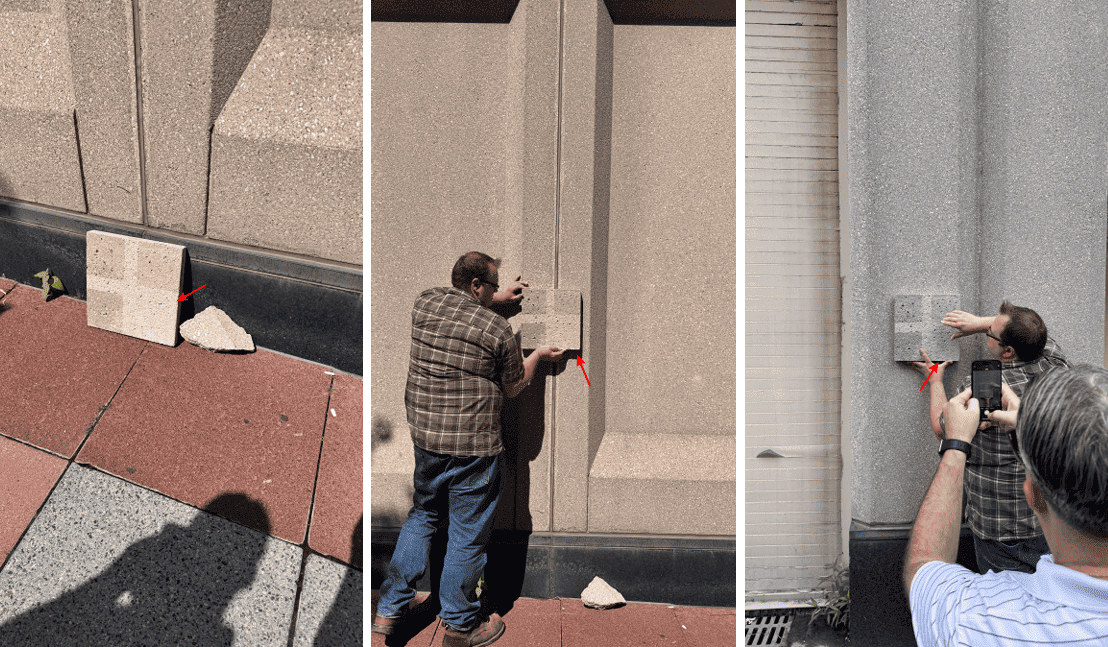
- Installation of mock-ups to finalize repair methods and finishes
Completing this work in winter shortens spring construction timelines and reduces delays.
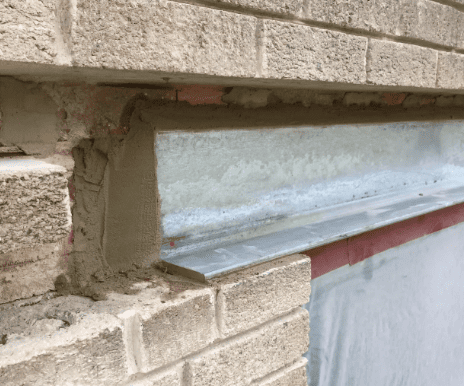
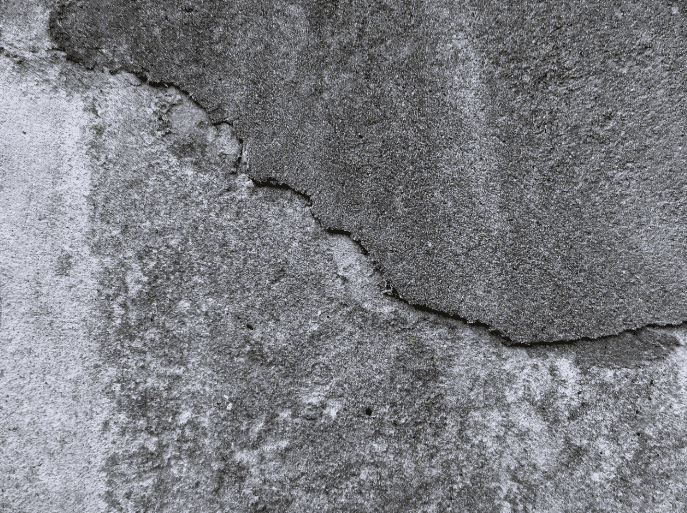
The mock-up shown above was installed as part of our concrete restoration work at the Sheraton Grand Chicago Riverwalk, allowing material compatibility, finish, and repair methods to be evaluated before full-scale repairs proceeded.
Concrete Repairs That Should Typically Wait
Some repairs carry unnecessary risk when performed in cold weather.
Large-Scale Concrete Placement
Extensive concrete façade repair or balcony slab replacement is difficult to execute reliably in winter because temperature control must be maintained uniformly across large pours. In sustained cold conditions, fresh concrete is vulnerable to early-age freezing before adequate strength develops, increasing the risk of cracking and long-term durability loss.
The publication For Construction Pros, referencing ACI cold weather concreting standards, highlights that large placements often require full enclosures, supplemental heat, modified mix designs, and continuous temperature monitoring to perform successfully in cold weather. When those controls aren’t practical, deferring large-scale placement reduces risk.
Waiting allows:
- More predictable curing
- Better bond development
- Longer service life
Exterior Coatings and Sealers
Most protective coatings and traffic membranes require minimum temperatures and stable, dry conditions to cure properly. Even when daytime temperatures rise, cold overnight lows and surface moisture can compromise performance.
Independent testing and guidance from Consumer Reports note that many water-based exterior coatings require application temperatures around 50°F, along with several days of consistent conditions, to form a durable film. When those conditions aren’t met, winter applications often result in:
- Adhesion failure
- Improper film formation
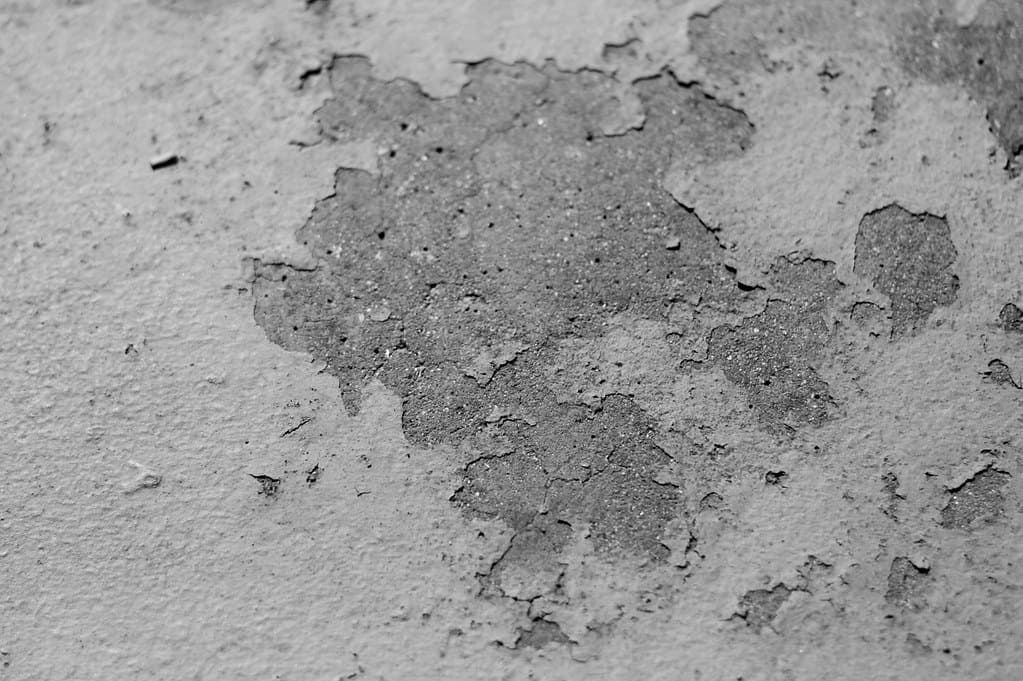
- Cracking, staining, or premature wear
For this reason, exterior coatings and sealers are typically deferred until spring, while winter scopes focus on stabilization, preparation, and repairs that can be properly protected and cured.
Chicago-Specific Risks Property Teams Should Consider
Winter concrete repair decisions should account for more than just temperature.
Chicago buildings face:
- Repeated freeze–thaw cycling that accelerates micro-cracking
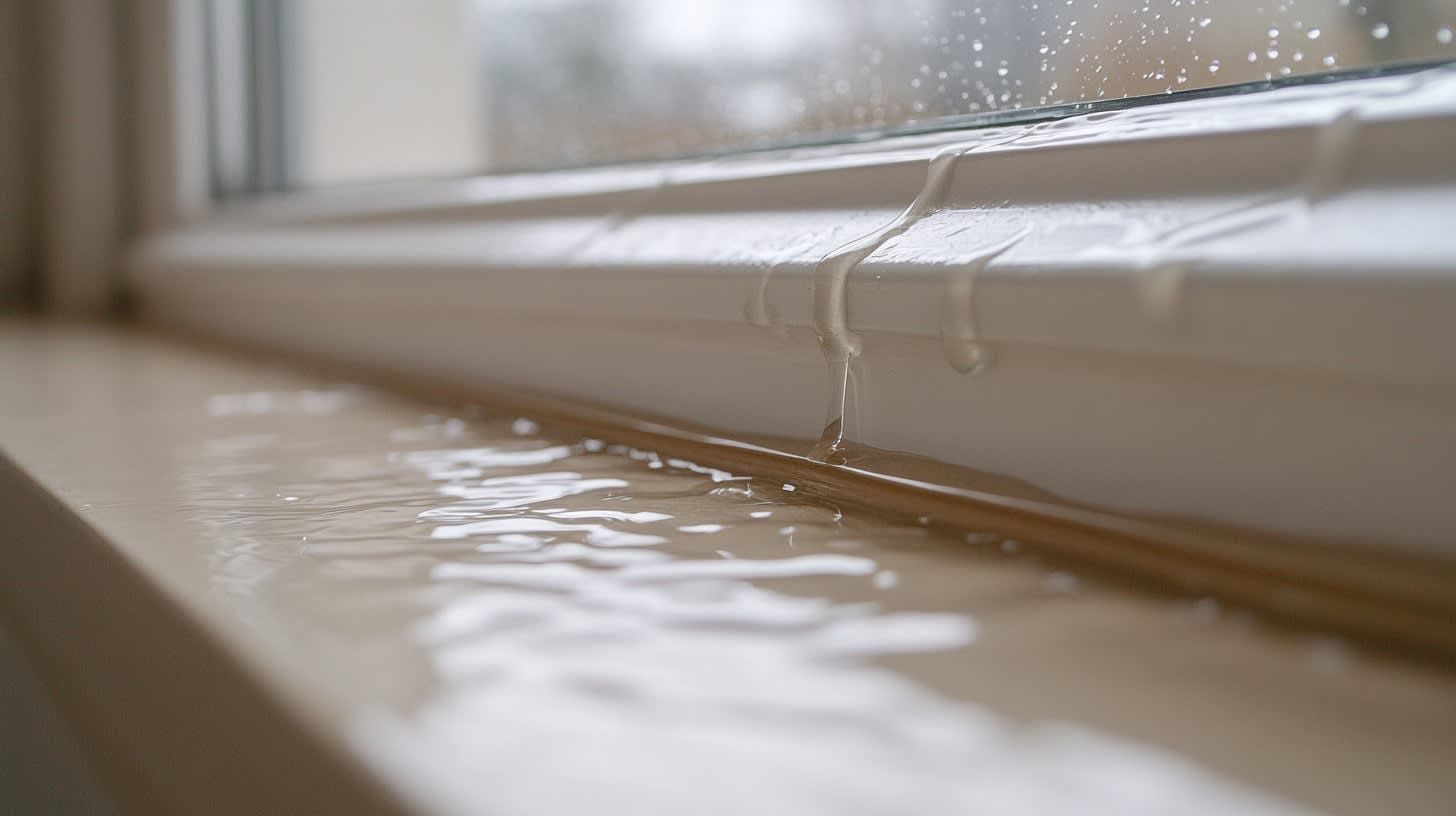
- Wind-driven moisture intrusion, especially on elevated façades
- Deicing salt exposure on balconies, garages, and podium decks
Repairs that don’t fully address moisture movement or curing conditions often fail within one or two winters.
How Experienced Contractors Manage Winter Concrete Repair
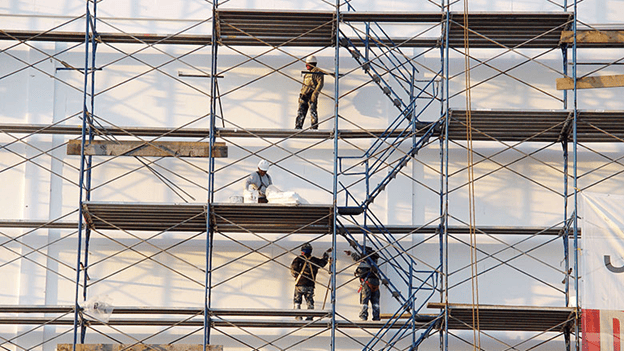
Successful winter work depends on planning, not shortcuts.
Best practices include:
- Cold-weather repair specifications tailored to site exposure
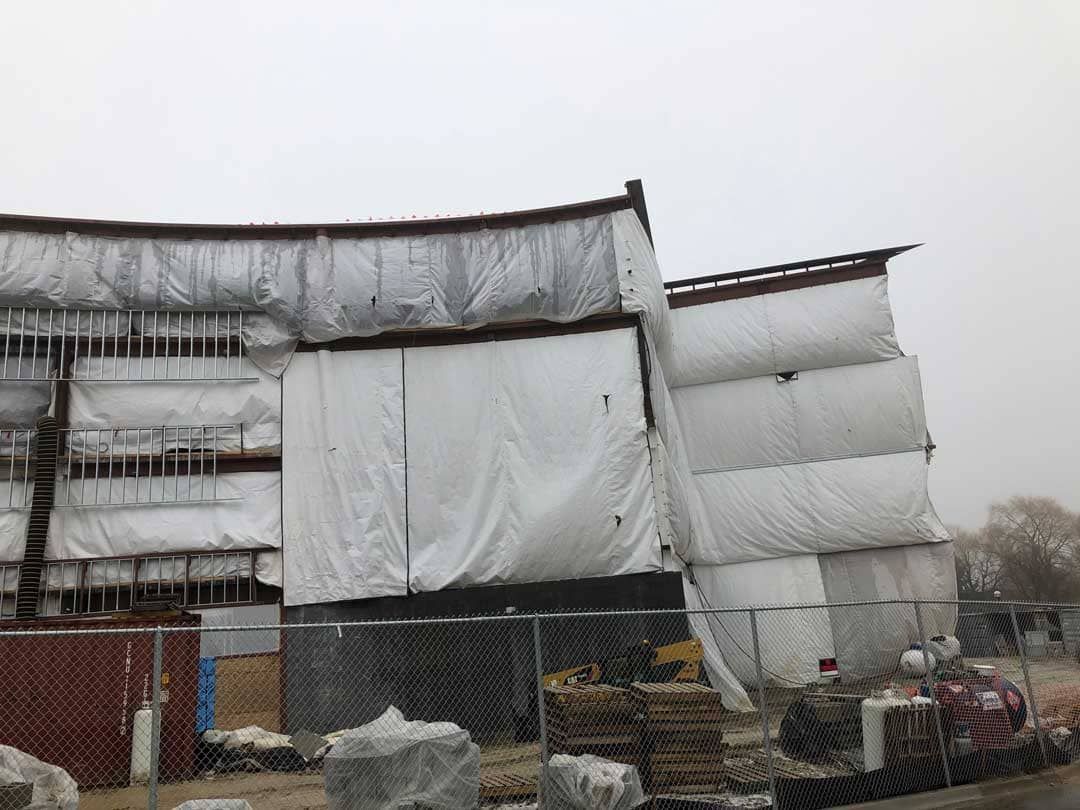
- Temporary enclosures and localized heating
- Pre-repair moisture mitigation
- Sequencing work to reduce open exposure time
This is where experienced commercial restoration contractors add value. The goal isn’t just to “get through winter,” but to deliver repairs that survive it.
When Winter Repairs Actually Save Money
Deferring everything until spring isn’t always the smartest move.
Targeted winter repairs can:
- Stop active deterioration before it spreads
- Reduce the scope of spring restoration
- Prevent emergency failures during peak freeze–thaw cycles
For property managers and engineers, this often means separating stabilization work now from full restoration later.
Frequently Asked Questions
Can concrete repair be done below freezing?
Yes, but only with cold-weather repair materials, temperature control, and protection. Repairs placed without these controls are likely to fail.
Is winter concrete repair more expensive?
Often, yes. Temporary heating, enclosures, and specialized materials increase costs, but they may still be cheaper than repairing larger failures later.
Should spalled concrete be repaired immediately in winter?
If the damage poses a safety risk or allows water intrusion, stabilization is recommended. Cosmetic or non-critical repairs can often wait.
Do balcony concrete repairs need to wait until spring?
Not always. Localized balcony edge repairs or structural stabilization can be done in winter. Full slab replacements typically perform better in warmer conditions.
Winter is the right time to assess, document, and plan, not guess.
Many Chicago property teams use winter inspections to:
- Define repair scopes
- Develop budgets
- Schedule spring and summer restoration work
That leads to better outcomes and fewer surprises once construction season begins. If you have more questions concrete repairs in the winter, contact RestoreWorks today.