Concrete Balcony Repair: What Property Managers Should Know
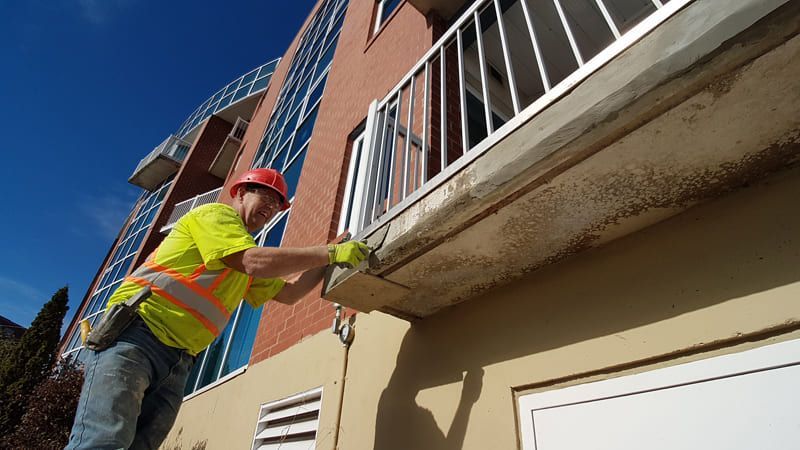
Concrete balconies are one of the most exposed structural elements on a building. In the Chicago area, they take on constant moisture, freeze–thaw cycling, and temperature swings that accelerate deterioration over time.
By the time visible damage appears, the underlying issues have often been developing for years. Understanding how balconies fail, and when to intervene, is what separates routine maintenance from expensive structural repairs.
Why Concrete Balconies Fail Over Time
Concrete is durable, but balcony systems are vulnerable at their weakest points: edges, connections, and waterproofing layers.
In Chicago, deterioration is driven by a combination of environmental exposure and construction limitations.
Industry research and forensic investigations from firms like Rimkus show that balcony failures are rarely caused by a single issue. Instead, deterioration typically results from overlapping mechanisms that develop over time, often below the surface before visible damage appears.
Primary Causes of Balcony Deterioration
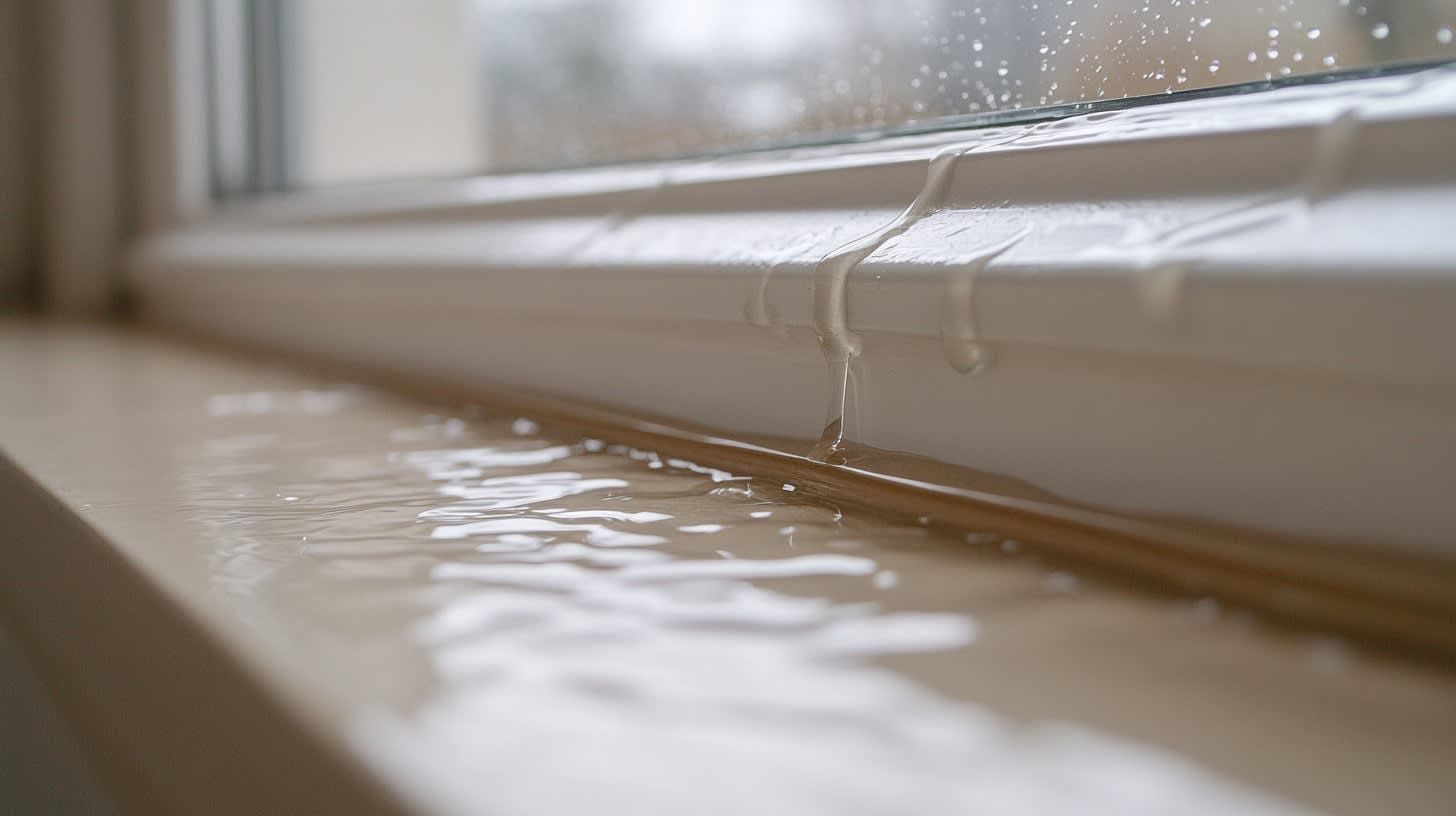
- Water intrusion through failed sealants or cracks
- Freeze–thaw cycles causing expansion and internal cracking
- Corrosion of embedded steel reinforcement
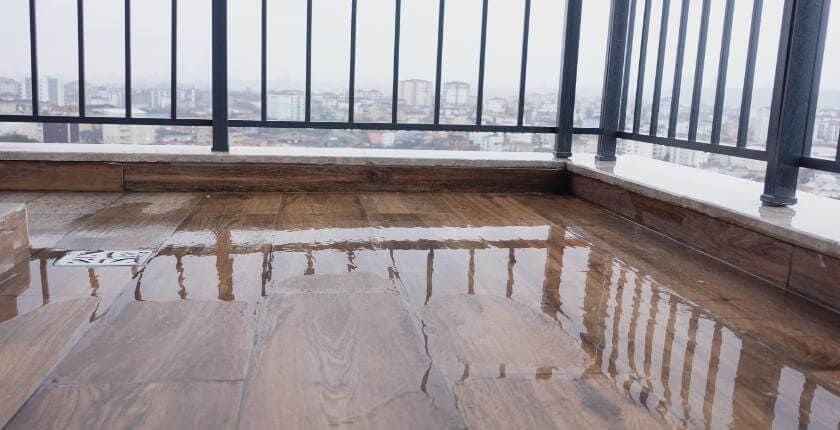
- Improper drainage or slope toward the building
- Aging waterproofing systems
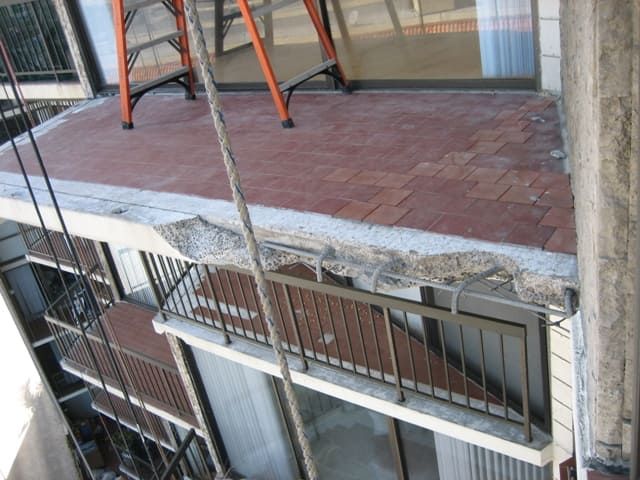
Once water reaches the reinforcing steel, corrosion begins. As steel expands, it creates internal pressure that leads to cracking, delamination (separation of concrete layers), and eventually spalling.
In many cases, this process is already well underway by the time surface damage is visible, which is why what appears to be a localized issue is often part of a larger, system-wide deterioration.
Common Signs Your Balcony Needs Repair
Most balcony issues are visible before they become structural problems if you know what to look for.
Key warning signs:
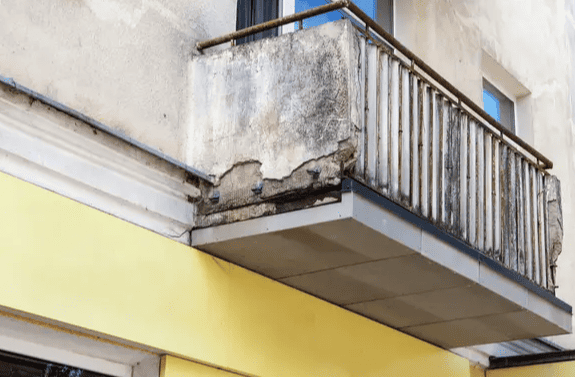
- Cracking along edges or surfaces
- Rust staining on concrete
- Spalling (chipped or broken concrete)
- Loose or deteriorated guardrail connections
- Water staining or active leaks below balconies
- Uneven or sloping surfaces
These symptoms are typically not isolated issues. They are indicators of moisture-related deterioration occurring within the system.
What Concrete Balcony Repair Typically Involves
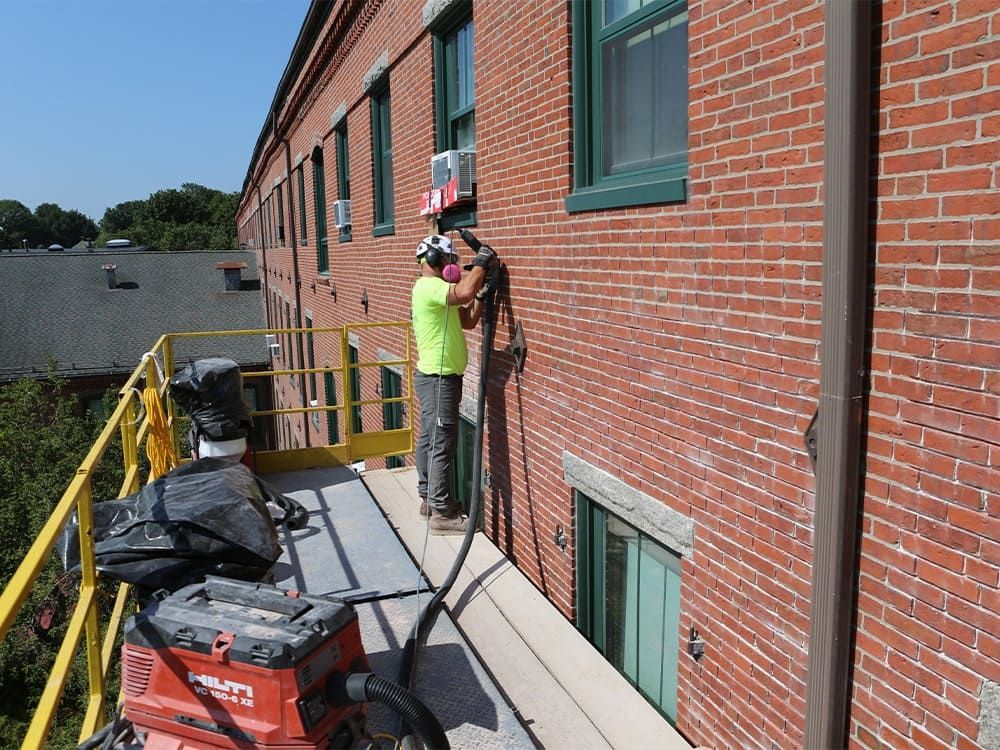
Concrete balcony repair is not just surface patching. Effective restoration addresses both the visible damage and the root cause.
Typical repair scope includes:
- Concrete removal and repair
- Remove unsound or deteriorated concrete
- Treat or replace corroded reinforcing steel
- Install compatible repair mortars
- Reinforcement treatment
- Clean and coat exposed steel
- Supplement reinforcement if required
- Waterproofing and protection
- Install traffic coatings or waterproof membranes
- Improve drainage conditions
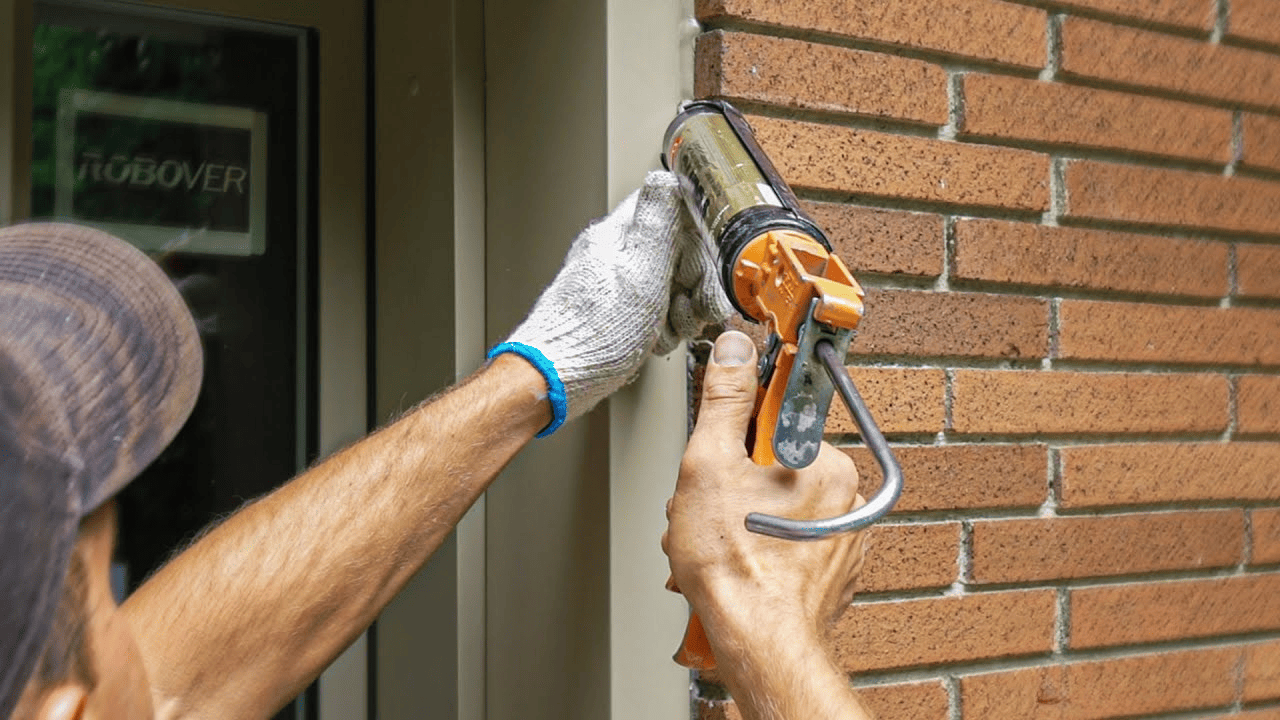
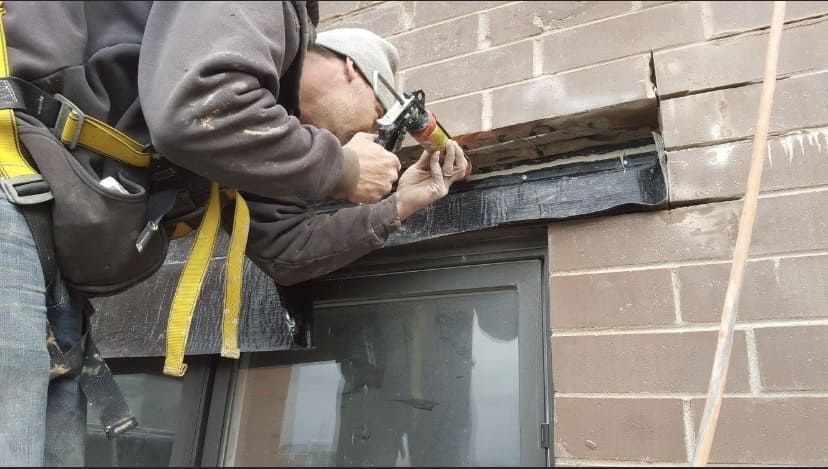
- Sealant and joint repairs
- Replace failed sealants at balcony joints and penetrations
- Ensure proper movement capability
- Edge and soffit repairs
- Address drip edges to prevent water migration
- Repair underside damage caused by prolonged exposure
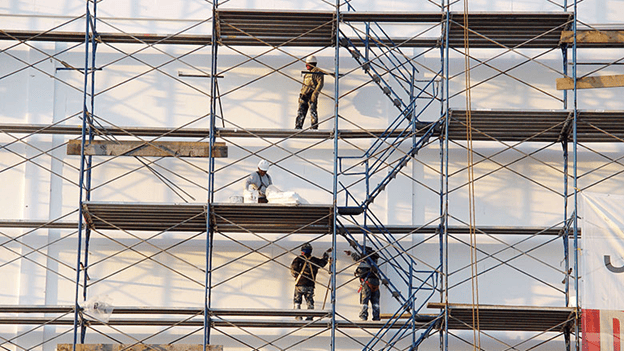
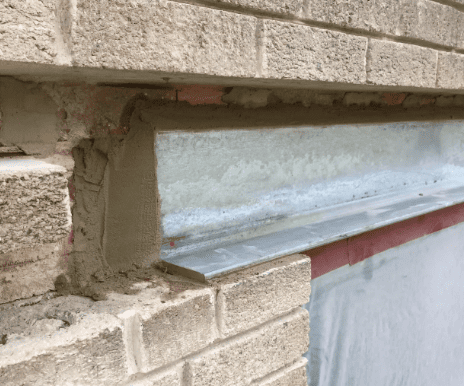
This is where coordination between trades matters. Balcony repairs often involve concrete façade repair, caulking and sealant repairs, and sometimes lintel or structural edge considerations, depending on how the balcony ties into the façade.
Why Timing Matters in Chicago
Chicago’s climate doesn’t just contribute to deterioration, it accelerates it once it starts.
Freeze–thaw cycles expand small cracks into larger failures. Lakefront exposure adds wind-driven moisture. Over time, minor defects evolve into structural concerns.
Delaying repairs can lead to:
- Increased repair scope and cost
- Safety hazards from falling concrete
- Water infiltration into interior spaces
- Structural compromise of balcony slabs or connections
Addressing issues early allows for targeted repairs instead of full replacement.
Repair vs. Replacement: How to Evaluate the Right Approach
Not every damaged balcony needs to be replaced. The decision depends on the extent of deterioration and structural integrity.
Industry guidance, including standards like American Concrete Institute’s ACI 562 for evaluation and repair of existing concrete structures, emphasizes that repair decisions should be based on actual in-place conditions, not assumptions or surface-level observations.
Repair is typically viable when:
- Damage is localized
- Reinforcement loss is limited
- Structural capacity is still intact
Replacement may be required when:
- Extensive corrosion has compromised structural steel
- Large portions of the slab are deteriorated
- Original design deficiencies cannot be corrected through repair
A proper assessment, often including sounding, probing, or selective demolition, is required to determine the right path forward.
In many cases, what appears to be surface-level damage may involve hidden deterioration within the slab. Evaluating in-place material conditions, reinforcement performance, and load capacity is critical to avoid under-scoping repairs, or overcorrecting with full replacement when it isn’t necessary.
Industry research highlighted in Structure Magazine has also shown that a significant portion of concrete repairs do not perform as intended, often due to poor evaluation, design, or material selection. These situations frequently lead to “repairs to the repairs,” increasing long-term costs and reinforcing the need for a properly defined repair strategy from the start.
How Balcony Repairs Tie Into the Building Envelope
Balconies don’t fail in isolation. They are part of the larger building envelope system.
Water entering through balcony connections can impact:
- Adjacent masonry walls
- Interior floor assemblies
- Structural framing
This is why balcony repair projects often align with broader masonry restoration, tuckpointing, or sealant replacement scopes.
Treating the balcony alone without addressing surrounding conditions can lead to recurring iss
Inspection and Planning Best Practices
For property managers and building owners, proactive planning is the highest-leverage move.
Recommended approach:
- Conduct periodic façade and balcony inspections
- Document visible deterioration trends over time
- Engage qualified contractors for mock-ups before full-scale work
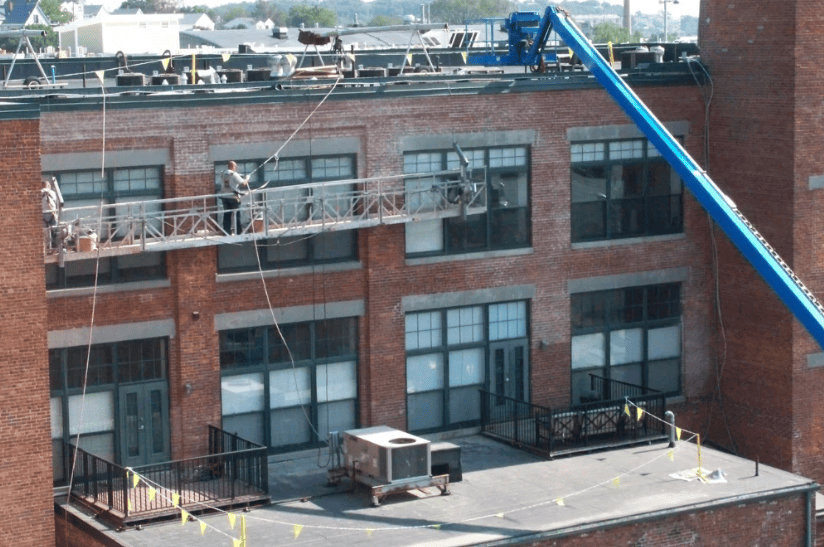
- Coordinate repairs with other façade maintenance projects
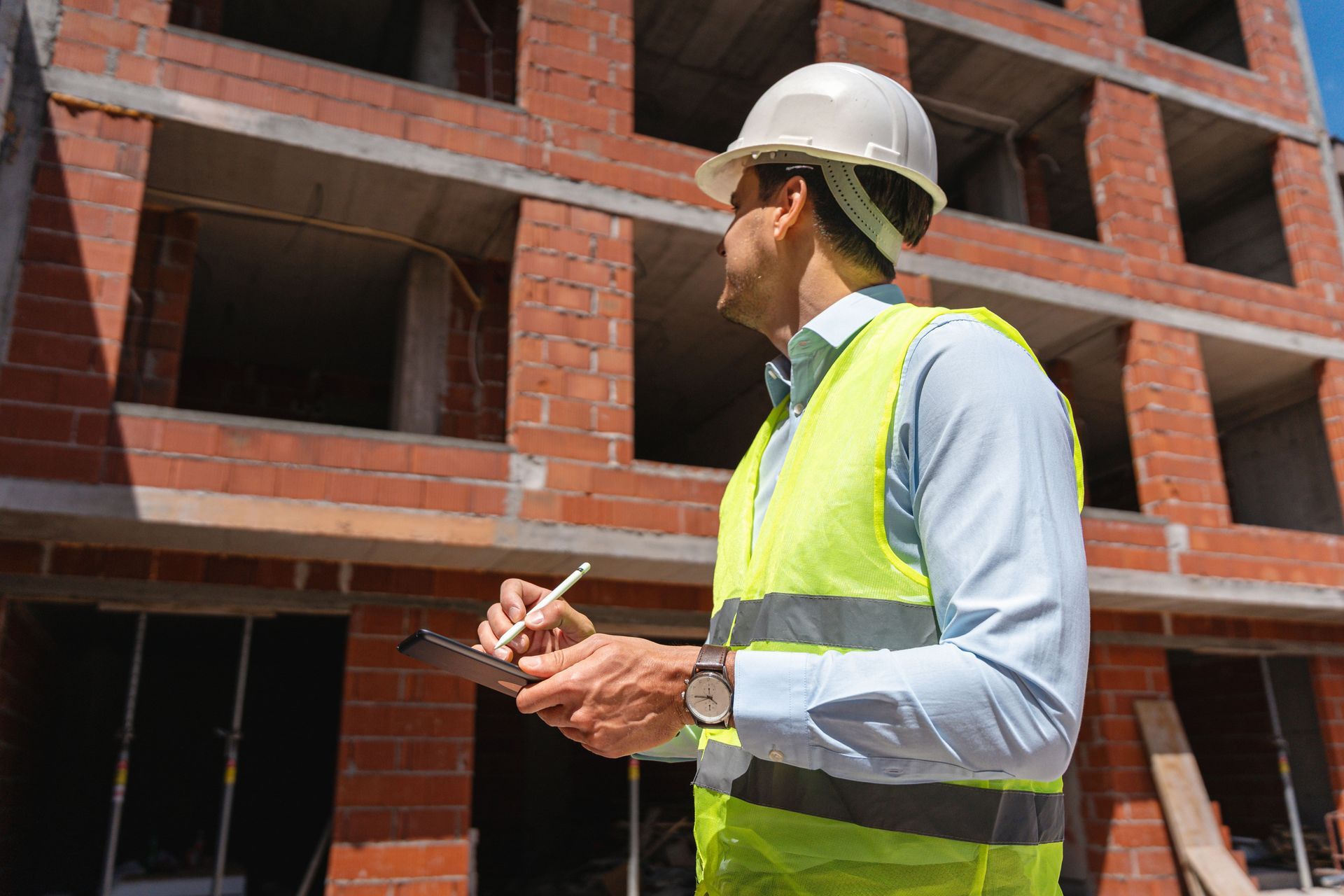
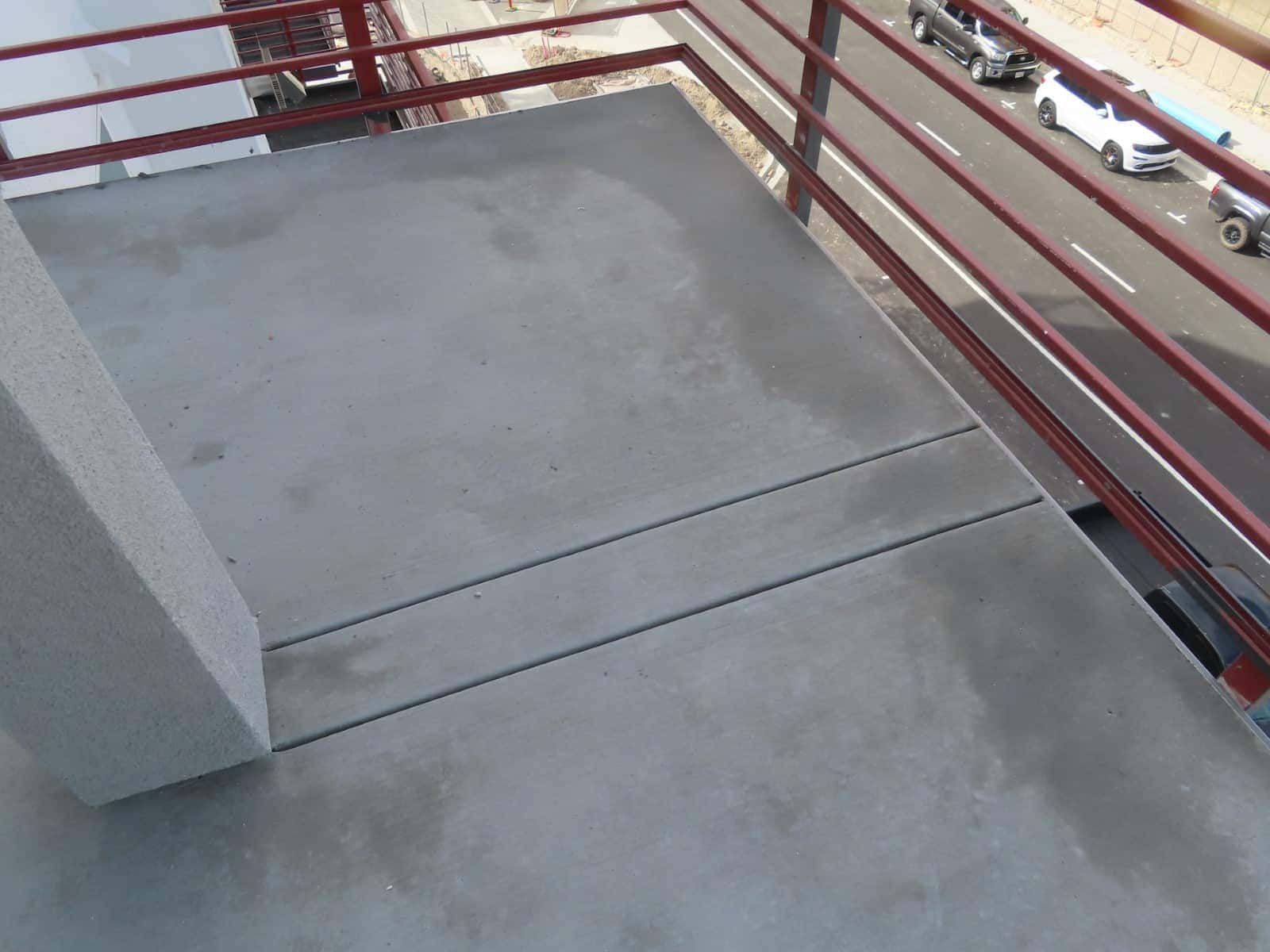
A consistent inspection process is critical. Industry guidance from organizations like Certified Commercial Property Inspectors Association emphasizes evaluating balconies from multiple vantage points, including the walking surface, edges, and underside, to identify early signs of movement, deterioration, or water intrusion.
Obstructed conditions should also be taken seriously. Coatings, finishes, or stored materials can conceal active deterioration, allowing moisture-related damage to progress unnoticed until it becomes more severe.
Mock-ups are especially important. They establish repair methods, material compatibility, and expected finishes before full production begins.
Frequently Asked Questions About Concrete Balcony Repairs
How much does concrete balcony repair cost in Chicago?
Costs vary depending on the extent of deterioration, accessibility, and repair scope. Localized repairs may be manageable, but structural repairs involving reinforcement replacement or waterproofing systems can increase costs significantly. A site-specific evaluation is required for accurate budgeting.
How long does concrete balcony restoration last?
When properly executed, balcony repairs can last 10–25 years or more. Longevity depends on addressing the root cause of deterioration, using compatible materials, and maintaining waterproofing systems over time.
Can you repair a concrete balcony without replacing it?
Yes, many balconies can be repaired if the structural integrity is still intact. Repairs typically involve removing damaged concrete, treating reinforcement, and restoring protective systems. Replacement is only necessary when deterioration is extensive.
When should balconies be inspected?
Balconies should be inspected regularly, especially on buildings over 20 years old or those exposed to harsh conditions. Annual visual reviews and periodic professional inspections help identify issues before they escalate.
Do you have more questions about concrete balcony restoration? Contact RestoreWorks today.