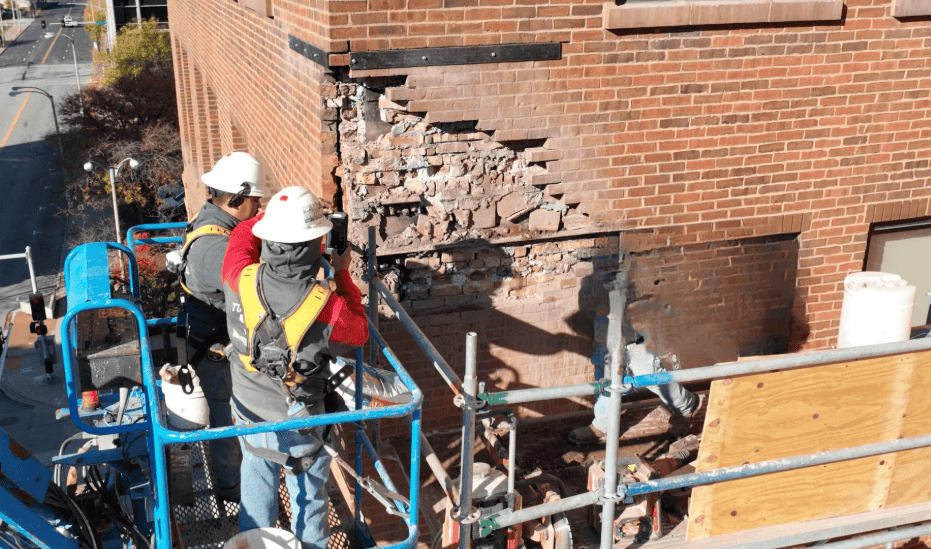
What Is Terra Cotta Restoration and Why It Matters in Chicago
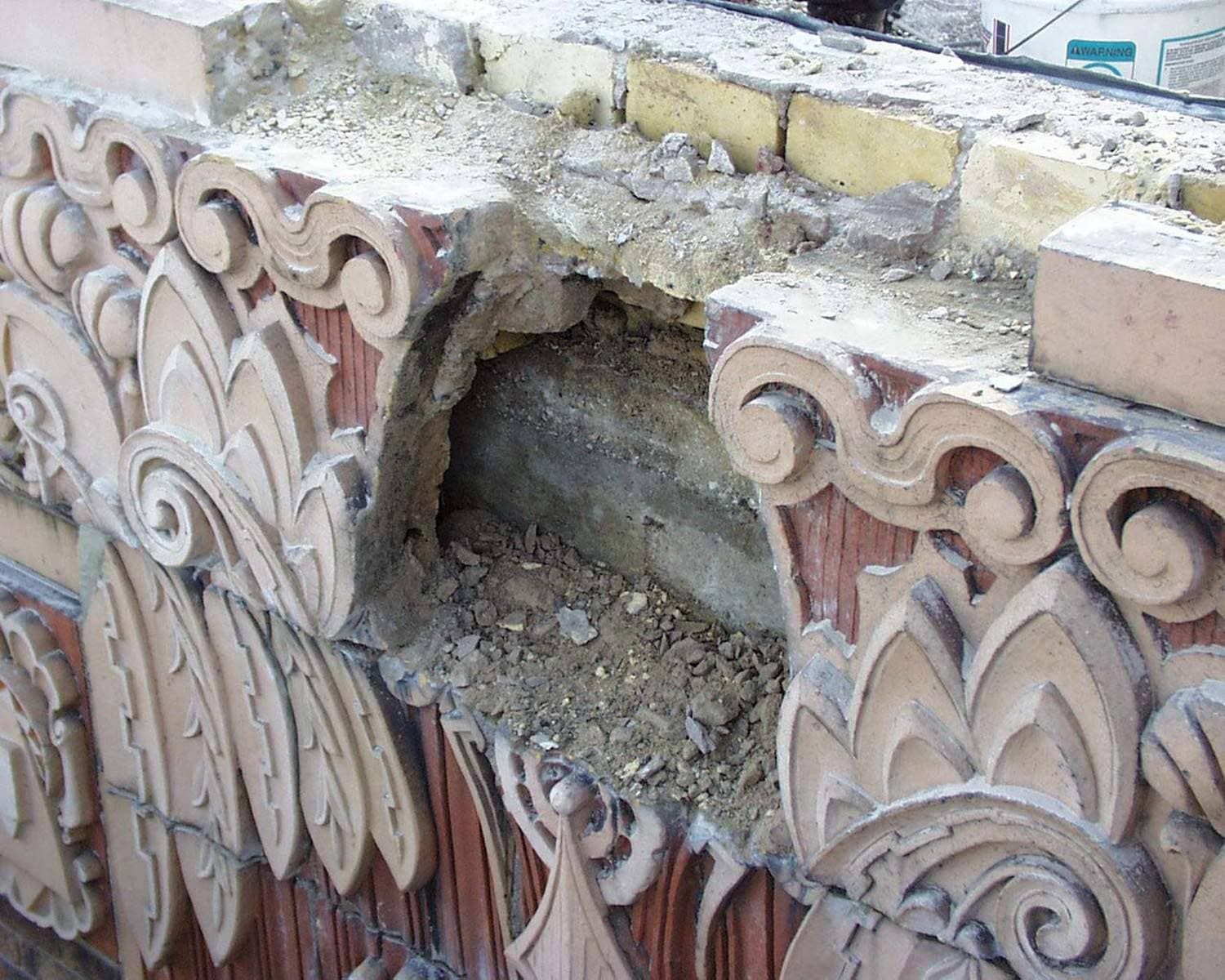
Terra cotta restoration involves repairing, cleaning, and preserving glazed clay façade elements commonly used on historic buildings. These units are manufactured from refined clay mixtures, often with added grog (pre-fired clay) to improve stability, then fired to create dense, durable architectural components, an approach documented by the International Masonry Institute.
In Chicago, terra cotta is everywhere, from early 20th-century high-rises to ornate architectural landmarks. While the material itself is strong, terra cotta systems are inherently vulnerable at their connections. Many historic façades were installed as cladding systems anchored to steel frames, often with limited water management and aging steel anchors.
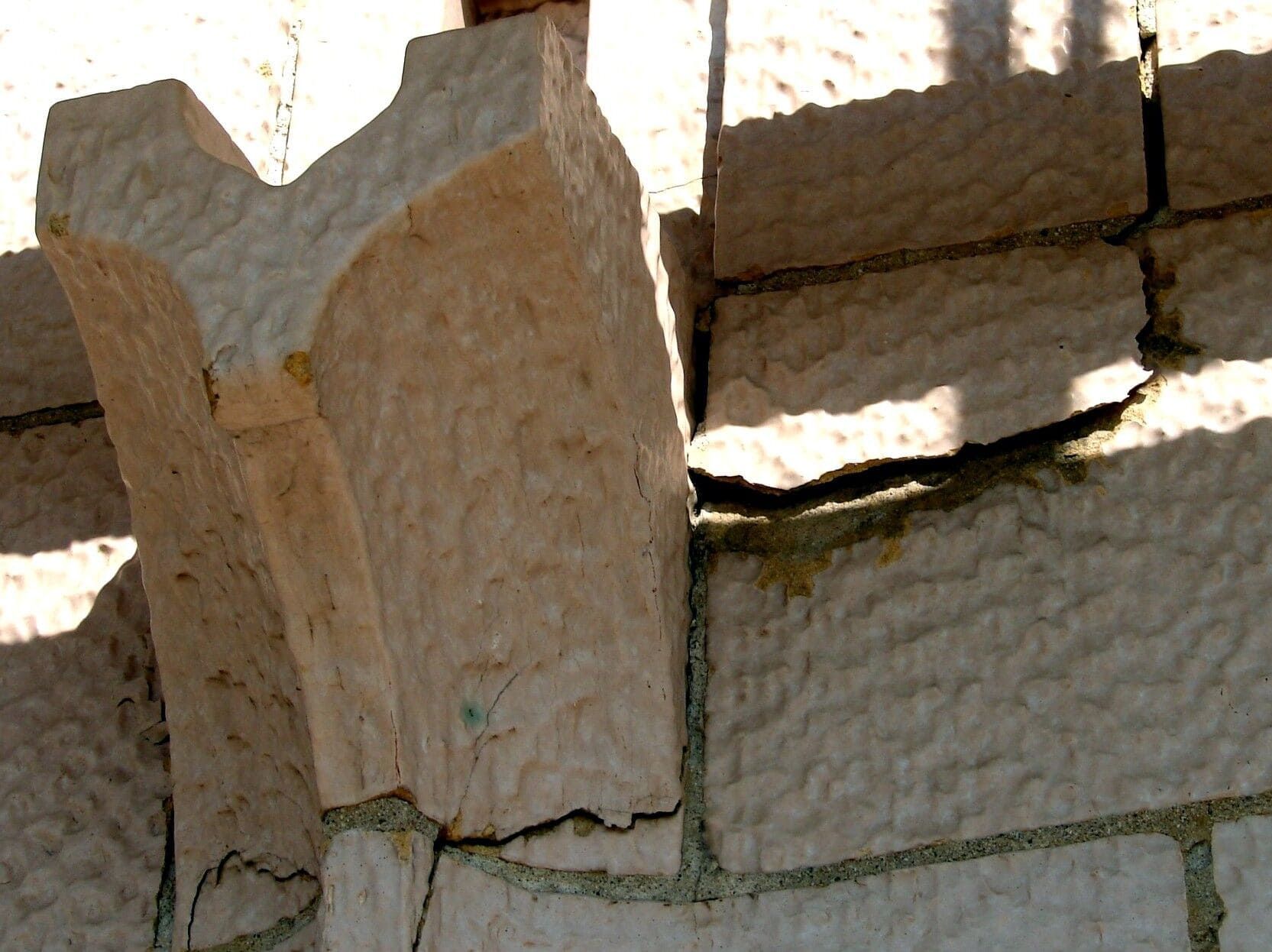
Over time, these systems deteriorate due to environmental exposure. Chicago’s freeze–thaw cycles, lakefront moisture, and airborne pollutants accelerate cracking, glazing failure, and internal corrosion. Left unaddressed, these issues can lead to falling hazards, water infiltration, and structural damage.
Restoration focuses on stabilizing existing material first, then selectively replacing what cannot be saved.
Why Terra Cotta Façades Fail Over Time
Terra cotta systems are complex assemblies, not just decorative pieces. Each unit is typically anchored to a structural backup wall, often with embedded steel.
Common failure drivers include:
- Freeze–thaw expansion: Water enters small cracks, freezes, expands, and worsens fractures.
- Corroded internal anchors: Steel anchors rust over time, expanding and causing cracking or displacement.
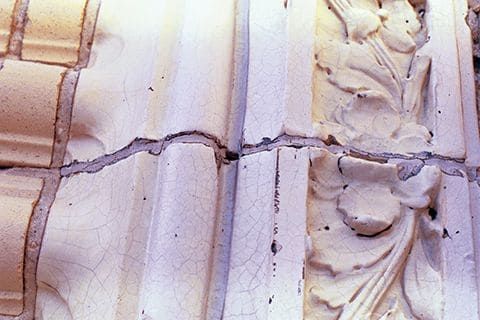
- Glaze deterioration: Loss of the protective glaze allows moisture to penetrate more easily.
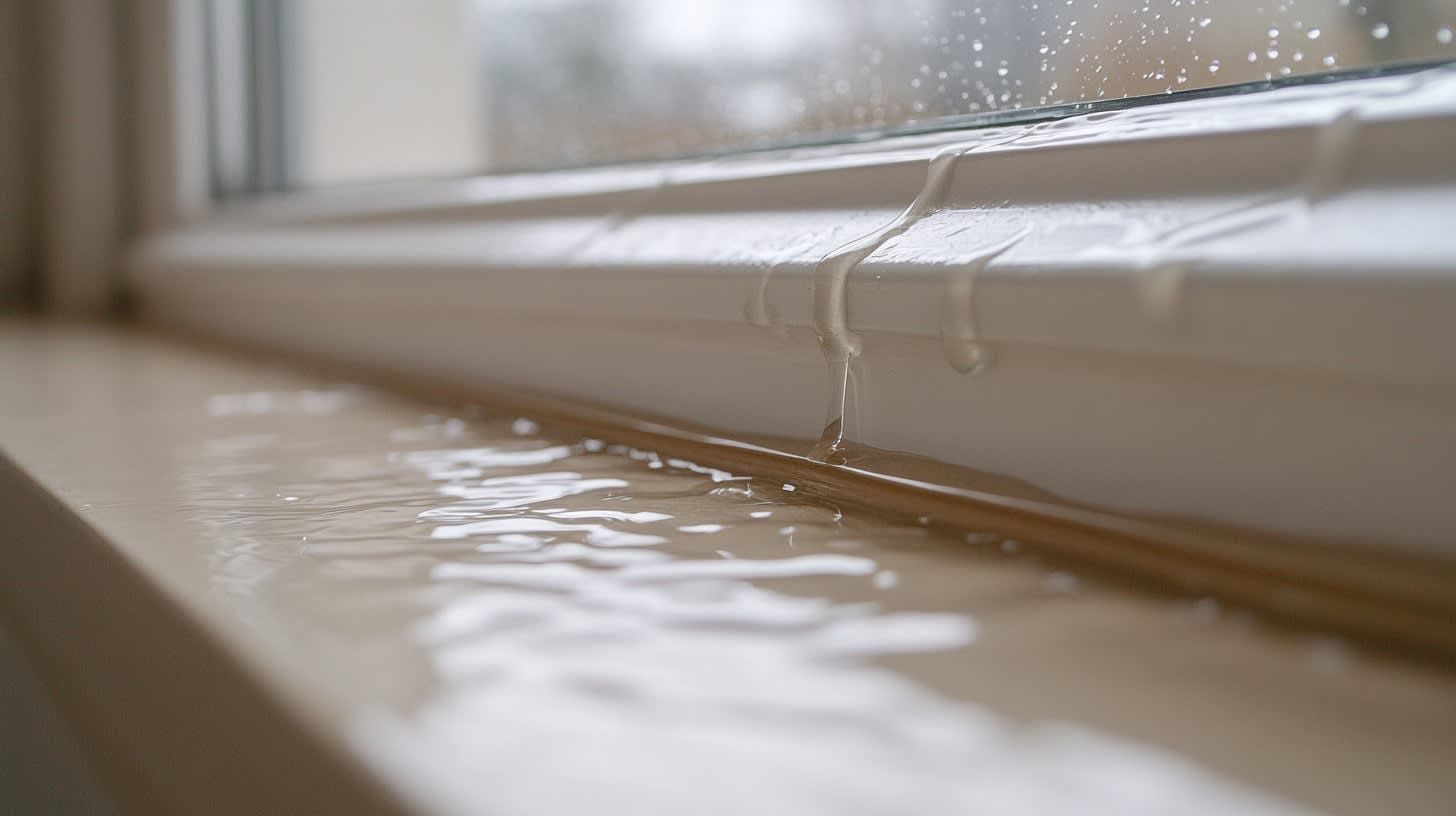
- Failed sealant joints: Open joints allow water intrusion behind the system.
- Incompatible past repairs: Hard mortars or coatings can trap moisture and accelerate damage.
In Chicago, these issues tend to compound quickly due to seasonal temperature swings and moisture exposure.
How Terra Cotta Restoration Is Performed
No two buildings are identical, but most terra cotta restoration projects follow a structured process.
1. Inspection and Condition Assessment
A thorough façade inspection identifies:
- Cracked or spalled units
- Loose or displaced elements
- Failed joints and sealants
- Signs of internal corrosion
Mock-ups are often performed to validate cleaning methods and repair approaches before full production.
2. Stabilization and Targeted Repairs
Where possible, original terra cotta is preserved through:
- Pinning and anchoring repairs to secure loose units
- Crack repairs using compatible materials
- Selective patching to restore minor surface damage
This phase minimizes unnecessary replacement and maintains historical integrity.
3. Cleaning and Surface Restoration
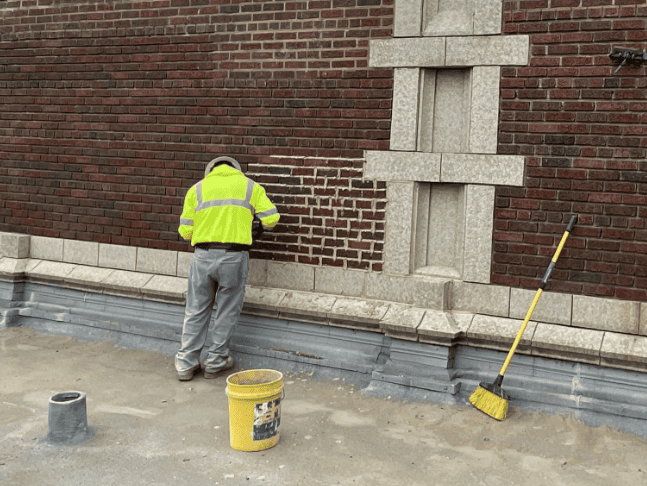
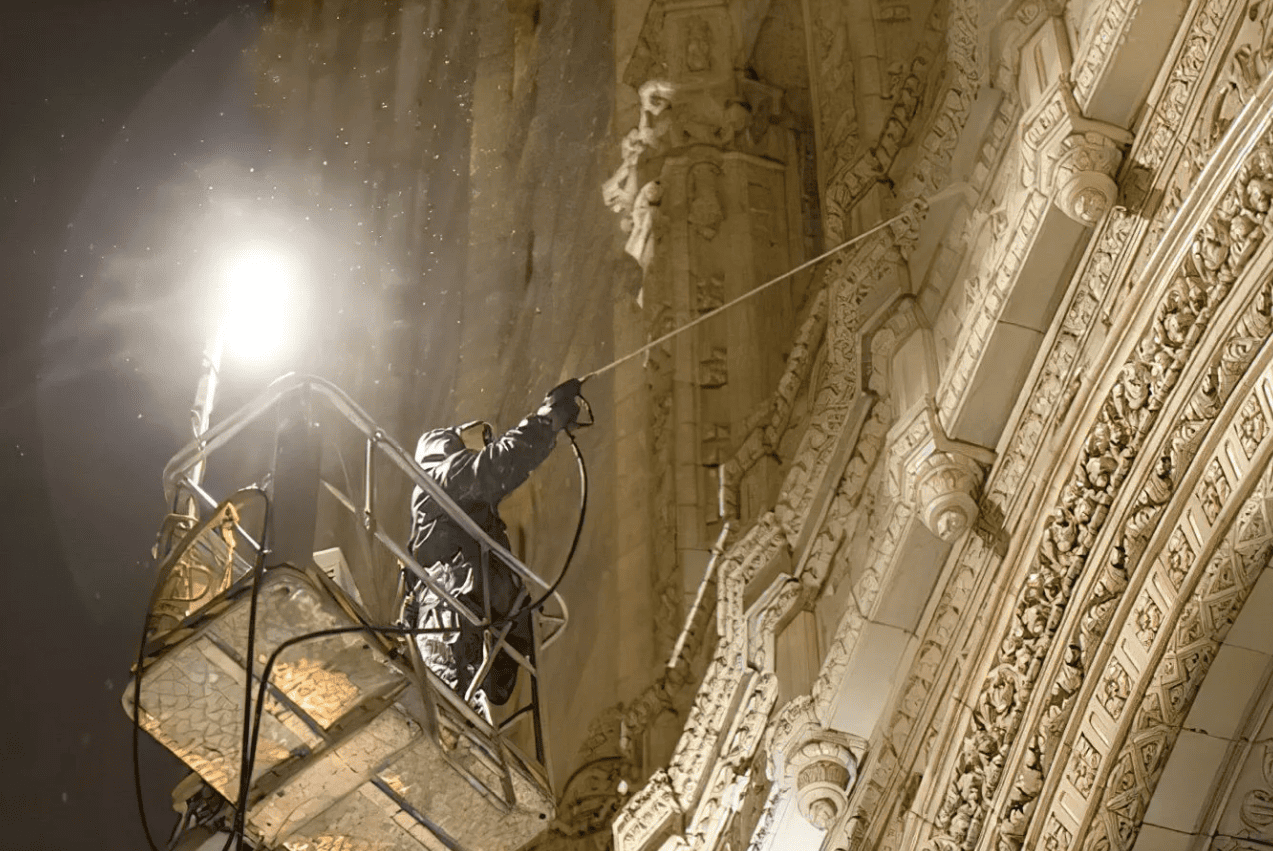
Restorative cleaning removes decades of pollution without damaging the substrate.
At high-visibility properties, this often includes:
- Low-pressure water cleaning
- Specialized chemical cleaning systems
- Careful testing to avoid glaze damage
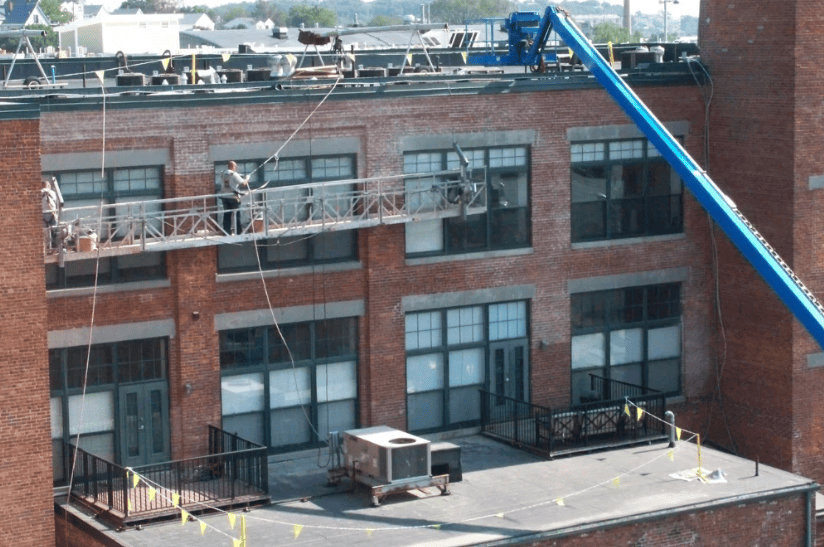
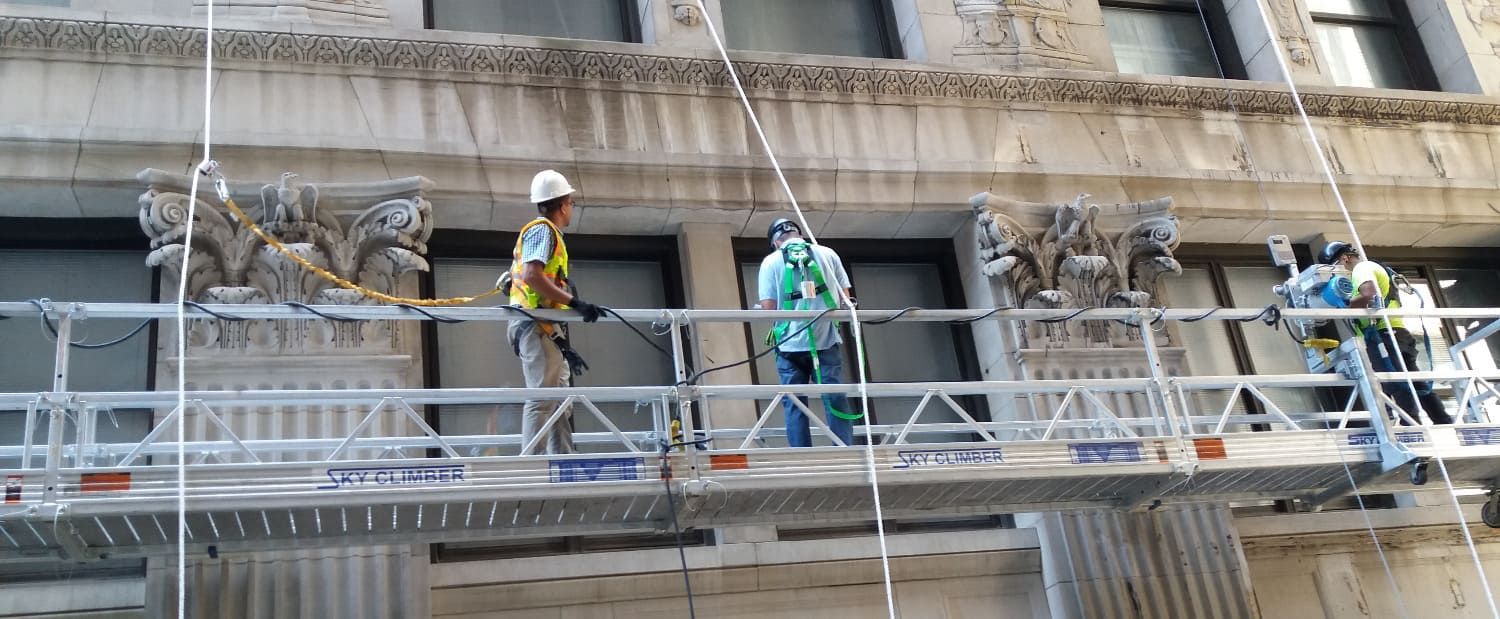
For example, at the Wrigley Building in Chicago, we performed restorative cleaning on the iconic white terra cotta façade, removing years of buildup while preserving the original finish.
4. Unit Replacement and Replication
When terra cotta units are beyond repair, they are:
- Cataloged and documented
- Carefully removed
- Replicated to match original profiles and glazing
- Reinstalled using modern anchoring systems
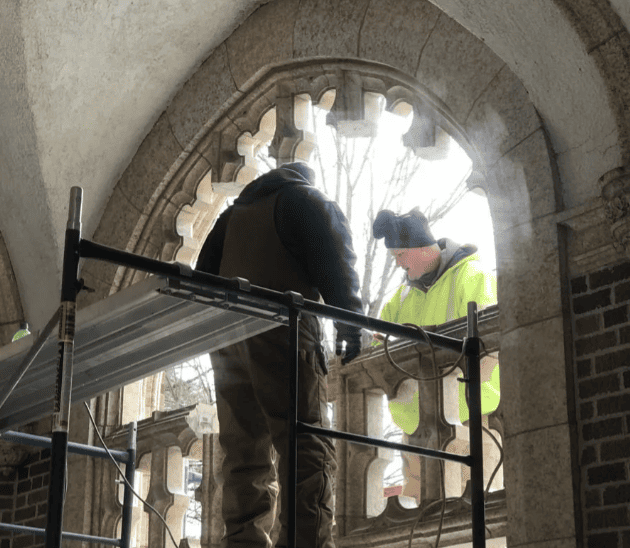
On the Indiana School for the Blind and Visually Impaired campus, terra cotta elements at a bell tower were removed, replicated, and reinstalled as part of a broader restoration effort. This ensured the architectural character was maintained while addressing long-term durability.
5. Joint, Flashing, and Waterproofing Integration
Terra cotta systems rely heavily on proper water management.
This includes:
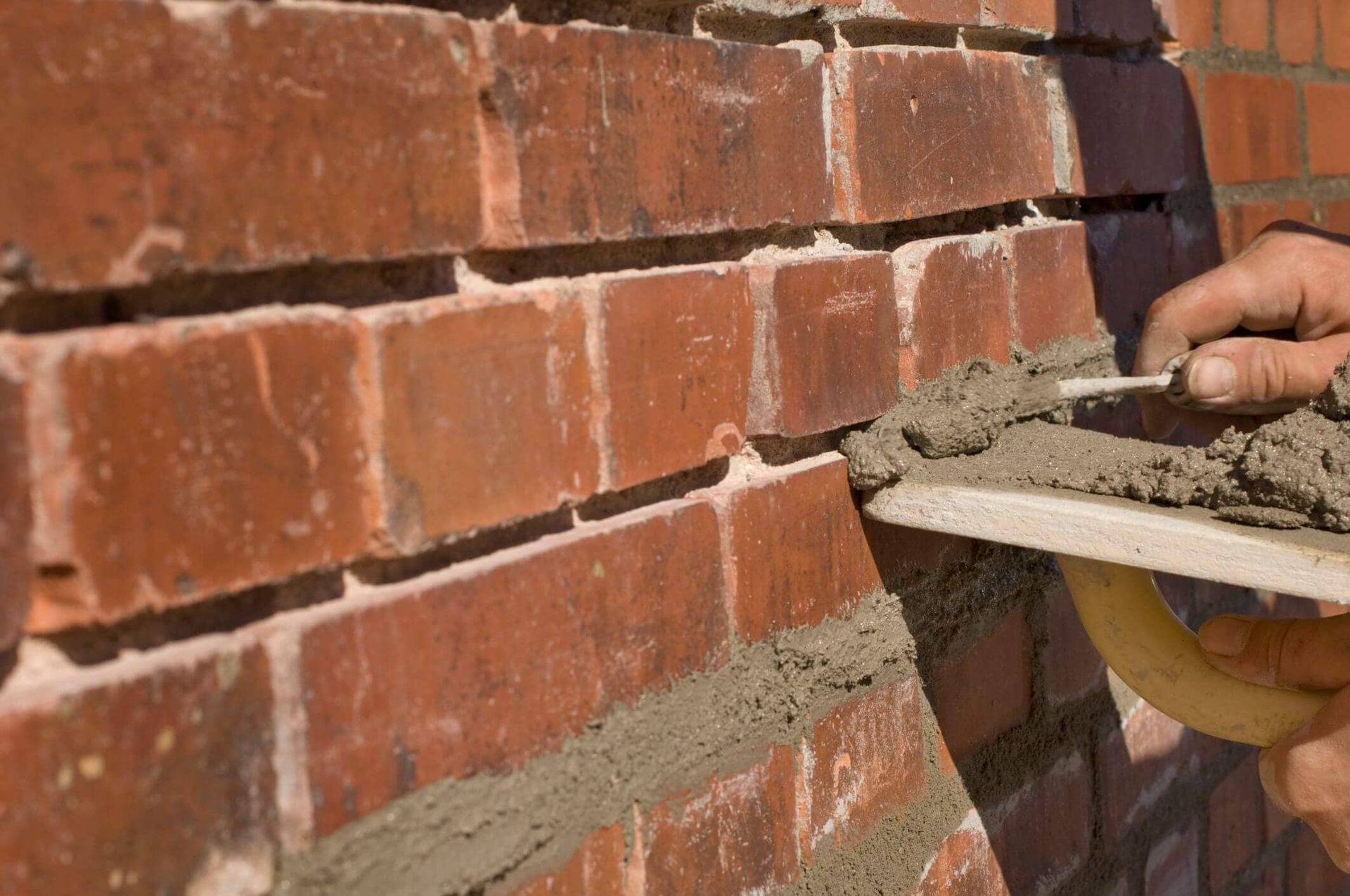
- Tuckpointing deteriorated mortar joints
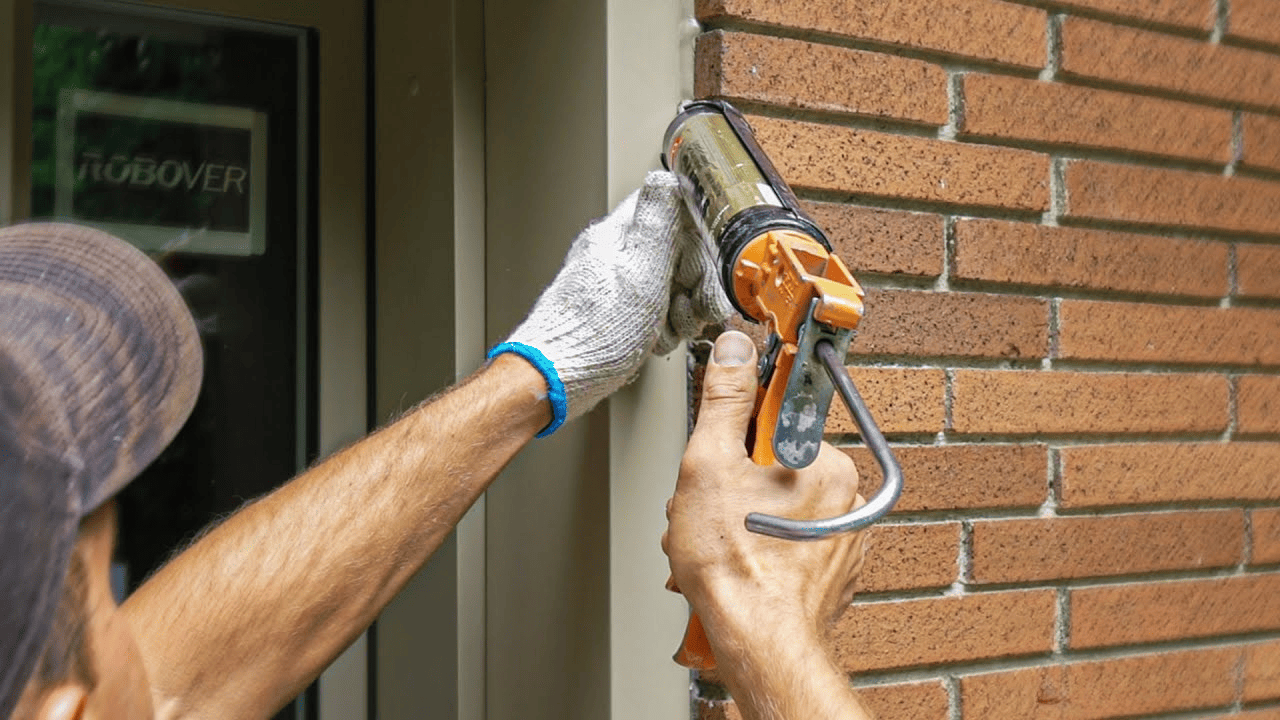
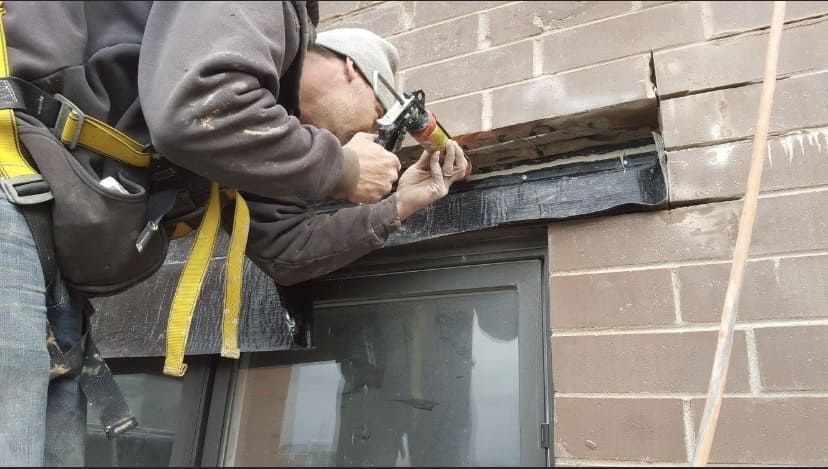
- Caulking and sealant repairs at movement joints
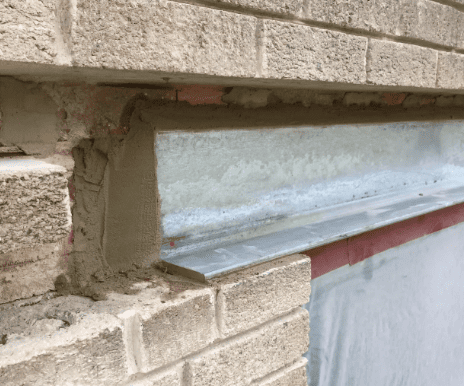
- Lintel and shelf flashing repairs to redirect water
These supporting systems are often the difference between a short-term fix and a long-term solution.
Best Practices for Terra Cotta Restoration Projects
Successful terra cotta restoration requires more than just repair. It requires coordination, sequencing, material compatibility, and controlled testing to ensure long-term performance.
Key best practices include:
1. Start with a full façade evaluation
Surface-level assessments miss hidden risks like anchor corrosion, internal damage, and moisture-related deterioration. A proper evaluation should identify whether failures are cosmetic, structural, or related to water management.
2. Validate methods through testing and mock-ups
Before full-scale work begins, test patches and mock-ups should be performed to confirm materials, color match, and repair methods. These mock-ups establish the quality standard for the project and help avoid costly rework, consistent with guidance published by the U.S. General Services Administration.
3. Prioritize repair over replacement
Preserve original material whenever structurally feasible. Minor cracks, glaze loss, and localized damage can often be repaired in place, reducing cost and maintaining historic integrity.
4. Use compatible materials only
Patching mortars and coatings must be compatible with the existing terra cotta, typically lower in strength and higher in permeability. Mismatched materials can trap moisture and accelerate future deterioration.
5. Integrate waterproofing and drainage systems
Address joints, flashing, and water-shedding elements, not just the terra cotta units. Many historic systems lacked proper water management, making this step critical for long-term performance.
6. Sequence work and protect surrounding materials
Work should be phased to maintain façade stability and prevent damage to adjacent materials. Protection of sills, copings, and surrounding surfaces during repairs is essential, especially on occupied buildings.
7. Use experienced restoration contractors
Terra cotta repair requires specialized experience. Contractors should have a proven track record with similar restoration projects and a working understanding of historic preservation standards.
Chicago-Specific Considerations for Terra Cotta Restoration
Terra cotta restoration in Chicago comes with unique constraints:
- Seasonal timing: Work is often planned around temperature thresholds for sealants and mortar curing.
- Historic building requirements: Projects may involve coordination with preservation guidelines or review boards.
- Urban site logistics: Limited access, pedestrian protection, and staging constraints affect sequencing.
- High-visibility expectations: Many terra cotta façades are on prominent buildings, requiring a higher level of finish quality.
These factors influence both cost and schedule, and need to be accounted for early in planning.
When to Address Terra Cotta Issues
Early intervention is critical. Small issues escalate quickly once water enters the system. On complex restoration projects, identifying specific repair conditions, such as anchorage failures or unit deterioration, early in the process can significantly impact project outcomes, as highlighted in case studies published by IIBEC.
Signs it’s time to evaluate your façade:
- Cracks or missing pieces
- Bulging or displacement
- Staining or water infiltration
- Loose or deteriorated joints
Ignoring these conditions increases the likelihood of more invasive (and expensive) repairs later.
Frequently Asked Questions About Terra Cotta Restoration
How long does terra cotta restoration last?
When properly executed, terra cotta restoration can last decades. Longevity depends on addressing underlying issues like water infiltration, not just surface repairs. Integrating sealants, flashing, and proper drainage is critical to long-term performance.
Can damaged terra cotta be repaired instead of replaced?
Yes, in many cases. Minor cracks and localized damage can be repaired using compatible materials. However, severely deteriorated units or those affected by internal corrosion typically require replacement or replication.
Is terra cotta restoration expensive?
Costs vary widely based on access, extent of damage, and required replication. Early intervention is significantly more cost-effective than full replacement or structural repairs caused by prolonged water infiltration.
How do you match historic terra cotta pieces?
Units are carefully documented, measured, and replicated to match original profiles and glazing. This process ensures consistency with the existing façade while improving durability with modern anchoring systems.