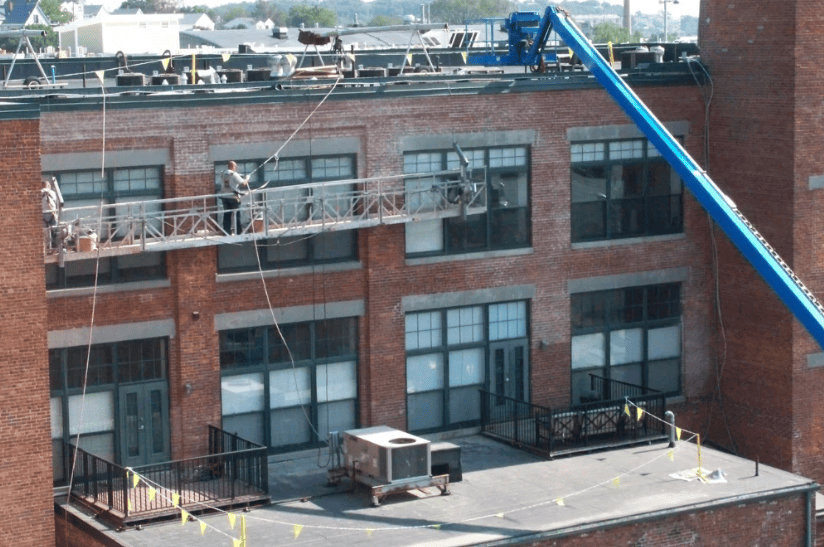
Why Spring is the Most Important Time for Masonry Inspections in Chicago

Chicago winters are hard on masonry. Freeze–thaw cycles, wind-driven rain, and snowmelt push moisture deep into brick, mortar, and concrete. When temperatures fluctuate, trapped water expands, stressing the façade from the inside out.
Spring is when that damage finally shows itself. What looks like a minor crack or loose joint now can turn into displaced brick, steel corrosion, or interior leaks if it’s ignored through another season.
A focused spring masonry inspection helps property managers, engineers, and owners identify issues early, before minor masonry repairs escalate into more extensive masonry restoration work. Catching problems at this stage keeps scopes targeted, budgets predictable, and long-term risk under control.
As noted by CooperatorNews Chicagoland, Illinois does not broadly mandate routine structural inspections for most buildings, though Chicago is an exception for high-rise properties. Under the City’s façade safety requirements, owners of buildings over 80 feet tall must periodically file exterior condition assessment reports prepared by a licensed architect or structural engineer with the City of Chicago. These programs focus on public safety, not preventive maintenance, making proactive spring inspections critical for identifying masonry repairs before larger masonry restoration work is required.
What a Spring Masonry Inspection Actually Covers
A proper masonry inspection goes beyond a visual walk-around. The goal is to identify moisture pathways, material deterioration, and structural warning signs before they accelerate.
Key areas typically reviewed include:
- Brick and stone units
- Mortar joints
- Sealants and transitions
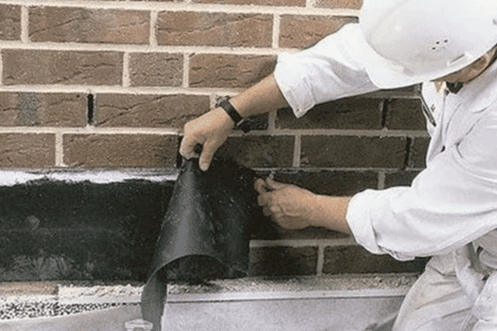
- Lintels, shelf angles, and flashing
- Concrete façades and balconies
- Parapets and coping stones
This emphasis on moisture is intentional. Research published through the ASCE Library has shown that once masonry or concrete reaches critical saturation levels, freeze–thaw damage becomes unavoidable, regardless of material design or air entrainment.
These components work as a system. When one fails, water finds its way into the rest.
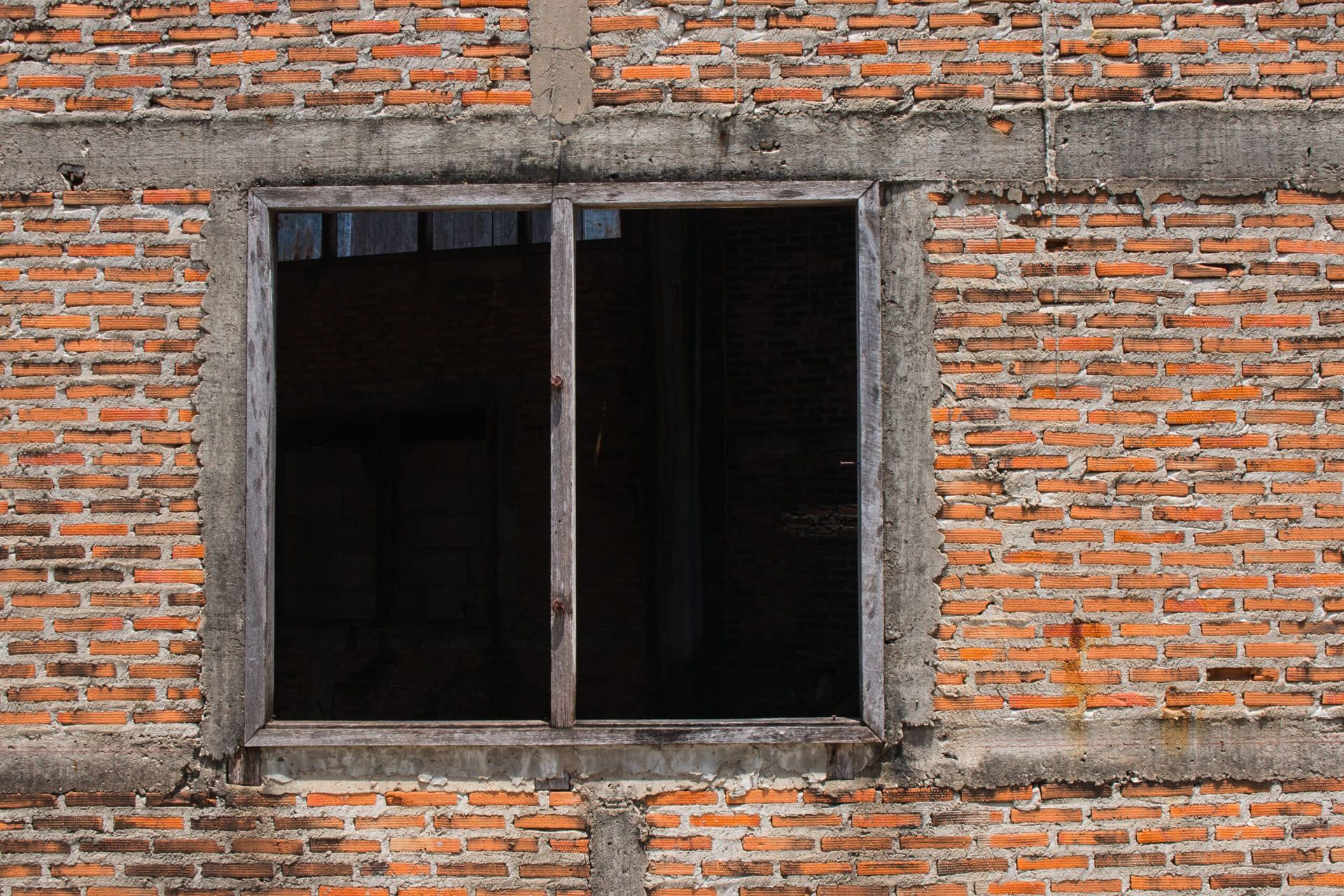
Common Masonry Problems That Appear After Winter
Spring inspections in the Chicago area frequently uncover the same repeat offenders, especially on mid-rise and high-rise buildings.
Mortar Deterioration from Freeze–Thaw Cycling
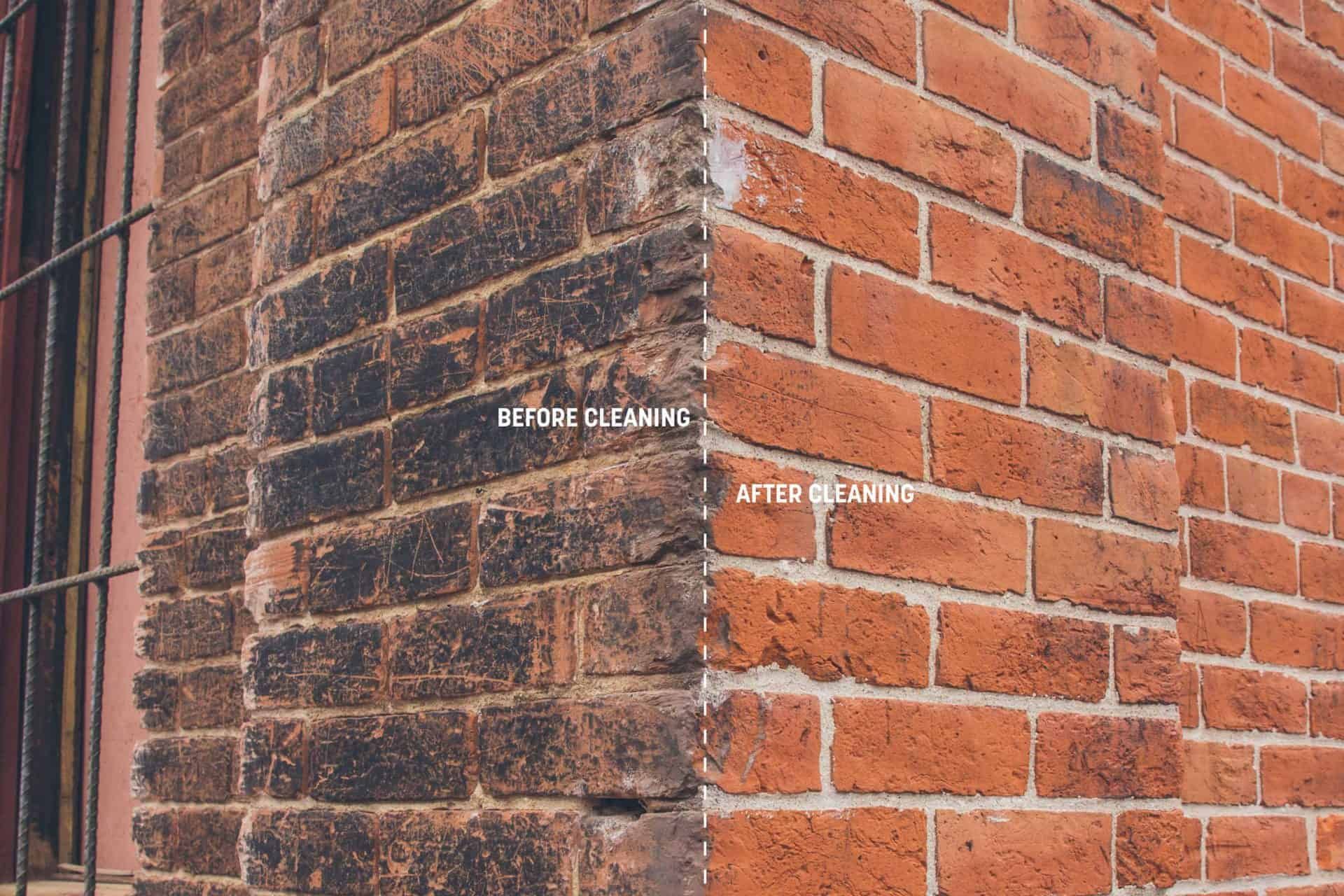
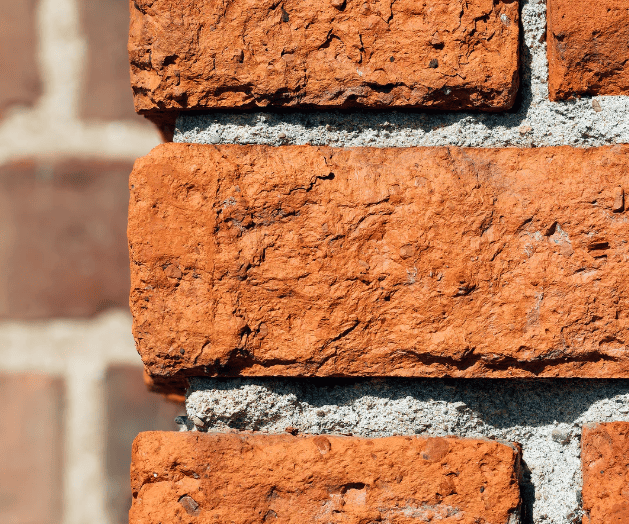
Mortar absorbs moisture faster than brick. When it freezes, it expands and slowly breaks down the bond holding the wall together.
Signs to watch for:
- Crumbling or recessed joints
- Hairline cracking along mortar beds
- Sand collecting at the base of walls
This is often the first indicator that tuckpointing is needed before brick units themselves begin to fail.
Cracked or Displaced Brick and Stone
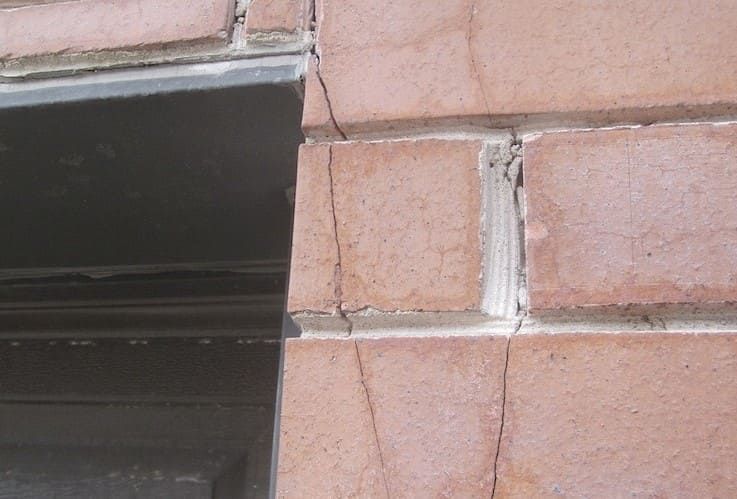
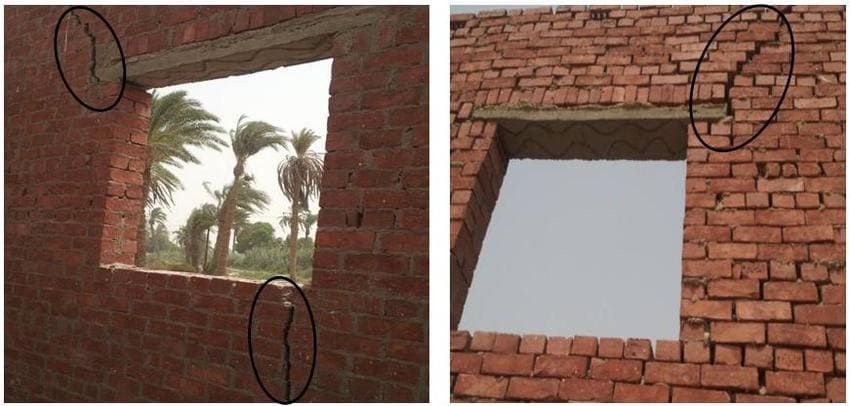
Once mortar weakens, masonry units begin to shift. Freeze–thaw pressure, combined with building movement, causes cracking or displacement.
Common locations:
- Around windows and door openings
- At parapets and rooflines
- Near expansion joints
Left unaddressed, these areas allow direct water entry behind the façade.
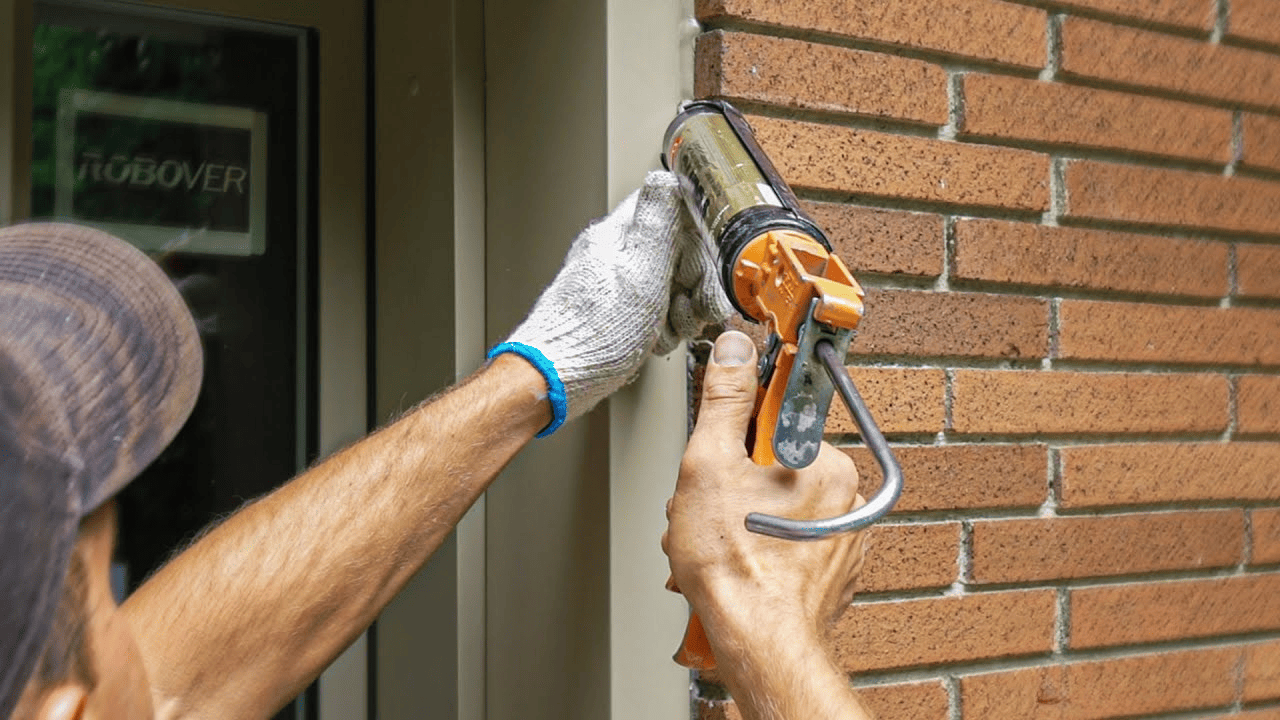
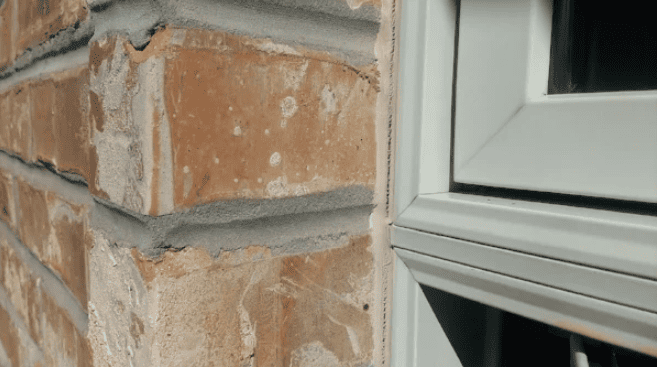
Failed Sealants at Transitions
Sealants bridge dissimilar materials, brick to concrete, masonry to windows, masonry to metal. Winter contraction and expansion take a toll on these joints.
Look for:
- Hardened or brittle sealant
- Separation from adjacent materials
- Visible gaps or tearing
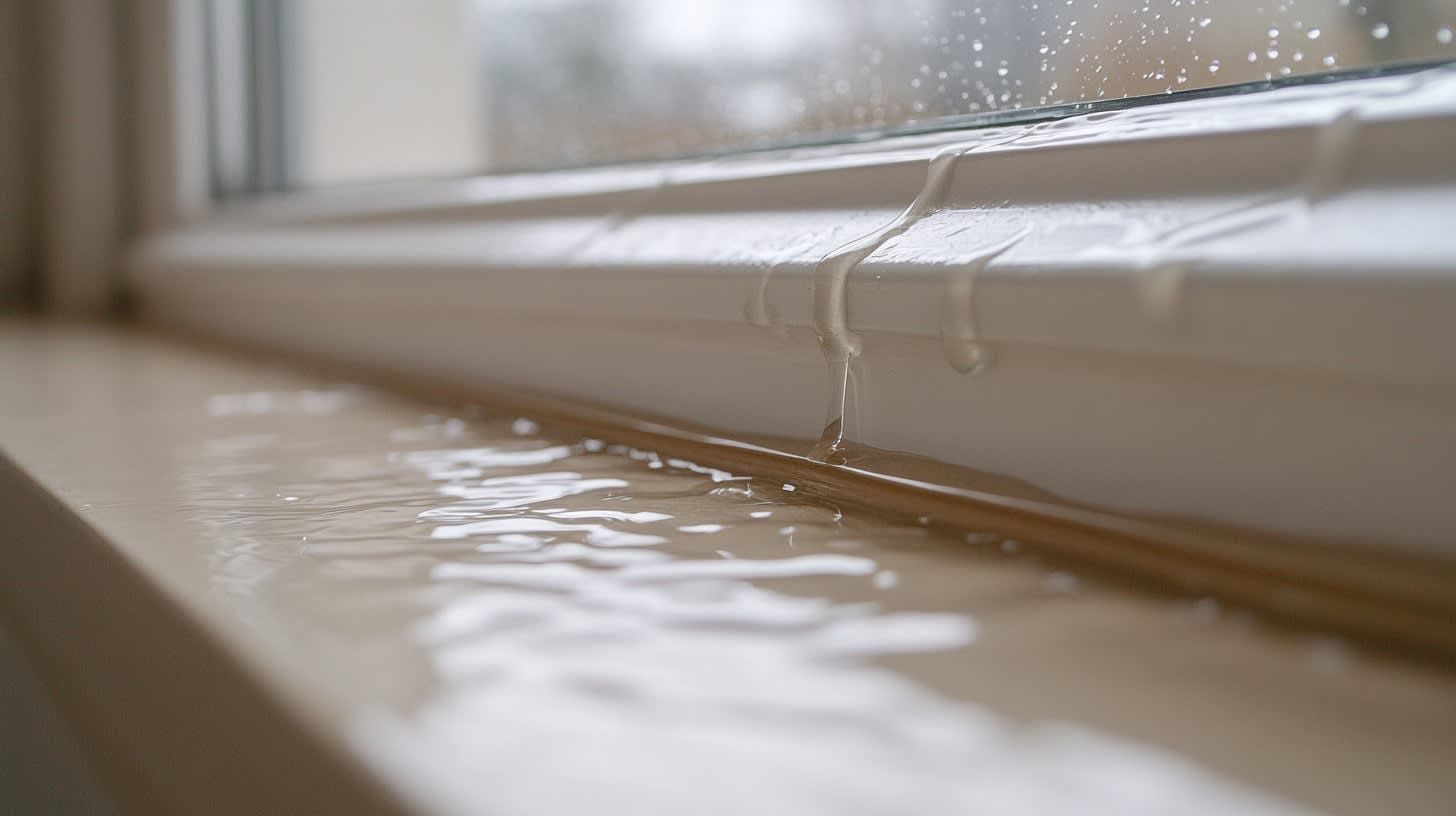
Caulking and sealant failures are one of the most common sources of interior water infiltration in spring.
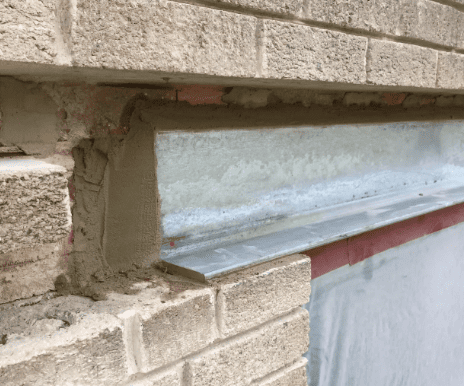
Lintel and Shelf Angle Corrosion
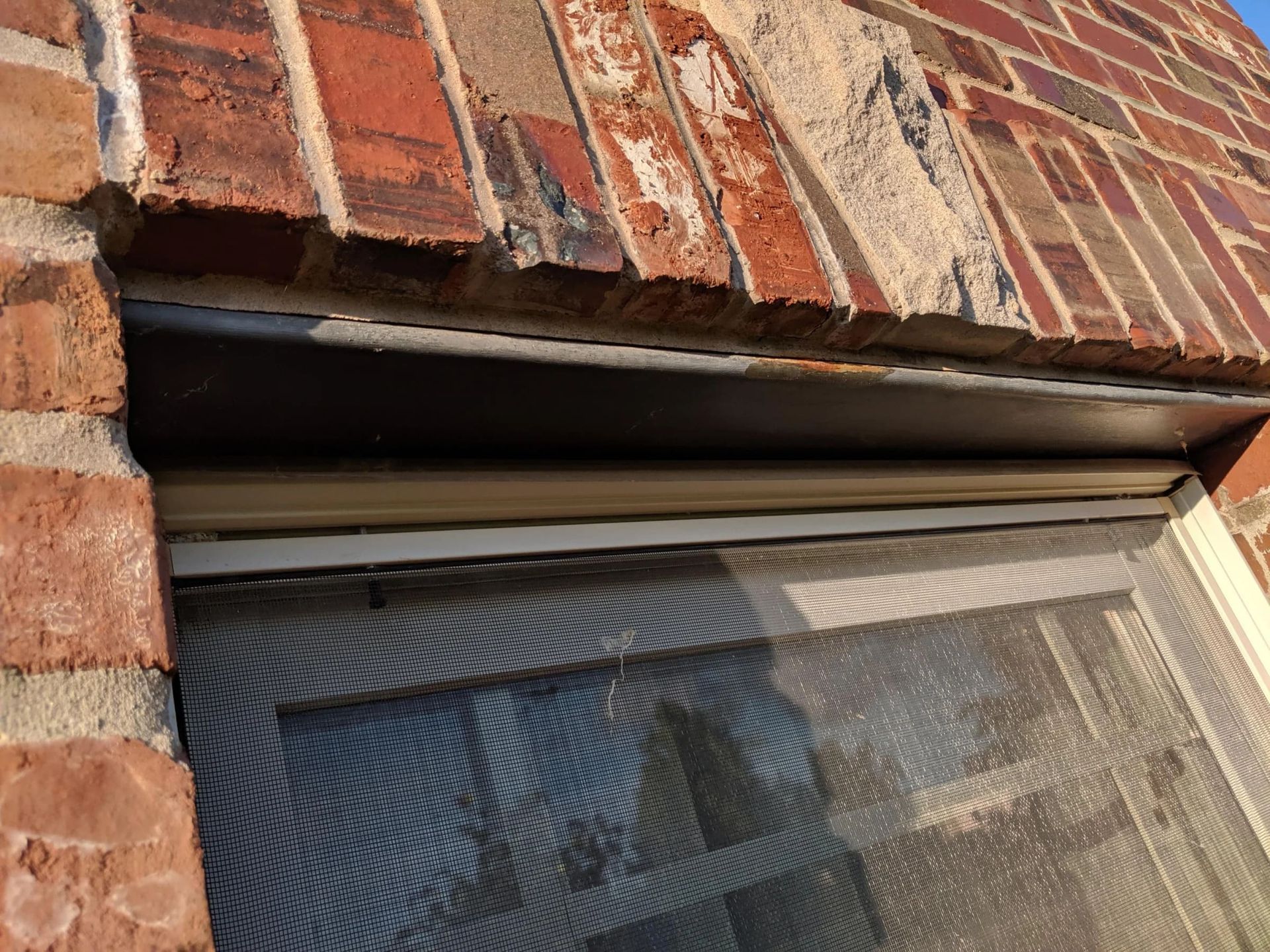
Steel lintels and shelf angles support masonry above openings. When flashing fails or water becomes trapped, corrosion begins.
Warning signs include:
- Rust staining above windows
- Horizontal cracking in brick courses
- Brick displacement at openings
These conditions often signal the need for lintel or shelf flashing repair, not just cosmetic patching.
Concrete Façade and Balcony Deterioration
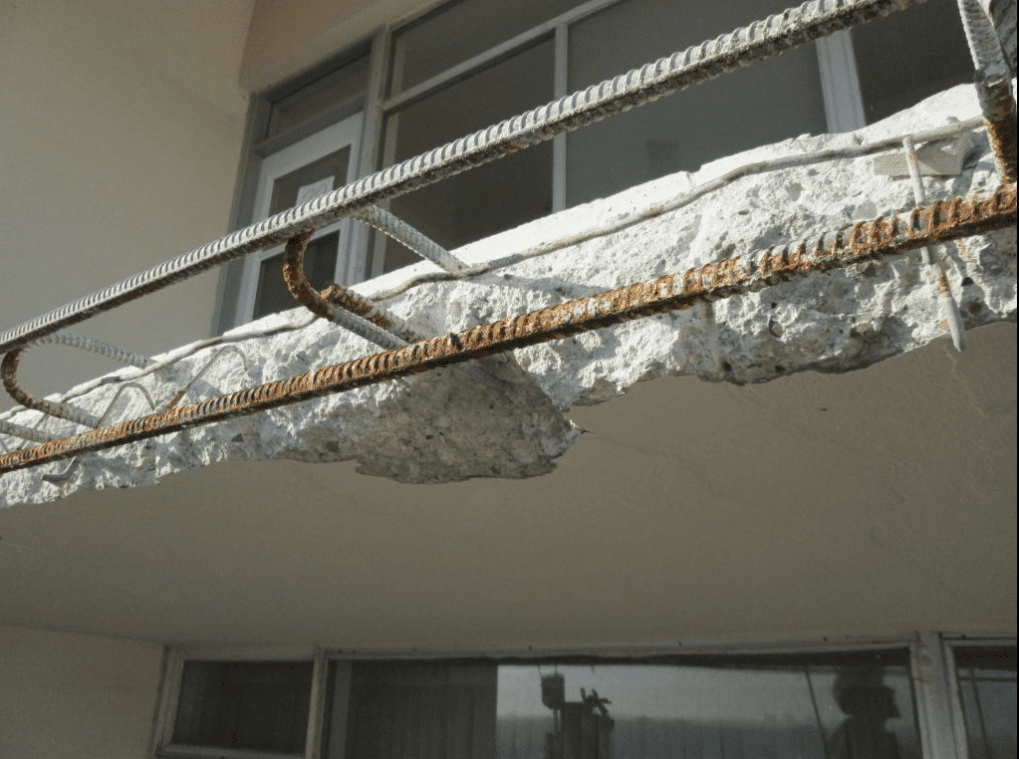
Concrete elements absorb moisture just like masonry. Winter exposure accelerates cracking, spalling, and exposed reinforcement.
Typical spring findings:
- Surface cracking
- Rust staining from embedded steel
- Delaminated concrete at balconies or slab edges
Concrete façade repair and balcony restoration are most effective when addressed early—before steel corrosion spreads.
Why Early Spring Repairs Save Time, Money, and Risk
Deferred masonry repairs compound quickly. Moisture doesn’t stop moving just because temperatures rise.
Early intervention allows teams to:
- Limit repair scope instead of expanding it
- Avoid emergency stabilization later in the year
- Schedule work during optimal weather windows
- Reduce occupant disruption
Reporting from Engineering News-Record Midwest highlights that concrete prices in the Chicago area have increased far faster than national averages, often by 30% or more for common mixes, meaning deferred masonry and concrete repairs frequently become more expensive once scopes grow or emergency conditions develop.
For occupied buildings, spring planning is often the difference between controlled restoration and reactive problem-solving.
How Professional Masonry Inspections Support Smarter Planning
Experienced masonry contractors don’t just identify damage, they help prioritize it.
A professional inspection typically results in:
- Clear documentation of conditions
- Repair sequencing based on risk
- Recommendations for mock-ups or testing where needed
- Budget clarity for the current or upcoming construction season
This approach supports engineers, architects, and property managers in making defensible decisions, not guesswork.
Chicago-Specific Factors That Influence Masonry Performance
Local conditions matter. Buildings in Chicago face challenges that directly affect inspection findings and repair timing:
- Prolonged freeze–thaw cycles
- Lakefront wind exposure and moisture
- Older masonry assemblies and historic construction
- Seasonal temperature swings that stress materials

FAQ: Spring Masonry Inspections
How often should masonry inspections be done in Chicago?
Most commercial and multi-family buildings should have masonry inspected annually, with spring being the most critical time. Buildings with known moisture issues or aging façades may benefit from more frequent reviews to manage risk and plan repairs strategically.
Can small masonry cracks wait another year?
In Chicago’s climate, small cracks often expand quickly due to freeze–thaw action. Delaying repairs increases the likelihood of water infiltration, corrosion, and larger restoration scopes later.
What’s the difference between a visual walk-through and a masonry inspection?
A masonry inspection evaluates how materials, joints, flashing, and sealants perform together. It looks for moisture paths, structural warning signs, and repair priorities, beyond surface-level observations.
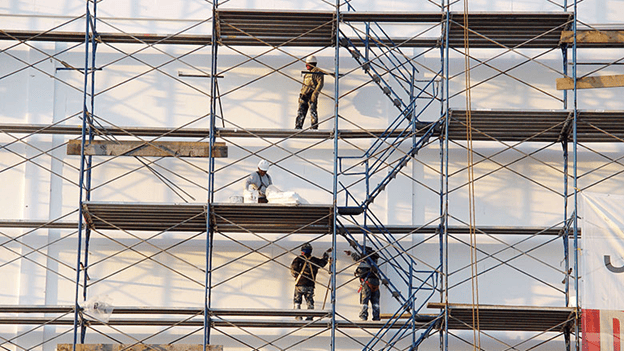
Do masonry inspections require scaffolding or lifts?
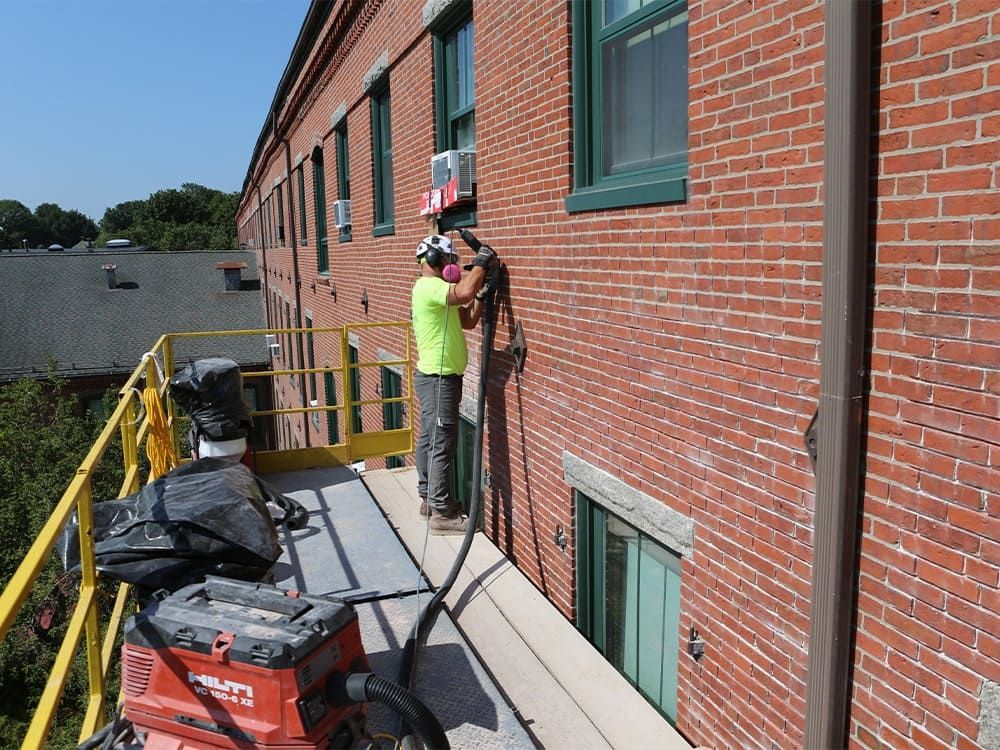
Not always. Initial inspections may use binoculars, drones, or limited access methods. If concerns are identified, targeted access or mock-ups may be recommended for closer evaluation.
Have more questions about spring masonry inspections? Contact RestoreWorks today.