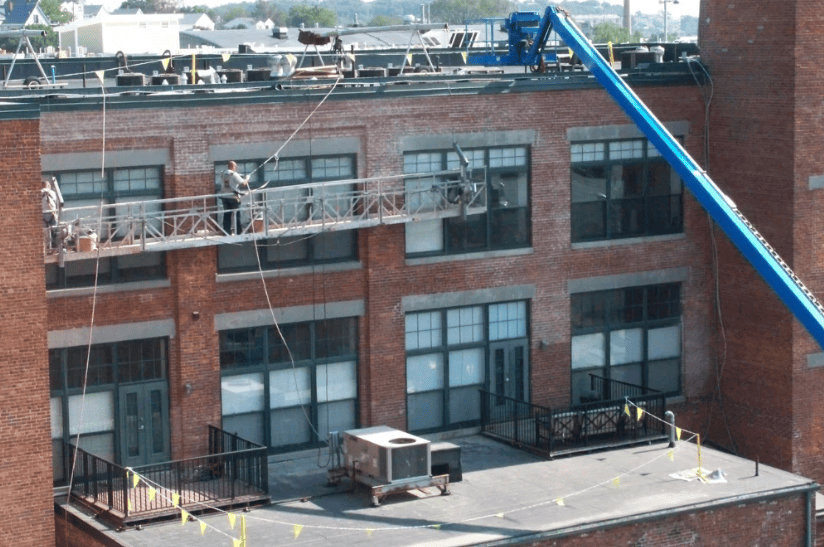
Why Summer Is the Ideal Window for Masonry Restoration in Chicago
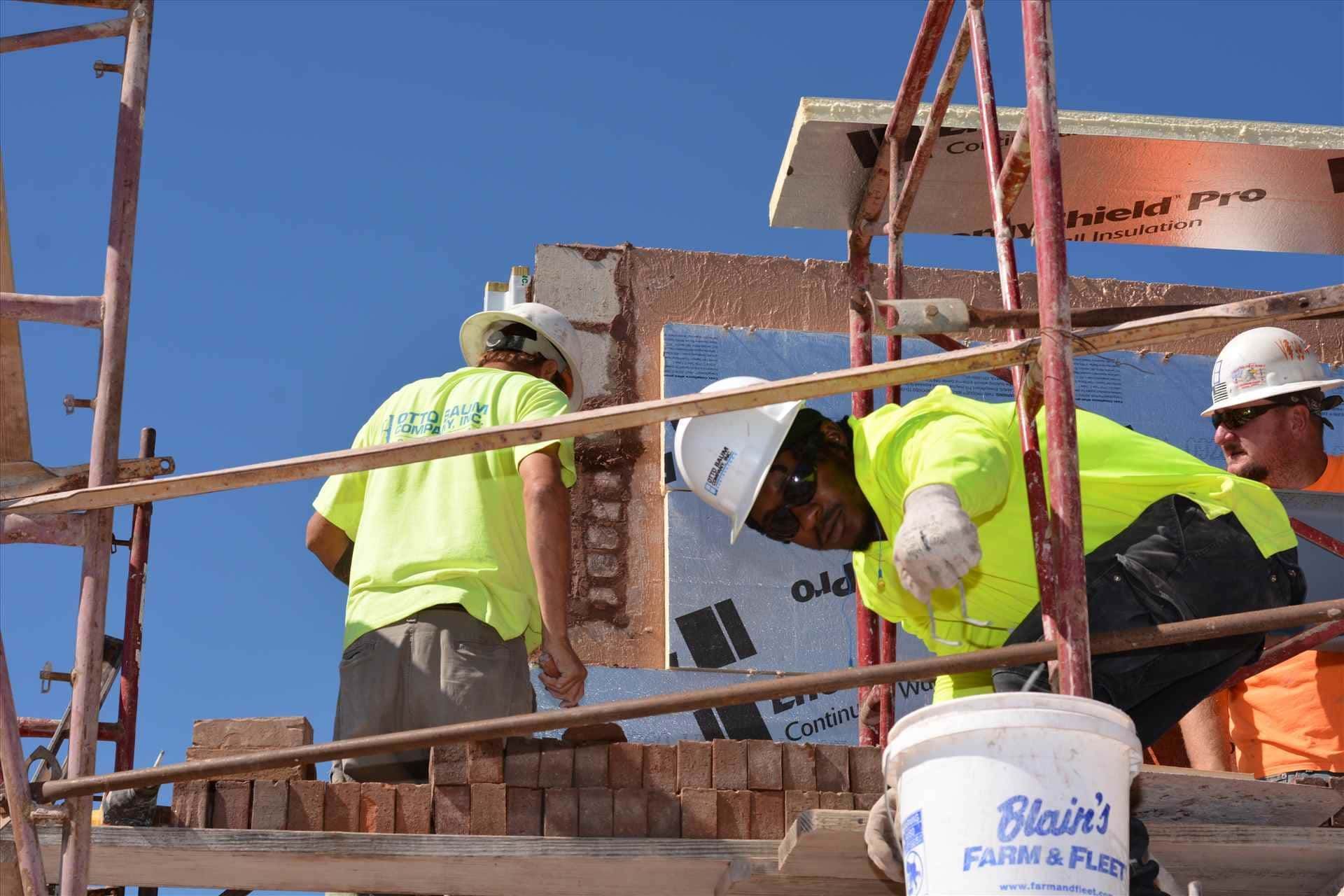
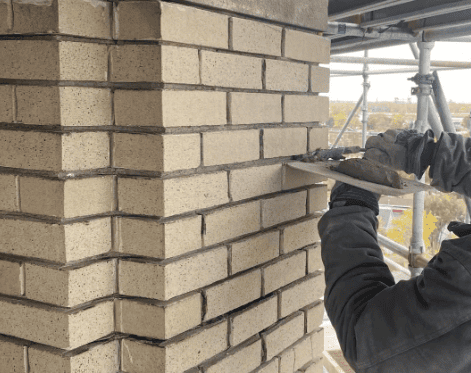
In Chicago, masonry restoration isn’t just about scope, it’s about timing. The region’s freeze–thaw cycles, high humidity swings, and lakefront exposure all impact how masonry systems perform and how restoration work should be scheduled.
Summer consistently provides the most stable conditions for completing masonry restoration services effectively. For property managers and engineers, this translates to fewer delays, better material performance, and more predictable project outcomes.
How Temperature and Weather Conditions Impact Masonry Work
Most masonry restoration processes rely on proper curing conditions. Mortar, sealants, and coatings all require specific temperature ranges to perform as intended.
Key environmental factors that matter:
- Temperature consistency: Ideal range is typically 40°F–90°F
- Low moisture intrusion risk: Reduced chance of rain delays or saturation
- Minimal freeze–thaw stress: Prevents premature cracking during curing
During Chicago winters or early spring, temperatures fluctuate too frequently. Materials can freeze before curing, leading to weakened bonds and early failure.
Industry standards reinforce this risk. According to the Mason Contractors Association of America and TMS 602 Specifications for Masonry Structures (via The Masonry Society), special procedures are required any time temperatures drop below 40°F. At lower temperatures, the chemical reaction between cement and water slows significantly and can stop entirely near 14°F. If mortar or grout freezes before gaining strength, the damage is permanent.
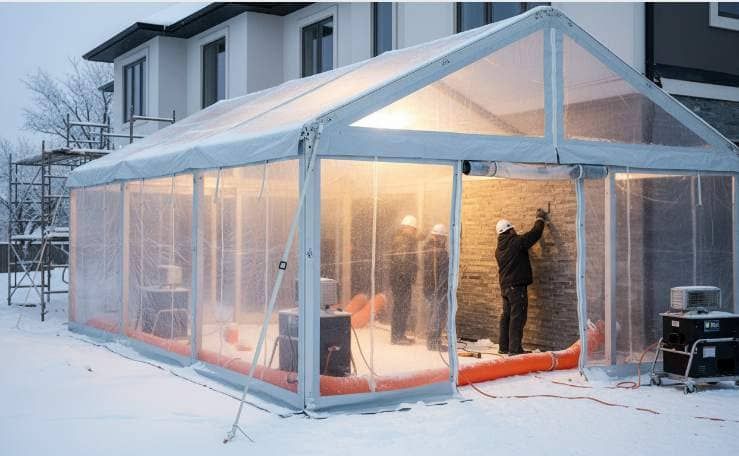
Why Cold-Weather Masonry Work Becomes Complex
To safely complete masonry work in colder conditions, contractors must implement strict controls, including:
- Heating materials (sand and water) to maintain proper mortar temperatures
- Ensuring substrates are free of snow and ice, and heated above freezing
- Building enclosures to protect work areas from cold exposure
- Monitoring mean daily temperature (MDT) to determine protection requirements
- Protecting newly installed masonry for 24–48 hours after placement
Even with these measures, the margin for error remains high. Improper temperature control can lead to issues like flash setting, weak mortar bonds, or long-term durability failures.
Why Delaying Masonry Restoration Can Increase Risk
Waiting too long to address masonry issues often turns manageable repairs into larger, more expensive scopes.
Common masonry issues that worsen over time:
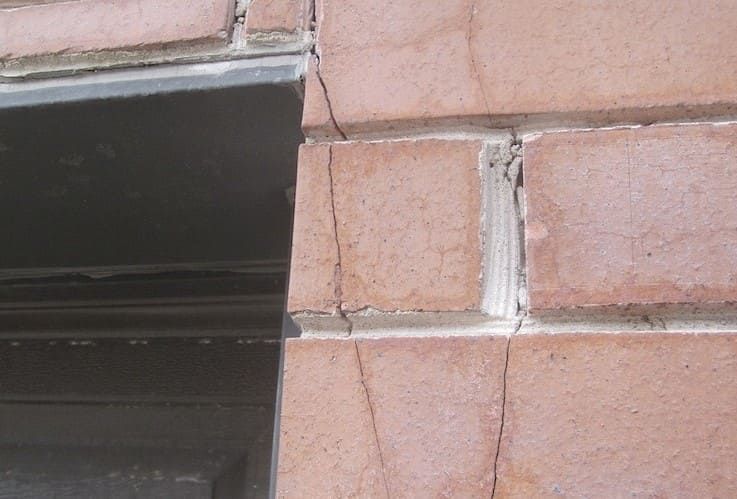
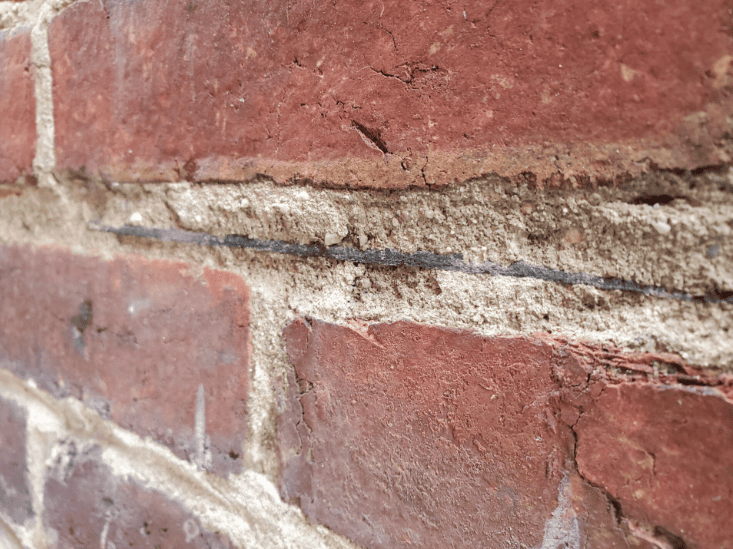
- Open mortar joints allowing water infiltration
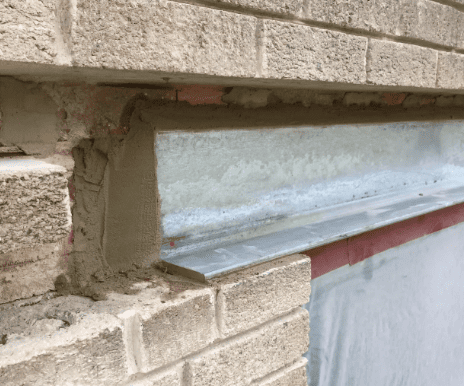
- Rusting steel lintels expanding behind brick
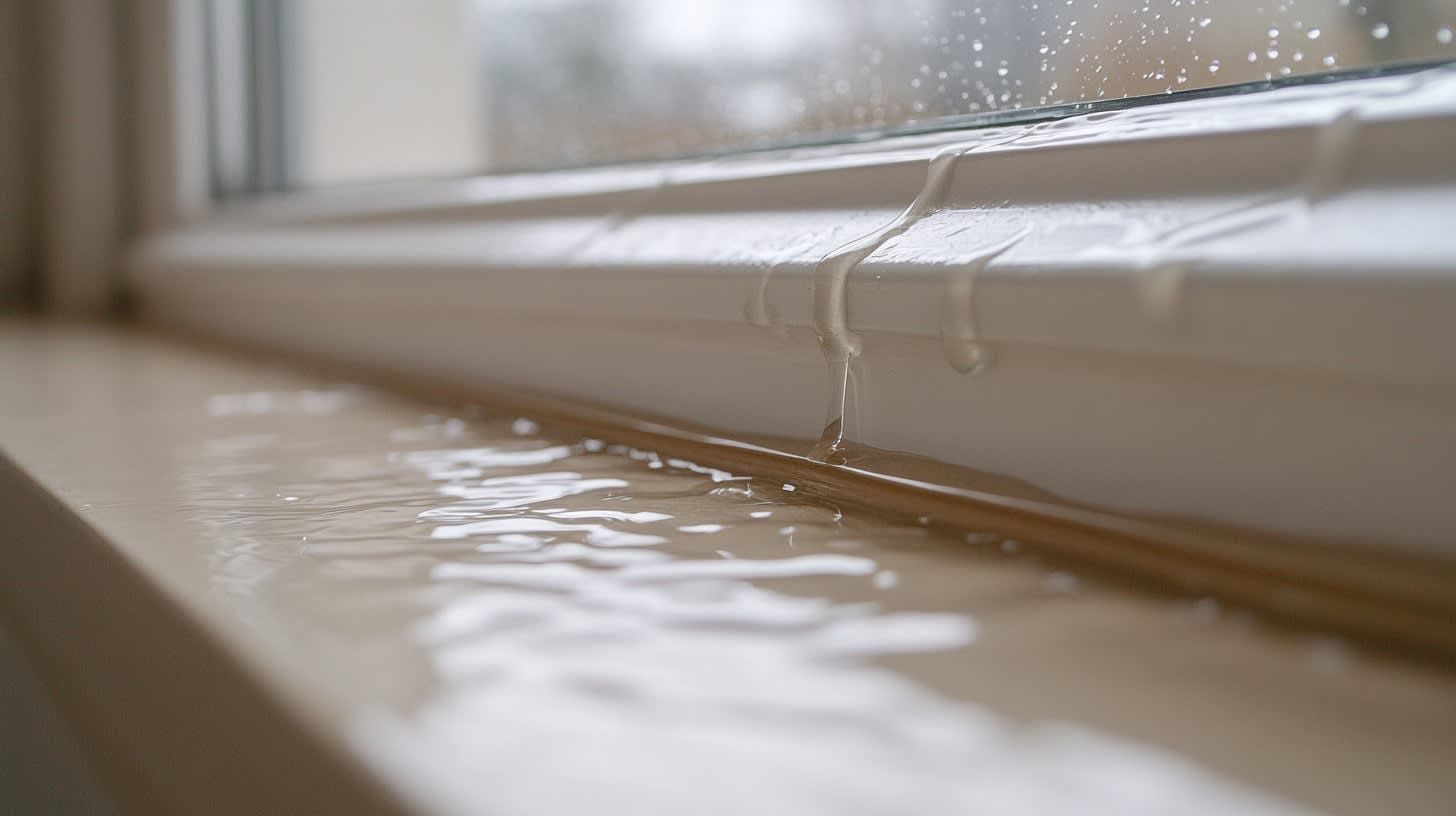
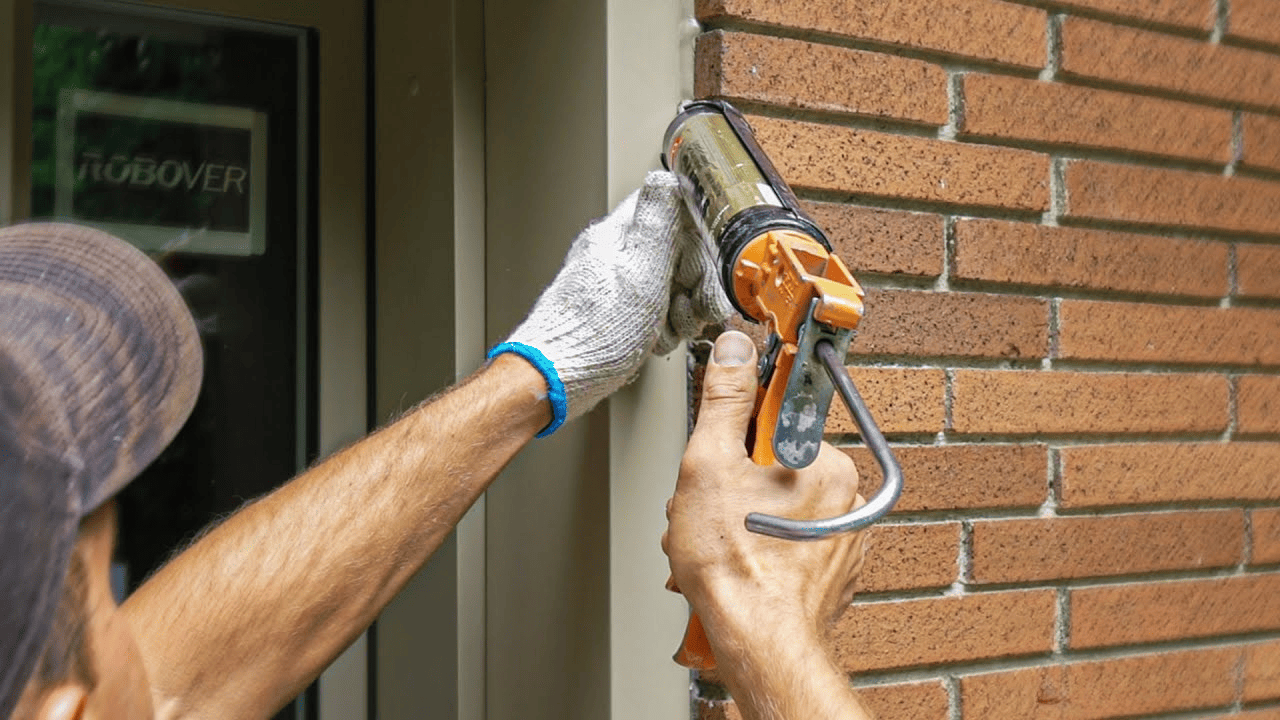
- Failed sealants leading to interior leaks
- Spalling brick caused by trapped moisture
These are not just surface-level problems. Once water enters a masonry wall system, it doesn’t simply drain out.
According to research from the International Institute of Building Enclosure Consultants (IIBEC), many masonry walls (especially older mass masonry systems) are designed to absorb and store moisture within the wall assembly rather than fully prevent water entry.
What actually happens when water gets into masonry walls
- Moisture penetrates through cracked mortar joints or failed interfaces
- Water becomes trapped within the wall, especially in thicker masonry systems
- Interior wythes dry much slower than exterior surfaces
- Over time, internal deterioration develops, often without visible warning
In many cases, this damage goes unnoticed because it occurs within the wall system, not just at the surface.
How Summer Scheduling Improves Project Efficiency
From a project management standpoint, summer offers a clear advantage: predictability.
Operational benefits of summer masonry restoration:
- Fewer weather delays → Keeps projects on schedule
- Better labor productivity → Crews can work consistently
- Reduced rework risk → Materials cure correctly the first time
- Improved coordination → Easier scheduling with other trades
For commercial and multi-family properties, this also minimizes disruption to tenants and operations.
Why Chicago Buildings Require Strategic Timing
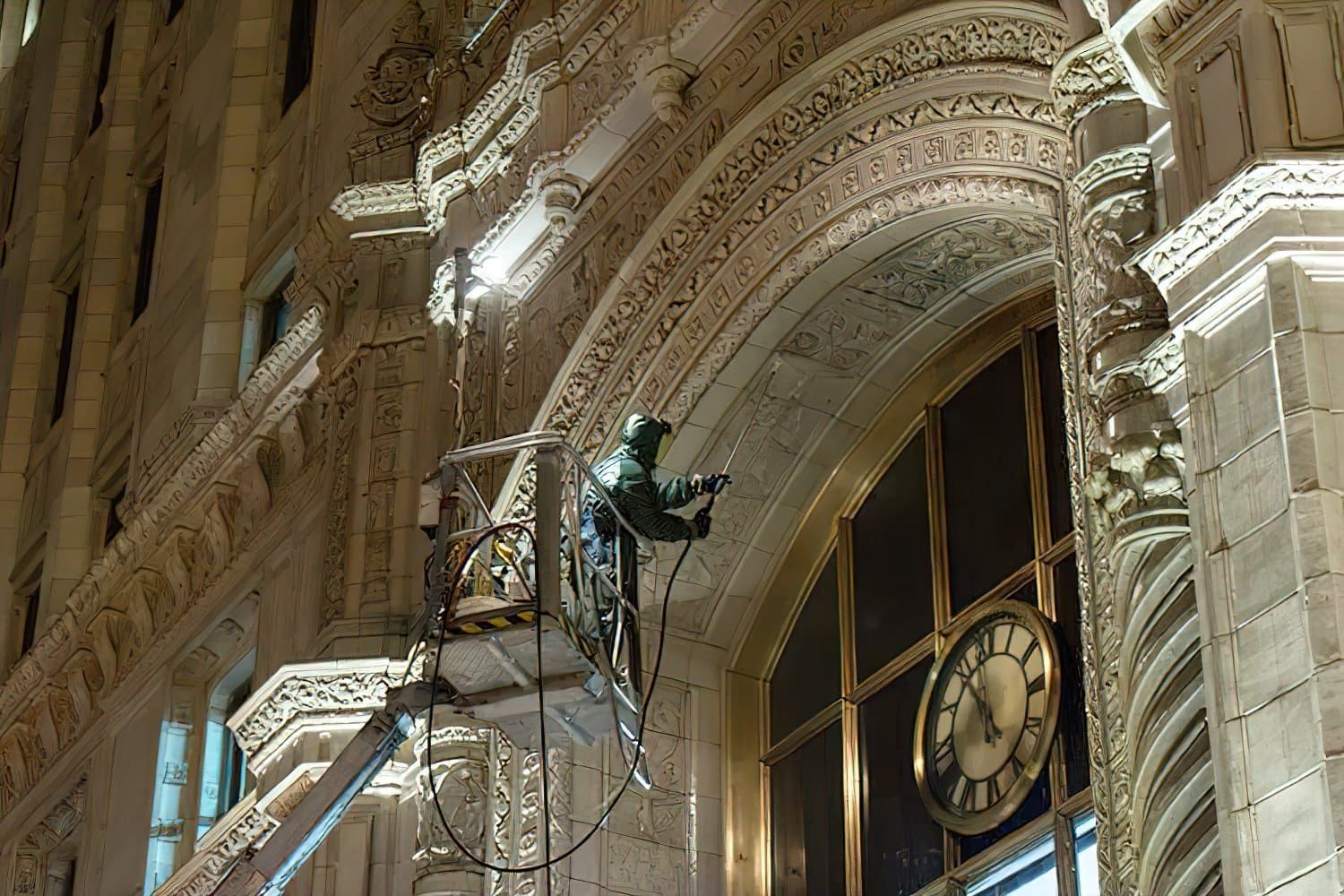
Chicago’s building stock adds another layer of complexity. Many structures, especially in downtown and surrounding neighborhoods, feature:
- Historic masonry assemblies
- Solid brick construction (not cavity walls)
- Aging materials with limited tolerance for moisture
While brick is often viewed as a durable, low-maintenance material, it still requires ongoing upkeep. As noted by CooperatorNews Chicagoland, mortar joints, sealants, and other components deteriorate over time and must be maintained to prevent water intrusion and long-term damage.
In these cases, improper timing can do more harm than good. Restoration work completed in poor conditions can trap moisture, accelerate deterioration, or compromise structural components.
Summer reduces these risks and allows for controlled, methodical repairs.
Planning Ahead: Why Waiting Until Summer Is Too Late
Here’s the mistake most property teams make: they wait until summer to start planning.
By that point:
- Qualified contractors are booked
- Lead times for materials increase
- Projects get pushed into fall, or worse, winter
A better approach:
- Q1–Q2: Inspection, budgeting, and scope development
- Early Q2: Contractor selection and scheduling
- Summer: Execution of masonry restoration work
This sequencing ensures your project is completed under optimal conditions, not rushed at the end of the season.
How Masonry Restoration Protects Long-Term Building Value
Masonry systems are durable, but not maintenance-free. Without proactive restoration, small issues compound into structural concerns and interior damage.
From a financial perspective, this is not just a repair issue, it’s a life-cycle cost decision. According to the Whole Building Design Guide, life-cycle cost analysis evaluates the total cost of ownership, including maintenance, repair, and replacement over time, not just initial construction costs.
Strategic summer restoration helps:
- Preserve structural integrity
- Reduce lifecycle repair costs
- Maintain property value and tenant satisfaction
- Avoid emergency repairs during winter
When maintenance is delayed, costs shift from planned, manageable repairs to reactive, high-cost interventions. Over the life of a building, these decisions have a measurable impact on total ownership cost.
For asset managers and engineers, this is about controlling risk, not reacting to it.
FAQ: Masonry Restoration Timing in Chicago
When is the best time for masonry restoration in Chicago?
The best time is typically late spring through early fall, with summer offering the most consistent conditions. Stable temperatures and lower moisture risk allow materials like mortar and sealants to cure properly, reducing the likelihood of premature failure or rework.
Can masonry restoration be done in winter?
Yes, but it requires special precautions such as heated enclosures and cold-weather materials. This increases cost and complexity. Whenever possible, planned restoration work should be scheduled for warmer months to ensure quality and efficiency.
What happens if I delay masonry repairs?
Delaying repairs allows water infiltration, which leads to freeze–thaw damage, rusting steel components, and interior issues. Over time, small repairs can escalate into structural concerns and significantly higher costs.
How far in advance should I plan a restoration project?
Ideally, planning should begin 3–6 months in advance. This allows time for inspections, budgeting, contractor selection, and scheduling so work can be completed during optimal summer conditions.
If you’re looking for restorative cleaning services for your commercial property, reach out to RestoreWorks.