Why Chicago Winters Are Especially Hard on Balconies

Chicago winters are unforgiving on exterior building components, and balconies take the hit first. Repeated freeze–thaw cycles, snow accumulation, deicing salts, and lakefront wind exposure all accelerate deterioration.
Concrete balconies are particularly vulnerable because moisture enters small cracks, freezes, expands, and progressively breaks down the slab, edges, and embedded steel. Once winter ends, the damage is already done, even if it’s not immediately visible.
For property managers and building owners, early spring is the most important window to assess balcony conditions before minor defects turn into structural or life-safety issues.
Early Warning Signs That Balcony Repairs May Be Needed
Balcony damage rarely starts with a dramatic failure. It usually shows up in smaller, progressive ways that are easy to overlook during winter.
Common post-winter warning signs include:
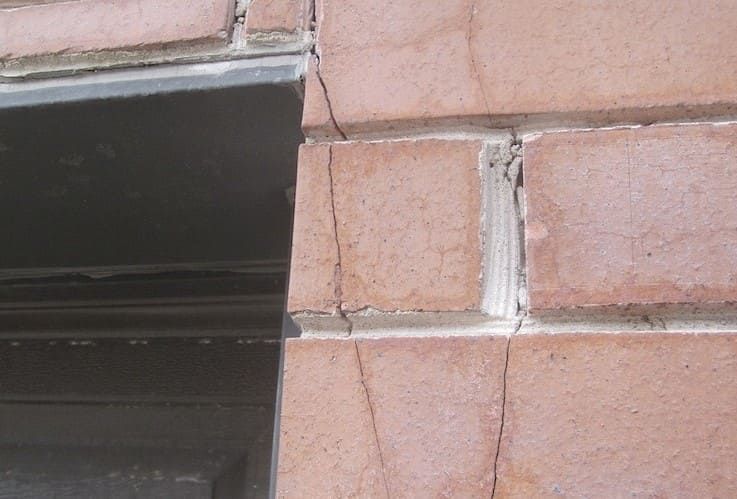
- Cracking along balcony slabs, edges, or soffits
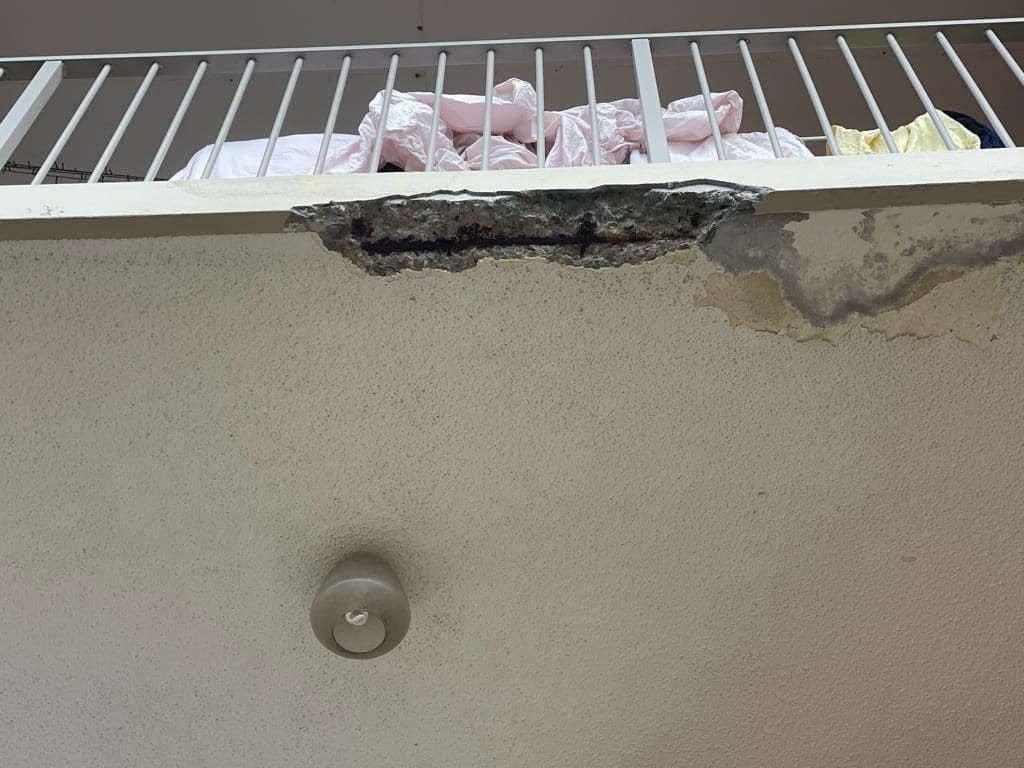
- Rust staining or exposed reinforcing steel
- Spalling concrete (flaking, chipping, or delamination)
- Loose or deteriorated coatings and sealants
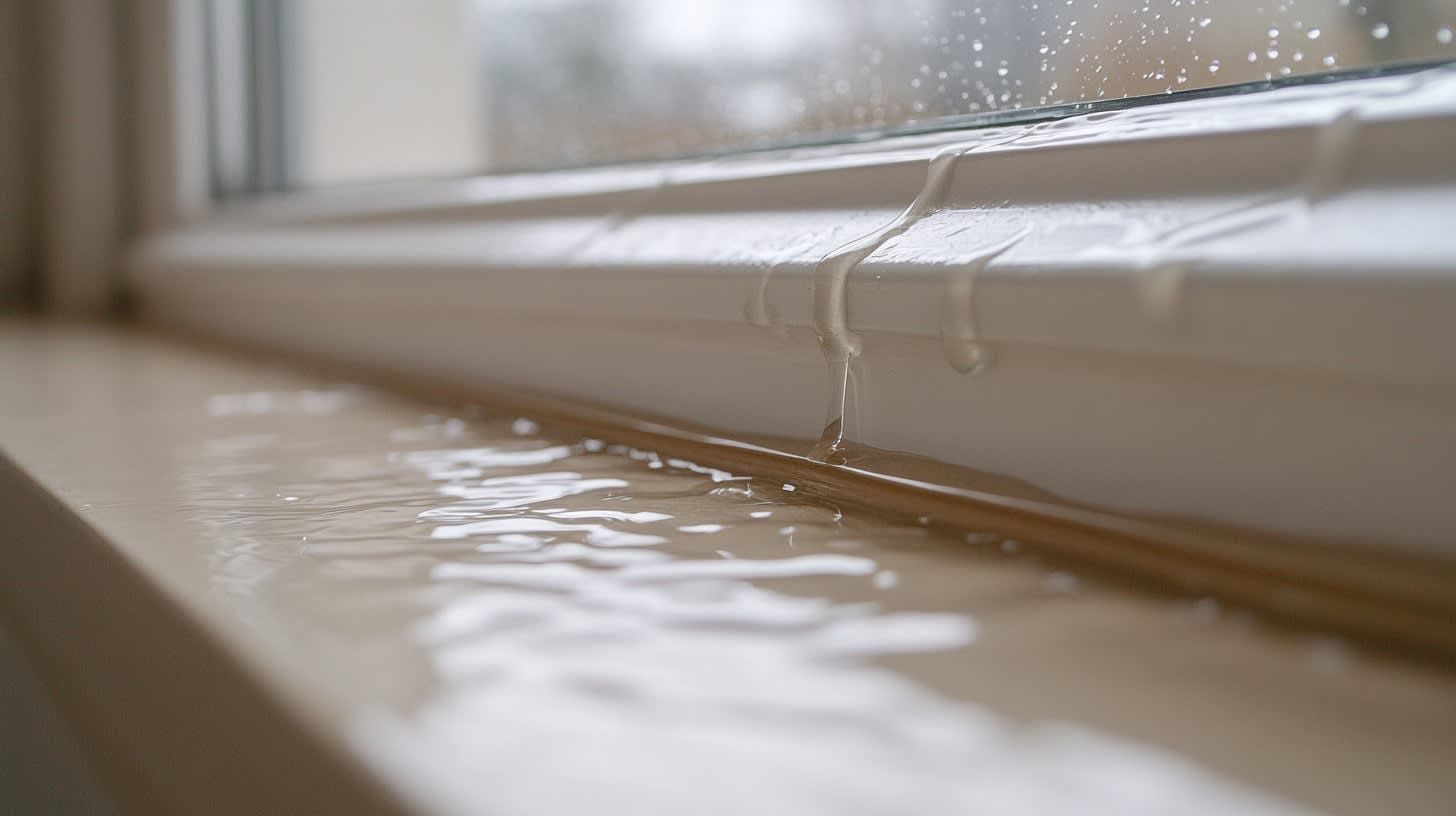
- Water staining on underside or adjacent masonry
These conditions often indicate moisture intrusion that has already compromised the concrete or steel beneath the surface.
Industry safety reporting, including analysis published by the Project Safety Journal and organizations such as Collaborative Reporting for Safer Structures US, has shown that balcony deterioration most often begins at concealed or highly stressed connection points, particularly where the balcony slab meets the main structure. Damage in these areas may progress for years before becoming visually obvious, which is why early surface indicators like staining, cracking, or spalling should never be dismissed as cosmetic.
How Freeze–Thaw Cycles Damage Concrete Balconies
Freeze–thaw damage occurs when water penetrates concrete and freezes repeatedly. Each freeze expands the trapped moisture, widening cracks and breaking down the concrete matrix over time.
In balconies, this process is intensified by:
- Poor drainage or ponding water
- Failing sealants at perimeter joints
- Inadequate slope away from the building
- Aging or worn protective coatings
Once reinforcing steel begins to corrode, the expansion pressure can cause large sections of concrete to delaminate or fail, often requiring more invasive repairs.
Why Deferred Balcony Repairs Become Structural and Safety Risks
Balconies are load-bearing, cantilevered elements. Unlike many other exterior components, they often lack redundancy, meaning localized deterioration can lead to sudden failure if left unaddressed.
Industry safety reporting from organizations like Collaborative Reporting for Safer Structures US (CROSS-US) has repeatedly shown that balcony failures are most likely when corrosion, cracking, or water intrusion occurs at the balcony support connection, where structural demands are highest.
Deferred balcony repairs can result in:
- Loss of load-carrying capacity
- Falling concrete hazards to occupants and pedestrians
- Code violations and increased liability exposure
- Emergency closures or unplanned structural repairs
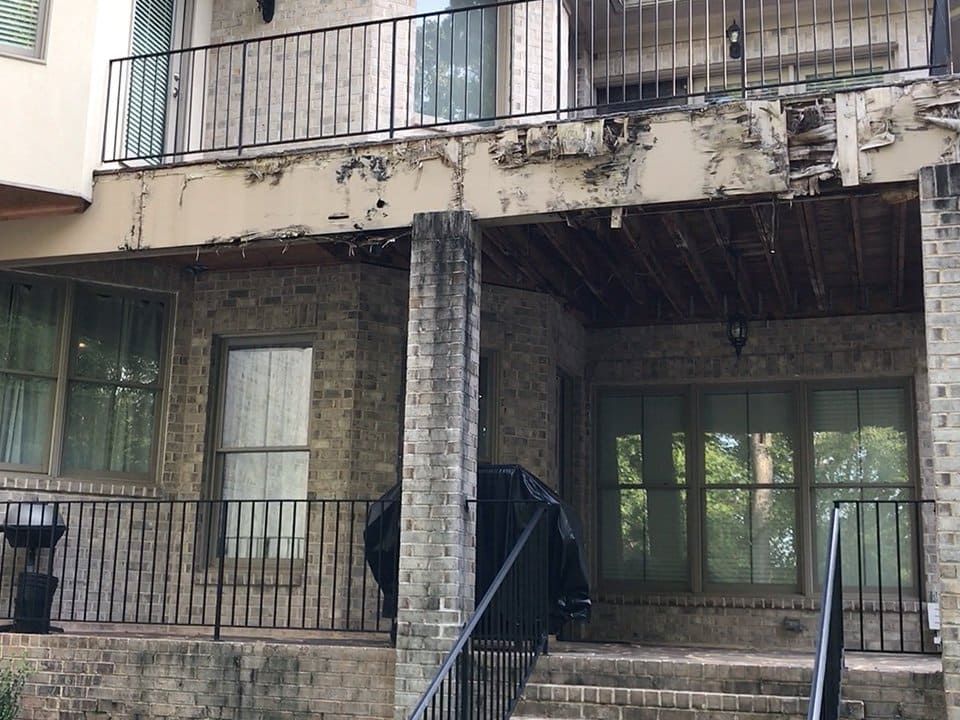
In Chicago, many multi-family and high-rise buildings were constructed decades ago. When aging construction is combined with modern winter exposure, freeze–thaw cycling, deicing salts, and prolonged moisture, localized deterioration can escalate faster than owners expect, often without obvious early warning signs.
What a Proper Post-Winter Balcony Assessment Should Include
A thorough balcony evaluation goes beyond surface observations. It should identify both visible damage and hidden conditions affecting long-term performance.
A professional assessment typically reviews:
- Concrete slab condition and thickness
- Reinforcing steel exposure or corrosion
- Balcony edge and soffit integrity
- Sealant joints and waterproofing transitions
- Connection points to the main structure
Guidance from professional inspection organizations such as the Certified Commercial Property Inspectors Association (CCPIA) emphasizes that assessments should also evaluate how a balcony behaves, not just how it appears. Inspectors routinely check whether balconies remain plumb, level, and square; observe the structure from multiple vantage points including the ground and underside; and note finishes, coatings, or coverings that may conceal moisture intrusion or deterioration.
Any noticeable movement, deflection under normal foot traffic, or evidence of trapped moisture is treated as a warning sign that warrants further investigation.
For larger or more complex buildings, mock-ups are often recommended to validate repair methods, materials, and detailing before full-scale work begins. This approach reduces risk, aligns expectations, and ensures repair strategies address underlying conditions, not just visible symptoms.
Common Balcony Repair Approaches That Actually Work
Effective balcony repairs focus on stopping moisture intrusion, restoring structural capacity, and extending service life, not just patching damage.
Depending on conditions, repairs may include:
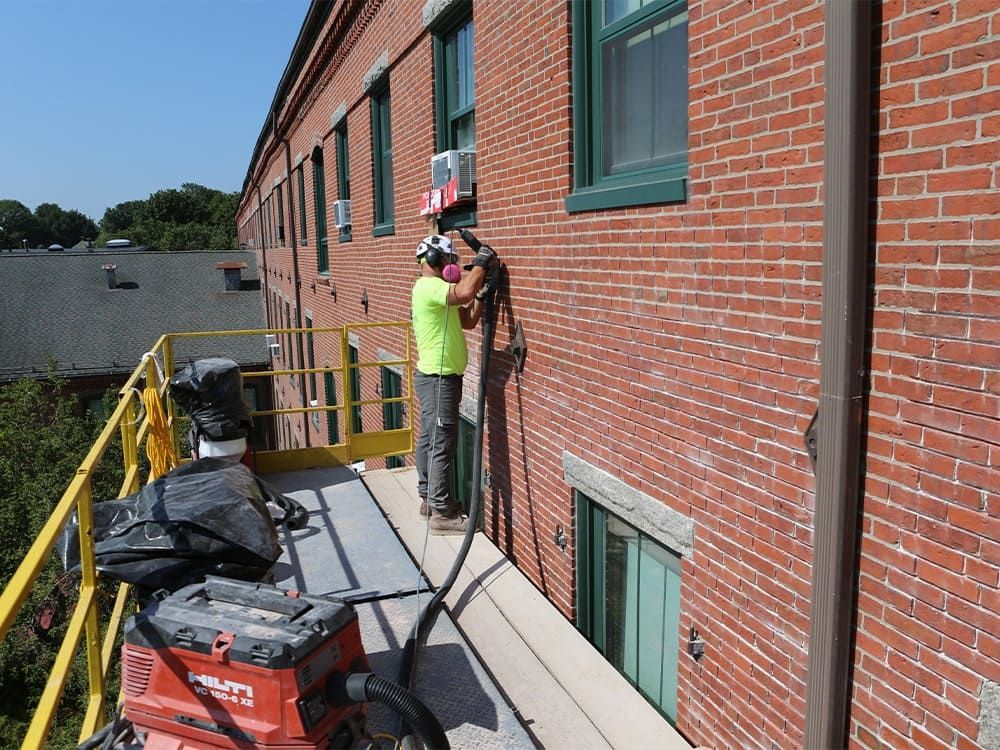
- Concrete façade repair to address spalls and delamination
- Balcony slab edge reconstruction
- Reinforcing steel treatment and protection
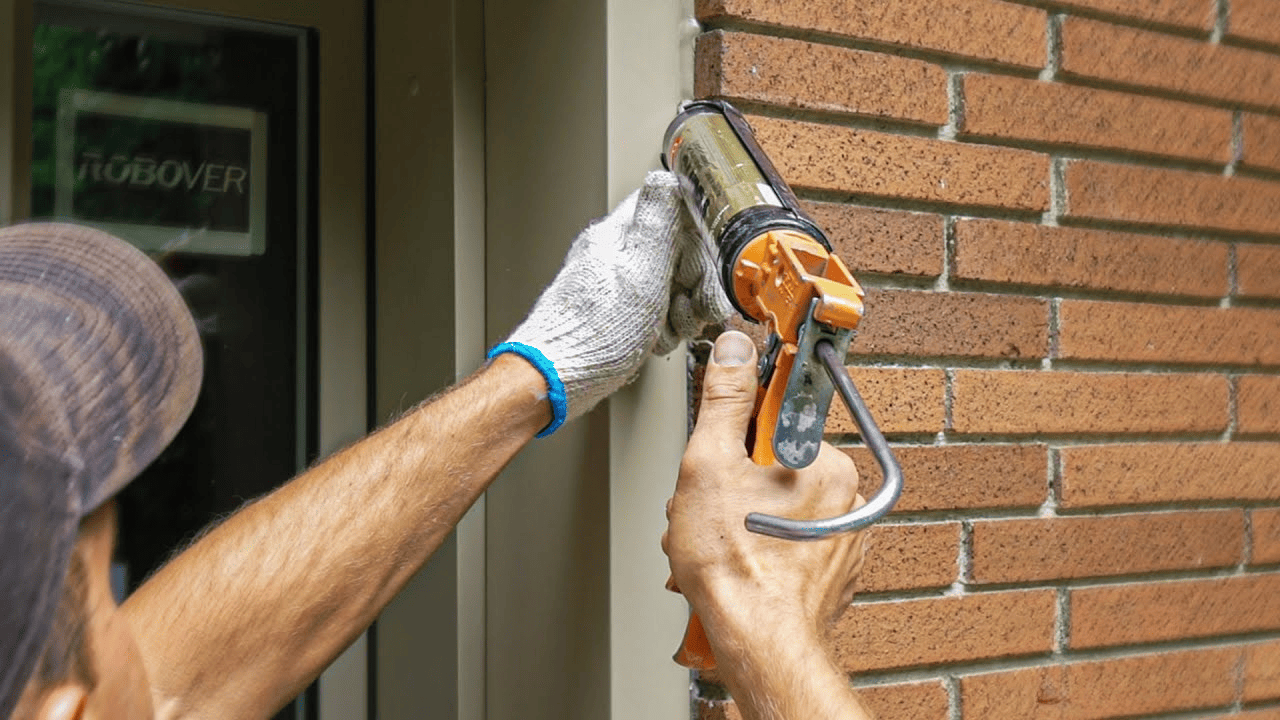
- Caulking and sealant repairs at perimeter joints
- Protective coatings to reduce future water penetration
For buildings with recurring balcony issues, combining repairs with improved drainage and detailing adjustments is important.
Chicago-Specific Factors That Influence Balcony Repair Timing
Local conditions matter. In Chicago, balcony repair schedules are often influenced by:
- Temperature limitations for concrete and coating work
- Spring inspections following winter exposure
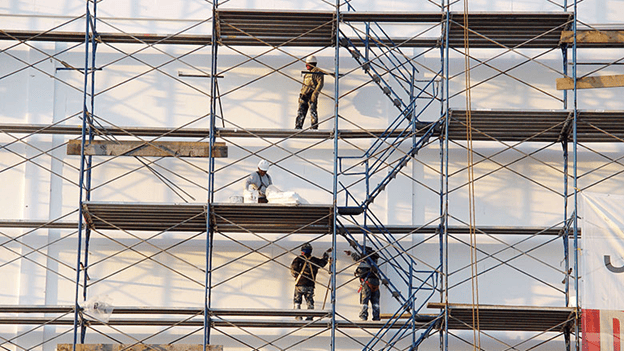
- Summer access planning for occupied buildings
- Compliance with local safety and maintenance expectations
Planning repairs early allows owners to avoid emergency conditions and secure better access, pricing, and scheduling.
When Balcony Damage Signals Broader Building Envelope Issues
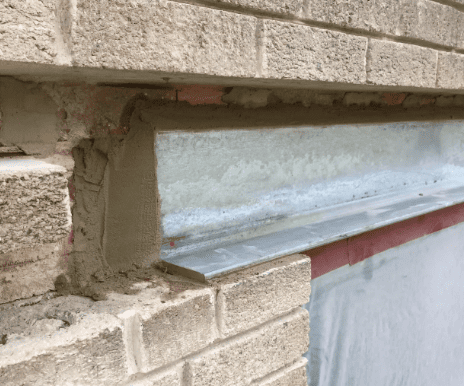
Balcony deterioration often points to larger envelope problems. Water entering balconies frequently migrates into adjacent masonry walls, lintels, and shelf angles.
If balcony issues are present, it’s often worth evaluating:
- Adjacent masonry restoration needs
- Lintel and shelf flashing conditions
- Sealant failures at window or door interfaces
Addressing these systems together improves performance and avoids repeating repairs.
FAQ: Balcony Repairs After Winter
How do I know if my balcony damage is serious?
Cracks, spalling, rust stains, or exposed steel typically indicate underlying deterioration. Even minor-looking defects can signal corrosion or structural issues beneath the surface. A professional assessment is the safest way to determine severity.
When is the best time to repair concrete balconies in Chicago?
Late spring through early fall is ideal. Warmer temperatures allow proper curing of concrete and coatings, and scheduling early avoids emergency repairs later in the season.
Can balcony repairs be done while residents occupy the building?
Yes. Most balcony repairs can be phased and performed safely with proper access planning, protection, and communication. Experienced contractors routinely work on occupied multi-family and high-rise buildings.
Are balcony repairs considered structural work?
Often, yes. Because balconies are load-bearing elements, repairs frequently involve structural concrete restoration and reinforcement protection, not just cosmetic patching.
Do you have more questions about balcony restoration services? Contact RestoreWorks today.