What Is Tuckpointing And Why Is It Important?
When you ask a RestoreWorks professional what is tuckpointing, their conversation will include how much we focus on detail when we provide commercial tuckpointing services. Noticing details is one of the seven RestoreWorks habits that guide our daily actions.
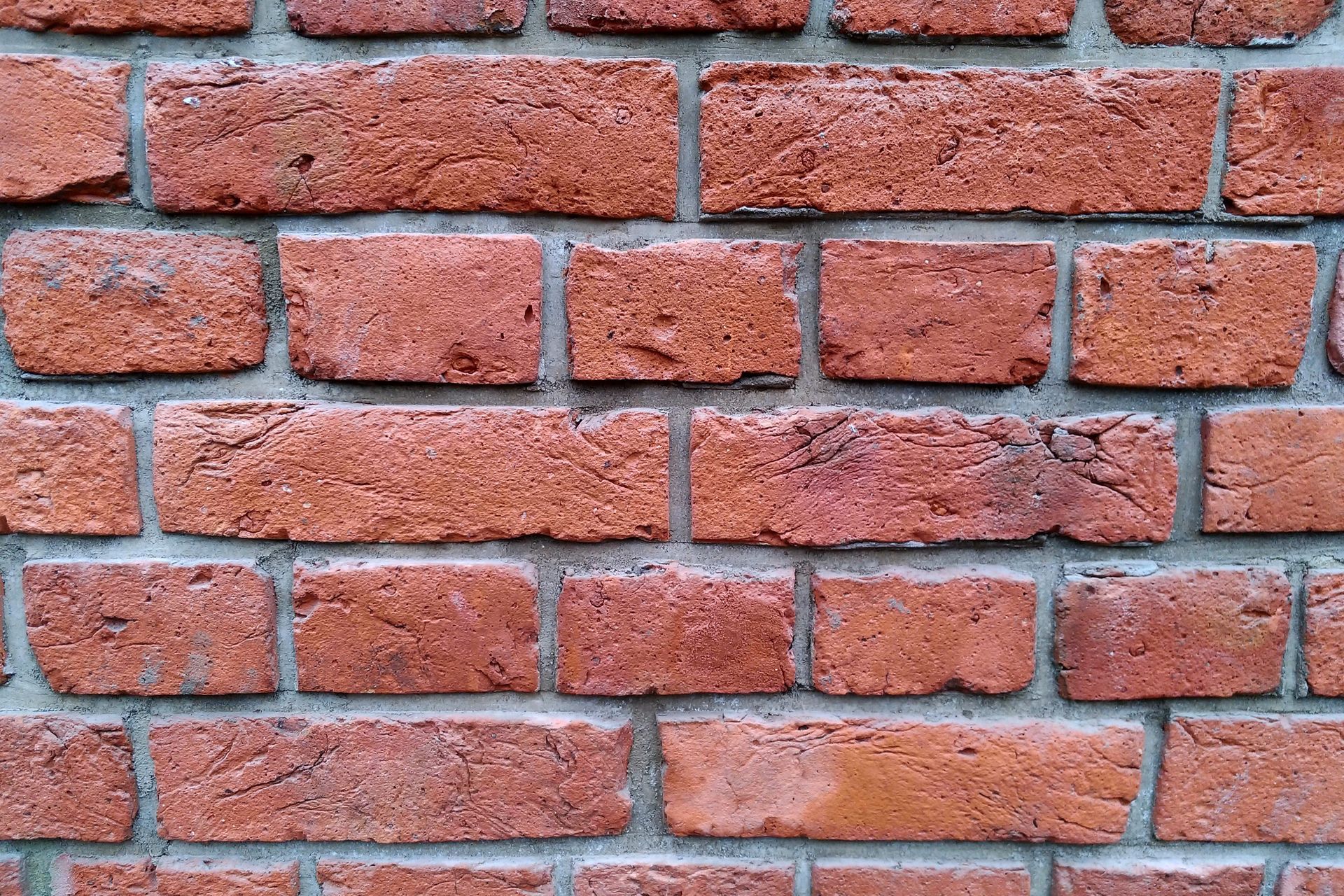
Masonry mortar is all around us, and you might have walked past a RestoreWorks tuckpointing project without realizing it. And that is exactly what we want to achieve. When we perform masonry tuckpointing, we match the mortar depth, color, and profile of the surrounding brick or stonework. In this article, we discuss tuckpointing in more detail, including the visible mortar failure signs to be aware of.
What Is Tuckpointing?
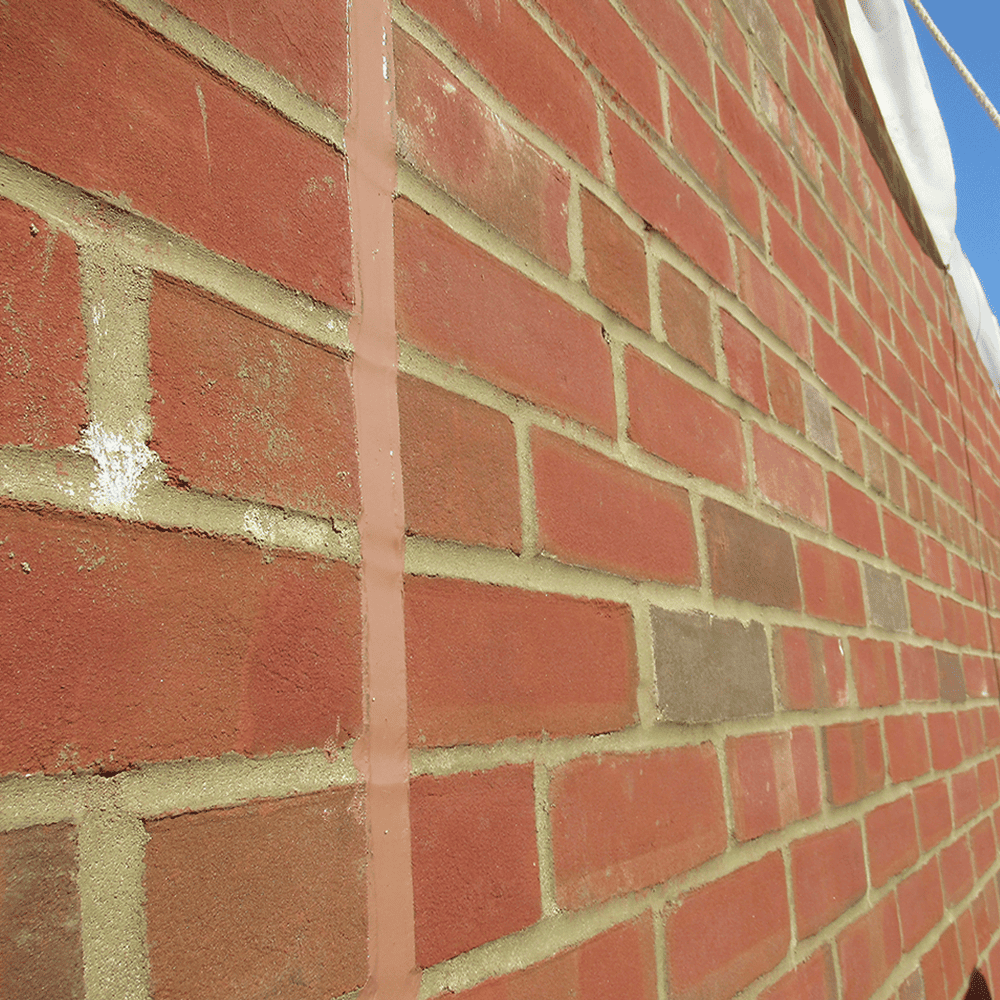
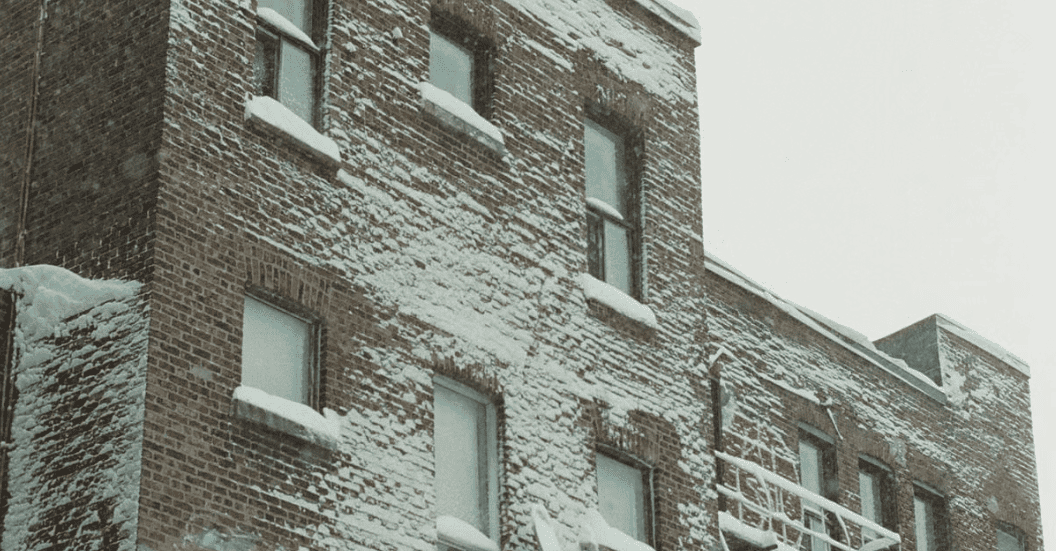
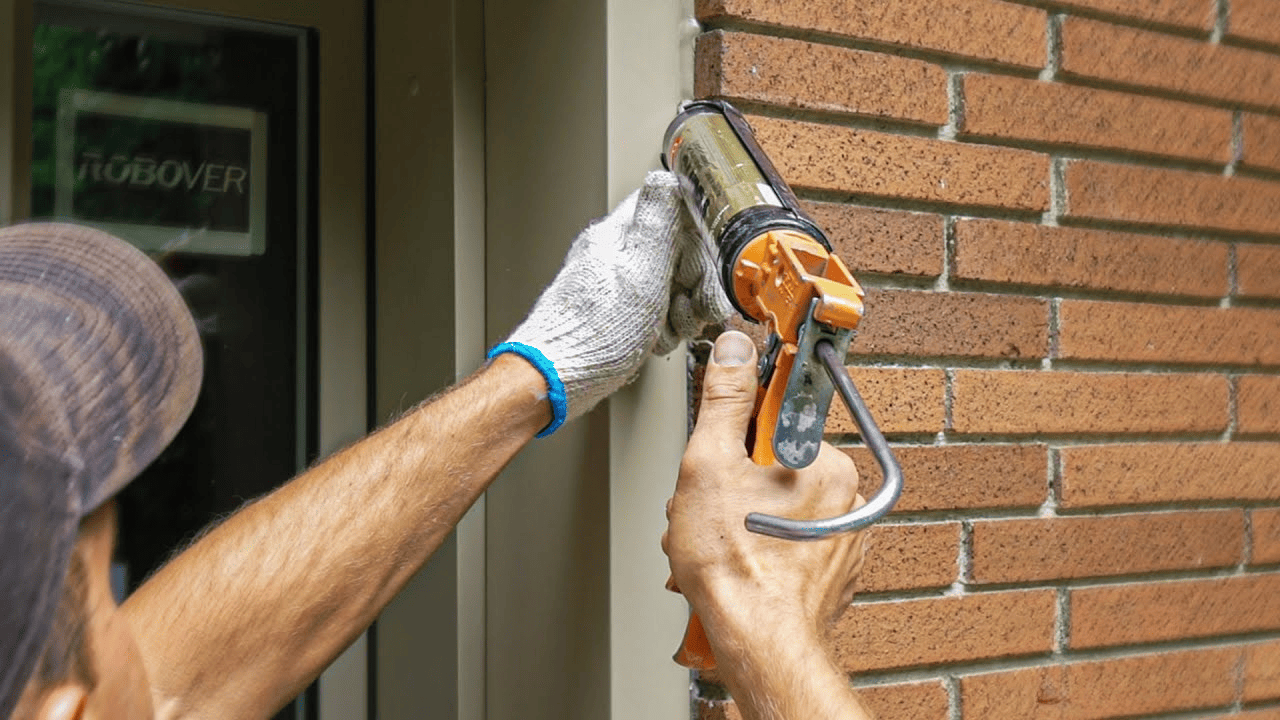
Tuckpointing is a masonry restoration technique that fixes the damaged mortar joints in brick and stone structures. The weather, normal wear and tear, and pollution damage mortar around stone and brickwork, leading to water and structural damage if left unattended. The RestoreWorks process for tuckpointing repairs is as follows:
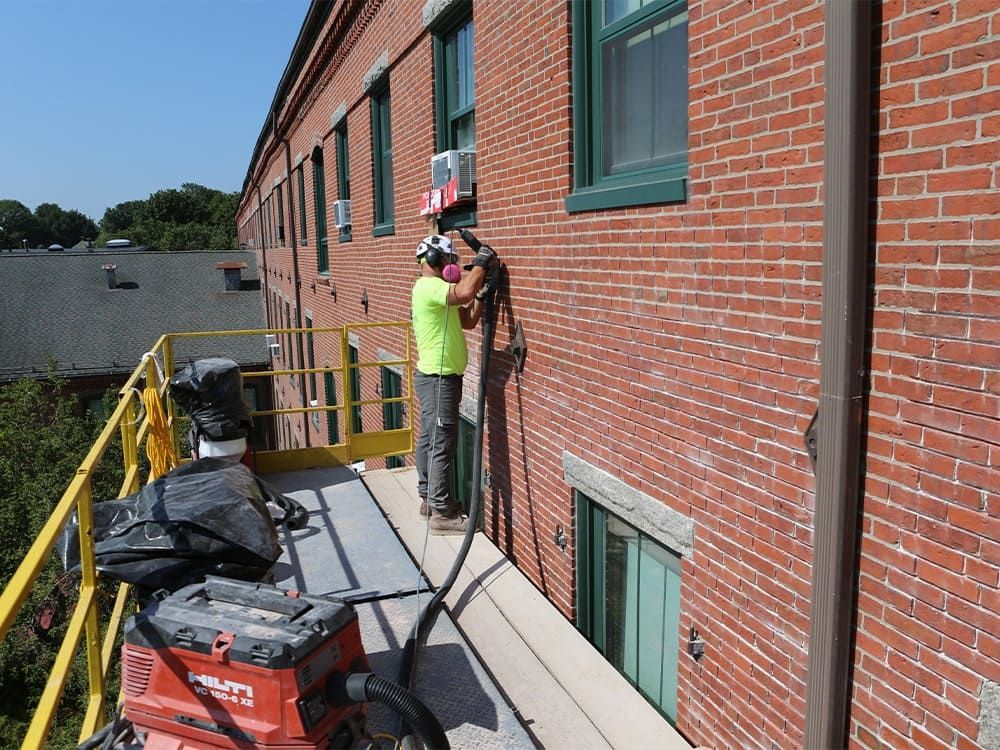
- We use diamond blade grinders with dust collection vacuum systems to clear the old mortar.
- We create mortar that perfectly matches the original mortar in color and composition.
- The new mortar is applied in multiple stages to ensure optimal durability.
- We use precise tooling to replicate the original joint profile.
- Our team thoroughly cleans the masonry surface.
- A rigorous final inspection is performed.
RestoreWorks follows the same tuckpointing procedure, whether your building is twenty or one hundred years old.
Signs Your Building Needs Masonry Tuckpointing
Are you a building owner or facilities manager? Have you noticed damaged mortar on the lower sections of your buildings? Don’t ignore the early signs of mortar failure. It might be even more extensive in the upper sections, which you would only notice when signs of water damage appear inside the building. Hire RestoreWorks to identify and repair the damaged mortar, thereby minimizing the risk of further damage. The following are signs that your building requires masonry tuckpointing:
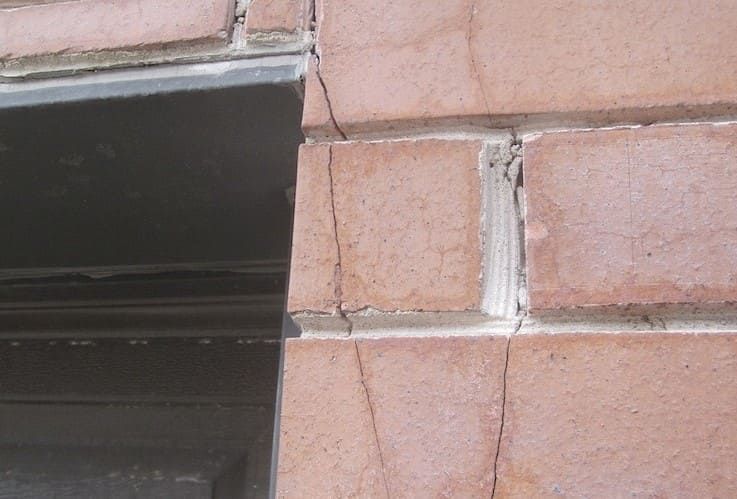
Crumbling mortar. There is clearly advanced decay when mortar crumbles.
Mortar gaps. Dislodged mortar is a safety risk for users moving around the outside of your building.
Mortar wear. The joint irregularities caused by mortar wear might not be conspicuous but could have severe consequences.
Thin mortar cracks. A thin crack can lengthen or widen, which increases the risk of water entering.
Benefits of Tuckpointing Before and After
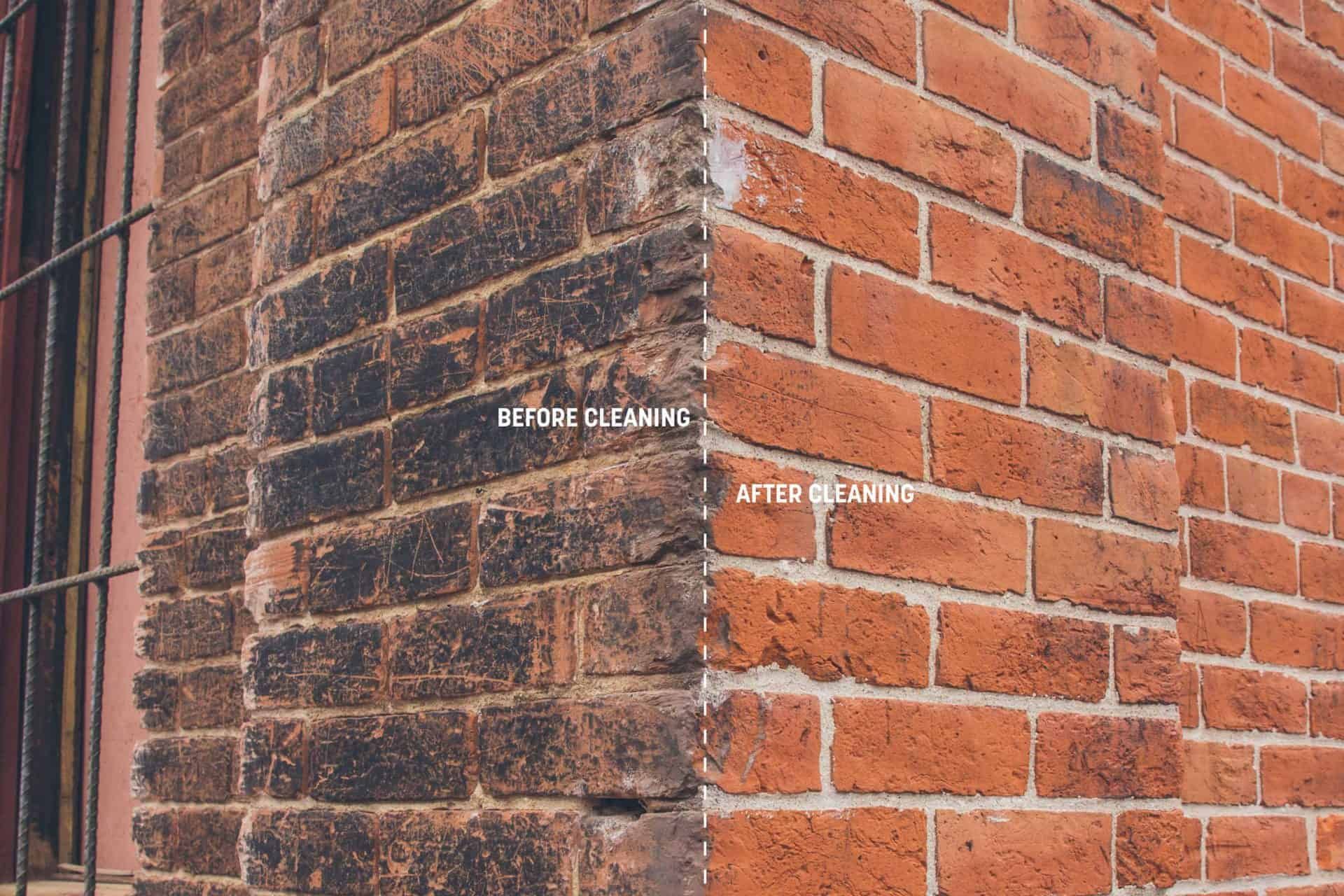
The best way to show the benefits of tuckpointing before and after is to highlight some of our projects. RestoreWorks is delighted to have collaborated with various general contractors and other professionals on these projects.
RestoreWorks worked for eight months on the
Navy Pier, which opened in 1916, and we had to minimize our impact on the scheduled events and conferences. We performed tuckpointing work on the Children’s Museum, amongst other buildings. Did you know we installed 12,000 feet of silicone sealant on the Crystal Garden glass dome? Other services include masonry restoration and
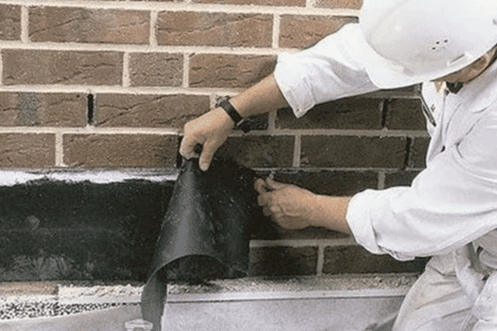
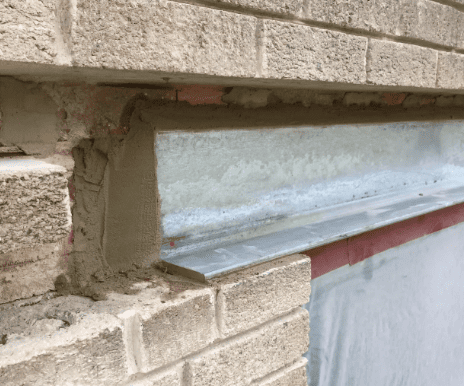
flashing repairs.
The
Churchview Supportive Living Community offers affordable assisted lifestyle housing to senior adults. Although a young building compared to Navy Pier, it has been affected by our extreme temperatures. We performed masonry restoration and repair services, including tuckpointing the top floor, with minimal tenant disruptions.
Ensuring Longevity with Regular Tuckpointing Maintenance
Building managers ensure preventative maintenance is performed on a building’s heating, ventilation, and air conditioning (HVAC) system, amongst others, but have you considered adding tuckpointing maintenance to your program? RestoreWorks can inspect the building, identify problematic areas, and provide you with damage repair recommendations. It protects the structure as a company asset and ensures its longevity. Our company is a member of the International Union of Bricklayers and Allied Craftworkers (BAC), Indiana Mason Contractors Association (IMCA), and other esteemed organizations. RestoreWorks has more than three decades of experience to back our expertise.
RestoreWorks is a commercial masonry restoration and restorative cleaning company working throughout the Chicago metropolitan area and Northwest Indiana. You now know what is tuckpointing. Contact us today to enjoy the benefits of masonry restoration by professionals.