How Heat Affects Masonry: Thermal Expansion, Cracking & Spalling Explained
Understanding the Effects of Heat on Masonry
Masonry is known for its durability, but even brick, stone, concrete, and mortar are constantly responding to changes in temperature.
One of the most overlooked aspects of building performance is the effect of heat on masonry. As temperatures rise, masonry materials expand. As temperatures drop, they contract. Over time, these repeated movements can place significant stress on a building envelope.
When thermal movement is not properly accommodated, masonry systems may develop cracking, displacement, moisture intrusion issues, and surface deterioration.
For commercial, institutional, and multi-family buildings throughout Chicago and Northwest Indiana, understanding how heat affects masonry can help property managers, engineers, architects, and building owners identify problems early and plan appropriate repairs.
What Is Thermal Expansion in Masonry?
Thermal expansion refers to the natural tendency of a material to expand when heated and contract when cooled. According to Designing Buildings Wiki's thermal expansion reference, thermal movement is a normal and generally reversible process, with materials expanding as temperatures rise and contracting as temperatures fall. All masonry materials experience thermal movement, including:
- Brick masonry
- Limestone
- Sandstone
- Concrete masonry units (CMU)
- Architectural precast concrete
- Mortar joints
- Steel lintels and structural supports
Although the amount of movement may appear small, the cumulative effect across large building elevations can be substantial.
For example, a long brick wall exposed to direct sunlight throughout the day may experience significantly different temperatures than shaded portions of the same building. This uneven heating can create stresses within the wall system that contribute to cracking and movement.

Why Thermal Movement Is a Significant Concern in Chicago
Chicago-area buildings face unique environmental conditions that increase thermal stress on masonry systems.
These factors include:
- Hot summer temperatures
- Cold winter temperatures
- Rapid temperature fluctuations
- Freeze-thaw cycles
- Lakefront exposure
- South- and west-facing elevations receiving prolonged sun exposure
It is not uncommon for masonry surfaces to experience temperature swings of more than 100°F throughout the year.
Over decades, these repeated expansion and contraction cycles can contribute to deterioration, particularly in aging masonry structures and historic buildings.
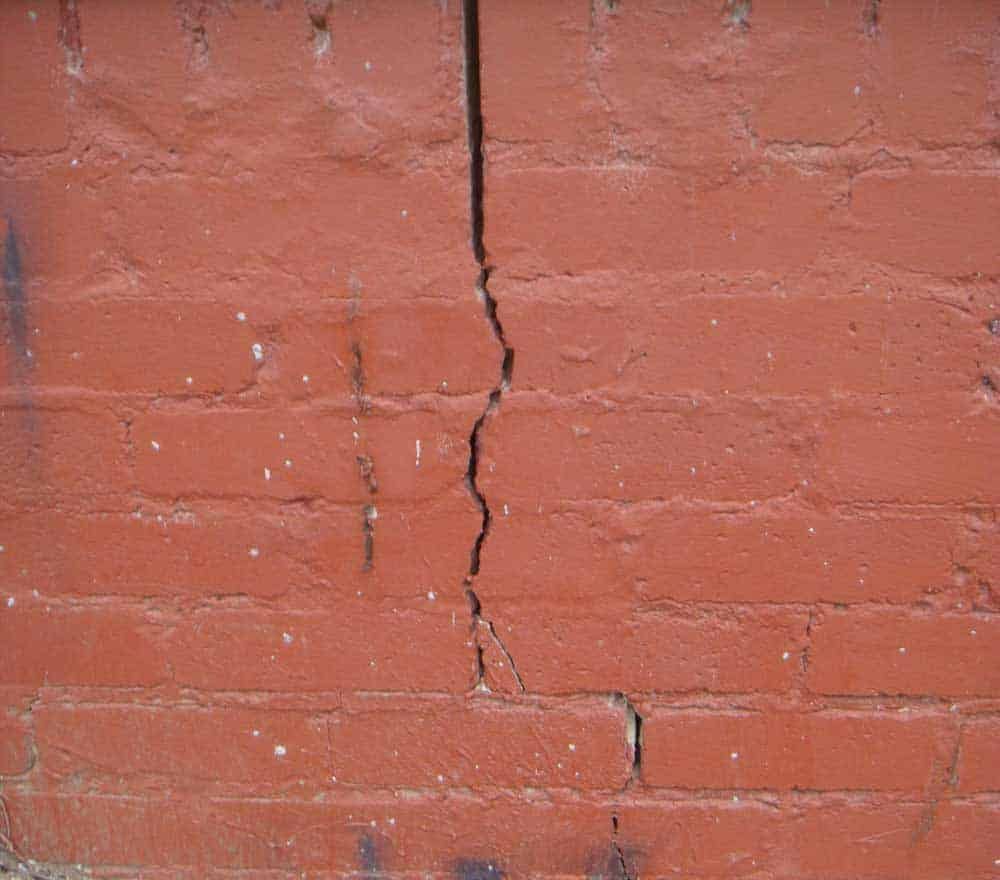
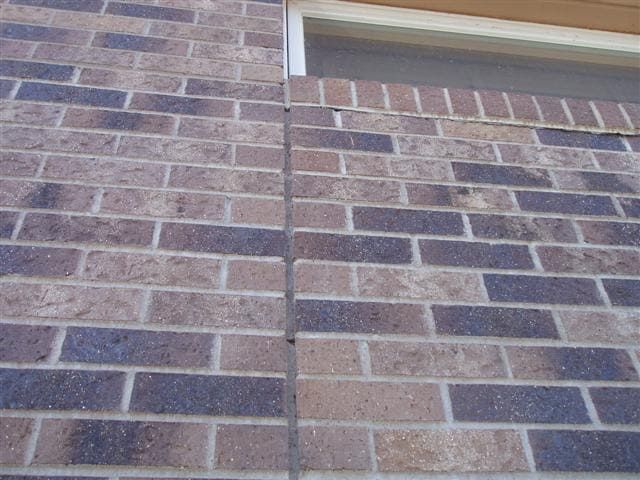
Deteriorated Expansion Joints
Expansion joints are specifically designed to accommodate thermal movement.
When sealants fail or joints become restricted, the masonry system may lose its ability to expand and contract properly.
This can increase stress within the wall assembly and accelerate cracking.
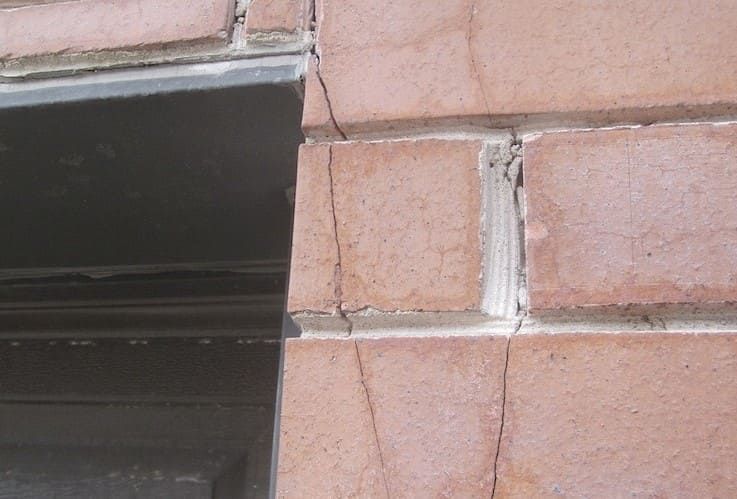
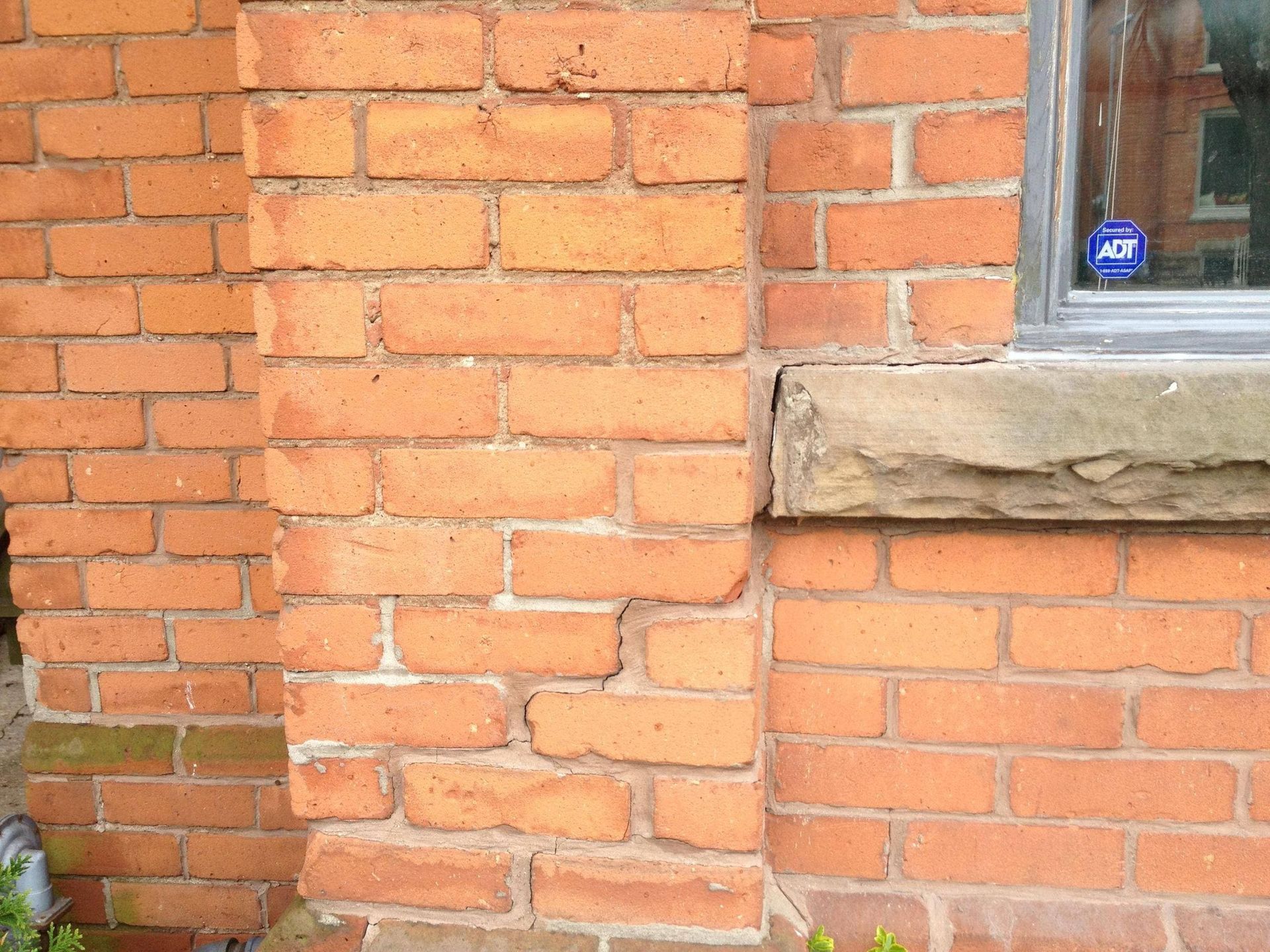
Movement Around Windows and Doors
Window perimeters are common stress points because multiple materials are interacting within a relatively small area.
Signs may include:
- Cracked mortar joints
- Failed sealants
- Masonry displacement
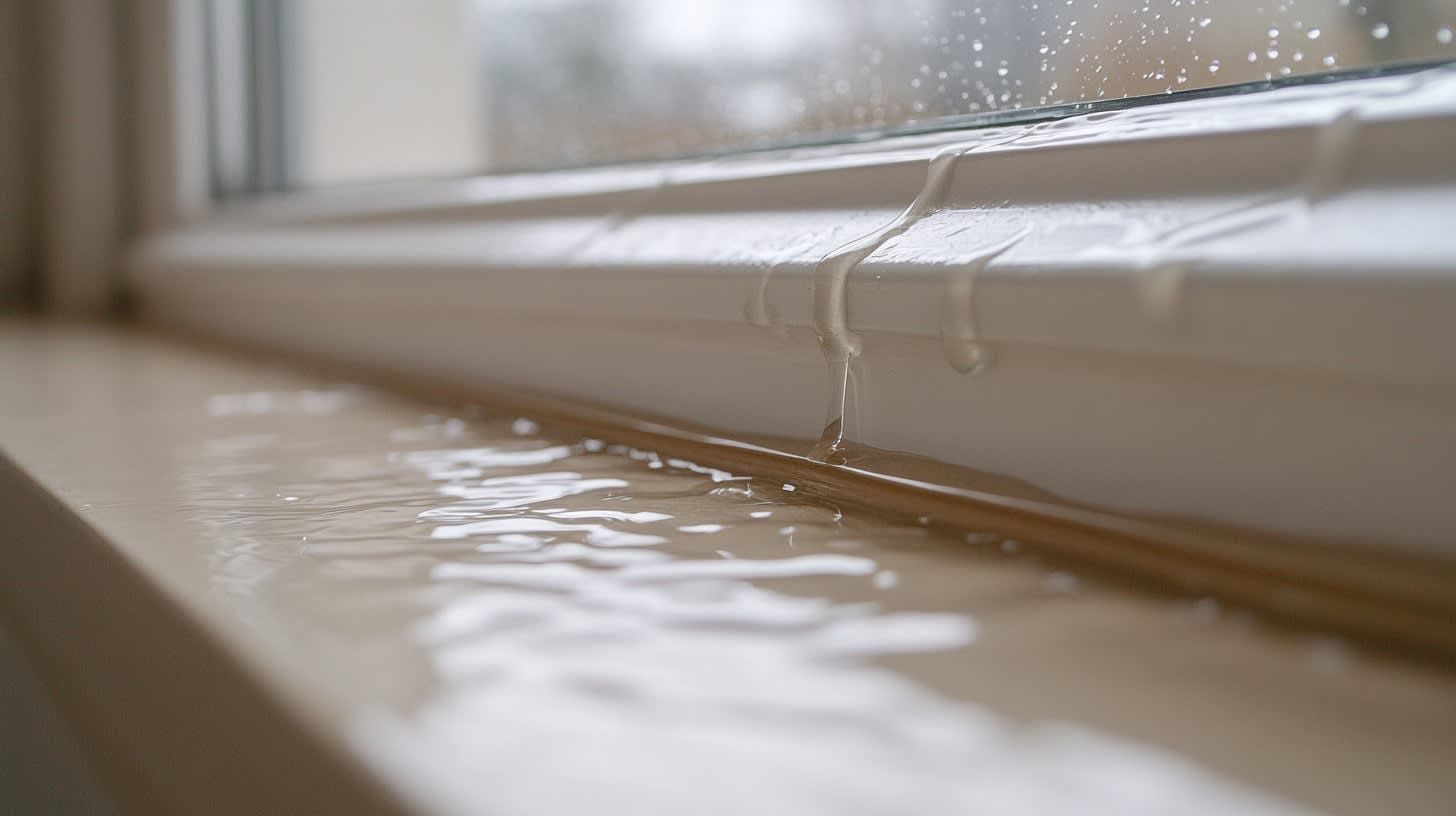
- Water infiltration around openings
These conditions often become more pronounced as thermal movement continues over time.
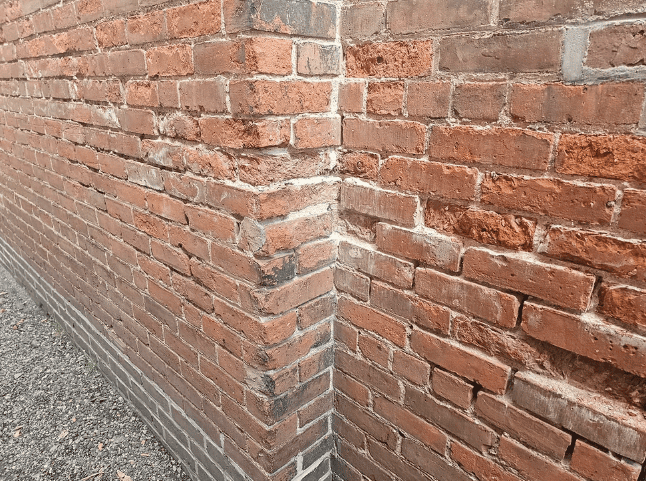
How Heat Can Contribute to Masonry Spalling
Spalling occurs when the surface of masonry materials begins to crack, flake, chip, or break away.
While moisture is often a primary contributor to spalling, thermal stress can play an important supporting role.
Repeated Expansion and Contraction
As masonry expands and contracts, microscopic cracks may develop within the material.
Over time, these cracks can:
- Allow water infiltration
- Increase internal stresses
- Accelerate weathering
- Contribute to surface deterioration
Once moisture enters the masonry system, freeze-thaw cycles can further worsen the damage.
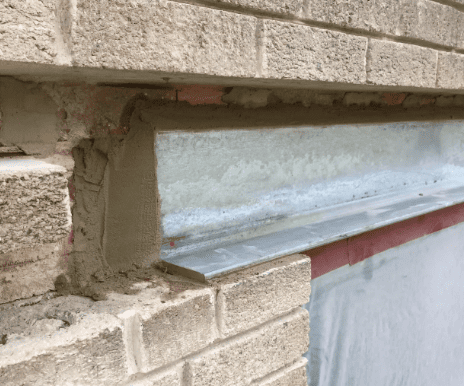
Thermal Stress Around Embedded Steel
Many masonry buildings contain embedded steel components, including lintels and structural supports.
Steel expands when heated and can exert pressure on surrounding masonry.
When corrosion is also present, the combined effects of rust expansion and thermal movement may contribute to:
- Cracked masonry
- Displaced brickwork
- Stone fractures
- Spalling around openings
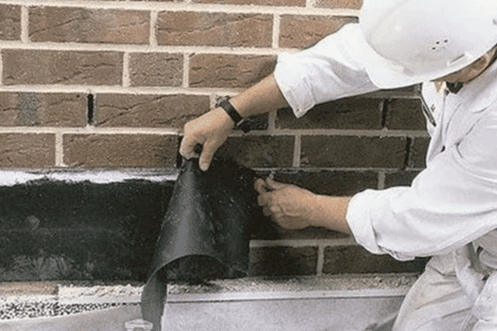
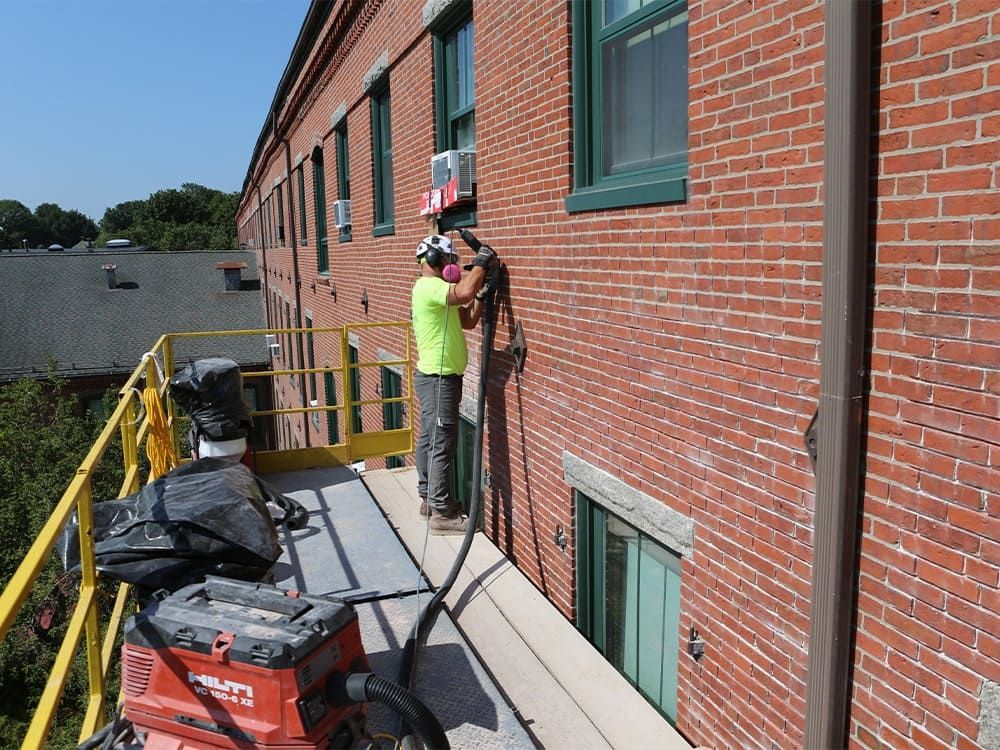
This is one reason lintel and shelf flashing repair projects often involve addressing both moisture management and masonry deterioration.
Which Areas of a Building Are Most Vulnerable?
Certain portions of a building typically experience greater thermal stress than others.
These commonly include:
- South-facing elevations
- West-facing elevations
- Parapet walls
- Window perimeters
- Expansion joints
- Balcony connections
- Roof-to-wall transitions
- Areas with prolonged sun exposure
These locations should receive special attention during routine building inspections.
How Building Design Helps Manage Thermal Movement
Modern building design incorporates several strategies to accommodate thermal expansion. In addition to expansion joints and movement joints, factors such as building orientation can influence how masonry responds to temperature fluctuations. According to the American Institute of Architects (AIA), western and south-facing building surfaces often experience greater solar heat gain, which can increase temperature-related stresses on exterior building components.
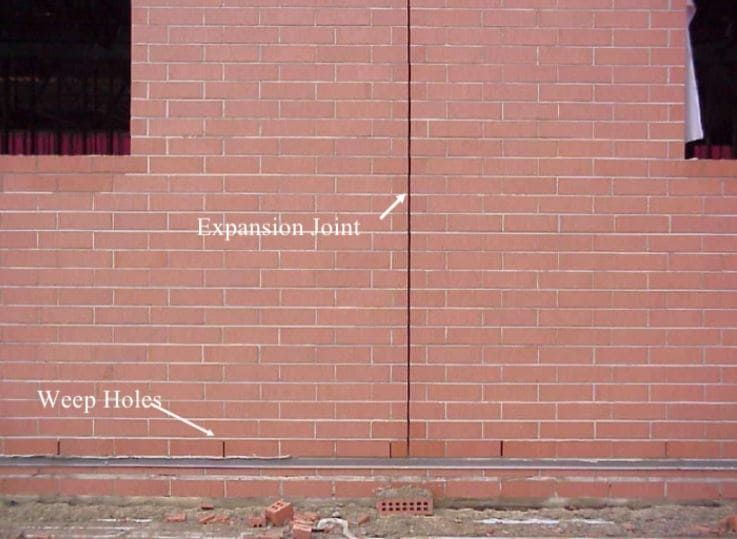
Expansion Joints
Expansion joints create intentional breaks within a masonry system that allow controlled movement.
When properly designed and maintained, they help reduce stress and minimize cracking.
Flexible Sealants
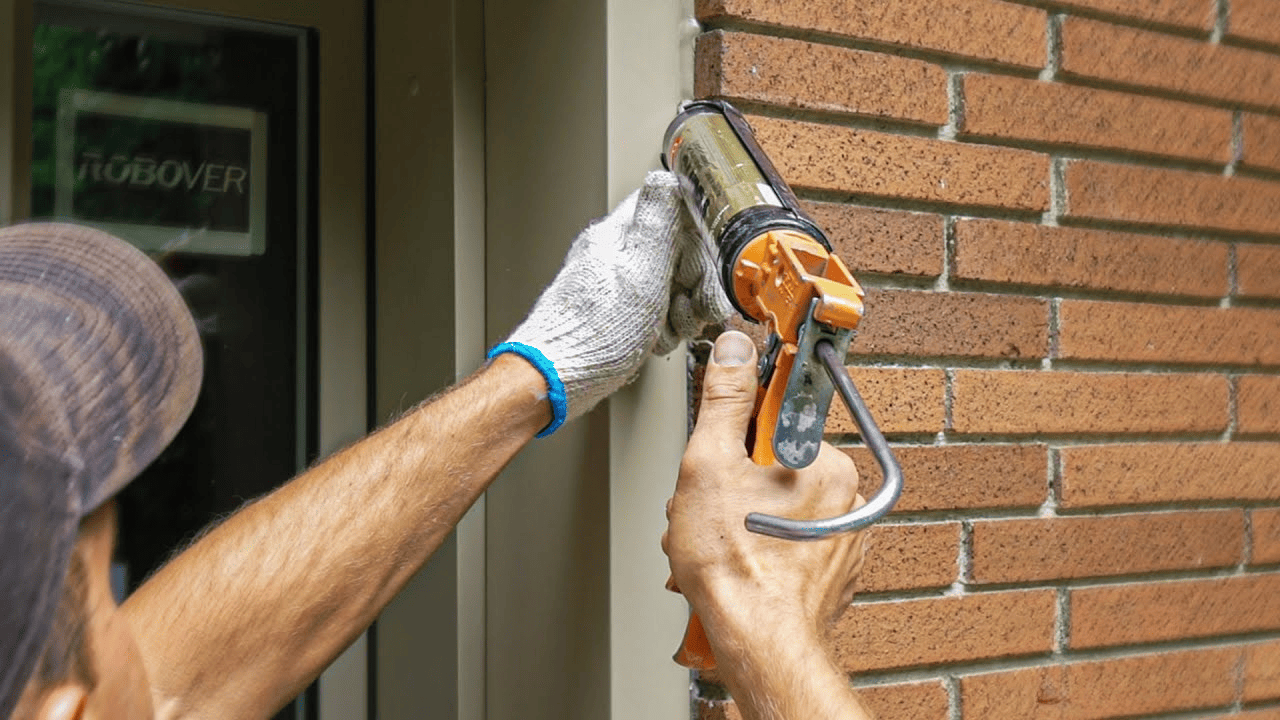
Sealants installed within movement joints allow building components to expand and contract while maintaining a weather-resistant seal.
Regular inspection and replacement are important to ensure continued performance.
Proper Flashing and Moisture Management
Thermal movement and moisture intrusion often work together to accelerate deterioration.
Effective flashing systems help direct water out of the wall assembly and reduce the risk of long-term masonry damage.
When Should Building Owners Be Concerned?
Not all thermal movement indicates a structural problem.
However, building owners should consider a professional evaluation when they observe:
- Growing masonry cracks
- Repeated cracking after previous repairs
- Spalling brick or stone
- Water infiltration
- Bulging masonry walls
- Failed expansion joints
- Rust staining above windows or doors
Early assessment often allows repairs to be completed before deterioration becomes more extensive and costly. Identifying visible damage is important, but determining the underlying cause is equally critical. As discussed in a structural inspection and repair article published by CRE Insight Journal, repairs that address symptoms without addressing the source of movement, moisture intrusion, or other contributing factors may only provide a temporary solution.
Why Routine Masonry Inspections Matter
Many heat-related masonry issues develop slowly over years or decades.
Routine building envelope assessments can help identify:
- Active cracking
- Failed sealants
- Expansion joint deficiencies
- Moisture intrusion pathways
- Deteriorating mortar joints
- Early signs of spalling
For older commercial and institutional buildings throughout Chicago and Northwest Indiana, periodic inspections can help prioritize maintenance budgets and reduce the likelihood of emergency repairs.
Protecting Masonry Buildings from Long-Term Thermal Damage
The effects of heat on masonry are rarely immediate. Instead, deterioration typically develops through years of repeated thermal expansion and contraction.
When combined with moisture intrusion, freeze-thaw cycling, and aging building materials, thermal movement can contribute to cracking, spalling, and other forms of masonry deterioration.
Understanding how these forces affect a building allows owners, property managers, architects, and engineers to identify concerns early and develop appropriate repair strategies. In many cases, proactive masonry restoration can help address thermal movement-related deterioration before more extensive repairs become necessary and help extend the service life of the structure.
Frequently Asked Questions
How does heat affect masonry?
Heat causes masonry materials to expand. As temperatures cool, the materials contract. Repeated expansion and contraction cycles create thermal stress that can contribute to cracking, joint deterioration, and long-term masonry damage.
Can hot weather cause brick walls to crack?
Hot weather alone rarely causes significant cracking. However, years of thermal expansion and contraction can contribute to masonry cracks, particularly when expansion joints are inadequate or building movement is restricted.
What is thermal expansion in brick masonry?
Thermal expansion is the natural increase in size that occurs when brick masonry heats up. Because brick walls can be very large, even small amounts of movement can create significant stresses within a building system.
Does thermal expansion cause masonry spalling?
Thermal expansion can contribute to spalling by creating internal stresses and small cracks that allow moisture infiltration. Once water enters the masonry system, freeze-thaw cycles often accelerate deterioration.
How often should masonry buildings be inspected?
Many building envelope professionals recommend periodic inspections every few years, with more frequent evaluations for older buildings, historic structures, or properties showing signs of active deterioration.
If you have more question about how heat affects masonry, contact RestoreWorks today.