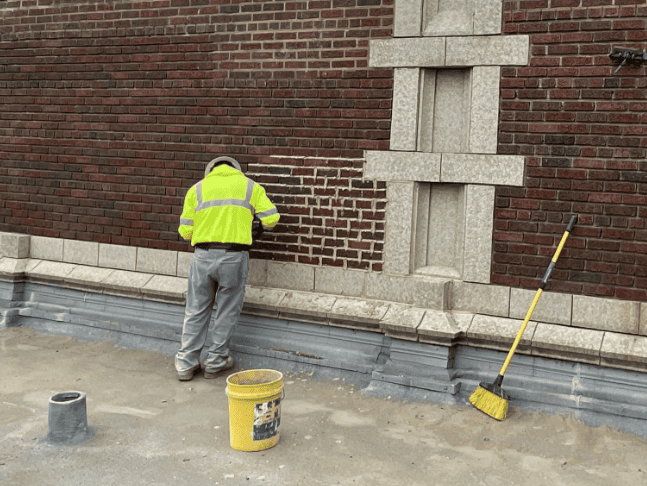
Why Building Envelopes Fail and How to Fix Them
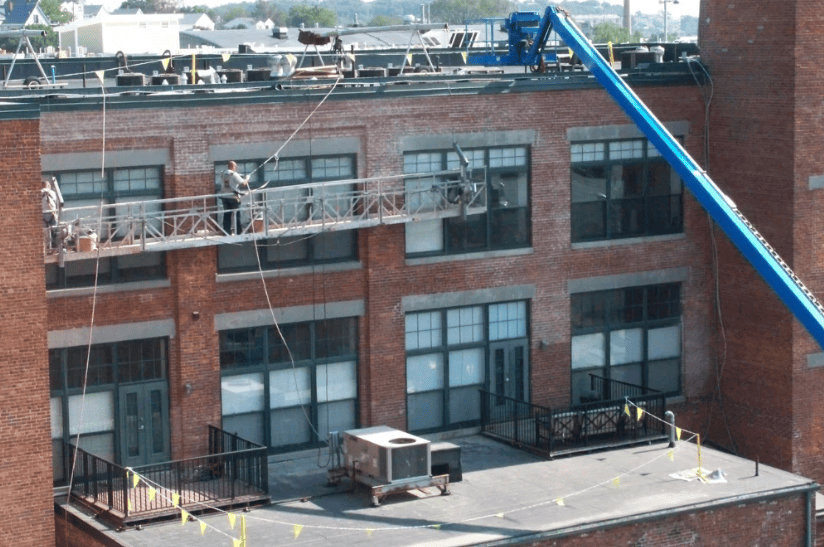
A commercial building envelope is the first line of defense against weather, moisture, temperature changes, and air infiltration. When one component begins to fail, the damage often spreads well beyond the original problem, resulting in water intrusion, deteriorating masonry, corrosion, interior damage, and expensive repairs.
The Canadian Condominium Institute notes that building envelope problems such as water infiltration, hidden mold growth, and insulation failures often develop unnoticed until visible damage appears. By that point, repairs are frequently far more extensive and costly than if the issues had been identified through routine maintenance.
For commercial property managers, building owners, architects, and structural engineers, understanding how building envelope failures develop is essential for protecting long-term building performance. In many cases, the earliest signs of deterioration are subtle, making routine inspections and preventative maintenance critical.
What Is a Building Envelope?
A building envelope consists of all the exterior components that separate the conditioned interior of a building from the outside environment.
Together, these systems control:
- Water infiltration
- Air leakage
- Heat transfer
- Moisture movement
- Structural durability
A commercial building envelope typically includes:
- Brick, stone, concrete, or other façade materials
- Mortar joints
- Expansion joints
- Sealants
- Flashing systems
- Windows and doors
- Roofing interfaces
- Structural supports such as steel lintels
Each component depends on the others to keep water and air out of the building. When one element begins to deteriorate, neighboring components often become vulnerable as well
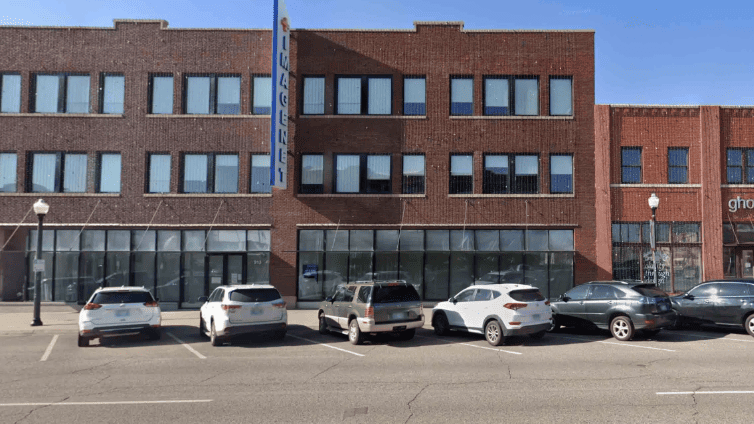
Water Infiltration
Water is the leading cause of building envelope deterioration.
Moisture can enter through:
- Failed sealant joints
- Cracked mortar joints
- Missing flashing
- Improper drainage details
- Open masonry joints
- Deteriorated coping systems
Once moisture enters the wall assembly, it can cause corrosion, mold, freeze-thaw damage, interior leaks, and deterioration of surrounding materials.
Deferred Maintenance
Small problems become expensive when maintenance is delayed.
Examples include:
- Missing mortar
- Failed caulking
- Loose masonry units
- Minor cracks
- Blocked weep holes
Addressing these issues early is typically far less costly than repairing widespread water damage later.
Freeze-Thaw Cycling
Chicago's climate creates ideal conditions for freeze-thaw deterioration.
When water enters masonry and temperatures drop below freezing, the water expands as it turns to ice. Repeated freeze-thaw cycles place significant stress on brick, stone, mortar, and concrete, eventually causing cracking, spalling, and displacement.
According to Risk Management Magazine, repeated wetting and drying combined with freeze-thaw cycling can accelerate the aging of porous building materials such as masonry, mortar, and stone. As deterioration progresses, these materials become more susceptible to moisture intrusion and additional weather-related damage.
Buildings near Lake Michigan may experience additional exposure due to increased moisture and wind-driven rain.
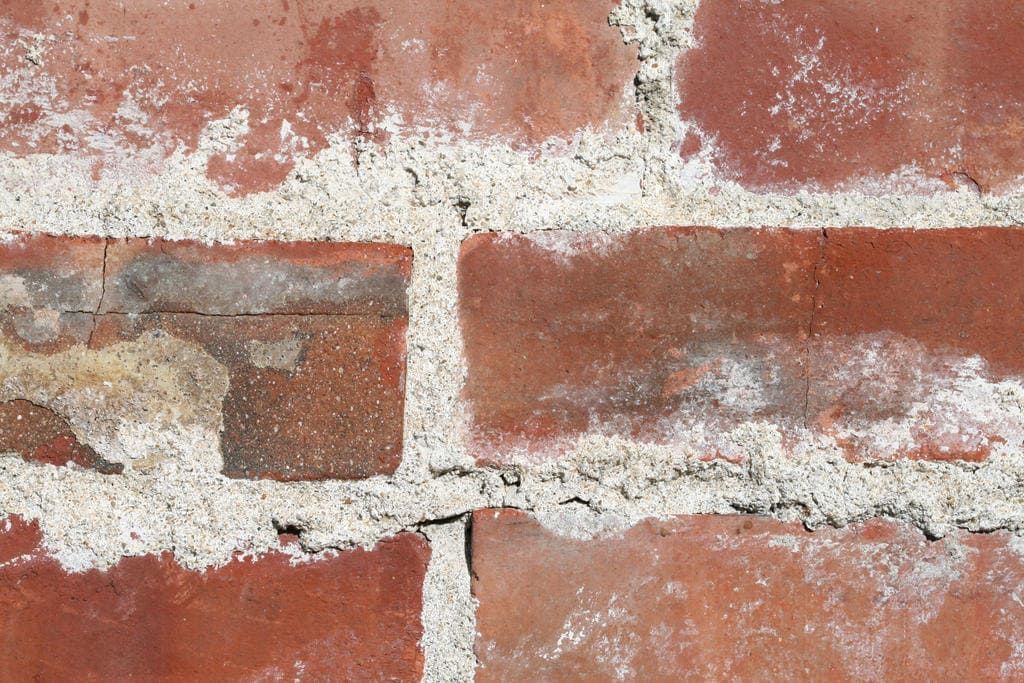
Aging Materials
Even properly installed building envelope systems eventually wear out.
Over time:
- Sealants lose flexibility.
- Mortar erodes.
- Flashing deteriorates.
- Steel components begin to corrode.
- Concrete develops cracks.
- Protective coatings weather away.
Routine building envelope maintenance helps identify these aging materials before they fail.
Improper Installation
Some building envelope problems originate during construction rather than from age.
Examples include:
- Improper flashing installation
- Missing end dams
- Poor sealant application
- Incorrect mortar selection
- Inadequate drainage detailing
- Improper window integration
Many of these issues remain hidden until moisture begins appearing inside the building.
Common Signs of Building Envelope Failure
Building envelope failures often develop gradually.
Watch for warning signs such as:
- Interior water leaks
- Efflorescence (white mineral deposits)
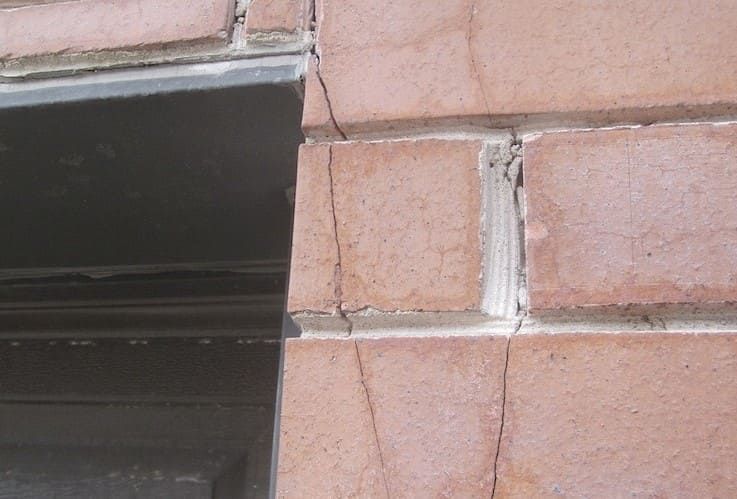
- Cracked masonry
- Spalling brick or concrete
- Rust staining
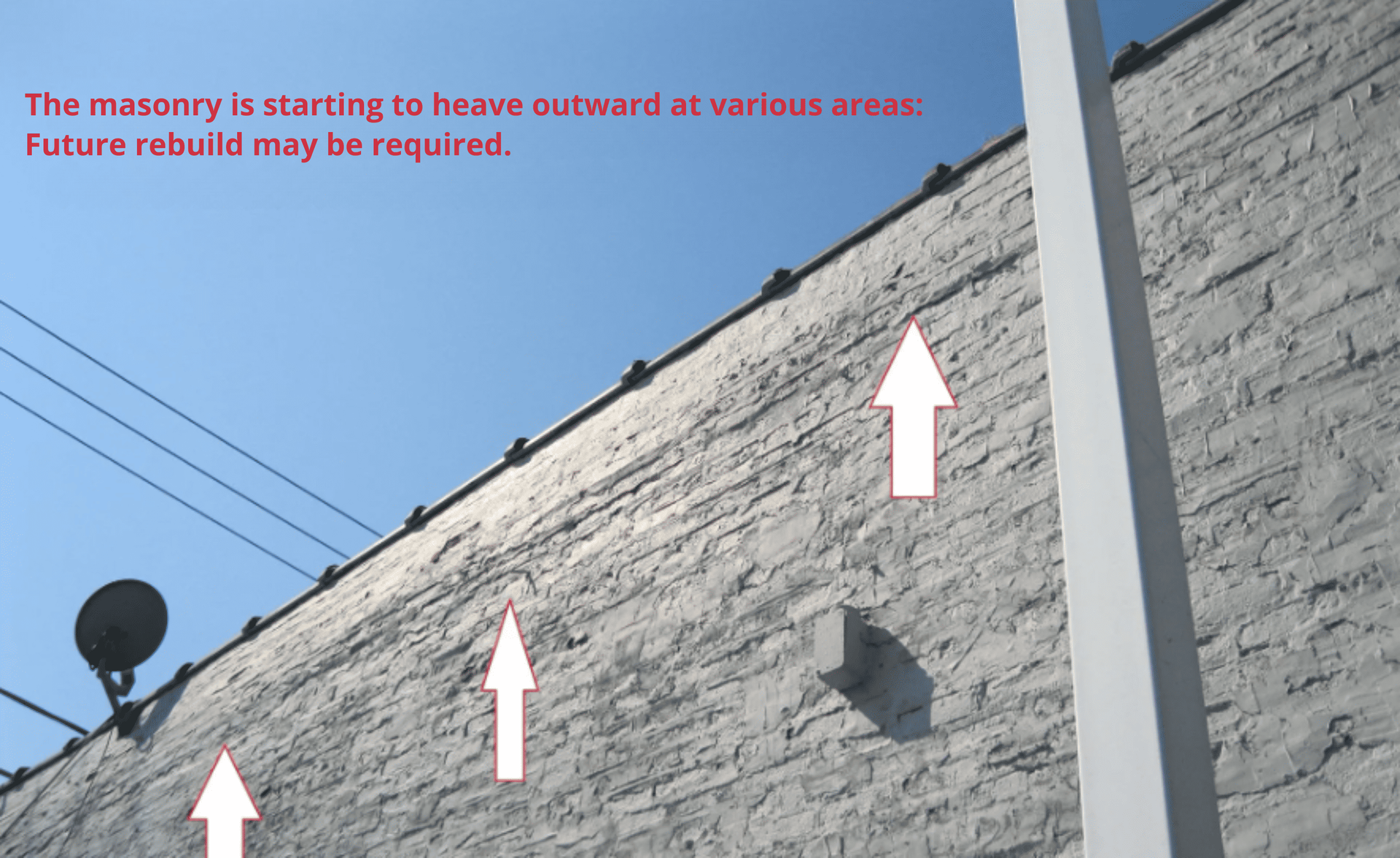
- Bulging masonry
- Loose façade materials
- Failed sealant joints
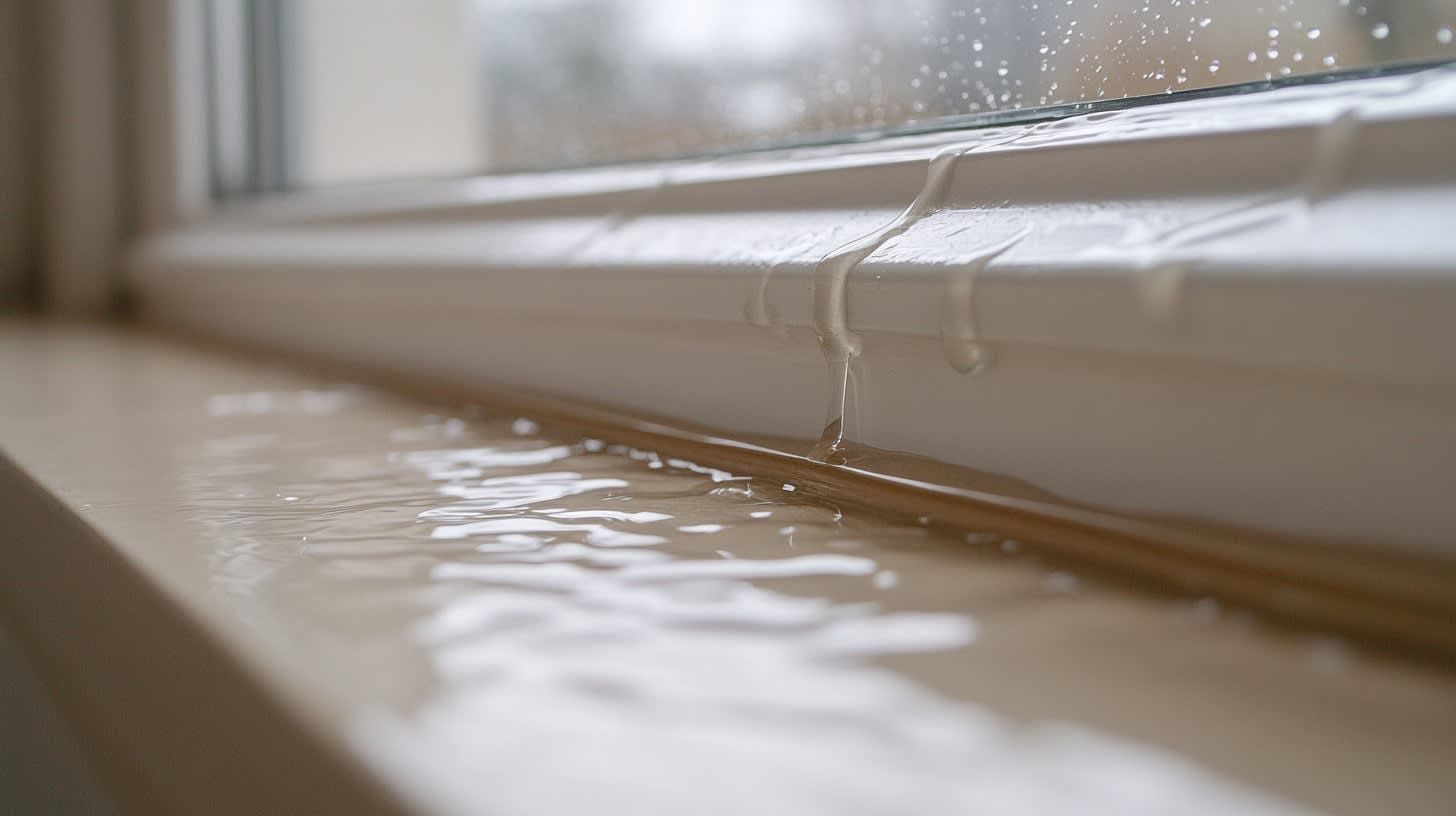
- Water staining around windows
- Interior drywall damage
- Mold or persistent moisture
While these symptoms may appear localized, they often indicate larger moisture management issues within the building envelope.
Which Parts of the Building Envelope Fail Most Often?
Certain building envelope components experience greater weather exposure than others.
Mortar Joints
Mortar is intentionally designed to weather before the surrounding masonry.
As mortar deteriorates, water gains access to the wall system, making tuckpointing an important preventative maintenance strategy.
Sealants
Sealant joints around windows, control joints, expansion joints, and penetrations often have shorter service lives than masonry.
Once sealants fail, water infiltration can increase rapidly.
Flashing Systems
Flashing directs water back to the exterior before it reaches interior building components.
Damaged or improperly installed flashing may allow water to accumulate inside wall cavities.
Steel Lintels
Steel lintels support masonry above windows and doors.
When moisture repeatedly reaches embedded steel, corrosion develops. As rust expands, it can crack surrounding masonry and displace brick.
Concrete Elements
Concrete balconies, coping stones, and façade components may develop cracking as moisture, corrosion, and freeze-thaw cycles progress.
How Building Envelope Repair Addresses the Problem
Successful building envelope repair focuses on correcting the source of water intrusion rather than simply repairing visible damage.
Depending on the condition of the building, repairs may include:
Masonry Restoration
Damaged brick, stone, or masonry units are repaired or replaced while maintaining the structural integrity and appearance of the façade.
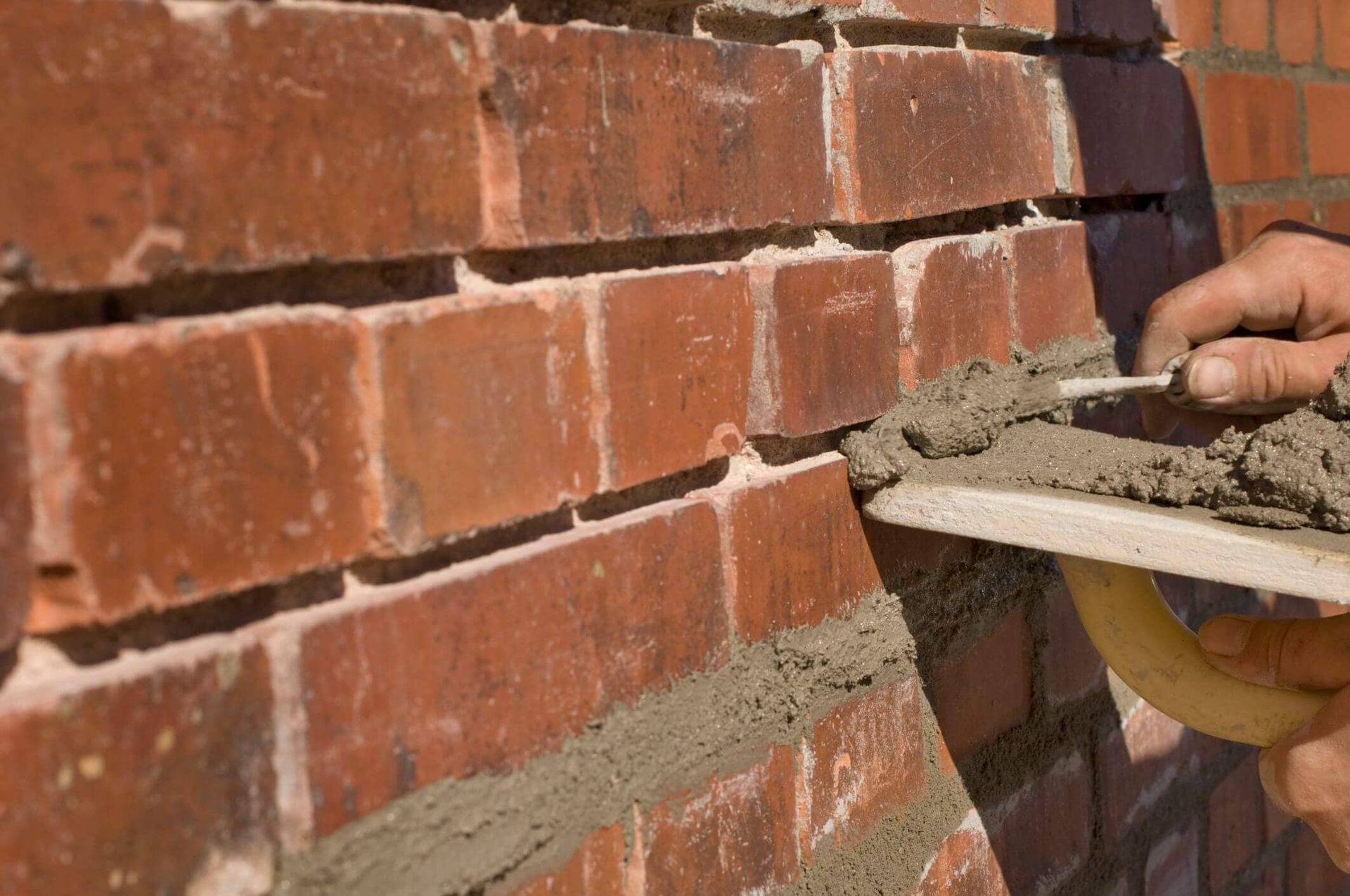
Commercial Tuckpointing
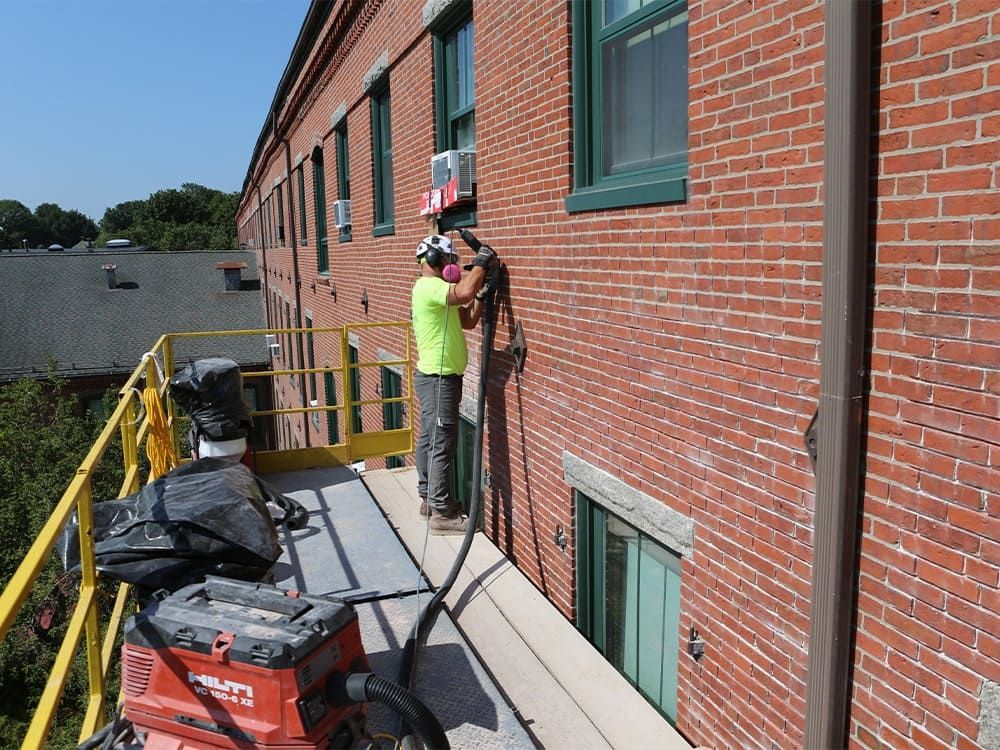
Replacing deteriorated mortar joints restores weather resistance while helping reduce moisture infiltration.
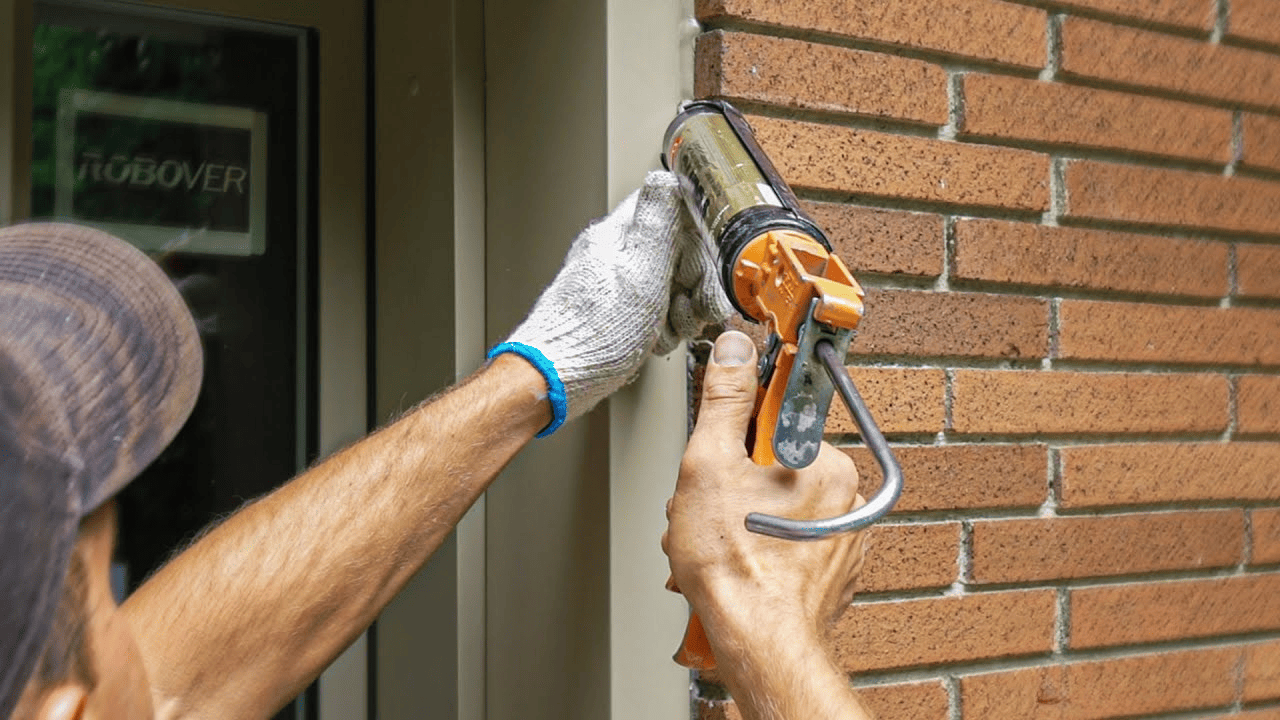
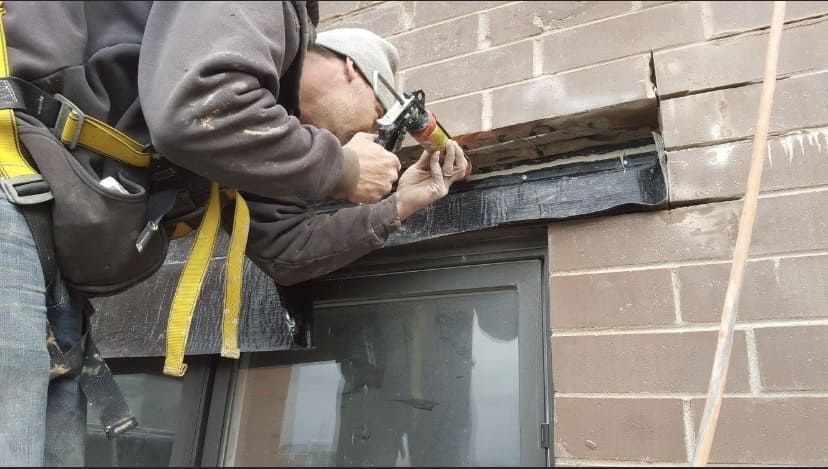
Caulking and Sealant Repairs
Replacing failed sealants restores movement capability while preventing water intrusion around windows, expansion joints, and penetrations.
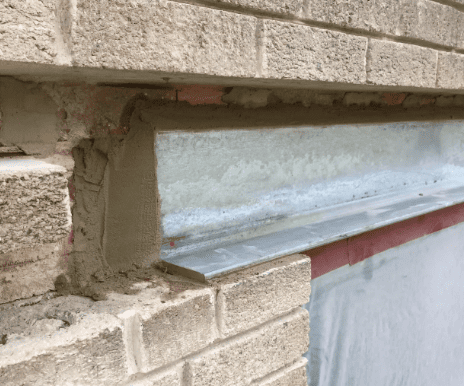
Lintel and Shelf Flashing Repairs
Repairing corroded steel lintels and installing properly functioning flashing systems helps redirect moisture away from vulnerable wall assemblies.
Concrete Façade and Balcony Repairs
Repairing deteriorated concrete restores structural performance while protecting embedded reinforcing steel from continued corrosion.
Why Building Envelope Maintenance Matters
Building envelope maintenance is significantly less expensive than repairing widespread deterioration after years of water infiltration.
A proactive maintenance program can help:
- Extend the service life of façade systems
- Reduce emergency repairs
- Improve occupant comfort
- Protect structural components
- Minimize interior water damage
- Lower long-term repair costs
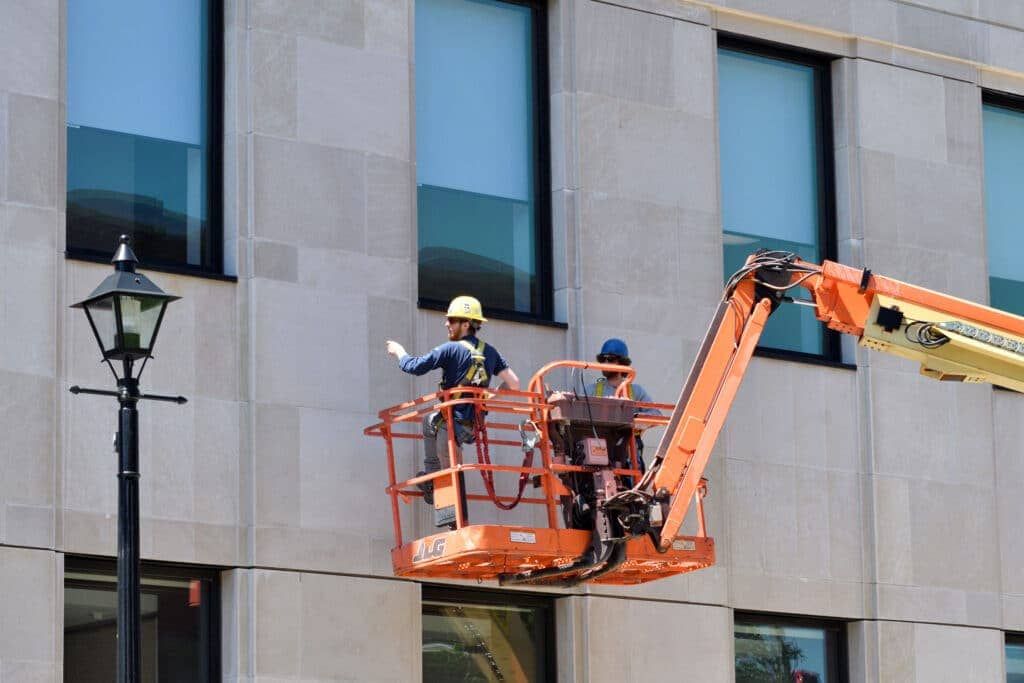
Many commercial buildings benefit from periodic façade inspections that identify developing problems before they become major restoration projects.
Chicago Building Envelope Challenges
Commercial buildings throughout the Chicago region experience environmental conditions that place continual stress on building envelope systems. According to research conducted by the Illinois-Indiana Sea Grant and the Midwestern Regional Climate Center for the City of Chicago, the region is expected to experience more freeze-thaw cycles, greater winter precipitation, heavier wet snowfall, and an increase in winter rainfall, all of which can accelerate deterioration of exterior building materials.
Common local challenges include:
- Frequent freeze-thaw cycles
- Wind-driven rain
- Heavy seasonal temperature swings
- Snow and ice accumulation
- Aging masonry buildings
- Historic façade systems requiring specialized restoration
The same research notes that increased freeze-thaw cycles can contribute to cracking and spalling of concrete while also affecting the integrity of building components, reinforcing the importance of regular façade inspections and proactive maintenance.
For commercial and multi-family properties throughout the Chicago area, routine building envelope inspections and preventative maintenance can help identify developing issues before they result in more extensive water intrusion or structural deterioration.
When Should You Schedule a Building Envelope Inspection?
Consider scheduling a professional evaluation if your building shows any of the following:
- Water leaks after heavy rain
- Visible masonry cracking
- Loose or displaced brick
- Rust staining above windows
- Failing sealants
- Efflorescence
- Spalling brick or concrete
- Aging façade materials with no recent maintenance history
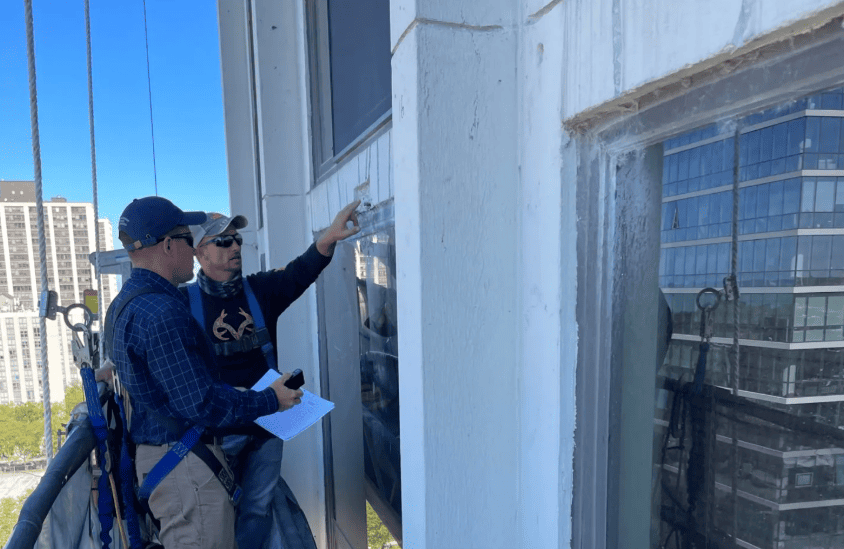
Early evaluations often identify isolated repairs before moisture causes more extensive damage throughout the building envelope.
Frequently Asked Questions About Building Envelope Failures and Repairs
What is building envelope repair?
Building envelope repair involves restoring exterior building systems that protect against water, air, and moisture intrusion. Repairs may include masonry restoration, tuckpointing, sealant replacement, flashing repairs, concrete repairs, and other work that restores the building's weather resistance.
What causes building envelope failure?
Building envelope failure is most commonly caused by water infiltration, aging materials, deferred maintenance, freeze-thaw cycles, and improper installation. These issues often work together over time, allowing moisture to damage multiple building components.
How often should a commercial building envelope be inspected?
Most commercial buildings should receive periodic exterior inspections, especially as they age or after severe weather events. Buildings exposed to harsh climates or significant moisture should generally be evaluated more frequently to identify developing problems before repairs become more extensive.
Is building envelope maintenance worth the cost?
Yes. Routine building envelope maintenance can identify small issues before they lead to structural deterioration, interior water damage, corrosion, or major restoration projects. Preventative maintenance is typically far less expensive than large-scale repairs resulting from long-term water infiltration.
Protect Your Building Envelope Before Small Problems Become Major Repairs
Building envelope failures often begin with minor issues that are difficult to detect until water intrusion or visible deterioration occurs. Routine inspections and proactive maintenance can help identify developing problems early, reducing long-term repair costs and extending the service life of your building.
If your commercial or multi-family property is showing signs of building envelope deterioration, the RestoreWorks team can evaluate your façade, identify the underlying causes, and recommend repair solutions tailored to your building's condition.
Contact RestoreWorks today to schedule a commercial building envelope evaluation.