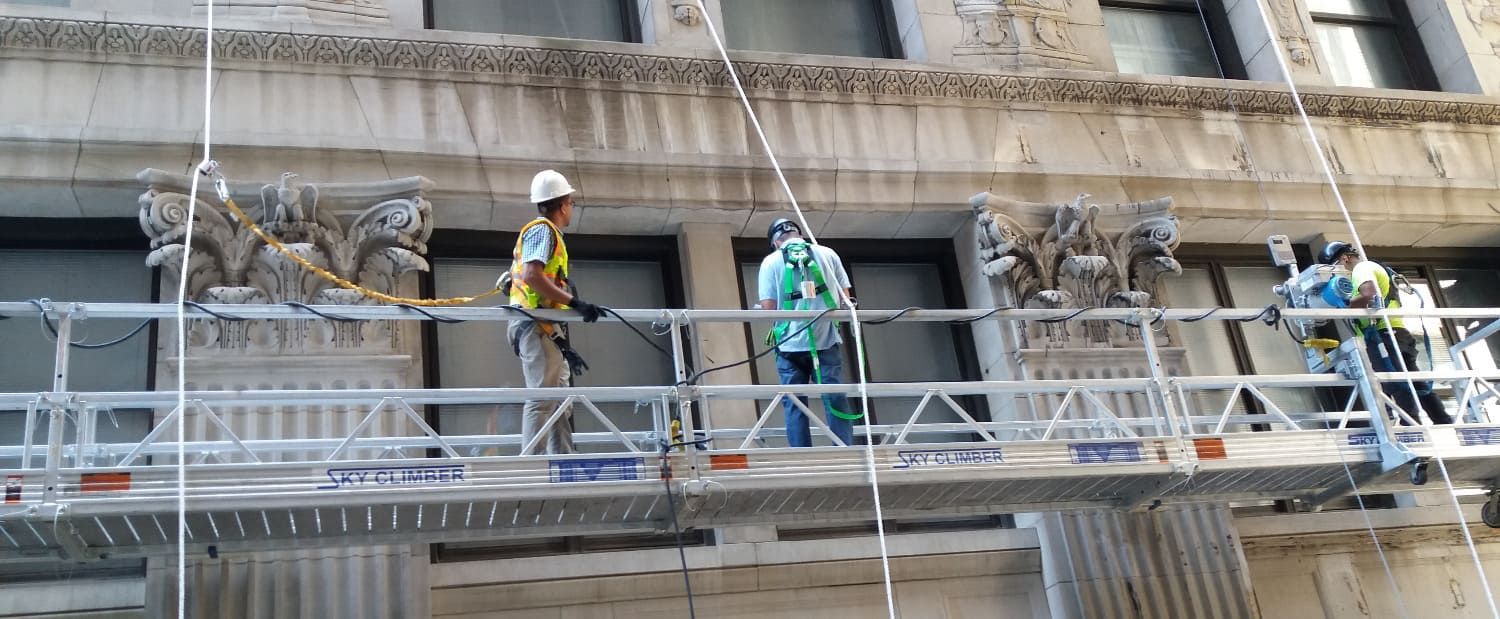
Tuckpointing Maintenance Checklist for Commercial Properties
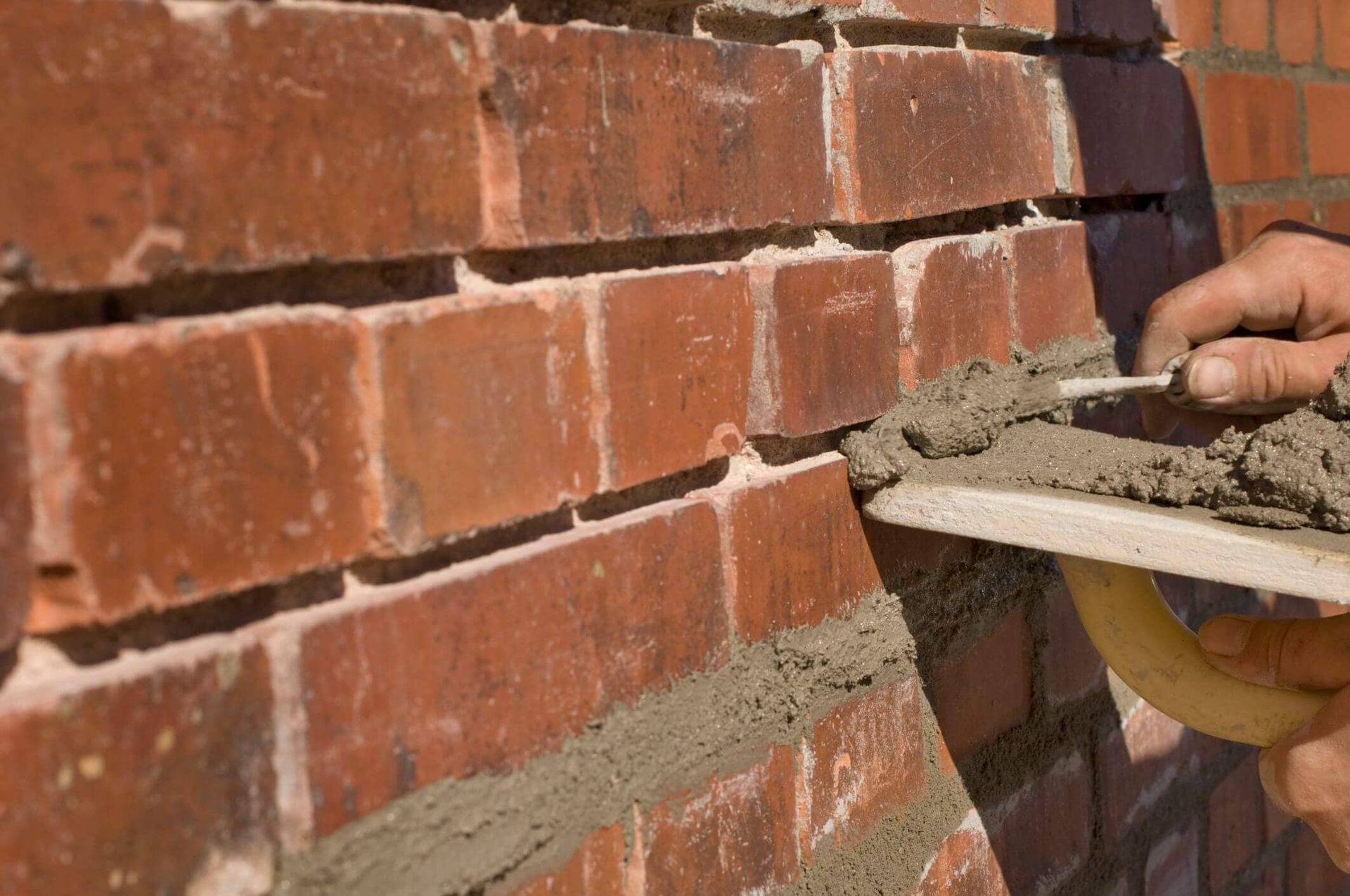
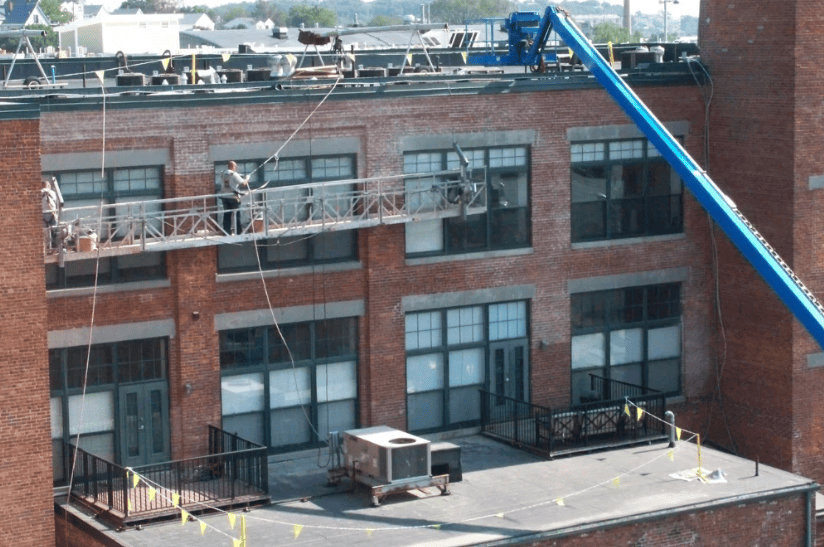
Commercial masonry buildings are designed to last for decades or even centuries, but the mortar joints between the bricks often require maintenance long before the masonry units themselves. As the Mason Contractors Association of America explains in its article on ASTM C270 mortar specifications, mortar is intentionally designed to serve as the sacrificial component of a masonry wall, helping absorb movement and weathering while protecting the surrounding brick or stone. As mortar deteriorates over time, replacing it through commercial tuckpointing helps preserve the integrity of the wall before more extensive repairs become necessary.
Whether you manage an office building, condominium, school, hospital, industrial facility, or historic property, routinely inspecting mortar joints can help extend the life of your building envelope while reducing long-term maintenance costs.
Why Commercial Tuckpointing Maintenance Matters
Mortar serves as the sacrificial element of a masonry wall. It is intentionally softer than the surrounding brick or stone so it can absorb movement, weathering, and environmental stress over time.
As mortar deteriorates, gaps begin to develop between masonry units. Those openings allow moisture to penetrate the wall system, increasing the risk of:
- Water infiltration
- Interior leaks
- Freeze-thaw damage
- Brick displacement
- Efflorescence
- Corrosion of embedded steel components
- More extensive masonry restoration
In the Chicago area, repeated freeze-thaw cycles can accelerate mortar deterioration by allowing water to enter small cracks, freeze, expand, and gradually widen damaged joints. Buildings near Lake Michigan may also experience increased exposure to wind-driven rain and moisture, making regular inspections even more important.
Commercial Tuckpointing Maintenance Checklist
Routine inspections can help identify problems before they become expensive repairs.
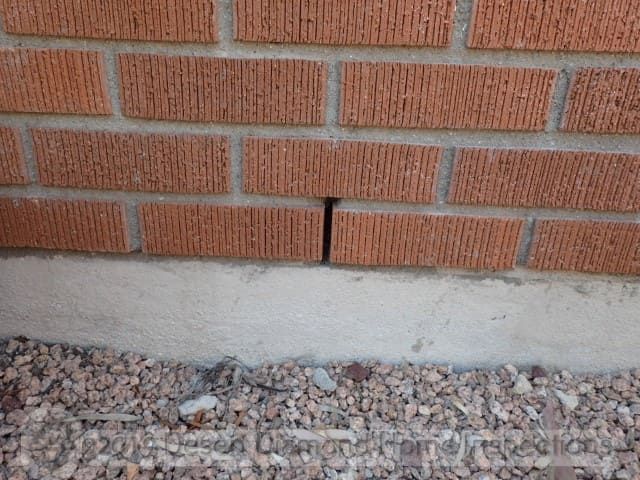
Inspect Mortar Joints for Cracking or Loss
Walk the building perimeter and examine mortar joints from ground level and elevated areas where safely accessible.
Look for:
- Cracked mortar
- Missing mortar
- Loose mortar
- Recessed joints
- Open vertical joints
- Mortar separating from adjacent brick
Even small failures can allow water to penetrate the wall.
Check for Water Intrusion
Water is one of masonry's biggest long-term threats.
Inspect for:
- Interior water stains
- Damp walls
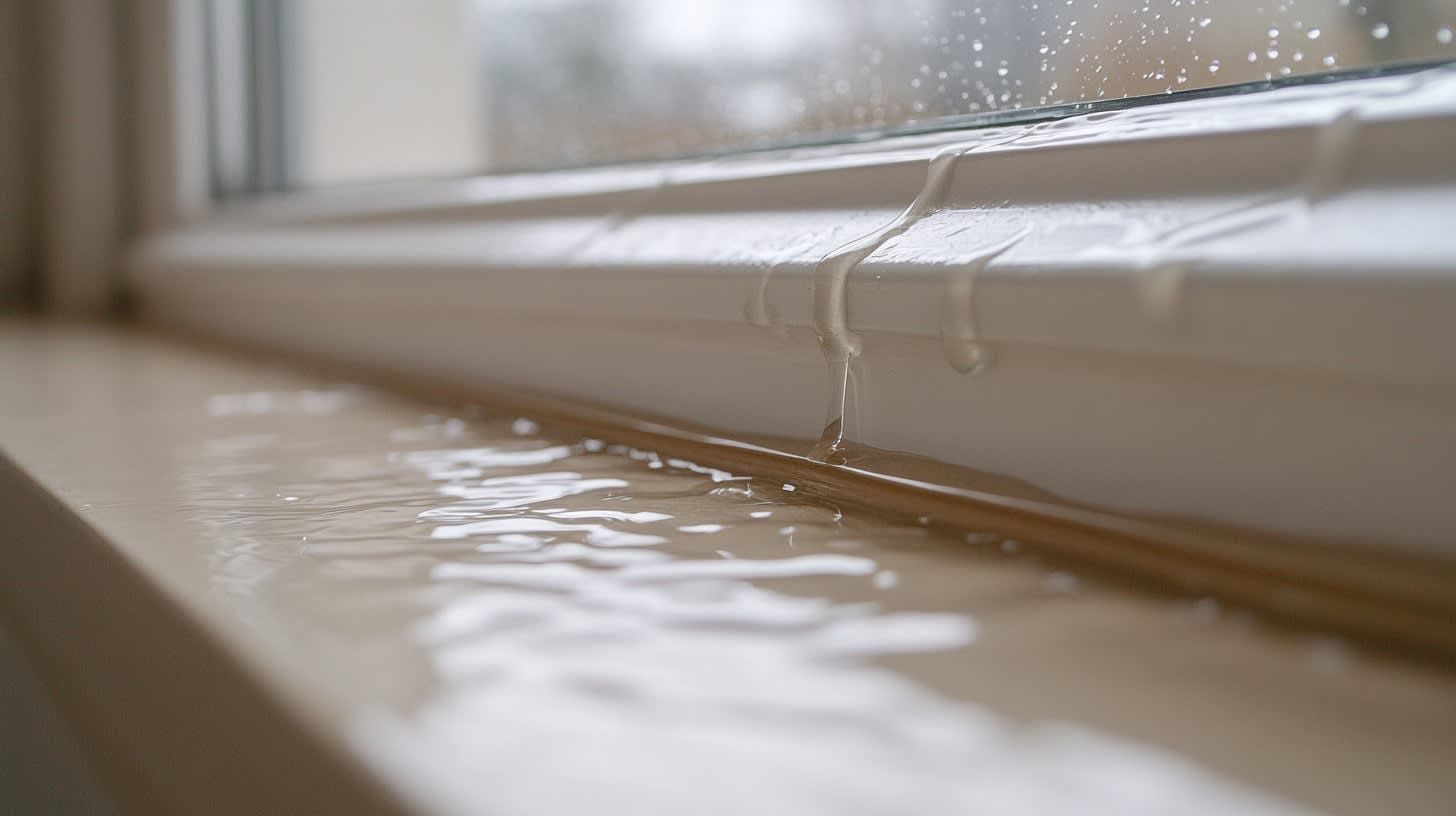
- Moisture around windows
- Water infiltration after storms
- Mold or mildew near exterior walls
Water entering through deteriorated mortar often causes damage that extends well beyond the visible masonry surface.
Examine Brick and Stone for Movement
Mortar deterioration sometimes occurs alongside masonry movement.
Watch for:
- Bulging walls
- Bowed masonry
- Stair-step cracking
- Displaced brick
- Loose stone units
Movement may indicate underlying structural or moisture-related issues that should be evaluated before performing tuckpointing alone.
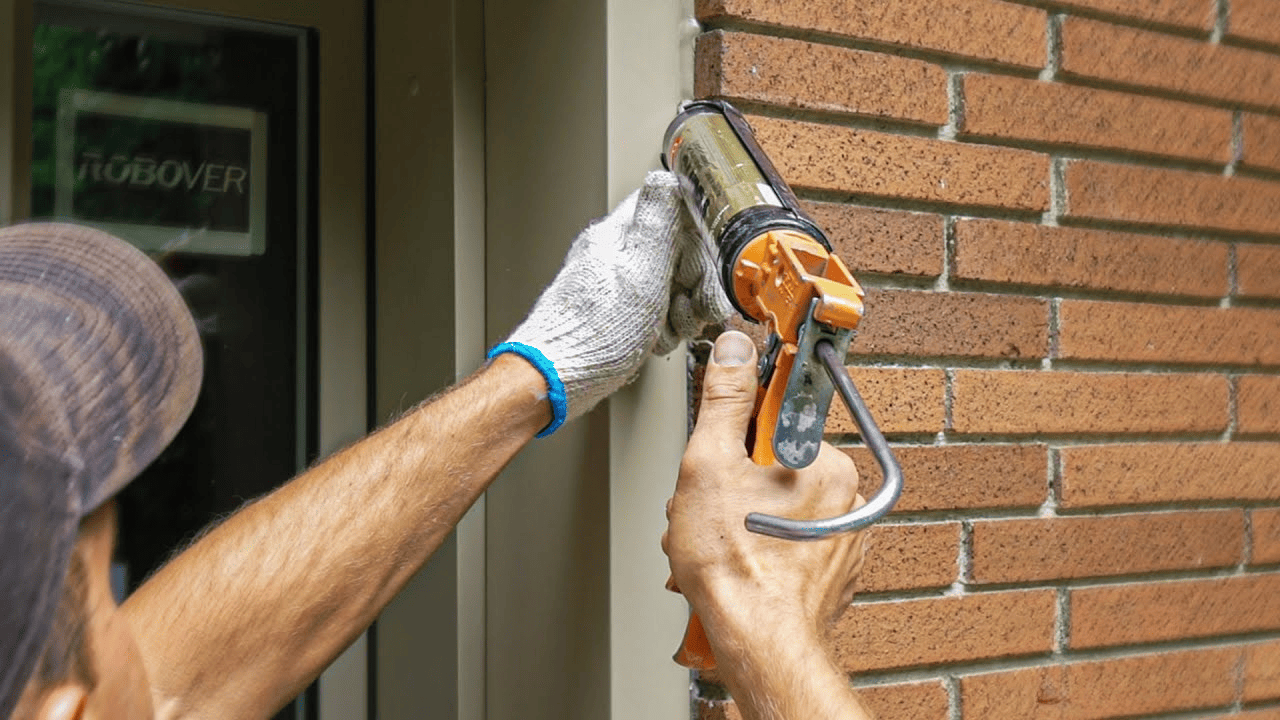
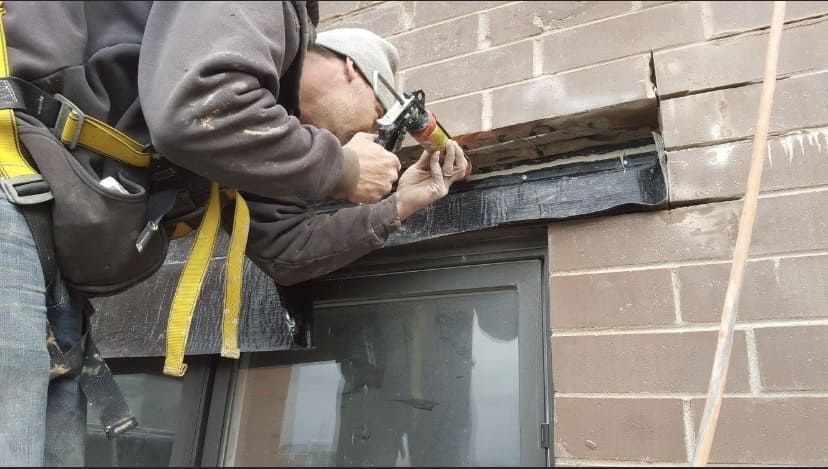
Inspect Sealant Joints Around Openings
Mortar joints are only one part of the building envelope.
Review sealant around:
- Windows
- Doors
- Expansion joints
- Control joints
- Wall penetrations
Failed sealants often allow water to bypass otherwise sound masonry. In many cases, tuckpointing and caulking and sealant repairs are completed together as part of a comprehensive restoration project.
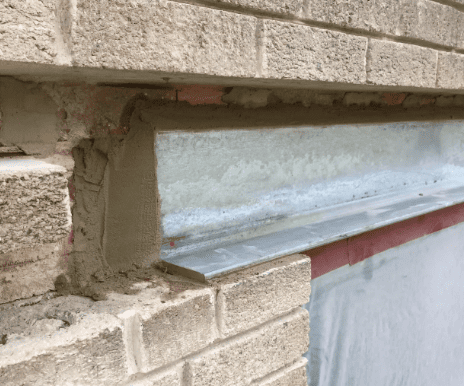
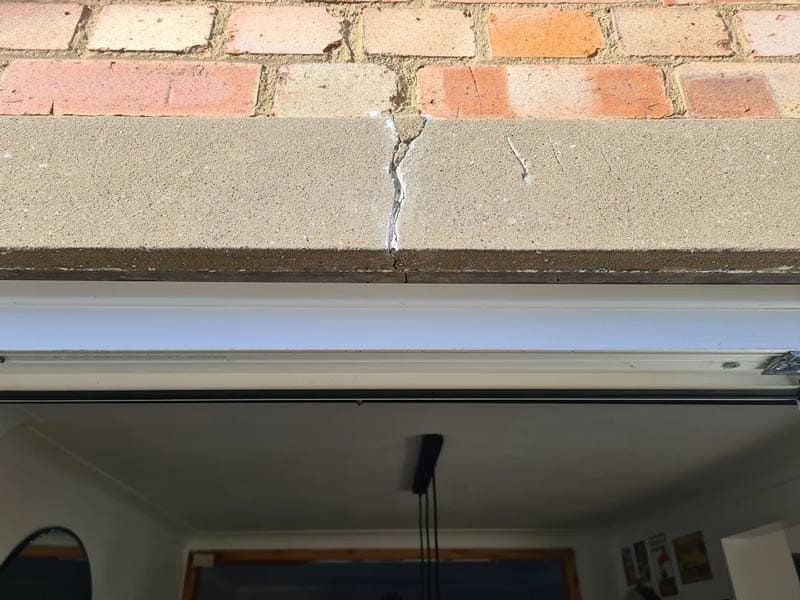
Evaluate Lintels Above Openings
Steel lintels support masonry above windows and doors.
Signs of potential problems include:
- Rust staining
- Horizontal cracking
- Brick displacement
- Expansion of steel components
- Spalling masonry
Corroding lintels can place significant stress on surrounding masonry and may require lintel and shelf flashing repairs in addition to mortar replacement.
Look for Efflorescence
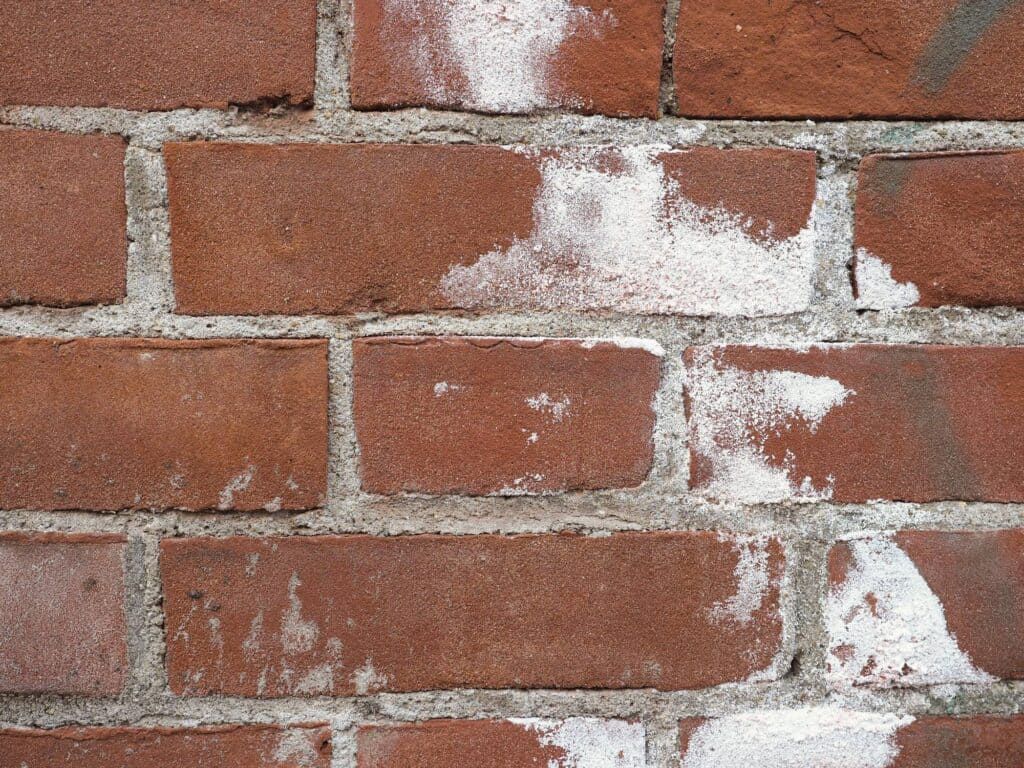
Efflorescence appears as a white, powdery residue on masonry surfaces. According to Sherwin-Williams, efflorescence develops when moisture carries soluble salts to the surface of masonry, where they remain after the water evaporates. Although it is not usually a structural concern by itself, it is often a sign that moisture is moving through the wall system. Finding and correcting the source of that moisture is typically more important than simply removing the deposits, as efflorescence may continue to return until the underlying moisture issue is resolved.
Monitor Previous Repair Areas
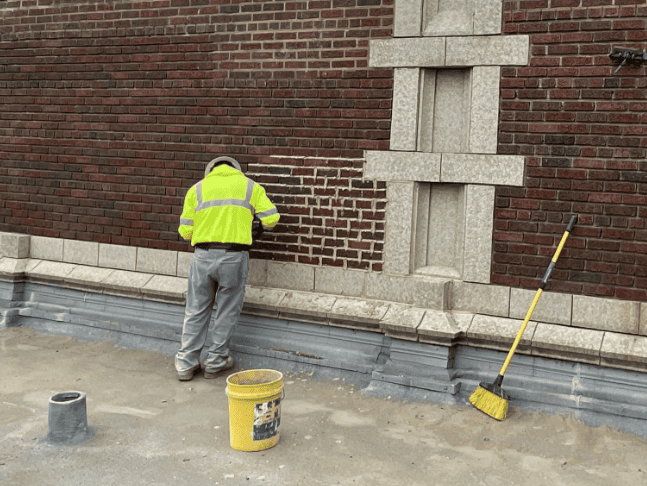
If your building has undergone commercial tuckpointing in the past, periodically inspect repaired sections for consistency with surrounding mortar and signs of new deterioration.
Well-executed tuckpointing should blend visually with the existing masonry while continuing to perform effectively over time.
When Should Commercial Buildings Be Inspected?
Inspection frequency depends on building age, exposure, occupancy, and maintenance history.
As a general guideline:
| Building Type | Recommended Inspection Frequency |
|---|---|
| Office Buildings | Annually |
| Multi-Family Properties | Annually |
| Schools and Universities | Annually |
| Hospitals | Annually |
| Historic Buildings | Every 6-12 Months |
| Buildings with Prior Water Infiltration | After Major Storms and Annually |
Additional inspections should be performed after severe weather events or whenever occupants report water intrusion.
Common Warning Signs That Tuckpointing May Be Needed
You may need commercial tuckpointing if you notice:
- Missing mortar joints
- Cracked mortar
- Loose brick
- Water leaks
- Efflorescence
- Interior moisture
- Rust stains
- Deteriorating parapets
- Mortar falling from walls
- Visible gaps between masonry units
Addressing these issues early typically results in smaller repair areas and lower overall restoration costs.
Why Delaying Tuckpointing Can Increase Repair Costs
Ignoring deteriorated mortar rarely saves money.
As moisture continues entering the wall system, additional problems may develop, including:
- Brick replacement
- Stone replacement
- Steel lintel corrosion
- Shelf angle deterioration
- Interior water damage
- Concrete deterioration
- Structural masonry repairs
What begins as localized mortar replacement can eventually become a much larger masonry restoration project if deterioration is left unaddressed.
Planning Commercial Tuckpointing Projects
Before beginning work, experienced restoration contractors typically evaluate:
- Mortar composition
- Existing mortar color
- Joint profile
- Brick condition
- Moisture sources
- Adjacent building envelope components
- Repair sequencing
For historic masonry, mortar selection is especially important. Using mortar that is too hard can damage surrounding brick over time, while properly matched mortar helps preserve both appearance and long-term performance. The Heritage Council of New South Wales notes that replacement mortar should be compatible with the existing masonry and the building's exposure conditions, rather than simply being the strongest available option. This compatibility helps protect the surrounding brick or stone while supporting the long-term performance of the wall system.
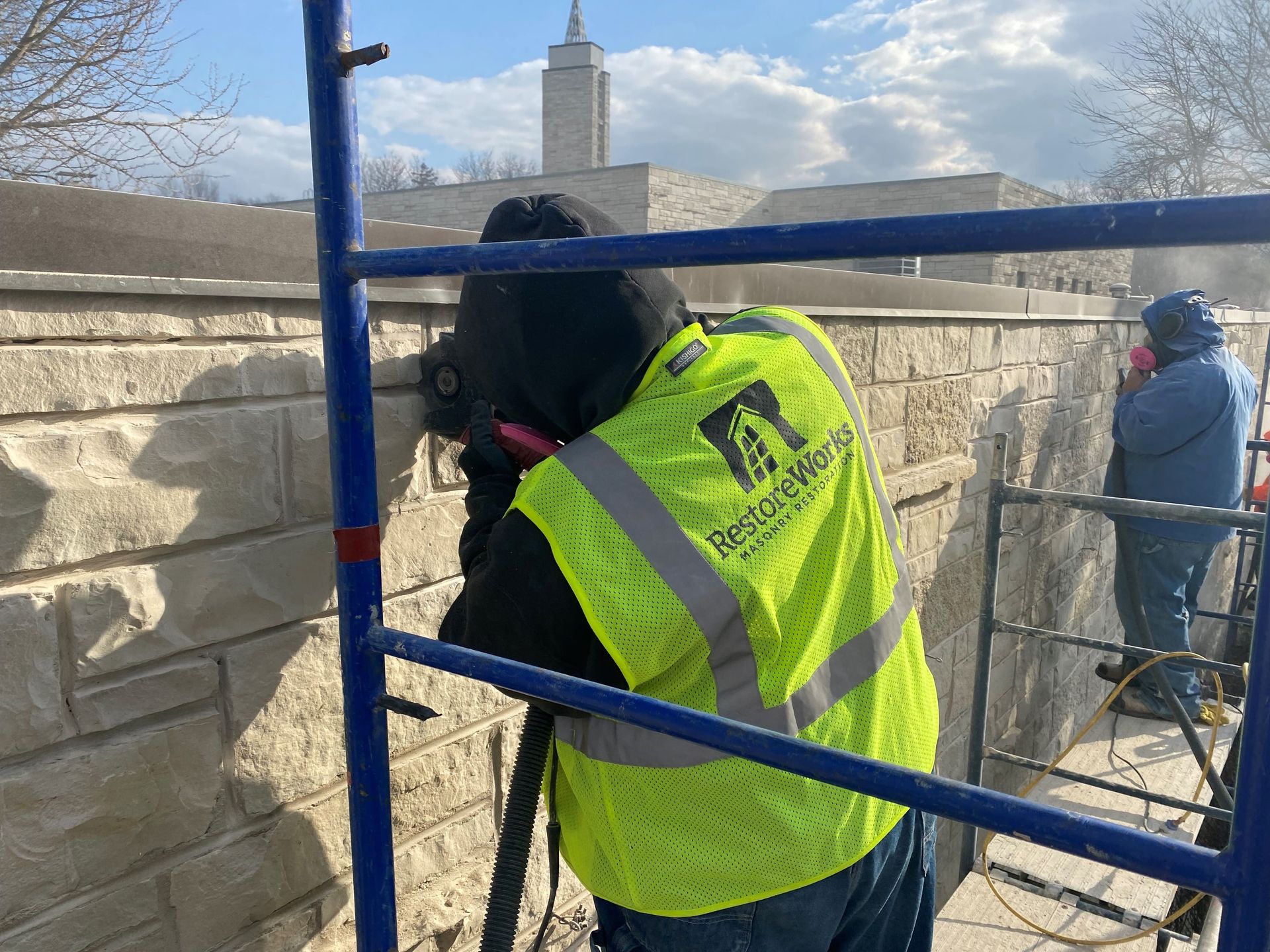
In many commercial projects, contractors complete a mock-up before full production begins. Mock-ups allow owners, architects, and consultants to review mortar color, joint tooling, workmanship, and overall appearance before work proceeds across the building.
Maintaining a Long-Term Masonry Asset
Commercial tuckpointing is one component of a broader building maintenance strategy.
Combining routine inspections with timely repairs can help extend the service life of masonry walls while reducing emergency repairs and protecting property value.
When inspections identify additional issues beyond deteriorated mortar, repairs such as masonry restoration, restorative cleaning, concrete façade repair, balcony repair and restoration, or lintel and shelf flashing repairs may also be recommended depending on the building's condition.
Frequently Asked Questions About Tuckpointing
How often should commercial tuckpointing be inspected?
Most commercial buildings should undergo a visual masonry inspection at least once each year. Older buildings, historic properties, and structures with previous water infiltration may benefit from inspections every six to twelve months or after significant weather events.
What are the first signs that commercial tuckpointing is failing?
Early warning signs include cracked or missing mortar, recessed joints, efflorescence, interior leaks, loose brick, and small gaps between masonry units. Identifying these issues early can help prevent more extensive masonry repairs.
Can tuckpointing stop water leaks?
Tuckpointing can reduce water intrusion when deteriorated mortar joints are the source of the problem. However, a complete evaluation should also consider sealants, flashing, lintels, coping, and other building envelope components that may contribute to moisture infiltration.
How long does commercial tuckpointing last?
The lifespan varies based on mortar quality, workmanship, building exposure, and maintenance practices. Properly installed tuckpointing can often perform for several decades, although routine inspections remain important for identifying localized deterioration.
Schedule a Commercial Masonry Inspection
If you've noticed cracked or missing mortar, water intrusion, efflorescence, or other signs of masonry deterioration, addressing the problem early can help prevent more extensive and costly repairs.
RestoreWorks provides commercial tuckpointing, masonry restoration, and building envelope repair services throughout the greater Chicago area and Northwest Indiana. Our team can evaluate your building's condition, identify the source of masonry-related issues, and recommend repair solutions tailored to your property.
Contact RestoreWorks today to schedule a commercial masonry inspection or discuss your upcoming restoration project.