The Power of Mock-Ups in Masonry Restoration: Real Client Success Stories

In the world of masonry restoration, making informed decisions is crucial for project success. At RestoreWorks, we understand the importance of providing our clients with clarity and confidence before embarking on major restoration projects. That's why we offer Mock-Up Services as an essential step in our process. Let's explore how mock-ups have made a significant difference for our clients, helping them achieve outstanding results in their masonry restoration projects.
What Are Mock-Ups?
Mock-ups are small-scale demonstrations of proposed masonry restoration techniques. They allow clients to see, touch, and evaluate the potential outcomes of different restoration approaches before committing to a full-scale project. This process is invaluable for architects, structural engineers, general contractors, facilities engineers, and property managers who need to make informed decisions about their building's restoration.
Client Success Stories: The Impact of Mock-Ups
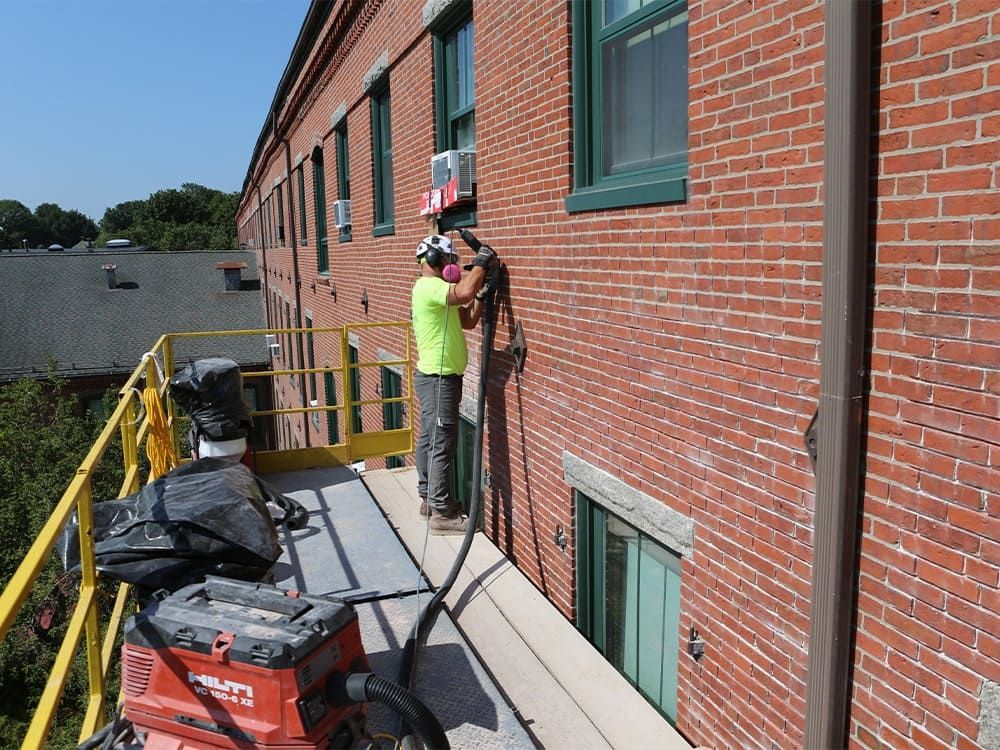
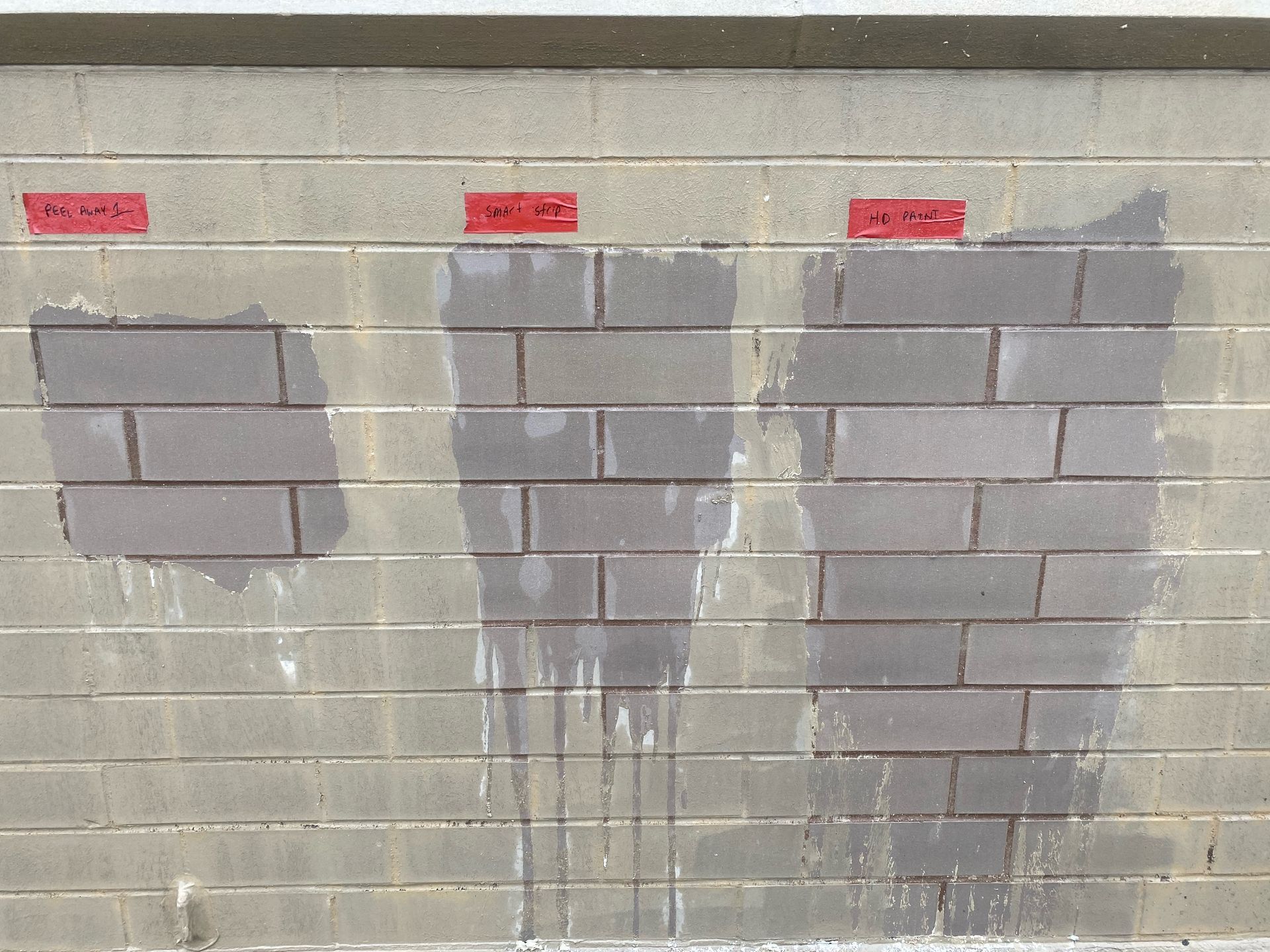
#1. Paint Stripping Mock-Up
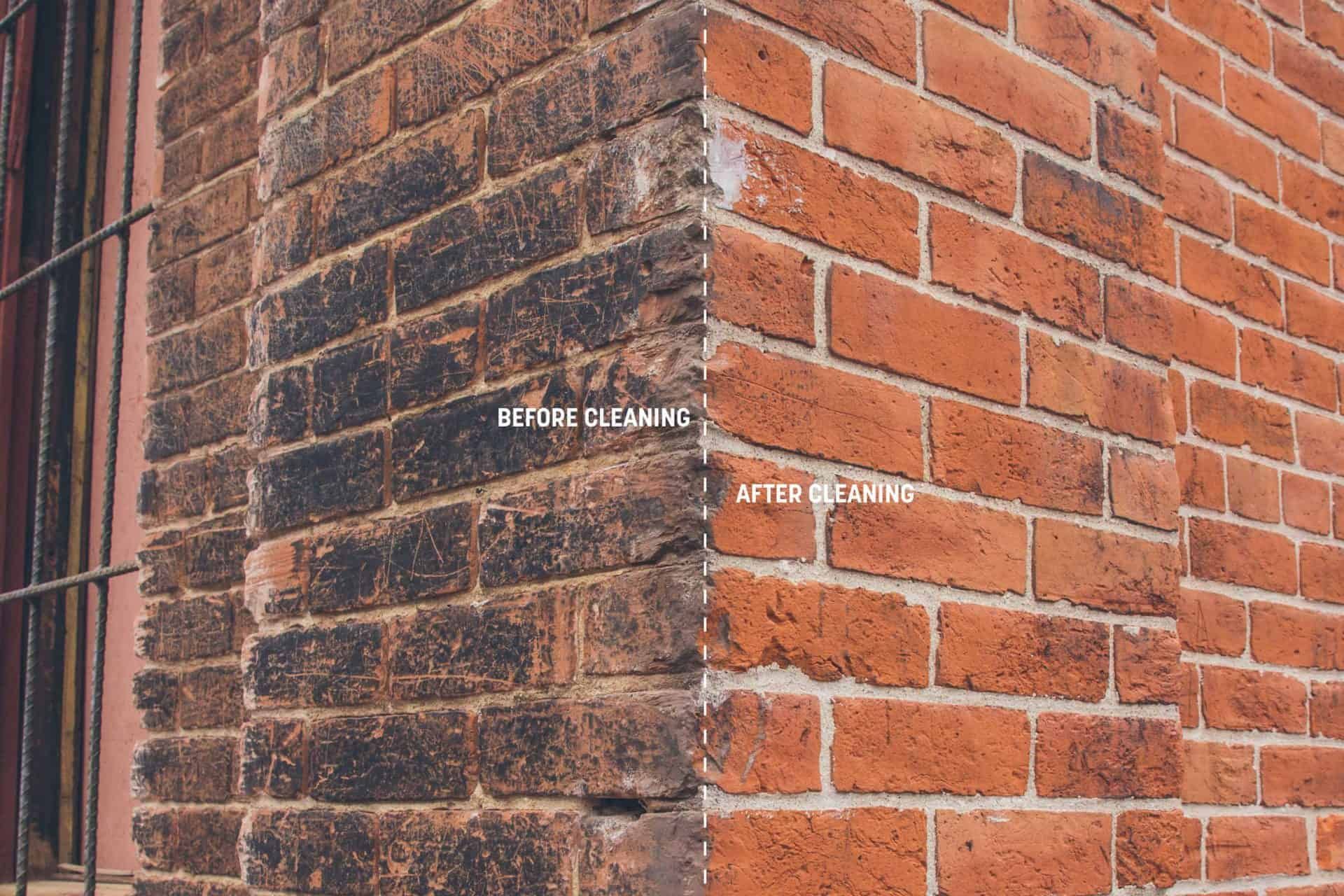
One of our clients faced uncertainty about the condition and appearance of their building's brick beneath layers of paint. They were hesitant to invest in paint removal without knowing the outcome. Here's what they had to say:
"We weren't sure what the brick looked like underneath the paint and what it would look like with the paint removed. We also weren't sure if it would be worth the investment after removing the paint because of this. We had mock-ups performed and could see that the brick actually looked nice, so we proceeded with the paint removal work post-mock-up. We had the paint removed and we were thrilled with the new look of our property. Now, we will not have the maintenance issue of ever having to repaint the property."
This success story highlights how mock-ups can:
- Reveal hidden architectural features
- Provide confidence in decision-making
- Lead to long-term maintenance savings
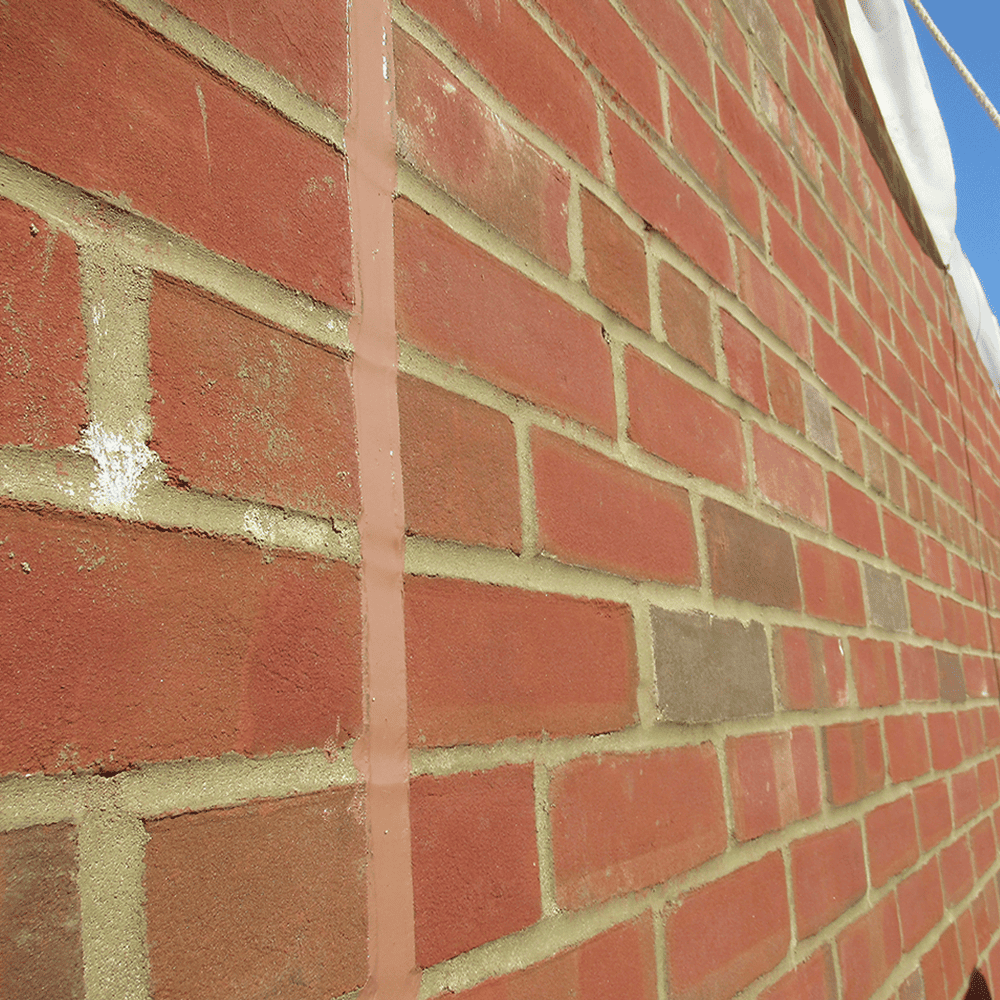
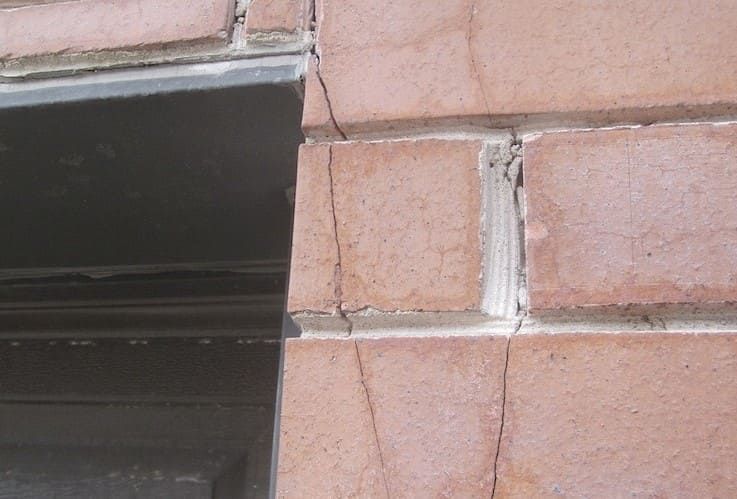
#2. Tuckpointing Mock-Up
Another client was planning a tuckpointing project and needed to choose the right mortar color. Through our mock-up service, they discovered an unexpected but ideal solution:
"We were having our building tuckpointed and were thinking of using natural color mortar. We performed mock-ups with different mortar colors and found that including a small amount of buff color looked much nicer with the brick and was a closer match to the original mortar. We proceeded with the buff color and are very happy with the results."
This example demonstrates how mock-ups can:
- Allow for side-by-side comparisons of different options
- Help achieve a more aesthetically pleasing result
- Ensure historical accuracy in restoration projects
The Benefits of Mock-Ups in Masonry Restoration
- Visualization: Mock-ups provide a representation of the proposed work, allowing you to see and feel the results before committing to a full project.
- Risk Mitigation: By testing techniques and materials on a small scale, potential issues can be identified and addressed early, saving time and resources.
- Cost Efficiency: Mock-ups can lead to significant savings by preventing expensive mistakes or changes during the main project.
- Stakeholder Alignment: Mock-ups facilitate better communication among architects, engineers, contractors, and property owners, ensuring everyone is on the same page.
- Quality Assurance: Mock-ups serve as a benchmark for the quality expected in the final project, helping maintain high standards throughout the restoration process.
- Historical Preservation: For projects involving historical buildings, mock-ups ensure that restoration techniques are appropriate for the original architecture.
At RestoreWorks, we believe that mock-ups are an indispensable tool in masonry restoration. They help our clients make confident decisions, achieve superior results, and preserve the integrity of their buildings. Whether you're considering paint removal, tuckpointing, or any other masonry restoration service, a mock-up can be the key to your project's success.
Learn How Mock-Up Services Can Help You
Ready to see the difference a mock-up can make for your masonry restoration project? Contact RestoreWorks today to learn more about our Mock-Up Services and how we can help bring your vision to life.