How to Schedule Fall Masonry Restoration Work Without Delays
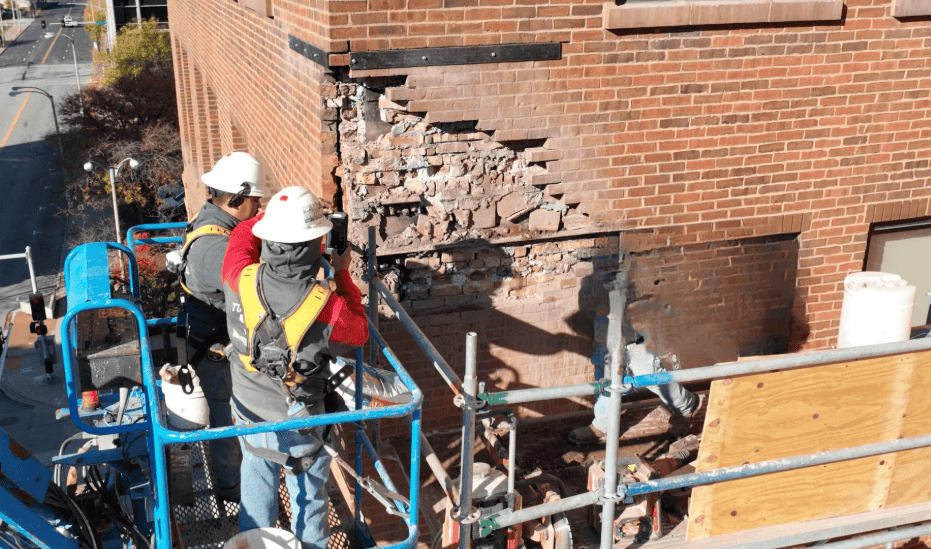
Fall is one of the best times of year to complete masonry restoration projects, but it is also one of the busiest. Property managers, building owners, architects, and engineers who wait until late fall often discover that qualified contractors have limited availability, material lead times have increased, and colder weather begins affecting project schedules.
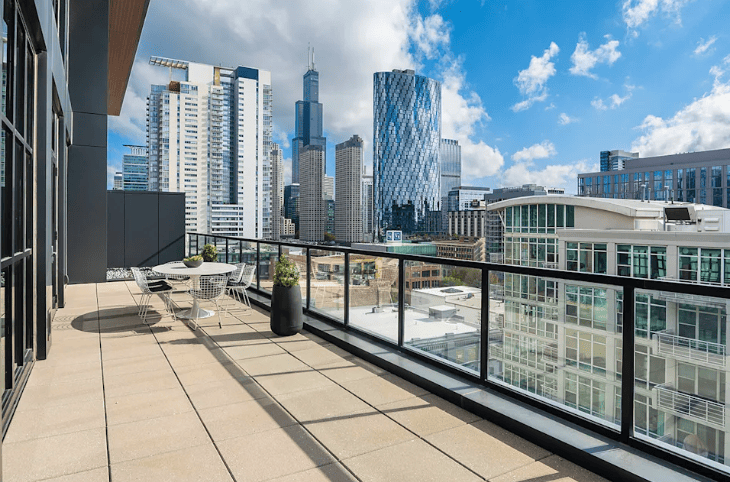
Planning ahead helps ensure repairs are completed before winter conditions accelerate existing deterioration. For commercial and multifamily buildings throughout the Chicago area, scheduling early can reduce risk, improve project quality, and help avoid emergency repairs during the coldest months of the year.
Why Fall Is One of the Best Seasons for Masonry Restoration
Moderate temperatures and generally stable weather make fall well-suited for many exterior restoration activities. Mortars, sealants, and other repair materials typically perform best when installed within recommended temperature ranges.
In the Chicago region, completing repairs before repeated freeze-thaw cycles begin can help protect masonry systems throughout the winter.
Common fall restoration projects include:
- Masonry restoration
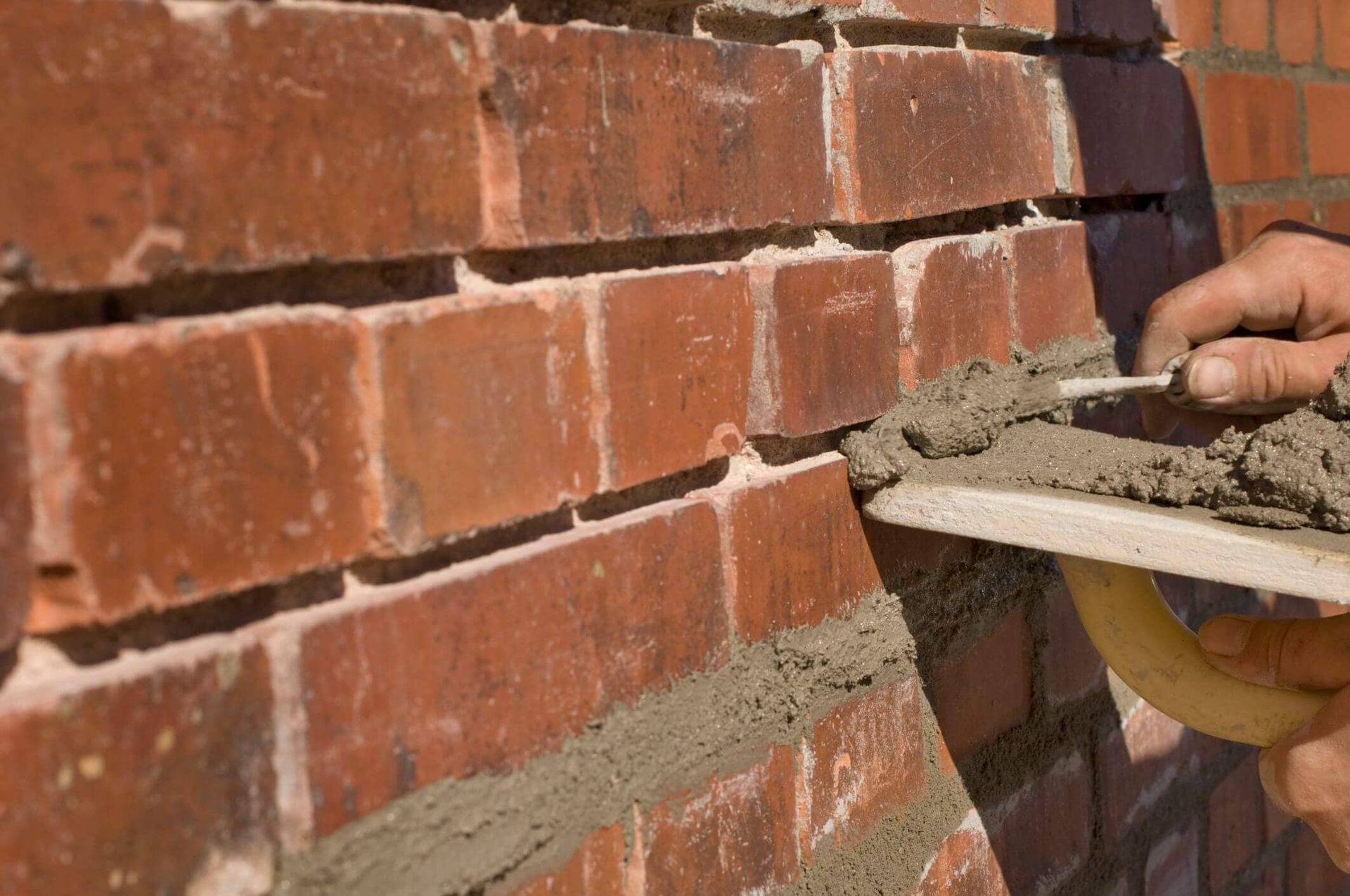
- Tuckpointing
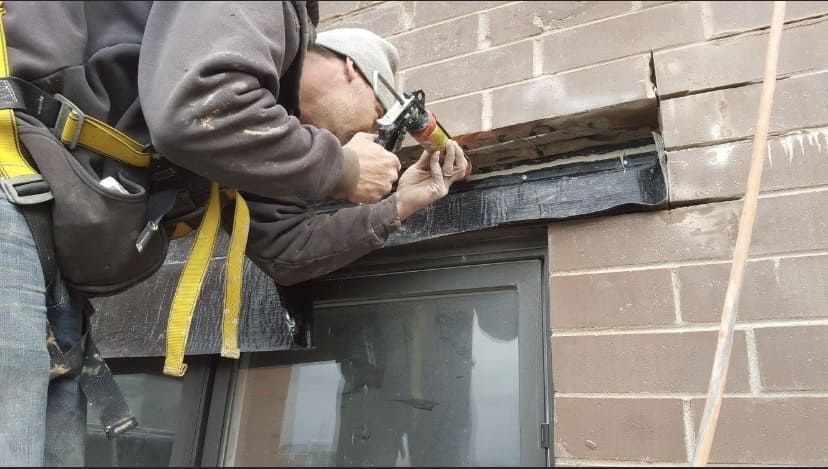
- Caulking and sealant replacement
- Lintel and shelf flashing repairs
- Concrete façade repairs
- Concrete balcony restoration
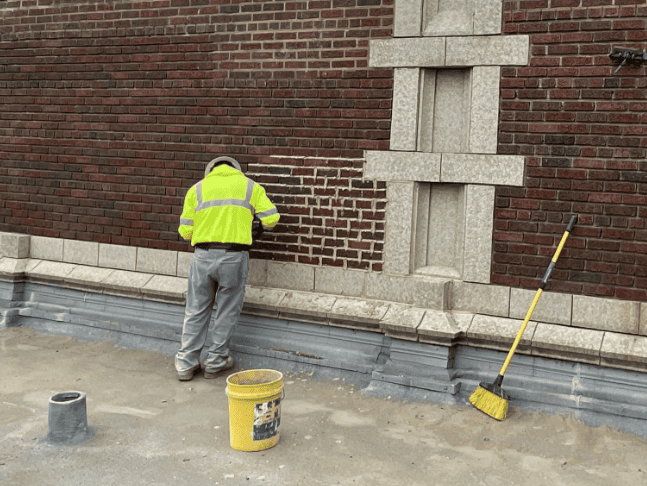
- Restorative cleaning
- Mock-ups for larger restoration projects scheduled the following construction season
Addressing these issues before winter helps prevent water intrusion from becoming a larger structural or maintenance concern.
Why Waiting Until Late Fall Can Create Delays
Many building owners assume restoration work can be scheduled whenever needed. In reality, demand often peaks during late summer and early fall as organizations prepare their properties for winter.
Several factors contribute to scheduling challenges.
Contractor Availability
Experienced commercial masonry restoration contractors often have full schedules well before fall arrives. Larger projects are commonly planned months in advance.
Waiting until October or November may limit scheduling flexibility, especially for occupied commercial buildings that require phased work or tenant coordination.
Weather Becomes Less Predictable
Although fall generally offers favorable conditions, temperatures can change quickly throughout the Chicago area.
Certain restoration materials have minimum installation temperatures. Unexpected cold fronts, rain, or early snowfall can delay portions of a project or require adjustments to sequencing.
Material Lead Times
Some restoration materials require advance ordering, including:
- Custom masonry units
- Specialty sealants
- Flashing components
- Historic restoration materials
- Architectural metals
Starting planning early provides additional flexibility if procurement takes longer than expected.
Why Early Planning Matters for Chicago Buildings
Chicago buildings face environmental conditions that make timely restoration especially important.
Repeated freeze-thaw cycles allow moisture trapped inside masonry to expand as temperatures drop below freezing. Over time, this can contribute to:
- Cracked mortar joints
- Brick deterioration
- Stone damage
- Concrete spalling
- Water infiltration
- Corrosion of embedded steel components
Buildings near Lake Michigan may also experience increased moisture exposure and wind-driven rain, placing additional stress on exterior building envelopes.
Planning ahead is also important from a regulatory standpoint. As noted by the Community Associations Institute Illinois Chapter, many buildings that are taller than 80 feet in Chicago are subject to the City's exterior wall inspection requirements, which include periodic façade inspections and, depending on the building and inspection category, more comprehensive close-up Critical Examinations. Scheduling inspections and any resulting repairs early can help property owners avoid last-minute timelines before reporting deadlines and allow more flexibility when coordinating restoration work.
Completing repairs before these seasonal conditions become severe can help preserve existing building materials and reduce future repair costs.
What Projects Should Be Scheduled Before Winter?
Not every project requires immediate attention, but certain repairs become more vulnerable if postponed.
Priority projects often include:
Tuckpointing
Deteriorated mortar joints allow moisture to penetrate the wall system. Replacing failed mortar helps improve weather resistance before winter.
Caulking and Sealant Repairs
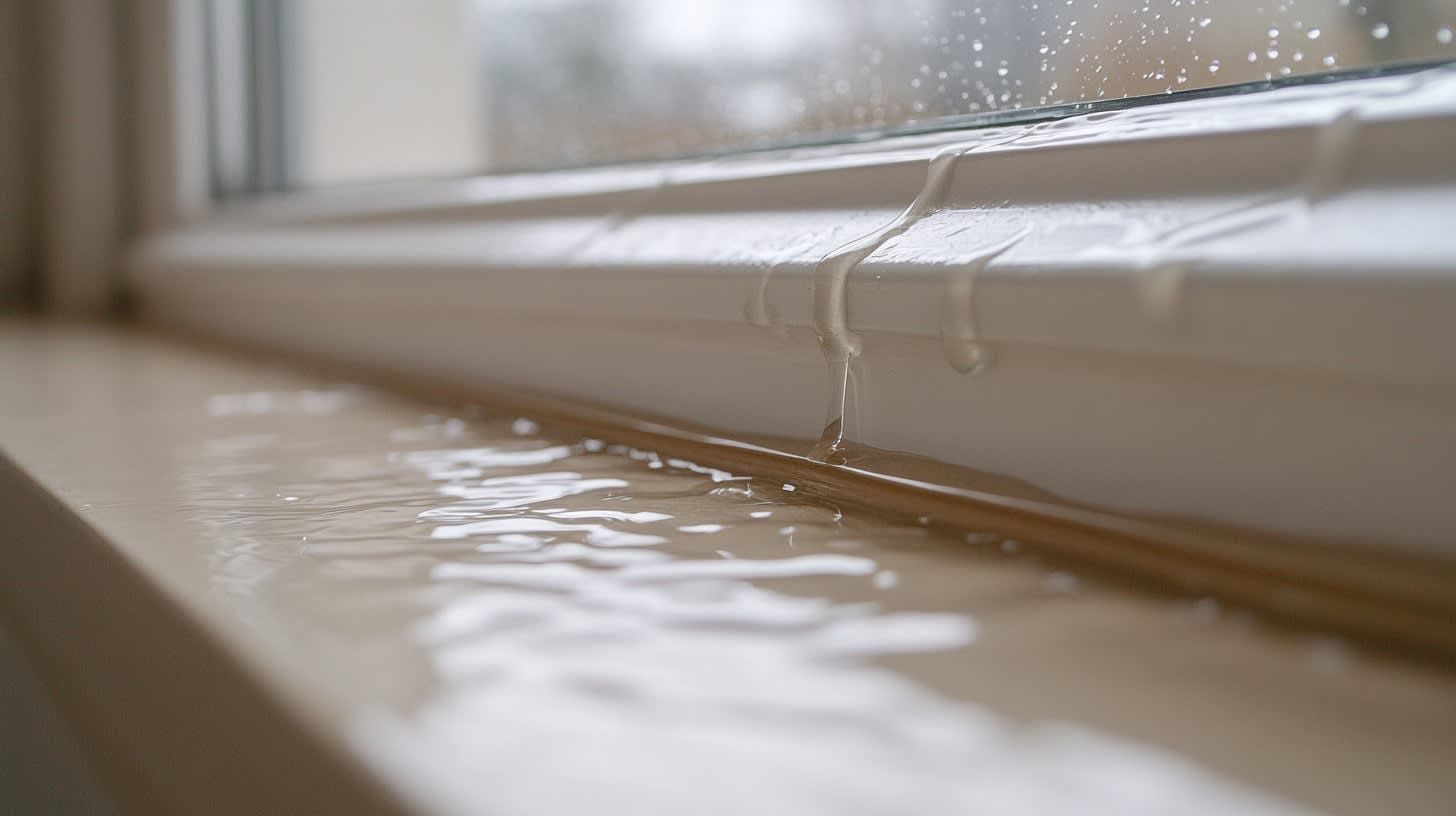
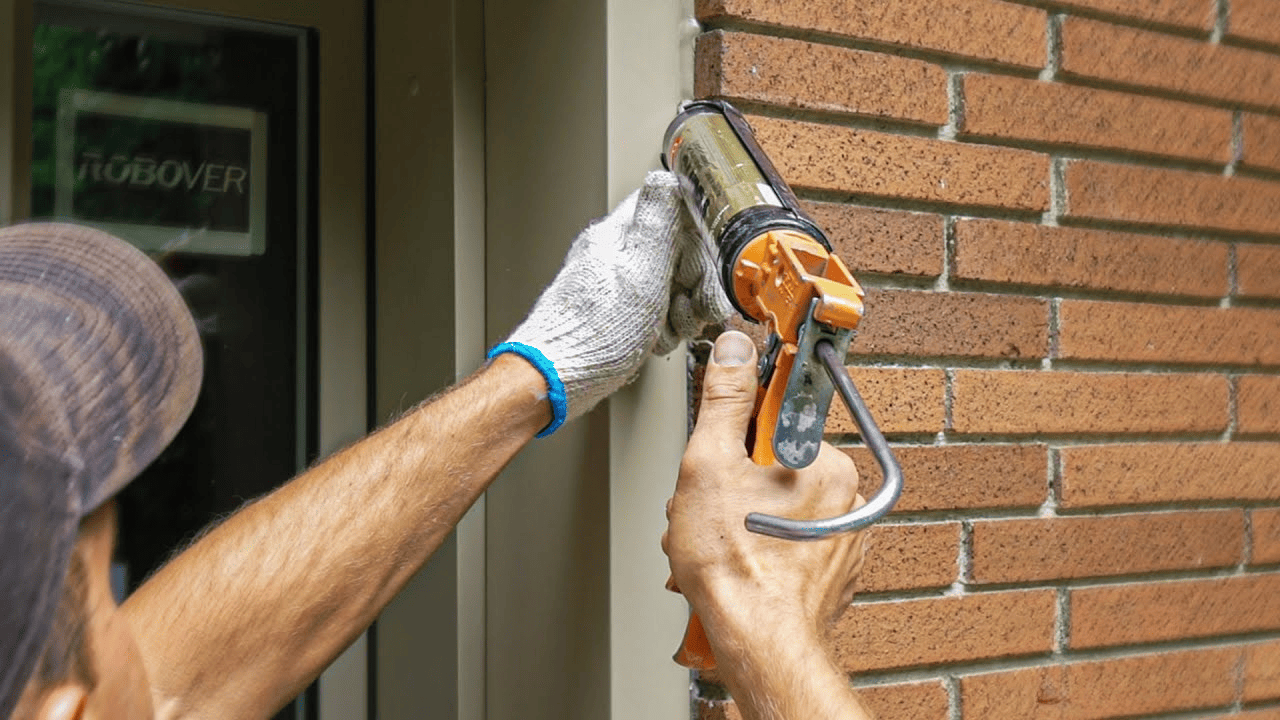
Failed sealant joints around windows, expansion joints, and transitions are common sources of water infiltration.
Replacing deteriorated sealants before freezing temperatures arrive helps maintain a more effective building envelope.
Lintel and Shelf Flashing Repairs
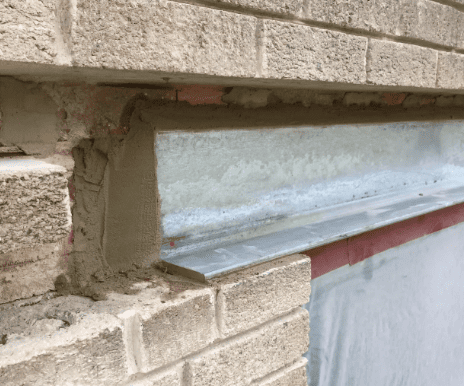
Damaged flashing or deteriorated steel lintels can allow moisture to enter wall systems and contribute to long-term deterioration.
Addressing these components early helps protect surrounding masonry.
Concrete Façade and Balcony Repairs
Concrete deterioration rarely improves on its own. Minor cracking and spalling can continue worsening as moisture freezes and expands.
Early repairs often provide more scheduling flexibility than emergency winter stabilization work.
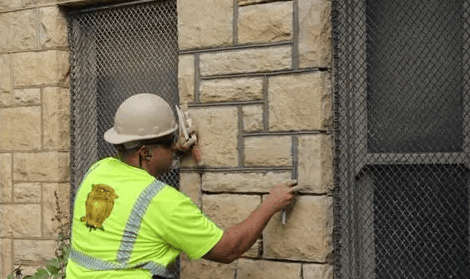
How Far in Advance Should You Schedule Masonry Restoration?
Project size largely determines how much advance planning is needed.
General planning guidelines include:
| Project Type | Recommended Planning Time |
|---|---|
| Small repair projects | 1-2 Months |
| Medium facade restoration | 2-4 Months |
| Large commercial restoration | 4-8+ Months |
| Capital improvement projects | Begin planning during winter or spring |
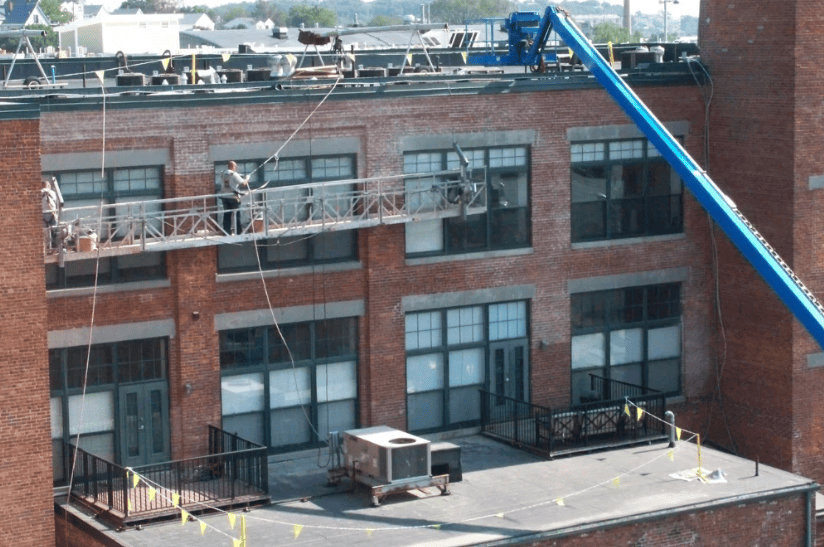
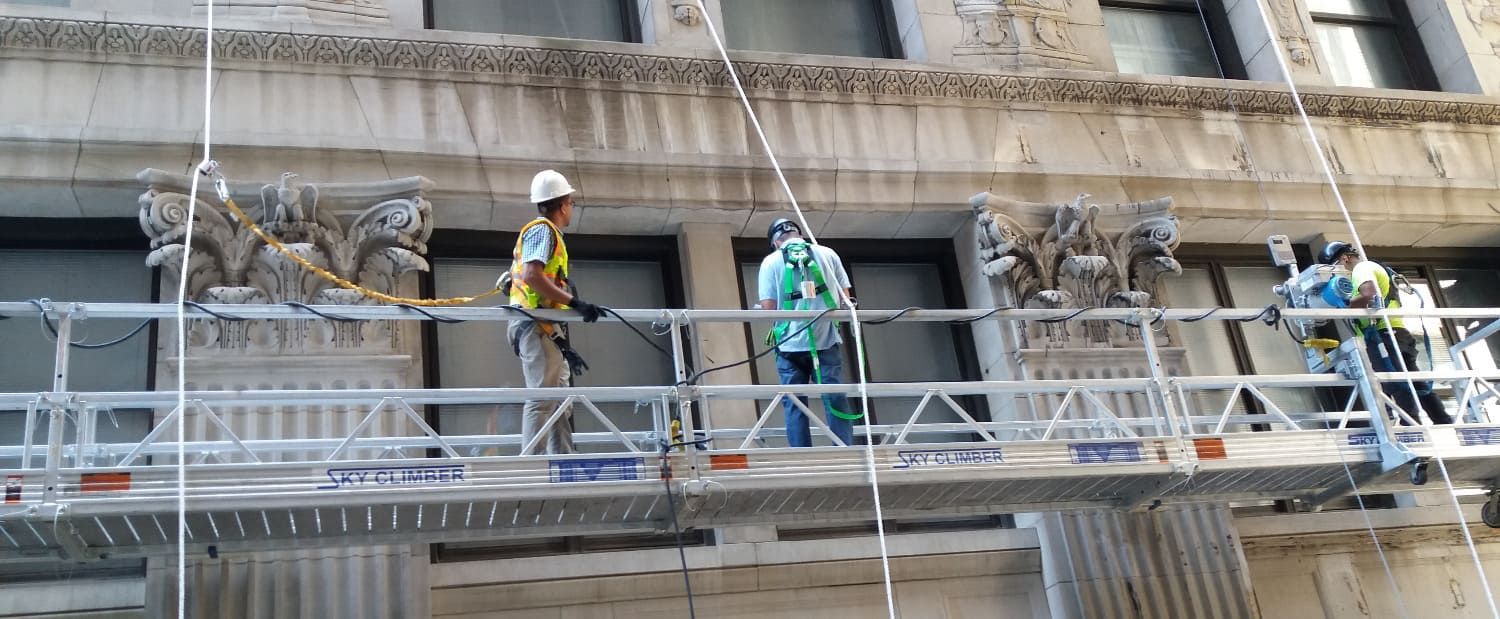
Buildings requiring tenant communication, swing stages, street permits, or phased construction may benefit from even earlier planning.
Steps to Keep Your Fall Project on Schedule
A proactive approach helps minimize avoidable delays.
Consider following these steps:
- Schedule a building assessment before repair needs become urgent.
- Prioritize repairs based on safety, water intrusion, and deterioration.
- Allow time for budgeting and board approvals if applicable.
- Complete any required mock-ups before production work begins.
- Coordinate project timing with occupants, deliveries, and property operations.
- Order specialty materials early if historic or custom components are required.
- Build reasonable weather flexibility into the project schedule.
Early planning often creates more scheduling options and reduces pressure as winter approaches.
How Routine Inspections Support Better Scheduling
Many restoration projects begin with routine façade inspections rather than emergency failures.
Regular inspections can identify:
- Mortar deterioration
- Sealant failures
- Masonry cracking
- Rust staining
- Concrete distress
- Water infiltration pathways
Identifying these conditions early provides more time to evaluate repair options, develop budgets, and schedule work before deterioration accelerates.
FacilitiesNet recommends incorporating annual visual inspections of wall-system components, routine sealant evaluations, roof surveys, and periodic infrared scans into a building envelope maintenance program to identify developing issues before they become larger capital projects. Property managers who follow a proactive inspection schedule are often better positioned to plan restoration work before fall contractor schedules fill up.
For many commercial properties, annual or periodic building assessments help support long-term capital planning while reducing the likelihood of unexpected emergency repairs.
Planning Ahead Can Reduce Long-Term Costs
Deferred maintenance often becomes more expensive over time.
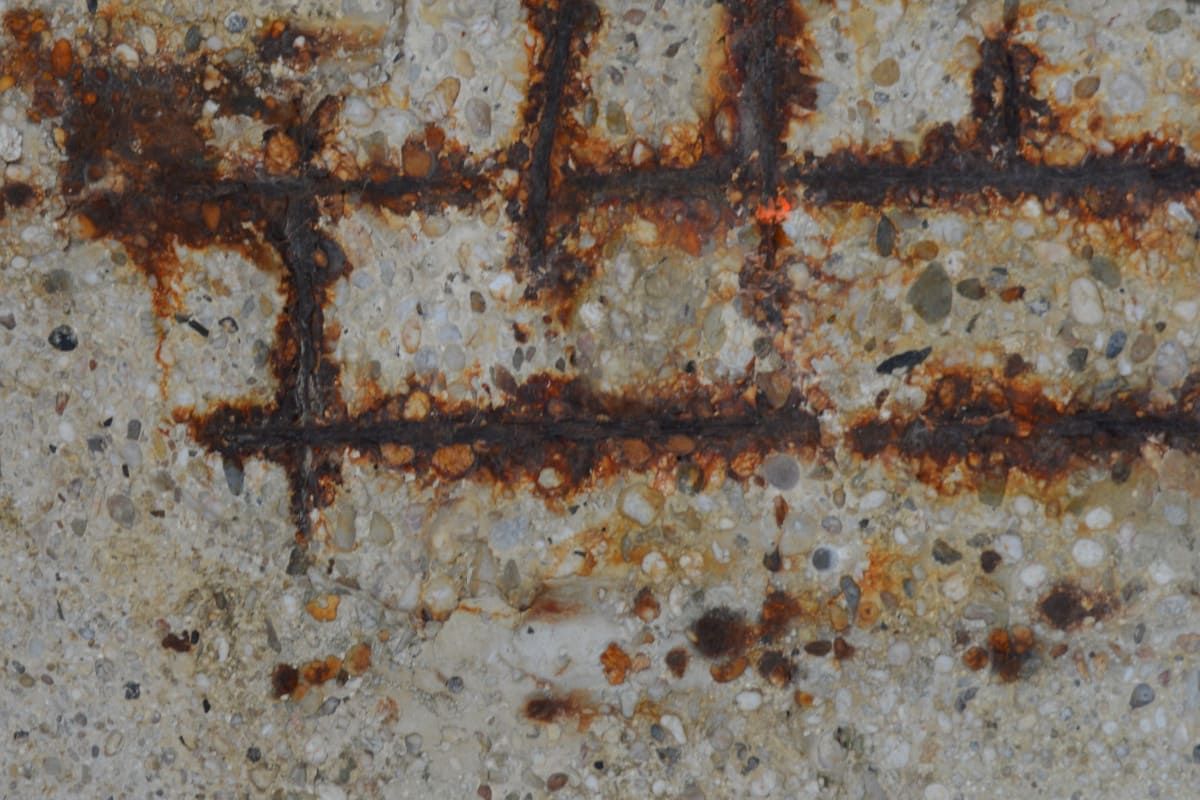
A small area of deteriorated mortar may eventually allow water to reach embedded steel. Corrosion can expand, increasing pressure within surrounding masonry and leading to additional cracking or displacement.
As noted in a Structure Magazine article on corrosion in masonry-clad steel frame buildings, deterioration of embedded steel can contribute to cracking, spalling, displacement, and, in severe cases, the loss of masonry units. The authors emphasize that corrosion assessments help identify the root causes of deterioration and support long-term maintenance and repair planning before damage becomes more extensive.
Addressing issues while they remain localized is frequently less disruptive than responding after damage has spread.
For property owners managing multiple buildings, proactive scheduling also helps spread restoration costs across multiple budget cycles instead of concentrating emergency expenses into a single season.
Frequently Asked Questions About Scheduling Fall Masonry Restoration Work
When should I schedule masonry restoration in Chicago?
For most commercial properties, planning during spring or summer provides the greatest scheduling flexibility for fall construction. Larger projects may benefit from several additional months of planning to accommodate budgeting, permitting, material procurement, and contractor availability.
Can masonry restoration be completed during the winter?
Some restoration work can be performed during colder weather using specialized cold-weather procedures, but temperature limitations, weather conditions, and material requirements often make scheduling more challenging. Whenever practical, completing repairs before winter generally provides greater flexibility.
How do I know if my building should be repaired before winter?
Visible mortar deterioration, cracked sealants, water infiltration, concrete spalling, rust staining, or loose masonry are all signs that an evaluation may be appropriate. Early assessment helps determine whether repairs should be prioritized before freeze-thaw conditions begin.
Why do commercial masonry contractors book projects so far in advance?
Commercial restoration projects often involve engineering coordination, occupied buildings, specialty materials, permits, and phased construction. Larger projects also require significant workforce planning, making advance scheduling important for both owners and contractors.
Need Help Planning Your Next Masonry Restoration Project?
Whether you're budgeting for upcoming repairs or responding to inspection findings, our team can help evaluate your building and recommend a restoration plan that aligns with your schedule and priorities. Contact RestoreWorks to discuss your project and schedule a consultation.