Shelf Angle Failures: What Building Engineers Should Watch For
Steel shelf angles play an important role in supporting masonry veneer on commercial buildings. Although they are designed to carry significant loads, years of moisture exposure, corrosion, and building movement can eventually compromise their performance.
For building engineers responsible for maintaining commercial, institutional, healthcare, higher education, and multi-family properties, recognizing the early warning signs of shelf angle failure can prevent significantly more expensive structural repairs later.
This article explains what causes shelf angle failures, what to look for during inspections, and how shelf angle flashing, sealants, and masonry repairs all work together to extend the life of the building envelope.
What Is a Shelf Angle?
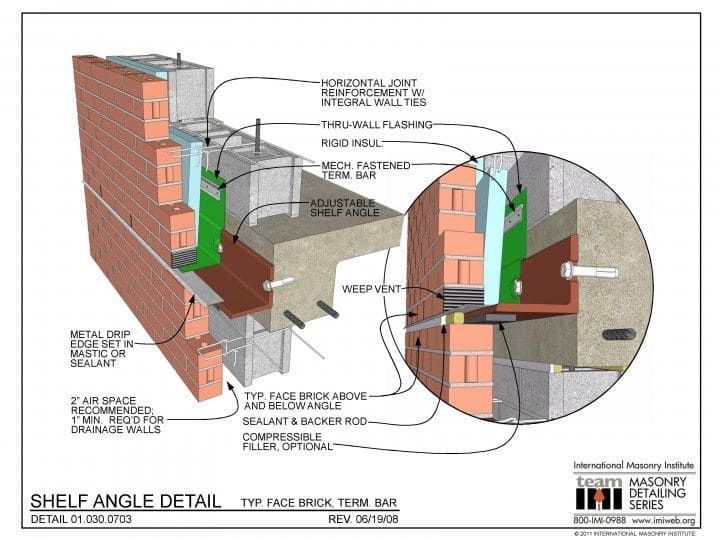
A shelf angle is a horizontal steel angle attached to the building's structural frame that supports the weight of masonry veneer. They are commonly installed at floor lines on multi-story buildings to transfer the weight of the exterior masonry back into the building's structure while allowing for differential movement between floors.
Because masonry veneer becomes heavier as buildings get taller, shelf angles are used to support the veneer at regular intervals rather than allowing the entire wall to bear on the foundation. According to STRUCTURE Magazine, shelf angles are a standard component of anchored masonry veneer systems and are commonly used to support masonry at each floor level on commercial and institutional buildings.
Because shelf angles are hidden behind brick, stone, or other veneer materials, deterioration often progresses unnoticed until visible damage begins appearing on the façade.
Why Do Shelf Angles Fail?
Shelf angles rarely fail because of a single issue. Instead, deterioration usually develops over many years as moisture repeatedly enters the wall assembly.
Common causes include:
- Corrosion caused by long-term water infiltration
- Failed or missing shelf angle flashing
- Deteriorated caulking and sealant joints
- Improper drainage within the cavity wall
- Freeze-thaw cycling
- Differential building movement
- Deferred maintenance
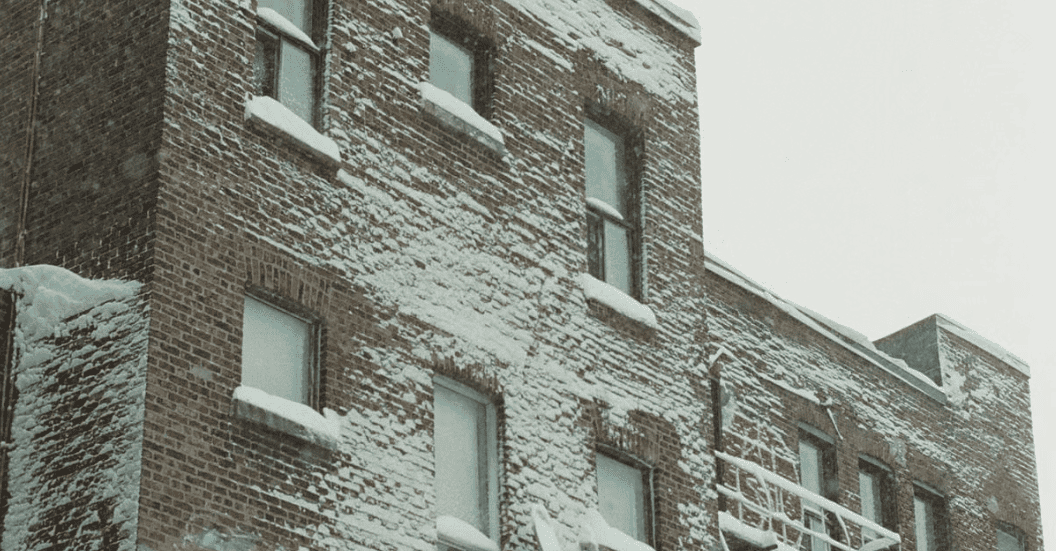
In the Chicago area, freeze-thaw cycles accelerate this process. Moisture entering small openings expands when frozen, increasing stress on masonry while allowing additional water to reach the steel support system.
How Moisture Leads to Shelf Angle Deterioration
Water is almost always the underlying problem.
A properly designed wall assembly manages water through several components working together:
- Exterior masonry veneer
- Shelf angle flashing
- Weep holes
- Air cavity
- Sealant joints
- Shelf angle
According to the Masonry Advisory Council, flashing is designed to collect water that enters the wall assembly and direct it safely back to the exterior. Because shelf angles create a horizontal interruption in the wall cavity, proper flashing and drainage at these locations are especially important to help prevent moisture infiltration, corrosion, and masonry deterioration.
If one component fails, water can become trapped behind the veneer.
Over time, corrosion expands the steel shelf angle. Rust occupies substantially more volume than the original steel, creating outward pressure that pushes surrounding masonry apart.
Instead of simply having a rust problem, the building begins experiencing structural movement within the veneer system.
What Are the Early Warning Signs?
Many shelf angle problems can be identified before major repairs become necessary.
Building engineers should watch for:
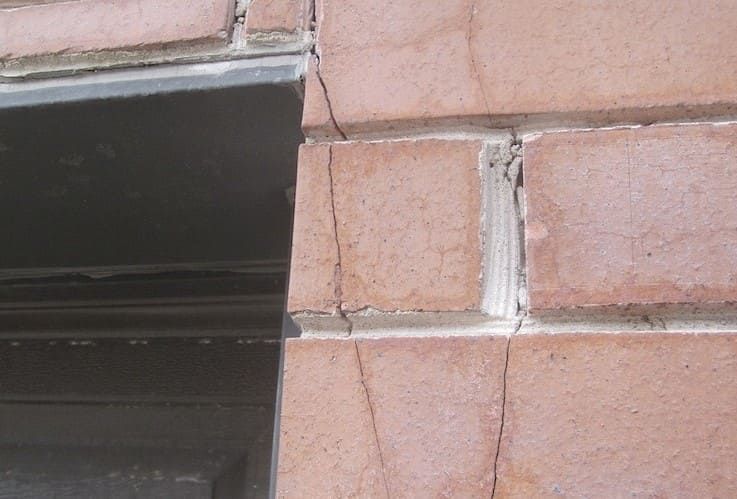
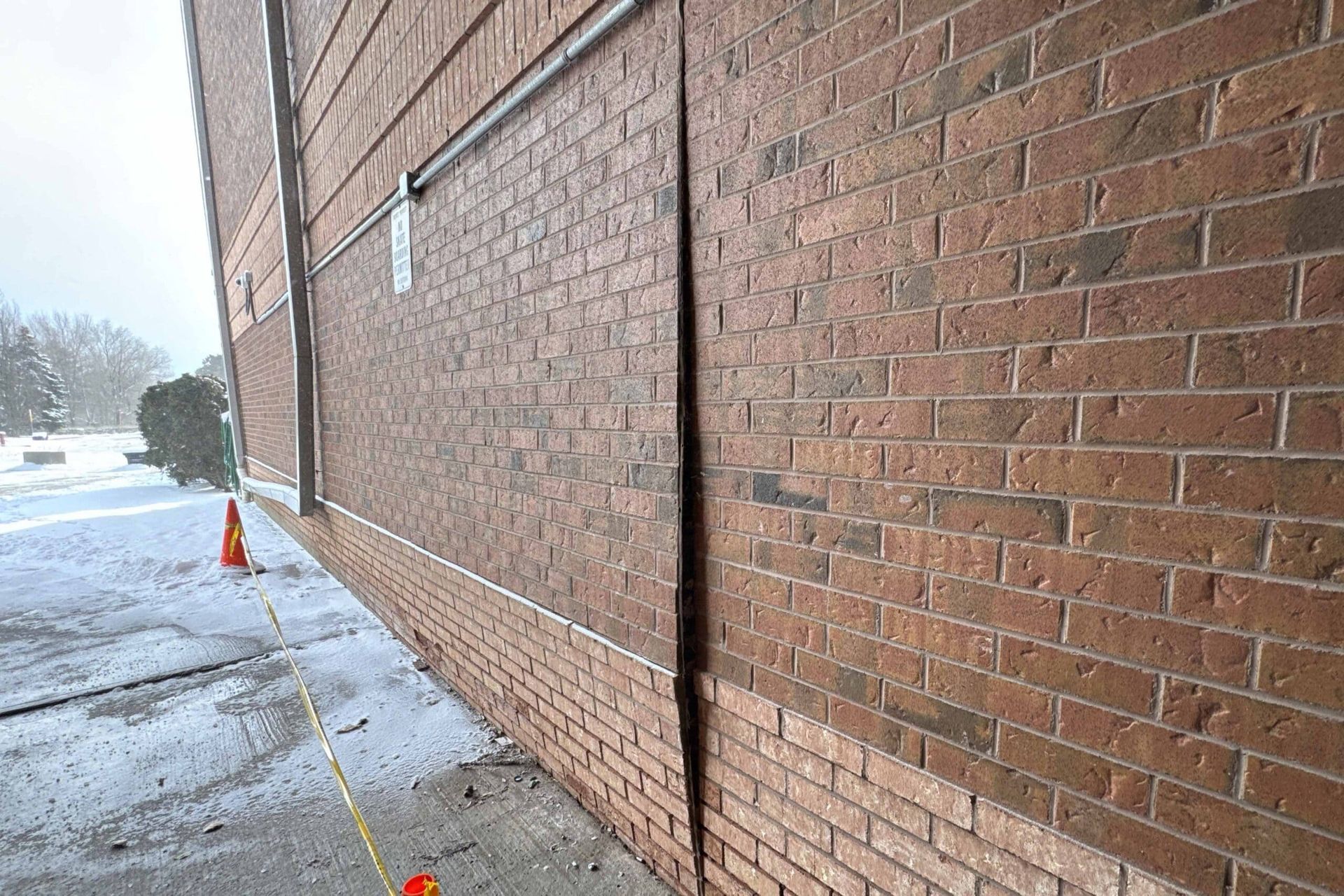
- Horizontal cracking above windows
- Horizontal cracking near floor lines
- Stair-step cracking in brick
- Brick displacement or bowing
- Rust staining on masonry
- Open or deteriorated expansion joints
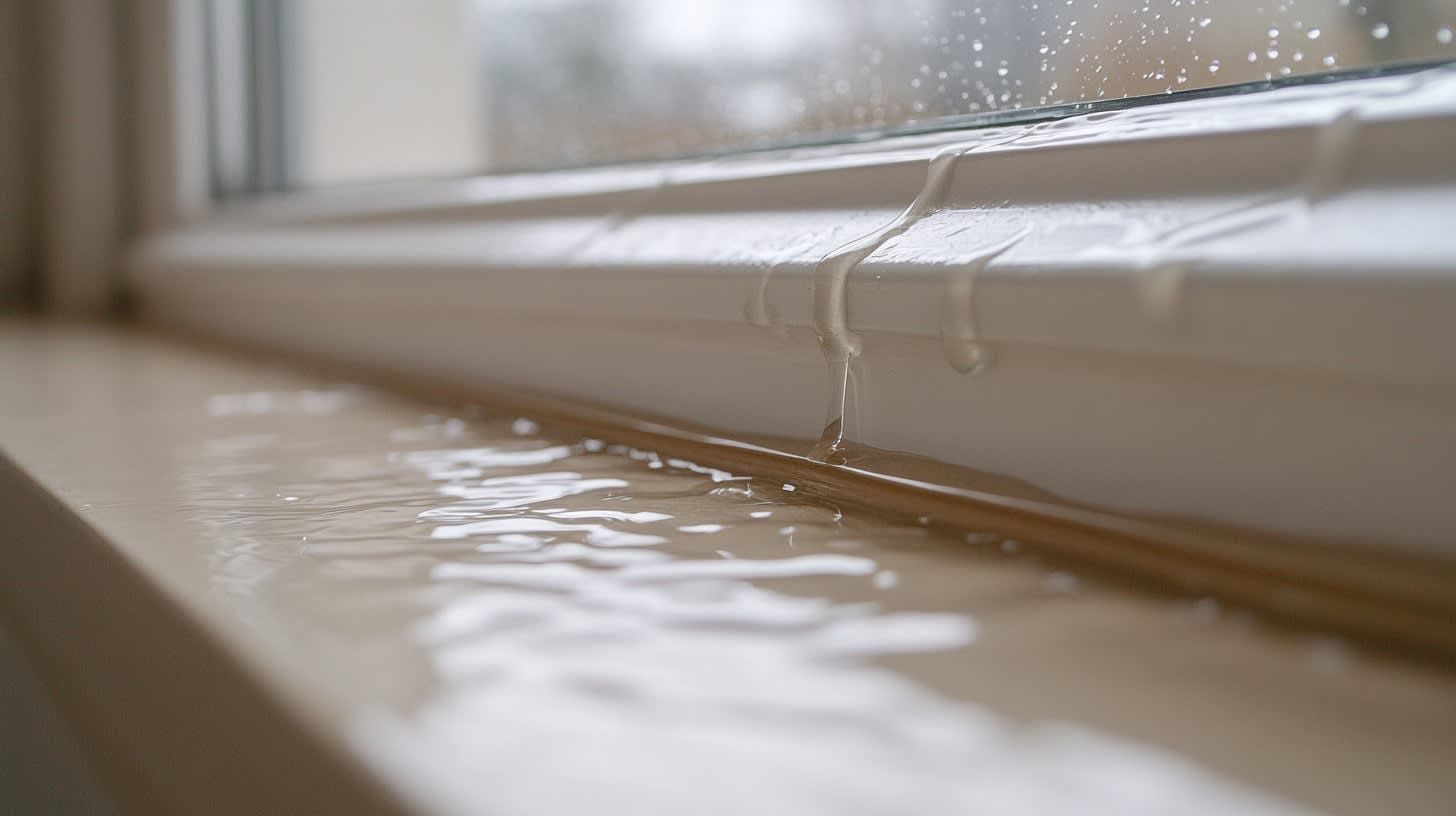
- Water leaks near window openings
- Efflorescence
- Loose masonry units
One commonly overlooked indicator is cracking near a lintel above window openings. While damaged lintels and deteriorated shelf angles are different structural components, similar moisture-related deterioration can affect both systems. Proper investigation helps determine the actual source before repairs begin.
Why Shelf Angle Flashing Matters
Many shelf angle failures begin with problems involving shelf angle flashing.
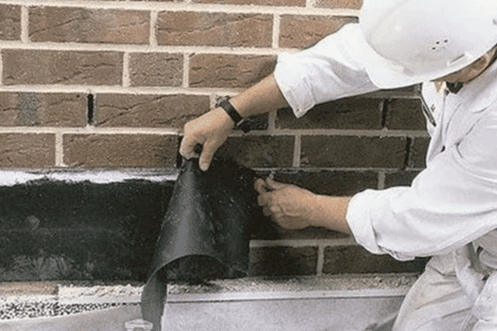
Shelf angle flashing is installed directly above the shelf angle to collect water inside the wall cavity and redirect it through weep holes before it reaches the steel support.
When shelf angle flashing becomes damaged, improperly installed, or reaches the end of its service life, moisture can repeatedly wet the shelf angle.
Without proper drainage, corrosion accelerates.
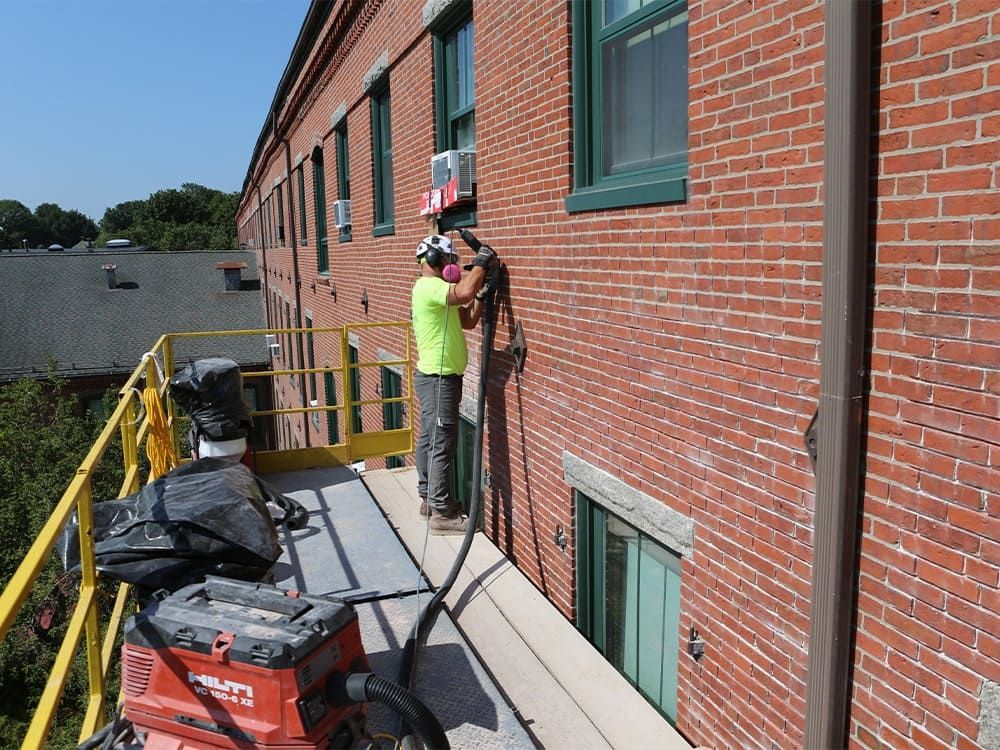
This is why shelf angle flashing repairs are often completed alongside masonry restoration projects instead of treating only the visible masonry damage.
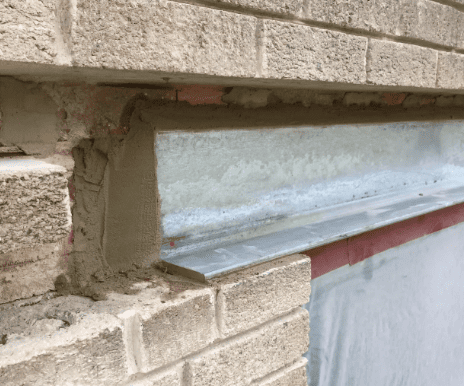
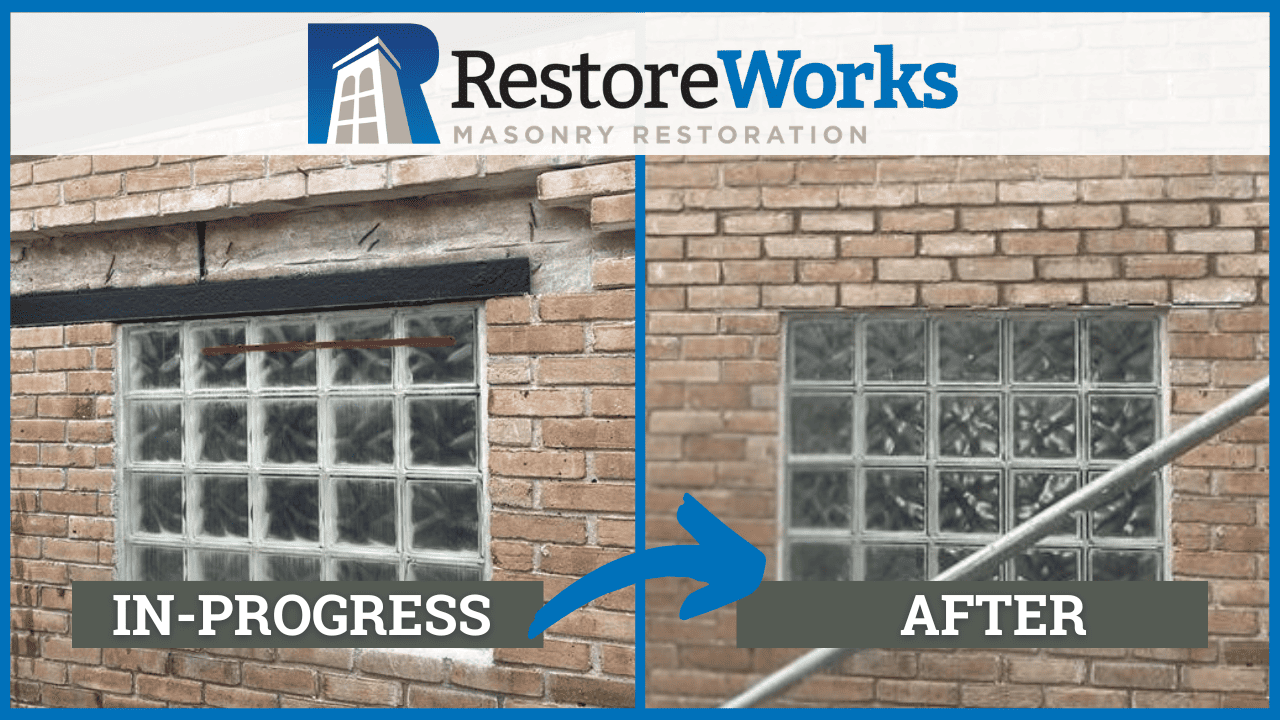
For example, during the restoration of the Porter County 911 Central Communications Center in Valparaiso, RestoreWorks uncovered multiple flashing deficiencies after removing masonry around window openings. Loose fasteners, improperly sealed terminations, and missing flashing components had allowed moisture to reach the supporting steel, contributing to corrosion and deterioration over time. The project included installing a new integrated flashing system with end dams and weep holes, rebuilding the masonry, and replacing perimeter sealants to restore proper moisture management.
How Building Movement Contributes to Shelf Angle Problems
Buildings naturally expand, contract, and move throughout the year.
Temperature changes, wind loads, structural creep, and normal settlement all create movement that must be accommodated by the wall system.
When expansion joints become rigid or sealants fail, additional stress is transferred into the masonry veneer.
Over time, these combined forces can contribute to:
- Cracked mortar joints
- Brick cracking
- Shelf angle distress
- Water intrusion
- Additional corrosion
Maintaining expansion joints is often just as important as repairing the masonry itself.
What Should Engineers Include During Building Inspections?
Routine façade evaluations should include more than a visual review of brickwork.
Consider evaluating:
- Horizontal cracking patterns
- Rust staining
- Masonry displacement
- Expansion joint condition
- Sealant deterioration
- Water staining below shelf angles
- Condition of weep holes
- Flashing performance
- Previous repair areas
- Interior signs of water intrusion
According to FacilitiesNet, reviewing previous repair records, recurring water leaks, and the building's maintenance history can provide valuable context for identifying the underlying cause of façade deterioration, not just its visible symptoms.
When deterioration is identified early, repairs are typically more localized and significantly less disruptive than full façade reconstruction.
How Are Shelf Angle Failures Repaired?
The appropriate repair depends on the extent of deterioration.
Common repair approaches include:
Localized Masonry Removal
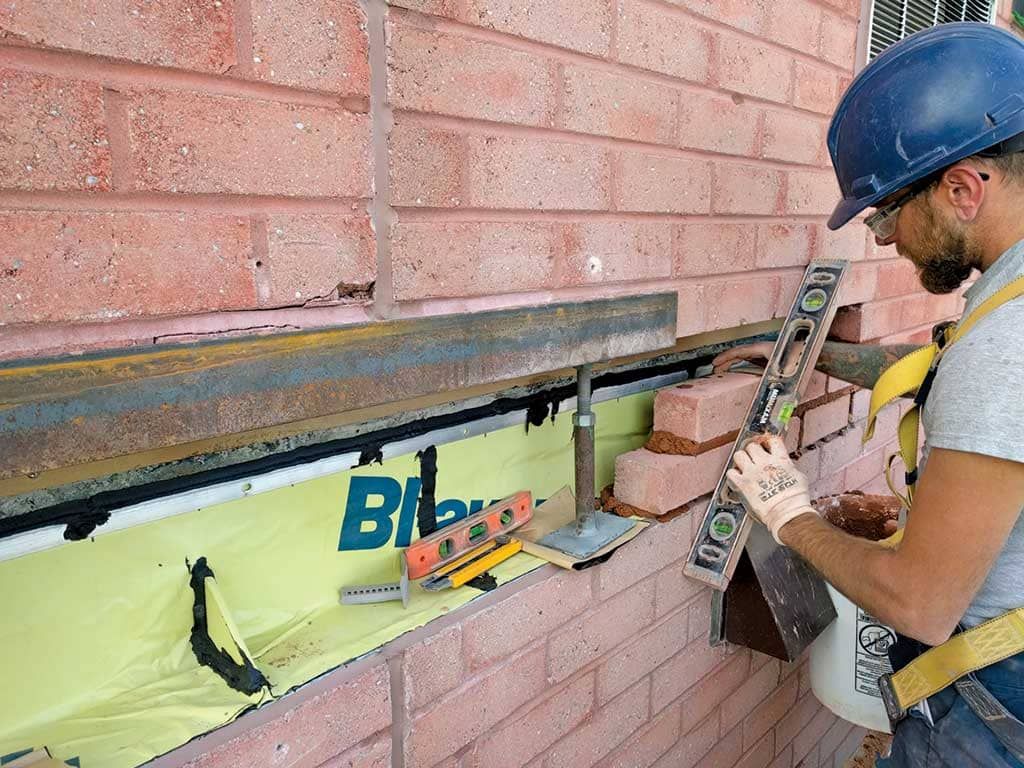
Small sections of masonry may be removed to expose the shelf angle for evaluation and repair.
Shelf Angle Repair or Replacement
If corrosion has significantly reduced the steel's structural capacity, partial or complete replacement may be necessary.
Shelf Angle Flashing Replacement
Installing new flashing helps restore proper drainage and reduce future moisture exposure.
Tuckpointing
Deteriorated mortar joints are replaced to improve weather resistance and restore the wall system.
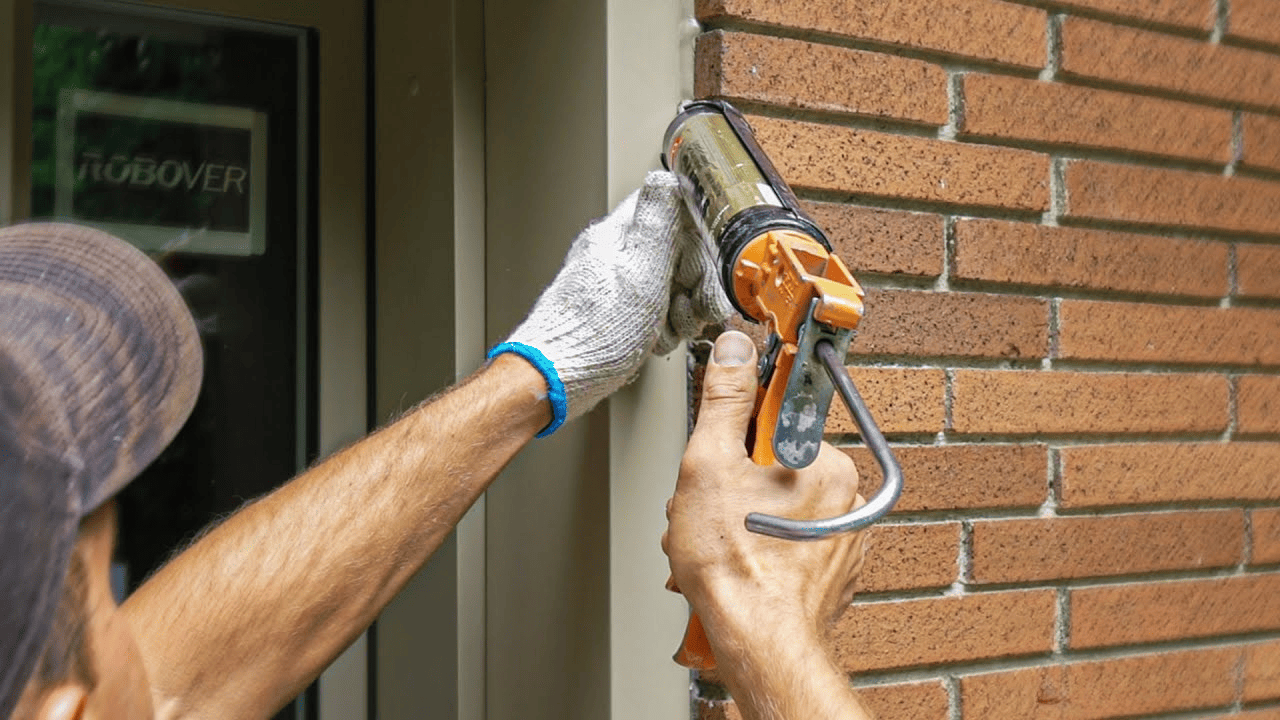
Caulking and Sealant Repairs
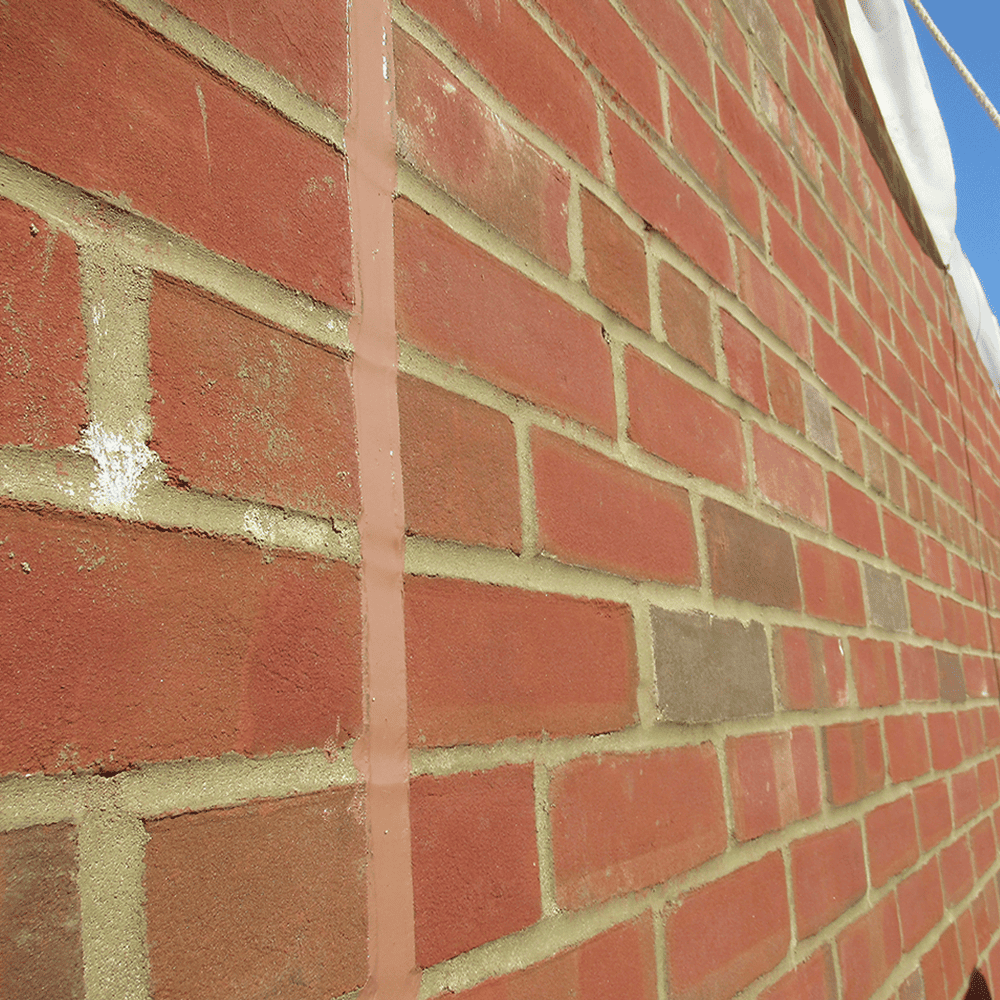
Expansion joints and perimeter sealants are replaced to help prevent additional water intrusion.
Mock-Ups
For large restoration projects, mock-ups allow owners, architects, and consultants to review repair methods, material compatibility, and workmanship before production begins.
Why Early Repairs Usually Cost Less
Shelf angle deterioration rarely improves on its own.
Minor water infiltration can eventually lead to:
- Larger masonry removals
- Brick replacement
- Shelf angle replacement
- Interior water damage
- Temporary stabilization
- Increased occupant disruption
- Higher restoration costs
As highlighted by the International Institute of Building Enclosure Consultants (IIBEC), investigating deterioration early can sometimes allow targeted repairs and localized reinforcement rather than complete replacement of shelf angles or other façade components, helping reduce repair costs while maintaining long-term performance.
Addressing deterioration during its early stages often reduces repair scope while helping preserve surrounding masonry.
How Chicago Buildings Face Additional Risk
Many commercial buildings throughout Chicago were constructed using brick veneer supported by steel shelf angles.
Combined with:
- Frequent freeze-thaw cycles
- Wind-driven rain
- Lake Michigan moisture exposure
- Aging masonry
- Decades of previous repairs
these buildings often require periodic evaluation to identify developing deterioration before structural issues become more extensive.
Historic masonry buildings deserve particular attention because replacement materials must remain compatible with the existing construction.
When Should Building Engineers Schedule an Evaluation?
Consider scheduling a professional evaluation if your building has:
- Visible horizontal cracking
- Rust staining
- Recurring water leaks
- Loose masonry
- Aging sealant joints
- Previous shelf angle repairs
- Deferred exterior maintenance
- Buildings that have not undergone a façade assessment in several years
Early identification allows repairs to be planned rather than performed under emergency conditions.
Frequently Asked Questions About Shelf Angle Failures
What causes shelf angle failure?
Shelf angle failures are most commonly caused by long-term moisture exposure. Failed shelf angle flashing, deteriorated sealants, poor drainage, and repeated freeze-thaw cycles allow corrosion to develop over time. As steel expands from rust, it creates pressure that can crack masonry and compromise the wall system.
How do I know if a shelf angle is failing?
Warning signs include horizontal cracking near floor lines, rust staining, displaced brick, water intrusion, stair-step cracking, and deteriorated expansion joints. Because shelf angles are concealed behind masonry, a professional investigation is often needed to confirm the source of the problem.
Is shelf angle flashing the same as a shelf angle?
No. A shelf angle is the structural steel that supports masonry veneer, while shelf angle flashing is the waterproofing component installed above it to direct water toward weep holes. Both work together, and failure of one can affect the performance of the other.
Can shelf angle corrosion be repaired?
Yes. Depending on the condition, repairs may include localized masonry removal, steel repair or replacement, shelf angle flashing replacement, tuckpointing, and sealant replacement. The appropriate solution depends on the extent of corrosion and surrounding masonry damage.
Concerned About Shelf Angle Deterioration?
Describe the item or answer the question so that site visitors who are interested get more information. You can emphasize this text with bullets, italics or bold, and add links.
Concerned About Shelf Angle Deterioration?
RestoreWorks helps commercial property owners, engineers, and facility managers identify masonry issues before they become costly structural repairs. If you've noticed cracking, rust staining, or water intrusion, our team can evaluate your building and recommend the most appropriate repair approach. Contact us to schedule a façade assessment.