Façade Inspections: Prevent Costly Building Emergencies
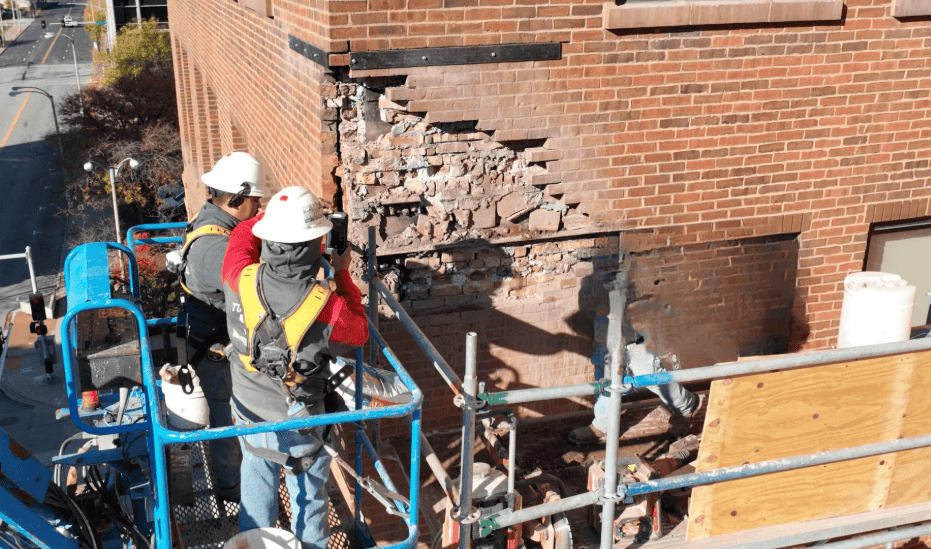
Exterior building problems rarely appear overnight. Most emergency masonry failures begin as small, manageable issues that gradually worsen over time. Routine façade inspections help identify these conditions before they become safety hazards, emergency repairs, or expensive restoration projects.
For commercial and multifamily buildings throughout the Chicago area, regular assessments are especially important. Years of freeze-thaw cycles, moisture intrusion, high winds, and aging masonry materials place continuous stress on exterior walls. Identifying deterioration early gives building owners and property managers more options, lower costs, and better control over project scheduling.
Why Routine Façade Inspections Matter
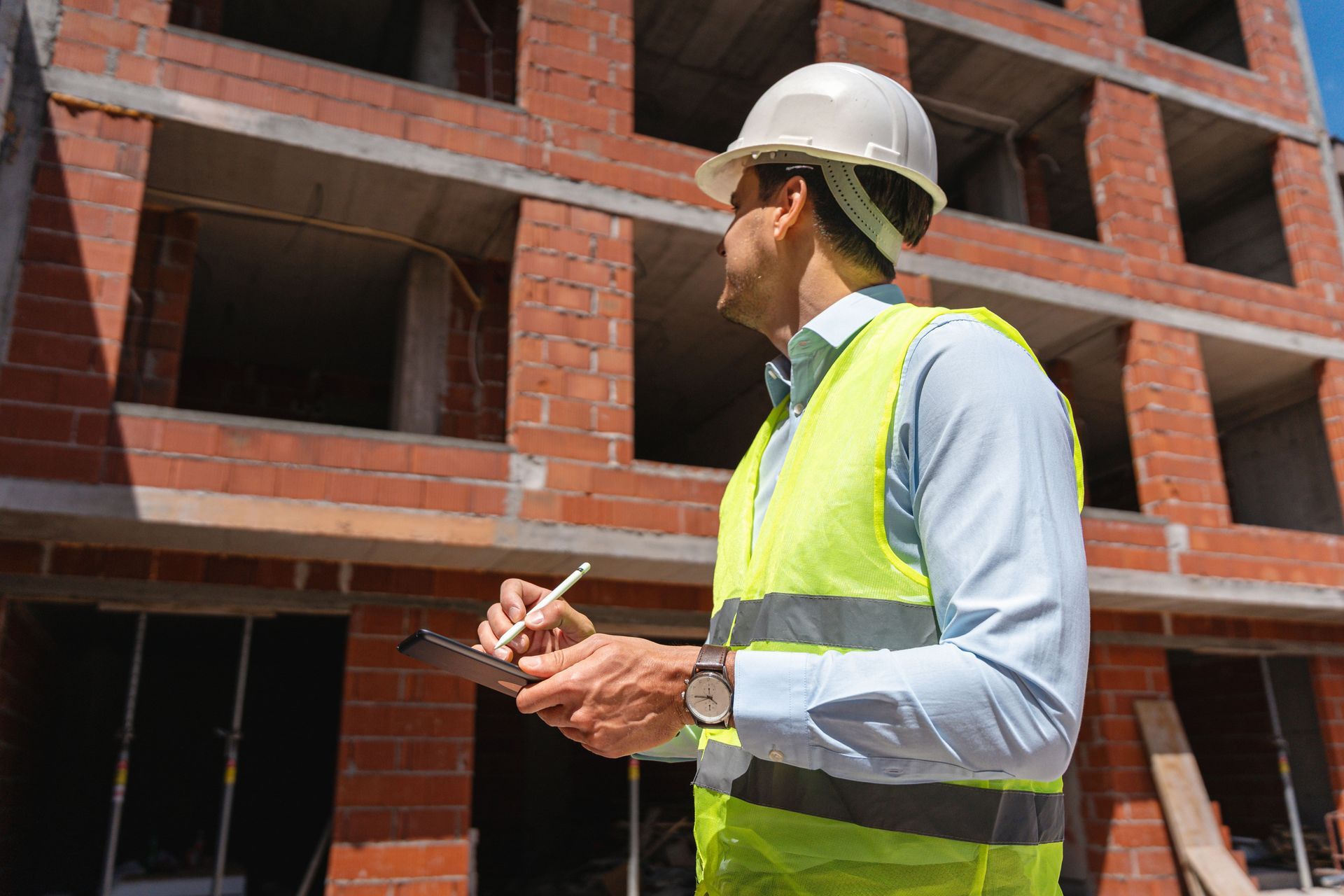
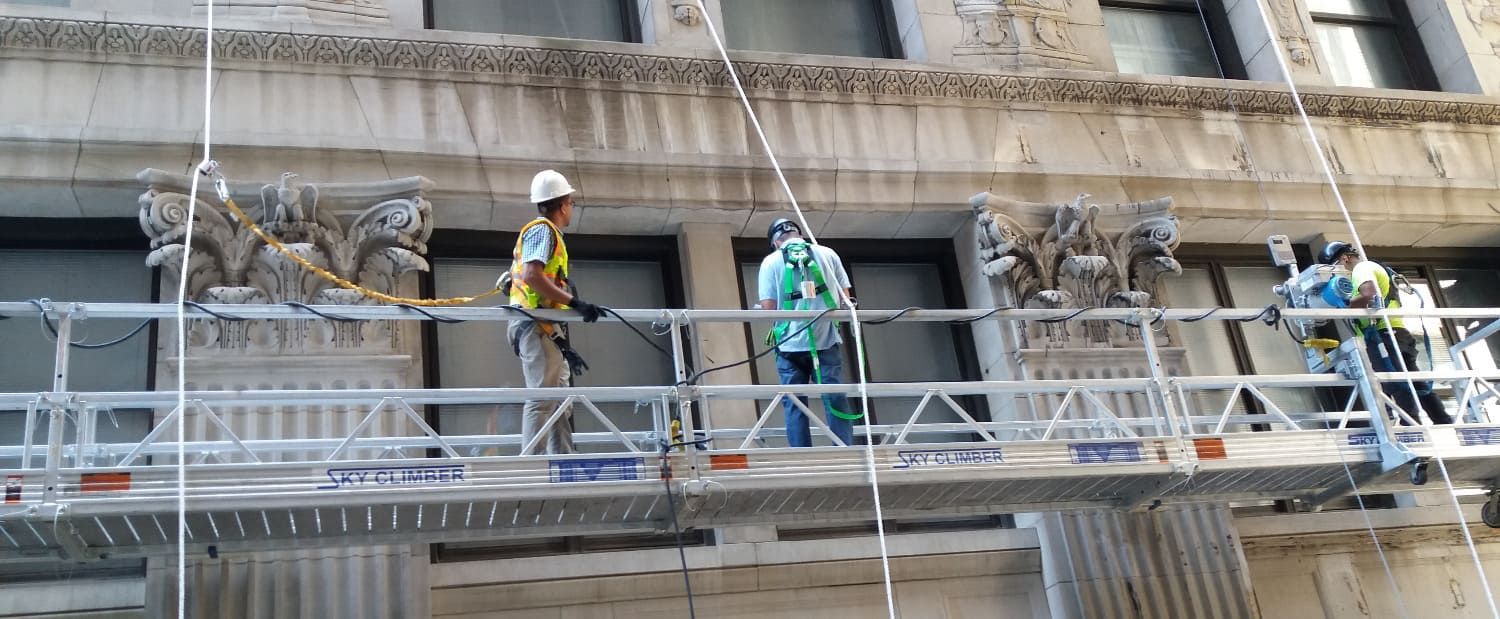
A façade inspection is a systematic evaluation of a building's exterior components, including masonry, concrete, sealants, flashings, and other visible elements. The goal is to identify deterioration before it creates structural concerns or public safety risks.
Routine inspections help uncover issues such as:
- Cracked or deteriorated mortar joints
- Loose or displaced brick and stone
- Spalling brick or concrete
- Rusting steel lintels
- Failed sealant joints
- Moisture infiltration
- Cracked concrete balconies
- Deteriorated flashing systems
Many of these problems develop slowly over several years. Catching them early often allows targeted repairs instead of large-scale restoration. As noted by Simpson Gumpertz & Heger (SGH) in its guidance on Chicago's façade inspection requirements, routine assessments help building owners identify deteriorating conditions early, develop repair plans, and reduce the risk of hazardous exterior conditions.
Small Problems Become Expensive Emergencies
Water is one of the primary causes of masonry deterioration.
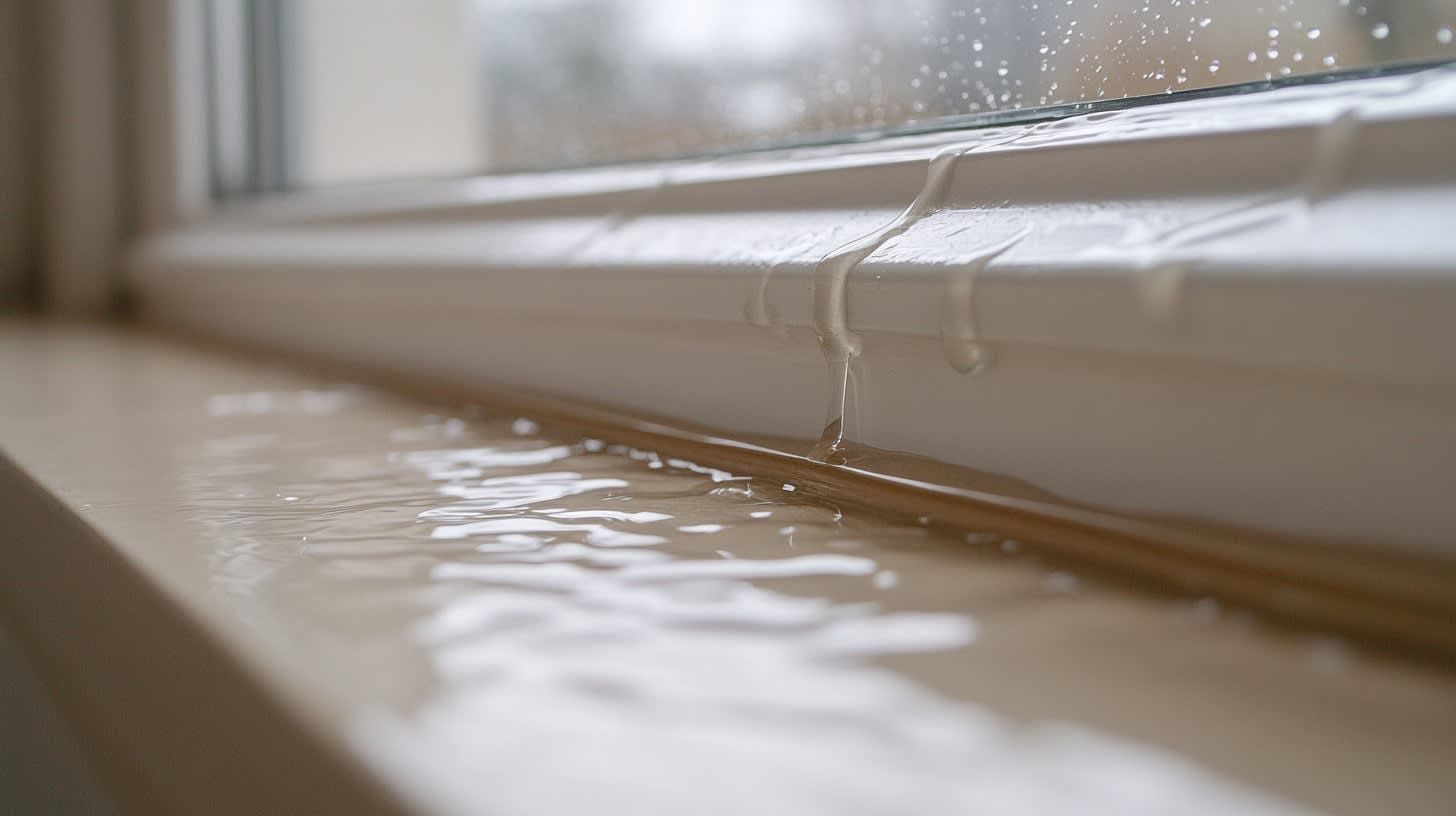
When moisture enters small cracks or deteriorated mortar joints, Chicago's repeated freeze-thaw cycles can expand that damage each winter. Over time, materials loosen, cracks widen, and masonry systems become less stable.
Common progression includes:
- Hairline mortar deterioration
- Water infiltration
- Freeze-thaw expansion
- Brick or concrete cracking
- Corrosion of embedded steel
- Larger structural repairs
- Potential falling debris or emergency stabilization
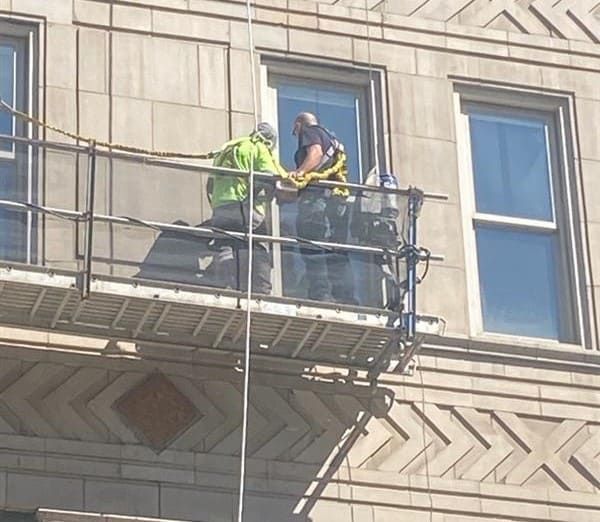
Many emergency masonry repairs begin with conditions that would have been relatively inexpensive to correct only a few years earlier.
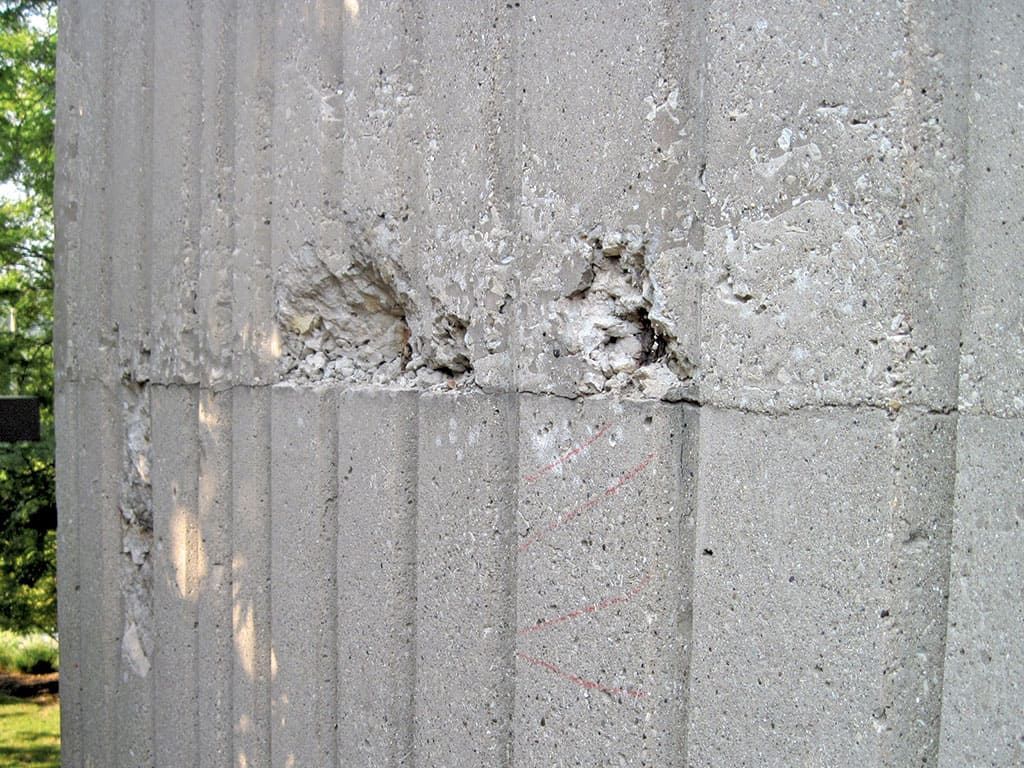
Common Warning Signs That Should Never Be Ignored
Property managers and maintenance staff should watch for visible changes during routine building observations.
Signs that warrant a professional façade assessment include:
- Cracked masonry joints
- Bulging exterior walls
- Loose brick or stone
- White staining (efflorescence)
- Rust stains below windows or openings
- Interior water leaks near exterior walls
- Spalling brick or concrete
- Cracked balcony slabs
- Missing or deteriorated sealants
While these conditions do not always indicate immediate structural concerns, they often signal moisture-related deterioration that should be evaluated before it progresses.
Why Chicago Buildings Face Unique Challenges
Buildings throughout the Chicago region experience environmental conditions that accelerate exterior deterioration.
These include:
- Frequent freeze-thaw cycles
- Heavy seasonal rainfall
- Lakefront wind exposure
- Snow and ice accumulation
- Deicing salt exposure
- Older masonry construction common throughout the city
These conditions can increase moisture intrusion, accelerate material deterioration, and contribute to more frequent repair needs over time. The Chicago Metropolitan Agency for Planning (CMAP) has also identified increasing precipitation and more frequent extreme weather events as growing challenges for buildings and infrastructure throughout the region.
Historic masonry buildings often require additional attention because original materials may already be decades old. Even newer structures benefit from periodic inspections, as movement, weather exposure, and normal aging affect every building envelope over time.
How Routine Inspections Support Better Maintenance Planning
Emergency repairs are often disruptive, expensive, and difficult to schedule.
Routine inspections allow owners to:
- Prioritize repairs by urgency
- Budget for future restoration work
- Coordinate repairs with tenant occupancy
- Combine multiple repairs into one project
- Reduce emergency service costs
- Extend the service life of exterior building systems
Rather than reacting to failures, building teams can make informed maintenance decisions based on actual building conditions.
The Connection Between Inspections and Concrete Façade Repair
Concrete deterioration often begins long before significant damage becomes visible.
Routine façade inspections help identify:
- Surface cracking
- Delamination
- Spalling
- Exposed reinforcing steel
- Water intrusion
- Balcony deterioration
Early identification allows targeted concrete façade repair before larger sections require reconstruction or replacement.
In many cases, repairing localized deterioration preserves more of the original structure while reducing overall project costs.
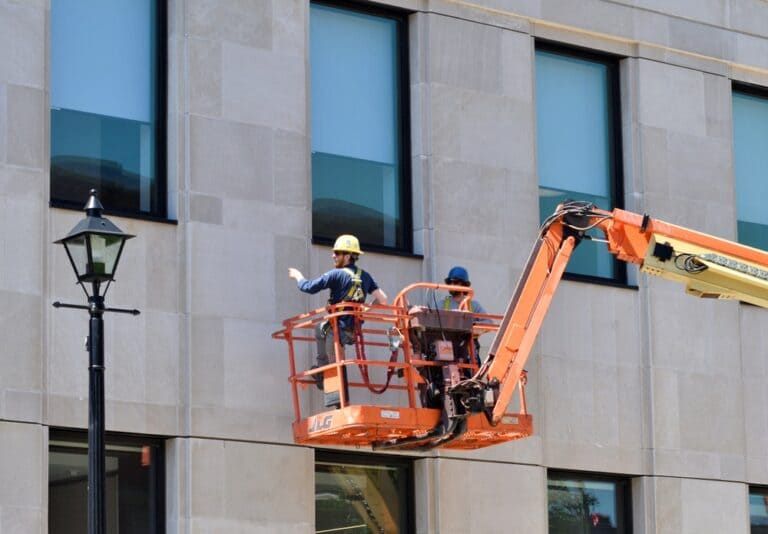
Components Commonly Evaluated During Façade Inspections
Depending on the building type, an inspection may include evaluation of:
Masonry Systems
- Brick
- Stone
- Mortar joints
- Parapets
- Chimneys
- Copings
Concrete Elements
- Concrete façades
- Balconies
- Parking structures
- Architectural concrete features
Moisture Protection Systems
- Sealant joints
- Expansion joints
- Flashings
- Shelf angles
- Drainage details
Because these systems work together, deterioration in one area often contributes to problems elsewhere on the building.
What Happens After an Inspection?
Inspection findings typically allow building owners to separate repairs into categories based on urgency.
These may include:
Immediate Safety Concerns
Conditions that present potential hazards or require prompt stabilization.
Near-Term Repairs
Deterioration that should be corrected before additional damage occurs.
Long-Term Maintenance
Items that should be monitored and included in future capital planning.
This phased approach helps owners allocate budgets more effectively while reducing the likelihood of unexpected emergencies.
Coordinating Inspections With Restoration Projects
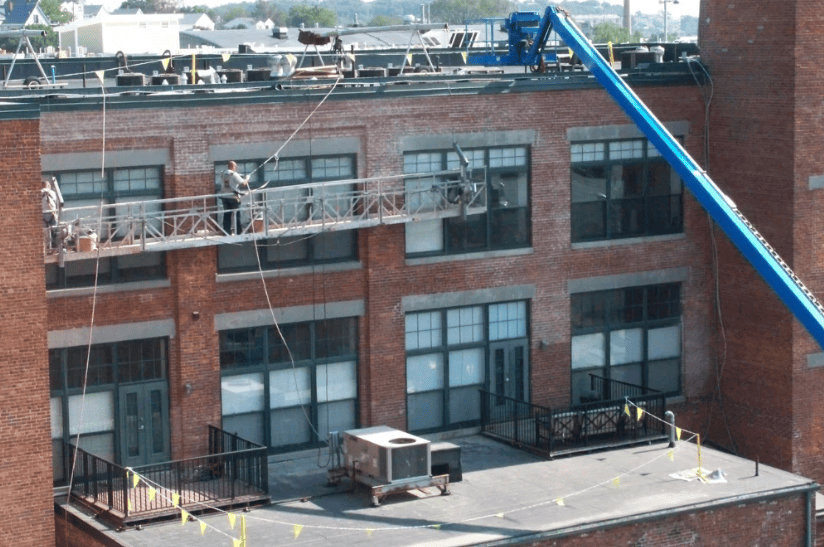
Routine inspections often identify opportunities to complete several related repairs during one mobilization.
For example, a project may combine:
- Masonry restoration
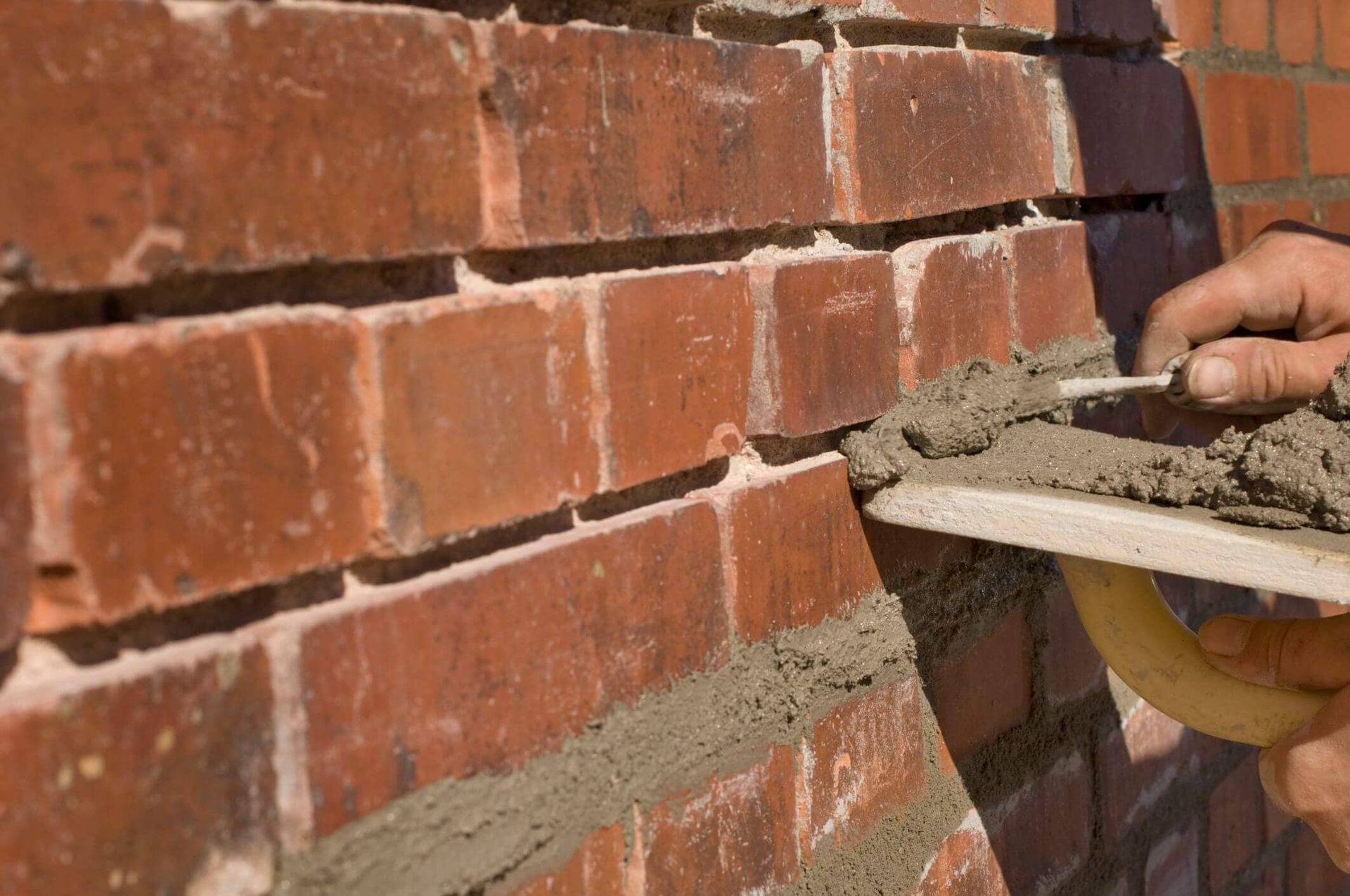
- Tuckpointing
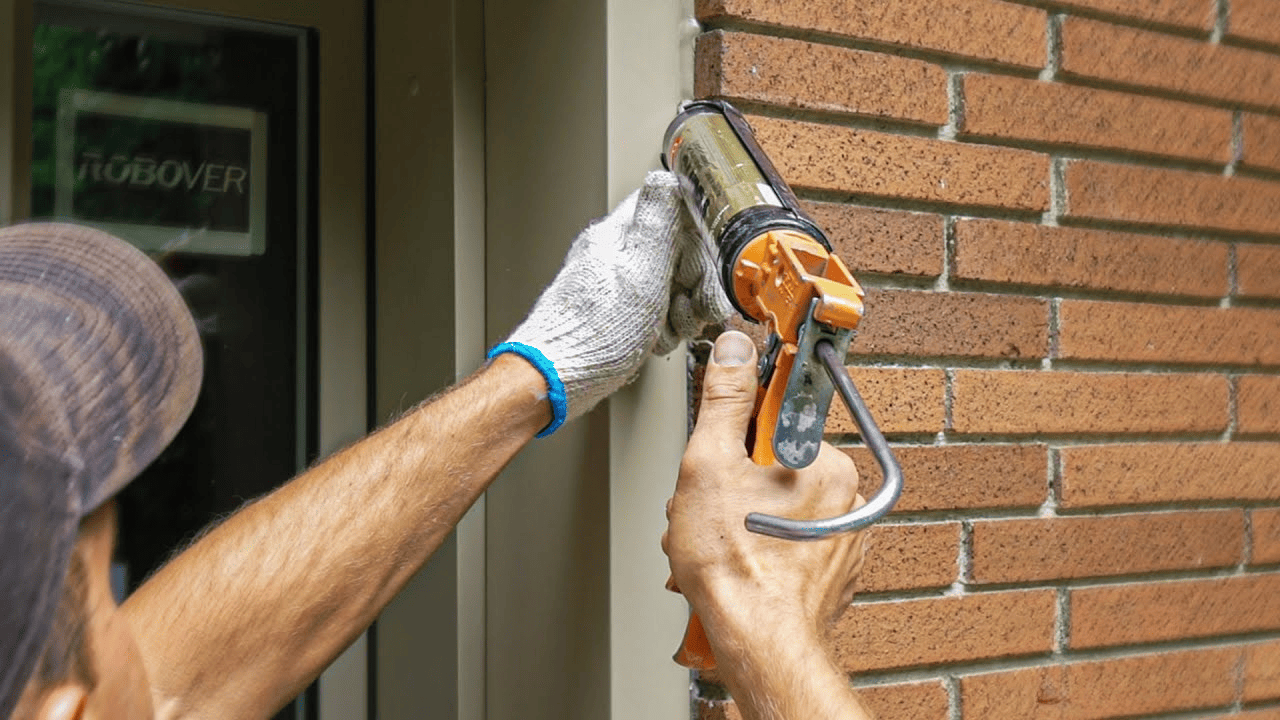
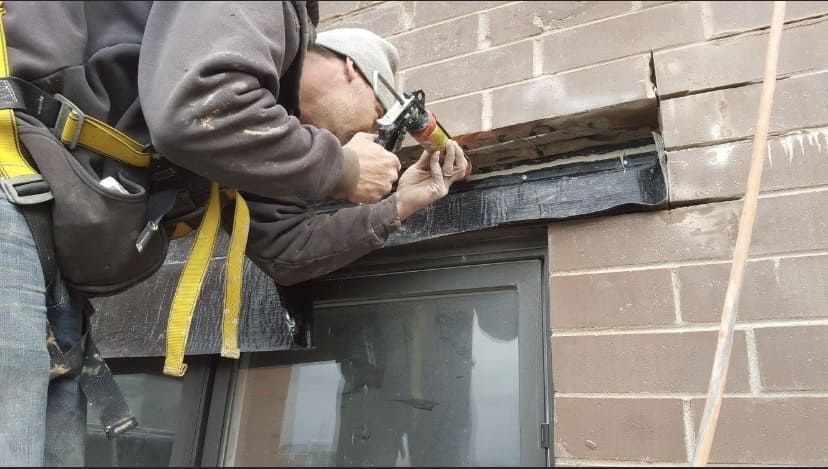
- Caulking and sealant repair
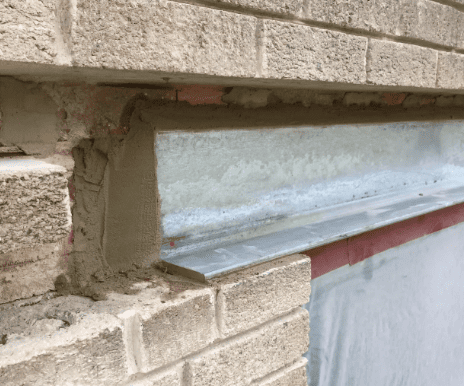
- Lintel and shelf flashing repairs
- Concrete façade repair
Completing related work together can reduce mobilization costs, improve project coordination, and minimize disruption for occupied buildings.
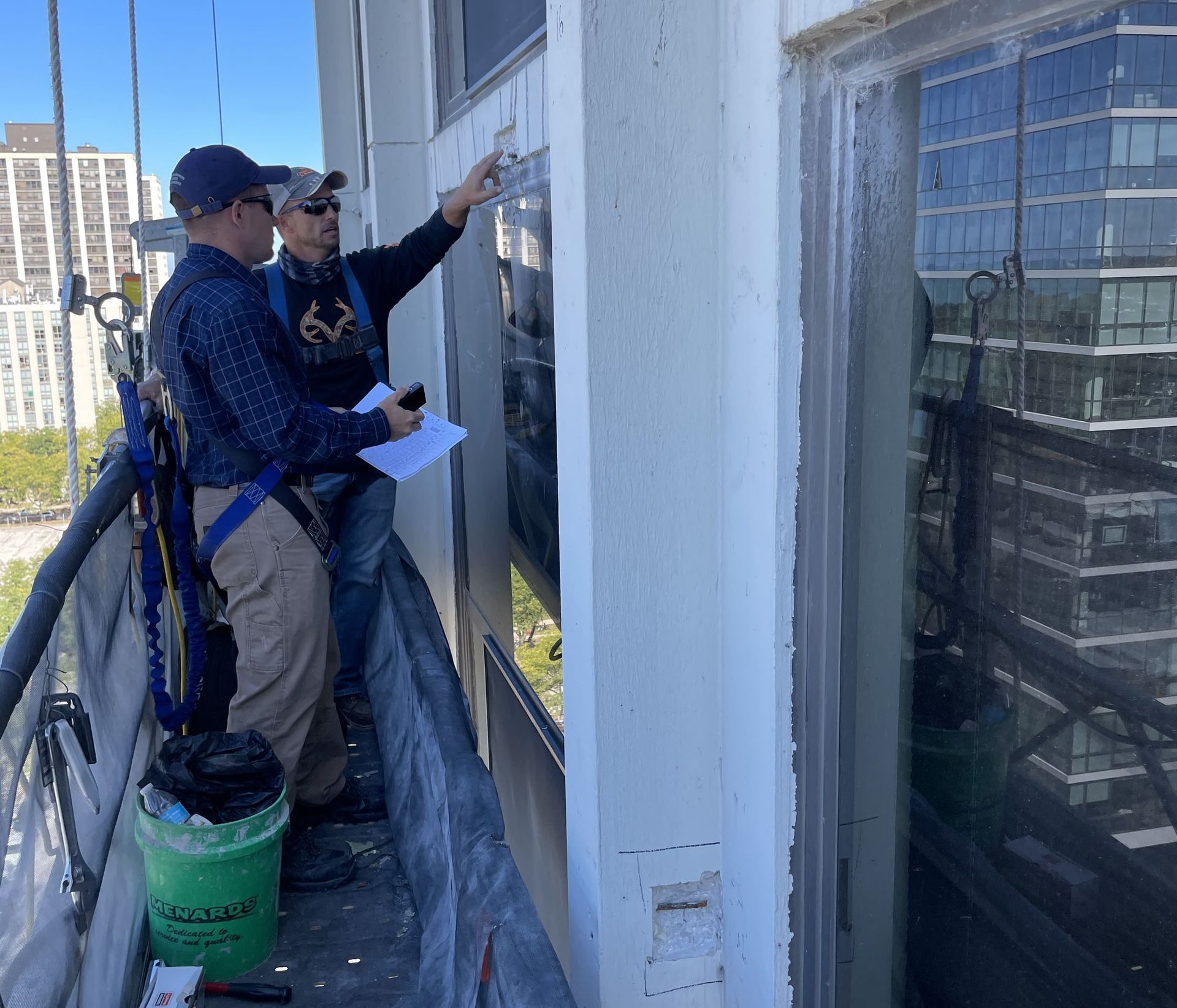
Routine Assessments Reduce Risk and Improve Long-Term Building Performance
No building remains maintenance-free.
Routine façade inspections provide valuable information that allows owners, property managers, architects, and engineers to make informed decisions before deterioration becomes an emergency. By identifying problems early, buildings can often avoid larger restoration costs, improve occupant safety, and extend the service life of exterior systems.
As Thornton Tomasetti notes in its overview of Chicago's Exterior Wall Program, routine inspections also help qualifying building owners meet the City's façade inspection requirements while providing a structured framework for identifying deficiencies and planning repairs before conditions worsen.
For commercial and multifamily properties throughout the Chicago area, preventive assessments remain one of the most effective tools for protecting both building performance and long-term investment.
Frequently Asked Questions About Façade Inspections
How often should a commercial building have a façade inspection?
Inspection frequency depends on building age, construction type, location, and applicable local requirements. Even when not required by ordinance, periodic professional assessments help identify developing deterioration before it becomes more costly to repair and support long-term maintenance planning.
What problems can a façade inspection identify?
A façade inspection can identify deteriorated mortar joints, cracked masonry, loose brick or stone, spalling concrete, failed sealants, rusting lintels, moisture intrusion, flashing deficiencies, and other conditions that may affect building performance or safety.
Can façade inspections help prevent emergency repairs?
Yes. Many emergency repairs begin as relatively minor maintenance issues. Routine inspections allow building owners to identify deterioration early, prioritize repairs, and address problems before they require emergency stabilization or significantly more extensive restoration.
Does concrete façade repair always require replacing large sections?
Not necessarily. When deterioration is identified early through routine inspections, localized concrete façade repair is often sufficient. Addressing small areas before damage spreads can preserve more of the existing structure and reduce overall project costs.
Need Help Evaluating Your Building's Façade?
Whether you're addressing visible deterioration or planning preventive maintenance, contact RestoreWorks to discuss your commercial or multifamily property's exterior restoration needs.