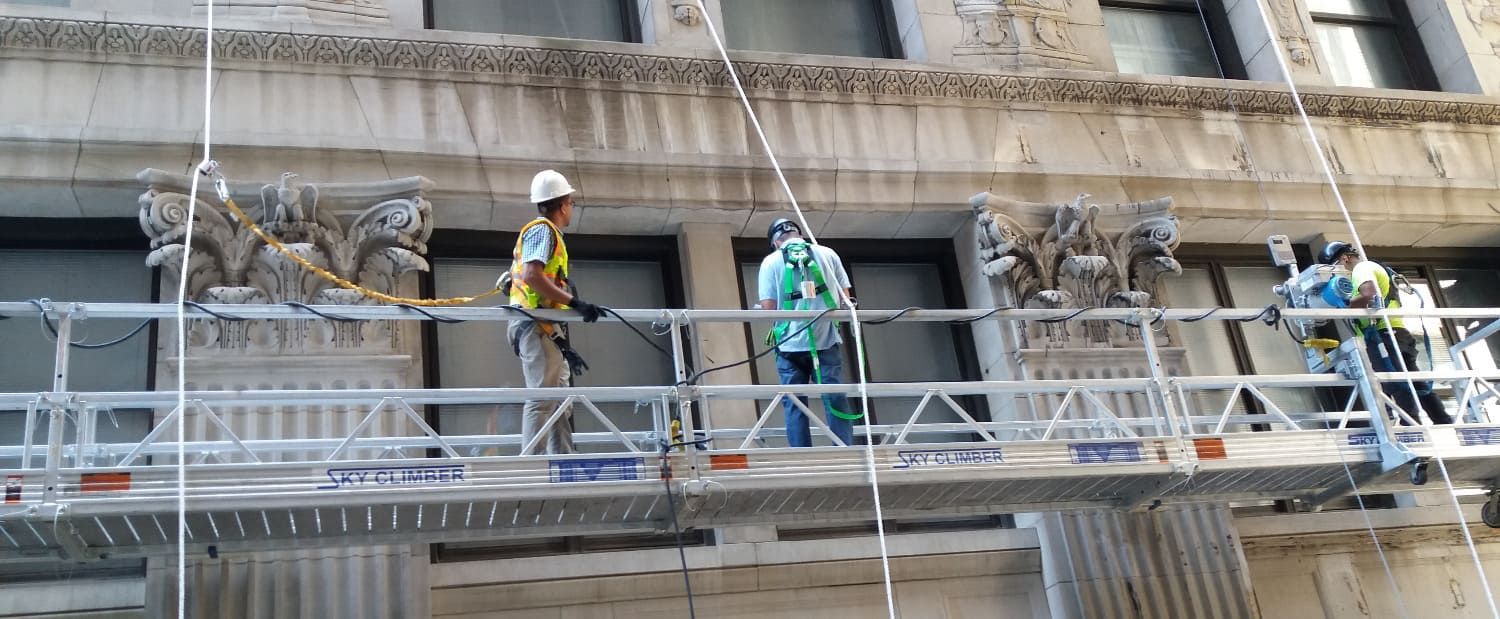
Surface Preparation in Restoration: Cleaning Before Repointing or Coating
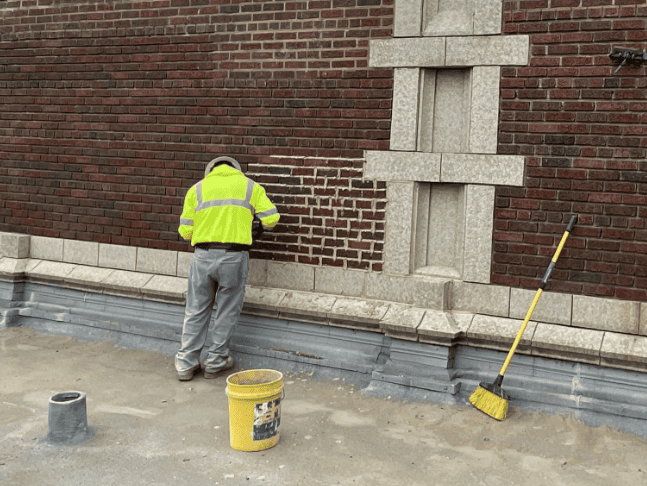
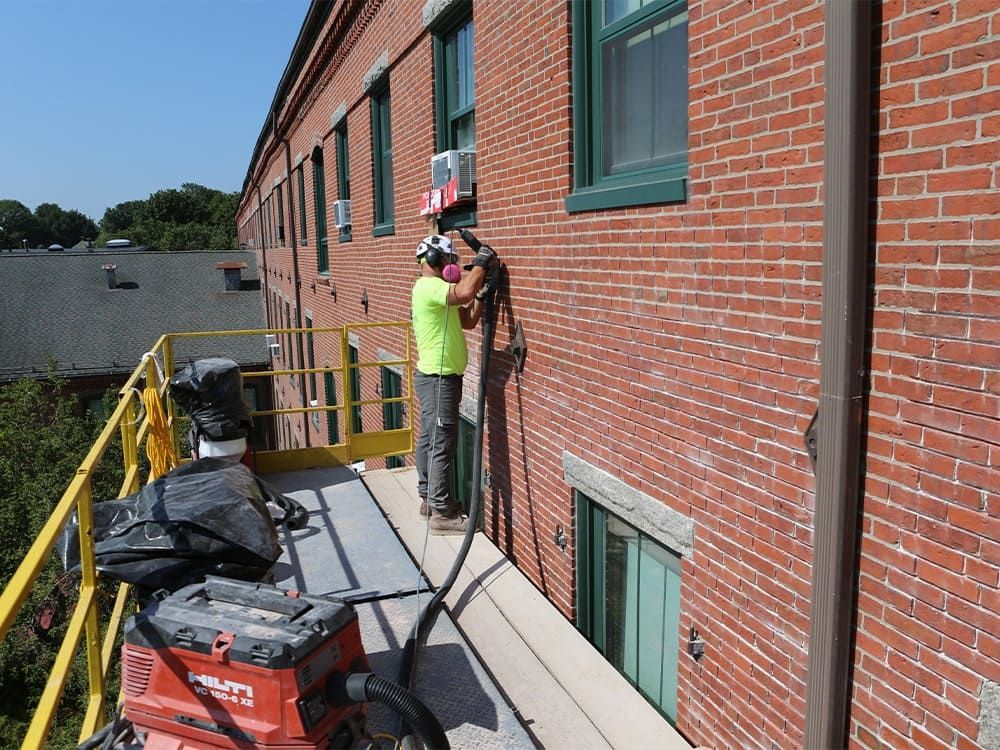
Successful masonry restoration begins long before new mortar is installed or protective coatings are applied. One of the most important steps is proper masonry cleaning, which removes contaminants, deteriorated materials, and surface conditions that can reduce the effectiveness of subsequent repairs.
Skipping or rushing surface preparation may save time initially, but it often leads to premature failures, poor adhesion, inconsistent finishes, and unnecessary callbacks. For commercial and multifamily buildings throughout the Chicago area, proper cleaning helps ensure restoration materials perform as intended while preserving the integrity of the existing masonry.
Why Surface Preparation Matters Before Masonry Restoration
Every restoration project depends on the condition of the substrate. Whether the project involves tuckpointing, concrete repairs, sealant replacement, or protective coatings, the existing surface must be properly prepared before new materials are installed.
The U.S. General Services Administration’s guidance on historic masonry cleaning emphasizes that contractors should identify the masonry type, surface condition, previous treatments, and cause of staining before selecting a cleaning method. The GSA also recommends using the gentlest effective cleaning method, confirmed through small test patches or mock-ups, to remove soiling without damaging the masonry substrate.
Surface preparation helps:
- Remove dirt, pollutants, and biological growth
- Eliminate loose mortar, deteriorated coatings, and debris
- Improve adhesion of repair materials
- Reveal hidden deterioration that may require additional repairs
- Produce a more uniform finished appearance
Without adequate preparation, even high-quality repair materials may not achieve their expected service life. On historic or older Chicago masonry buildings, this step is especially important because aggressive cleaning, excessive pressure, or incompatible chemicals can permanently damage brick, stone, mortar joints, and architectural details.
What Masonry Cleaning Removes
Buildings accumulate contaminants over decades of exposure. In Chicago, freeze-thaw cycles, airborne pollutants, moisture, road salts, and seasonal weather all contribute to façade deterioration.
Masonry Magazine explains that cleaning existing masonry is commonly used to remove dirt, pollutants, biological growth, paint, graffiti, and other stains to improve appearance and support long-term performance. However, the same source also warns that improper cleaning can damage masonry by contributing to efflorescence, etching, staining, surface texture changes, and deterioration of mortar or softer masonry materials.
Depending on the building and restoration scope, masonry cleaning may remove:
- Atmospheric dirt and pollution staining
- Biological growth such as algae or mildew
- Efflorescence (white mineral deposits)
- Existing paint or coatings
- Construction residue
- Rust staining
- Surface salts
- Loose mortar and deteriorated masonry particles
Removing these materials provides a cleaner, more stable surface for repairs. Just as important, it helps the project team evaluate the true condition of the masonry before repointing, coating, or other restoration work begins.
Choosing the Right Cleaning Method
Not every building should be cleaned the same way.
Different masonry materials respond differently to water pressure, chemical cleaners, abrasives, and mechanical methods. Selecting the wrong process can permanently damage brick, stone, mortar joints, or architectural details.
Cleaning methods may include:
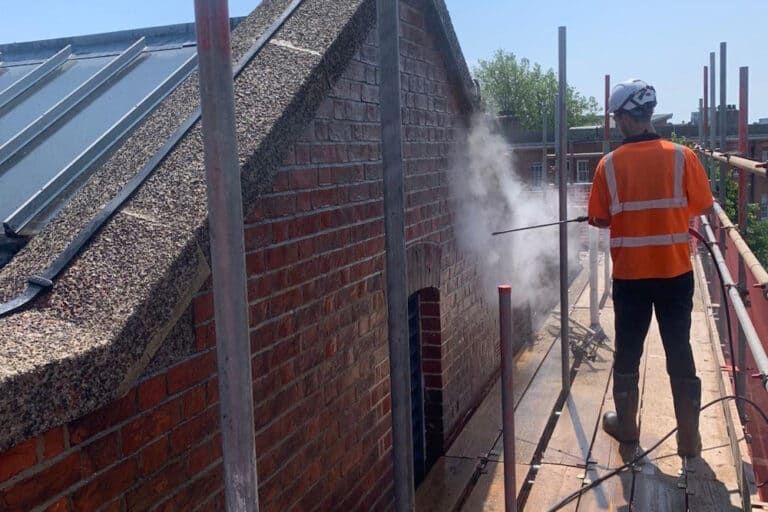
Low-Pressure Water Cleaning
Low-pressure water washing is often appropriate for removing general dirt and light surface contaminants.
It minimizes the risk of damaging older masonry while effectively cleaning many commercial façades.
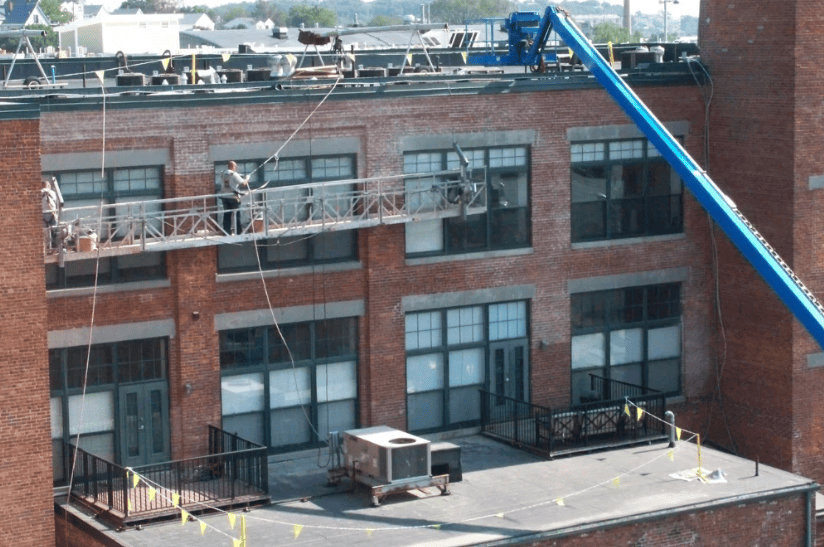
For example, RestoreWorks used a low-pressure misting system combined with soft-bristle brushes to restoratively clean the historic limestone and brick façade of the Chicago Athletic Association during its transformation into the Chicago Athletic Association Hotel. The process gently removed more than a century of accumulated dirt, carbon, and other contaminants while helping preserve the building's delicate masonry surfaces.
Specialty Chemical Cleaning
Specialized masonry cleaners are commonly used to remove:
- Efflorescence
- Carbon staining
- Atmospheric pollution
- Rust discoloration
- Biological growth
The cleaner selected should match both the masonry type and the contaminant being removed.
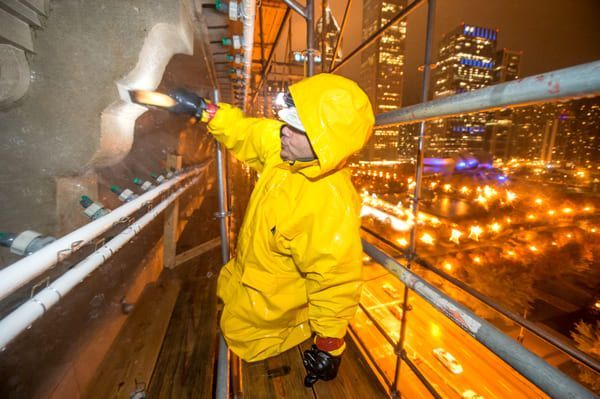
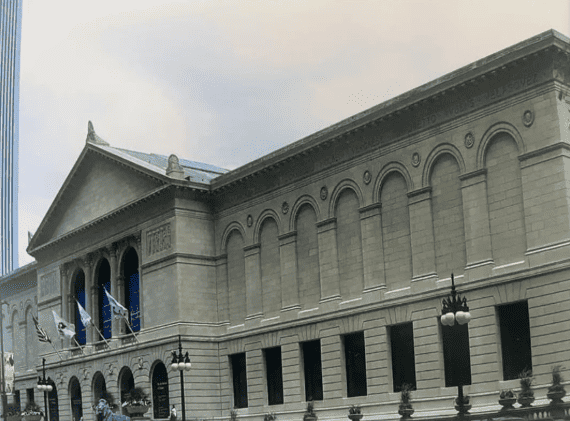
For example, during a restoration project at the Art Institute of Chicago, RestoreWorks performed controlled chemical cleaning on the historic limestone façade. Because of the building's prominent downtown location, the cleaning was completed during nighttime hours to minimize pedestrian disruption while carefully protecting the historic masonry.
Mechanical Surface Preparation
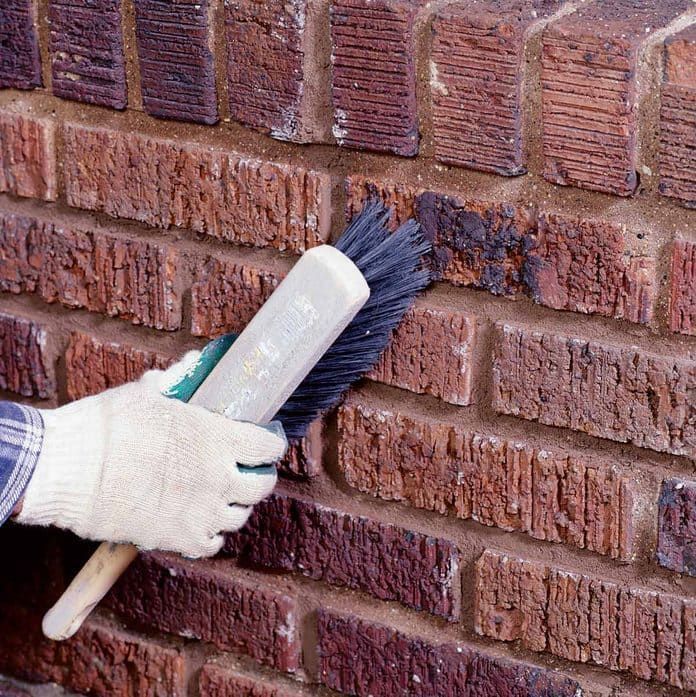
Certain restoration projects require mechanical preparation such as grinding, scraping, or removing loose coatings before repairs begin.
These methods should be carefully controlled to avoid unnecessary damage to surrounding materials.
Why Cleaning Comes Before Repointing
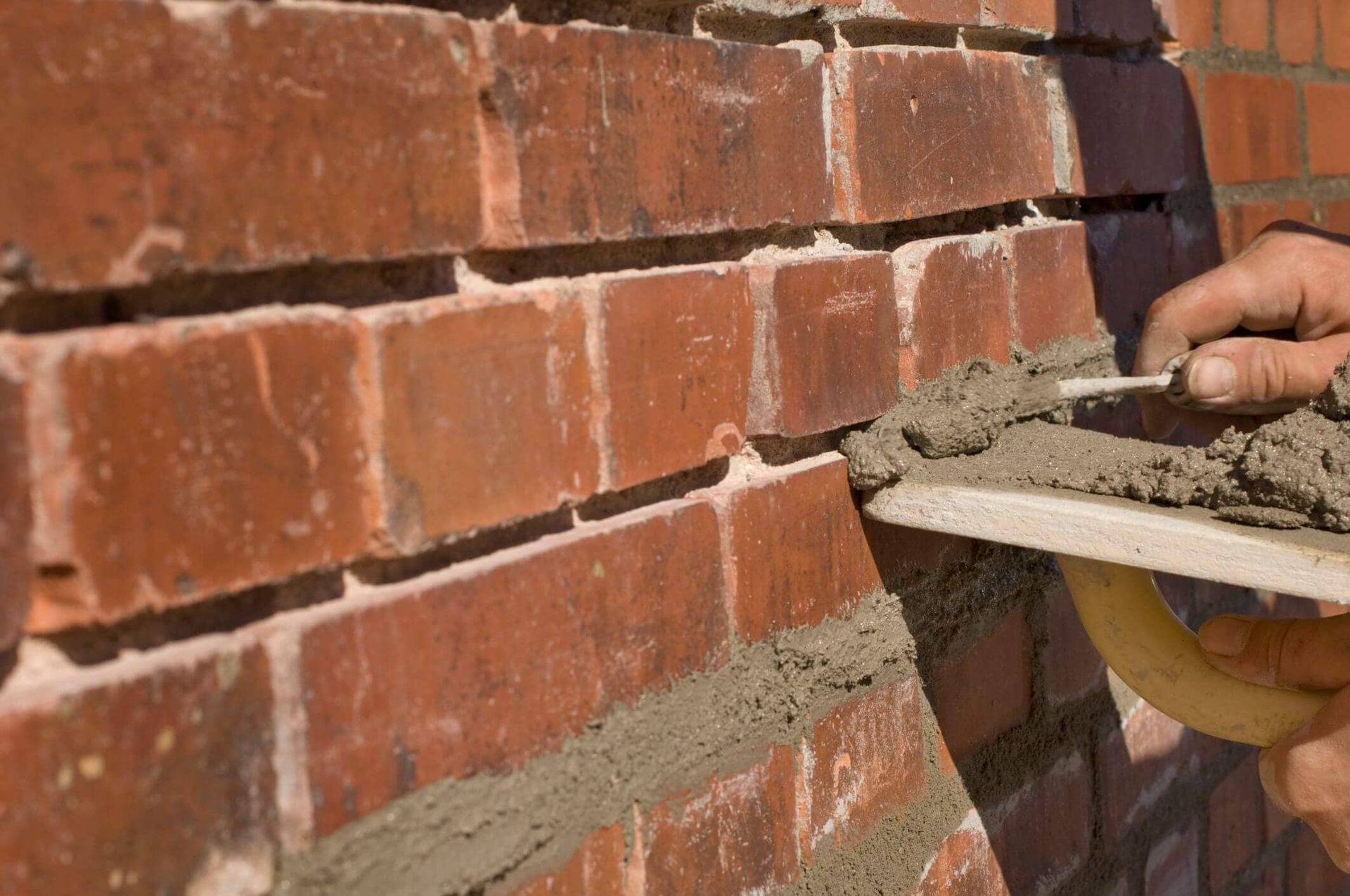
Repointing replaces deteriorated mortar joints with new mortar designed to match the existing masonry.
If contaminants remain inside or around mortar joints, the new mortar may not bond properly.
Proper cleaning before tuckpointing helps:
- Improve mortar adhesion
- Remove loose particles
- Expose deteriorated joints requiring repair
- Produce cleaner, more consistent joints
- Reduce the likelihood of premature mortar failure
Surface preparation is an important part of achieving durable mortar repairs rather than simply replacing visible material.
Why Cleaning Comes Before Protective Coatings
Protective coatings rely on direct contact with the masonry surface.
Dust, dirt, salts, moisture, or deteriorated coatings can interfere with adhesion and create weak points that eventually allow coating failure.
Cleaning before coating applications helps:
- Improve coating adhesion
- Reduce trapped contaminants
- Create a more uniform finish
- Extend coating performance
- Reduce future maintenance needs
Manufacturers often specify surface preparation requirements before their products can be installed according to warranty guidelines.
Chicago Buildings Face Unique Surface Preparation Challenges
Surface preparation is especially important for buildings throughout the Chicago region.
Many commercial buildings combine older brick masonry with multiple generations of repairs, sealants, coatings, and restoration work. Historic masonry often requires gentler cleaning methods than newer construction. The Chicago Bungalow Association notes that aggressive cleaning methods, abrasive blasting, and certain coatings can permanently damage historic brick and limestone by removing the protective outer surface or restricting the movement of moisture. As a result, the gentlest effective cleaning method is generally preferred when working with older masonry. Environmental conditions also influence cleaning requirements, including:
- Freeze-thaw deterioration
- Wind-driven rain
- Air pollution
- Moisture intrusion
- Lakefront exposure
- Salt carried from winter roadway treatments
These conditions can create hidden deterioration that only becomes visible after the façade has been properly cleaned. They can also contribute to issues such as efflorescence, spalling, and rusting steel lintels, making careful surface preparation an important first step before repointing or other restoration work begins.
Surface Preparation Helps Identify Additional Repairs
One overlooked benefit of masonry cleaning is improved visibility.
Once years of dirt and staining are removed, restoration teams can often identify conditions that were previously concealed. The Concrete Masonry & Hardscapes Association (CMHA) notes that cleaning procedures should be selected based on the masonry materials, type of contaminant, and desired results, with field testing used to verify both cleaning effectiveness and any impact on the finished appearance. Proper surface preparation not only supports effective cleaning but also gives project teams a clearer view of the masonry's true condition before repairs begin. Examples include:
- Cracked mortar joints
- Spalled brick
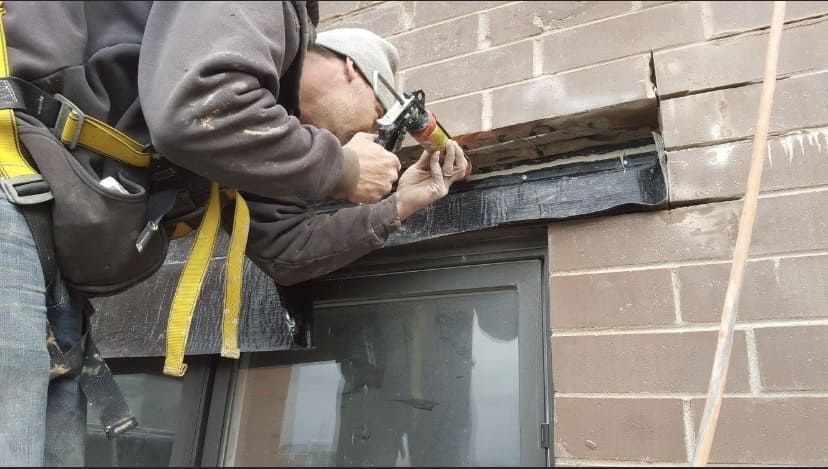
- Failed sealant joints
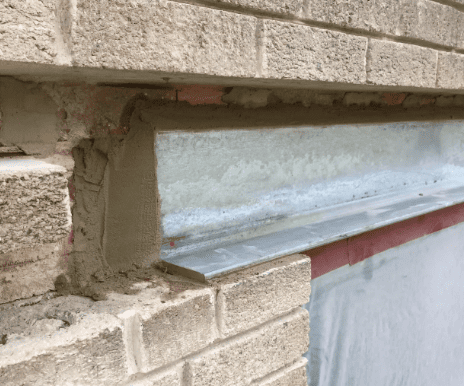
- Rusting steel lintels
- Moisture intrusion
- Delaminated concrete
- Previous incompatible repairs
Discovering these conditions before restoration work progresses allows project teams to make informed decisions instead of reacting after repairs have already started.
Mock-Ups Help Confirm Cleaning Methods
Cleaning methods should not be selected based solely on appearance.
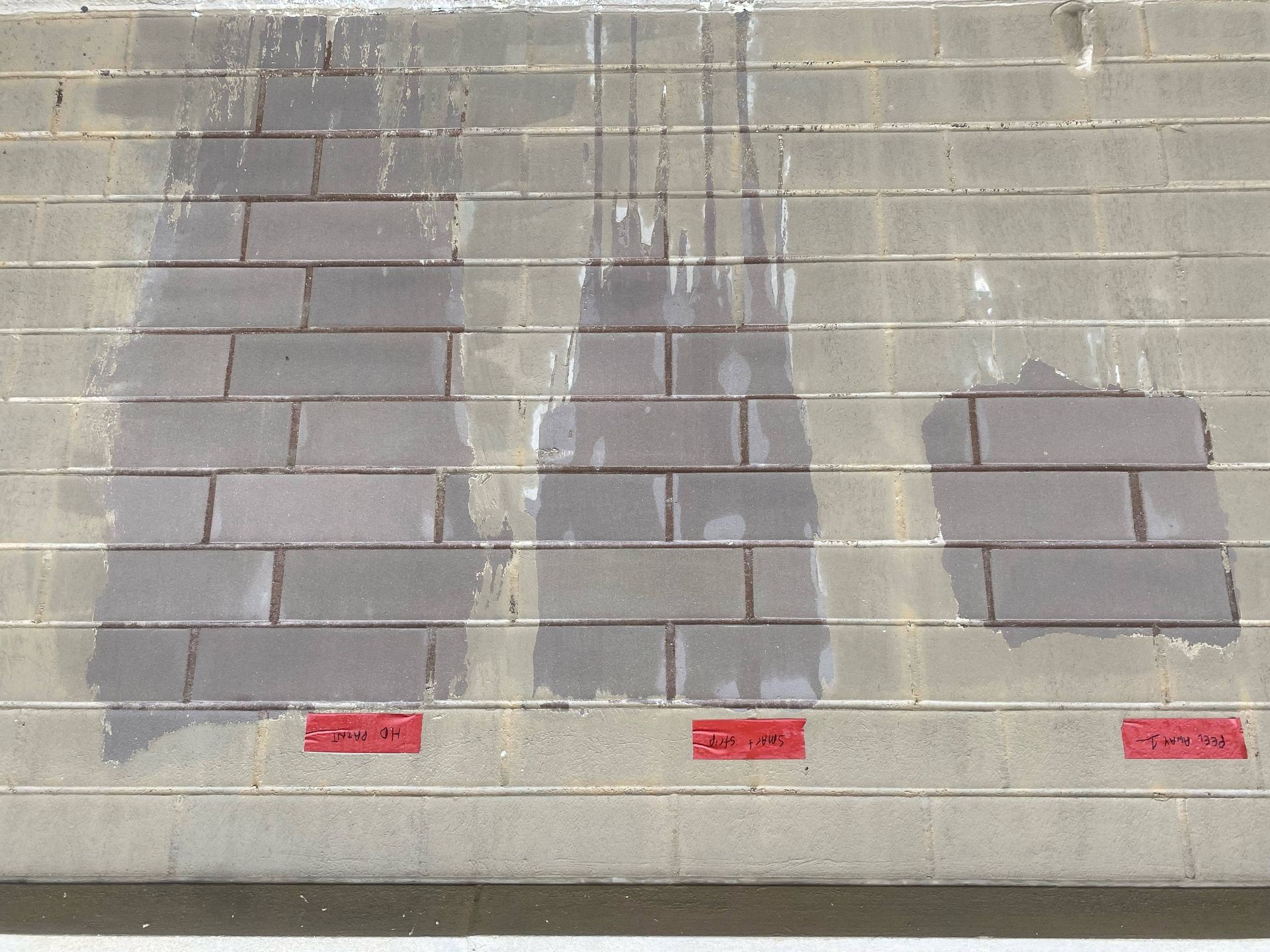
For many commercial restoration projects, contractors perform mock-ups to verify that the proposed cleaning process produces acceptable results without damaging the building.
Mock-ups allow project stakeholders to evaluate:
- Cleaning effectiveness
- Surface appearance
- Color consistency
- Material compatibility
- Potential impact on surrounding masonry
They also establish expectations before work begins across the entire building.
Surface Preparation Supports Long-Term Restoration Performance
Cleaning is not simply an aesthetic improvement. It directly affects how well restoration materials perform over time.
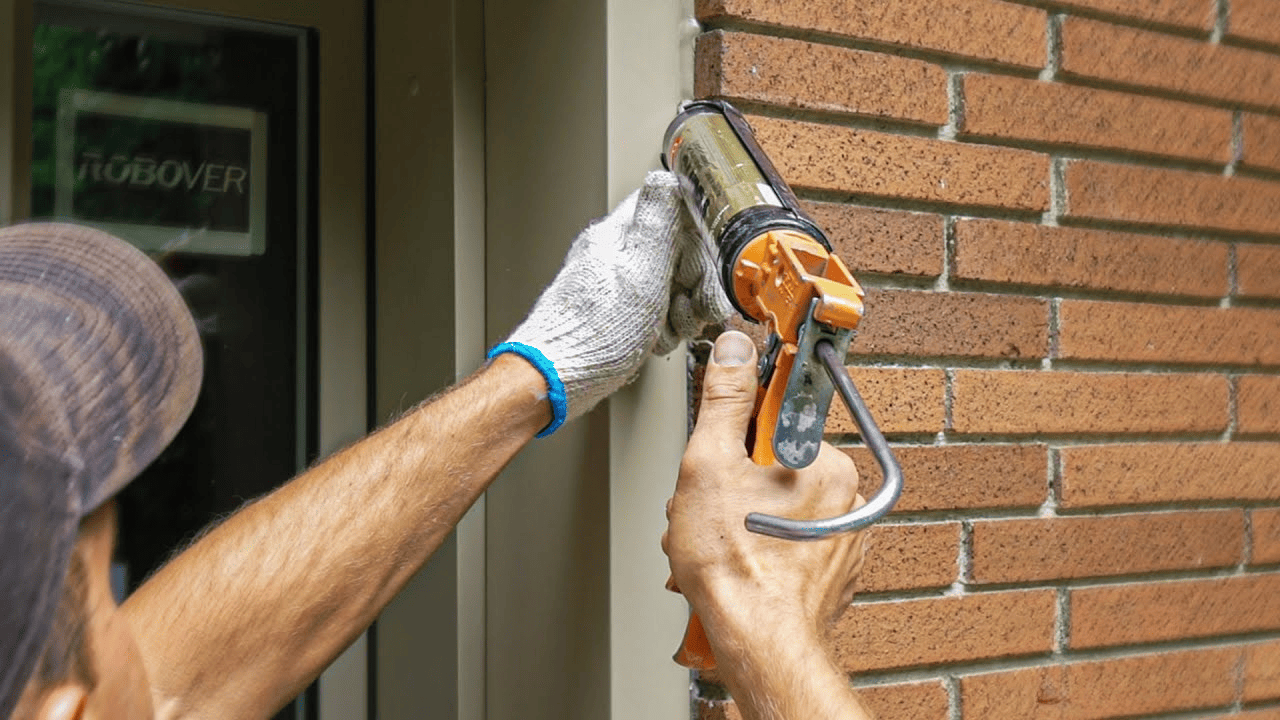
When combined with appropriate repairs such as masonry restoration, caulking and sealant repairs, lintel and shelf flashing repairs, or concrete façade repair, proper surface preparation helps maximize the effectiveness of the overall restoration program.
Investing in thorough preparation often reduces future maintenance while improving the longevity of completed repairs.
Frequently Asked Questions
Why is masonry cleaning important before tuckpointing?
Cleaning removes dirt, loose mortar, salts, and contaminants that can interfere with mortar adhesion. Proper surface preparation creates a stable substrate, allowing new mortar to bond more effectively and helping repairs achieve their intended service life.
Can pressure washing damage masonry?
Yes. Excessive water pressure can erode mortar joints, damage brick surfaces, and force water deeper into the wall assembly. Cleaning methods should be selected based on the masonry type, age, and condition rather than using high pressure by default.
Should masonry be cleaned before applying protective coatings?
Yes. Most coating manufacturers require clean, properly prepared surfaces to achieve adequate adhesion and long-term performance. Contaminants left on the surface can contribute to coating failure.
How do contractors determine the best cleaning method?
Contractors evaluate the masonry material, type of staining, existing deterioration, previous repairs, and project goals. For larger restoration projects, mock-ups are commonly performed to verify that the selected cleaning method achieves the desired results without damaging the façade.
Planning a Masonry Restoration Project?
Proper surface preparation can make the difference between repairs that last and repairs that fail prematurely. If you're planning a commercial or multifamily masonry restoration project in the Chicago area, our team can evaluate your building, recommend appropriate cleaning methods, and develop a restoration approach based on your property's specific conditions.
Contact RestoreWorks to schedule a consultation or discuss your upcoming project.