Tips: Installing New Lintels in Masonry Walls
Repairing and replacing lintels in masonry walls is best left to professionals such as RestoreWorks. Lintels are used in brick and masonry buildings to distribute loads evenly and provide structural support above wall openings, doors, and windows. They are a vital safety feature. RestoreWorks has more than three decades of experience as a commercial masonry restoration company in Chicago and Northwest Indiana, and our professional offerings include lintel repair services, balcony repair and restoration, and masonry restoration.
RestoreWorks understands the building code requirements for lintel installation in modern and historic buildings. We provide lintel repair and replacement services to various industries, including commercial, historic, government, and large residential. In this article, we share why damaged lintels must be replaced and how RestoreWorks can help.
Replacing Lintels When They Are Damaged
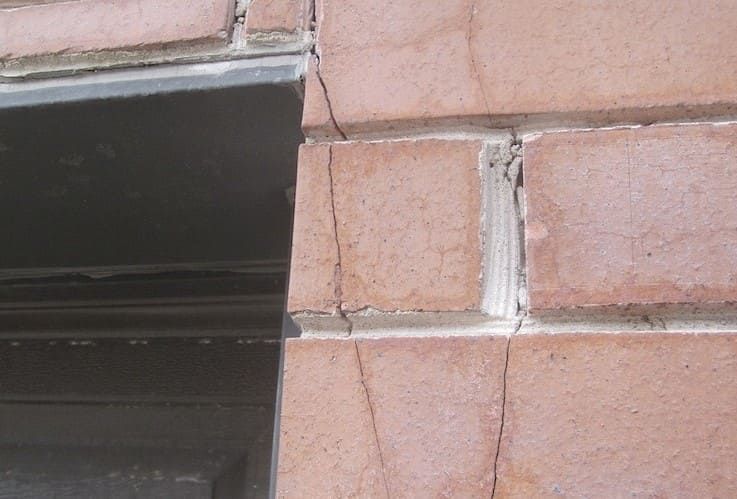
What signs indicate that you need to arrange a lintel replacement, and why should you attend to it as soon as possible? You might not immediately notice that a lintel is damaged since the initial signs are subtle. Missing mortar or mortar cracks around the upper corners of a door or window show that the lintel is failing or damaged. Cracks in the window glass indicate that the window carries the building’s structural weight rather than the lintel. A damaged lintel will compromise the building’s structural integrity and can even cause walls to collapse. Have a professional company repair the lintel as soon as possible for safety, insurance, and brand reputational reasons.
Common Lintel Repair Techniques
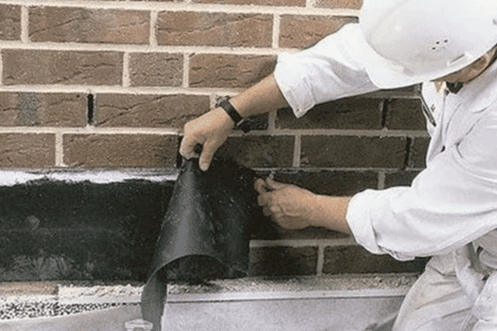
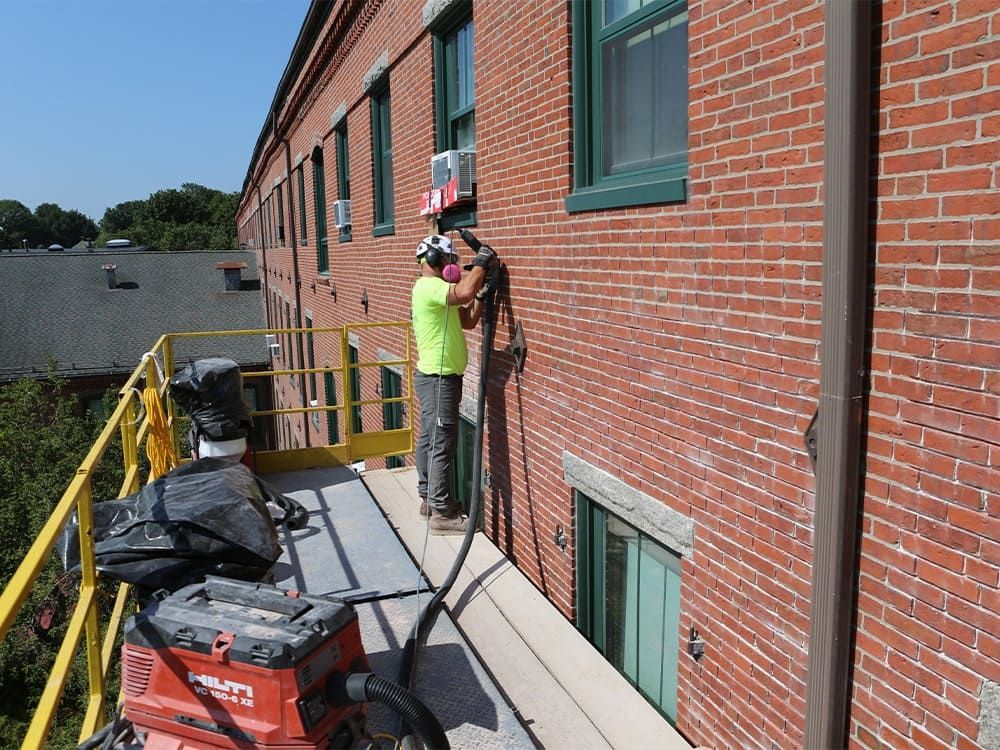
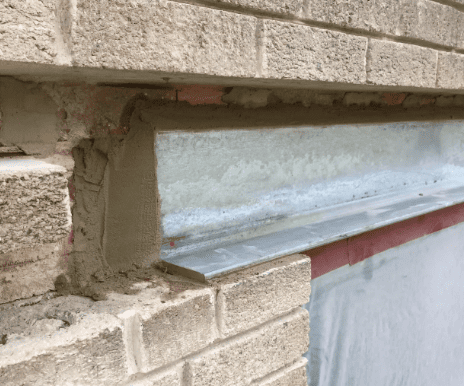
There are common lintel repair techniques, but what does RestoreWorks do? Various types of lintel reinforcement materials are used in construction, and our first step is to inspect the damaged area thoroughly. We identify the type of lintel, the cause and extent of the damage, and what is required to restore structural integrity. We determine if it is better to repair or replace the lintel and make a recommended solution. We remove the bricks above the opening, door or window to access the old lintel and repair or replace it with a steel lintel if appropriate. We add flashing, end dams, and weep systems during the lintel repair process and restore the surrounding area to its pre-damage condition.
Preventative Measures for Lintel Installation
There can be no compromise on quality or safety during lintel installation. That is why the ideal preventative measure is using a professional company such as RestoreWorks to replace or replace the lintels in your building’s masonry wall. We are fully informed of the City of Chicago’s permit requirements for masonry work and take safety very seriously. One of our seven RestoreWorks habits is to think ahead, and we take all the required safety measures before starting any project, whether we replace lintels at the Indiana School for the Blind and Visually Impaired or perform interior and exterior restorative cleaning at the Chicago Theological Seminary. Did you know that a Chicago building permit is required to replace a lintel with a span up to six feet?
Key Considerations When Installing New Lintels in Masonry Walls
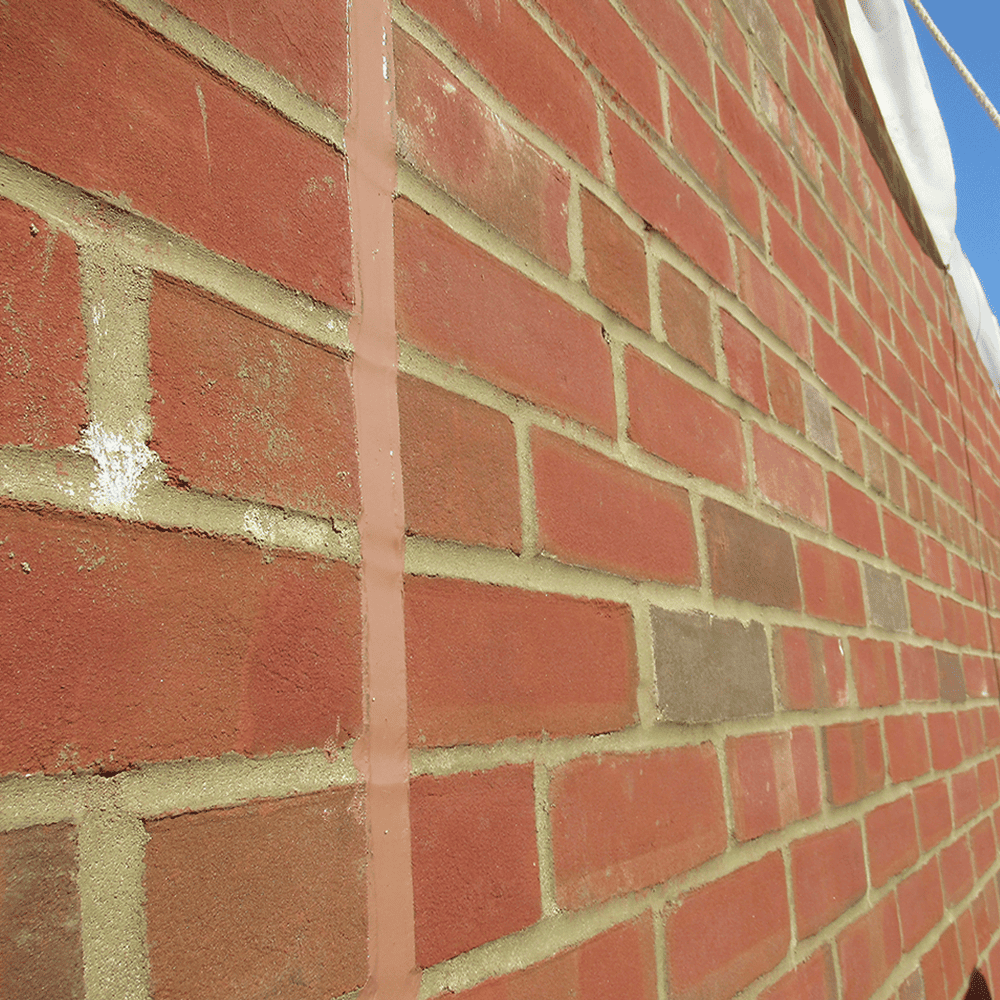
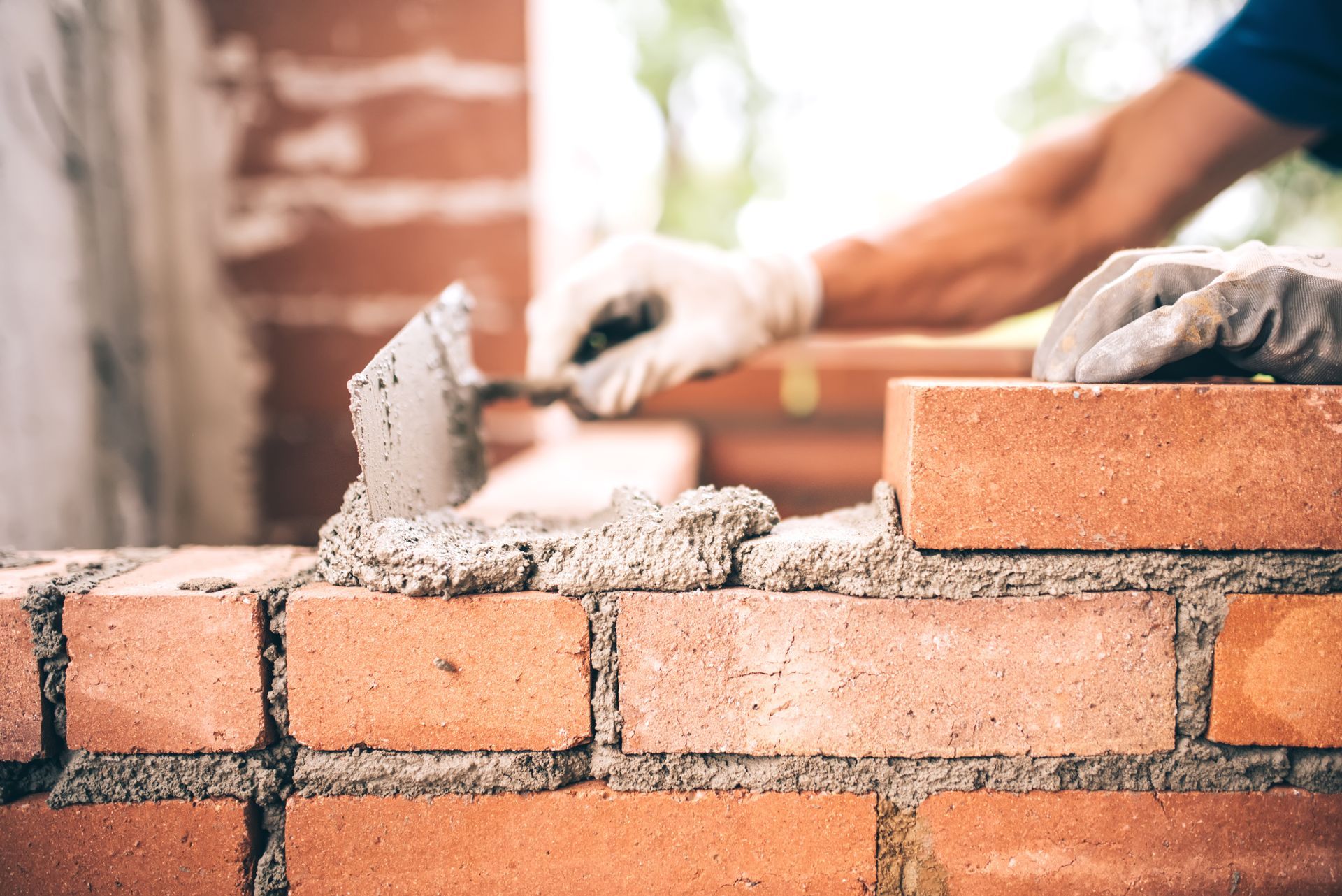
There are several factors to consider when installing a new lintel in the building’s masonry wall, including the type of lintel material and the state of the surrounding walls. Lintels can be made from brick, reinforced brick, timber, reinforced concrete, steel or stone. The building’s architectural requirements, structural needs, or historic status define which material to use. Since lintel failure causes mortar loss and cracks in the surrounding walls, they must also be repaired. RestoreWorks services include masonry restoration and tuckpointing. We can replace damaged brick veneer and ensure the mortar depth, color, and profile match the surrounding brickwork.
RestoreWorks is a commercial masonry restoration and restorative cleaning company serving the greater Chicago area and beyond. Do you need assistance installing new lintels in your building’s masonry wall? Contact us today.