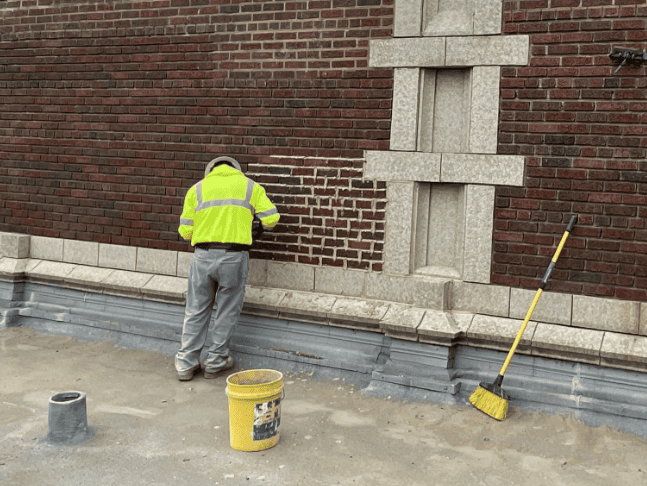
Window Lintel Replacement: Knowing When It's Time
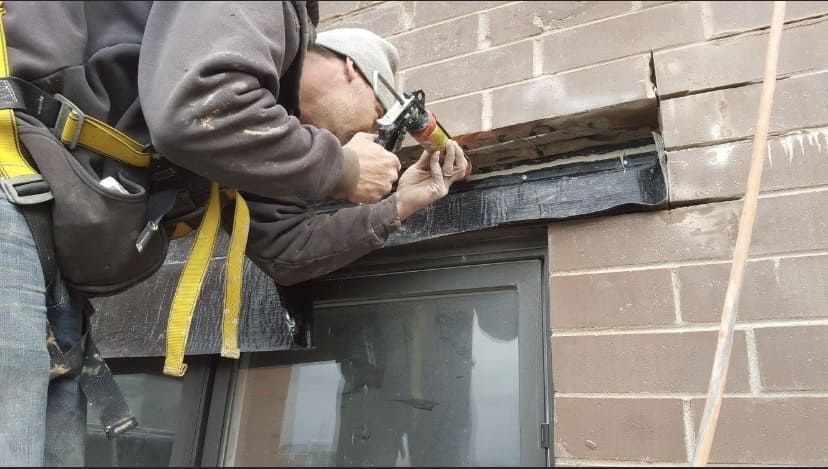
Window lintels are one of the most important structural components in a masonry wall, yet they're often overlooked until visible damage begins to appear. Hidden behind brick or stone, these steel supports carry the weight of the masonry above windows and doors. When they begin to corrode or fail, the damage can extend far beyond the lintel itself, affecting the surrounding masonry, allowing water infiltration, and increasing repair costs.
While corrosion is often blamed for lintel failure, it is usually a symptom rather than the root cause. According to LibreTexts Engineering, water infiltration caused by inadequate flashing, deteriorated moisture management systems, or missing weep holes is one of the most common reasons steel lintels begin to corrode. As moisture reaches the embedded steel, corrosion develops and can eventually lead to cracking, brick displacement, and other forms of masonry deterioration if left unaddressed.
For commercial property managers, building owners, architects, and structural engineers, recognizing the warning signs early can mean the difference between a targeted repair and a much more extensive restoration project.
What Is a Window Lintel?
A window lintel is a horizontal structural member installed above windows, doors, and other wall openings. In commercial masonry construction, lintels are commonly fabricated from structural steel angles that support the brick, stone, or concrete masonry above the opening.
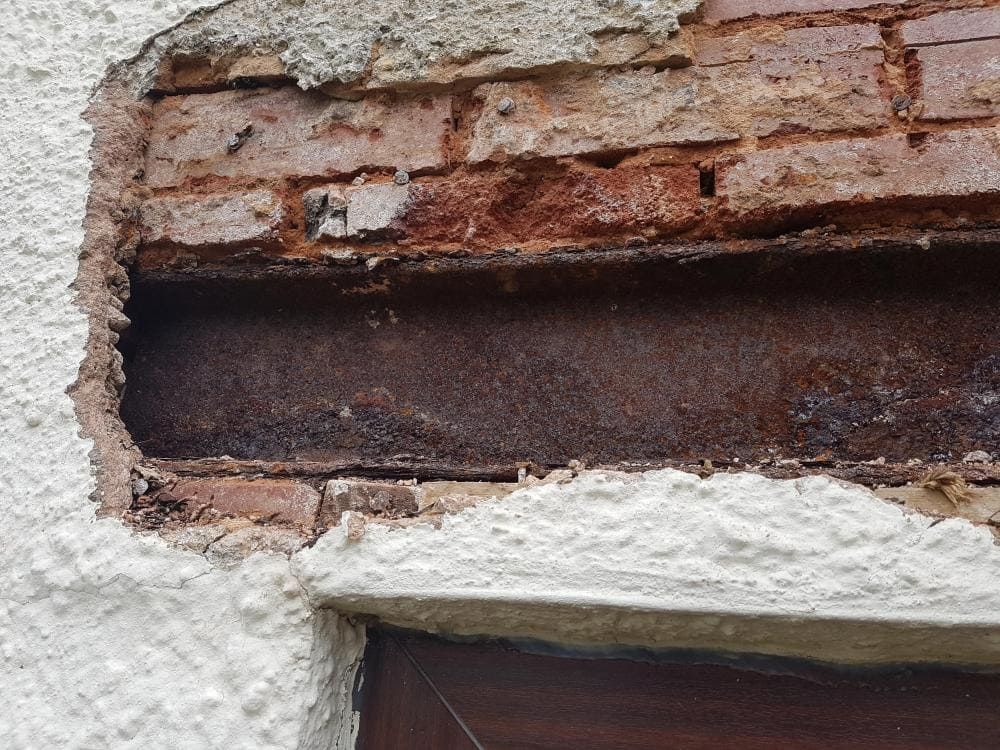
Although steel lintels are designed for long service lives, they remain vulnerable to moisture infiltration. As water reaches the steel, corrosion begins. Rust occupies more volume than the original steel, creating outward pressure against the surrounding masonry. Over time, that expansion can crack mortar joints, displace bricks, and compromise the wall assembly.
Why Do Window Lintels Fail?
Most lintel problems are not caused by defective steel. Instead, they develop because water repeatedly enters the wall system.
Common causes include:
- Failed sealant joints around windows
- Deteriorated mortar joints allowing moisture penetration
- Missing or damaged flashing above openings
- Clogged or missing weep holes
- Long-term exposure to Chicago's freeze-thaw cycles
- Deferred maintenance that allows corrosion to progress
Moisture management plays a critical role in protecting steel lintels. According to the International Institute of Building Enclosure Consultants (IIBEC), brick veneer wall assemblies are designed so that water penetrating the exterior masonry drains through the cavity and exits through flashing and weep holes. When these drainage components are missing, damaged, improperly detailed, or no longer functioning as intended, moisture can remain trapped within the wall assembly, increasing the risk of corrosion and long-term deterioration.
The Brick Industry Association likewise emphasizes that maintaining a clear drainage cavity and properly installed flashing helps direct water back to the exterior before it reaches embedded steel components. While corrosion often appears to be the primary problem, it is frequently the result of a moisture management failure elsewhere in the wall system.
In the Chicago area, freeze-thaw cycling accelerates deterioration. Water entering the wall expands when frozen, increasing stresses on both masonry and embedded steel. Buildings near Lake Michigan may also experience increased moisture exposure, making routine inspections even more important.
Signs Your Building May Need Window Lintel Replacement
The earliest warning signs usually appear in the masonry, not the steel itself.
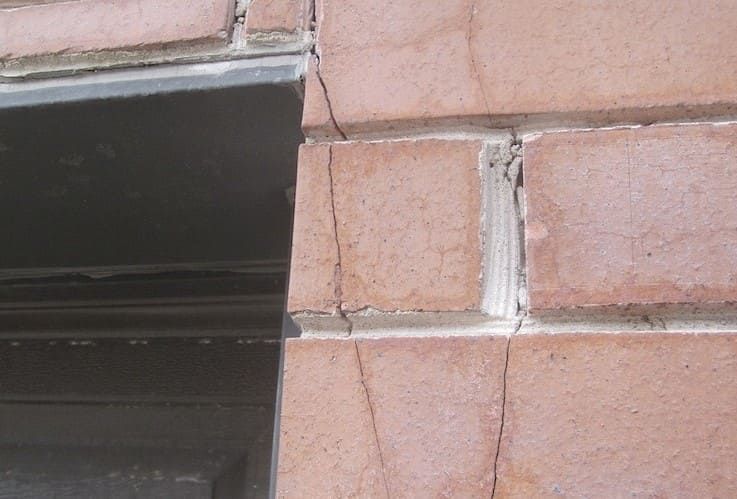
Horizontal Cracks Above Windows
One of the most recognizable indicators is a horizontal crack extending from the corners of a window opening.
As the steel expands due to corrosion, pressure is transferred into the surrounding brickwork. Mortar joints often crack first before individual bricks begin to shift.
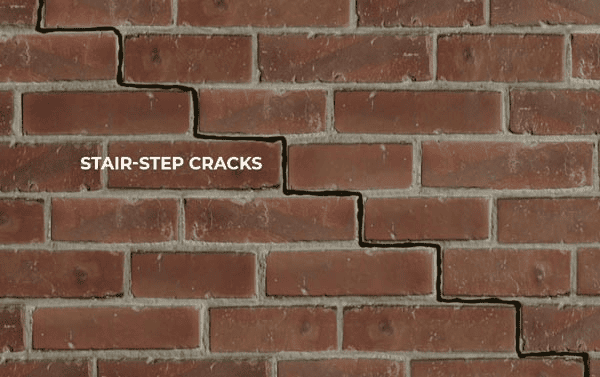
Stair-Step Cracking
Cracks that follow the mortar joints in a stair-step pattern may indicate movement around the lintel.
While not every stair-step crack results from lintel failure, openings above windows deserve careful evaluation because multiple conditions can produce similar symptoms.
Rust Staining
Rust-colored staining on brick or stone often suggests moisture is reaching the embedded steel.
Although staining alone doesn't always require replacement, it frequently indicates corrosion is active inside the wall.
Brick Displacement
As corrosion progresses, bricks directly above the opening may begin to bow outward or lose alignment with the surrounding wall.
This movement indicates that expansion forces have increased beyond what the masonry can accommodate.
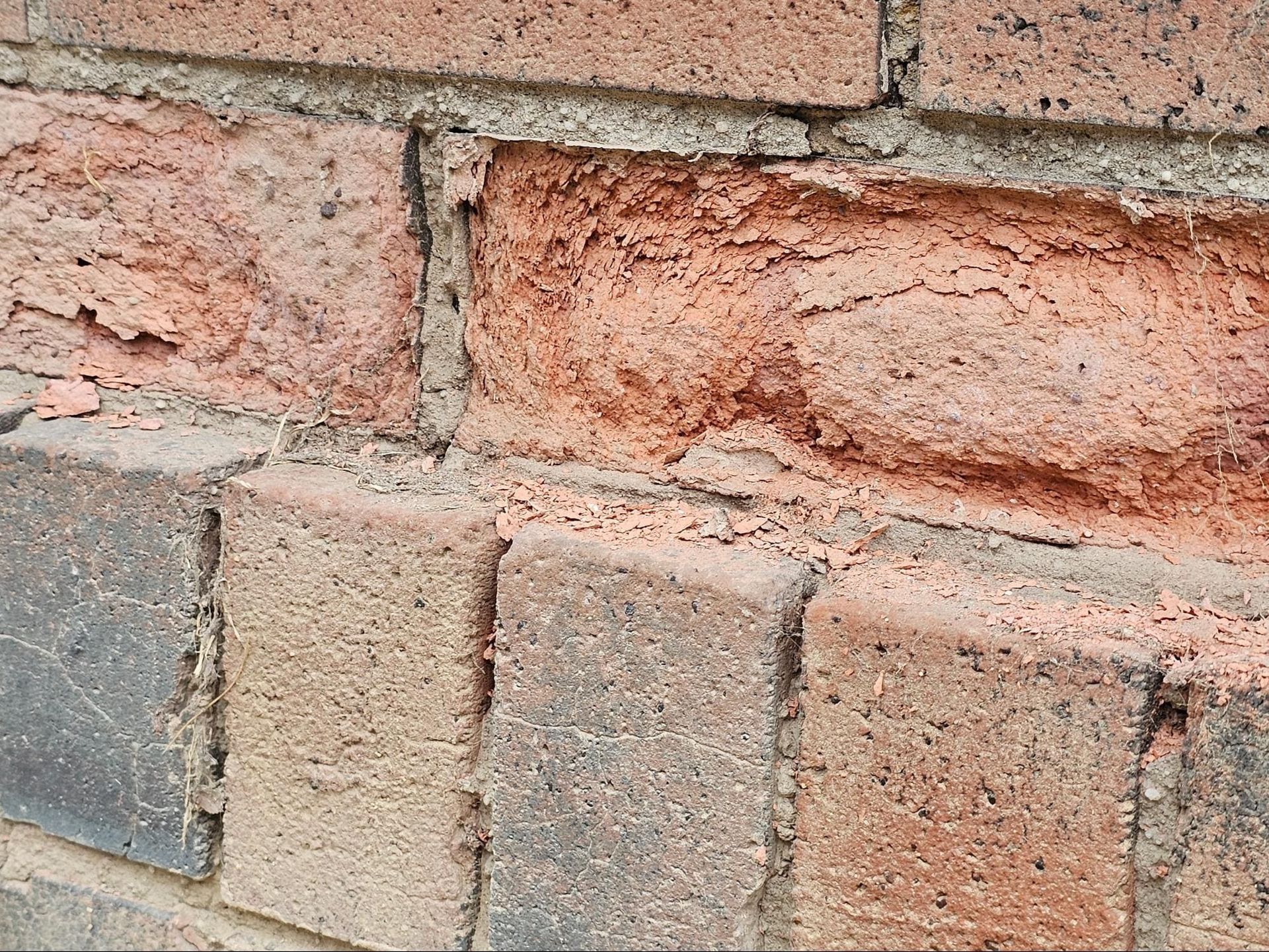
Spalled Brick
Spalling occurs when the face of the brick begins breaking apart or separating.
Repeated moisture exposure, freeze-thaw cycles, and expanding steel can all contribute to this type of deterioration.
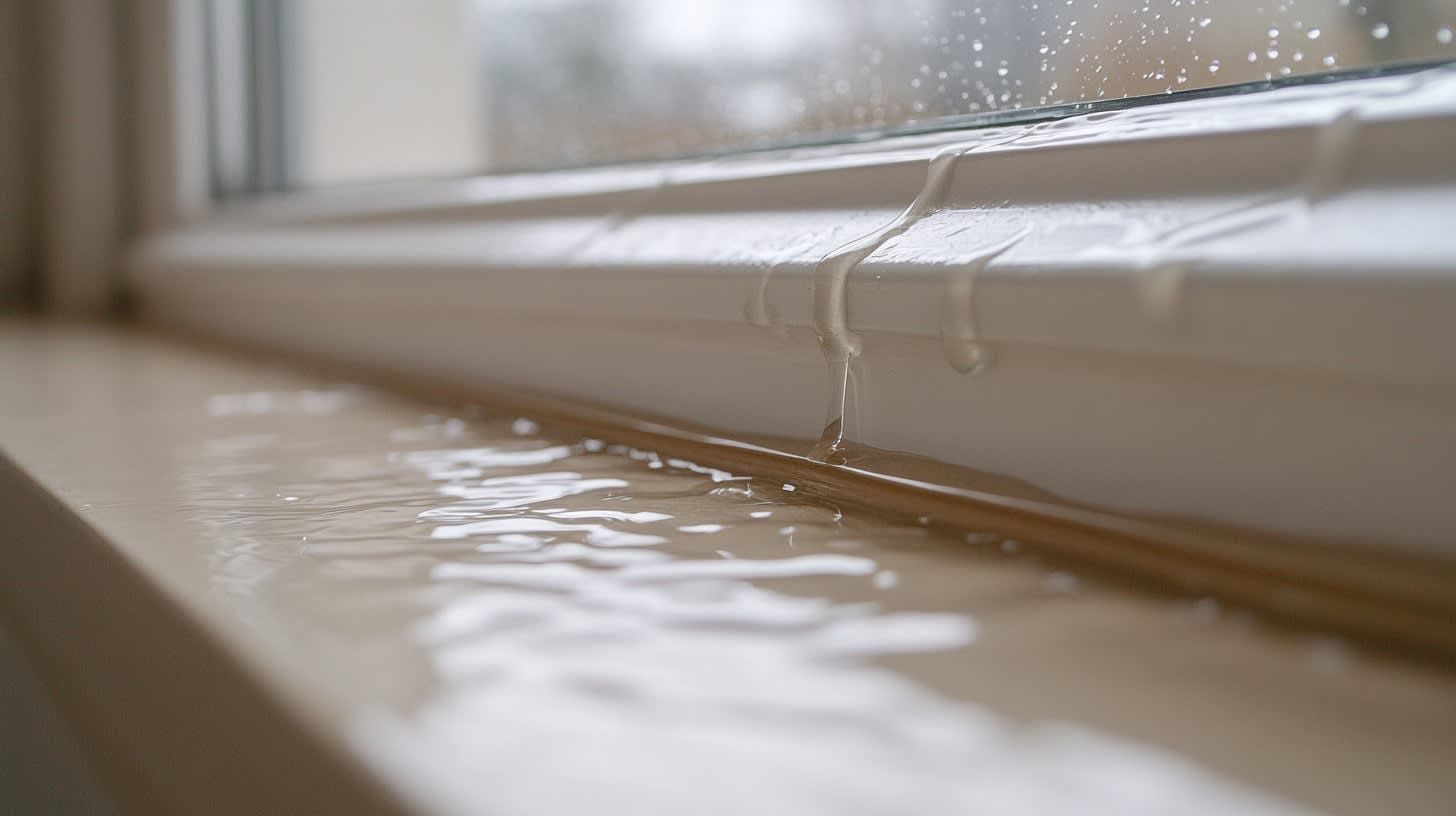
Interior Water Leaks
Leaks around windows are sometimes blamed entirely on the window system itself.
However, deteriorated lintels, failed flashing, or compromised masonry above the opening can also allow water to enter the building envelope.
Does Every Rusted Lintel Need Replacement?
Not necessarily.
Surface corrosion can often be cleaned and protected if the steel has not experienced significant section loss. The key question is whether the lintel still maintains its structural capacity and whether ongoing moisture intrusion has been addressed.
Depending on the condition, possible solutions may include:
- Localized lintel repair
- Cleaning and protective coating of exposed steel
- Replacing damaged flashing
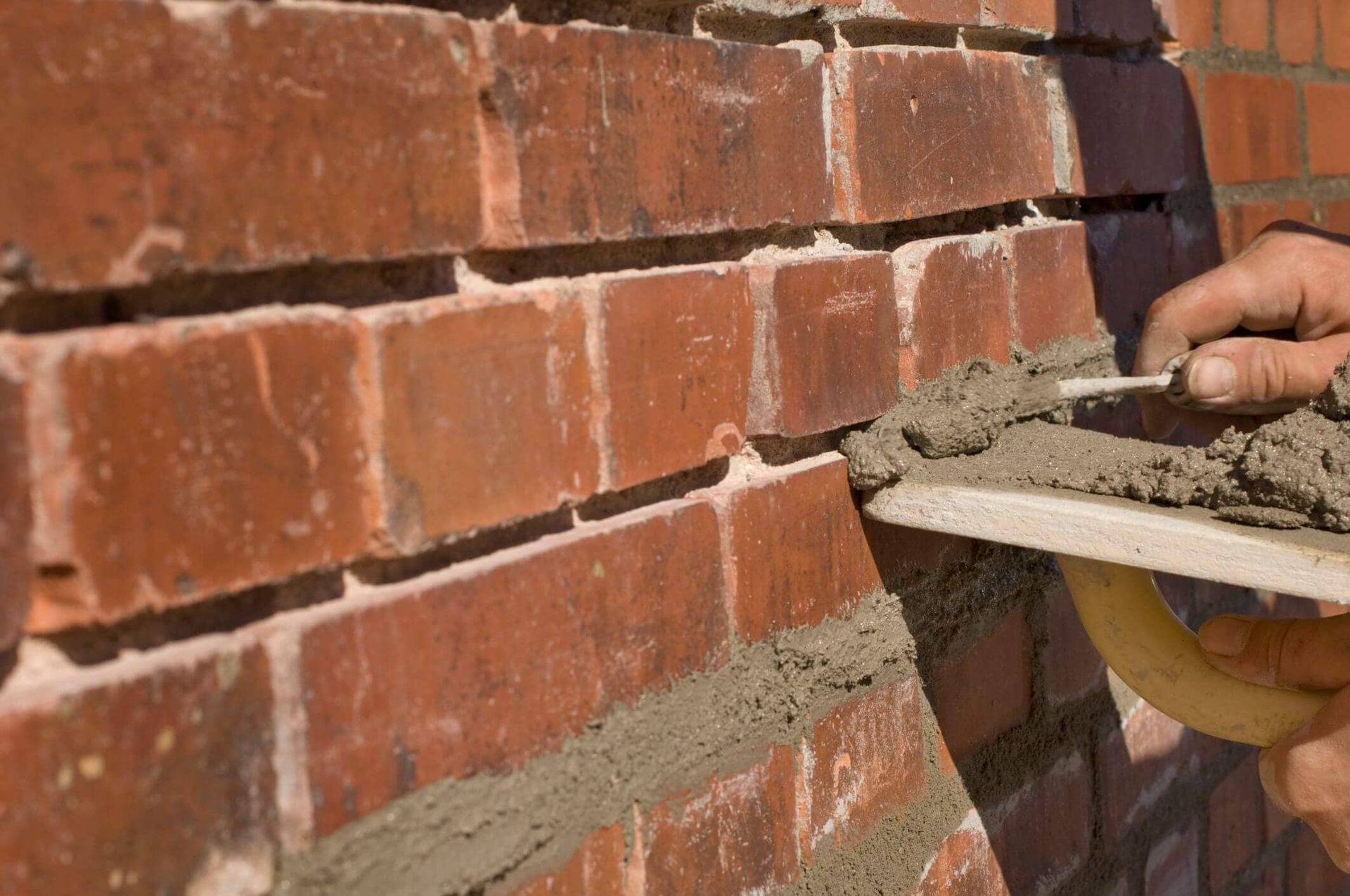
- Tuckpointing deteriorated mortar joints
- Caulking and sealant repairs
- Complete window lintel replacement
Determining the appropriate approach typically requires a close visual evaluation and, in some cases, selective removal of masonry to inspect the steel.
What Happens During Window Lintel Replacement?
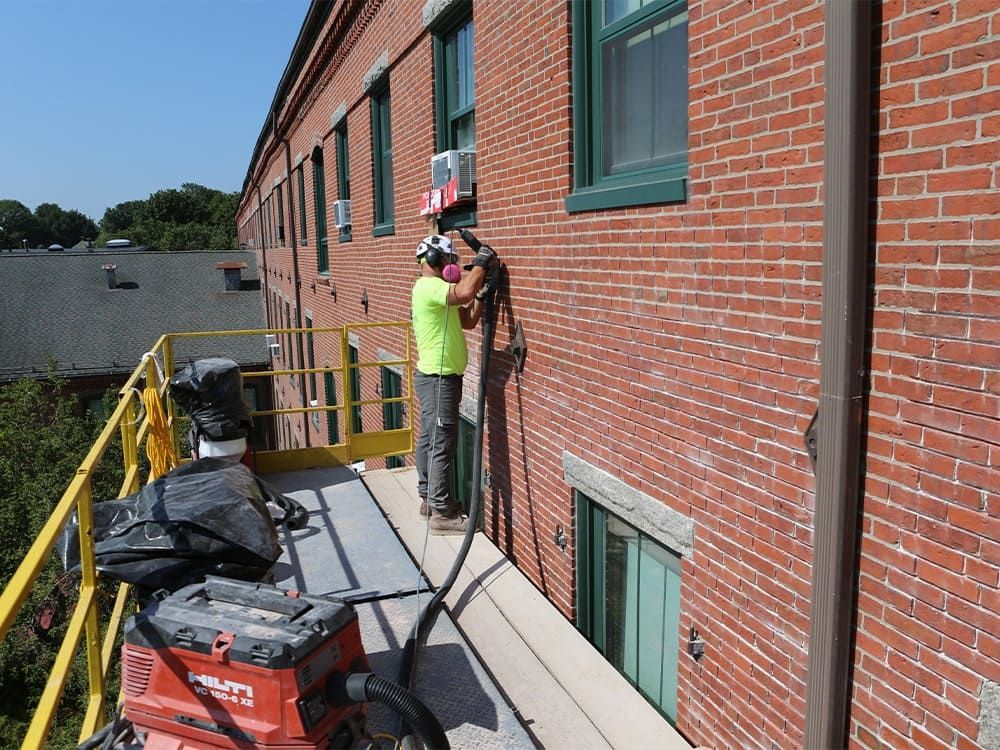
Although every building is different, the general process includes:
- Protect the work area.
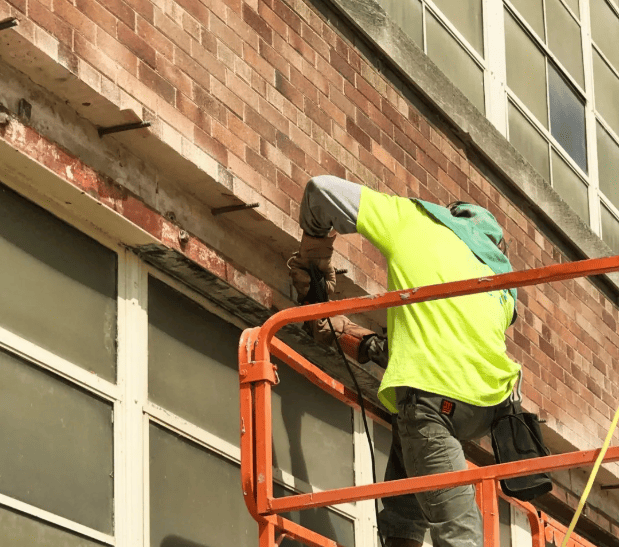
- Carefully remove masonry above the opening.
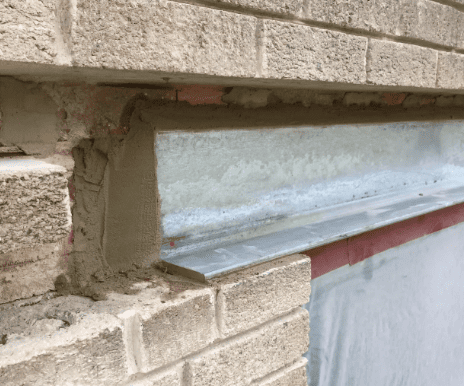
- Remove the deteriorated steel lintel.
- Install a new galvanized or stainless steel lintel when specified.
- Install or replace flashing and weep systems if needed.
- Rebuild the masonry using compatible materials.
- Perform tuckpointing where required.
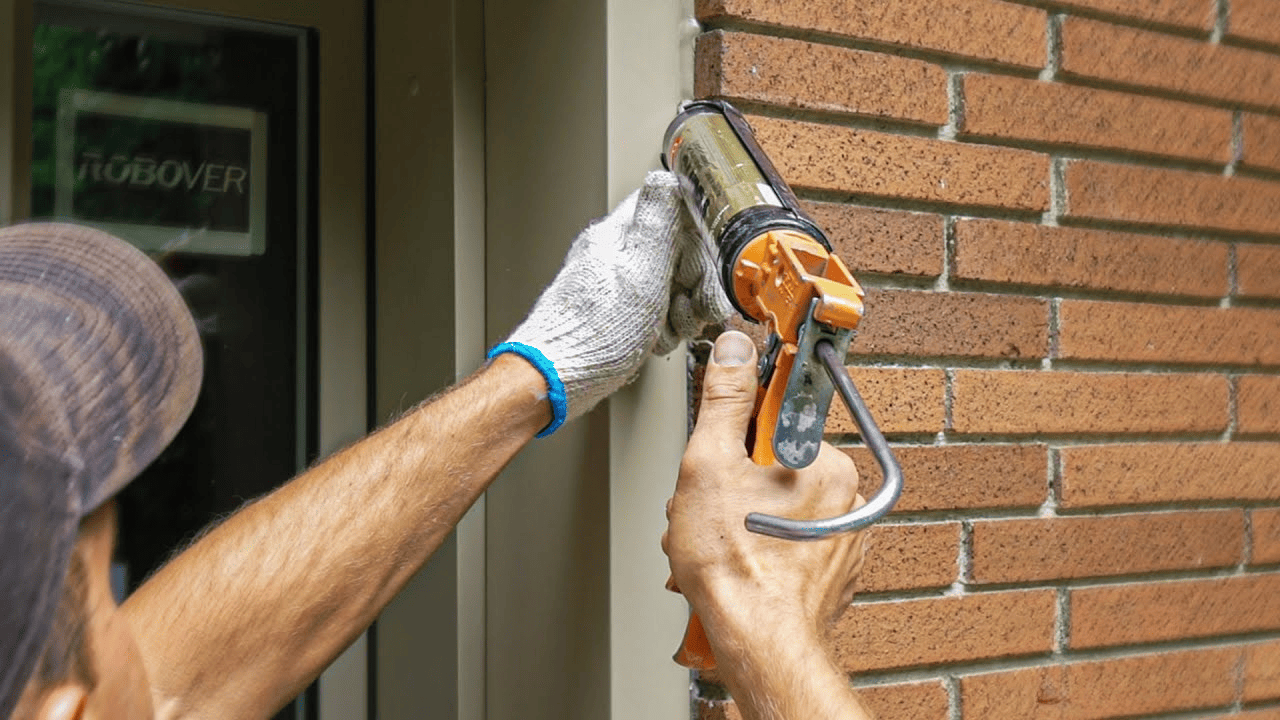
- Replace sealants around the window if necessary.
Because surrounding masonry is disturbed during replacement, many projects combine lintel replacement with tuckpointing, flashing repairs, and sealant replacement to address the underlying moisture pathways.
Why Flashing Is Just as Important as the New Lintel
Replacing a corroded lintel without correcting the source of water intrusion often leads to the same problem returning years later.
Through-wall flashing installed above the lintel helps direct water back to the exterior before it reaches the steel. Combined with properly functioning weep holes and well-maintained sealant joints, flashing plays a critical role in protecting the wall assembly.
How Often Should Commercial Buildings Inspect Window Lintels?
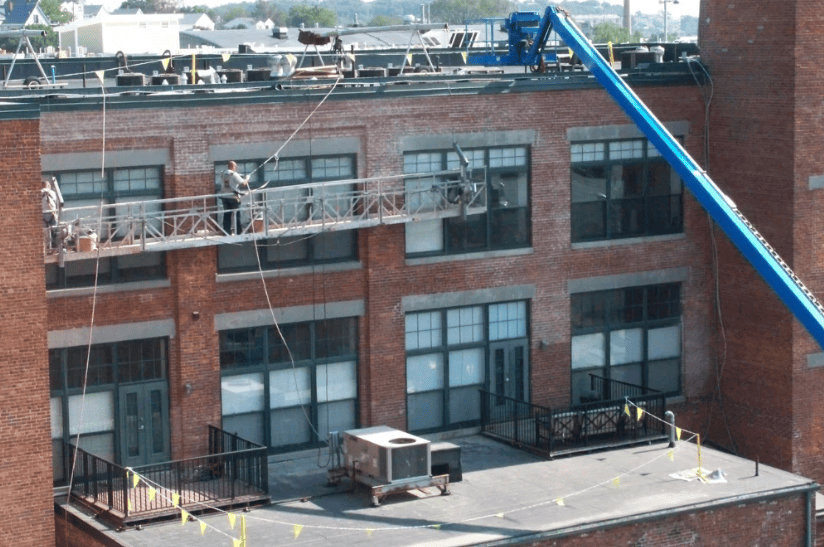
Many commercial buildings show no obvious signs of deterioration until corrosion has progressed substantially. Routine exterior evaluations can help identify developing issues before repairs become more extensive.
Buildings should receive additional attention if they:
- Are more than 20 years old
- Have experienced recurring water intrusion
- Exhibit visible masonry cracking
- Have not undergone exterior maintenance in many years
- Are located in environments exposed to frequent moisture and freeze-thaw cycling
Evaluating lintels should be part of a broader masonry assessment that includes mortar joints, sealants, flashing, weep holes, and the overall condition of the building envelope. Looking at these components together helps identify the underlying cause of deterioration rather than simply treating visible symptoms.
The Concrete Masonry & Hardscapes Association (CMHA) notes that inspection is a key component of a quality assurance program and is intended to verify that masonry is performing as designed. While new construction inspections focus on compliance with contract documents, the same principle applies to existing buildings: regular evaluations by experienced masonry professionals can identify structural, weatherproofing, and serviceability issues before they become more extensive and costly to repair.
Repairing Problems Early Can Reduce Long-Term Costs
Corrosion does not stop on its own.
As steel continues to deteriorate, surrounding masonry damage typically becomes more widespread, increasing the scope and cost of future repairs.
Addressing deterioration while it remains localized often allows repairs to be performed more efficiently while helping preserve the surrounding masonry and reducing disruption to building occupants.
A presentation prepared for the Minnesota Chief Engineers Guild demonstrates this concept through multiple masonry restoration case studies, showing that proactive maintenance and planned repairs can be substantially more economical than emergency restoration after deterioration has progressed. The presentation also emphasizes the importance of conducting periodic exterior wall inspections and budgeting for ongoing masonry maintenance rather than waiting until significant failures occur.
For commercial buildings, replacing or repairing a deteriorated lintel before it causes widespread brick displacement, water infiltration, or structural concerns can often reduce both repair costs and operational disruption.
When to Contact a Commercial Masonry Restoration Contractor
If your building shows cracking above windows, rust staining, displaced brick, or recurring leaks near window openings, it's worth having the condition evaluated before the damage progresses.
An experienced commercial masonry restoration contractor can determine whether the issue requires localized lintel repair, complete window lintel replacement, or additional repairs such as tuckpointing, flashing replacement, or sealant restoration.
Early identification and proper repairs help extend the service life of the façade while protecting the structural integrity of the masonry system.
Frequently Asked Questions About Lintel Replacement
How long do steel window lintels last?
Service life varies depending on moisture exposure, construction quality, and maintenance. Proper flashing, sealants, and routine inspections can significantly extend the lifespan of steel lintels.
Can a window lintel be repaired instead of replaced?
Yes, in some situations. Minor corrosion may only require localized repairs and protective treatment. Severe corrosion, structural section loss, or significant masonry displacement often requires full replacement.
What causes cracks above commercial windows?
Common causes include expanding corroded steel lintels, building movement, foundation settlement, thermal expansion, or deterioration of surrounding masonry. A professional evaluation is necessary to determine the underlying cause.
Is lintel replacement disruptive to building occupants?
Most projects are completed from the building exterior. The level of disruption depends on the size of the project, accessibility, and the number of openings requiring repair.
Schedule a Commercial Masonry Evaluation
If you've noticed cracking above windows, rust staining, displaced brick, or recurring water intrusion, don't wait for the damage to spread. An early evaluation can help determine whether localized lintel repair, window lintel replacement, or related masonry restoration is the most appropriate solution.
RestoreWorks specializes in commercial masonry restoration throughout the greater Chicago area, including window lintel replacement, tuckpointing, lintel and shelf flashing repairs, caulking and sealant replacement, and comprehensive façade evaluations.
Contact RestoreWorks today to schedule a commercial masonry evaluation and learn how proactive repairs can help protect your building and reduce long-term maintenance costs.