Masonry Restoration Budgeting for 2027: What to Plan Now
Why Early Masonry Restoration Budgeting Leads to Better Project Outcomes
Commercial masonry restoration projects rarely happen overnight. By the time deterioration becomes obvious, many repairs have already become more expensive than they would have been if addressed earlier. That's why many property managers, facility directors, and building owners begin evaluating restoration needs months before annual capital budgets are finalized.
Planning your masonry restoration budget now for 2027 allows you to prioritize repairs, obtain accurate pricing, avoid emergency work, and coordinate projects around tenant occupancy and seasonal construction schedules.
For buildings throughout the Chicago area, early planning is even more important. Years of freeze-thaw cycling, moisture infiltration, deicing salts, and aging masonry continue to accelerate deterioration across commercial buildings, institutional facilities, healthcare campuses, condominiums, and historic properties.
Whether you're working with one of many masonry restoration companies or developing a long-term commercial building restoration plan, a proactive budgeting process typically produces better financial and operational outcomes than reacting after failures occur.
Why Waiting Can Increase Restoration Costs
Masonry systems rarely fail all at once.
Instead, small deficiencies gradually allow water to enter the building envelope. Over time, moisture creates additional damage that affects surrounding materials, not just the original repair area. According to the International Masonry Institute, moisture infiltration, freeze-thaw cycles, corrosion, movement, and deferred maintenance are among the common causes of masonry deterioration. Identifying these issues early can help building owners address smaller repairs before they become larger restoration projects.
Common examples include:
- Open mortar joints
- Failed sealant joints
- Rusting steel lintels
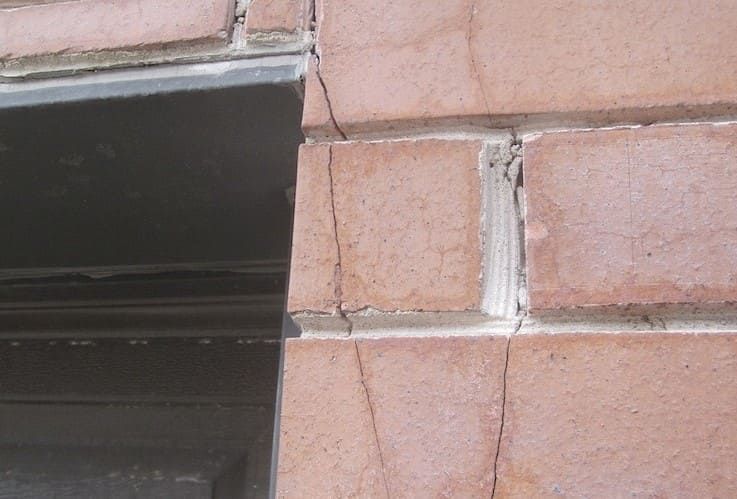
- Cracked masonry
- Spalled brick or stone
- Loose coping stones
- Water staining
- Interior leaks
What begins as relatively minor maintenance can eventually require larger structural or envelope repairs if moisture continues reaching concealed building components.
For commercial property owners, delayed repairs often mean:
- Larger restoration scopes
- More disruptive construction
- Higher project costs
- Increased tenant complaints
- Greater scheduling challenges
What Should Be Included in a 2027 Masonry Restoration Budget?
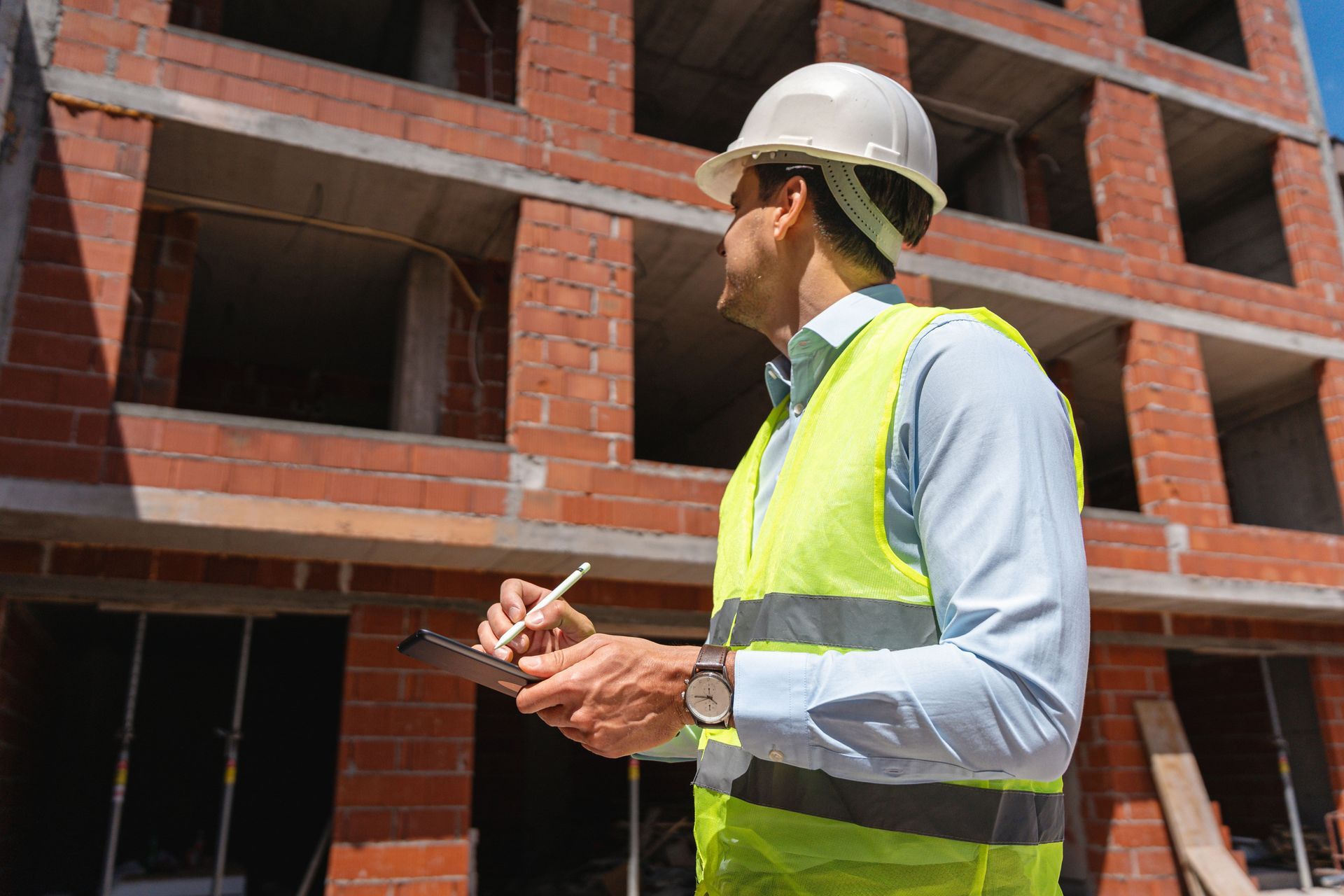
Every building is different, but most commercial masonry restoration budgets should begin with an assessment of the entire exterior envelope, not just areas where problems are already visible.
1. Exterior Masonry Inspection
Before establishing a budget, determine the actual condition of the building.
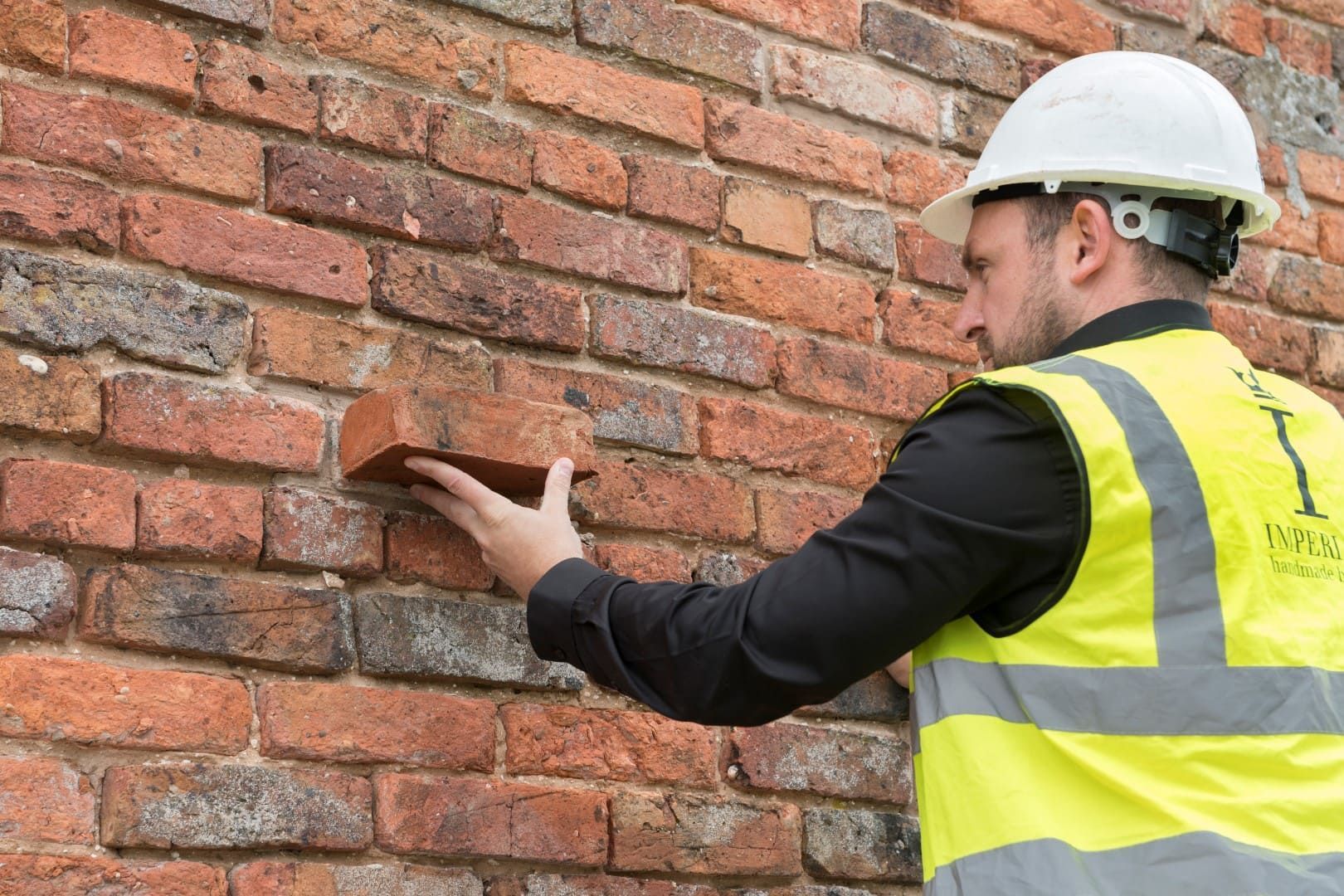
A comprehensive evaluation should identify:
- Mortar deterioration
- Masonry cracking
- Brick displacement
- Stone deterioration
- Water entry points
- Previous repairs
- Sealant condition
- Lintel corrosion
- Concrete deterioration where applicable
Understanding existing conditions helps owners prioritize repairs instead of budgeting based on assumptions.
2. Prioritized Repair Phasing
Not every issue requires immediate repair.
Many large commercial buildings benefit from phased restoration plans that spread costs over multiple years while still protecting the building from continued deterioration.
Projects are commonly prioritized based on:
- Life safety concerns
- Active water infiltration
- Structural movement
- Areas with rapidly progressing deterioration
- High-visibility building elevations
- Coordination with other capital improvements
Phasing often allows owners to better manage capital expenditures while reducing the likelihood of emergency repairs later.
3. Access Costs
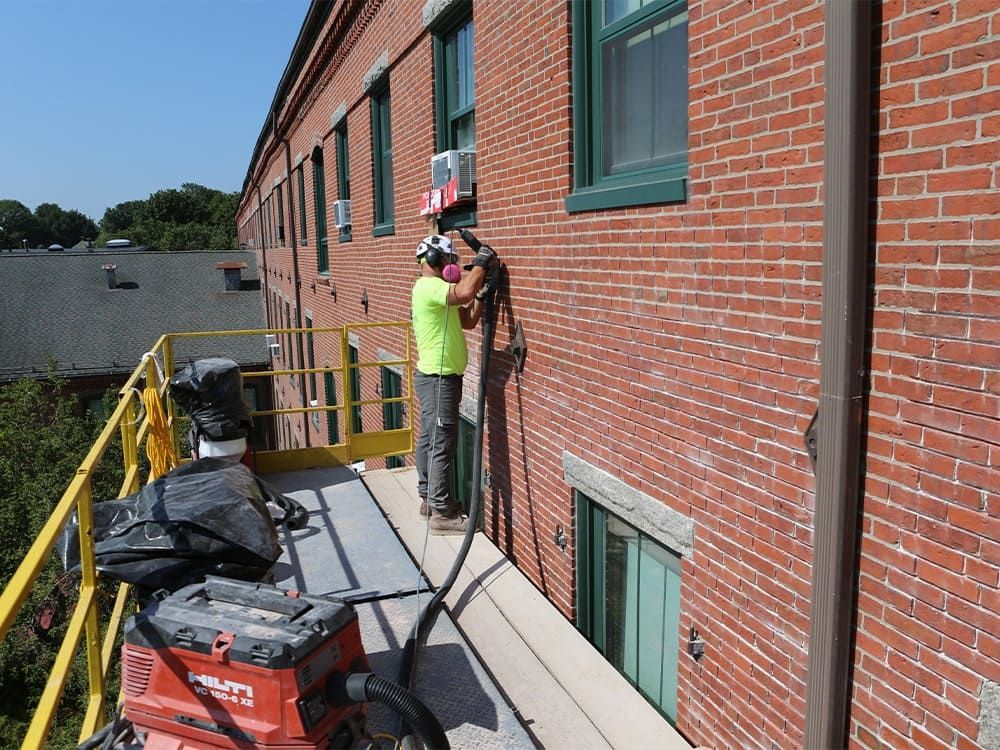
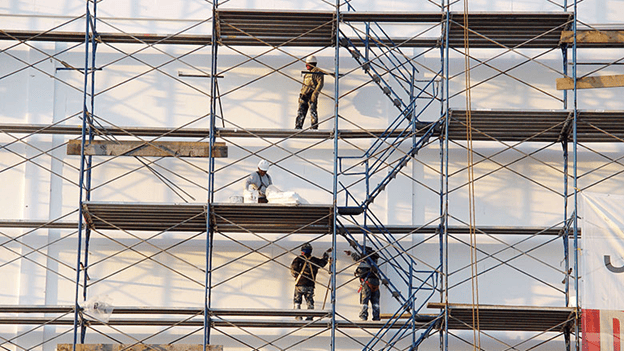
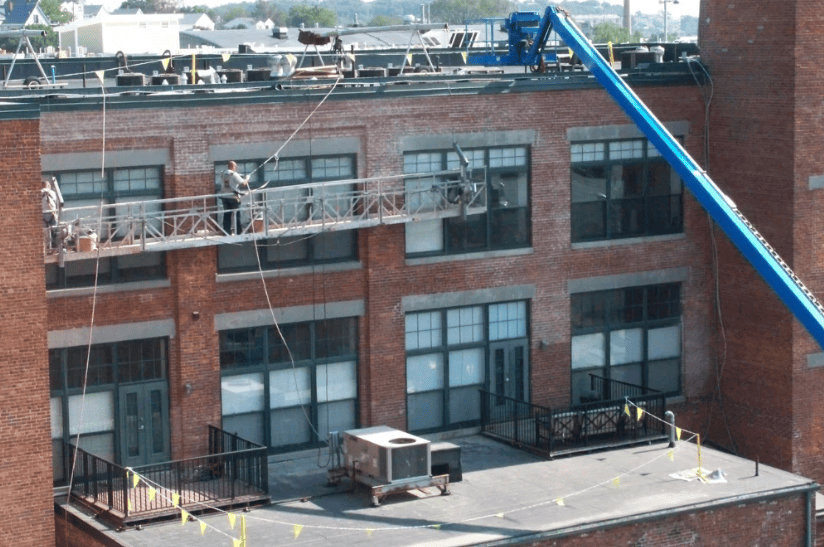
Scaffolding, swing stages, boom lifts, mast climbers, or other access systems can represent a significant portion of overall project costs.
When budgeting, it's important to consider:
- Building height
- Site accessibility
- Sidewalk closures
- Occupied spaces
- Pedestrian protection
- Traffic control requirements
For high-rise properties throughout downtown Chicago, access logistics often influence project sequencing as much as the restoration work itself.
4. Material Testing and Mock-Ups
Historic buildings or architecturally significant properties often require additional planning before production begins.
Depending on the project, budgeting may include:
- Mortar analysis
- Cleaning tests
- Material compatibility testing
- Color matching
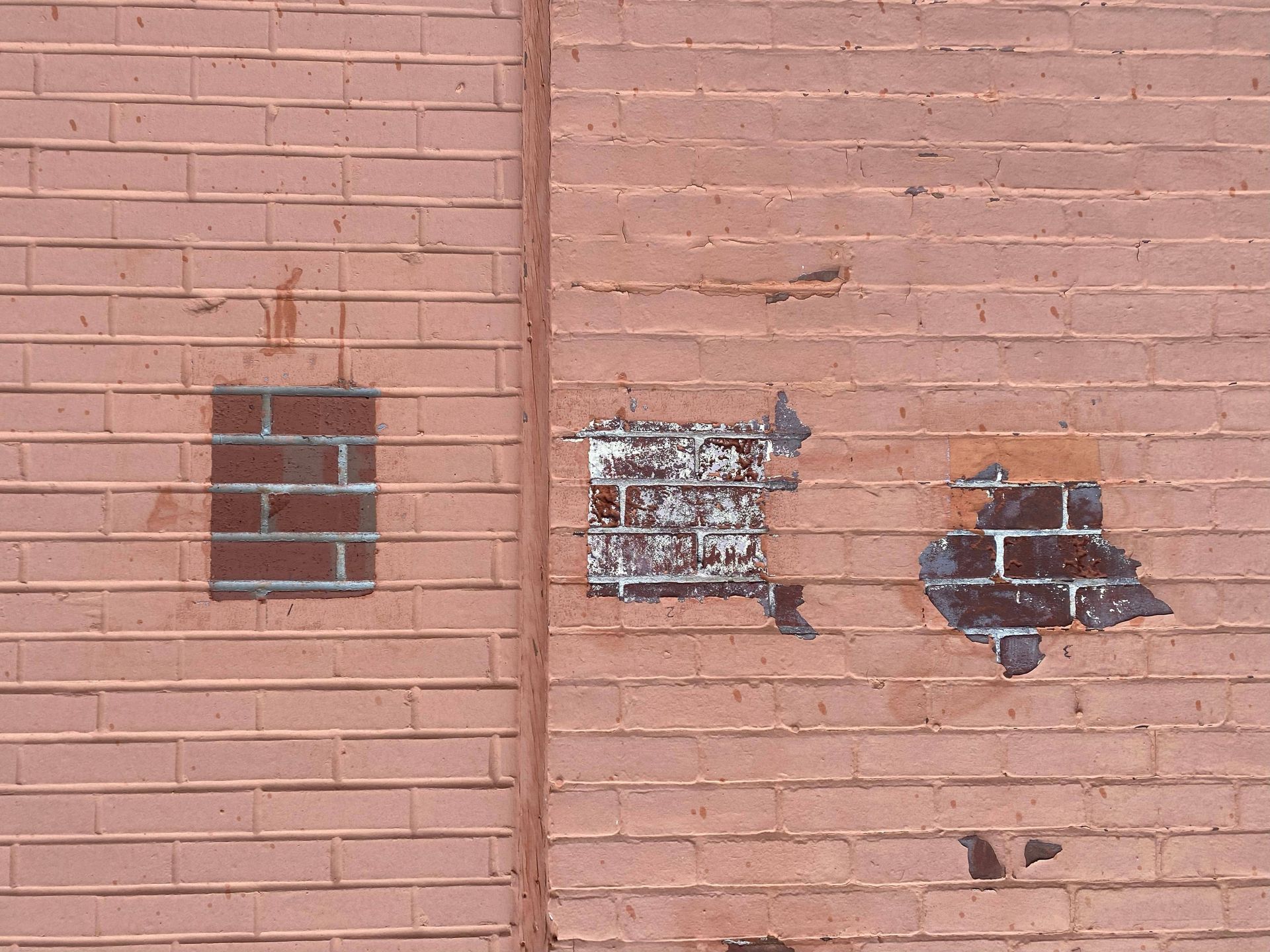
- Repair mock-ups
Mock-ups allow owners, architects, and consultants to review workmanship, mortar color, cleaning methods, and repair techniques before full production begins, reducing the likelihood of costly changes later.
5. Contingency Allowances
Many masonry restoration projects uncover concealed deterioration after work begins.
Examples include:
- Hidden steel corrosion
- Moisture damage behind masonry
- Unexpected substrate deterioration
- Previously concealed repairs
Including a reasonable contingency helps owners respond to unforeseen conditions without delaying the project.
Which Commercial Restoration Services Should Be Budgeted Together?
Exterior envelope systems often work together.
Addressing related repairs during the same mobilization can reduce future disruptions while improving overall building performance.
Depending on building conditions, budgeting may include:
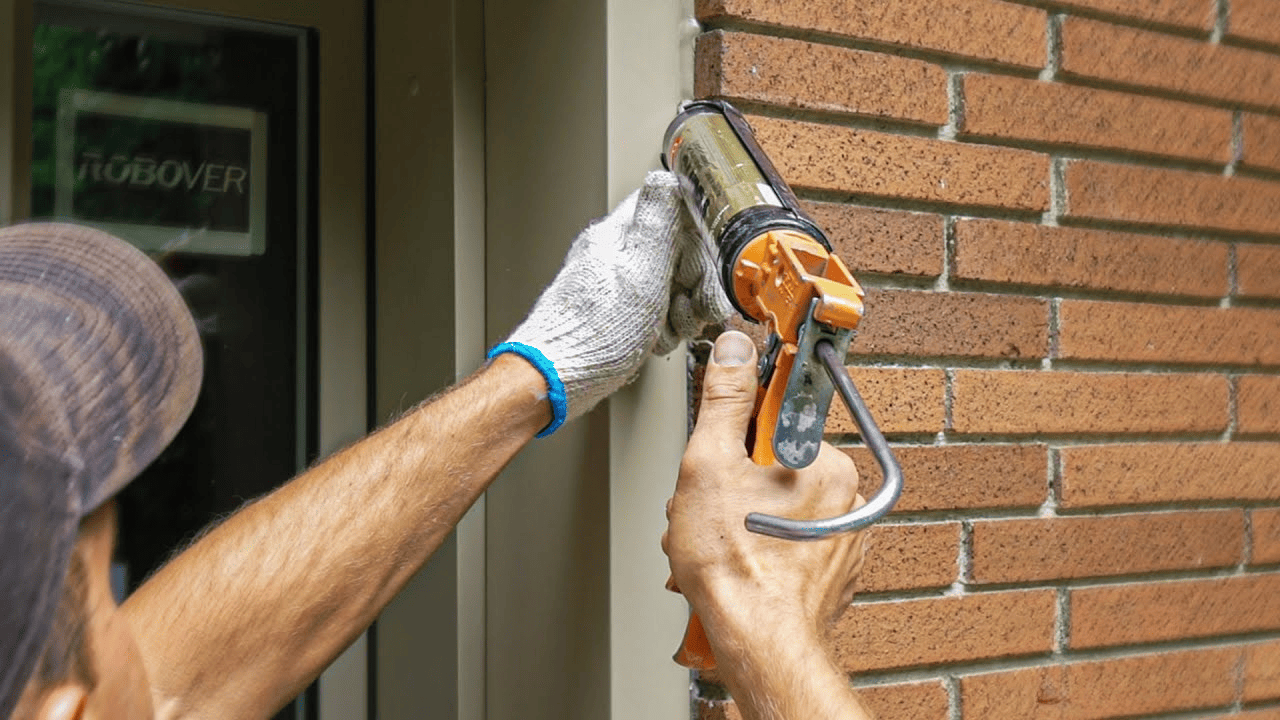
- Tuckpointing
- Caulking and sealant repairs
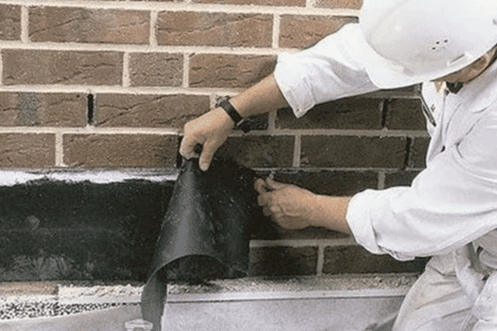
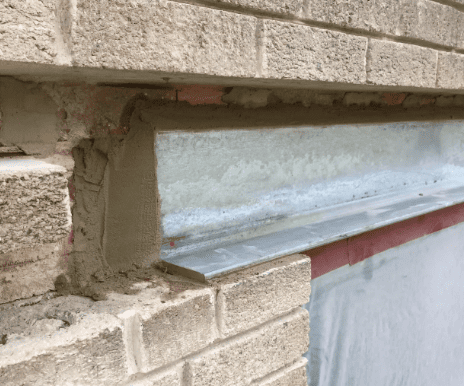
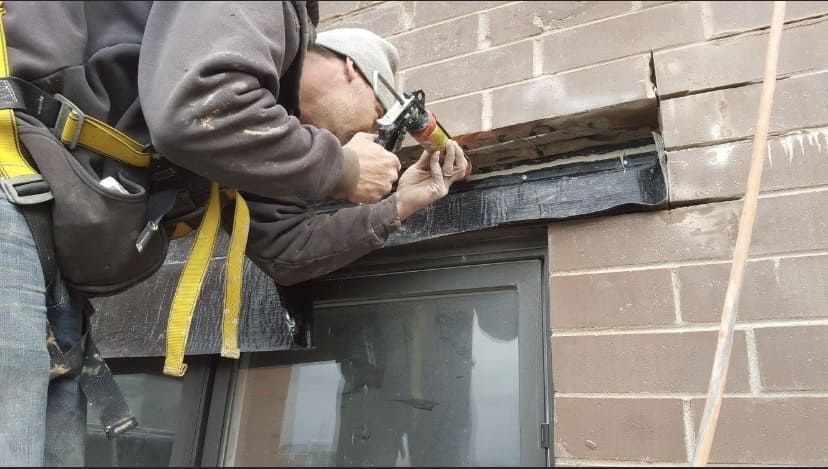
- Lintel and shelf flashing repairs
- Concrete façade repair
- Concrete balcony restoration
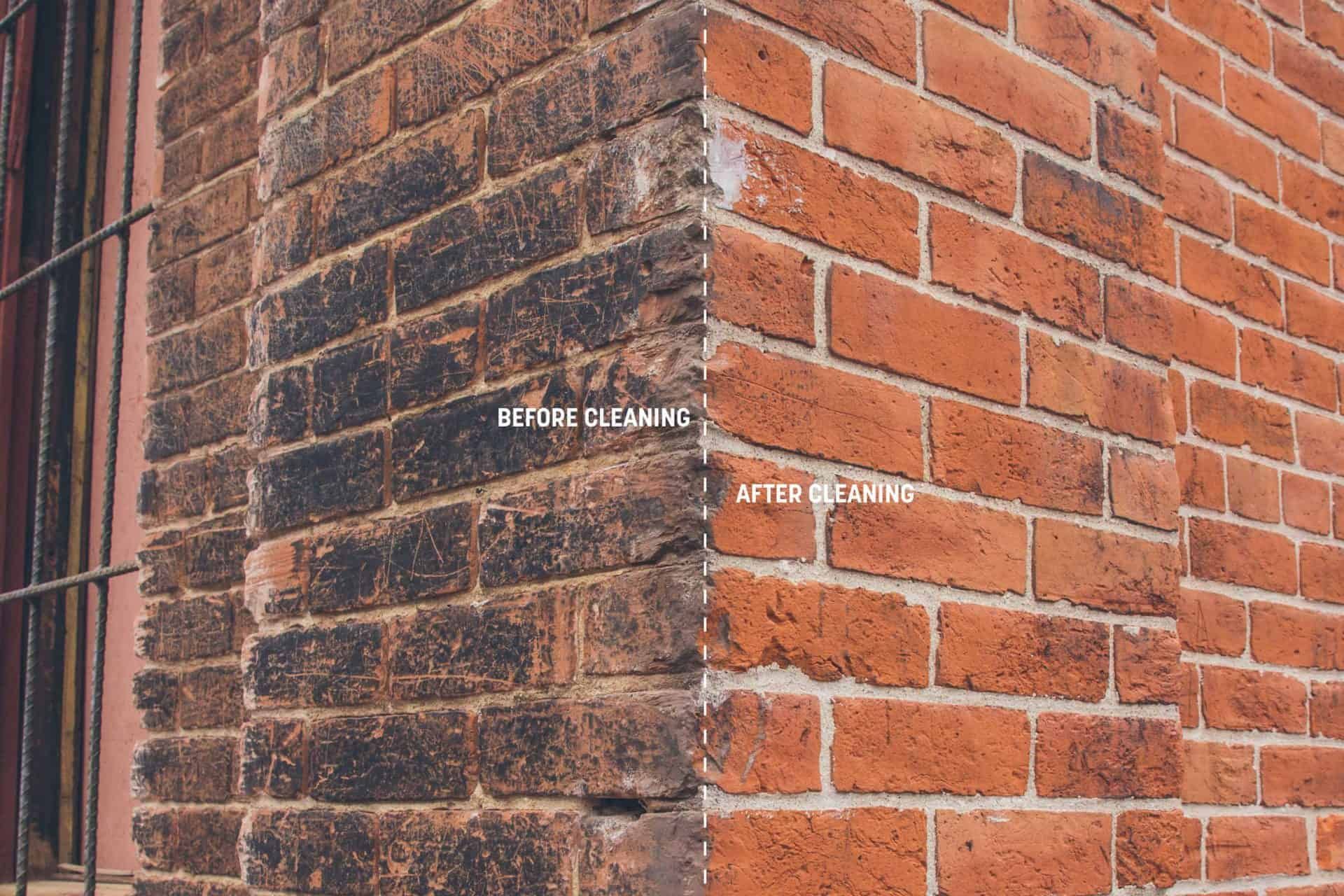
- Restorative cleaning
- General masonry restoration
Bundling compatible repairs may also reduce repeated access costs by allowing multiple trades to work during the same project.
Example: Coordinating Multiple Restoration Services
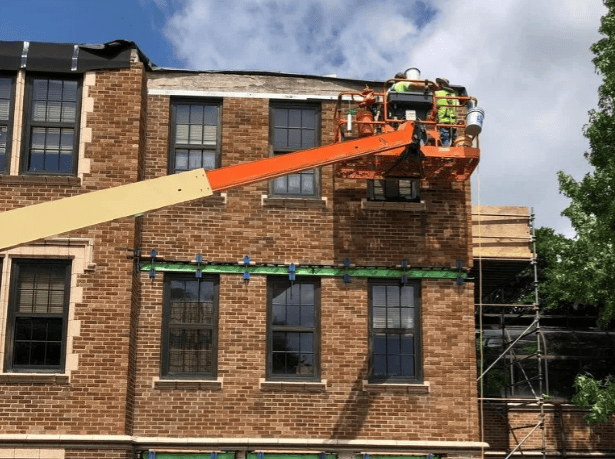
Many large commercial and institutional restoration projects involve multiple repair types completed under a single contract. During RestoreWorks' restoration of the Indiana School for the Blind and Visually Impaired campus, the project included masonry restoration, parapet rebuilding, lintel and flashing replacement, caulking and sealant installation, terra cotta restoration, and tunnel reconstruction. Coordinating these repairs as part of one long-term restoration effort helped address a wide range of building envelope needs across the campus.
How Chicago Weather Affects Restoration Planning
Chicago's climate creates unique challenges for masonry buildings.
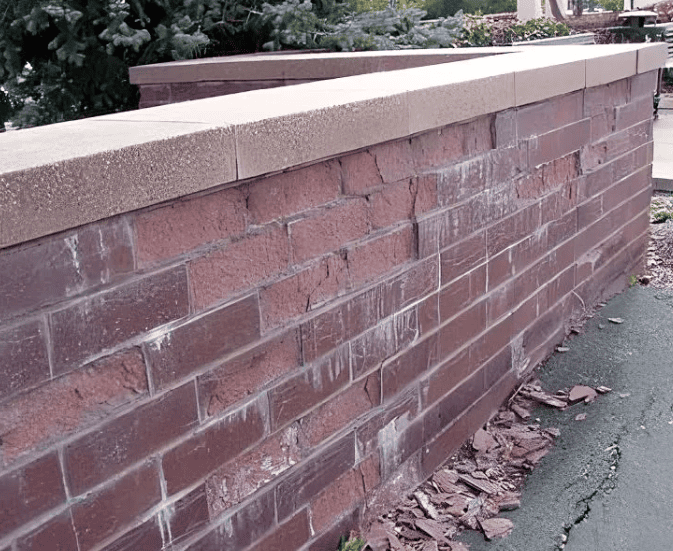
Repeated freeze-thaw cycles allow moisture inside masonry materials to expand and contract throughout the winter. Over time, this movement contributes to mortar deterioration, brick cracking, stone damage, and corrosion of embedded steel components.
Buildings located near Lake Michigan may also experience increased wind-driven rain and moisture exposure, accelerating deterioration in vulnerable areas.
Because many masonry restoration activities depend on appropriate temperatures and weather conditions, projects are often scheduled during warmer months. The Masonry Advisory Council also notes that masonry construction performed during cold weather must follow mandatory cold-weather practices required by the International Building Code and Building Code Requirements for Masonry Structures. These requirements can add complexity to scheduling, making early planning an important part of successful restoration projects.
What Information Should Owners Gather Before Requesting Pricing?
Accurate budgeting starts with accurate information.
Before contacting masonry restoration companies, gather as much project information as possible.
Helpful documentation includes:
- Previous inspection reports
- Existing restoration drawing
- Building elevations
- Maintenance history
- Leak reports
- Existing engineering studies
- Photographs of deteriorated areas
- Previous restoration project records
The more information available during budgeting, the more accurately contractors can evaluate project scope.
How Commercial Building Restoration Fits Into Long-Term Capital Planning
For many organizations, masonry restoration is only one component of a larger capital improvement program.
Projects may be coordinated alongside:
- Roof replacement
- Window replacement
- Waterproofing improvements
- Parking garage repairs
- Mechanical upgrades
- Building modernization initiatives
Coordinating these improvements can reduce repeated mobilization costs while minimizing disruptions to building occupants.
Rather than viewing masonry restoration as a standalone repair, many owners incorporate it into broader commercial building restoration planning that addresses the building envelope as a complete system.
When Should You Begin Budgeting?
For projects expected to begin during 2027, many organizations begin planning well before construction. A preconstruction guide published by the Construction Management Association of America highlights that early planning helps establish realistic budgets, identify potential risks, refine project scopes, and reduce the likelihood of unexpected costs and scheduling delays before construction begins.
A typical budgeting timeline includes:
- Conduct exterior inspections.
- Identify priority repairs.
- Obtain engineering recommendations if needed.
- Develop preliminary project scopes.
- Request budget pricing.
- Finalize capital planning.
- Complete design and bidding.
- Schedule construction.
Frequently Asked Questions About Budgeting for Masonry Restoration Projects
How far in advance should commercial masonry restoration be budgeted?
Many commercial owners begin budgeting six to twelve months before anticipated construction. Early planning allows time for inspections, engineering evaluations, contractor pricing, approvals, and scheduling while reducing the likelihood of emergency repairs affecting project costs or timelines.
What factors affect commercial masonry restoration costs?
Project costs vary based on building height, access requirements, repair quantities, material conditions, structural complexity, historical requirements, contractor availability, and the extent of concealed deterioration discovered during construction. A detailed inspection provides the most reliable basis for budgeting.
Can multiple exterior repairs be completed during one project?
Yes. Many commercial restoration projects combine tuckpointing, sealant replacement, lintel repairs, concrete repairs, restorative cleaning, and related masonry work. Coordinating compatible repairs often improves efficiency and reduces repeated access costs.
Why is early budgeting important for Chicago buildings?
Chicago's freeze-thaw cycles, moisture exposure, and aging building stock can accelerate masonry deterioration. Budgeting early allows owners to prioritize repairs, secure contractor availability, coordinate with other capital projects, and reduce the risk of emergency conditions developing before construction begins.
Start Planning Before Small Repairs Become Larger Projects
The best time to plan for masonry restoration is before deterioration turns into costly repairs or emergency work. An early evaluation can help you prioritize repairs, develop a realistic budget, and schedule work when it makes the most sense for your building.
If you're preparing your 2027 capital budget, contact RestoreWorks to discuss your building's restoration needs.