Restoring Historic Buildings to Their Former Glory
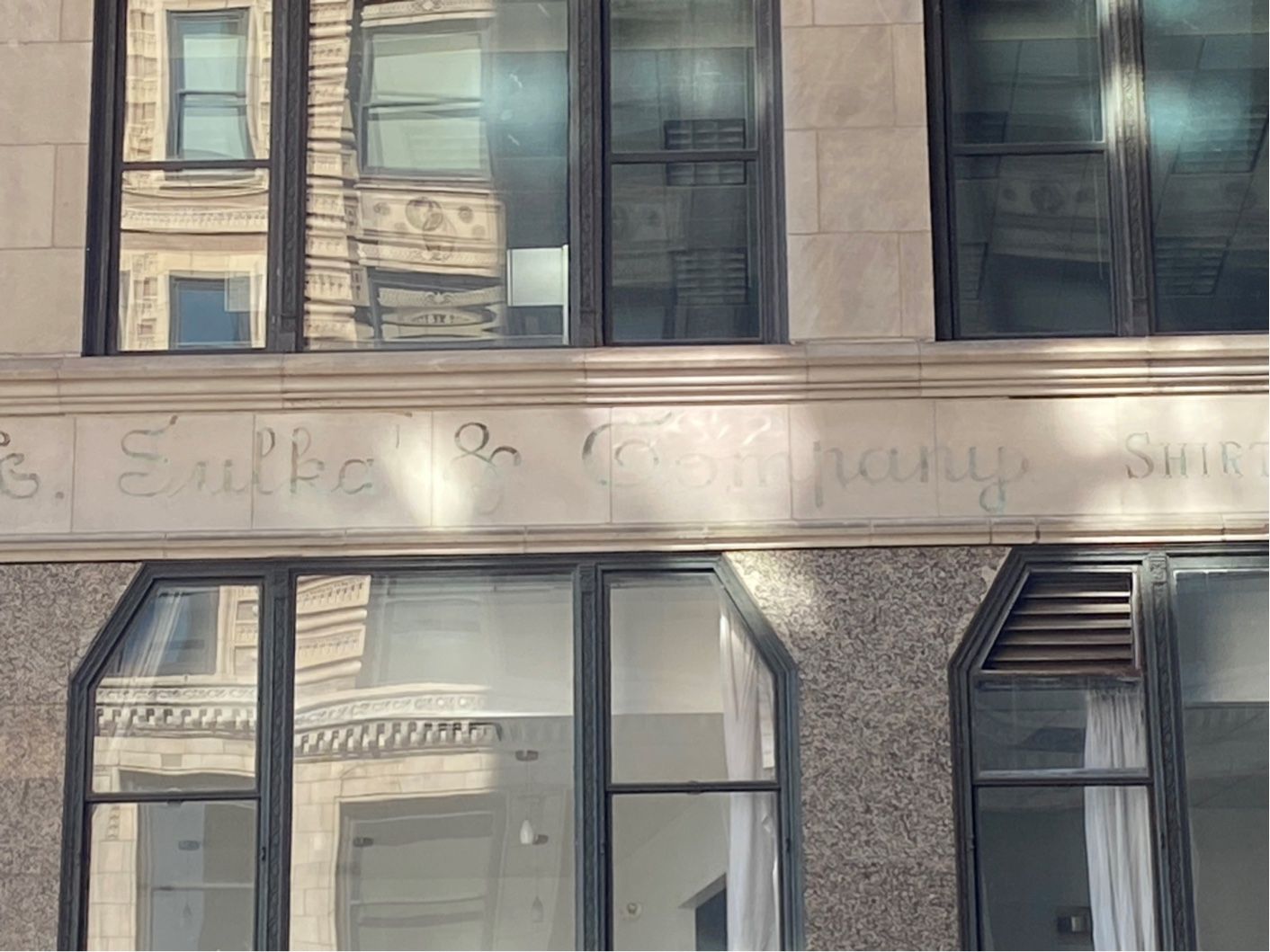
Maintaining a thriving future is just as important as protecting the past regarding historic building restoration. At RestoreWorks, we're proud of our ability to preserve historic structures' cultural value for future generations while restoring them to their former splendor.
The Benefits of Restoring Historic Buildings
Historical site preservation is an investment in the essence of the community, not just a conservation measure. There are numerous advantages to rehabilitating historic structures. These architectural gems foster the citizens' strong sense of local identity and pride, which act as reminders of the past. These locations frequently develop into cultural centers after renovating, drawing both locals and visitors. They are transformed into lively venues for cultural and artistic gatherings, bringing once-forgotten areas of towns and cities to life.
Restored historic structures are also essential for promoting economic expansion. They draw in shops, galleries, and restaurants, creating jobs and fostering entrepreneurship. These buildings serve as community hubs and attract tourists interested in history and culture. The positive effects on the local economy create a thriving network of stores, lodging facilities, and other businesses.
Communities can guarantee the preservation of their cultural legacy by selecting professional historic building restoration services. The structures that have been restored add to the architectural fabric of the present by serving as living monuments to the skill and artistry of past times. Every building that is repaired serves as a symbol of the community's dedication to both the past and the future.
The Different Techniques of Restoring Historic Buildings
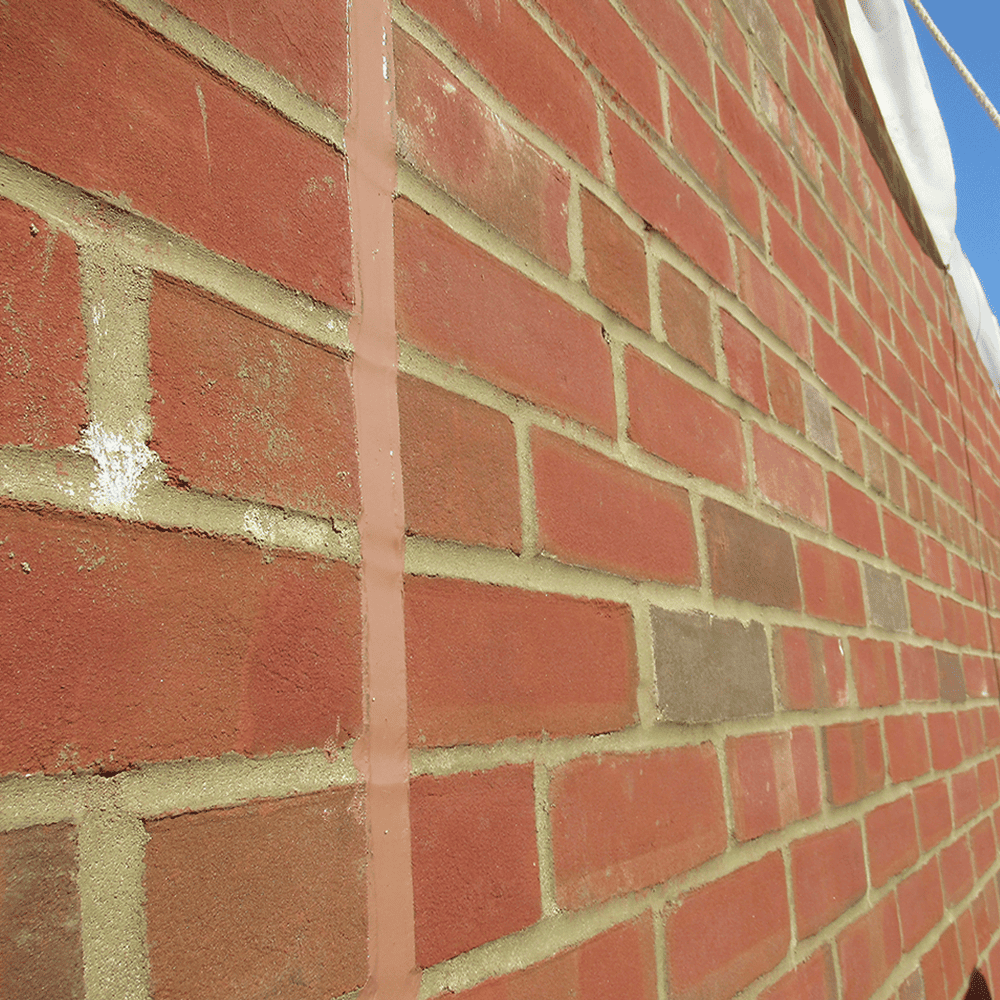
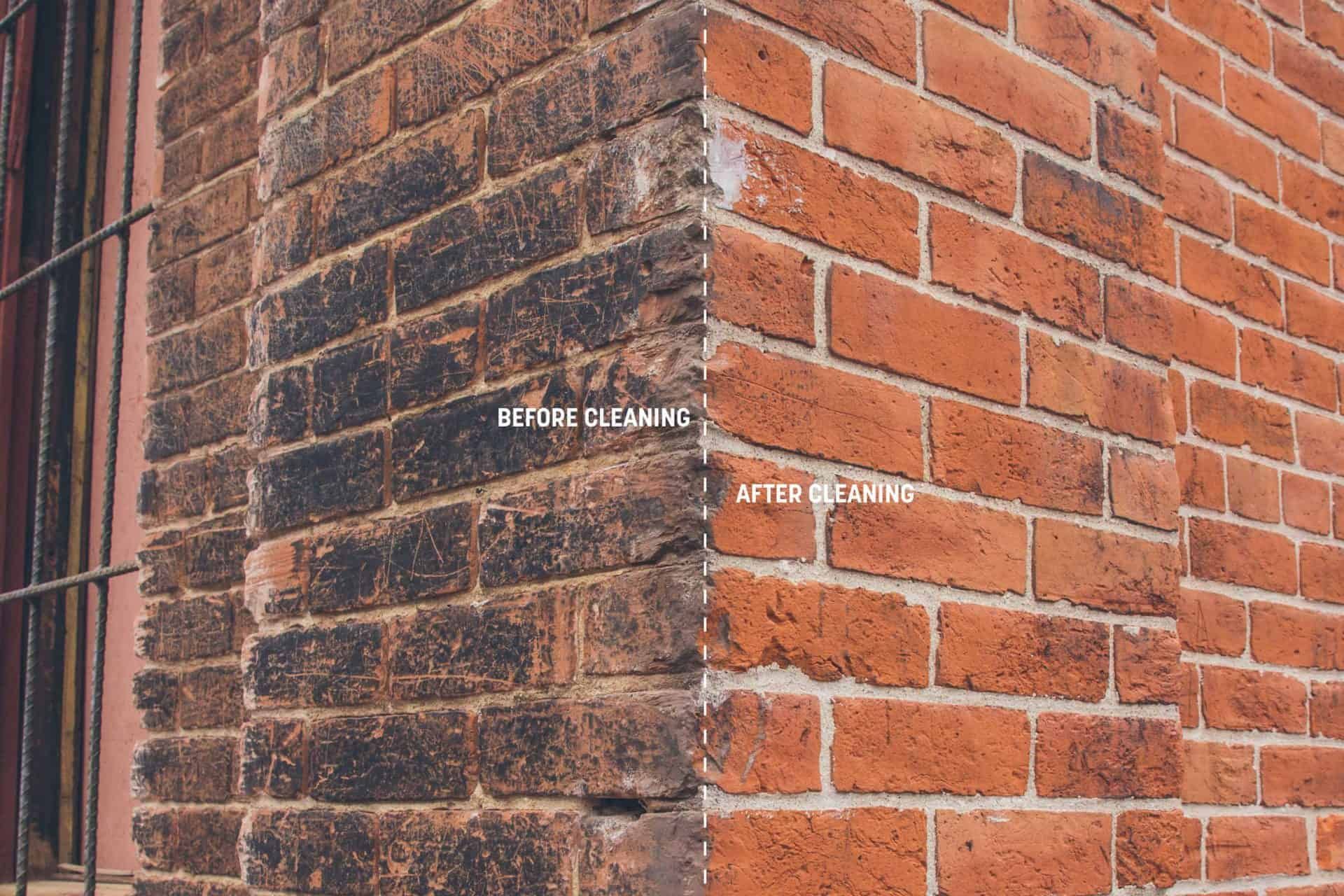
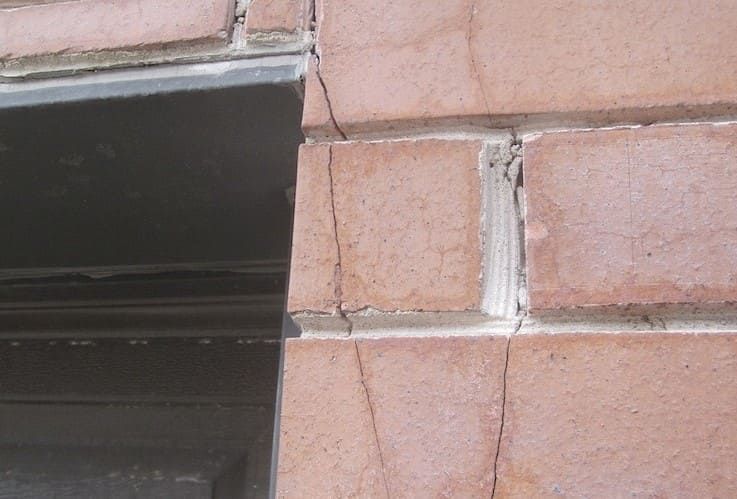
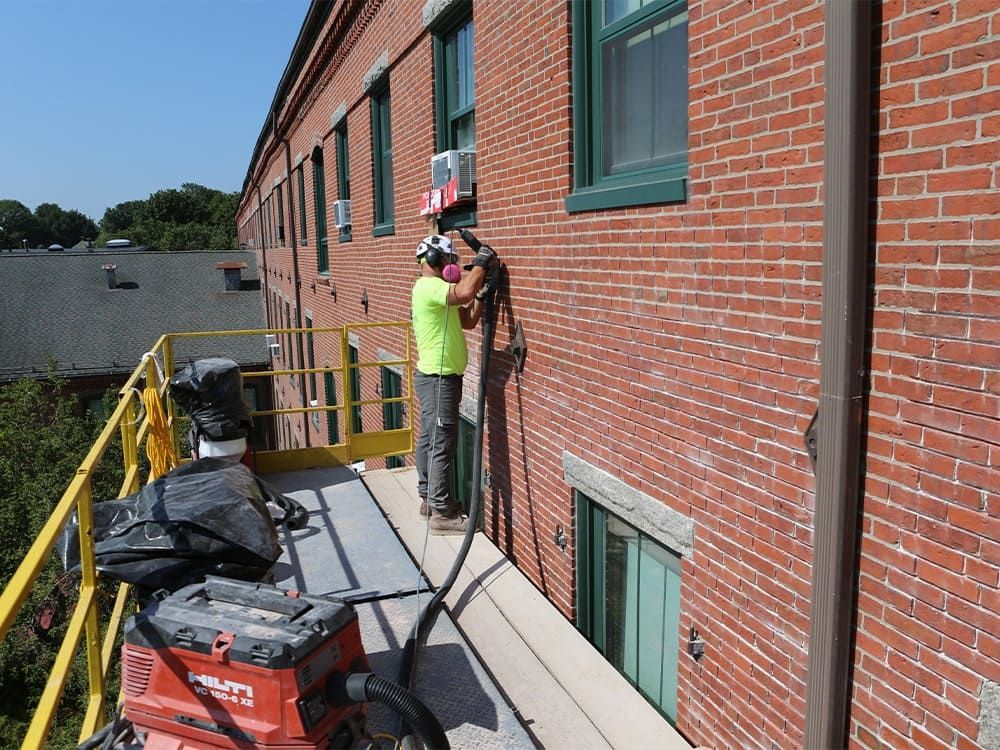
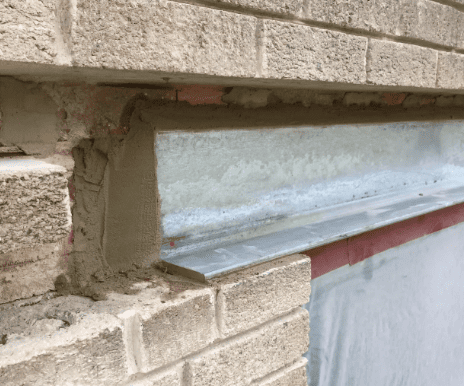
Restoration of historical buildings is both a science and an art. Expert artisans utilize many methods, each as intricate as the structures they are renovating. Masonry restoration is carefully mending masonry and mortar to maintain structural integrity and historical accuracy. A thorough knowledge of the many varieties of stones and their distinctive characteristics is necessary for stone repair. In this process, thorough cleaning, repair, and repointing are essential. The complex and complicated process of restoring terra cotta includes reglazing, crack repairs, and meticulous detail reconstruction.
Each method is a thorough dance between renewal and preservation, an homage to the past. Every restoration, from fixing broken bricks to reconstructing ornate façades, necessitates thoroughly comprehending the materials and techniques used in earlier constructions. Restorers give these architectural marvels new life and ensure they last over time by employing materials that match in color and kind.
The Challenges of Restoring Historic Buildings
The difficulties of preserving historic structures are as varied as the structures themselves. Every project has challenges, from the aging process to the finer points of architectural design. Thorough evaluations are essential; it's critical to understand the building's past, original construction techniques, and materials. Careful material removal necessitates a gentle touch to prevent more harm, frequently involving aging components. Still, restorers' devotion is fueled by these difficulties.
Restoration experts view these challenges as opportunities to conserve and revitalize, one meticulous detail at a time, rather than as obstacles. Every restoration project breathes new life into a piece of history, enabling communities to make meaningful and lasting connections with the past.
The Importance of Preserving Our Heritage
It is our ethical duty to preserve our legacy. It's about safeguarding architectural wonders, artistic creations, and narratives for future generations. At RestoreWorks, we aim to maintain a building's past while improving it. By restoring their works, we pay tribute to the builders and craftspeople of the past and guarantee that their creations will always be a source of wonder and appreciation.
RestoreWorks: Conserving the Past, Creating the Future
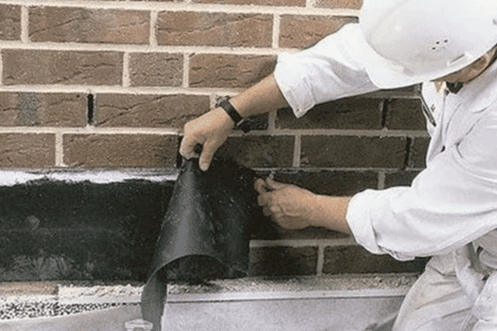
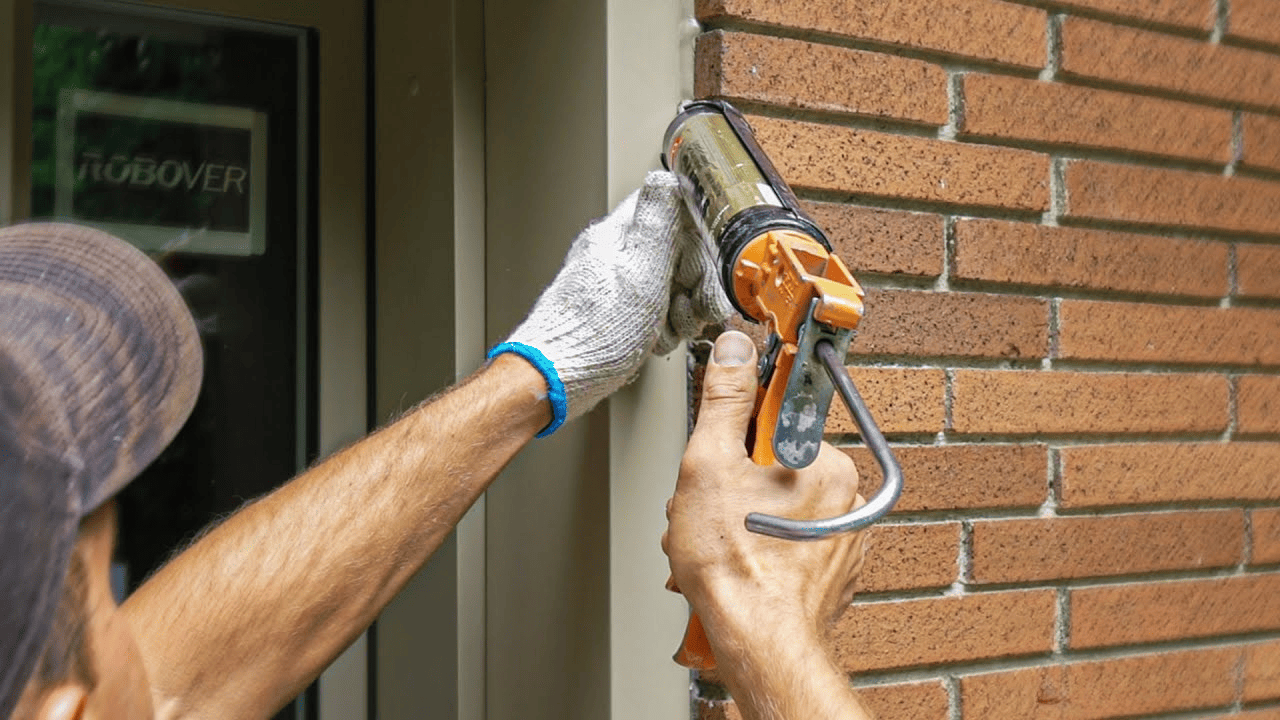
Since its founding in 1988, RestoreWorks has developed into one of the industry's foremost authorities in masonry restoration and repair. In addition, we also provide interior and exterior restorative cleaning, tuckpointing, caulking and sealing, and various masonry repairs. Our well-known projects, which include famous icons like the Wrigley Building and Navy Pier, speak for themselves.
For a free consultation, call RestoreWorks at 312-666-4646 or 219-924-9700 today. Let's write history again and create a future that values the past.