Cleaning and Restoring Chicago's Historic Willoughby Tower
Overview
- Water misting is the gentlest process when it comes to restorative cleaning.
- Careful planning is necessary when working with a historic building in a busy town.
- Expert skill and attentive service deliver success.
The History of Willoughby Tower
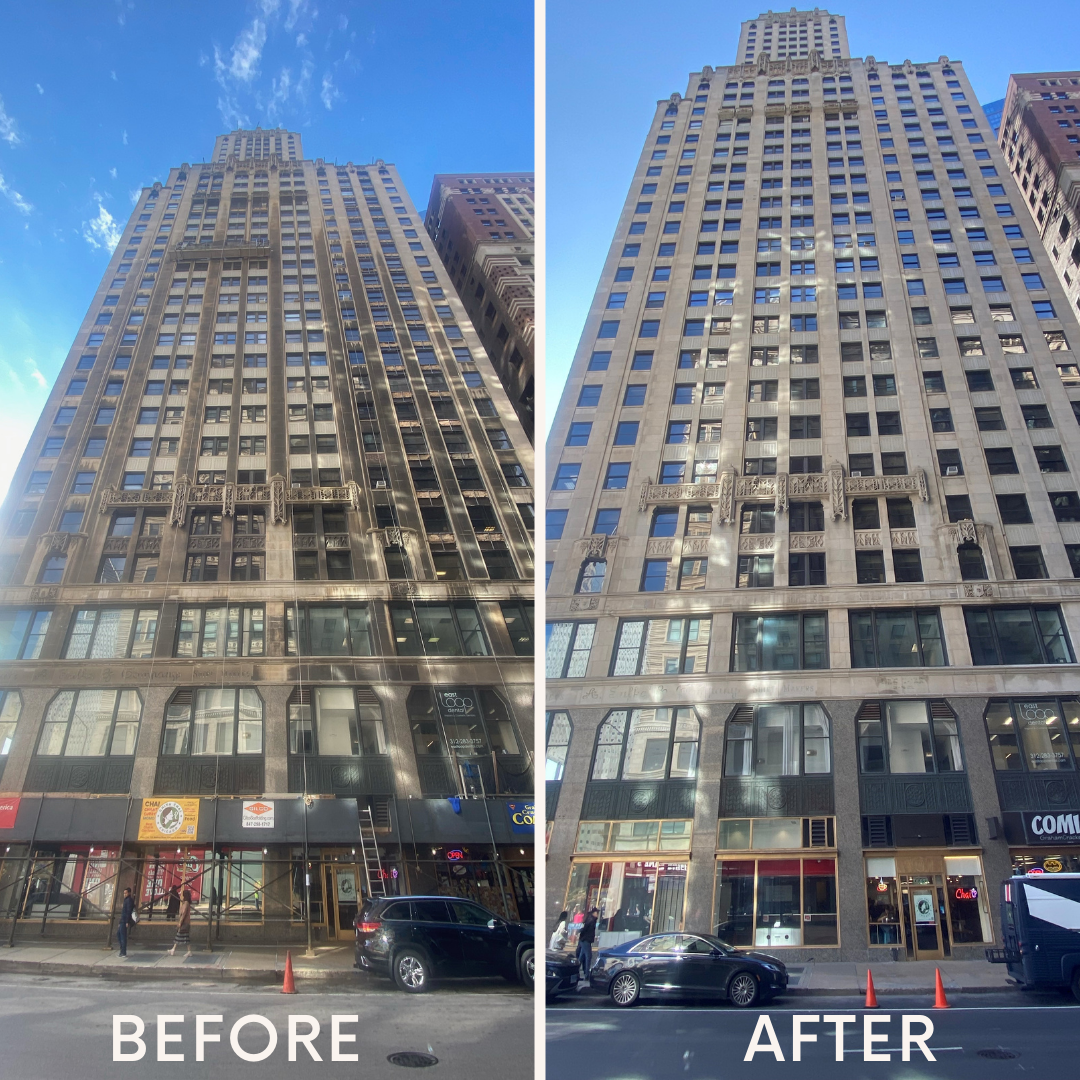
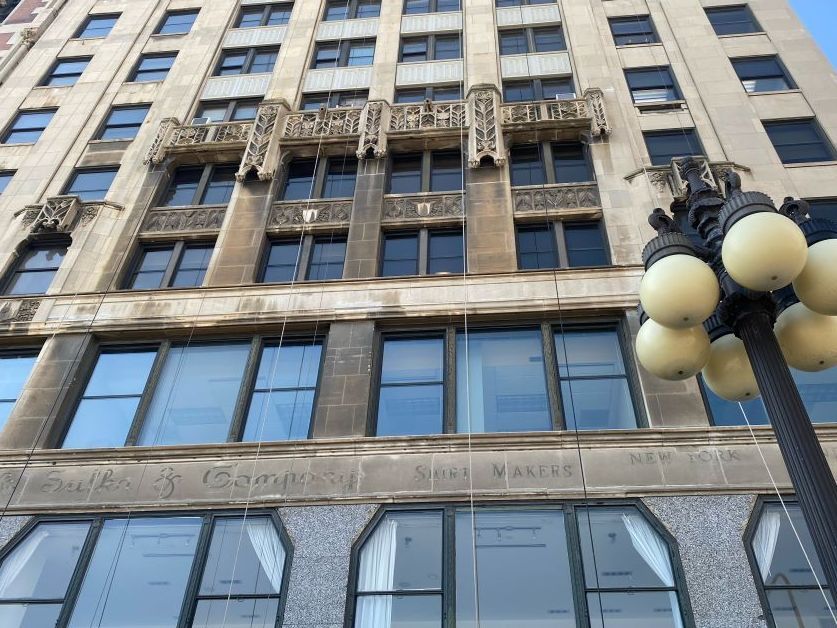
Originally established in 1846 as the first Chicago Convent by The Sisters of Mercy, Willoughby Tower located at 8 South Michigan Avenue has a storied history spanning almost two centuries. Construction of Willoughby Tower as it stands today was completed in 1929 back in an era when burning coal for heat was common. This darkened the building exterior.
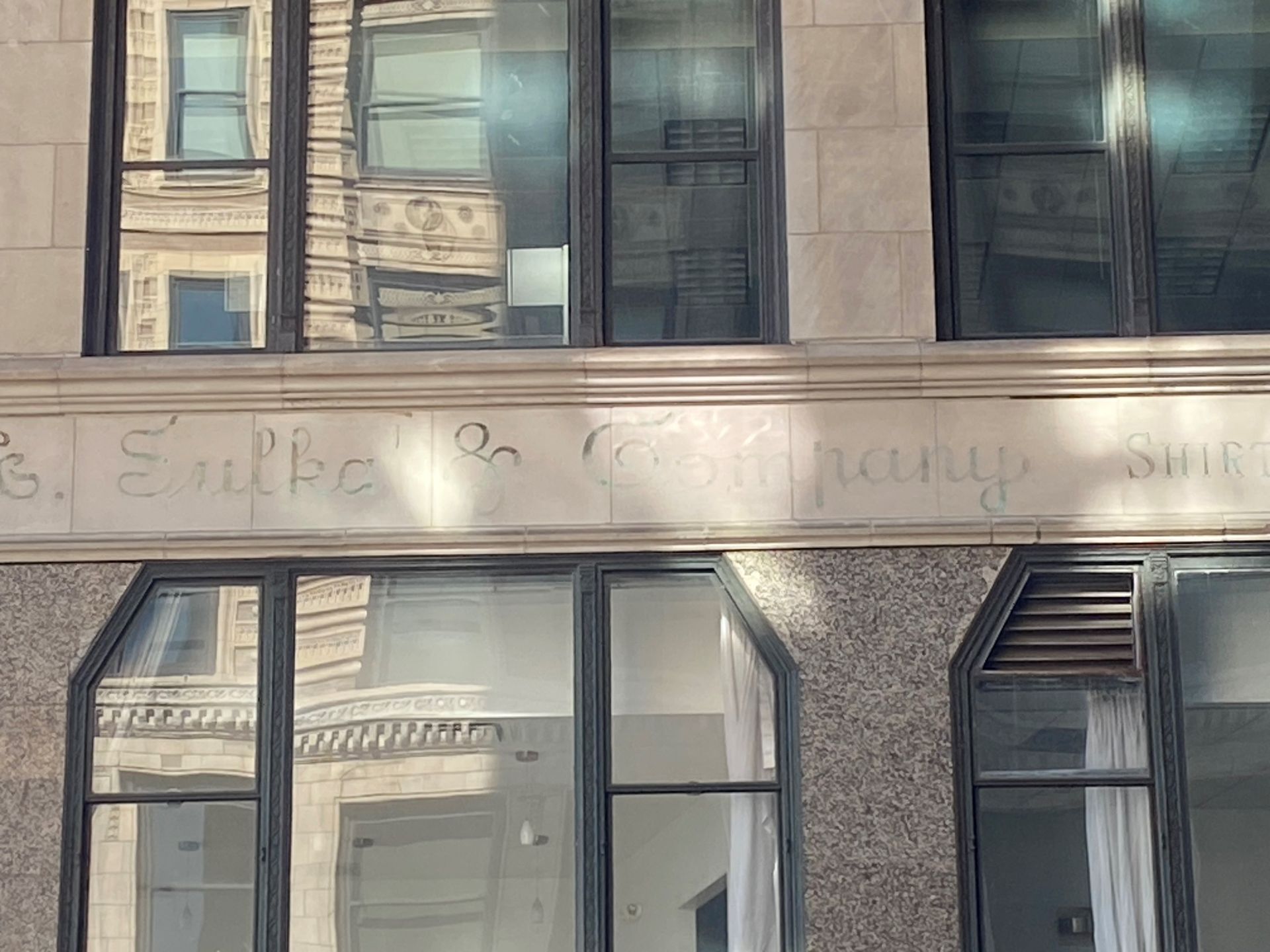
Among the many historical aspects of the building includes a stamp on the building's surface that stands as signage for Sulka & Company - a luxury clothing brand founded in the late 1800's that opened their Chicago store in the 1940's. With so much history and architectural significance at stake, cleaning and repair of the building exterior is no simple matter, as great care must be taken to preserve and protect this iconic and historic location.
Preserving and Protecting the Exterior of Willoughby Tower
Owned and managed by Marc Realty and collaborating with Central Building & Preservation, who was performing masonry repairs on the property, needed exterior cleaning and restoration. The challenge at hand was “how to wash the historic elements of the building exterior without damaging it?” Choosing the proper cleaning procedure was a concern given the age of the building and desire for preservation.
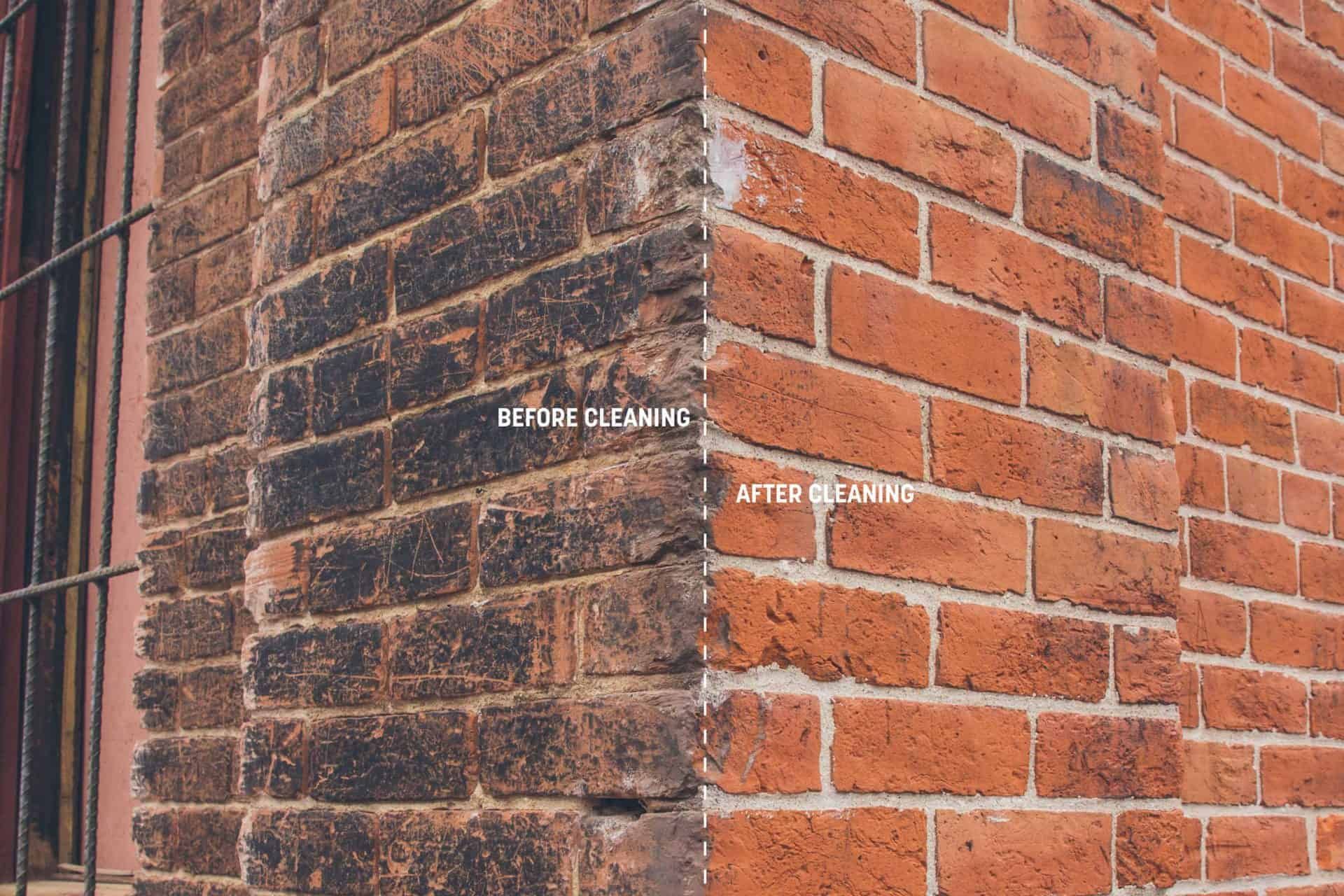
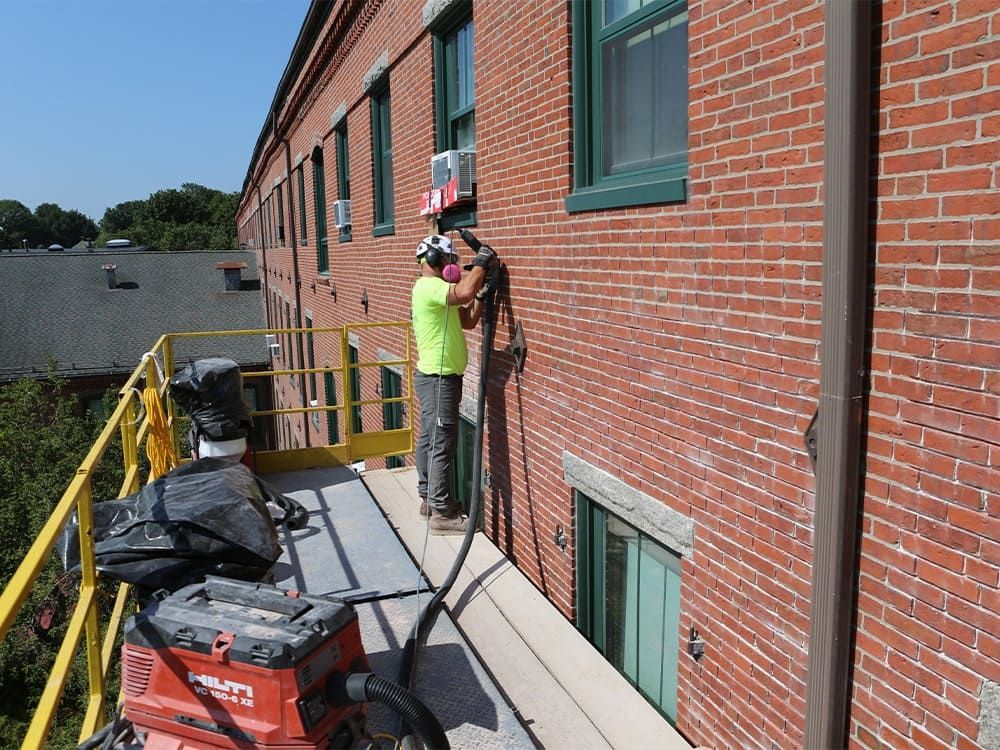
Our team at RestoreWorks was brought in to address the situation and needs because of our expertise in restorative cleaning. We offered a unique approach called “water misting” that addressed these concerns. Water misting is a delicate cleaning technique that combined with gentle hand scrubbing using soft brushes enabled us to clean Willoughby Tower while protecting its historical legacy.
Requiring Careful Thought and Planning
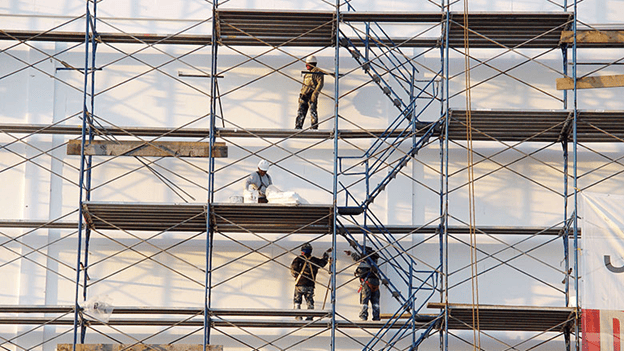
The restoration project of Willoughby Tower required many steps and precautions from our team at RestoreWorks:
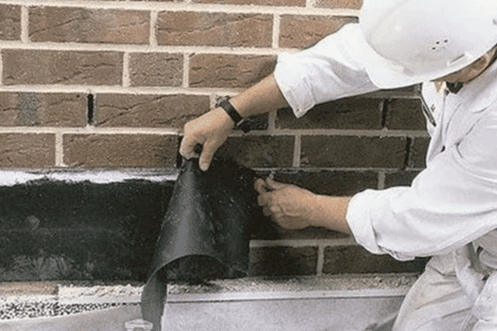
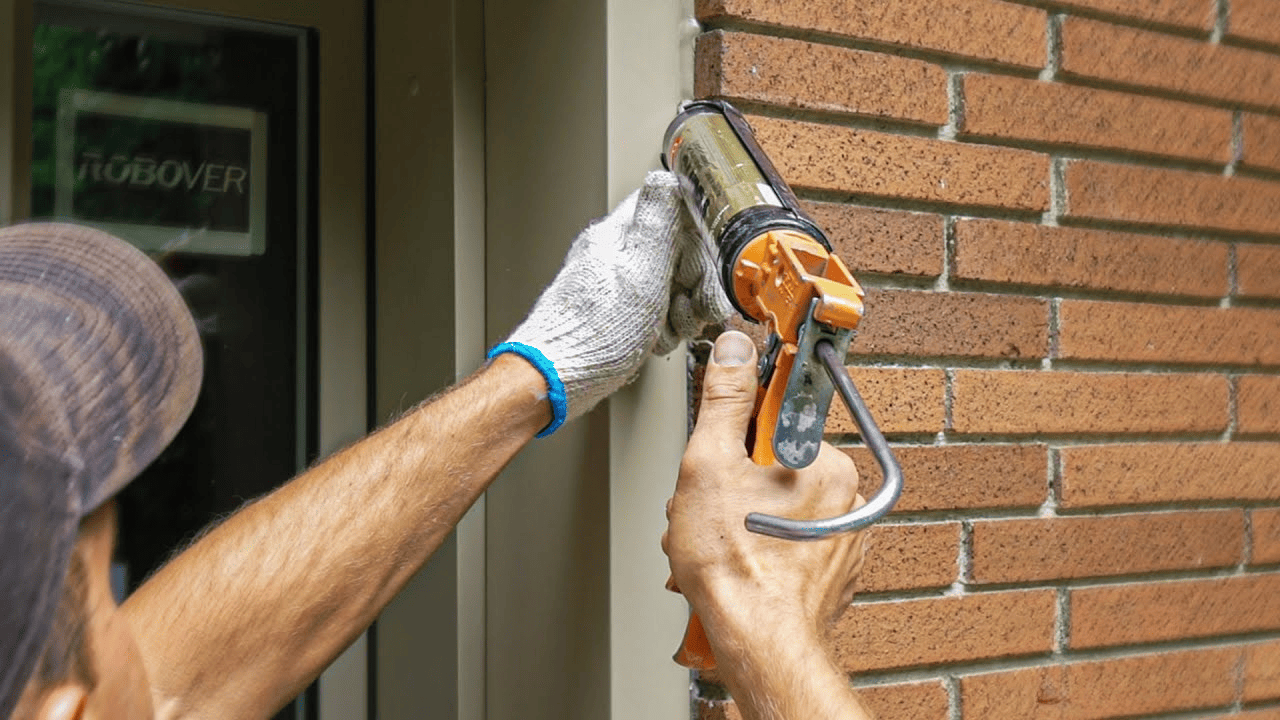
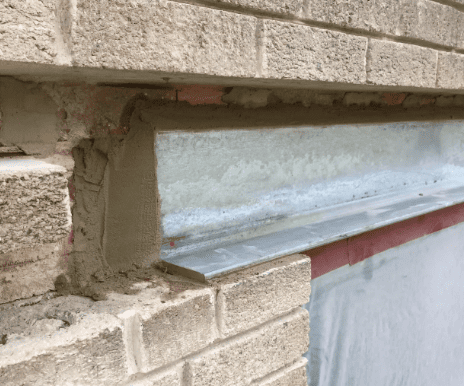
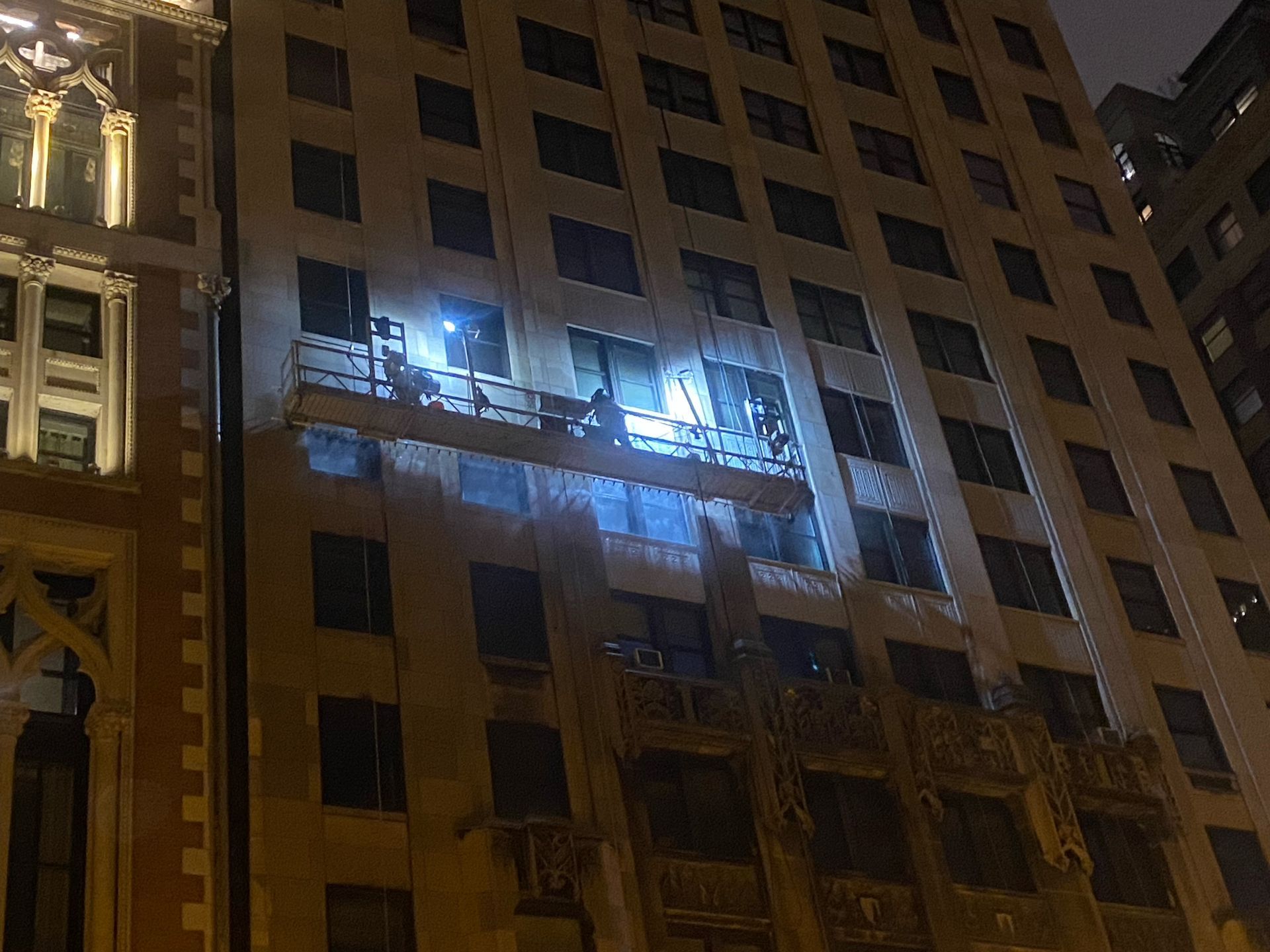
- It was very important to seal the building properly before installing and initiating hundreds of low-pressure jets to mist water onto the building's surface. The facade was thoroughly inspected for potential voids that could lead to water infiltration prior to the water misting process.
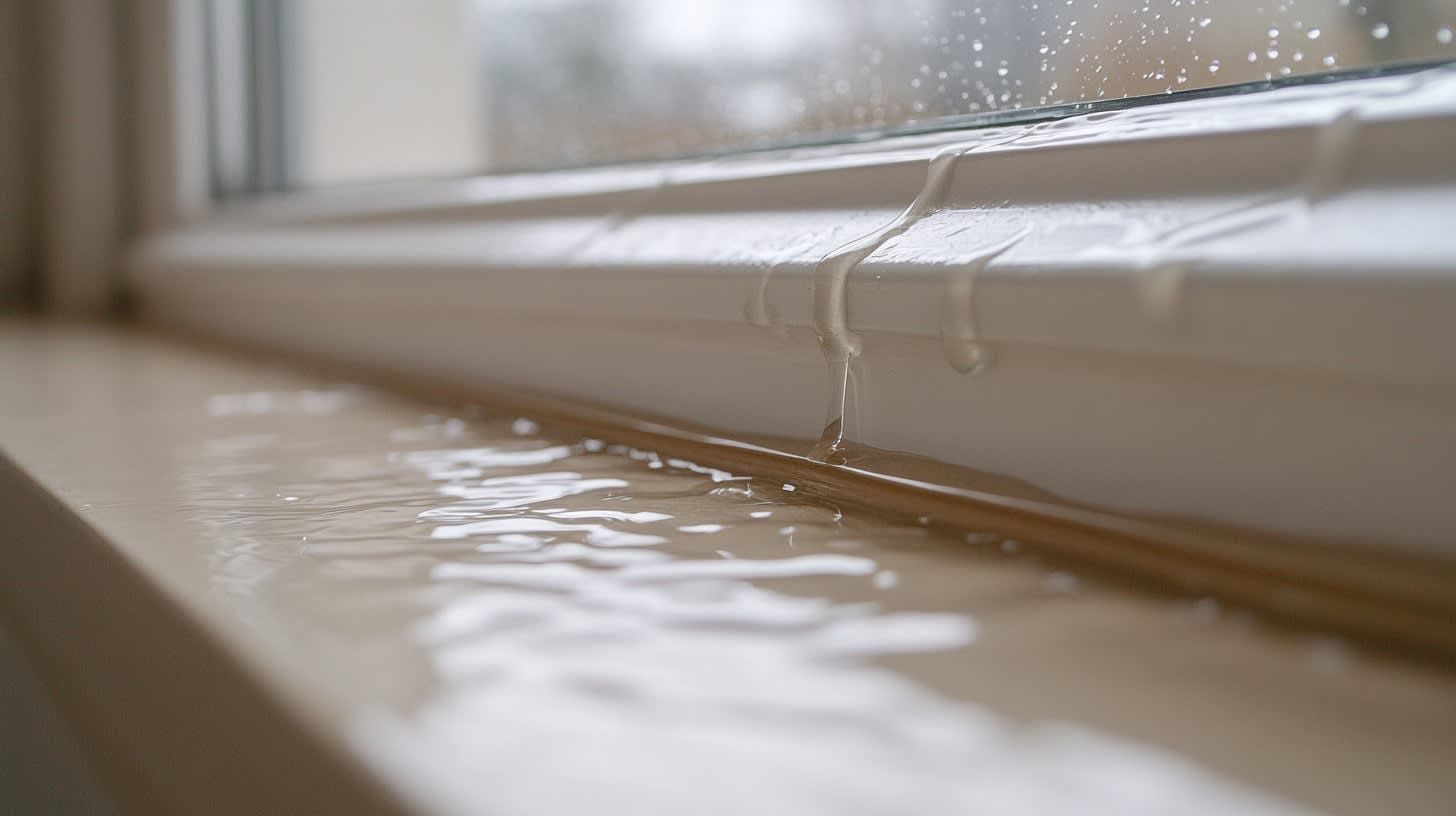
- Specialists were placed inside the building during the water misting process to ensure there were no leaks and water did not enter the building. When water leakage became an issue, our specialist would take protective measures by notifying the owner so the leaking areas could be repaired, and the water misting process would then be temporarily shut down as a result.
- Because Willoughby Tower is located on a heavily trafficked corner in downtown Chicago, work was conducted at night to avoid disrupting tenants and visitors.
Willoughby Tower Restoration Highlights:
- History Preserved: The limestone exterior of Willoughby Tower was brought back to its original appearance without any damage to its many historical features.
- A Delicate Touch: Installing hundreds of low-pressure jets to mist water onto the building, along with gentle hand scrubbing with soft brushes, was the perfect process to protect and restore the building.
- Carefully Planned and Executed:
Sealing the building properly prior to performing the water misting process was essential to success. So too was working at night to avoid disruption to tenants and visitors and having specially trained staff inside and outside the building to execute the work and prevent problems.
- Teamwork: We were honored to collaborate with Marc Realty and Central Building & Preservation on this noteworthy, successful project. It took a team approach, and together, we achieved remarkable success on this project.
About RestoreWorks
Serving owners and property managers throughout Chicago and the Midwest, we offer specialized cleaning and masonry restoration services that help protect and preserve buildings. Our staff of union trained, and highly skilled experts have worked on many landmark properties providing the attention to detail, craftsmanship, and services needed for restoration success.
To learn more about our work, including water misting, check out our recent blog "Gently Restoring the Beauty of Chicago's Limestone Structures."
If you’d like to speak with us about a project or restoration concern with your property, email us at info@restoreworks.com.