Understanding Concrete Building Envelopes: Construction and Maintenance
Concrete facades stand as a testament to the perfect blend of function and design in contemporary architecture. Their durability coupled with visual adaptability makes them a cornerstone in many commercial structures. At RestoreWorks, we bring a wealth of knowledge about the various construction and concrete repair techniques, the right care methodologies, and the innovations that are shaping their future.
Diverse Approaches to Concrete Facade Construction
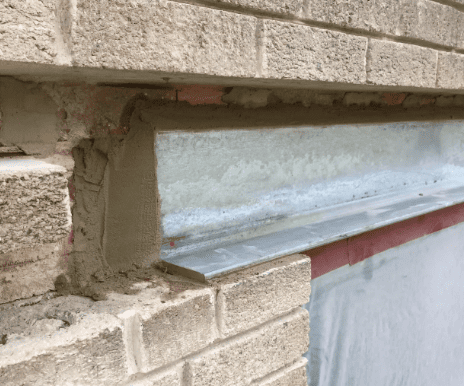
Different methodologies can be employed to craft concrete facades, each catering to specific architectural objectives. For instance, precast commercial concrete facades are created off-site, which ensures meticulous detailing and expedited installation—a method that's increasingly sought after for its efficiency and myriad design possibilities.
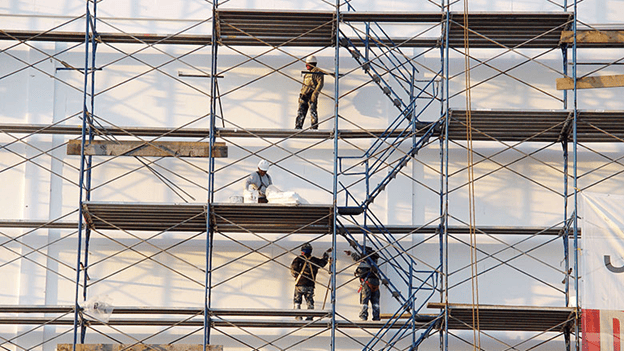
On the other hand, refurbishing older buildings might necessitate on-site construction to retain the structure's original charm. Moreover, with the global emphasis on sustainability, many now incorporate eco-friendly materials in building facade construction, promoting both environmental stewardship and energy efficiency.
Why Concrete Building Envelopes are a Top Choice
Several compelling reasons make concrete facades a favored choice among architects and builders. Foremost, their inherent sturdiness ensures that buildings last longer and stand resilient against diverse weather patterns.
Concrete's design flexibility also means that a vast array of architectural concepts can come to life, ranging from bespoke shapes to innovative textures. Furthermore, these building envelopes act as commendable insulators, which magnifies a structure's energy efficiency, translating to potential long-term cost savings.
Maintenance Essentials for a Building Facade
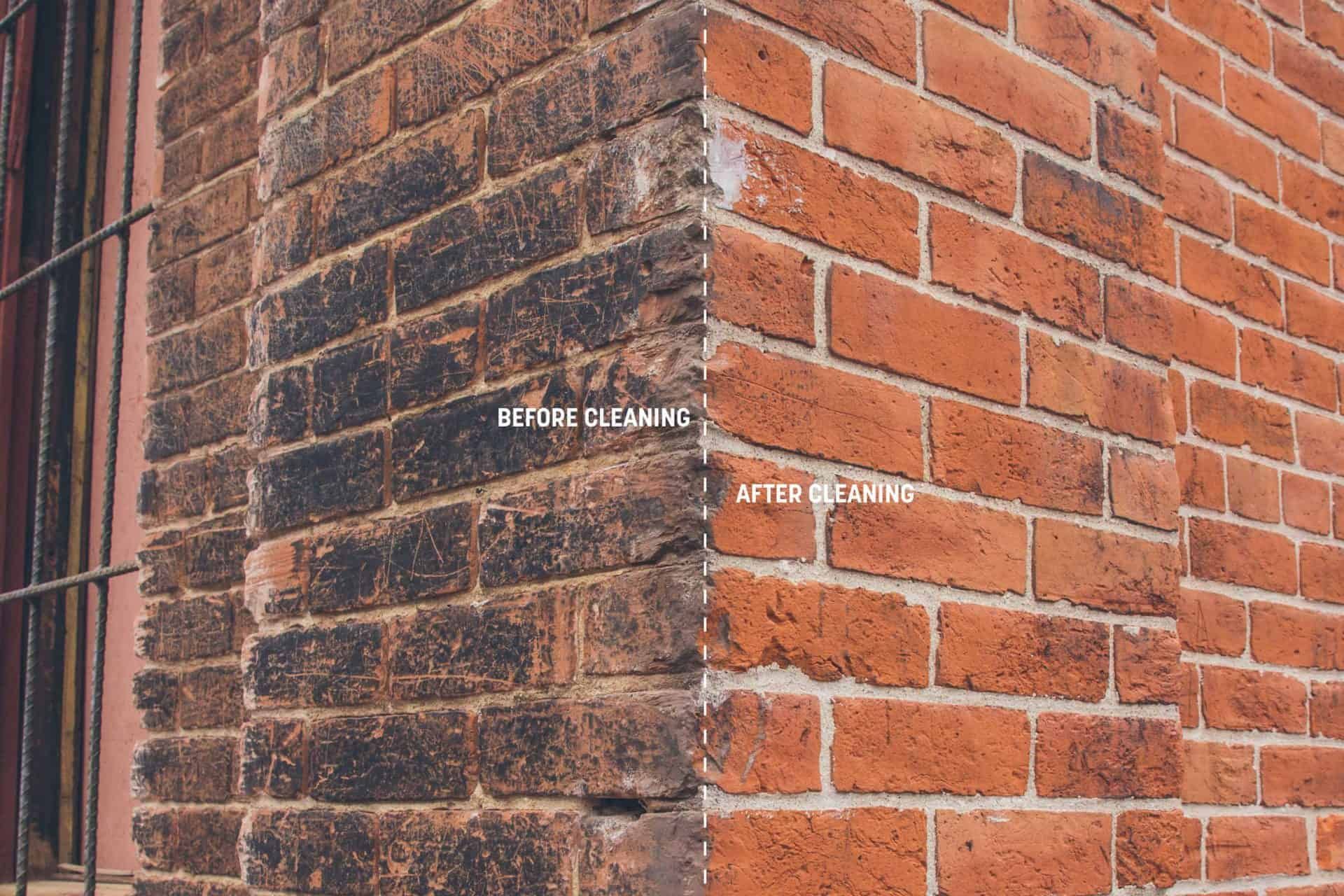
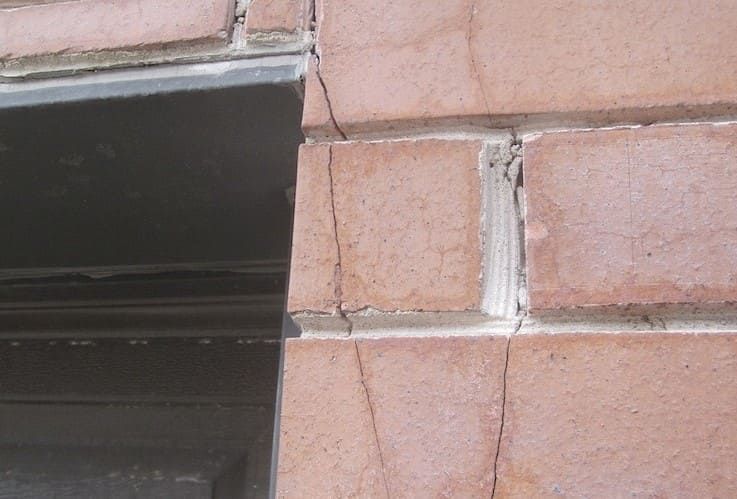
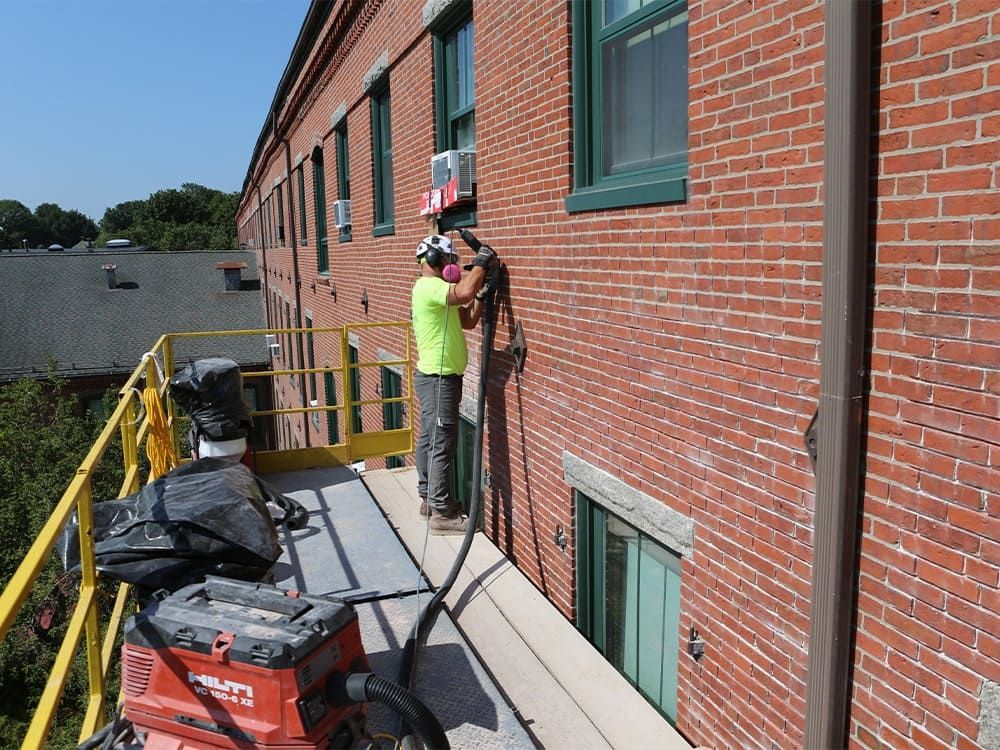
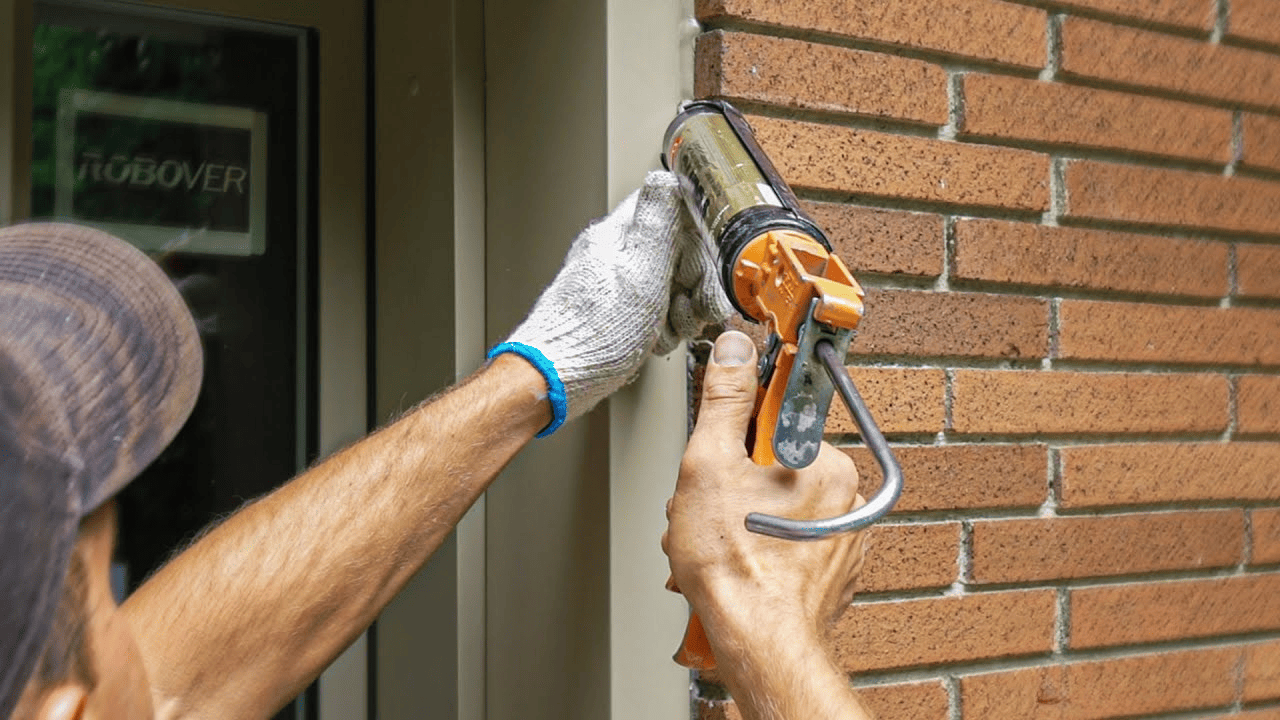
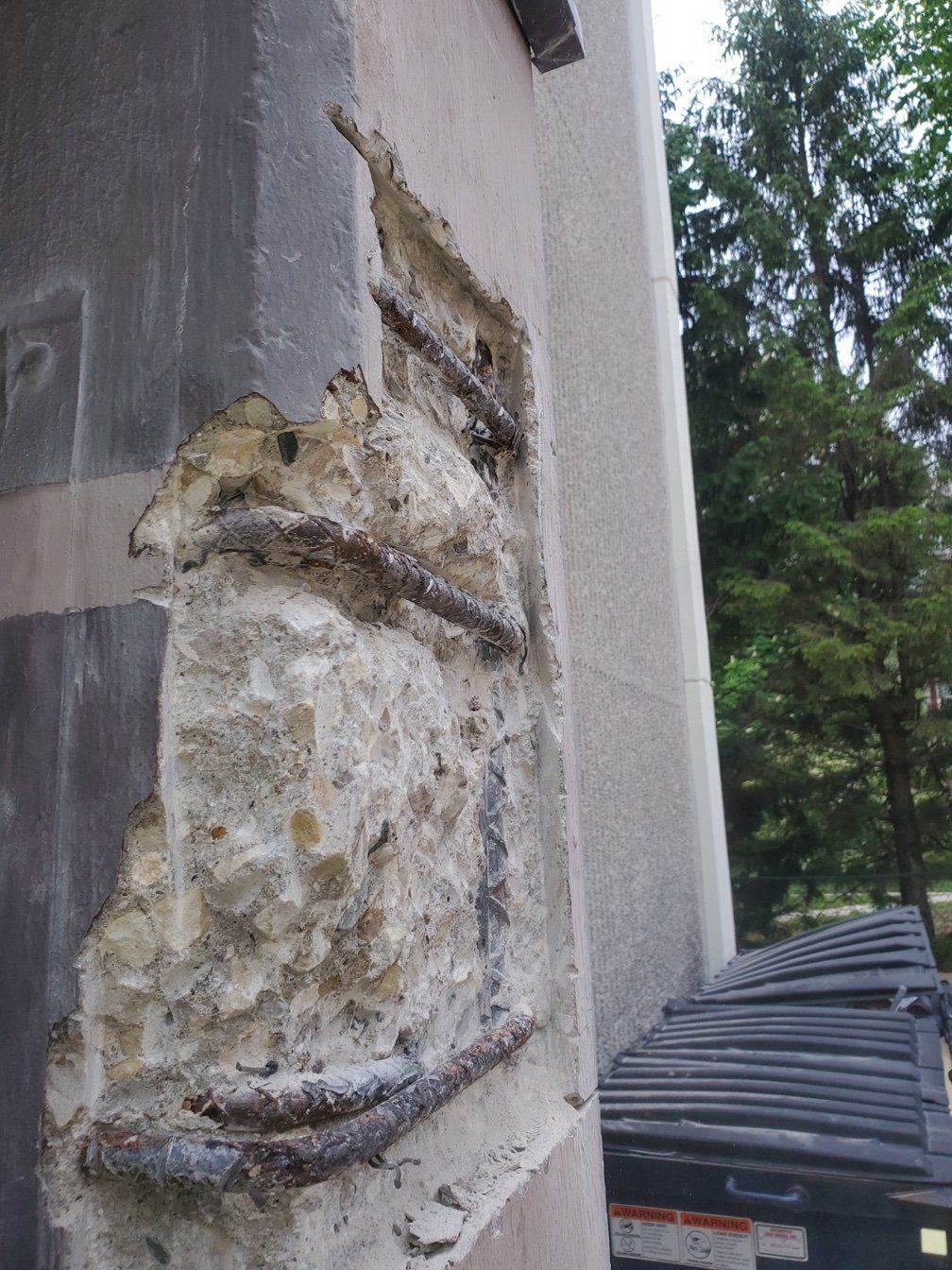
Even with the robust nature of concrete, consistent maintenance is pivotal to uphold its aesthetics and functionality. At RestoreWorks, we offer specialized services that span from cleaning routines to intricate restoration and repair tasks. Our experience in handling both modern and historical facades allows us to adapt our approach based on each project's distinct needs.
Pioneering Changes in the World of Concrete Facades
The domain of commercial concrete facades is in constant flux, reflecting the broader shifts in architectural trends. The push for greener practices has inspired the exploration of alternative ingredients for concrete, such as fly ash, slag, and recycled aggregates. These not only diminish the overall carbon footprint of a structure but also cut down on the reliance on fresh resources. Cutting-edge carbon capture technology is even hinting at a future where concrete has negligible emissions.
The installation of a concrete building envelope is also being revolutionized with the advent of modular construction and prefabrication techniques. In parallel, the introduction of 3D printing in construction promises precision-crafted facades, customized to the smallest detail.
Emerging technologies are pushing the boundaries even further. Envision facades embedded with intuitive sensors that modulate lighting or air circulation based on ambient conditions, or the marvel of self-repairing concrete. Such advancements are steering us towards adaptive buildings that resonate with both their inhabitants and the surrounding environment.
As we chart the future course, the blending of green elements within urban constructs, through features like living walls, is gaining prominence. These not only enhance a building's aesthetic appeal but also play a pivotal role in urban ecological balance.
At
RestoreWorks, our commitment goes beyond mere maintenance. We are dedicated to revitalizing properties that in turn restore community pride. Our craftsmen have the skills to professionally clean and maintain your
concrete building façade, extending its useful life and natural beauty. For a free consultation,
call us at
312-666-4646 or
219-924-9700.