Protecting Masonry from De-Icing Salts in Winter Months
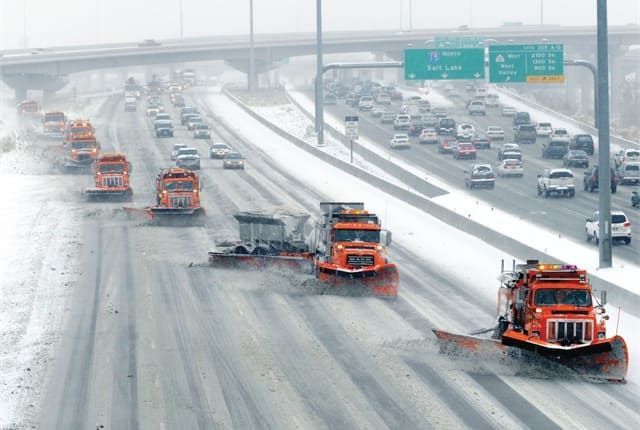
De-icing salts are a necessity for keeping pedestrian and vehicle surfaces safe during Chicago’s icy winters, but they come at a cost. While they may prevent slip hazards, these chlorides can accelerate the deterioration of masonry, concrete, and structural components if left unchecked. For buildings with exposed horizontal masonry, concrete staircases, parapets, or walkways, the risk is even greater.
This article outlines the mechanics of salt damage, identifies where vulnerabilities often occur, and offers preventive strategies that can be implemented before damage becomes widespread. If deterioration is already visible (such as cracked mortar joints, rusting lintels, or spalling surfaces) timely intervention can help avoid more costly structural repairs in spring.
The Science Behind Salt Damage to Masonry
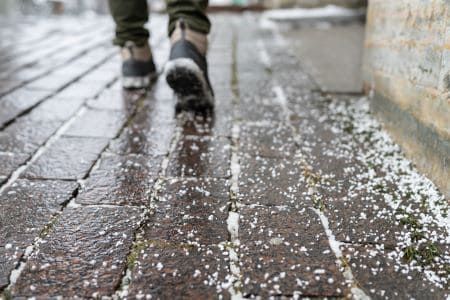
De-icing salts (typically calcium chloride, magnesium chloride, or sodium chloride) are hygroscopic, meaning they attract and retain moisture. This moisture often carries salts into masonry pores and capillaries. Once absorbed, these salts contribute to several destructive mechanisms:
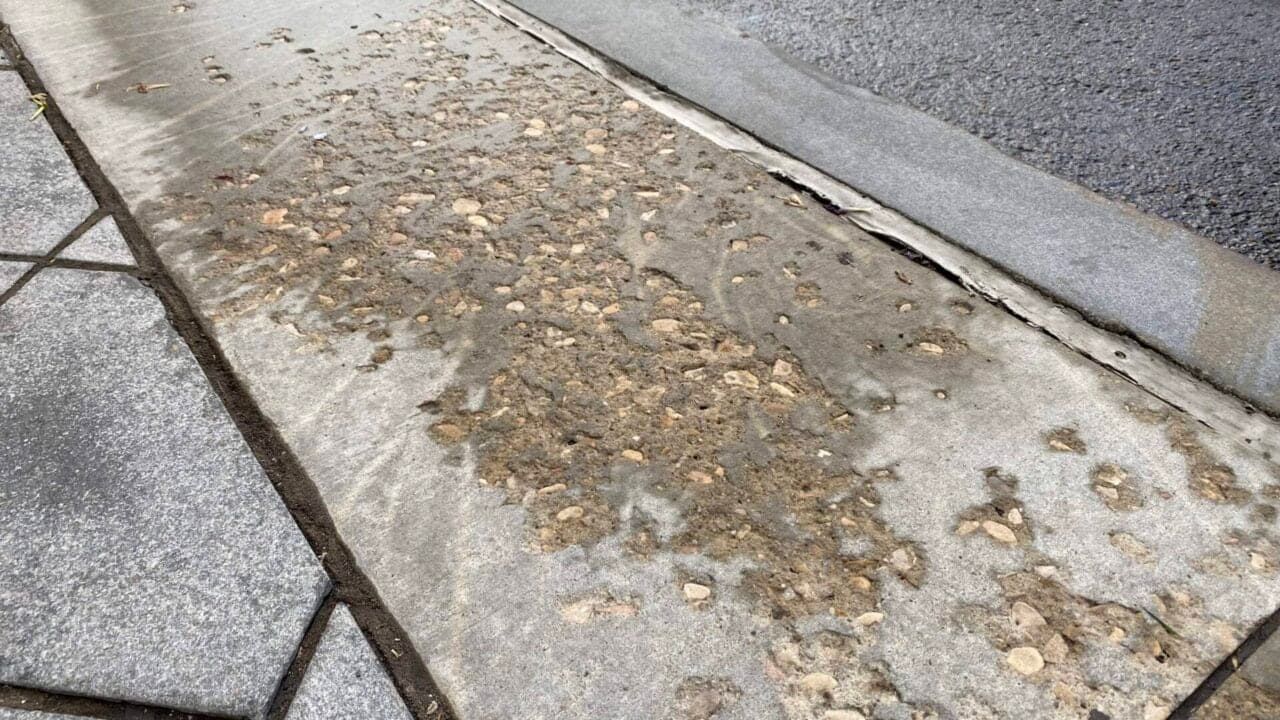
- Salt Scaling: As chloride-laden moisture repeatedly freezes and thaws inside masonry or concrete, it causes surface delamination, flaking, and spalling.
The Michigan Concrete Association bulletin, referencing Portland cement, states:
"Intentional application or indirect exposure (from vehicle traffic) to deicing chemicals at this early age greatly increases the likelihood of scaling. Never use calcium or magnesium-based deicers on concrete."
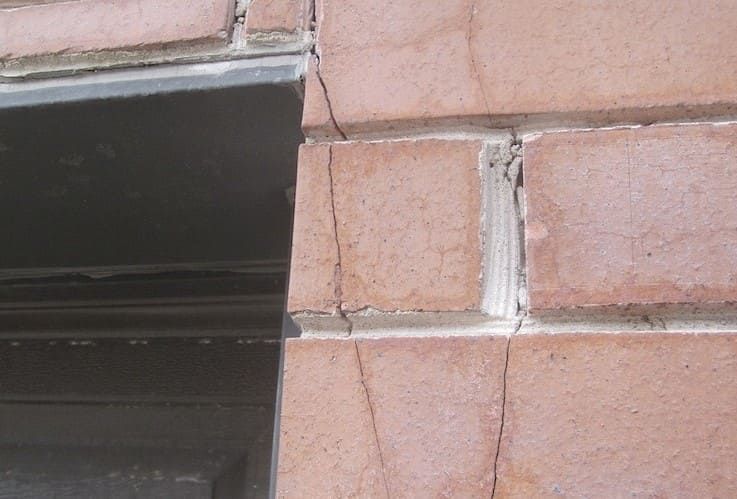
- Corrosion of Embedded Steel: Salts lower the pH of concrete, breaking down its natural protection against corrosion. Chloride ions promote the oxidation of embedded metals like rebar and steel lintels. Rusting lintels expand as they corrode, exerting pressure on surrounding masonry and leading to displacement or cracking.
- Accelerated Freeze-Thaw Cycles: Moisture retained by salts increases the frequency and severity of freeze-thaw damage, especially when drainage is poor. This is a key factor behind water infiltration in buildings and degraded thermal performance.
Where Buildings Are Most at Risk
While all masonry is vulnerable to salt exposure over time, certain features and conditions present greater risk:
- Horizontal Surfaces
Staircases, entryways, parapet caps, and plaza decks are exposed to the heaviest concentration of de-icing salts. These areas often lack sufficient drainage, allowing water and salt to linger.
- Concrete Elements Near Grade
Sidewalks, foundation walls, or areaways that accumulate plowed snow or ice melt runoff can suffer from surface scaling and embedded steel corrosion.
- Older Masonry Walls and Mortar
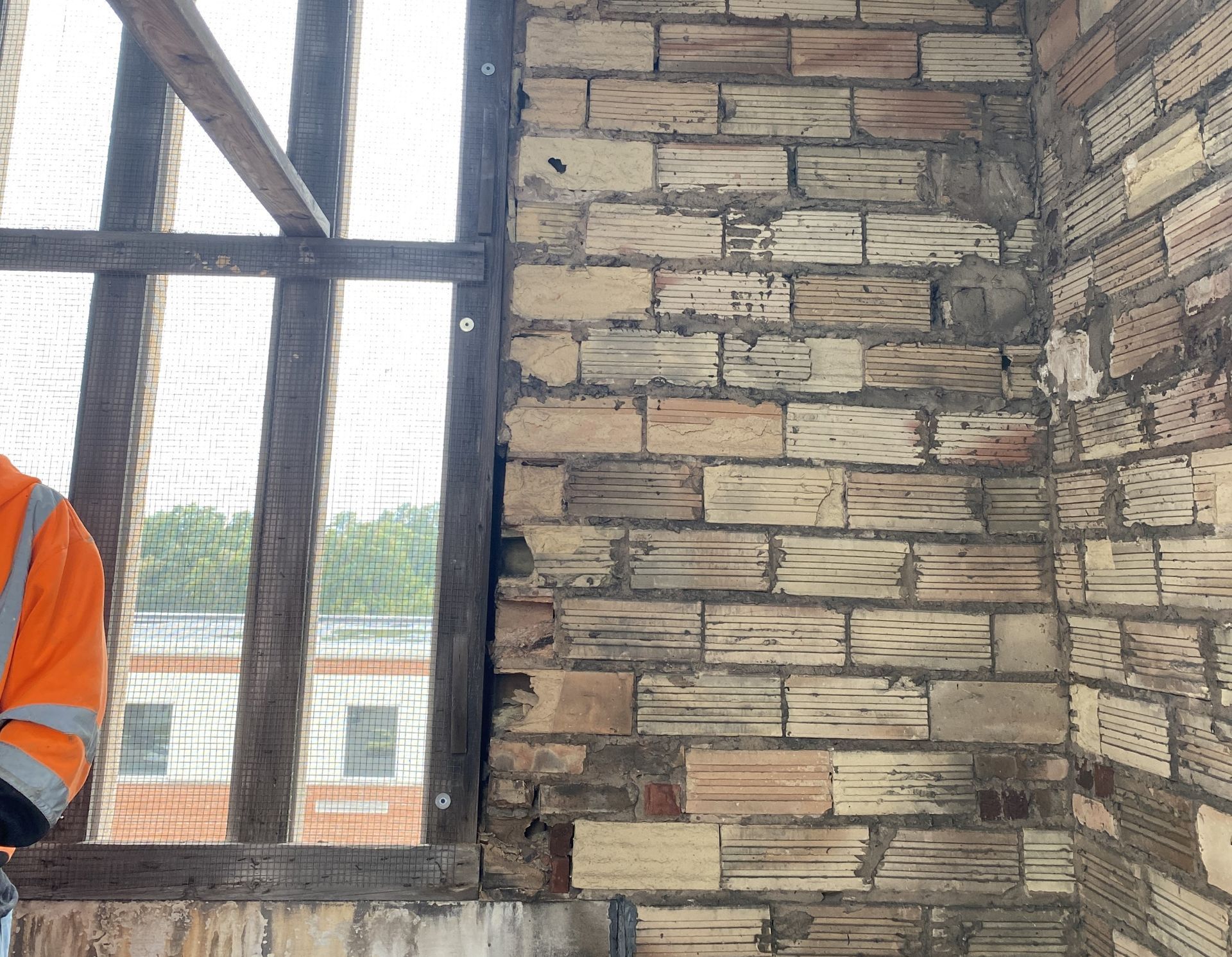
Aging mortar may already exhibit porous joints or minor cracking. When exposed to salts, these openings can enlarge, allowing deeper moisture penetration and setting the stage for structural decay.
- Poorly Maintained Joints or Flashing
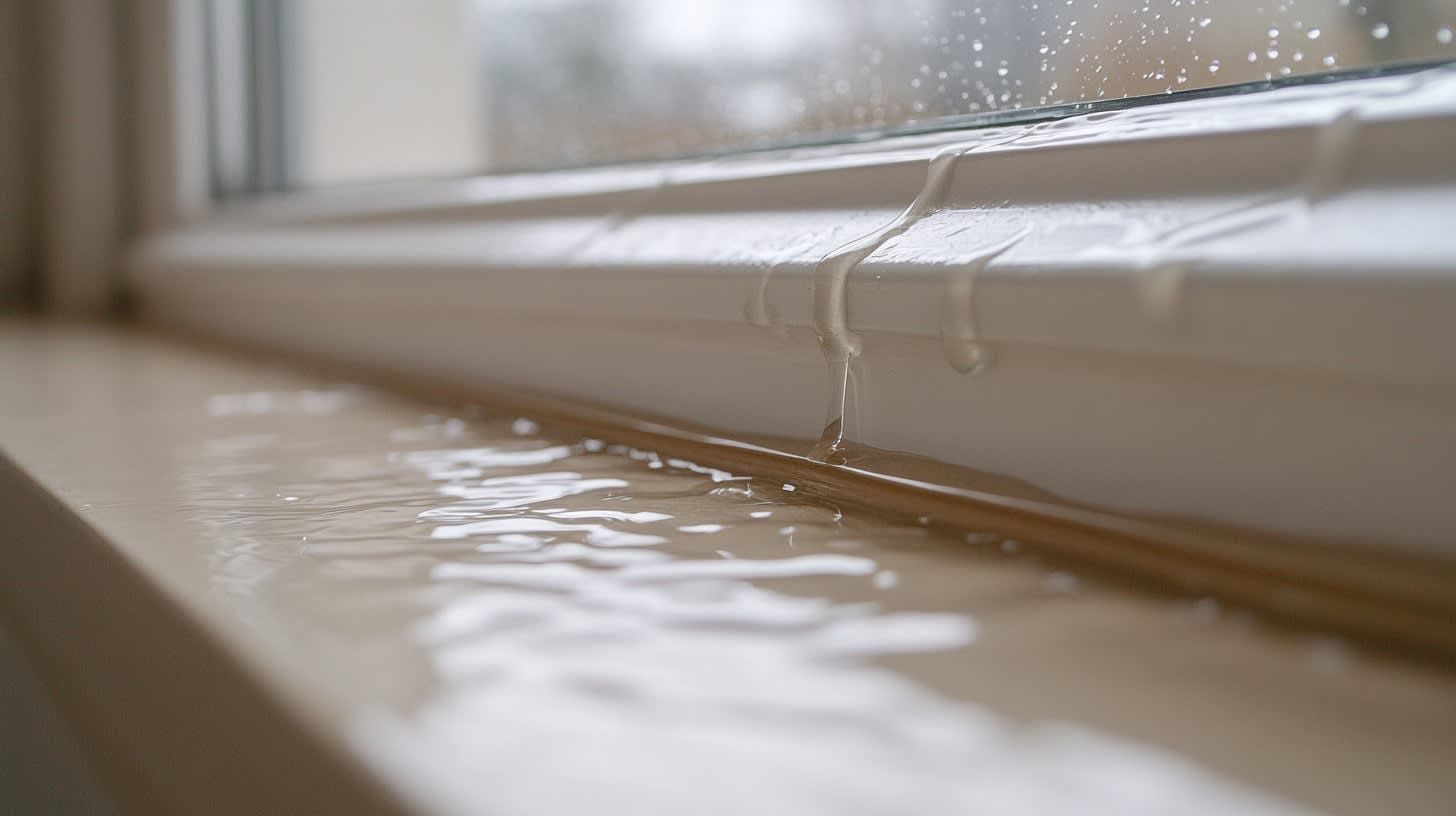
Gaps in sealants or failed flashing systems can create direct pathways for water to enter, compounding damage through freeze-thaw and salt crystallization.
Prevention Strategies to Minimize Salt-Related Deterioration
The best approach to mitigating salt damage is a combination of proactive maintenance and protective system upgrades. Here are several strategies building professionals should consider ahead of winter:
1. Improve Drainage
Ensure horizontal surfaces (especially stair treads, decks, and rooflines) are sloped properly to avoid pooling. Verify that downspouts and site drainage direct meltwater away from vertical masonry surfaces.
2. Apply Protective Coatings or Sealants
Silane- or siloxane-based water repellents can reduce absorption while still allowing the substrate to breathe. For high-traffic areas, a breathable anti-chloride sealer may also help limit salt intrusion. These coatings should be selected based on substrate type and applied professionally for long-term performance.
3. Schedule Routine Cleaning and Debris Removal
Sweep away excess salt and de-icing chemicals throughout winter to minimize residue buildup. Avoid using high-pressure washing, which can drive salts deeper into masonry pores if not performed properly.
4. Inspect Before and After Winter
A seasonal inspection can help identify vulnerabilities like cracked mortar joints, deteriorated sealants, or signs of movement. Early detection supports timely repairs and prevents small issues from compounding.
Repair Options if Damage Is Already Present
Salt damage tends to accelerate over time, especially when corrosion of steel components or joint failure goes unchecked. If signs of deterioration are visible, several repair solutions may be appropriate:
- Tuckpointing Services
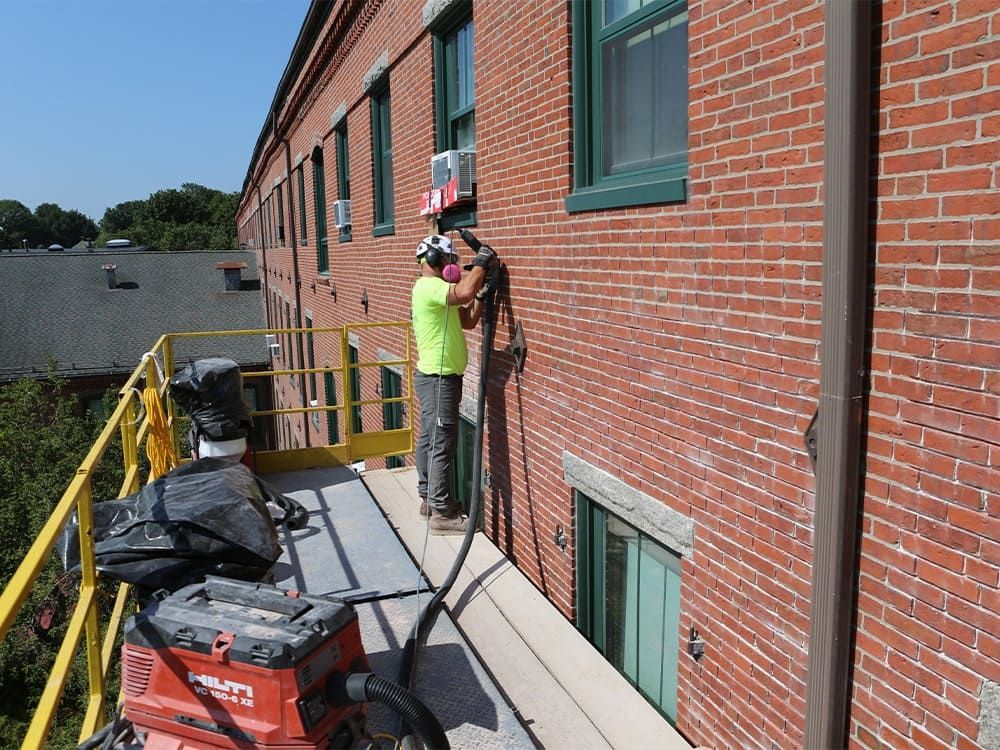
Replacing deteriorated mortar with properly matched, compatible mortar restores structural integrity and prevents further infiltration. Tuckpointing is particularly important for older clay brick structures and historic facades.
- Concrete Lintel Repairs
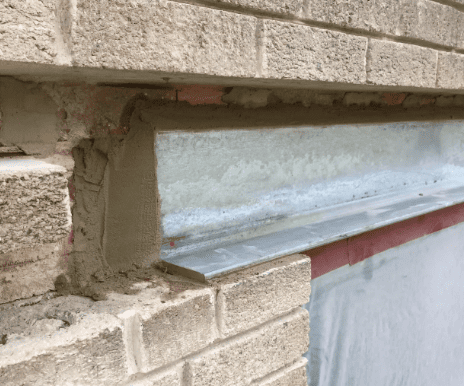
Lintels exhibiting rust-induced expansion, sagging, or cracking should be evaluated. In some cases, replacement may be necessary; in others, stabilization and rust treatment may suffice.
- Concrete Facade Repair
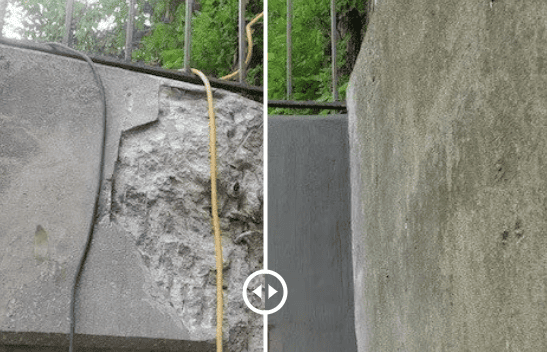
Spalling concrete or exposed rebar often requires removal of unsound material, application of corrosion inhibitors, and patching with compatible repair mortar.
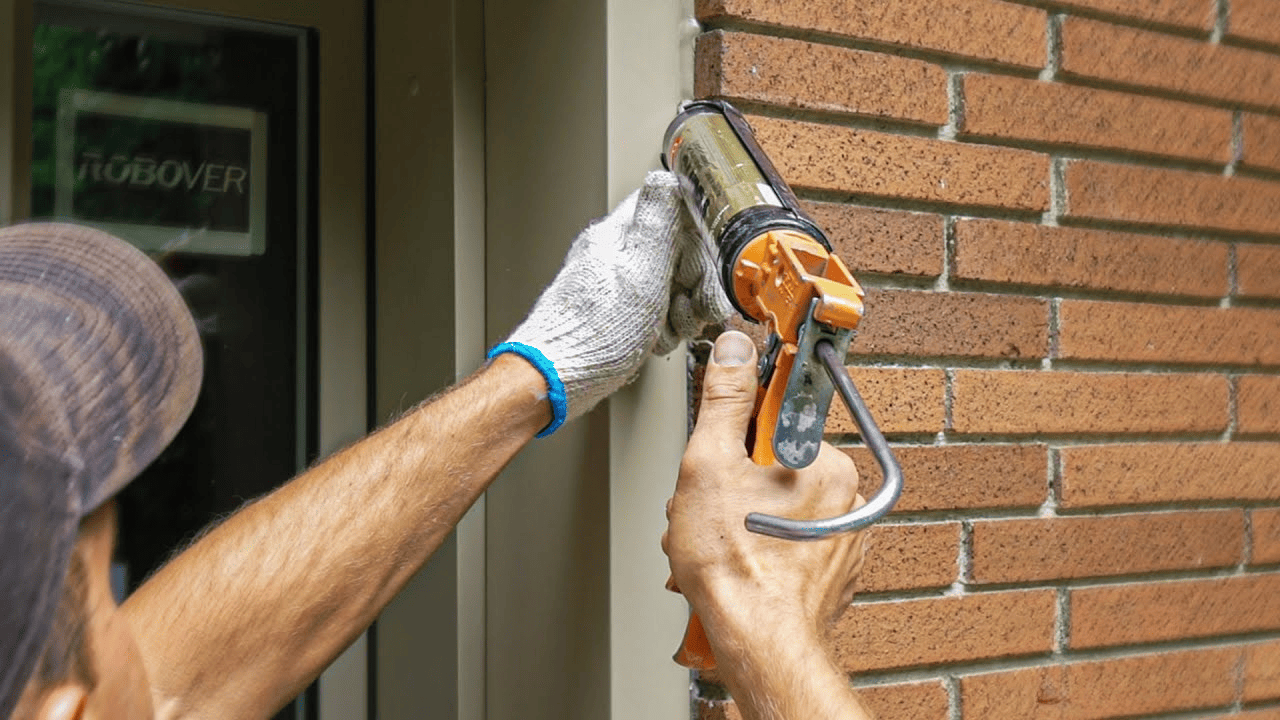
- Joint and Sealant Replacement
Failed control joints, expansion joints, and sealant beads should be removed and replaced with products appropriate for cold-weather movement and UV exposure.
Concrete masonry is known for its durability and low maintenance, but long-term performance depends on routine upkeep. According to the Concrete Masonry & Hardscapes Association, “an established and rigorous maintenance program will greatly reduce the chances of major problems or costly repairs.” Proactive inspection and repair strategies not only preserve the building’s appearance but also extend the useful life of the structure.
Winter Masonry Protection Checklist
Here’s a quick reference guide to help you prepare for the winter season:
- Inspect masonry surfaces for hairline cracks, joint gaps, or loose components
- Confirm positive drainage on horizontal masonry and hardscape areas
- Clean and clear snow and de-icing salt buildup throughout the season
- Apply breathable, chloride-resistant water repellents as needed
- Evaluate condition of sealants and joints for movement or failure
- Schedule a post-winter inspection to assess any new damage
Final Thoughts
Chicago winters are tough on buildings, but de-icing salt damage doesn’t have to be inevitable. By assessing vulnerabilities now and implementing preventative measures, building professionals can reduce the risk of structural damage, water infiltration in buildings, and costly spring repairs.
If damage is already visible, or if you’d like an expert assessment before the season turns, RestoreWorks offers a range of winter preparation and repair services, from tuckpointing to concrete lintel repairs. As a trusted partner in masonry restoration in Chicago, we work with commercial and multi-family buildings across Illinois and Northwest Indiana.