Brick Spalling: What Causes It and How to Fix It in Chicago’s Climate
Why Brick Spalling Is So Common in Chicago Buildings
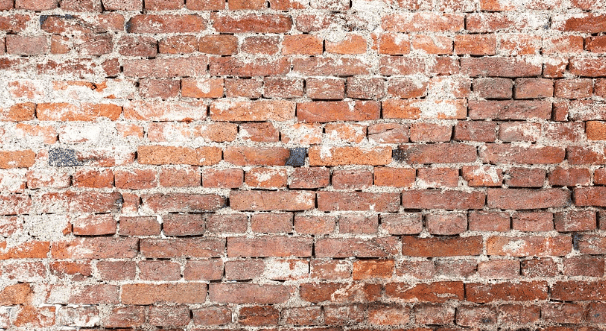
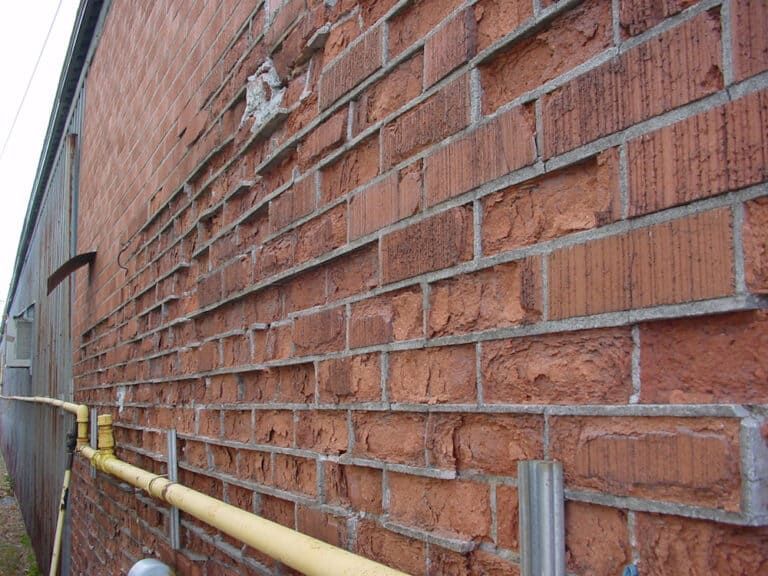
Brick spalling occurs when the face of a brick flakes, chips, or breaks away. In Chicago, this isn’t a rare defect, it’s a predictable response to moisture and temperature stress.
Chicago’s climate combines frequent freeze–thaw cycles, wind-driven rain, lakefront exposure, and older masonry construction. When moisture enters brick and freezes, it expands. Over time, that expansion forces the brick face to shear off.
Spalling isn’t just cosmetic. Left unaddressed, it accelerates water intrusion, compromises structural elements, and increases repair scope and cost.
What Causes Brick Spalling in Masonry Walls
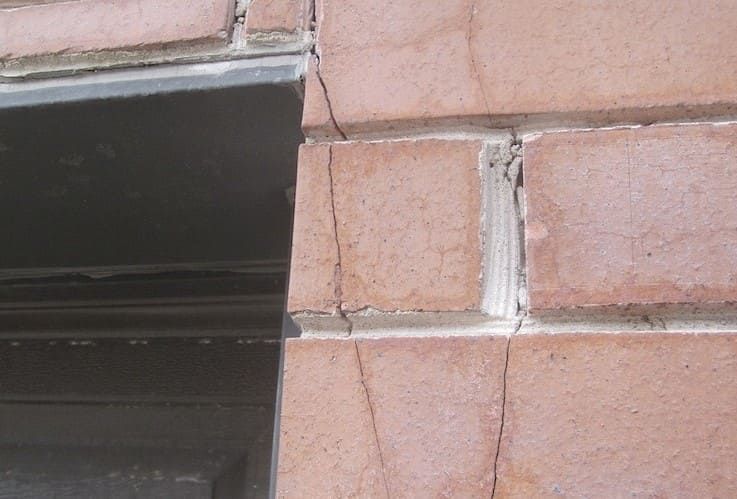
Spalling almost always results from trapped moisture, but the source of that moisture varies. According to The Brick Industry Association, brick masonry is constantly moving due to temperature changes and irreversible moisture expansion. When that natural movement is restrained, by rigid connections, incompatible repairs, or missing movement joints, stress often relieves itself through cracking, creating direct pathways for water into the wall system.
Common causes include:
- Freeze–thaw cycling: Water absorbed into brick expands as it freezes, stressing the outer face.
- Failed mortar joints: Deteriorated mortar allows water to enter the wall assembly instead of shedding it.
- Incompatible repairs: Hard mortar used on historic or older brick prevents normal moisture release, forcing brick failure instead.
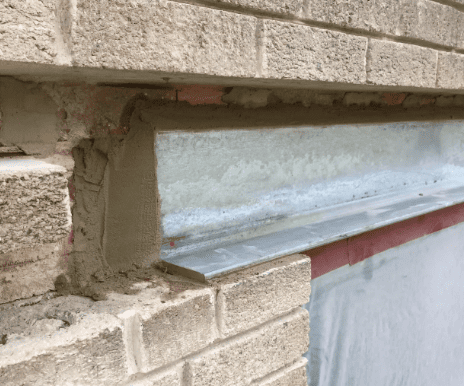
- Leaking flashings or lintels: Failed shelf angles, lintels, or flashing details funnel water directly into the wall system.
- Improper cleaning or coatings: Abrasive cleaning or non-breathable sealers can damage the brick surface or trap moisture.
Once spalling starts, it rarely stops on its own. Moisture follows the same pathways repeatedly.
Early Warning Signs of Spalling Brick
Spalling usually begins subtly. Common indicators include:
- Surface flaking or scaling on brick faces
- Powdery brick debris at grade or on ledges
- Cracking around brick edges
- Rust staining near lintels or shelf angles
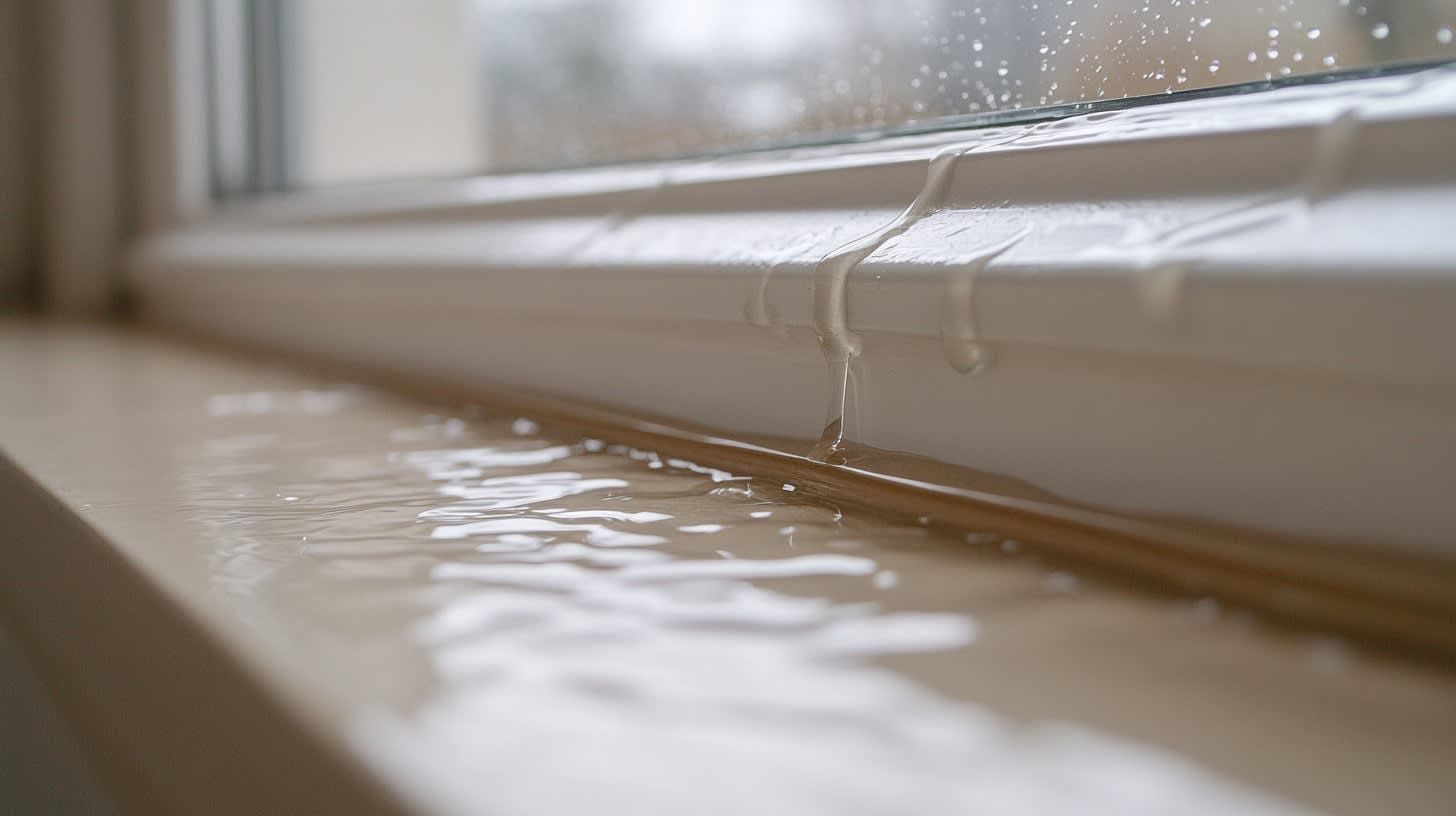
- Interior moisture or efflorescence tied to exterior walls
Catching these signs early often means repair instead of replacement.
Why Older Chicago Buildings Are More Vulnerable
Many Chicago buildings, especially pre-war and mid-century structures, were built with softer, more porous brick designed to work with lime-based mortar. According to the U.S. Environmental Protection Agency, controlling how moisture enters, moves through, and exits building assemblies is fundamental to long-term building performance. Older masonry buildings often lack modern moisture-management detailing, making them more susceptible to saturation-related distress.
Lakefront exposure and wind-driven rain further increase saturation levels, particularly on upper façades and parapets.
How Brick Spalling Should Be Properly Repaired
There is no single fix for spalling. Effective repair depends on diagnosing why moisture is entering and why it can’t exit.
Typical repair strategies include:
1. Targeted Brick Replacement
Spalled bricks are removed and replaced with compatible units that match strength, absorption, and appearance.
This is often paired with mortar repair to prevent repeat failure.
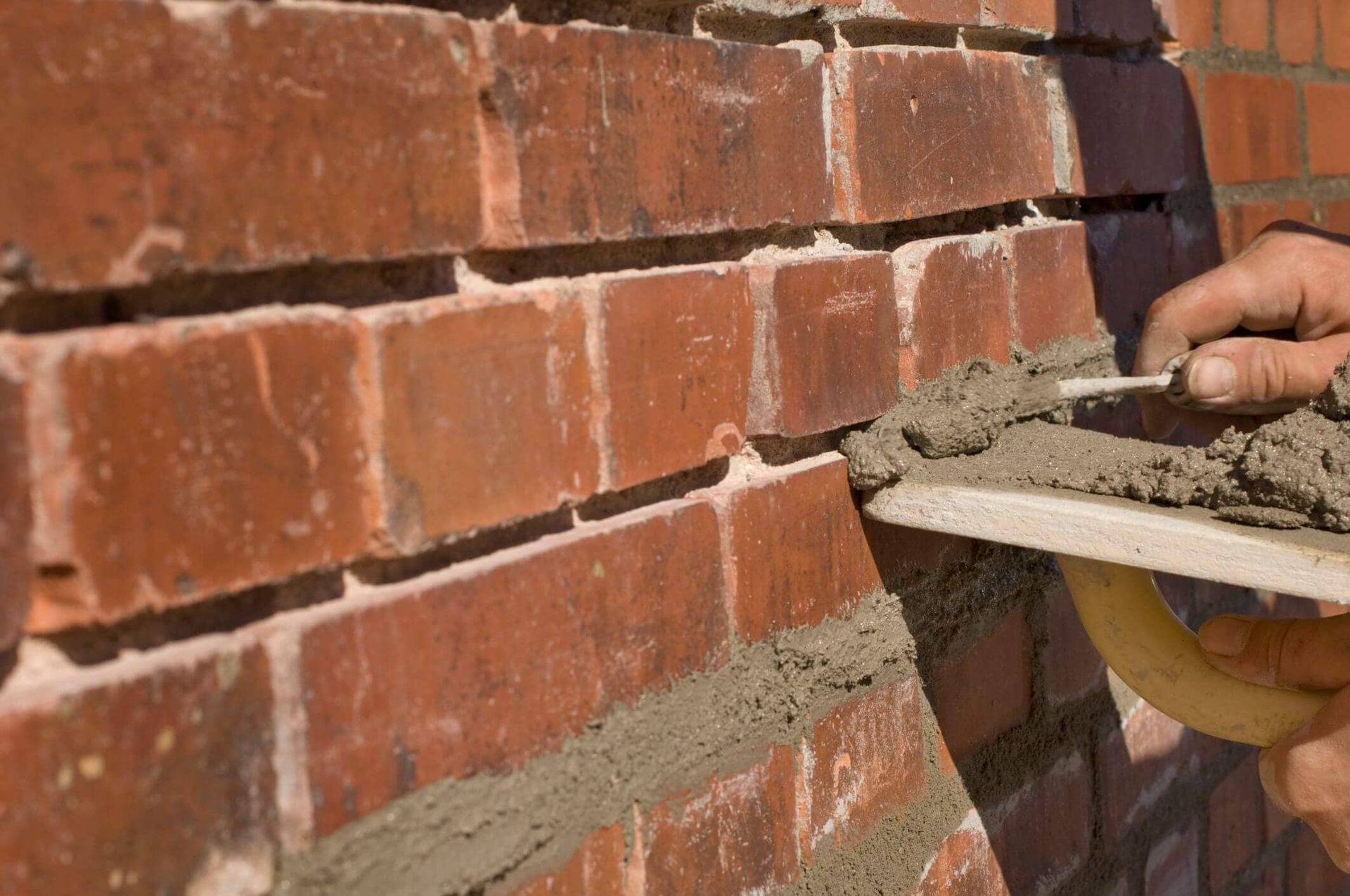
2. Tuckpointing with Compatible Mortar
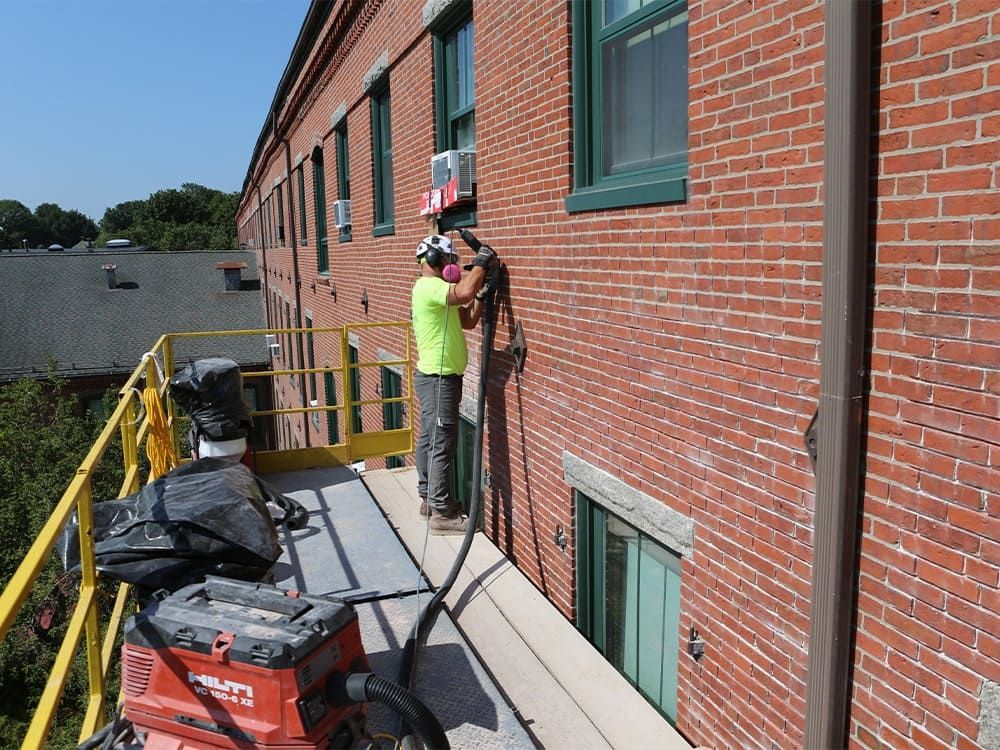
Deteriorated mortar joints are removed and replaced with mortar designed to be softer than the brick.
Proper tuckpointing allows the wall to manage moisture without forcing brick failure.
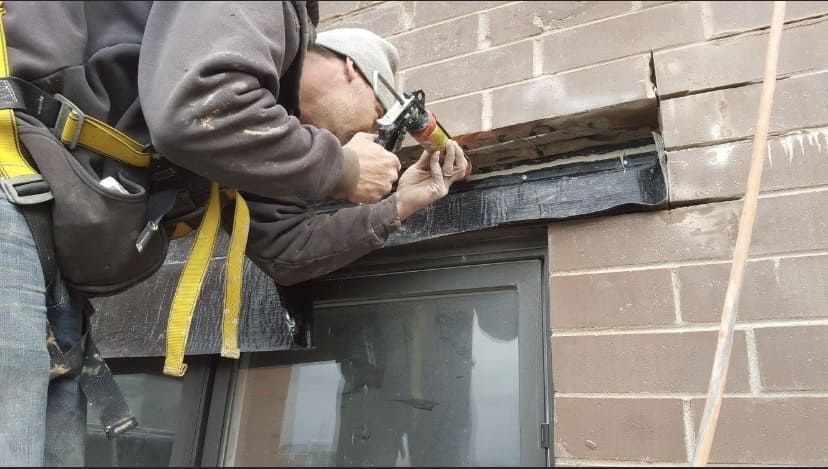
3. Lintel, Shelf Angle, and Flashing Repairs
If spalling appears below windows or along floor lines, failed steel and flashing details are often the root cause.
Addressing these elements stops water from entering the wall cavity.
4. Selective Restorative Cleaning
When appropriate, low-pressure, masonry-safe cleaning can remove contaminants without damaging the brick surface or sealing in moisture.
5. Mock-Ups for Historic or Complex Façades
For landmark or architecturally sensitive buildings, mock-ups validate materials and methods before full-scale repair.
Skipping diagnosis and jumping straight to replacement almost guarantees repeat damage.
What Not to Do When You See Spalling Brick
Some responses make the problem worse:
- Applying sealers without understanding moisture sources
- Repointing with hard, cement-rich mortar
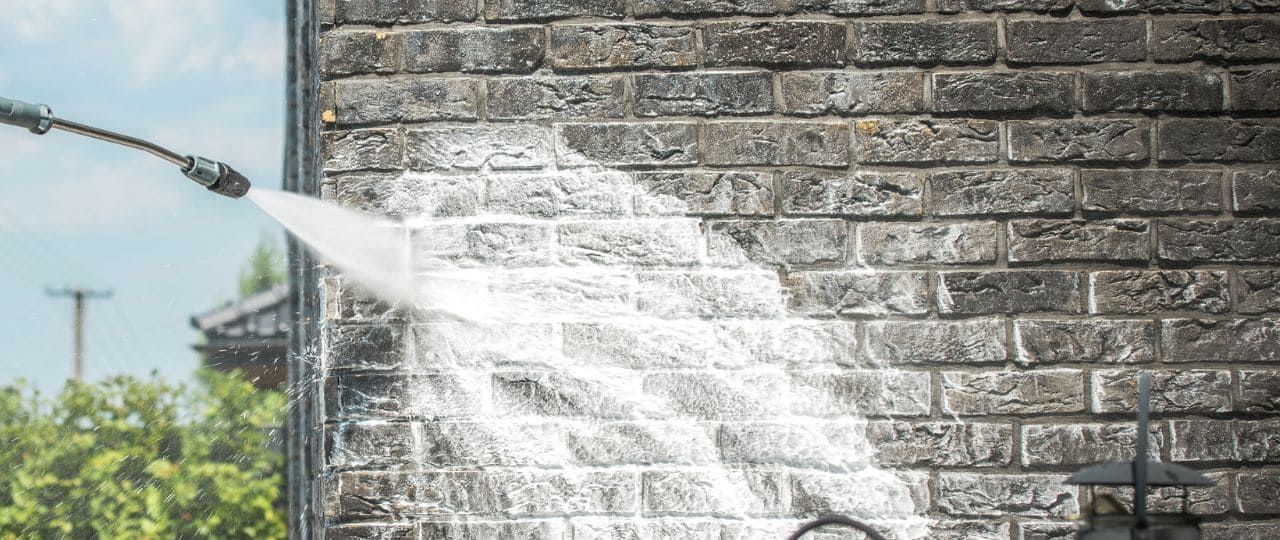
- Power washing damaged brick
- Ignoring small areas of failure
These approaches often accelerate deterioration instead of stopping it.
Real-World Implications for Property Managers and Owners
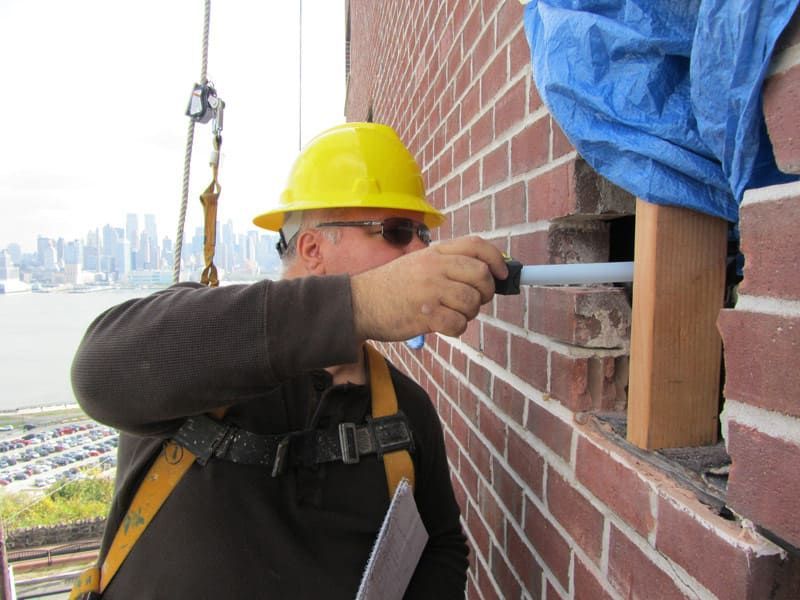
For commercial and multi-family properties, brick spalling is more than a cosmetic issue. Left unaddressed, it can lead to falling masonry hazards, increased water intrusion, and escalating repair scopes, especially after repeated Chicago winters. Early intervention typically reduces disruption, limits repair areas, and avoids emergency conditions that drive up cost and risk.
Frequently Asked Questions About Brick Spalling
What is brick spalling?
Brick spalling is when the outer surface of a brick breaks off due to moisture expansion, freeze–thaw cycles, or incompatible repairs. It weakens the wall and allows more water into the masonry system.
Is spalling brick dangerous?
Yes. Spalled brick can loosen and fall, creating safety hazards. It also exposes the wall to further moisture damage that can affect structural components over time.
Can spalling brick be repaired, or does it need replacement?
Minor spalling may be repaired if caught early, but most cases require brick replacement combined with mortar and moisture-management repairs.
Does sealing brick stop spalling?
Not always. Sealers can trap moisture if underlying issues aren’t addressed, often making spalling worse instead of preventing it.
Do you have more questions about brick spalling? Contact RestoreWorks today.