Protecting College Campus Buildings With Masonry Restoration
College campuses often boast a mix of historic and modern structures, each contributing to their educational environments. However, regular maintenance and timely repairs are important to preserving these buildings' strength and appearance. For property managers and facilities managers, addressing masonry and facade issues proactively is key to extending the life of campus infrastructure.
In this blog, we’ll outline strategies for preserving college campus buildings, focusing on masonry restoration, facade repair, and preventative maintenance. We’ll also highlight specific case studies from our projects, including the University of Illinois Chicago, Duke University’s Chapel, and the College of American Pathologists.
Common Repairs for Campus Buildings
1. Masonry Restoration
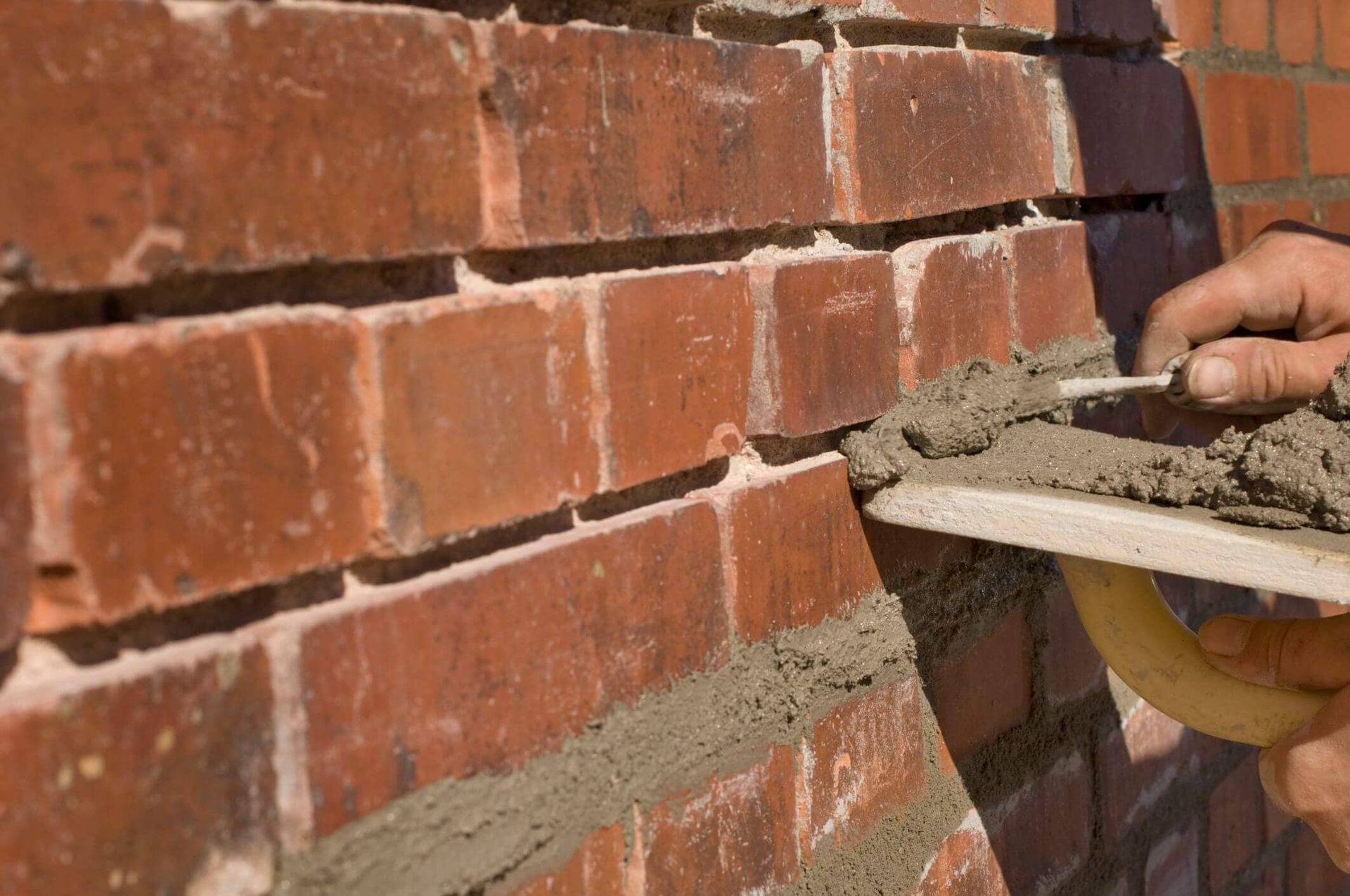
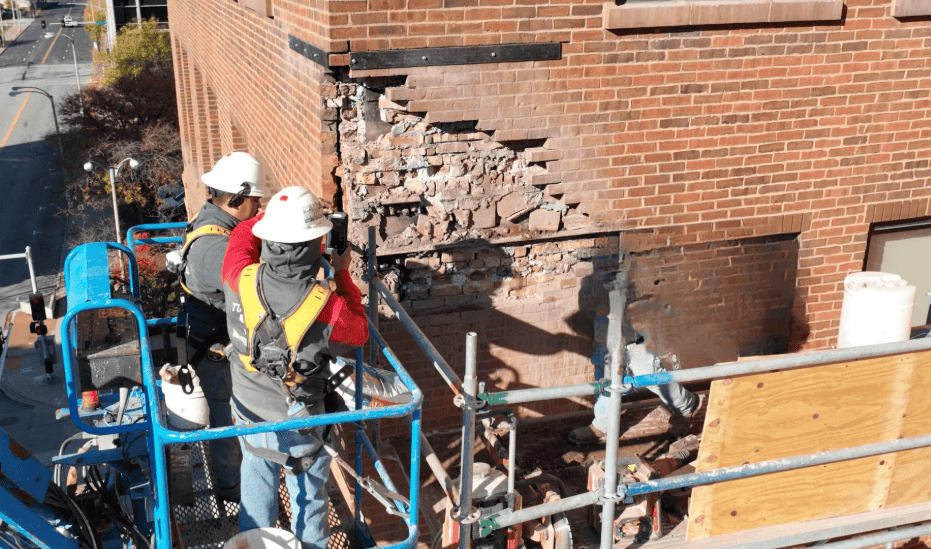
Masonry walls, whether brick or stone, are often the centerpiece of campus architecture. However, they require regular care to withstand weather and age. Commercial masonry restoration contractor services often include:
- Tuckpointing to replace deteriorated mortar joints.
- Repairing cracked or broken masonry units.
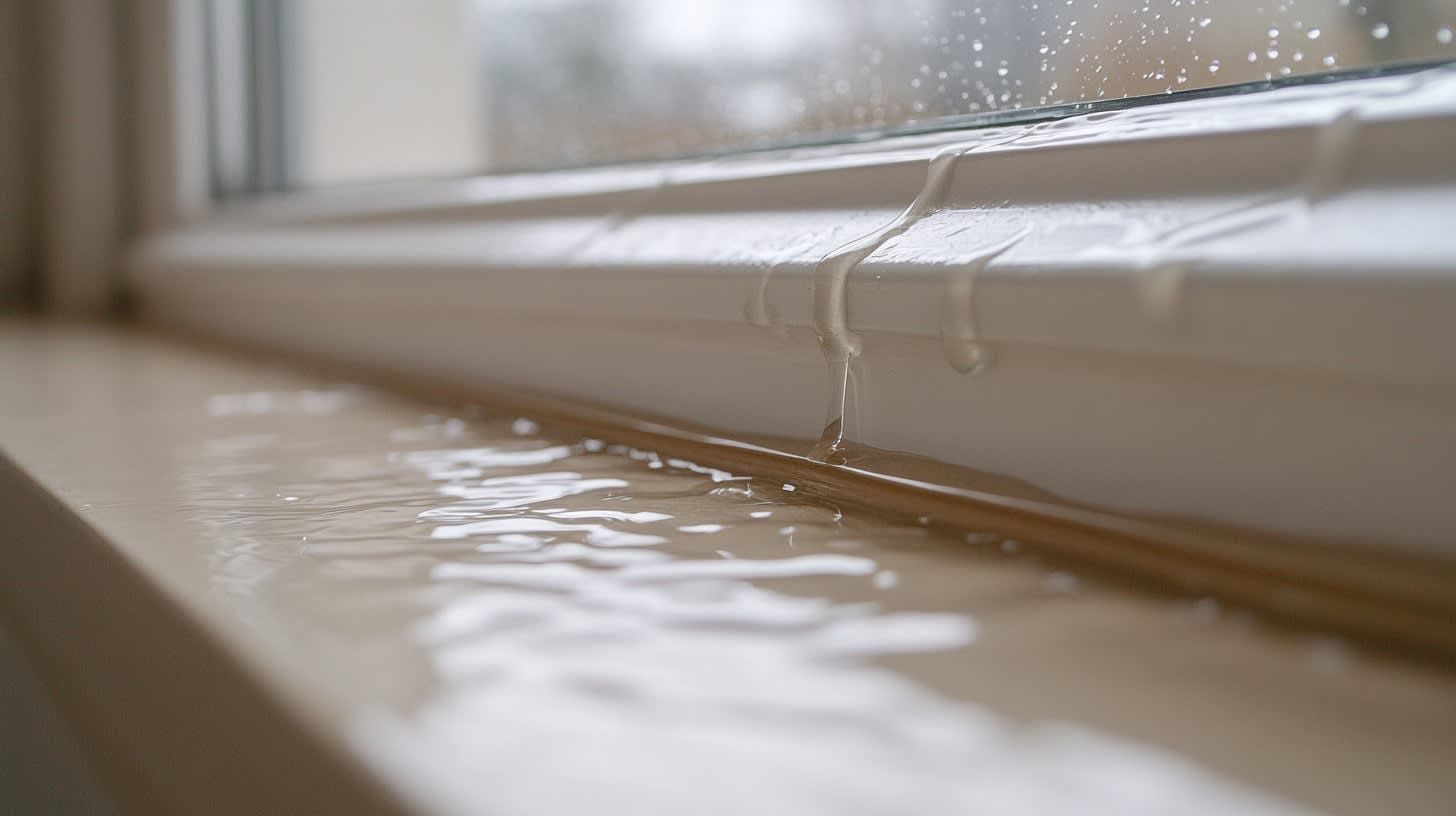
- Sealing against water infiltration.
2. Lintel and Facade Repairs
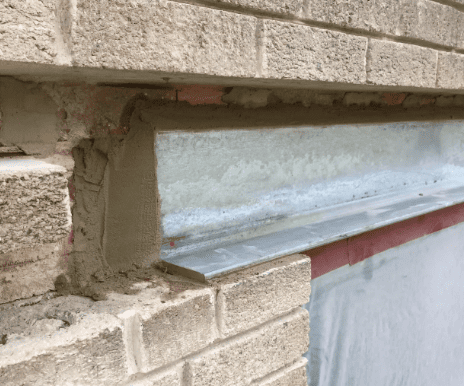
Lintels (the horizontal supports above doors and windows) are prone to corrosion and failure due to moisture exposure. This can lead to unsafe conditions if not taken care of. Masonry lintel repair and concrete facade repair services focus on replacing compromised lintels and reinforcing facades to ensure long-term stability.
3. Facade Restoration
Modern campus buildings often include concrete facades, which are vulnerable to spalling, cracking, and other damage. Services like commercial concrete façade restoration can extend the life of these features by:
- Removing and replacing damaged concrete.
- Reinforcing with structural coatings.
- Sealing surfaces to prevent future issues.
Case Studies: Excellence in Restoration
University of Illinois Chicago
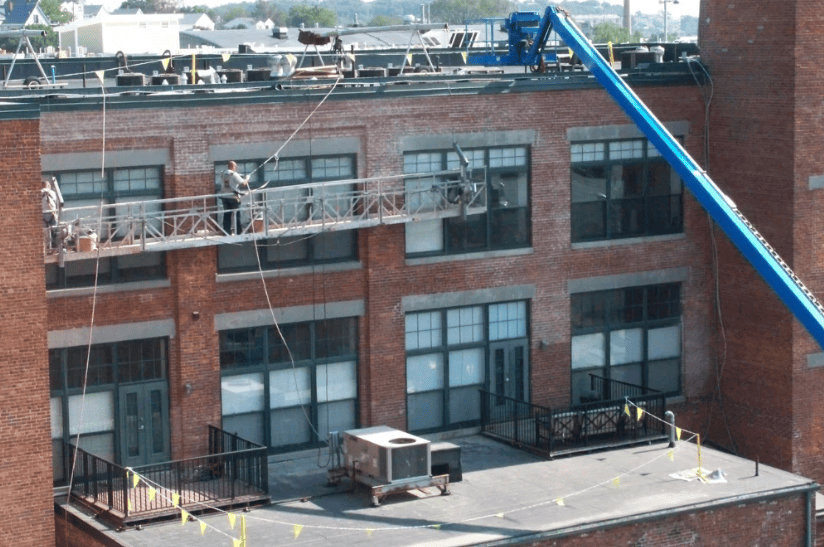
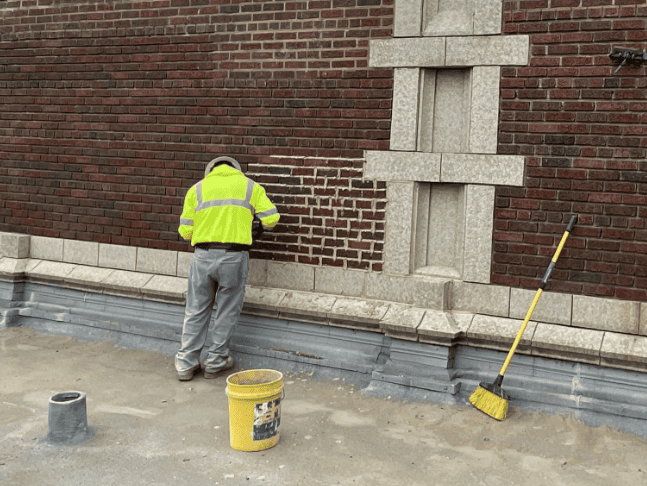
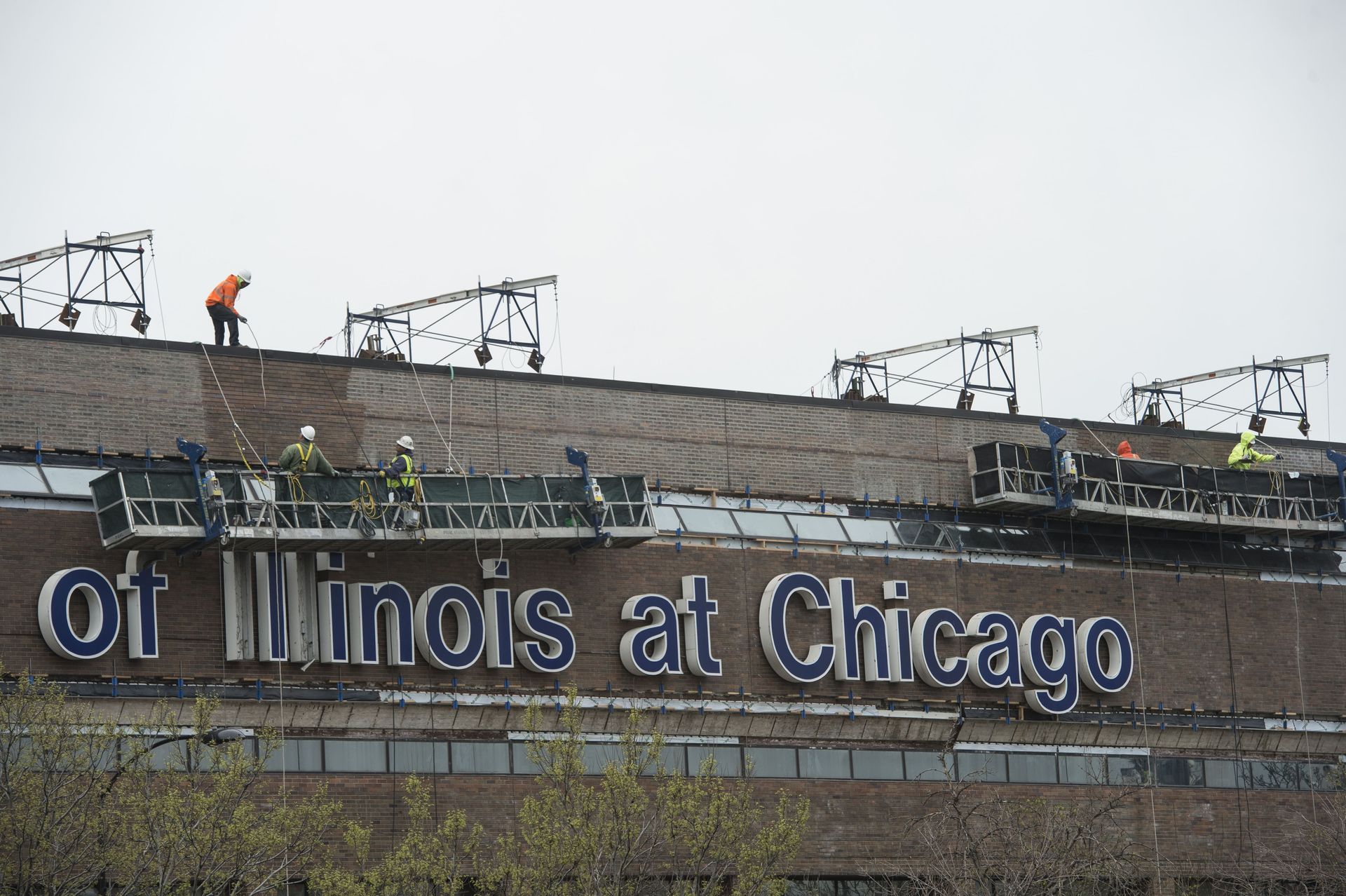
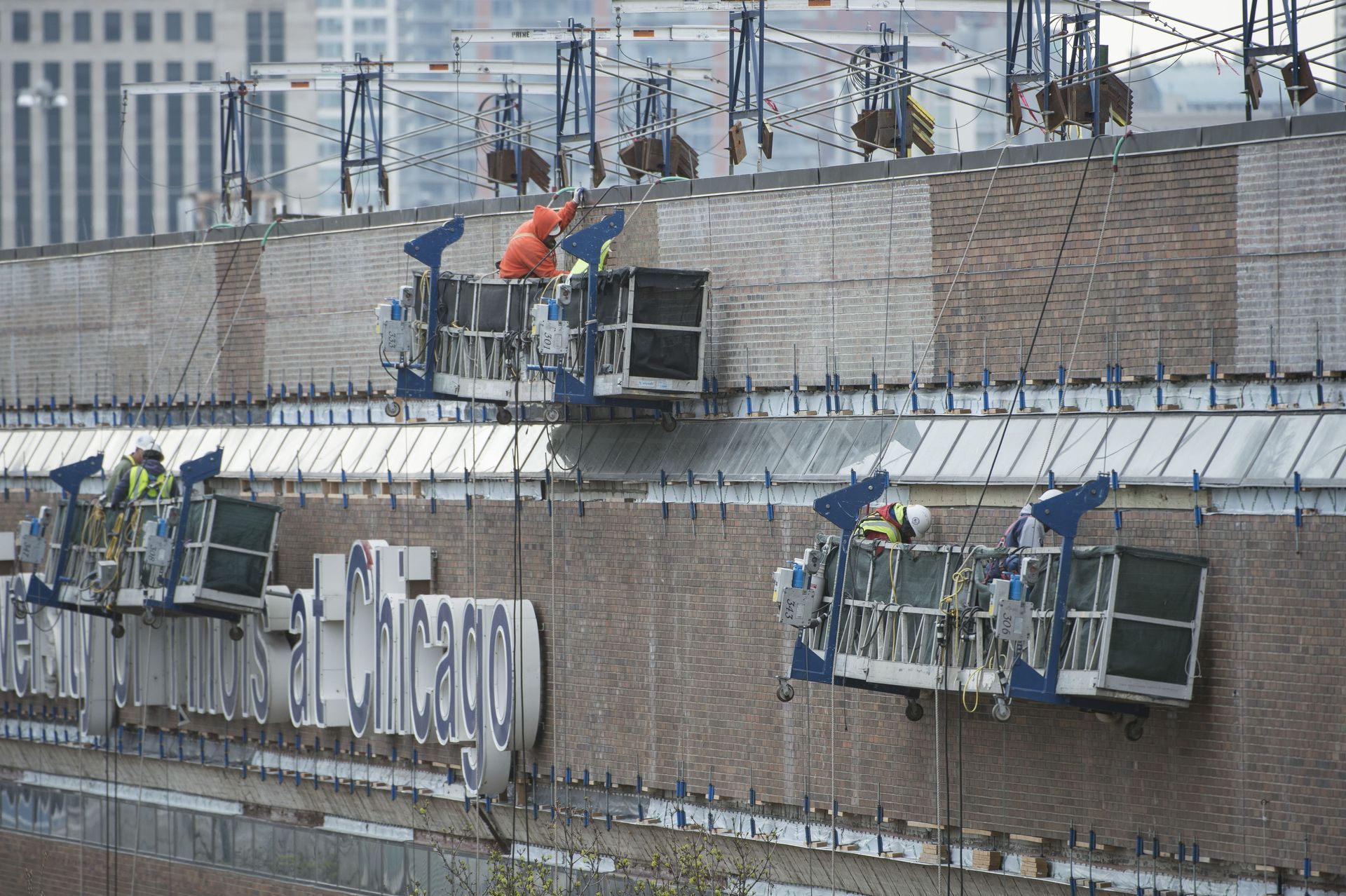
At the University of Illinois Chicago, RestoreWorks addressed significant mortar deterioration and water damage to the campus’s masonry structures. Our team performed tuckpointing, lintel repairs, replaced damaged masonry units, and applied protective sealants to restore the strength of the buildings.
Duke University’s Chapel
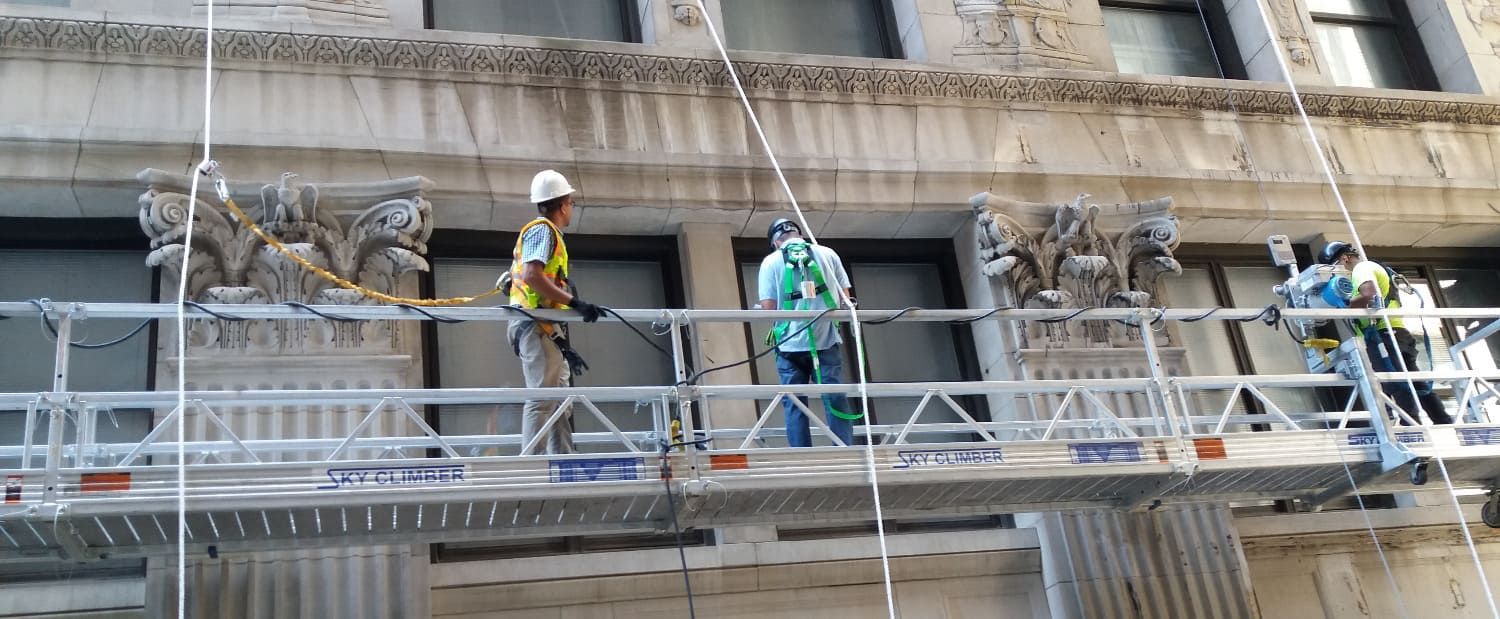
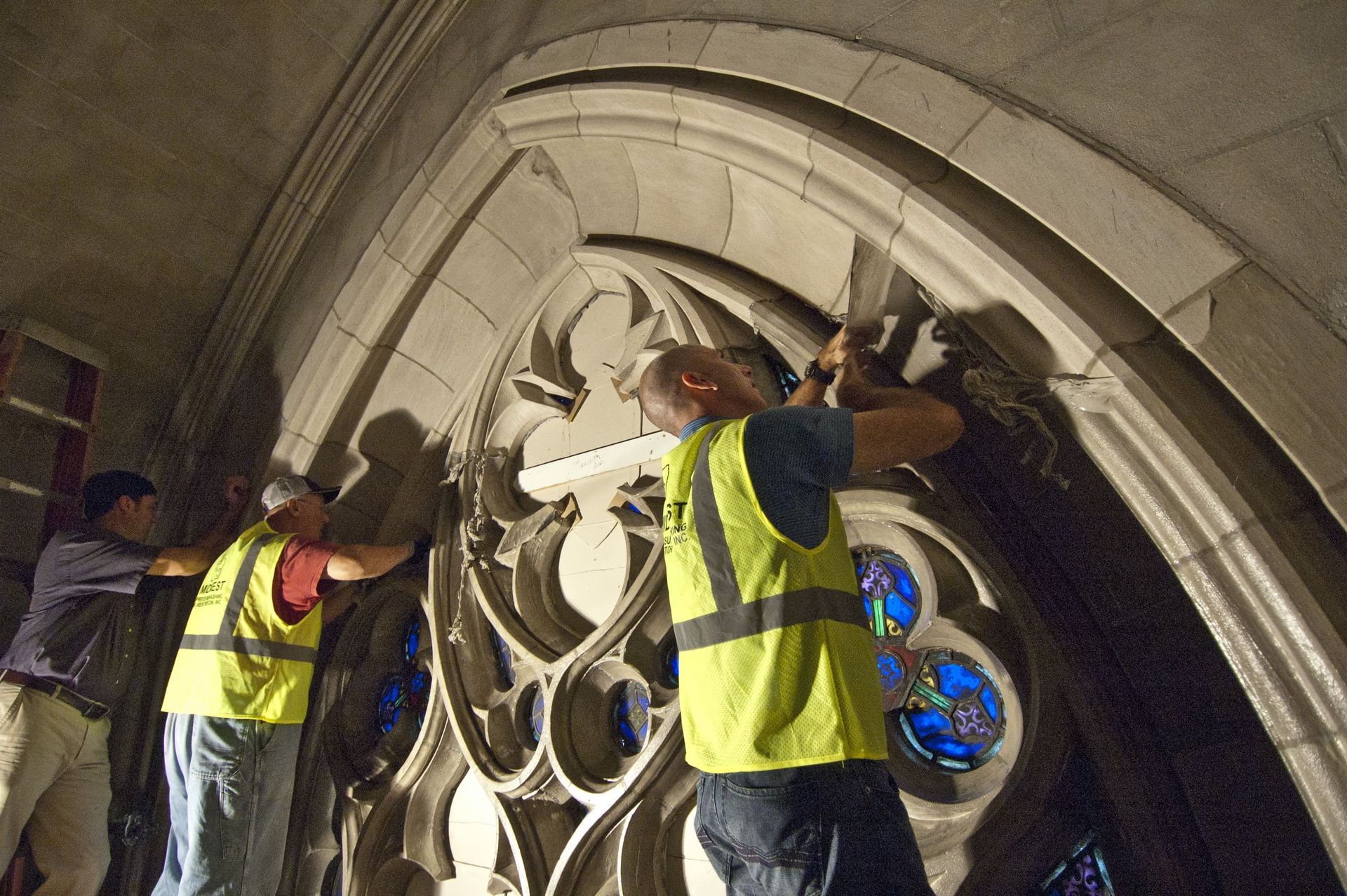
Duke University’s Chapel is a historic landmark known for its intricate limestone interior. RestoreWorks was entrusted with restoratively cleaning the interior of this architectural masterpiece. We carefully cleaned limestone, revitalizing its details while ensuring the preservation of its historic character. We used a waterless cleaning process to protect the adjacent architectural millwork and organ pipes, eliminating the risk of water damage while effectively cleaning the stone.
College of American Pathologists
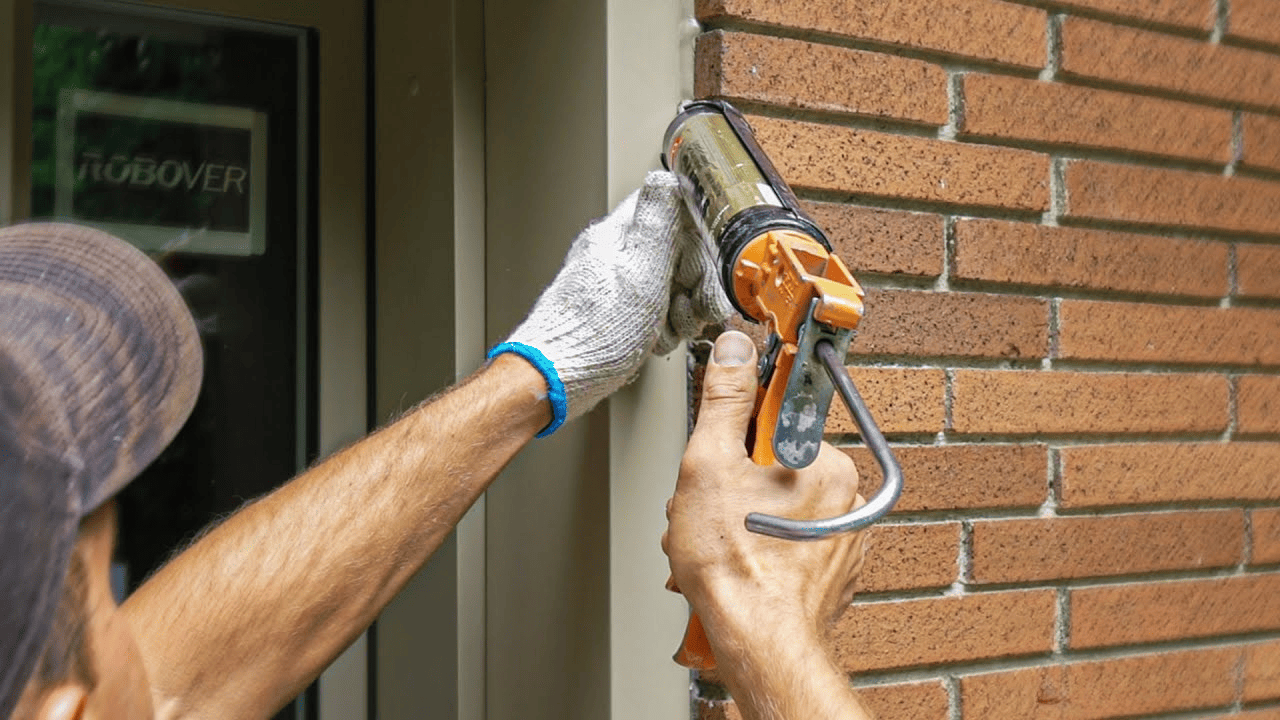
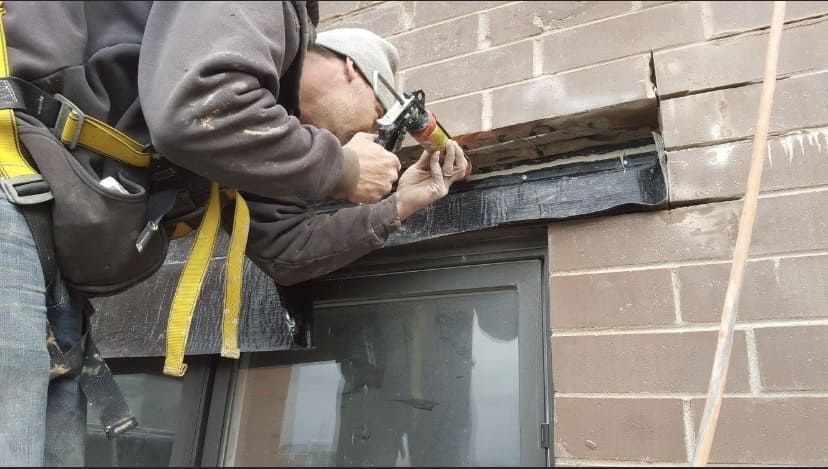
In Northbrook, Illinois, RestoreWorks worked on the College of American Pathologists building, focusing on caulking and sealant replacement. Our team went around the window perimeters and control joints, cutting out the old sealant and replacing it with new silicone sealant. This project addressed critical waterproofing needs and helped maintain the building's structural integrity while improving its energy efficiency and appearance.
Preventative Maintenance Tips
While major restoration is sometimes unavoidable, preventative maintenance can reduce the need for major repairs. Consider the following best practices:
- Conduct regular inspections to identify early signs of damage, such as cracks, discoloration, or loose mortar.
- Schedule restorative masonry cleaning to remove dirt, grime, and pollutants that can degrade masonry over time.
- Apply protective coatings where applicable.
- Repair small issues promptly to prevent them from becoming more extensive and costly problems.
Why Choose RestoreWorks?
With decades of experience performing commercial masonry restoration in Chicago and beyond, RestoreWorks is equipped to handle the challenges of preserving college campus buildings. Our projects at the University of Illinois Chicago, Duke University’s Chapel and College of American Pathologists highlight our commitment to historic preservation.
When you partner with us, you gain access to:
- Thorough assessments and customized solutions.
- Expertise in commercial masonry restoration services.
- Proven results that extend the life of your campus infrastructure.
Protect Your Campus Buildings Today
Don’t let postponed maintenance compromise the safety of your campus. Contact RestoreWorks for expert advice and services, including concrete facade restoration and restorative masonry cleaning.