Graffiti Removal for Commercial Properties
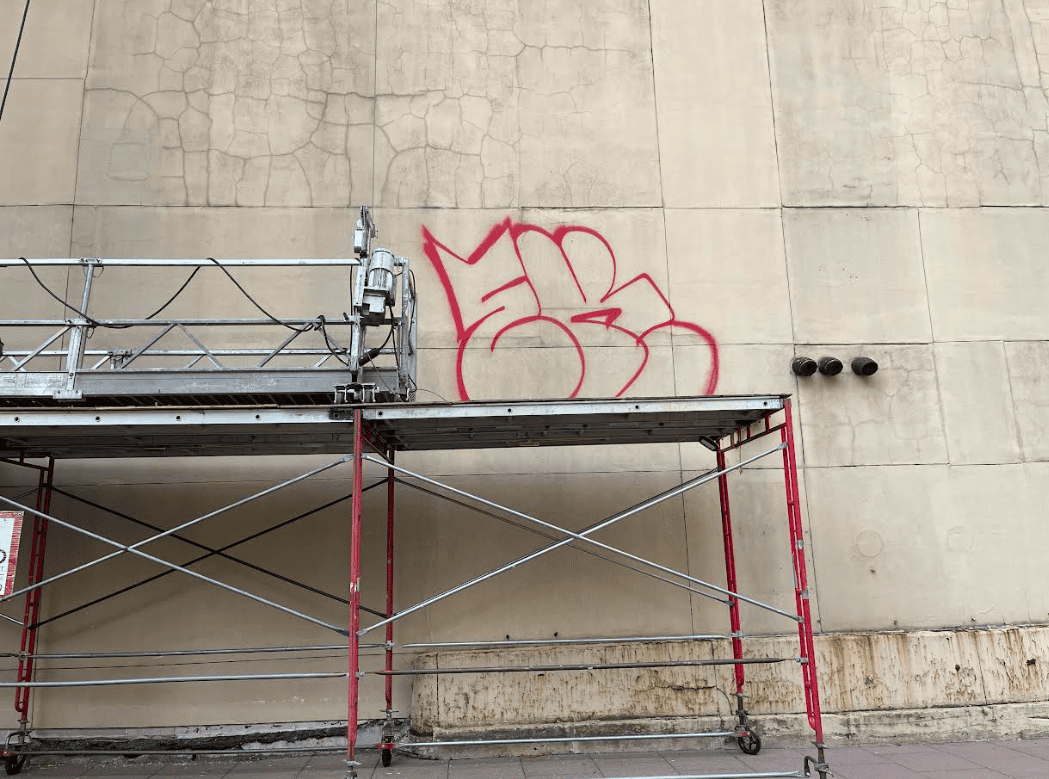
Maintaining the appearance of your commercial property is about more than looks. It’s about preserving value, protecting structural integrity, and creating a welcoming environment for clients and tenants. Graffiti, while often considered a nuisance, can have a significant impact on all three areas. Understanding the methods and benefits of professional graffiti removal is essential.
The Impact of Graffiti on Commercial Properties
Graffiti affects commercial buildings in ways that extend beyond surface damage. Rethinking The Future states that graffiti on properties (even while they’re being constructed) can hinder area growth campaigns and future financial investment chances. Additionally, unaddressed graffiti can invite further vandalism, a phenomenon known as the "broken windows theory."
From a structural perspective, certain types of graffiti materials (like spray paints and markers) can penetrate masonry surfaces. Over time, these materials weaken the substrate and make restoration more challenging.
Challenges in Removing Graffiti from Masonry Surfaces
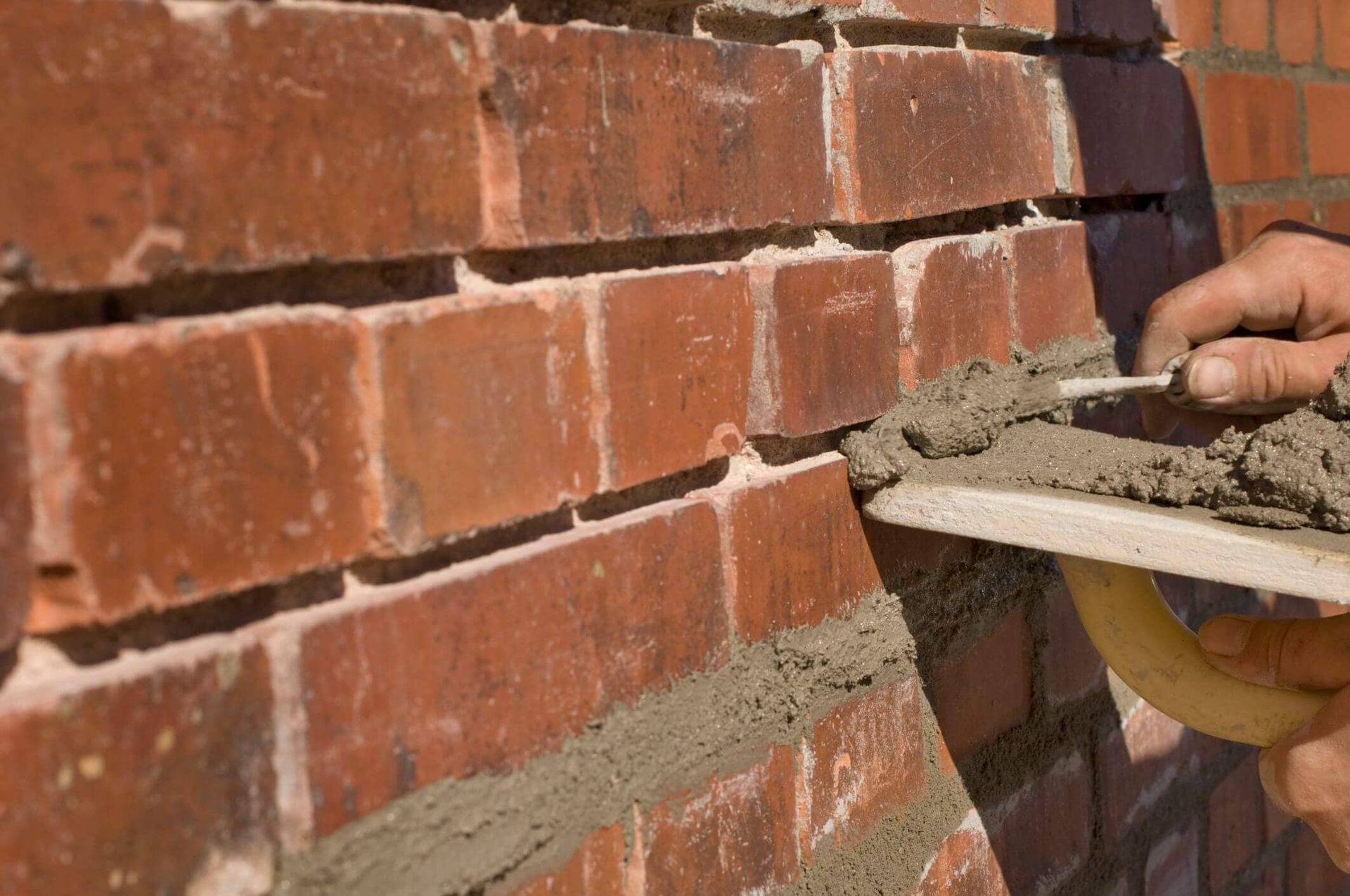
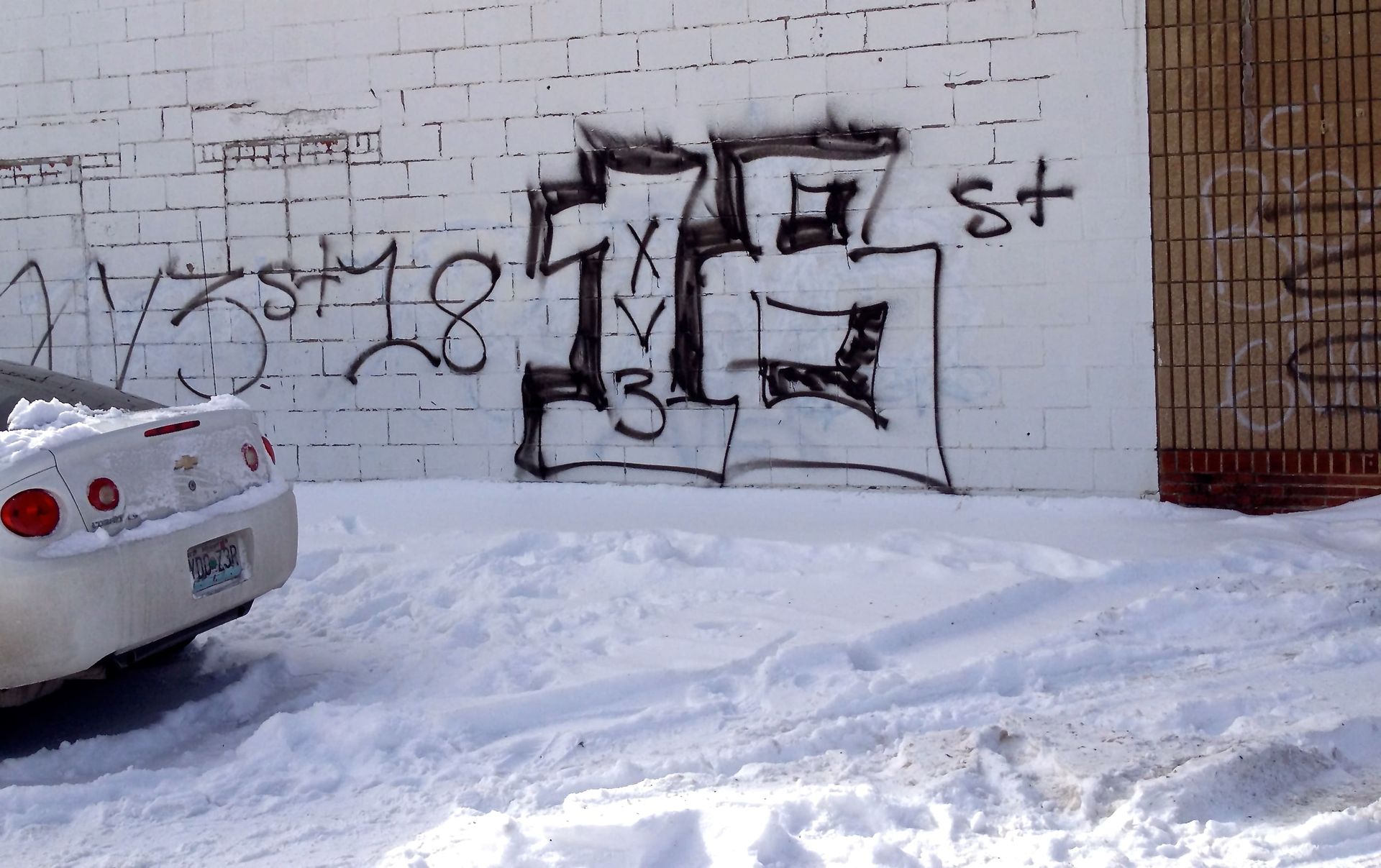
Commercial properties often have masonry facades, requiring specialized cleaning techniques. Unlike smooth surfaces, masonry’s porous nature can trap pigments, making complete removal difficult without the right expertise. Aggressive cleaning methods risk damaging the facade, leading to costly repairs or masonry restoration down the line.
Common challenges include:
- Deep-set stains: Spray paint and markers can seep into the pores of masonry.
- Surface sensitivity: Historic masonry requires extra care to preserve the original material.
- Recurring vandalism: Improper removal methods can leave shadows or "ghosting," making the surface more vulnerable to repeat tagging.
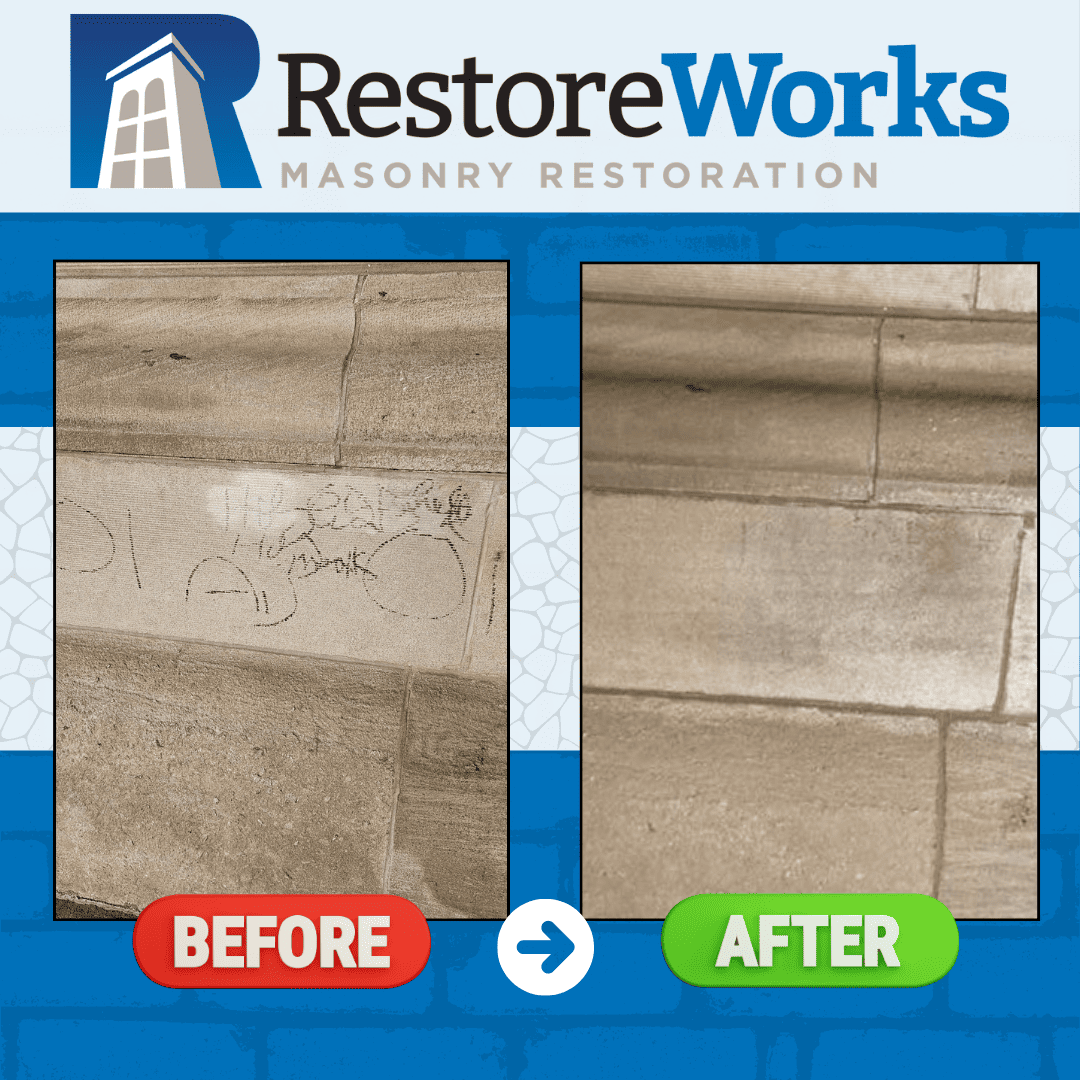
Professional Graffiti Removal Techniques
At RestoreWorks, we utilize advanced methods tailored to the needs of commercial properties in the Chicago area. Key techniques include:
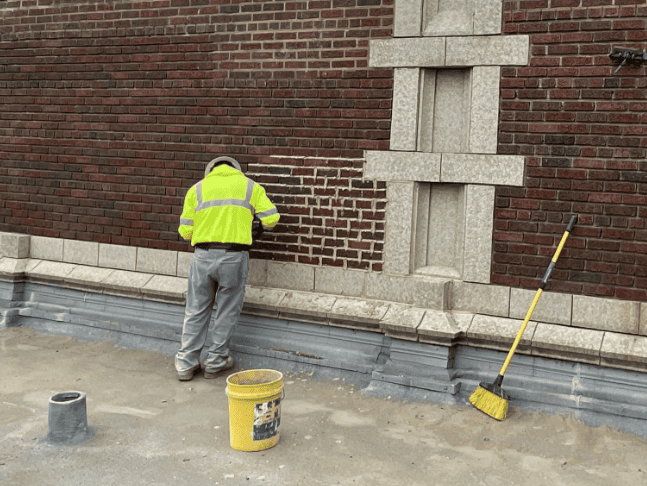
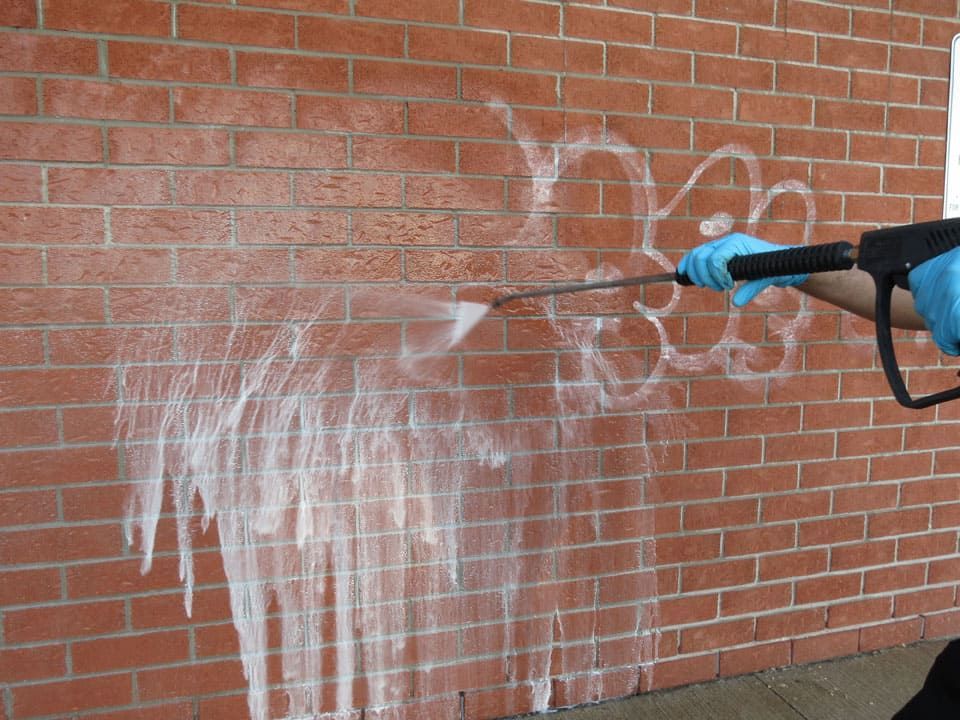
1.Low-Pressure Cleaning: This method removes surface-level graffiti without damaging the masonry beneath.
2.Restorative Masonry Cleaning: For more stubborn stains, we apply specialized cleaning agents designed to lift pigments without jeopardizing structural integrity.
3.Protective Coatings: After cleaning, we often recommend applying anti-graffiti coatings. These create a barrier, making future graffiti easier to remove and reducing the risk of permanent staining.
Each of these methods aligns with industry best practices and ensures compliance with local regulations.
Why Invest in Professional Services?
Attempting to remove graffiti with DIY methods or general cleaning products can often do more harm than good. Here’s why professional services offered by RestoreWorks are worth the investment:
- Expertise in Masonry Cleaning: Our team specializes in restorative masonry cleaning, ensuring effective removal without damaging your facade.
- Preservation of Property Value: Professional graffiti removal prevents long-term damage and maintains the integrity of your building.
- Time and Cost Efficiency: Our targeted methods reduce downtime for your property and eliminate the need for repeated cleaning efforts.
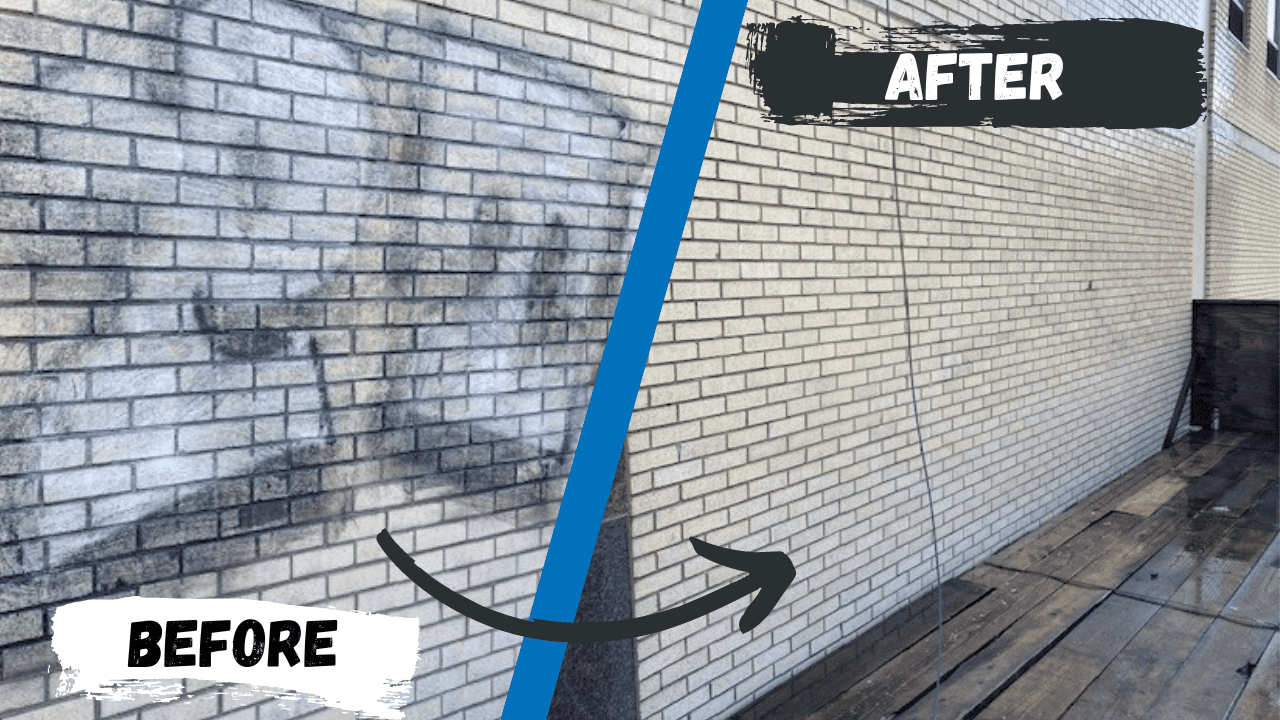
The Role of Preventative Measures
Graffiti removal is reactive; however, preventative measures can save time and money in the long run. Consider the following:
- Anti-Graffiti Coatings: These coatings protect masonry and make future cleaning efforts more efficient.
- Surveillance Systems: Visible cameras act as a deterrent for potential vandals.
- Regular Maintenance: Partnering with a commercial masonry restoration contractor for routine cleaning and inspections gives you peace of mind knowing your property will remain in top condition.
RestoreWorks: Your Partner in Masonry Restoration and Graffiti Removal
Whether it’s a historic building or a modern commercial complex, RestoreWorks has the expertise to remove your graffiti effectively. As a leading commercial masonry restoration contractor in Chicago, we understand the unique challenges posed by graffiti and offer solutions that balance appearance, cost, and long-term preservation.
Don’t let graffiti ruin the image or value of your property. Contact RestoreWorks today to learn more about our restorative masonry cleaning and anti-graffiti services.