Masonry Restoration for Hospitals and Healthcare Facilities
Hospitals and healthcare facilities aren’t just buildings. They’re places of healing, care, and emotional support. That’s why masonry restoration in hospitals and medical centers must meet a higher standard. Beyond safety and compliance, it requires respect for the sensitive environment where patients, staff, and visitors rely on calm, uninterrupted care.
At RestoreWorks, we’ve worked on numerous healthcare buildings throughout Chicagoland. We understand the added layers of responsibility these projects bring, like minimizing noise and disruption as well as maintaining the strictest safety standards. Below, we highlight common masonry issues these facilities face and how our specialized approach makes a lasting impact.
Common Masonry Issues in Healthcare Facilities
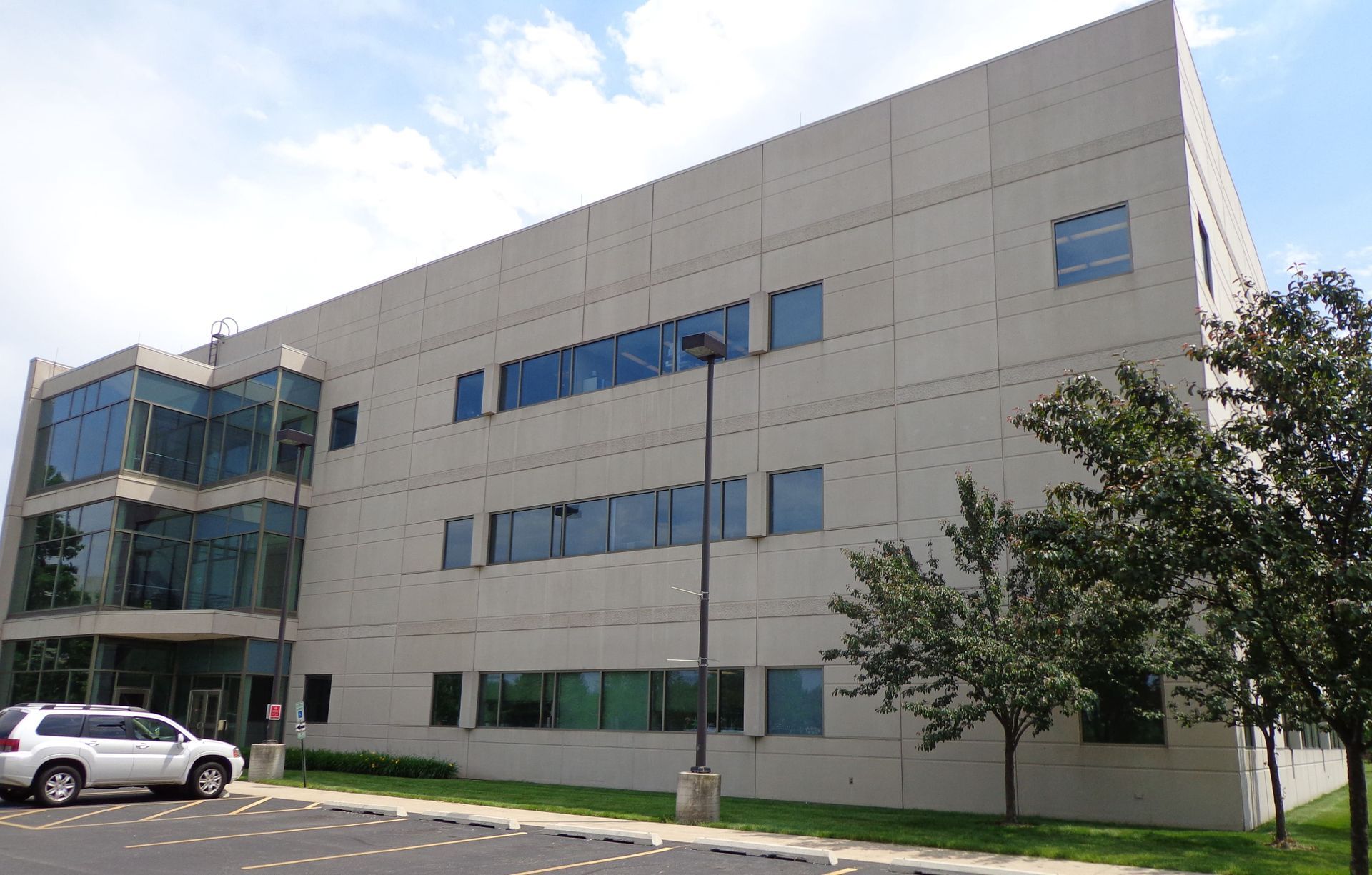
Healthcare facilities in Chicago face unique challenges due to the region’s weather extremes, high foot traffic, and aging infrastructure. Unlike other buildings, these issues can have a more immediate impact on patient safety, comfort, and daily operations.
Here are some of the most common problems that masonry restoration contractors address in hospital settings:
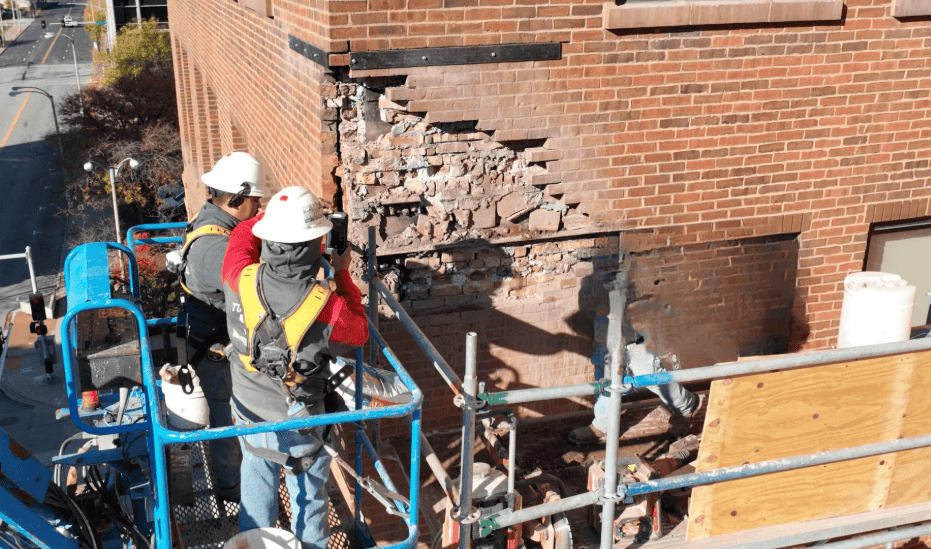
#1. Cracked or Spalling Concrete: Freeze-thaw cycles can cause cracks and surface spalling in concrete, creating tripping hazards and compromising the building’s structural integrity. In a hospital environment, these risks must be addressed quickly to protect patients, staff, and visitors.
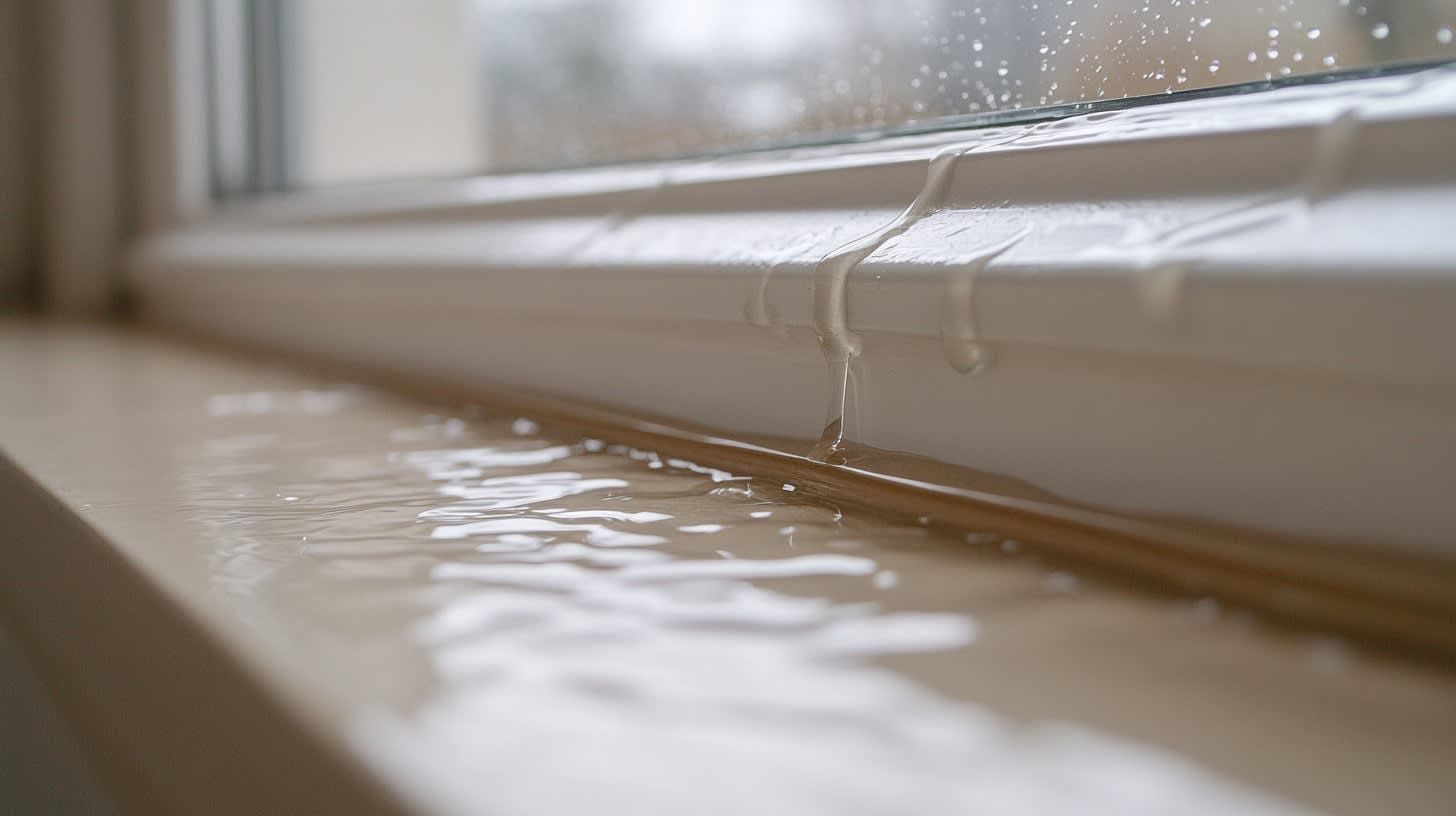
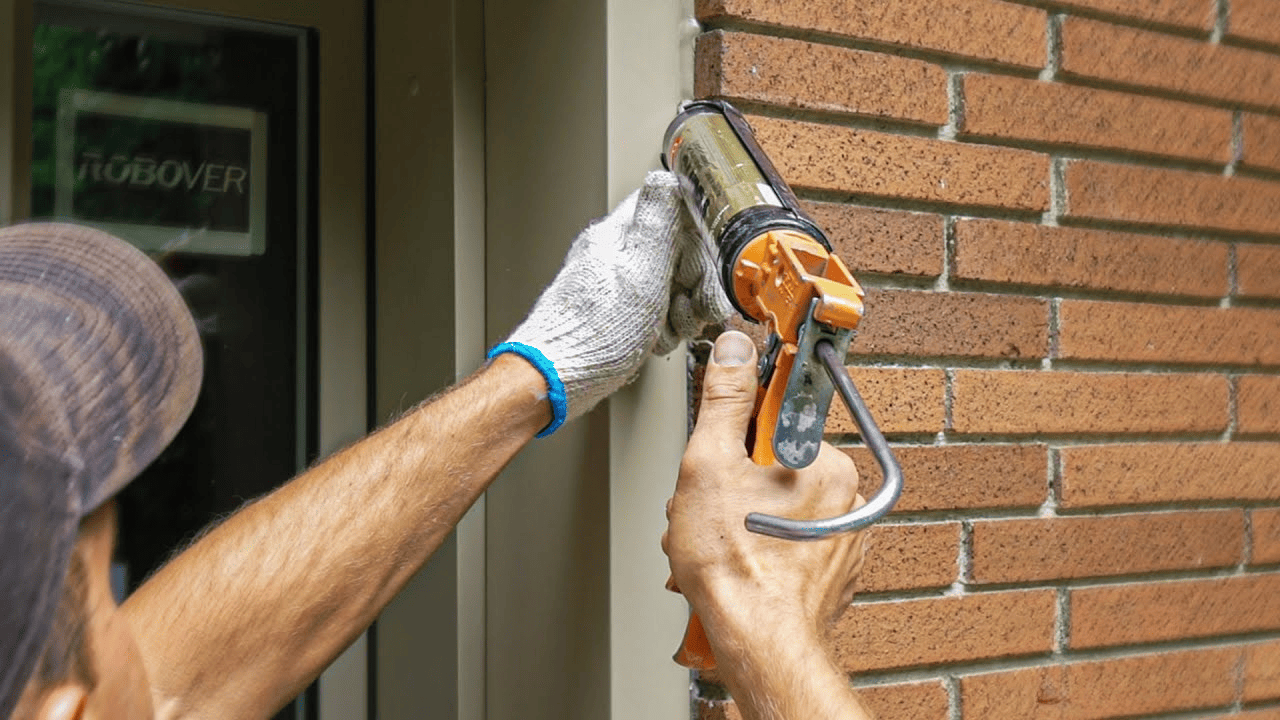
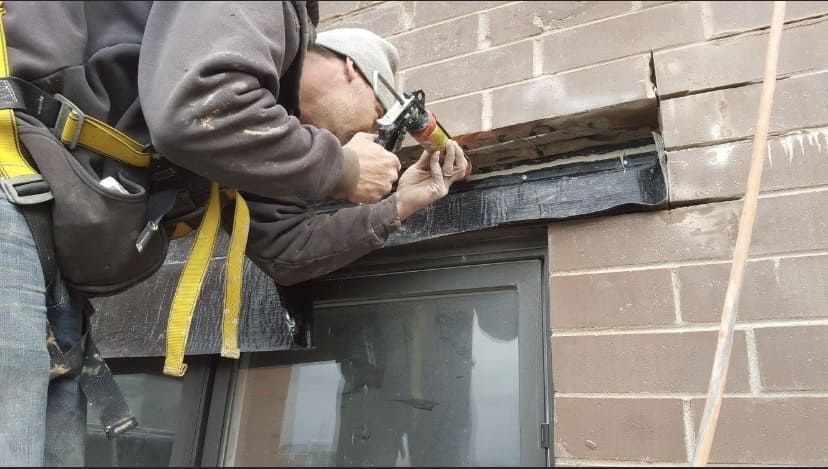
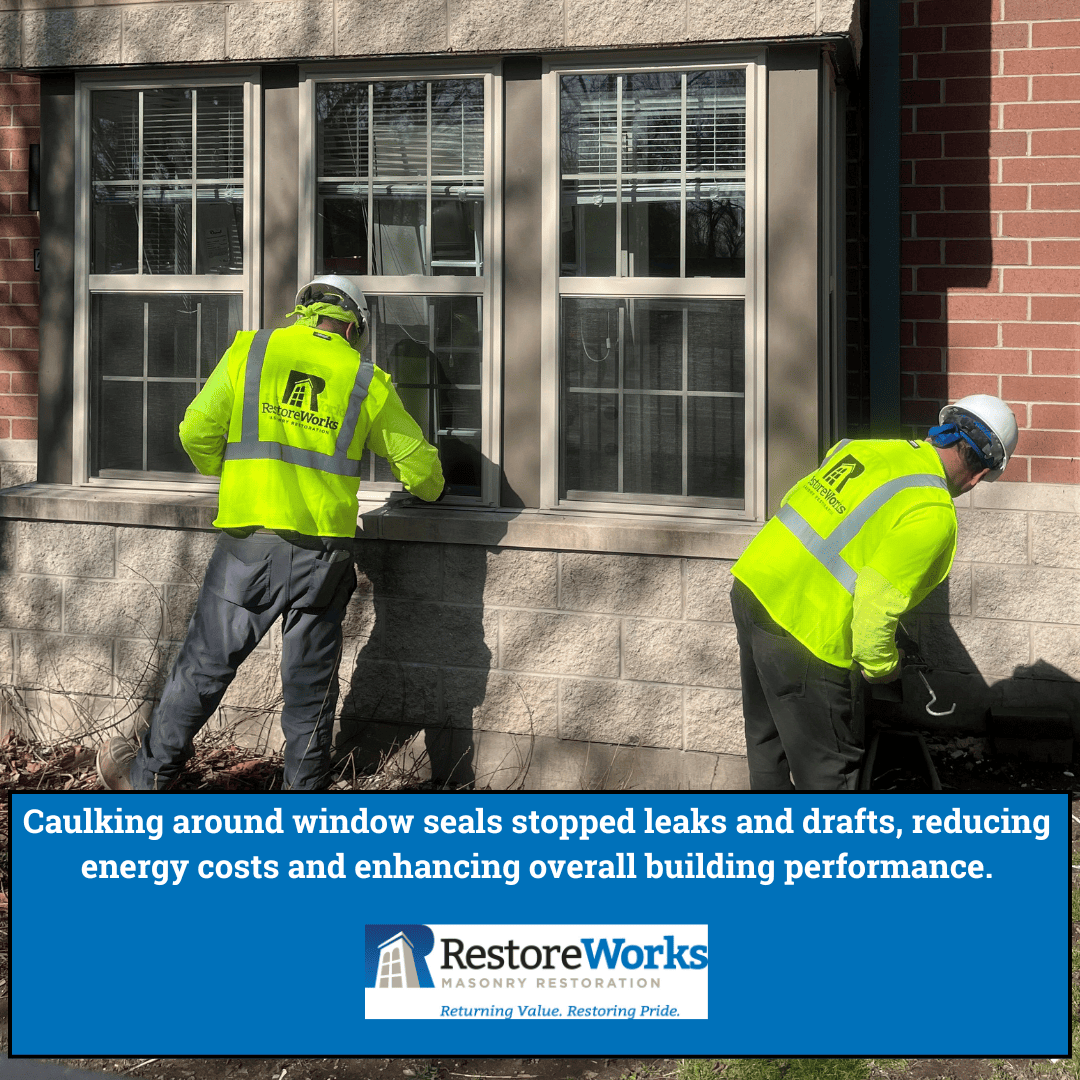
#2. Deteriorating Sealants: Aging sealants around windows and joints allow water to seep in, resulting in damaged interiors, drafty conditions, and potential mold or moisture issues that can affect patient health and indoor air quality.
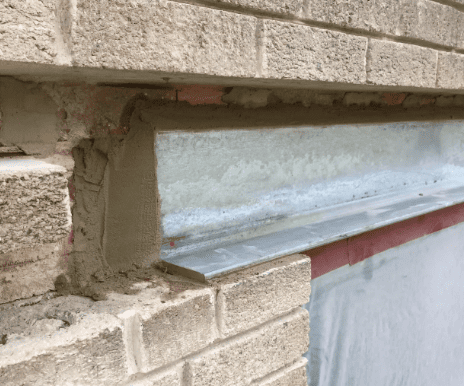
#3. Failing Lintels: Rusted or weakened lintels can cause visible cracking and structural strain. Left untreated, they may lead to falling masonry or disrupted access, which is especially concerning in emergency or high-traffic areas of healthcare facilities.
#4. Efflorescence and Staining: Though they may seem cosmetic, these signs often point to hidden water intrusion. In healthcare environments, maintaining a clean, professional appearance also helps reinforce a sense of safety and care.
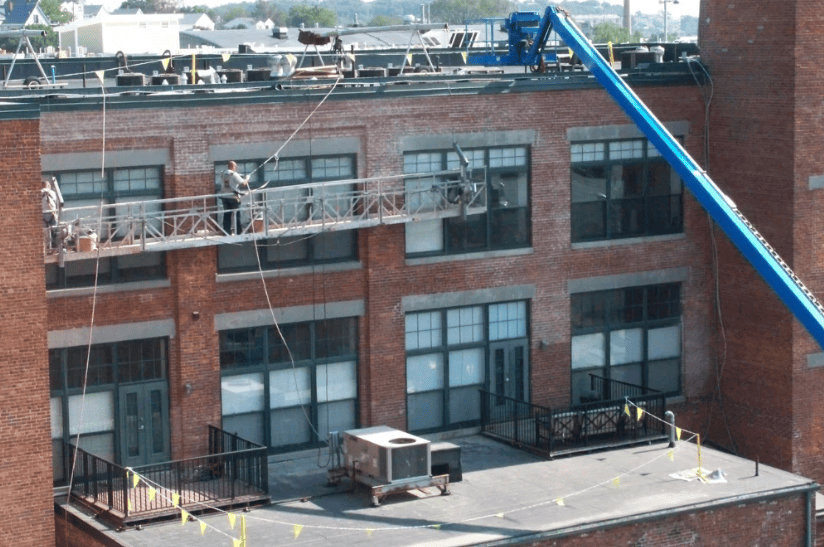
#5. Balcony and Façade Damage: Exposure to the elements and constant use can wear down balconies and facades, making timely repairs important.
Why Masonry Restoration Matters for Hospitals and Healthcare Facilities
#1. Protecting Patient Safety and Comfort
Cracked lintels, spalling concrete, or unstable façades present obvious physical hazards. But in a healthcare environment, even minor disruptions can affect patient well-being. We plan our work to minimize loud noises, vibrations, and access interruptions. We care not only about your facility, but about the people inside.
#2. Supporting Energy Efficiency for Healing Environments
Comfort matters in healing. Drafts, temperature shifts, and moisture infiltration from damaged masonry can disrupt climate control and raise energy costs. Restoring sealants and facades helps preserve a comfortable indoor environment for patients and care teams.
#3. Preserving a Calming, Professional Appearance
For patients and their families, a hospital’s exterior can influence how safe and well-cared-for a place feels. Clean, well-maintained masonry contributes to a welcoming, professional environment, reinforcing trust in your facility.
Masonry Services Tailored for Hospitals and Healthcare Facilities
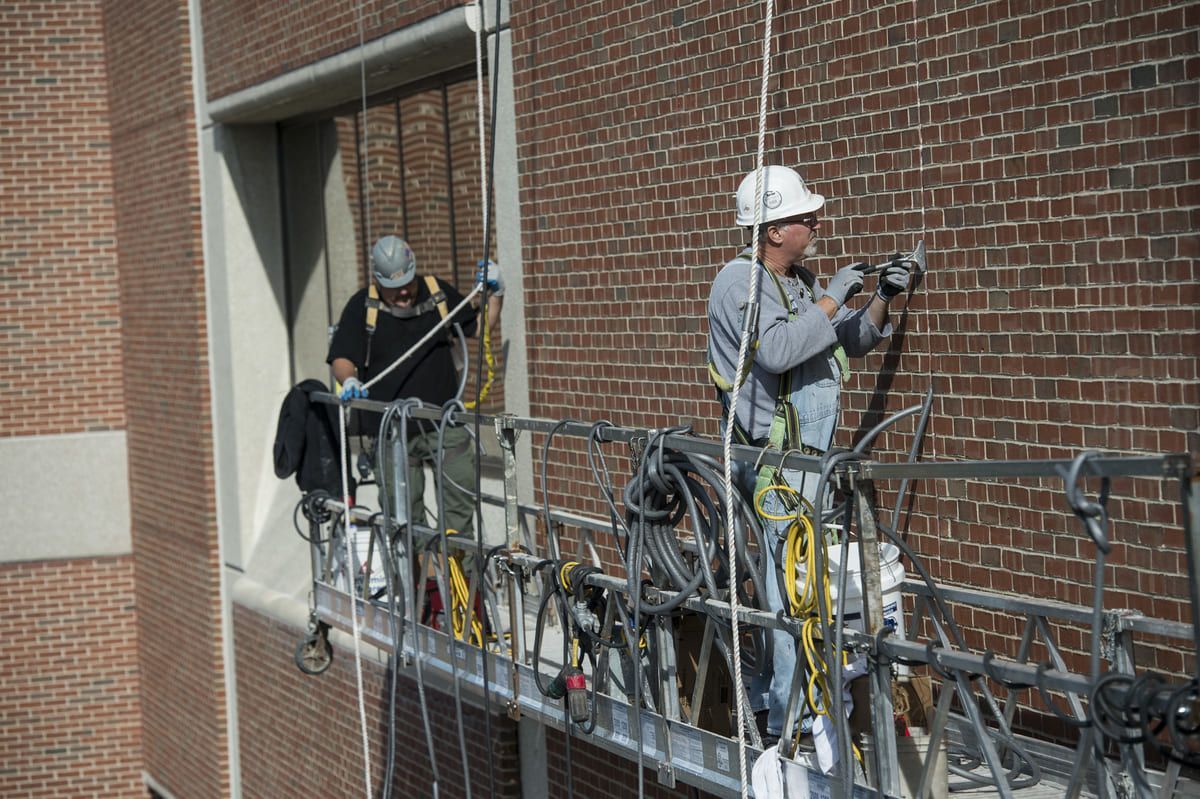
Contractors like RestoreWorks provide a range of masonry restoration services designed to meet the needs of hospitals and healthcare facilities:
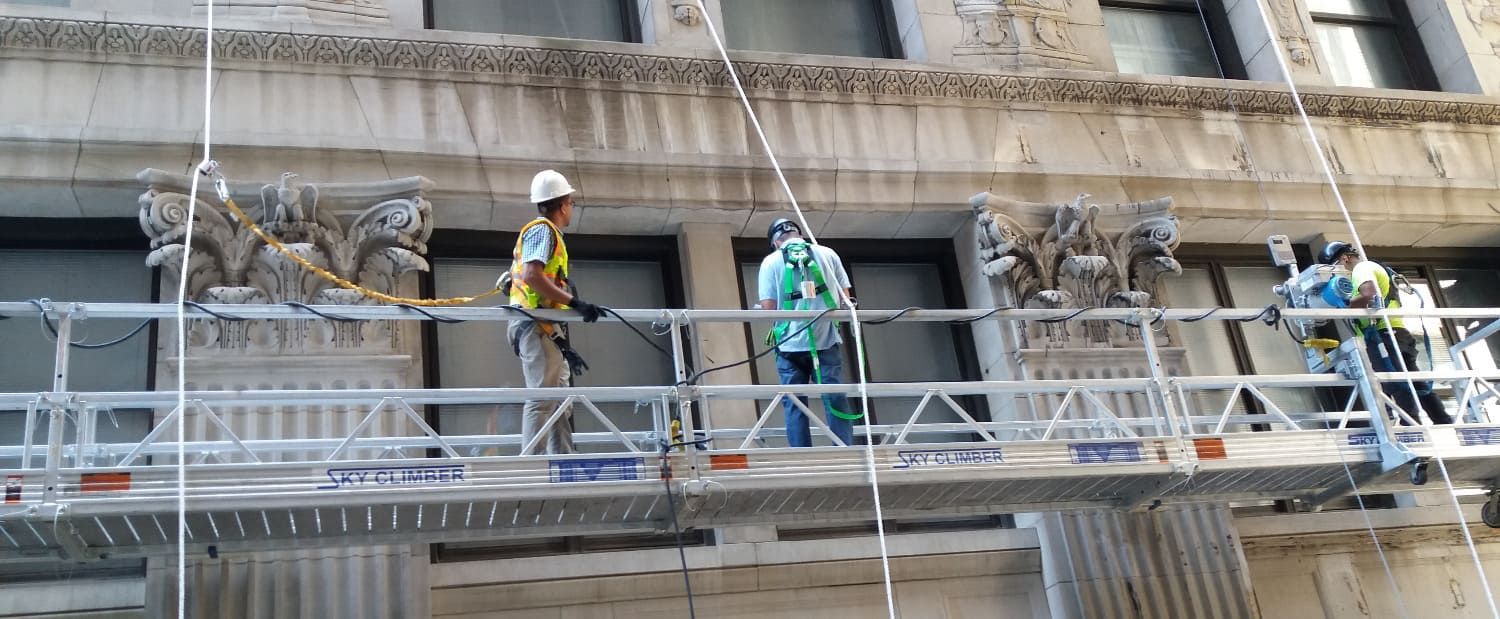
- Concrete façade repair to restore structural strength and curb appeal.
- Balcony restoration to ensure safety and extend the life of these heavily used spaces.
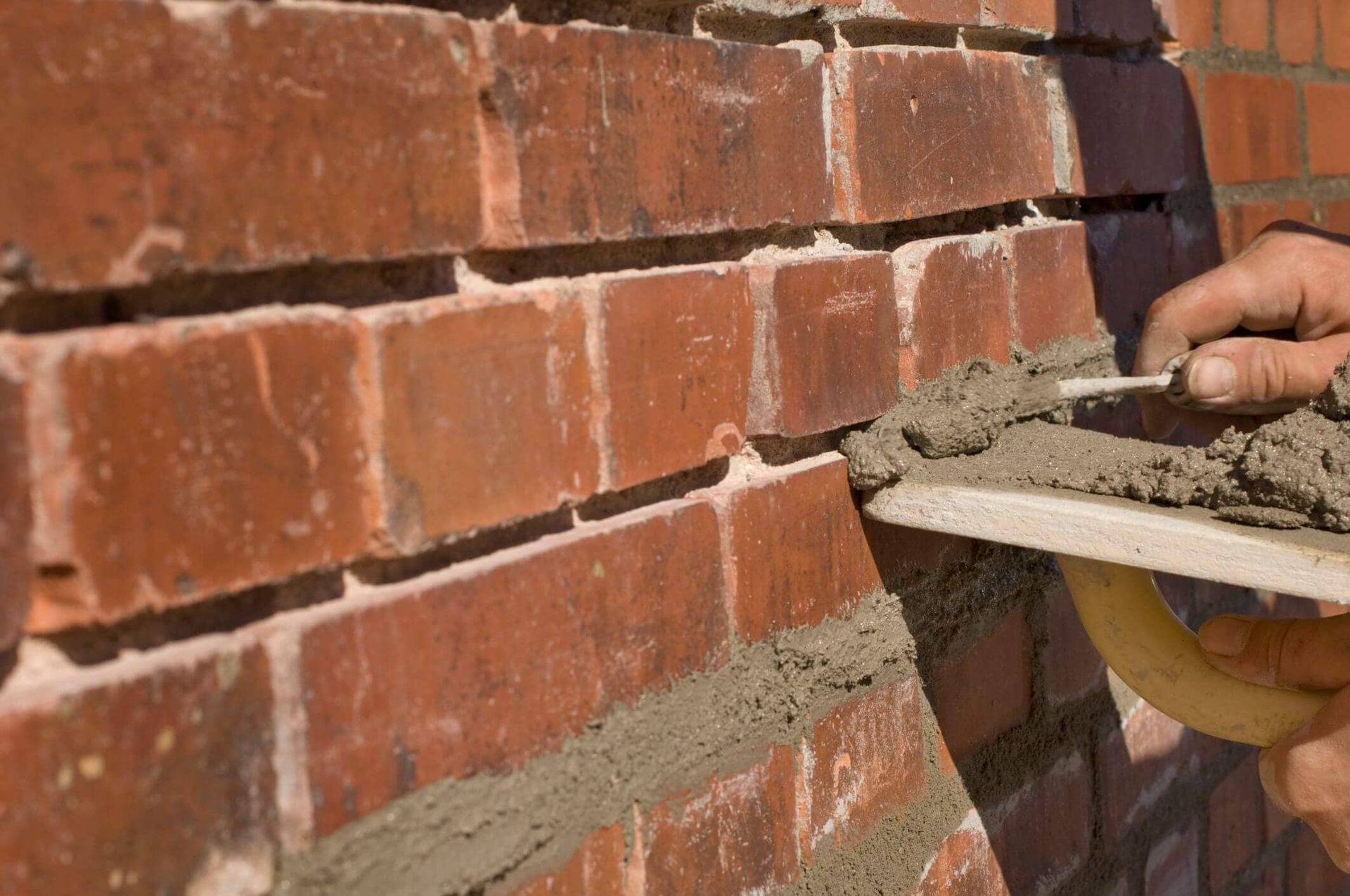
- Tuckpointing to replace deteriorating mortar and reinforce masonry strength.
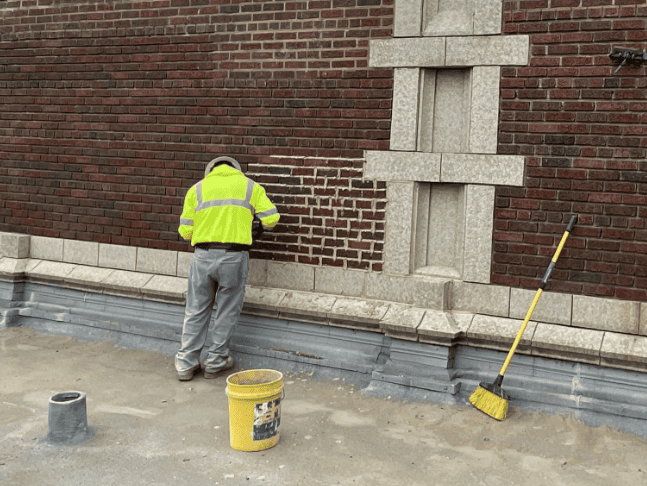
- Masonry cleaning to remove environmental staining and improve overall appearance.
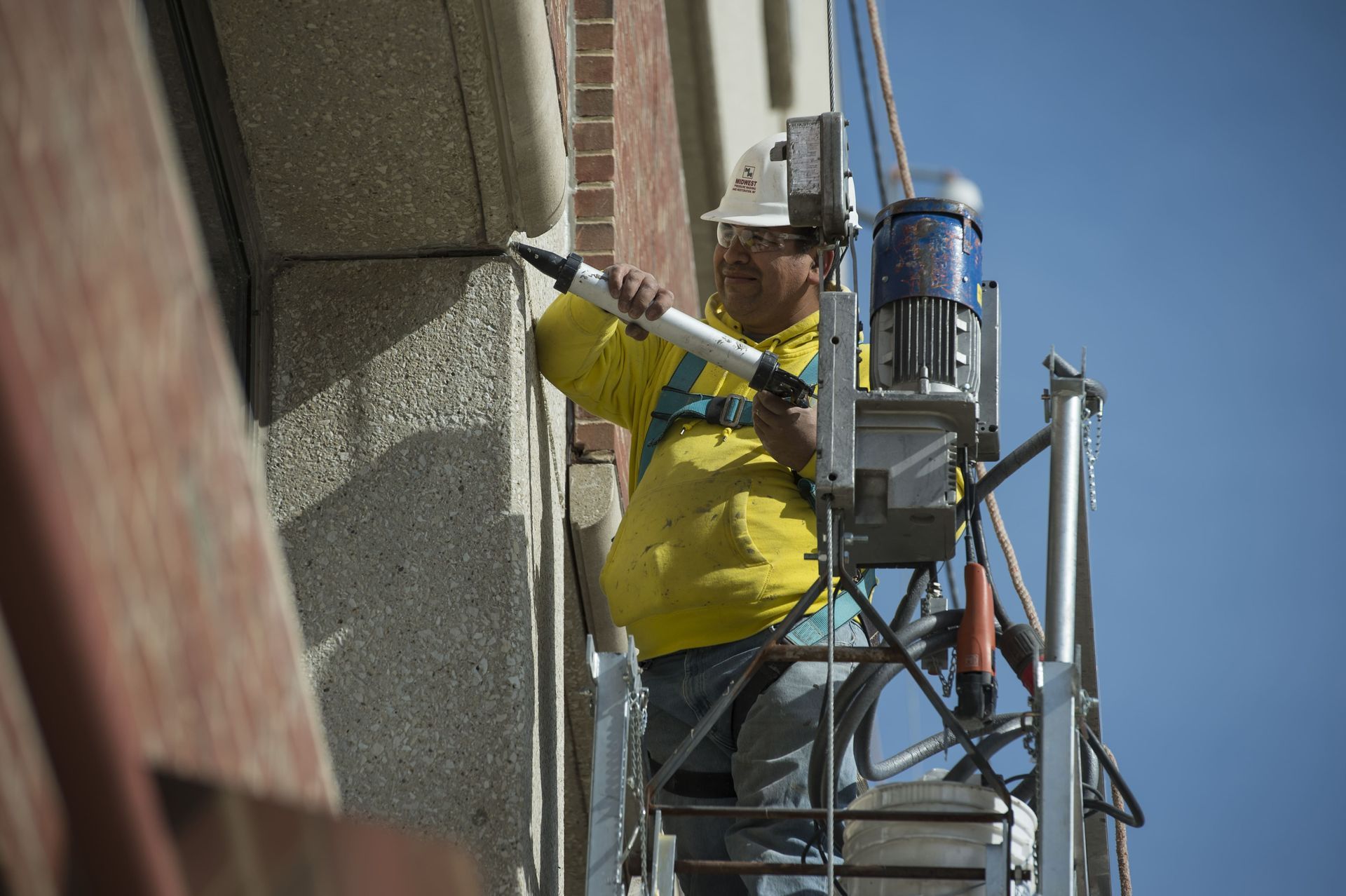
- Sealant repairs to prevent water intrusion and protect against further damage.
Key Insights on Masonry Restoration
- Studies show that 50% of sealants fail within 10 years of installation, and 95% fail within 20 years.
- Proactive masonry maintenance can reduce maintenance costs by up to 30%.
Getting Started with Your Masonry Project
If you manage a healthcare facility, here’s how you can address masonry concerns effectively:
#1. Schedule an Inspection:
An assessment will identify problem areas and prioritize repairs.
#2. Create a Restoration Plan: Collaborate with masonry restoration contractors to develop a plan custom to your building’s needs.
Let’s Protect Your Healthcare Facility
RestoreWorks offers a full range of services: concrete façade repair, tuckpointing, balcony restoration, and more, all with a commitment to working sensitively around healthcare operations. Our teams are trained to respect restricted zones, infection control protocols, and the emotional needs of patients. As members of the American Society for Healthcare Engineering (ASHE), we’ve also deepened our understanding of the unique demands healthcare environments face, and the high standards expected in facility maintenance and restoration.
Don’t wait for your masonry issues to get worse. Contact RestoreWorks today for a free consultation and see how our services can help your facility’s safety, efficiency, and appearance.