Expert Techniques for Masonry Cleaning
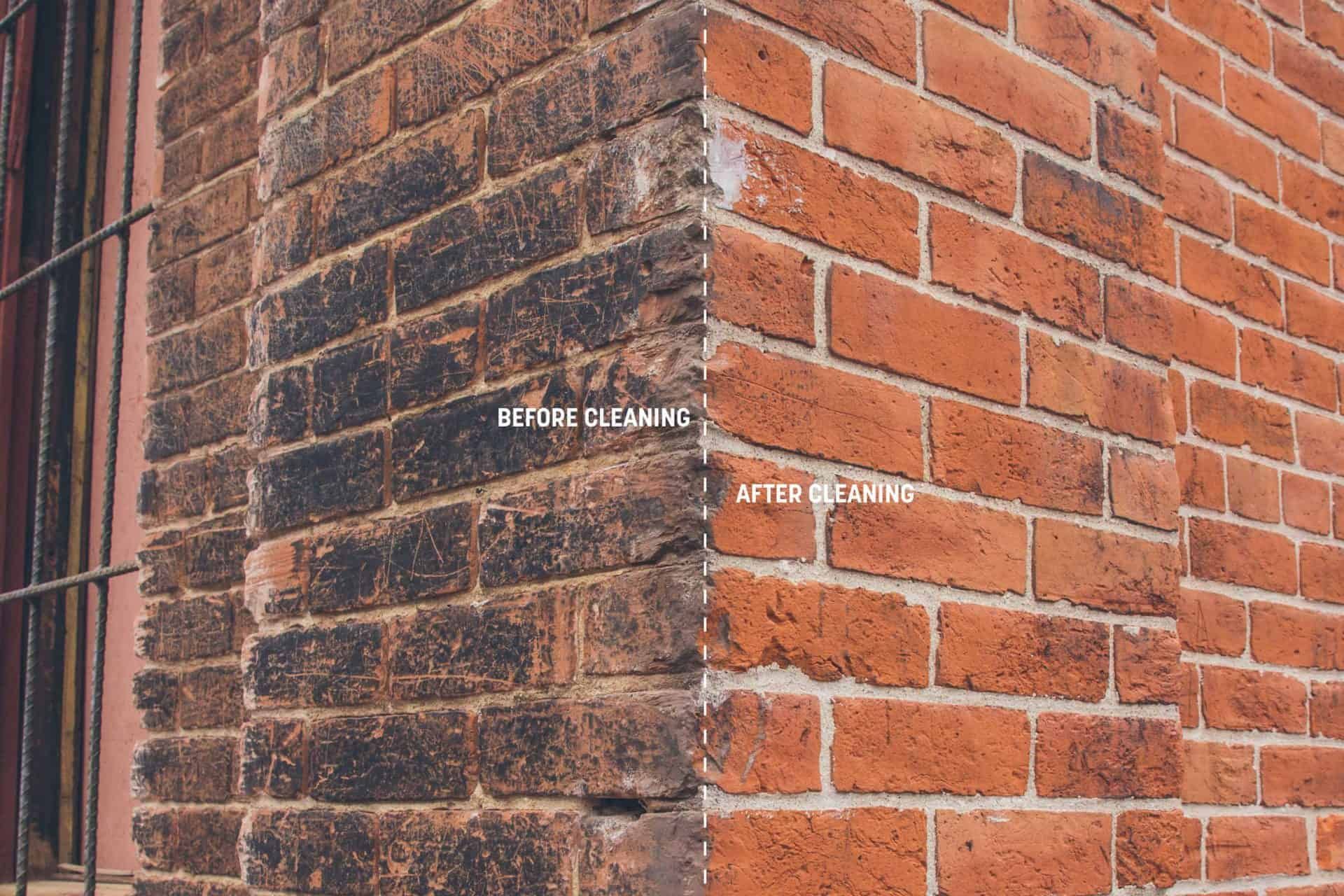
The value of masonry cleaning only becomes clear when you walk past a building and realize it looks more presentable because the graffiti has been removed, or see the before and after photos of a historic building in the news and note with amazement how dirty the building was. Professional expertise is required to clean building envelopes, whether they are modern or historic structures.
RestoreWorks is a restorative masonry cleaning and restoration company recognized for our historic masonry cleaning. With more than three decades of experience, we can truly say that we can clean any commercial building façade. From historic buildings to new ones, we ensure every project meets the highest standards of craftsmanship and preservation.
In this article, we highlight why restorative masonry cleaning is the solution to your building exterior challenge, discuss a RestoreWorks cleaning method and share from which building we removed one hundred years of dirt and pollution.
Why a Restorative Masonry Cleaning Solution Is Essential
Building exteriors are cleaned for various reasons. Modern commercial building owners and property managers see it as protecting a long-term asset and mitigating reputational risks. Historic properties are cleaned to preserve the building for future generations, return its aesthetic beauty, and remove soils that increase material deterioration. Every building requires cleaning techniques and methods appropriate to its materials and age.
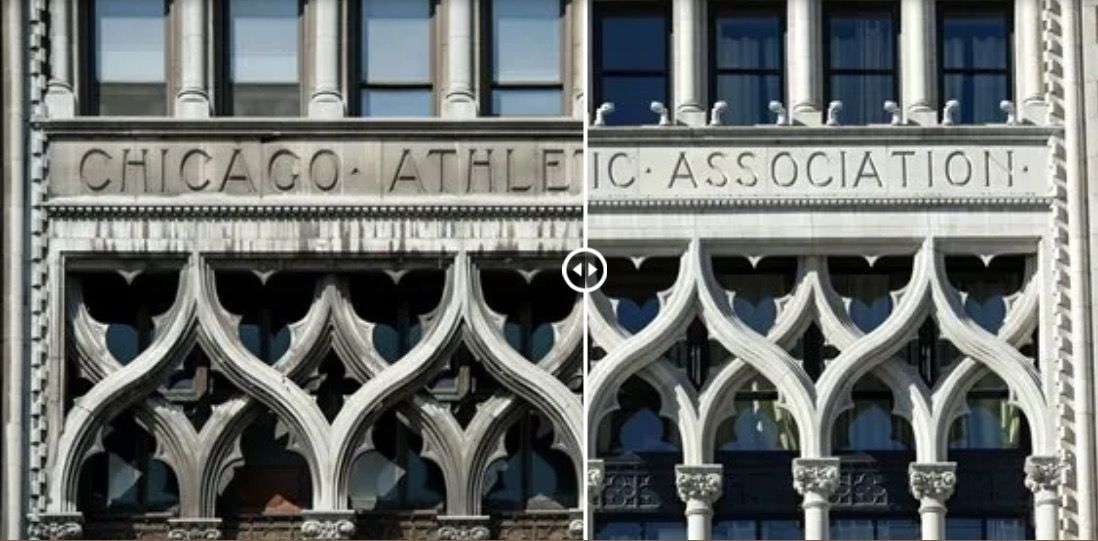
RestoreWorks finds the best masonry cleaning solution for every project. Our professional cleaners pay meticulous attention to detail to ensure your building is beautifully cleaned while also meeting historical preservation standards where relevant. We have been honored to clean some of the most iconic buildings in Chicago and across the country, including the Chicago Athletic Association.
Popular Cleaning Methods in Masonry
All building materials have unique characteristics which must be taken into account during the project planning stage. Extra care is taken to prevent damaging an underlying finish or substrate when cleaning historic buildings, and modern building façades receive the same attention. RestoreWorks uses expert techniques to clean all types of surfaces, including limestone, granite, marble, terra cotta, sandstone, precast concrete and brick.
The most popular masonry cleaning methods used by RestoreWorks are based on the building materials and their condition, which we identify during pre-inspection. We remove minerals, pollution, carbon, mold, water stains, and other airborne contaminants from all building facades, including skyscrapers. The RestoreWorks team has cleaned many surfaces, from the delicate to the durable.
Environmentally Friendly Cleaning Methods
Businesses are increasingly committed to environmental sustainability and expect companies offering commercial masonry cleaning services to use environmentally friendly cleaning methods and materials. Excellence is one of the principles that guide our daily actions at RestoreWorks, and we are committed to being good stewards of the environment. It is the nature of our business to use water and energy, but our expertise and experience allow us to minimize our environmental impact on every project.
Did you know the RestoreWorks masonry cleaning contractor crews clean while you, your tenants and customers sleep? We can work at night if it minimizes the impact of our work on your schedule, and you see the daily progress!
Innovative Masonry Cleaning Solutions for Lasting Results
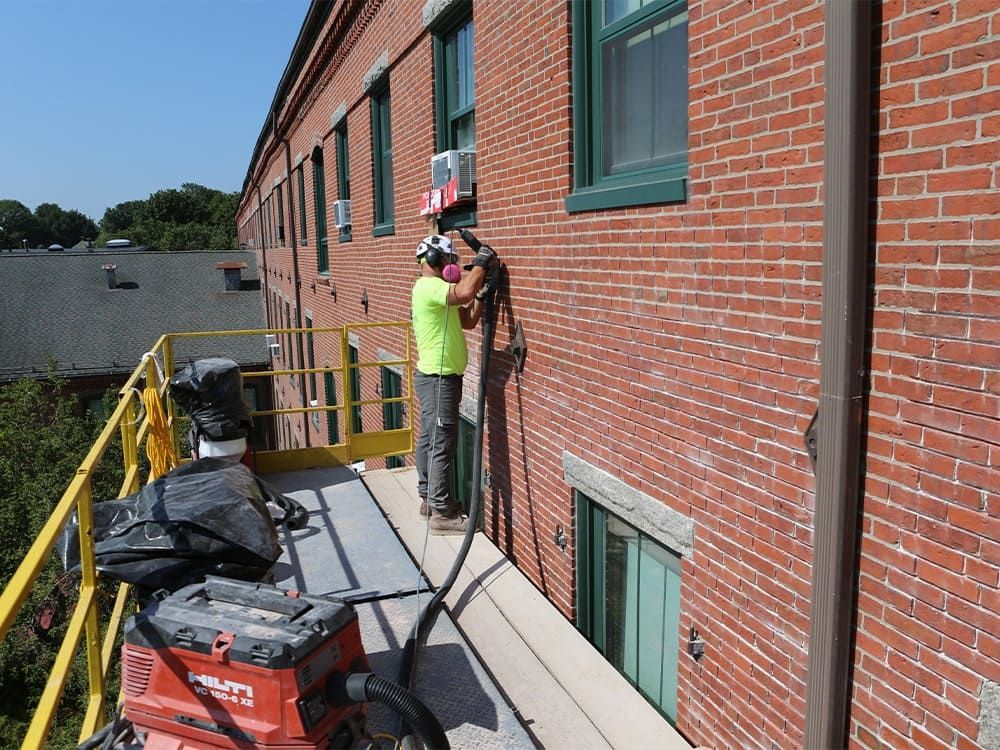
RestoreWorks uses expert techniques for masonry cleaning, and we developed an innovative process that offers lasting results. Our teams use soft bristle brushes where applicable, combined with a low-pressure misting system, to remove years of accumulated dirt and pollution.
We used this method to restoratively clean the ornate limestone and brick facades of the Chicago Athletic Association and remove more than one hundred years of dirt, carbon, and other contaminants. Our teams also used this technique to restoratively clean the Tribune Tower’s limestone exterior and protect its delicate surfaces. RestoreWorks felt honored to work on these historic landmark properties and treat modern buildings with the same consideration when we clean their exteriors.
RestoreWorks serves various industries, including government buildings, universities, residential buildings, museums, and schools. Contact us today to request a proposal for expert restorative masonry cleaning services.