How Mock-Ups Optimize Masonry Restoration Projects
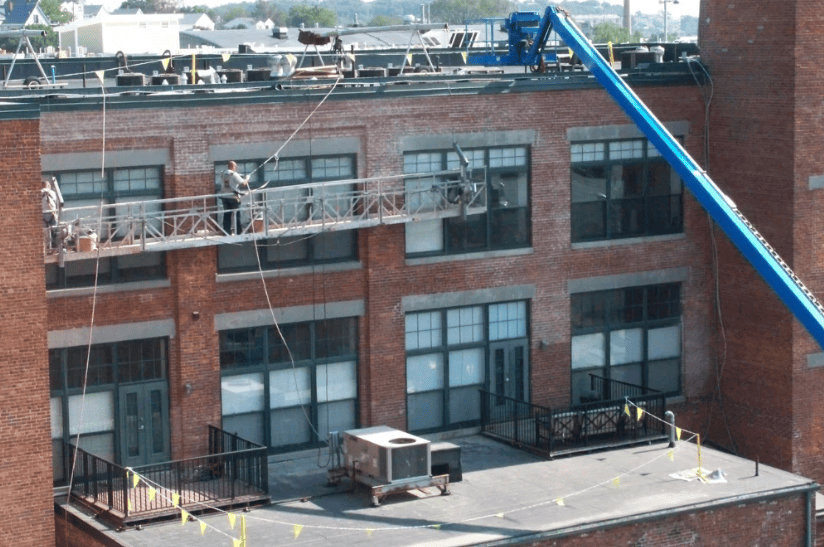
When it comes to commercial masonry restoration projects, precision is important. Project managers understand that even minor missteps can lead to costly rework or compromised structural integrity. That’s where mock-ups come into play. These models help ensure clarity and accuracy in concrete facade restoration projects and other complex restoration tasks.
What Are Mock-Ups in Masonry Restoration?
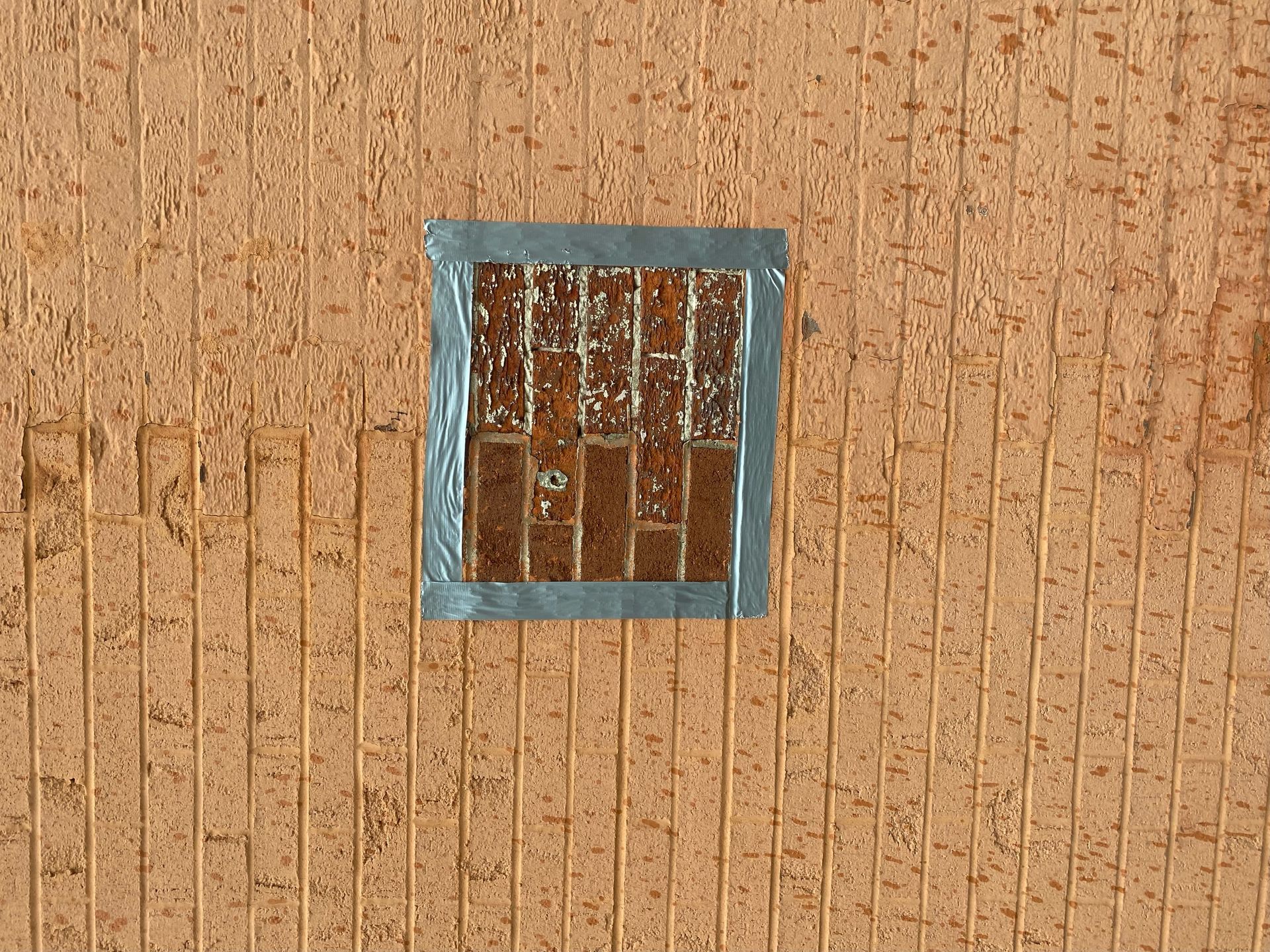
Mock-ups are test panels or prototypes created before beginning full-scale work. They provide a tangible preview of the materials, techniques, and outcomes involved in the project. These tools help you establish expectations, verify methods, and streamline communication among stakeholders.
Benefits of Mock-Ups for Masonry Restoration Projects
Mock-ups are the cornerstone of quality assurance in commercial masonry restoration projects. Here are some key benefits:
#1. Material Compatibility and Performance
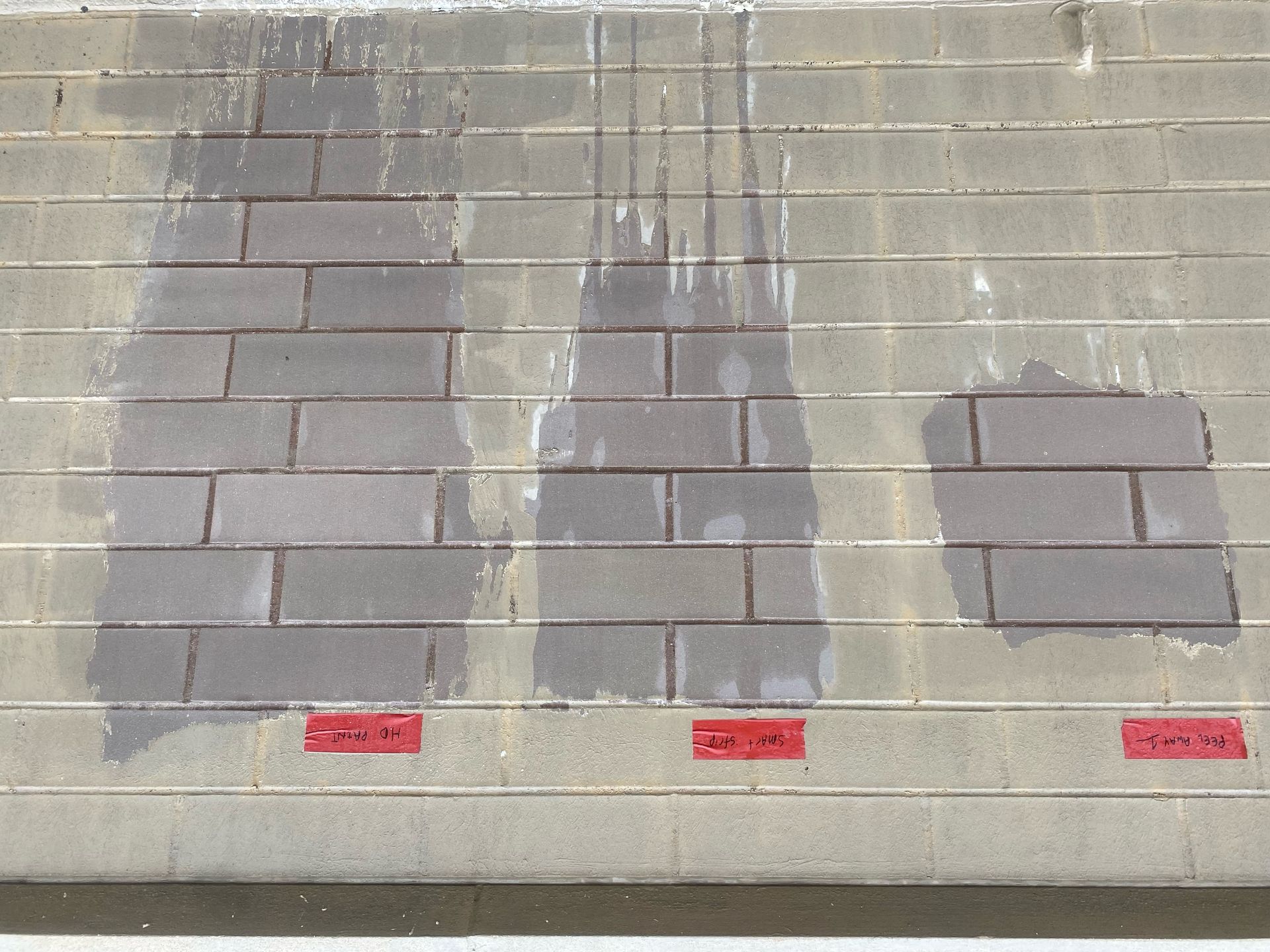
Mock-ups allow teams to test material compatibility before committing to large-scale application. For example:
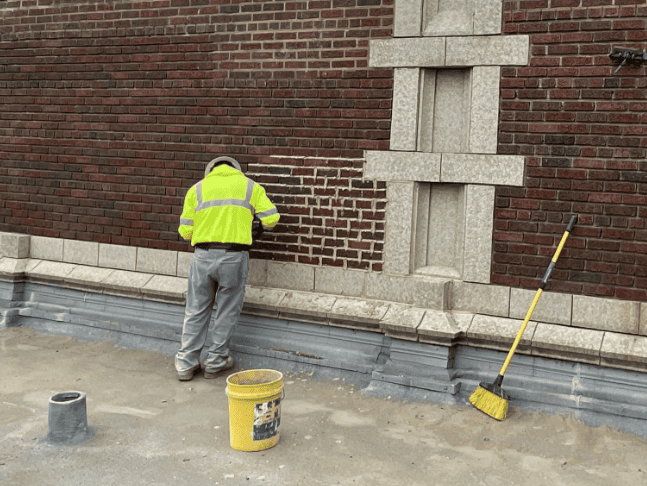
- Restorative masonry cleaning contractors can use mock-ups to evaluate cleaning methods and the effects of cleaning agents under environmental conditions.
#2. Stakeholder Alignment
Creating a mock-up ensures that all parties (from architects to property managers) agree on the final look and feel. This is especially important for projects involving concrete facade repairs, where consistent appearance is critical for urban aesthetics.
#3. Compliance with Regulations
Mock-ups help meet local building codes and historical preservation requirements. For instance, in restorative masonry cleaning, a mock-up can demonstrate how cleaning methods will align with Chicago’s stringent architectural guidelines.
#4. Risk Mitigation
Testing on a small scale reduces the chance of costly errors. A restorative masonry cleaning contractor can use mock-ups to assess cleaning methods, ensuring that abrasive techniques won’t damage delicate masonry surfaces.
Mock-Ups In Action
Case Study: Brick Facade Restoration
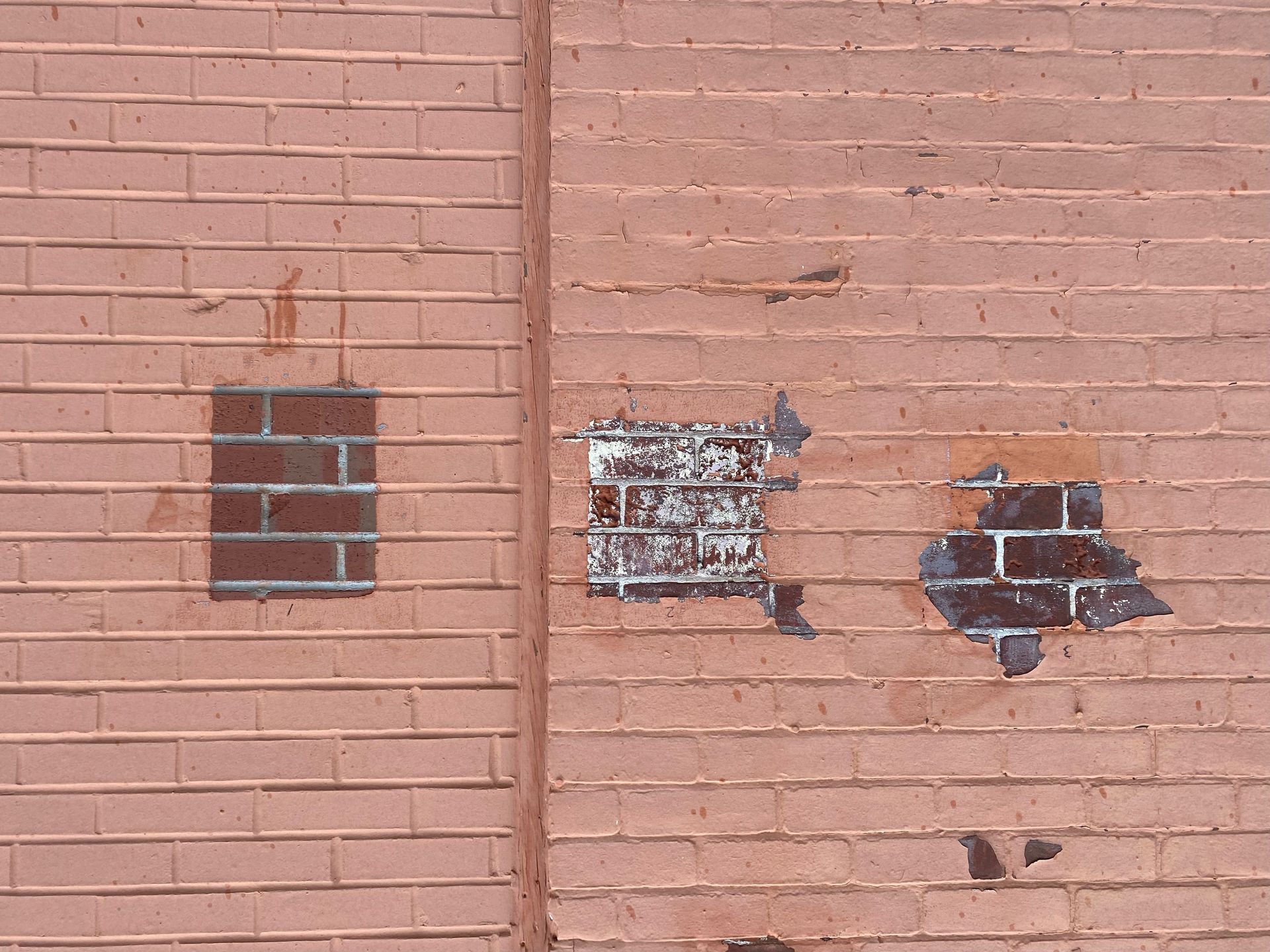
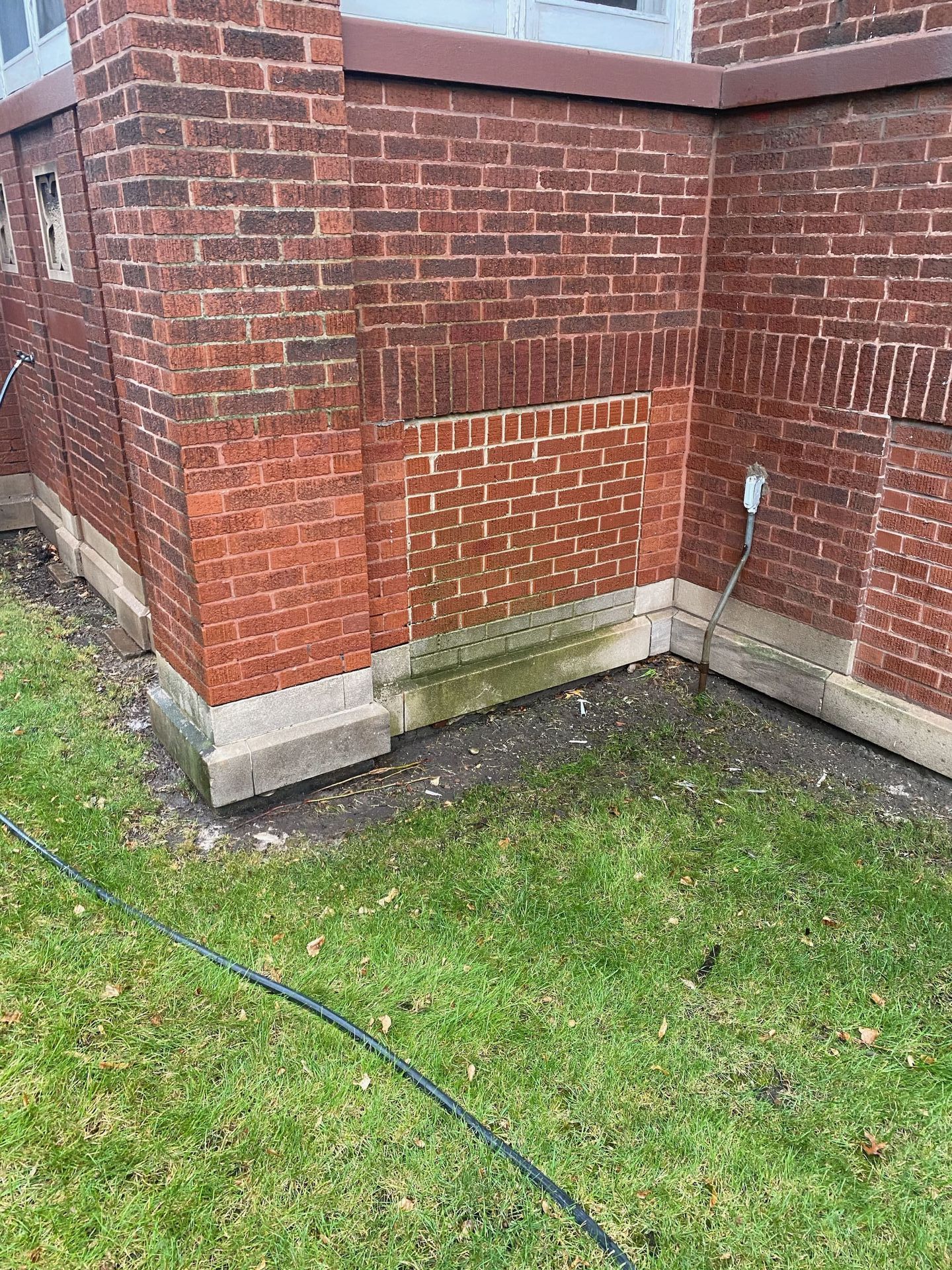
A Chicago-based property required commercial brick facade repairs due to weathering and spalling. RestoreWorks created a mock-up to:
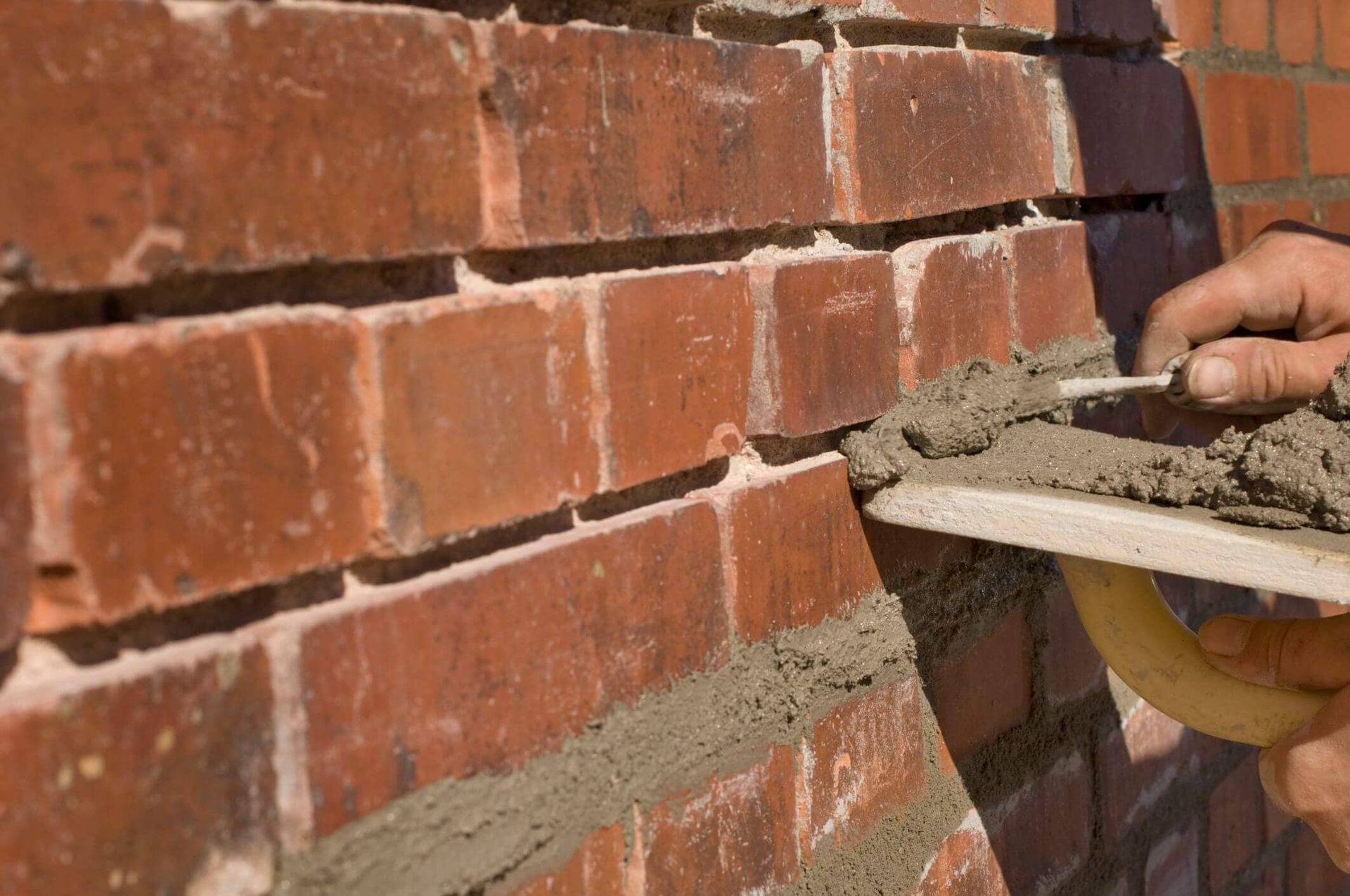
- Test patching materials for color matching
- Assess the surface preparation techniques for proper bonding
- Confirm stakeholder satisfaction with the finish
This process revealed that one proposed sealant was prone to discoloration under UV exposure, allowing the team to select a better alternative before scaling up the project.
Case Study: Masonry Cleaning
For a historic building in downtown Chicago, RestoreWorks used mock-ups to test restorative masonry cleaning methods. The mock-ups helped identify the right balance of chemical cleaning agents and pressure washing, avoiding potential damage to the aged brickwork.
How to Integrate Mock-Ups into Your Next Project
- Plan Ahead: Incorporate mock-ups during the project planning phase. Ensure that your contractor includes this step in their scope of work.
- Involve Stakeholders: Engage architects, structural engineers, and facilities managers in evaluating mock-ups.
- Document Findings: Keep detailed records of mock-up results to guide the full-scale restoration process.
- Partner with Experts: Work with an experienced commercial masonry contractor in Chicago (like RestoreWorks), to ensure reliable outcomes.
Why RestoreWorks?
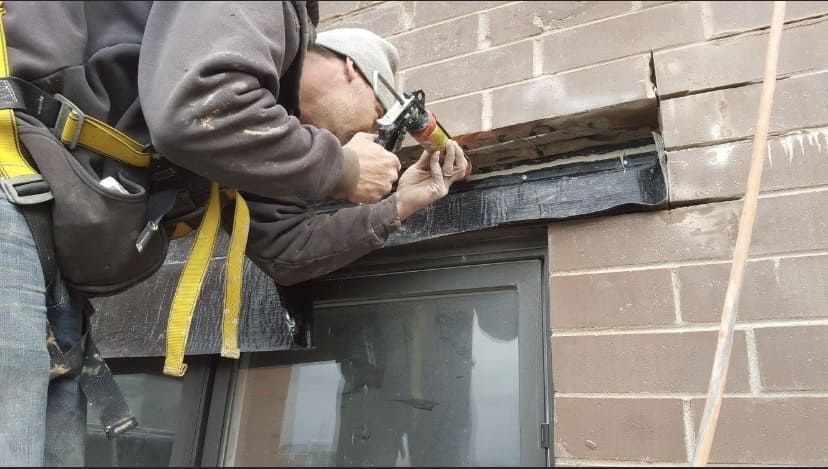
RestoreWorks specializes in professional masonry restoration services, including tuckpointing, lintel replacement, and restorative cleaning. Our expertise in mock-ups ensures precision and client satisfaction, giving you confidence in the final results before committing to the whole project.
Ready to Optimize Your Next Masonry Restoration Project?
Contact RestoreWorks today to learn more about our mock-up services and how they can elevate your commercial masonry restoration experience. Let’s work together to ensure your project is a success, from the first test panel to the final brick.