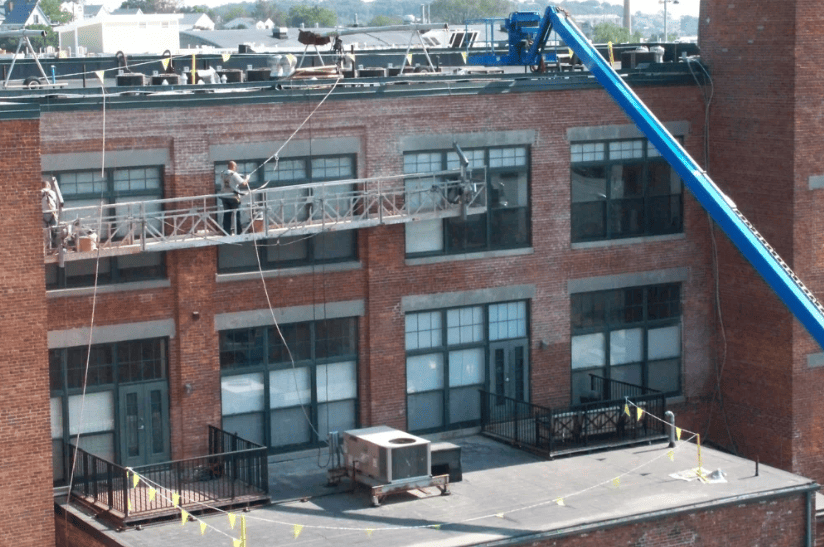
Commercial Facade Restoration: Planning for the Winter
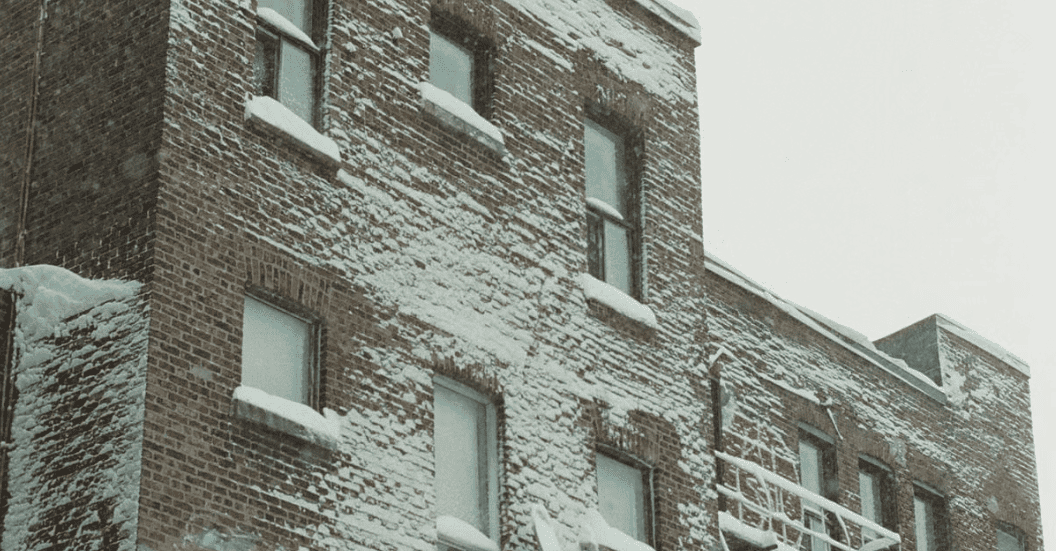
Fall is when many Chicago property teams start asking the same question: What facade work needs to get done before winter?
There is no single cutoff date for commercial facade restoration. Some repairs can continue into cold weather with the right protection, while others become more difficult or expensive as temperatures fall. The condition of the building, the materials involved, and the urgency of the repairs all affect that decision.
For a property manager or owner, the first step is to determine where water is getting into the facade, whether any materials are loose or unstable, and which repairs will become harder to complete once colder weather settles in.
How Does Winter Affect Commercial Facade Restoration?
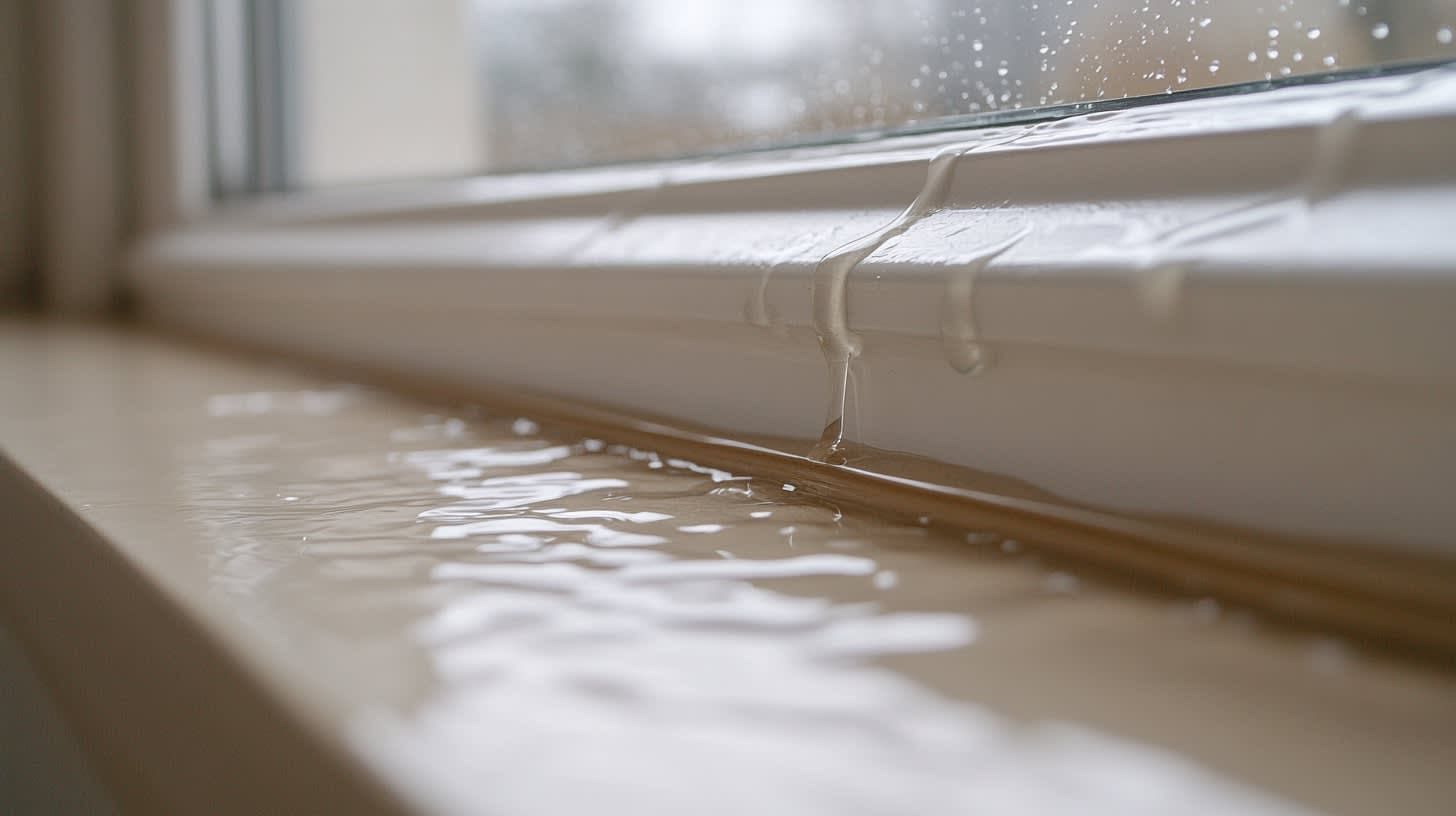
Chicago's winter weather puts existing facade problems under more stress. Water can enter through deteriorated mortar joints, open cracks, failed sealants, damaged masonry, and poorly performing flashing. Once that moisture is inside the wall, repeated freezing and thawing can contribute to further deterioration.
Cold weather also changes how restoration work is performed.
For masonry work, the International Masonry Institute identifies 40°F and below as cold-weather conditions. IMI recommends that contractors working through fall and winter have a cold-weather plan in place so the proper procedures can be followed as temperatures drop.
Depending on the scope, contractors may need to account for:
- Mortar and substrate temperatures
- Concrete repair material requirements
- Sealant installation temperatures
- Snow or ice on masonry surfaces
- Heating and temporary enclosures
- Protection of newly completed work
- Water used during restorative cleaning
- Shorter or interrupted work periods due to weather
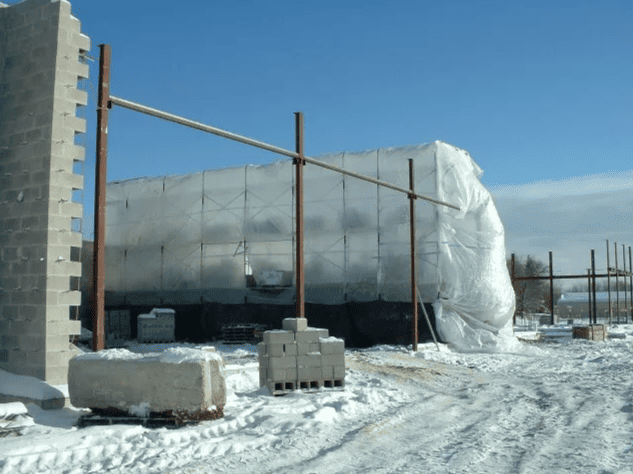
Cold-weather masonry procedures can include keeping materials dry and protected, heating water or aggregates to maintain required mortar temperatures, covering completed masonry for 24 to 48 hours, and using heated enclosures when temperatures fall far enough to require them. Masonry units with visible ice or snow should not be installed.
A tuckpointing repair that is relatively straightforward in September may require temporary heat, protection, and additional monitoring later in the year. Those added requirements affect production and cost.
This is why winter planning should start before crews are already dealing with freezing temperatures.
What Facade Conditions Should Be Checked Before Winter?
Start with the areas that can allow additional water into the building or create a safety concern.
A few isolated cracks do not automatically mean a building needs a large facade refurbishment. At the same time, repeated spot repairs may accomplish very little if water is still reaching the wall system from another location.
Deteriorated Mortar Joints
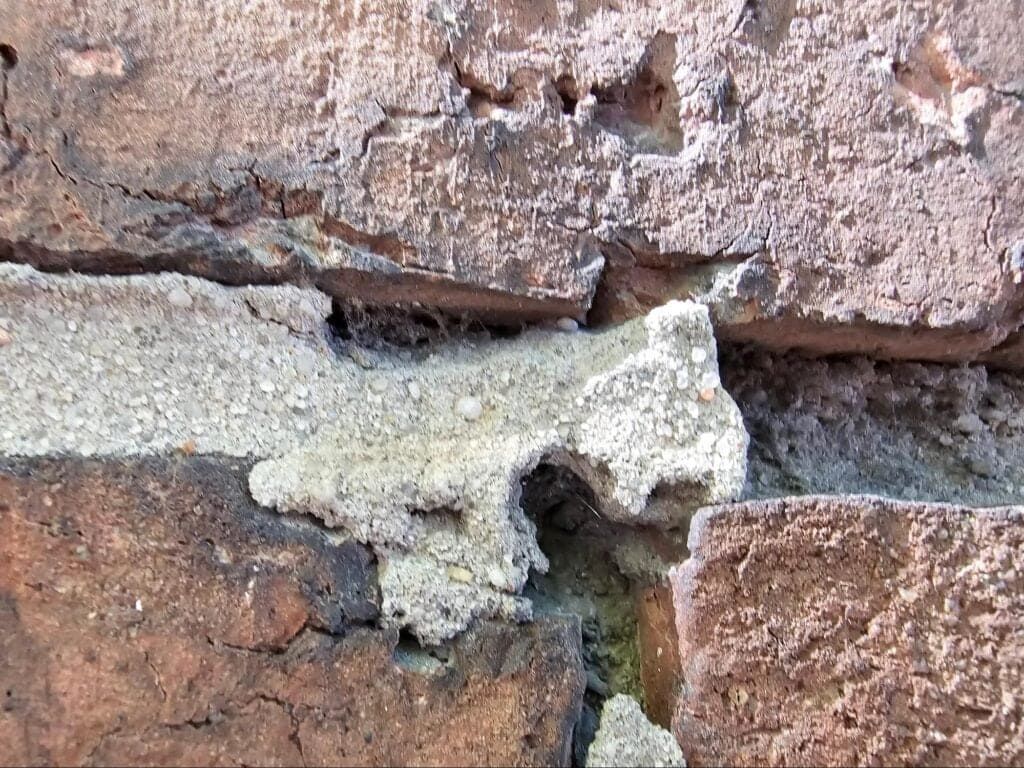
Open, cracked, or heavily weathered mortar joints give water another path into the masonry.
Tuckpointing may be appropriate where the mortar has deteriorated but the surrounding masonry remains sound. The existing mortar and masonry should be considered when selecting replacement mortar, especially on older buildings.
The extent of the deterioration matters too. A few localized areas can often be handled differently from elevations with widespread mortar loss.
Failed Caulking and Sealants
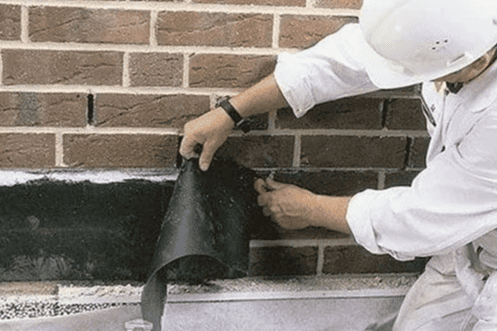
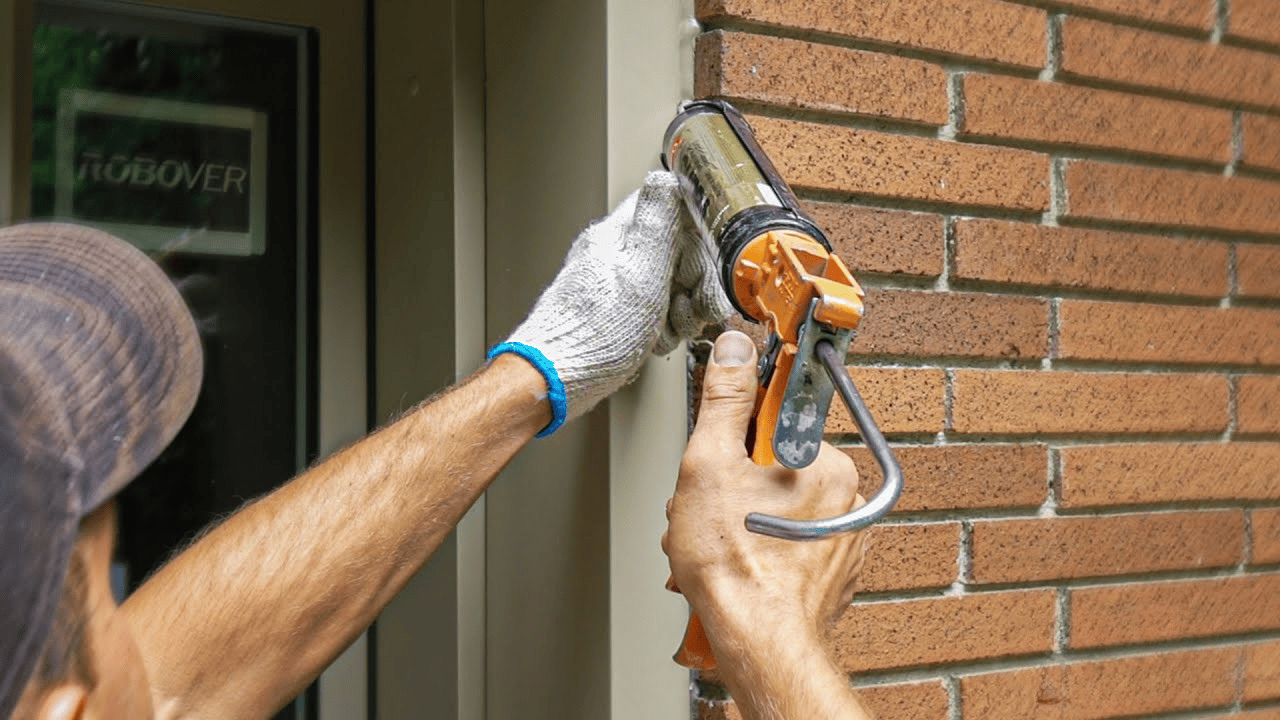
Perimeter joints around windows, doors, penetrations, expansion joints, and transitions between materials should be checked for openings, separation, or loss of adhesion.
Sealant failures are easy to overlook because the masonry itself may still appear sound. Water entering through a failed joint can show up somewhere else inside the building, which can make the source of a leak difficult to identify.
Fall is a good time to address accessible sealant failures while installation conditions are still within the requirements of the selected product.
Cracked or Displaced Masonry
Cracked brick, stone, terra cotta, or concrete deserves closer review before winter.
The crack itself only tells part of the story. Its location and pattern can provide clues about what is happening behind the surface.
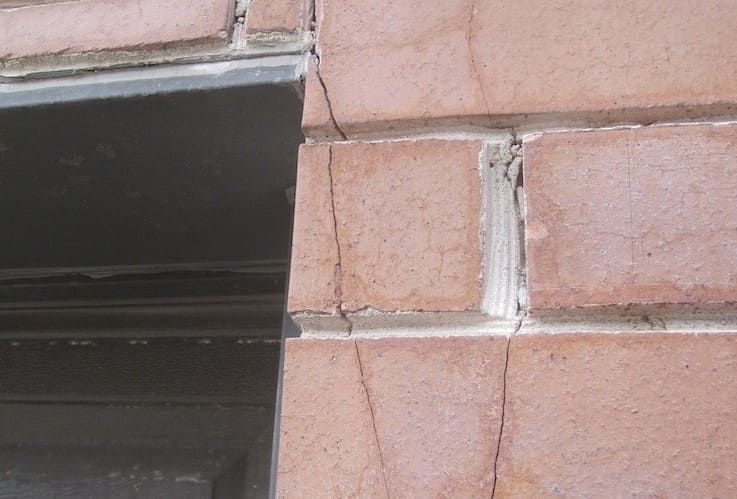
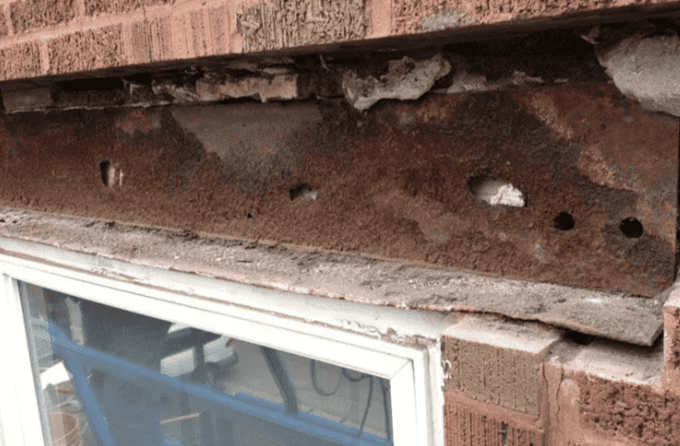
For example, cracking above a window opening may point to corrosion at a steel lintel. Horizontal displacement near a floor line may require investigation of shelf angles or other supporting components.
Repointing the crack without correcting the source of movement will not solve that type of problem.
Loose or Spalling Facade Materials
Loose brick, stone, terra cotta, or concrete can create an immediate safety concern.
These conditions should be evaluated based on their current stability. Depending on what is found, the response may include localized removal, stabilization, temporary protection, or permanent repair.
The larger restoration scope can be scheduled separately if weather or design requirements make immediate completion impractical.
Areas With Recurring Water Infiltration
If the same part of a building leaks every winter, another round of interior patching is unlikely to solve it.
Exterior investigation may need to include:
- Mortar joints
- Window and door perimeters
- Copings
- Parapets
- Flashing
- Weeps
- Roof-to-wall transitions
- Shelf angle locations
- Cracks in masonry or concrete
Water can travel within a wall assembly before it appears inside. The visible leak location is not always directly behind the exterior defect.
Lintel and Shelf Angle Problems Can Extend Beyond the Masonry
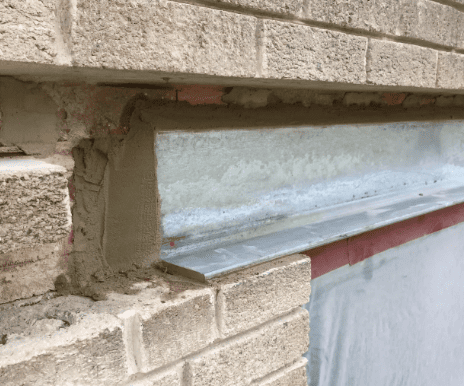
Corroded steel is a common concern on masonry facades, particularly where water has been reaching lintels, shelf angles, or related steel components over time.
According to the Illinois Institute of Technology’s Building Envelope Inspection and Rehabilitation Engineering materials, shelf angles, also referred to as steel relief angles, are attached to the building’s structural system to support masonry veneer. These details also commonly include flashing, sealant, backer rod, and anchors to help support the wall and manage moisture.
When water reaches the steel over time, corrosion can contribute to cracking, displacement, or spalling in the surrounding masonry.
In those cases, tuckpointing alone is unlikely to correct the condition.
A repair sequence may include removing masonry, exposing the steel, determining the extent of deterioration, repairing or replacing affected components, correcting flashing or drainage, and rebuilding the masonry.
The exact scope depends on what is found after the area is opened. Anchors, flashing, sealants, and the condition of the supporting structure may all need to be reviewed as part of the repair.
This is also one reason facade restoration budgets should carry some allowance for concealed conditions. The surface of the wall cannot always show the full extent of deterioration behind it.
Which Facade Repairs Should Be Prioritized Before Winter?
Priority should be based on risk and exposure.
| Facade Condition | Concern Going Into Winter | Possible Resonse |
|---|---|---|
| Loose brick, stone, terra cotta, or concrete | Falling material or continued deterioration | Stabilization, removal, or localized repair |
| Open mortar joints | Increased water entry | Tuckpointing where conditions allow |
| Failed perimeter sealants | Water entering around openings or transitions | Caulking and sealant replacement |
| Cracking above windows | Possible lintel deterioration | Investigation and lintel repair |
| Deterioration at floor lines | Possible shelf angle or flashing problems | Selective opening and investigation |
| Active facade leaks | Continued water infiltration during winter | Locate and repair the source |
| Spalling concrete | Possible reinforcing steel corrosion | Concrete facade repair and further investigation |
| Damaged coping or parapet joints | Direct exposure at the top of the wall | Joint, flashing, or masonry repairs |
The repair method should follow the cause of the damage. If the cause is unclear, investigation should come before a large repair scope is developed.
Can Facade Restoration Be Done During a Chicago Winter?
Yes. Exterior restoration does not automatically stop once cold weather arrives.
The question is whether the required installation and curing conditions can be maintained for the work being performed.
Cold-weather masonry work can require temporary enclosures, supplemental heat, coverings, protected material storage, and additional monitoring of temperatures. The requirements become more involved as temperatures fall.
Concrete repairs have their own cold-weather requirements. The American Concrete Institute defines cold weather as a period when the average daily ambient temperature is below 40°F for more than three successive days, or when temperatures fall below 40°F during the required protection period. ACI also notes that concrete placed in cold weather can still develop the required strength and durability when it is properly produced, placed, cured, and protected.
Product requirements matter too. Mortars, sealants, coatings, and concrete repair materials do not all have the same installation limits.
Before winter work begins, the project team should know:
- What temperature range applies to each material
- Whether the substrate must remain above a specified temperature
- How long completed work needs protection
- Whether an enclosure is required
- How heat will be supplied and monitored
- How snow, ice, or wet masonry will be handled
- Who is responsible for the cost of cold-weather protection
These details are easier to address during estimating and preconstruction than after a project is underway.
Emergency Facade Repairs May Need to Proceed
Unsafe facade conditions cannot always be carried through the winter.
A loose piece of terra cotta, unstable masonry, or actively spalling concrete may require temporary stabilization or repair even if the larger restoration project is scheduled for spring.
The immediate scope should address the hazard. Permanent work can then follow under conditions appropriate for the repair system.
Tuckpointing and Masonry Repair Require Temperature Control
Cold-weather tuckpointing and masonry repairs can be performed in some situations, but the contractor has to maintain the required conditions for the materials and completed work.
That can add labor and temporary protection costs.
A property team considering late-season masonry work should compare those costs against the consequences of delaying the repair. Active water entry or rapidly deteriorating masonry may justify proceeding. Lower-risk work may be better scheduled for spring.
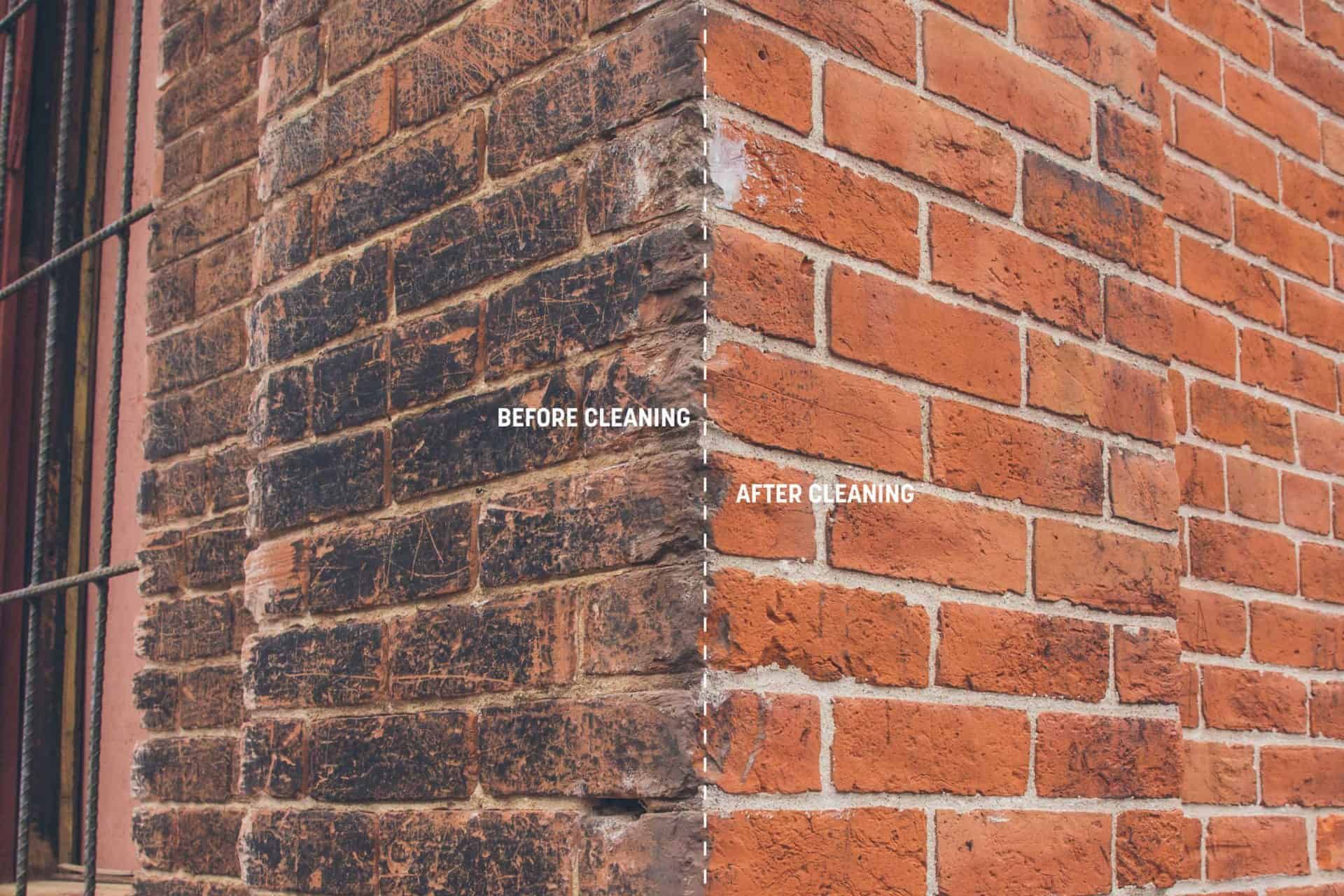
Restorative Cleaning Is Usually Easier to Schedule in Warmer Weather
Restorative cleaning often introduces water to the facade. That becomes harder to manage as temperatures approach freezing.
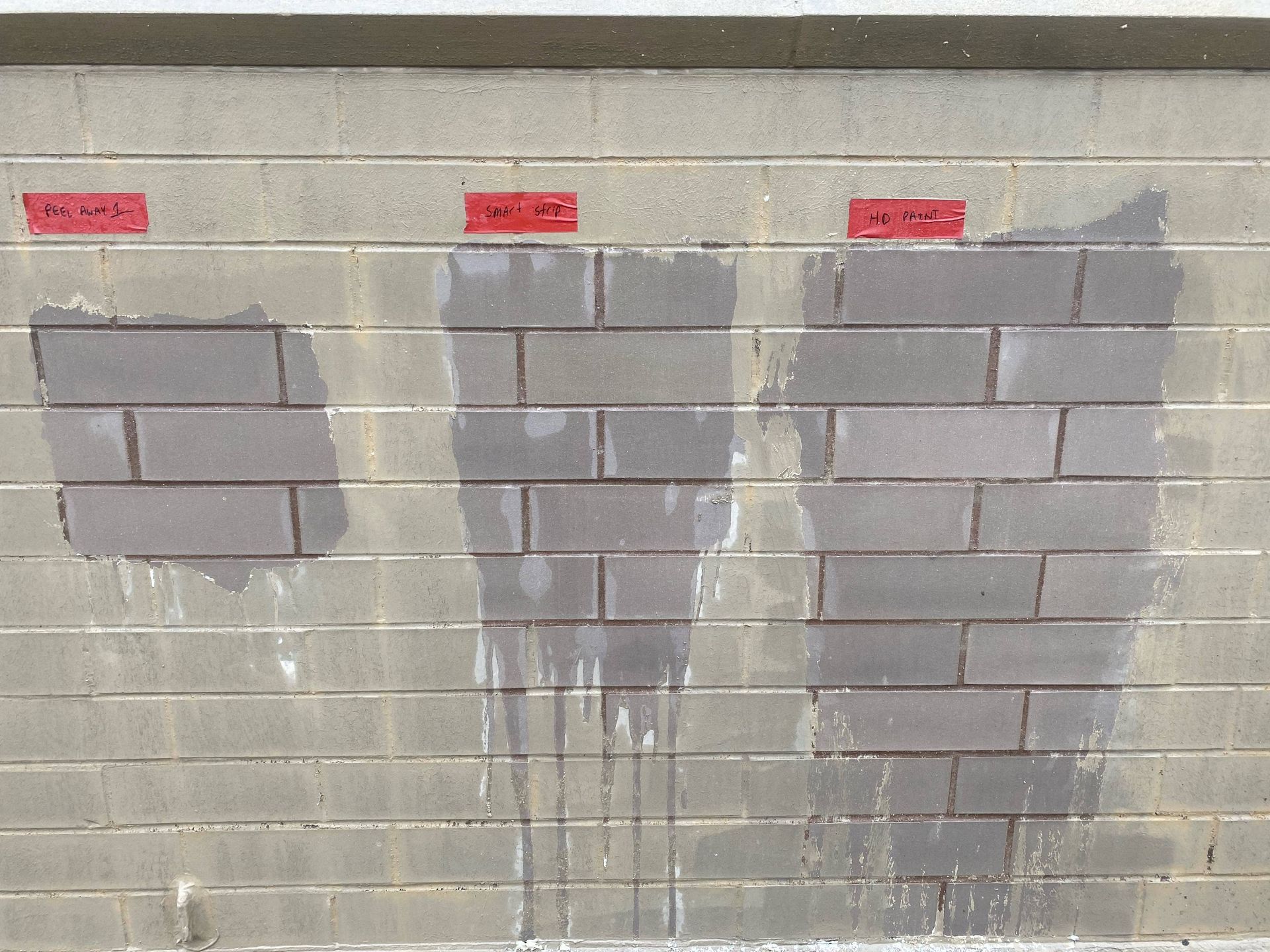
Cleaning also requires testing before full production. A test area can help determine the appropriate product, dilution, dwell time, application method, and expected appearance.
On a facade refurbishment that includes repairs and cleaning, the work can sometimes be phased so repairs are addressed first and broader cleaning is completed during more favorable weather.
What Should a Winter Facade Restoration Plan Include?
A useful plan should tell the project team what needs attention now and what can be prepared for the next construction season.
Separate Immediate Repairs From Planned Restoration
A condition survey can divide work by priority.
Immediate repairs may include loose materials, unstable facade components, or active conditions that present a safety concern.
Late-season repairs may include open joints, failed sealants, localized masonry deterioration, or water-entry points that can still be repaired properly under current conditions.
Planned restoration may include larger masonry replacement programs, extensive tuckpointing, restorative cleaning, or facade refurbishment that requires additional design and budgeting.
This makes it easier to direct money and access toward the areas with the greatest current exposure.
Address Cold-Weather Requirements Before Work Starts
If the project could extend into winter, cold-weather requirements should be discussed before bids are finalized.
The specifications and contractor's plan should address the materials included in the work and the protection each one needs.
There should also be a clear understanding of how weather delays and temporary heat will affect the schedule and price.
Leave Room in the Schedule for Chicago Weather
Exterior restoration schedules should account for lost production days.
Rain, high winds, snow, freezing temperatures, and wet substrates can interrupt work even when the air temperature looks acceptable.
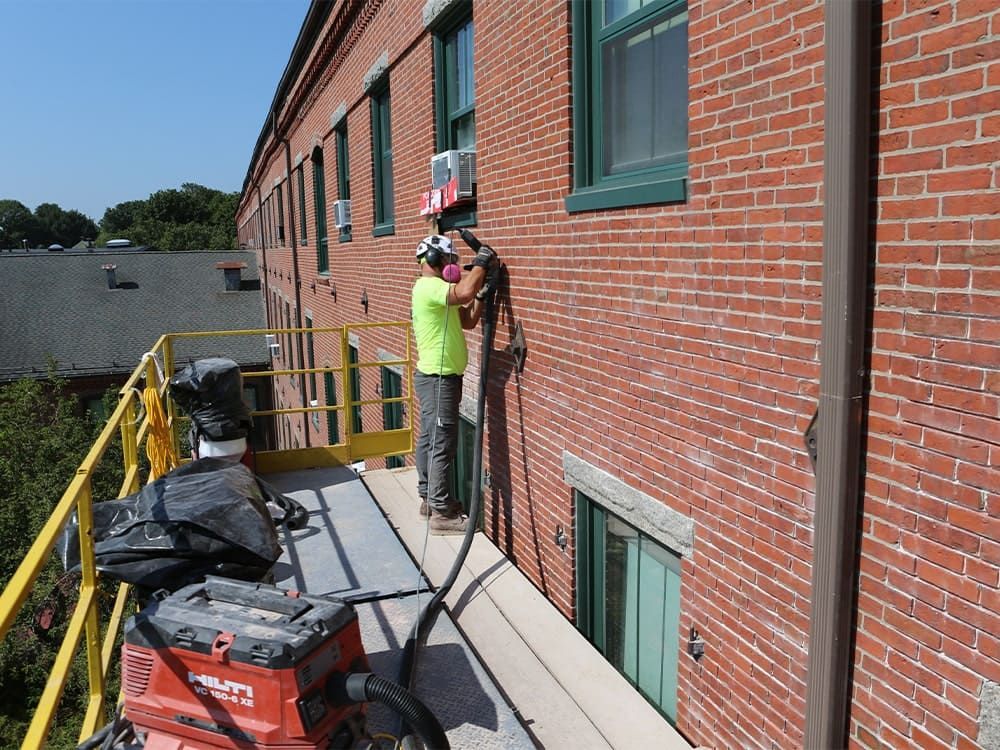
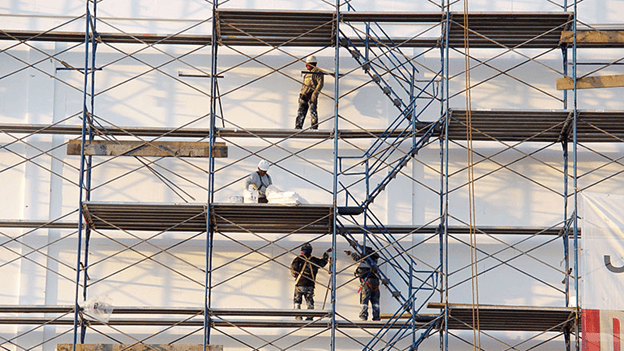
Access systems may also have weather limitations. Swing stages, lifts, scaffolding, sidewalk protection, and material handling all need to be considered when developing the schedule.
A realistic schedule is better than building a completion date around uninterrupted production and then trying to recover lost time in December.
Complete Mock-Ups Before Full Production
Mock-ups allow the owner, architect, engineer, and contractor to see the proposed repair before it is repeated across the building.
Depending on the project, a mock-up may be used to review:
- Mortar color and joint profile
- Replacement brick or stone
- Patch repairs
- Sealant appearance
- Cleaning results
- Rebuilt masonry details
Historic buildings can require more time for these approvals because matching the existing materials and appearance may involve samples, testing, or several attempts.
Getting that work completed during planning keeps those decisions from delaying field production later.
Order Specialty Materials Early
Existing buildings do not always use materials that can be purchased off the shelf.
Replacement brick may be discontinued. Stone may need to be sourced or fabricated. Terra cotta can require custom production. Mortar matching, specialty flashing components, and other restoration materials can also add lead time.
Winter can be used for procurement while field conditions are less favorable.
That is often a better use of the season than waiting until spring to begin material selection.
Historic Chicago Facades Need Compatible Repair Materials
Chicago has many older commercial and multifamily buildings constructed with brick, limestone, terra cotta, and other traditional masonry materials.
Repair materials need to work with the existing wall.
Mortar is a common example. A replacement mortar that is too hard or too dense for the surrounding masonry can change how the wall handles moisture and stress. Matching the color is only part of the selection process.
Historic masonry work may require:
- Mortar analysis and matching
- Brick or stone matching
- Terra cotta repair or replacement
- Matching existing joint profiles
- Composite patch repairs
- Restorative cleaning test areas
- Flashing repairs
- Investigation of concealed steel
- Repair mock-ups
Winter gives the design and construction team time to work through many of these decisions before large-scale repairs begin.
Chicago Facade Inspection Findings Should Affect the Repair Plan
Owners of qualifying Chicago high-rise buildings also have exterior wall inspection and reporting requirements to consider.
Under the City of Chicago’s Exterior Wall Program, building owners are required to obtain condition assessments of the exterior envelope at specified intervals. These examinations can identify conditions such as loose masonry, cracking, failed sealants, corrosion, displaced materials, and other deficiencies that may require repair.
If an inspection identifies repair needs late in the year, those findings should be considered when planning winter facade work.
A condition that presents an immediate safety concern may require stabilization or repair before winter, even if the larger restoration project is scheduled for the following season. Other repairs may be monitored while drawings, access, pricing, and materials are prepared.
The building’s inspection findings and restoration schedule should work together so the most pressing facade conditions are addressed first.
A RestoreWorks Facade Restoration Example at UIC
A RestoreWorks project at the University of Illinois Chicago shows how quickly a masonry repair can extend into other parts of the wall assembly.
The project included removal of face brick masonry so the structural steel behind it could be assessed. The scope also included steel and lintel repairs where required, structural concrete repair, rust-inhibitive coatings, new flashing with weeps and end dams, replacement face brick, tuckpointing, brick replacement, and masonry cleaning.
The building remained occupied during construction, so the work also had to be sequenced to maintain a watertight exterior.
Projects like this are why early investigation matters. Once masonry is removed, the contractor may find steel, concrete, or flashing conditions that could not be fully evaluated from the exterior.
Those conditions can affect material quantities, sequencing, and the amount of time an elevation needs to remain open.
When Does Facade Refurbishment Make More Sense Than Spot Repair?
Localized repair is often appropriate when deterioration is limited to a defined area and its cause is understood.
A broader facade refurbishment may be worth evaluating when several systems on the same elevations are deteriorating at the same time.
Examples include buildings with widespread mortar deterioration, recurring leaks, extensive sealant failure, multiple corroded lintels, aging flashing, masonry replacement needs, or concrete deterioration.
Access costs should also be part of the decision.
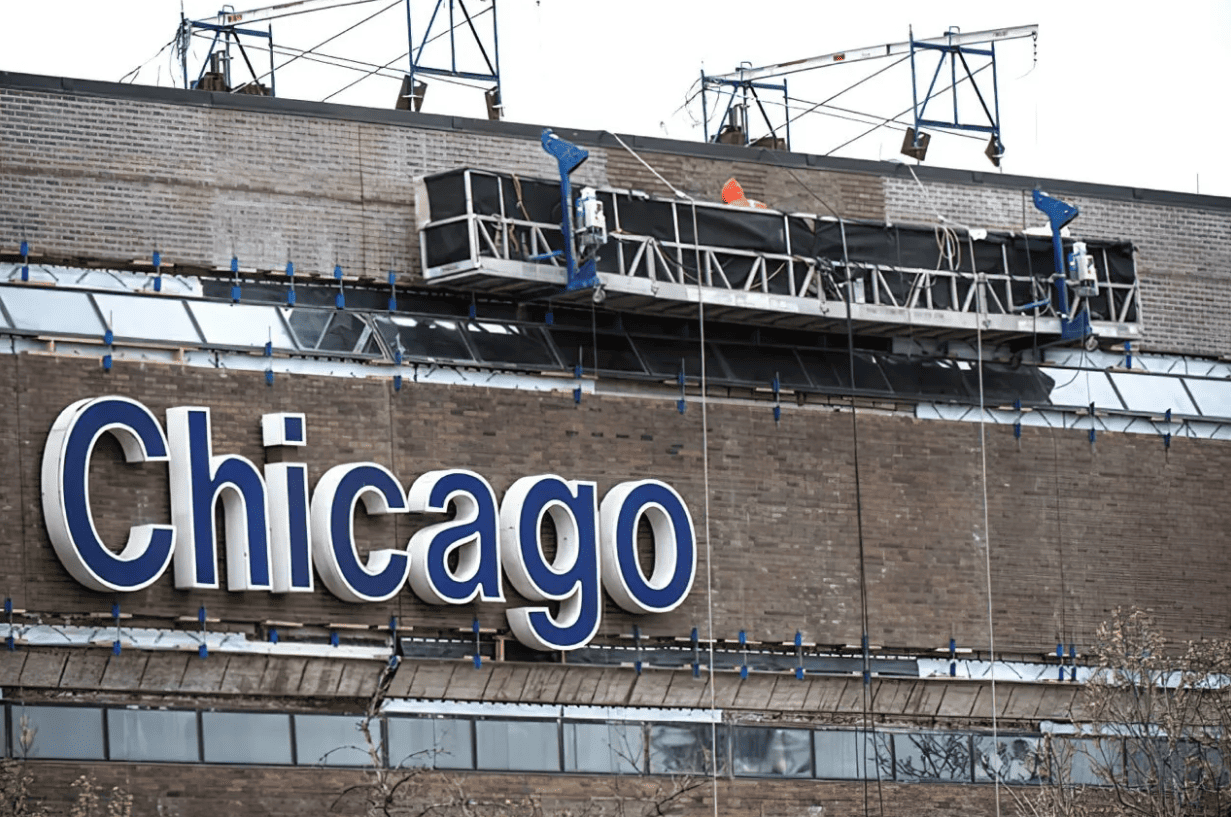
If scaffolding or swing stages are already being installed for masonry restoration, reviewing nearby sealants, lintels, flashing, and concrete conditions can reduce the chance of paying for similar access again a year or two later.
That does not mean every visible deficiency belongs in one project. It does mean adjacent conditions are worth reviewing while access is available.
When Should Commercial Facade Restoration Be Planned for Winter?
The schedule depends on the building, but the planning process can follow the construction season.
Late Summer and Early Fall
Inspect the facade and document current conditions.
Review active leaks, visible deterioration, previous repairs, and areas that may require probes or closer access.
If an architect, engineer, or building-envelope consultant is involved, this is the time to determine what additional investigation is needed.
Fall
Finalize the repairs that should be completed before winter.
Develop details, obtain pricing, approve mock-ups, and identify materials that could affect the schedule. If the work may continue into colder temperatures, include cold-weather protection in the planning.
Late Fall and Winter
Complete work that can be performed under the required conditions and address any unstable areas that cannot remain in place.
Use the rest of the season for design, budgeting, permits, procurement, access planning, and spring scheduling.
Before Spring Mobilization
Confirm material deliveries, access dates, tenant or occupant coordination, approved mock-ups, and the remaining scope.
Contractors book exterior work well before spring weather arrives. Waiting for the first warm week to start planning can limit scheduling options.
Plan Winter Facade Work Based on the Condition of the Building
A Chicago facade does not need every deficiency repaired before winter.
It does need a plan for conditions that are unsafe, actively taking on water, or likely to become more difficult to address after temperatures fall.
For one building, that may mean completing tuckpointing and sealant repairs in October. Another may need temporary stabilization followed by a larger commercial facade restoration in spring. A third may be better served by using winter for investigation, mock-ups, material procurement, and bidding.
The building condition should drive that decision.
Frequently Asked Questions About Commercial Facade Restoration Before Winter
Can commercial facade restoration be done in winter in Chicago?
Yes. Some commercial facade restoration can continue during winter when the contractor can maintain the temperature, moisture, and curing conditions required for the materials. Cold-weather work may require heat, temporary enclosures, coverings, and additional protection. The feasibility depends on the repair type, project specifications, weather, and manufacturer requirements.
What facade repairs should be completed before winter?
Start with loose or unstable facade materials, active water-entry points, open mortar joints, failed sealants, damaged flashing, and deterioration that could worsen with continued moisture exposure. The priority should depend on safety, the source of the deterioration, and whether the repair can still be performed correctly under late-season conditions.
How does freeze-thaw weather damage masonry facades?
Water can enter masonry through cracks, deteriorated mortar joints, failed sealants, damaged units, or flashing problems. When moisture within susceptible materials freezes and thaws repeatedly, existing deterioration can become worse. Reducing water entry before winter can limit additional exposure, although the source of the moisture still needs to be properly diagnosed.
When should I start planning commercial facade restoration in Chicago?
Planning should begin before the construction season you want to use. Fall is a practical time to evaluate winter repair needs, while winter can be used for design, pricing, mock-ups, permitting, material procurement, and scheduling. Projects prepared during the winter are in a better position to mobilize once spring conditions allow.
What is the difference between facade restoration and facade refurbishment?
Facade restoration usually refers to repairing deteriorated exterior materials or assemblies and correcting conditions that affect the building's performance. Facade refurbishment is a broader term that may include masonry repairs, cleaning, sealant replacement, flashing work, concrete repairs, material replacement, and other improvements across a larger portion of the exterior.
Planning a Commercial Facade Restoration Project in Chicago?
If your building has deteriorated masonry, water infiltration, failed sealants, cracking, or other exterior issues, RestoreWorks can help evaluate the conditions and determine an appropriate repair approach.
Our team works on commercial, multifamily, institutional, and historic masonry buildings throughout Chicago and the surrounding area.
Contact RestoreWorks to discuss your upcoming facade restoration project or schedule a site review.