Waterproofing Masonry Before Winter: What Works Best
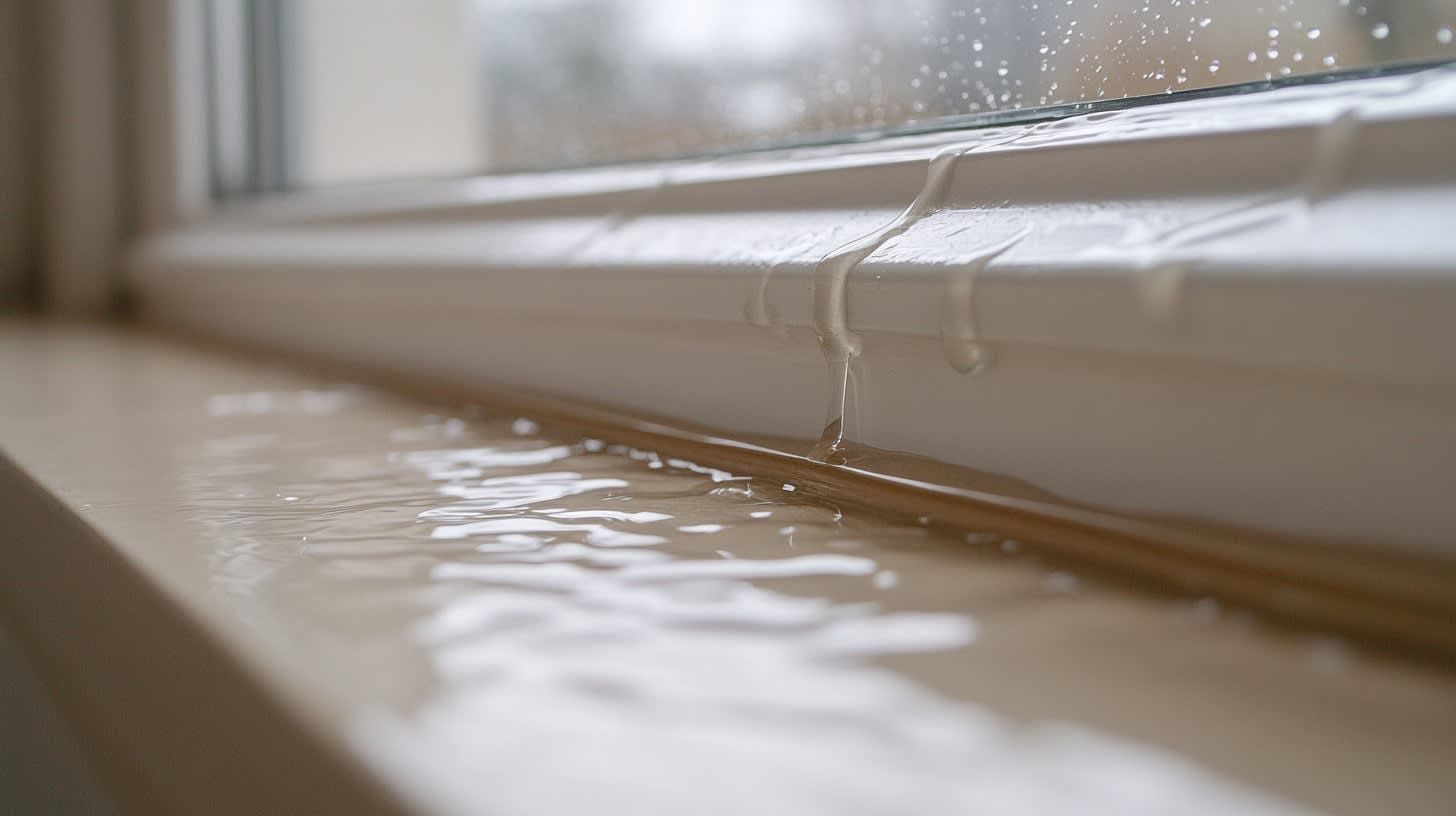
Water that gets into masonry during the fall can become a much bigger problem once temperatures start dropping. In Chicago, repeated freezing and thawing can worsen cracked mortar, spalled brick, deteriorated stone, and other existing problems.
For building owners and property managers, that makes fall a good time to look for areas where water is getting into the building envelope. The repair may involve tuckpointing, sealant replacement, flashing work, or a water-repellent treatment. Which one makes sense depends on the source of the moisture.
Applying a sealer without finding that source first can leave the actual problem untouched.
What Does Masonry Waterproofing Actually Involve?
“Waterproofing” gets used as a catch-all term for several different types of masonry work.
Most above-grade masonry walls are designed to manage water rather than keep every drop from passing through the exterior surface. Brick, mortar, stone, and concrete all absorb some moisture. In cavity-wall construction, the wall needs a way to drain that moisture and dry after it gets wet.
The International Masonry Institute discusses this in its article on ventilated masonry cavity walls. IMI notes that modern cavity walls depend on drainage and drying to manage moisture. Flashing directs water that reaches the cavity toward the exterior, while weeps give that water a place to exit.
That is why stopping water intrusion often starts with the wall assembly itself. Cracked mortar joints, failed window sealant, open coping joints, blocked weeps, or damaged flashing can interfere with the way the wall manages moisture.
Those conditions should be investigated and repaired before deciding whether the masonry surface also needs a water-repellent treatment.
Start by Finding Where the Water is Getting in
A façade inspection before winter should focus on the places where water is most likely to enter or collect.
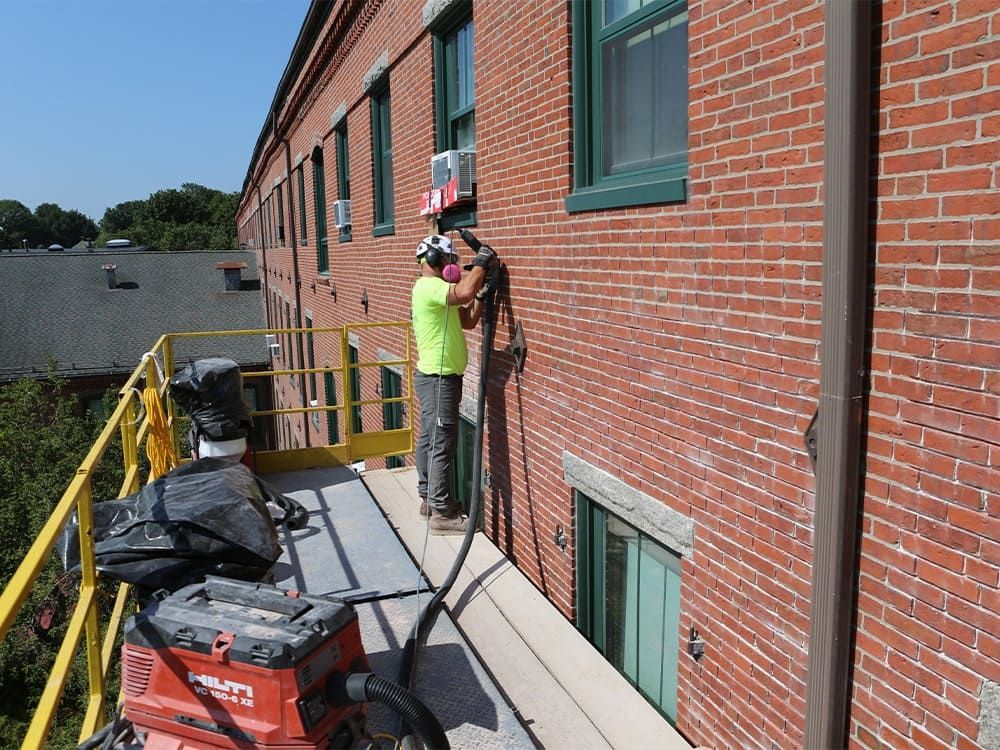
Simpson Gumpertz & Heger (SGH) notes that façade condition assessments can help building owners and managers identify water leakage, failing materials, and other signs of deterioration before they develop into larger repair needs. Looking at both exterior conditions and signs of moisture inside the building can help narrow down where the problem is coming from.
Conditions to look for include:
- Cracked, missing, or recessed mortar joints
- Failed sealant around windows and doors
- Open control or expansion joints
- Cracks through brick, stone, or concrete
- Rust staining near lintels
- Missing, damaged, or poorly terminated flashing
- Blocked or missing weeps
- Deteriorated coping joints
- Problems at parapets
- Areas where water sits on horizontal surfaces
- Roof-to-wall transitions associated with recurring leaks
Some of these conditions are easy to see from the exterior. Others become more apparent when there is a pattern of interior staining, efflorescence, rust, condensation, or repeated leaks in the same area.
Timing matters in Chicago because moisture that stays within cracked or deteriorated masonry can freeze when temperatures fall. If the material is already weakened, another winter can make the damage worse.
Finding the source early also gives the building owner more time to determine whether the repair is routine maintenance or part of a larger masonry restoration project.
Repair Deteriorated Mortar Before Applying a Water Repellent
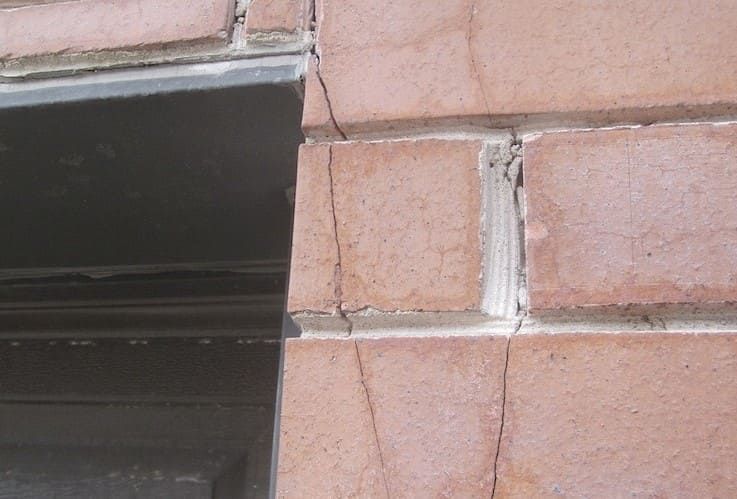
Open mortar joints give water a direct path into the wall.
If joints are cracked, missing, or badly recessed, tuckpointing may be the first repair to address. The deteriorated mortar is removed and replaced with compatible new mortar, restoring the joint and reducing water entry through those areas.
On commercial and multi-family buildings, we commonly pay close attention to:
- Parapets
- Areas directly below coping
- Window and door openings
- Exposed upper elevations
- Cracked sections of brick veneer
- Areas associated with interior moisture
The extent of the deterioration matters too. A few isolated joints may call for localized repairs. Widespread mortar failure can point to a larger masonry restoration scope.
That should be determined before an entire elevation is treated with a water repellent.
Failed Caulking Can Be the Source of the Leak
A masonry wall can be in relatively good condition while water gets through a failed sealant joint next to it.
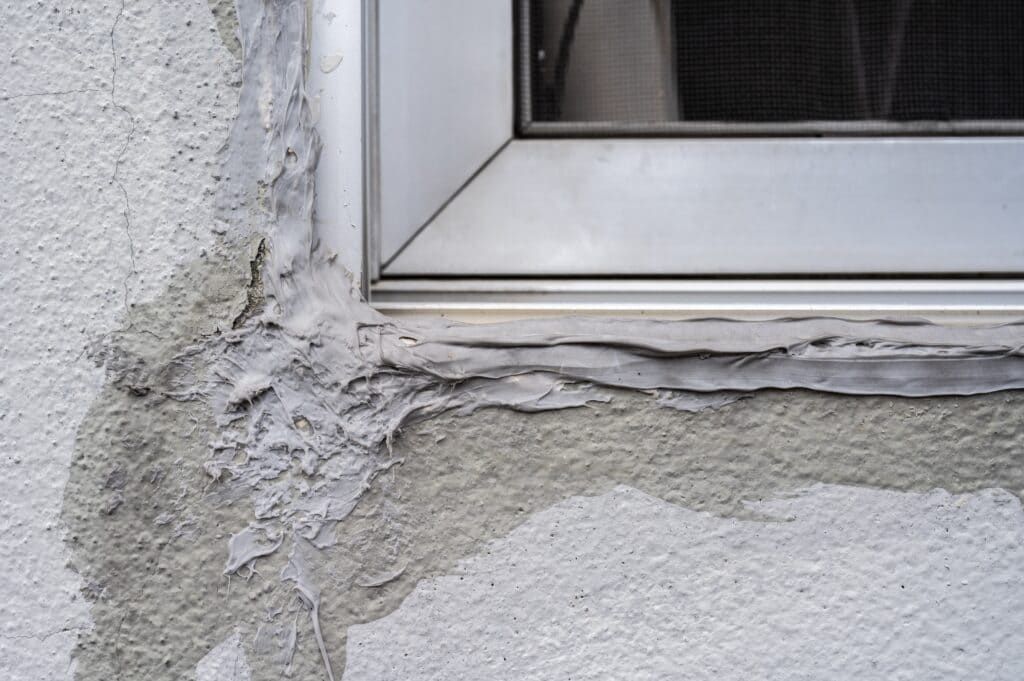
Commercial façades typically have sealant around window and door openings, control and expansion joints, and transitions between masonry and other materials. As the sealant ages, it can crack, harden, shrink, or separate from the substrate.
Once the bond fails, water has an opening.
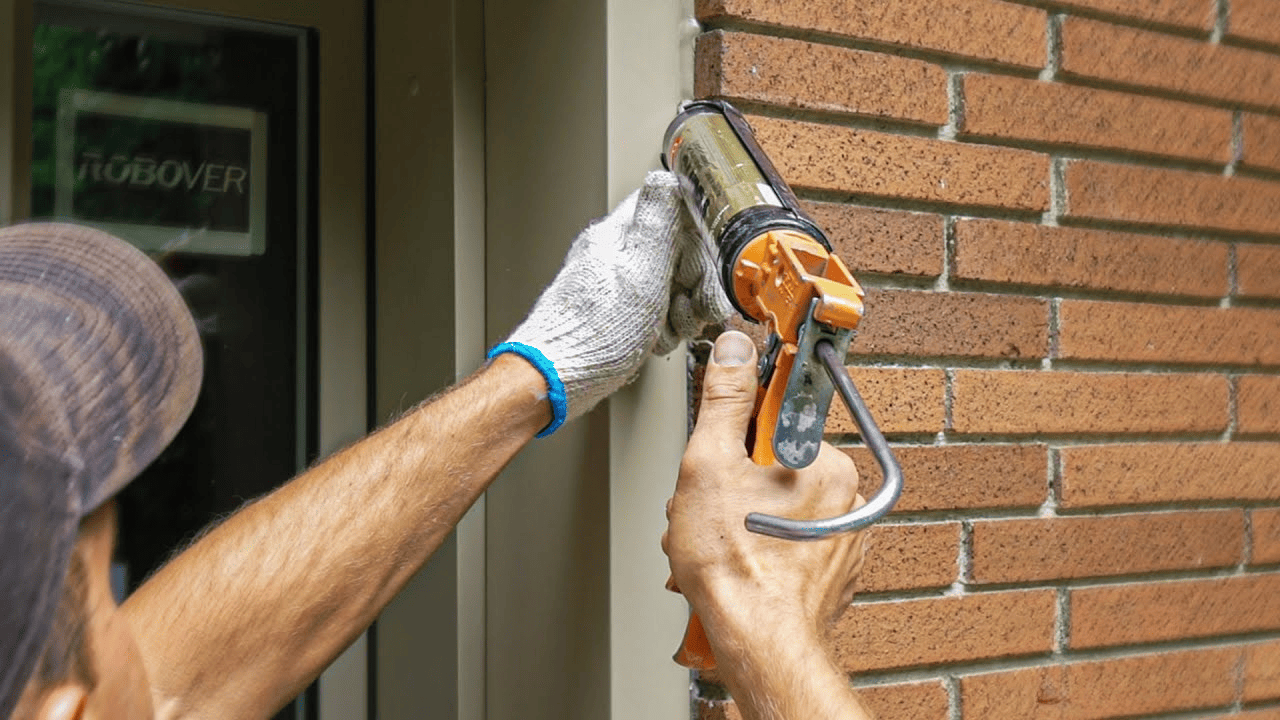
Caulking and sealant repairs usually involve removing the failed material, preparing the joint, and installing the replacement sealant with the proper joint dimensions. Covering deteriorated sealant with another layer usually does not correct the condition underneath.
For a building with otherwise sound masonry, repairing these joints may solve a water problem without treating the full wall.
Flashing Problems Require a Different Type of Repair
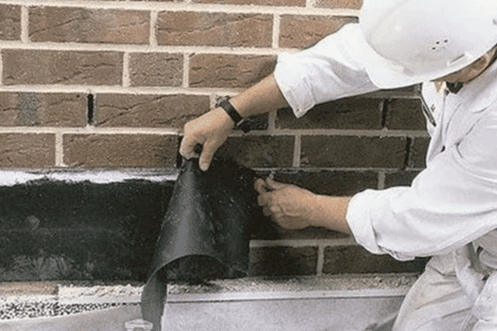
Brick veneer relies on drainage behind the face of the wall. Some rainwater can get through the exterior masonry, so the wall assembly needs a way to direct that moisture back outside.
Building Science Corporation describes this using the concept of a drainage plane. The drainage plane sits behind the exterior cladding and works with flashing to direct water downward and outward. In a masonry cavity wall, weeps then provide a path for that water to leave the wall.
When flashing is damaged, missing, or incorrectly installed, that drainage path can break down.
Possible signs include:
- Recurring leaks above windows
- Rust staining
- Corroded lintels or shelf angles
- Efflorescence
- Horizontal cracking
- Displaced brick
- Moisture that returns after previous surface repairs
A water repellent applied to the face of the brick will not repair flashing or another failed drainage component behind it.
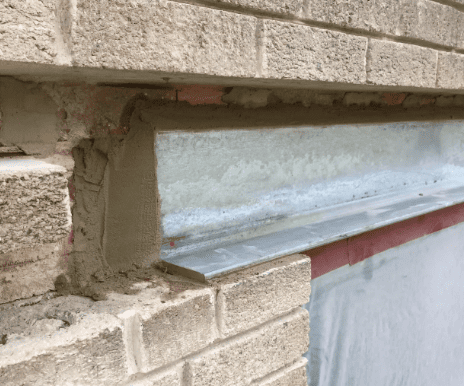
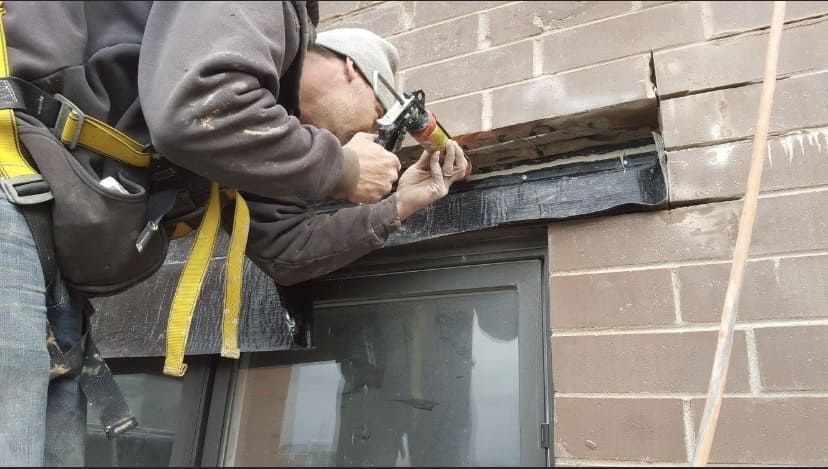
Depending on the wall construction, correcting the problem can require removing masonry to reach the lintel or shelf angle, repairing deteriorated steel, installing new flashing, and rebuilding the affected area.
At that point, the scope is usually closer to a building envelope repair than a standalone waterproofing treatment.
When Does a Penetrating Water Repellent Make Sense?
Water repellents have a place in masonry restoration when the wall conditions and material are appropriate for them.
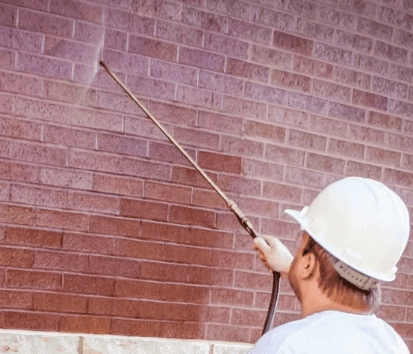
Penetrating products such as silane or siloxane treatments are designed to reduce liquid water absorption while allowing the masonry to release water vapor. They penetrate the surface instead of forming a visible film over it.
Before using one, the project team should look at the actual wall construction and the condition of the masonry.
Questions worth answering include:
- What type of brick, stone, or concrete is being treated?
- Is the wall currently wet?
- Are there cracks or failed joints that still need repairs?
- Has the masonry been coated or treated before?
- Where else can moisture enter the wall?
- Will the treatment change the appearance?
- What surface preparation does the manufacturer require?
- Do repaired mortar or sealant joints need more curing time?
A test area or mock-up can help answer some of those questions before the treatment is used across a larger elevation. This can be especially useful on older buildings where appearance and compatibility need to be checked first.
Pay Attention to Parapets and Coping
Leaks are often blamed on the vertical masonry even when the water is entering from above.
Parapets take a lot of weather exposure. Coping joints, flashing, sealants, and other details at the top of the wall can deteriorate and allow water into the assembly.
During a fall inspection, check for:
- Open coping joints
- Failed sealant between coping units
- Cracked or displaced coping
- Poorly sloped horizontal surfaces
- Missing or damaged flashing
- Roof-to-wall transition problems
- Blocked drains or scuppers
If water is entering through the top of a wall, treating the brick several feet below it will not address the source.
That is why the inspection should include surrounding building-envelope conditions instead of focusing only on the area where moisture becomes visible inside.
What Should Be Avoided When Waterproofing Masonry?
One of the most common mistakes is treating a symptom before the wall has been repaired.
Applying a Coating Over Unresolved Damage
A coating will not repair failed mortar, structural cracks, corroding lintels, open joints, or damaged flashing.
If those conditions exist, they should be addressed first.
Treating Masonry That Still Has an Active Moisture Problem
The wall should be dry enough for the selected product and meet its application requirements. If moisture is still entering from another location, applying a treatment to the exterior surface can complicate the problem.
Using the Wrong Coating for the Wall
Some surface coatings can reduce the wall's ability to dry. That can be a concern when moisture has another way into the assembly.
Product selection should account for the masonry, exposure, existing treatments, and wall construction. In Chicago's freeze-thaw climate, moisture trapped in deteriorated masonry can contribute to additional damage.
How Should Masonry Repairs Be Sequenced Before Winter?
The exact scope will vary by building, but the order of work usually starts with the cause of the water problem.
A typical sequence may look like this:
- Inspect the façade and identify likely moisture-entry points.
- Address movement, structural damage, or deteriorated masonry that affects the repair.
- Replace damaged brick, stone, or concrete where needed.
- Tuckpoint failed mortar joints.
- Replace deteriorated caulking and sealants.
- Repair flashing, weeps, coping, or drainage conditions.
- Allow new materials to cure based on the manufacturer's requirements.
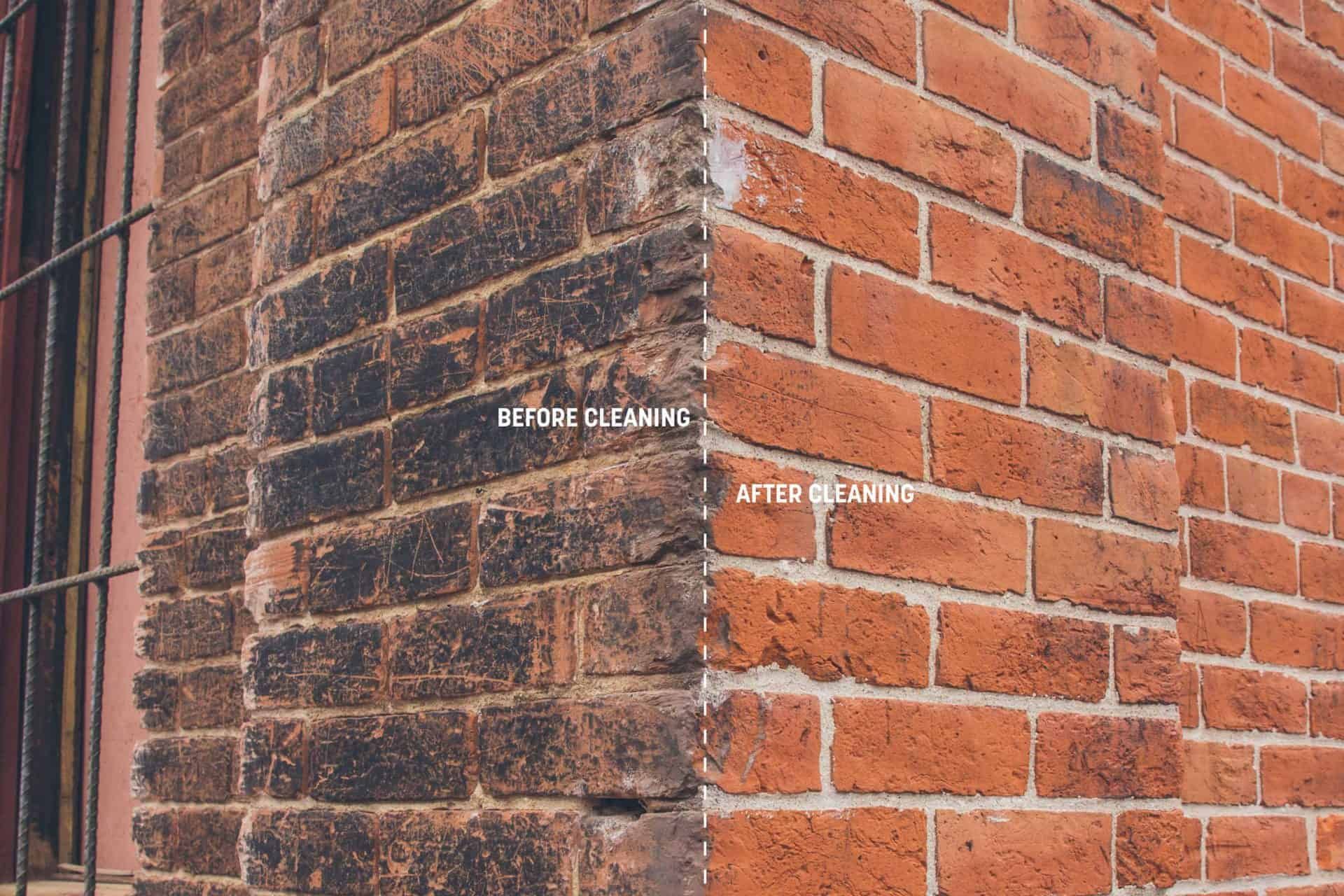
- Clean or prepare the masonry if required.
- Complete a mock-up or test area when appropriate.
- Apply a compatible water repellent if the wall conditions call for one.
The weather can change how much of that work is practical late in the year. Mortar, sealant, coatings, cleaners, and water repellents have temperature and curing requirements.
Waiting until cold weather has already arrived can narrow the repair options.
What Can Chicago Building Envelope Projects Tell Us About Water Intrusion?
RestoreWorks has worked on projects where the source of a leak was more complicated than the surface of the masonry itself.
Calvary Academy
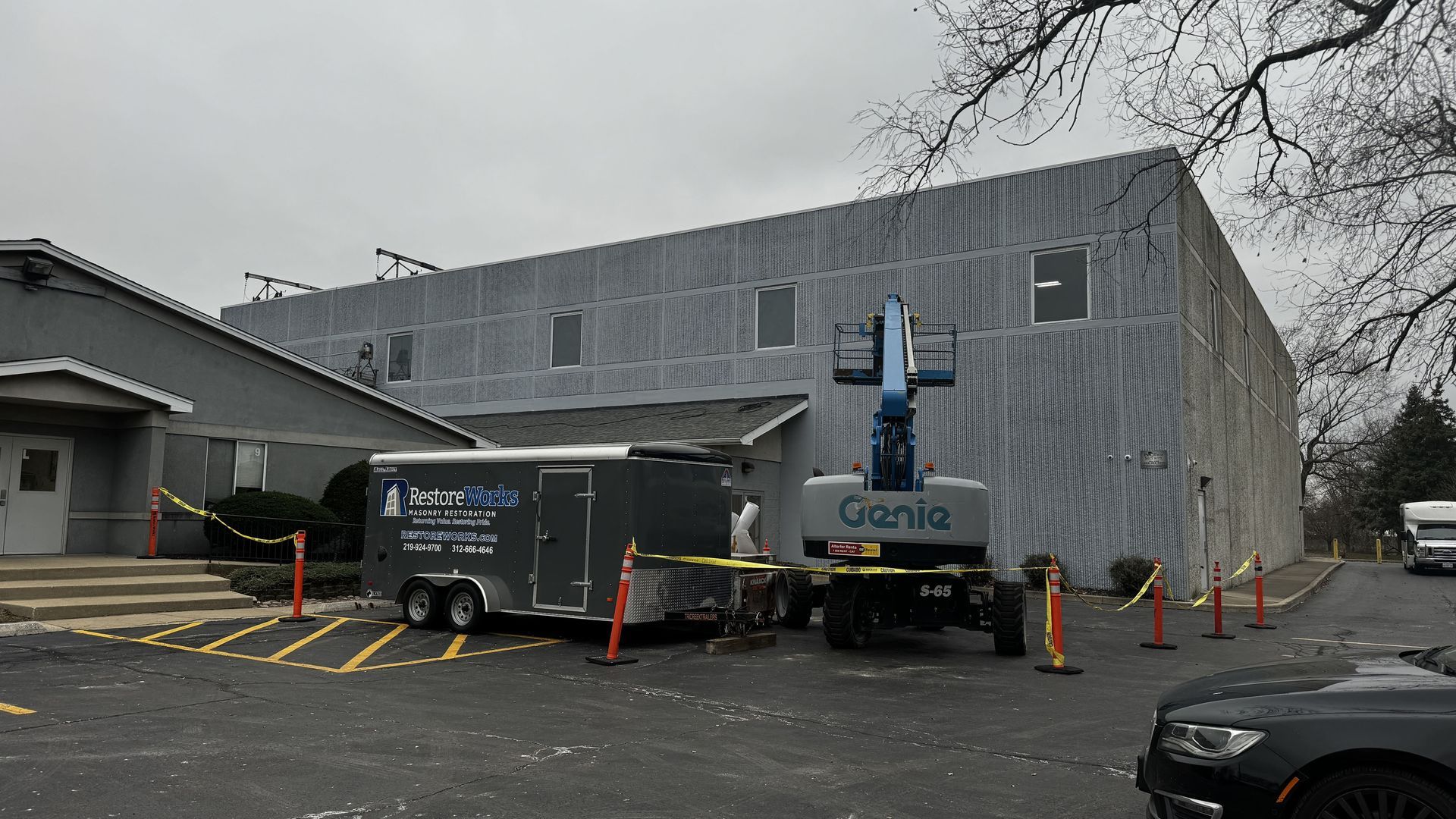
At Calvary Academy in South Holland, Illinois, RestoreWorks investigated active interior leaks associated with several exterior conditions. These included hairline cracks, failed control joints, deteriorated sealants, improperly overlapping metal copings, and previous masonry repairs.
The work included crack repairs, replacement of control joint and perimeter sealants, repointing, localized masonry work, weeps, and other repairs.
The interior leaking stopped after the crack and joint sealant repairs were completed, before the elastomeric coatings and coping-joint strips were installed.
That project is a good example of why leak investigation comes first. The repairs that stopped the water were tied directly to the openings where it was getting into the building.
University of Illinois Chicago
RestoreWorks also completed restoration work on the Education, Theatre, Music and Social Work Building at the University of Illinois Chicago.
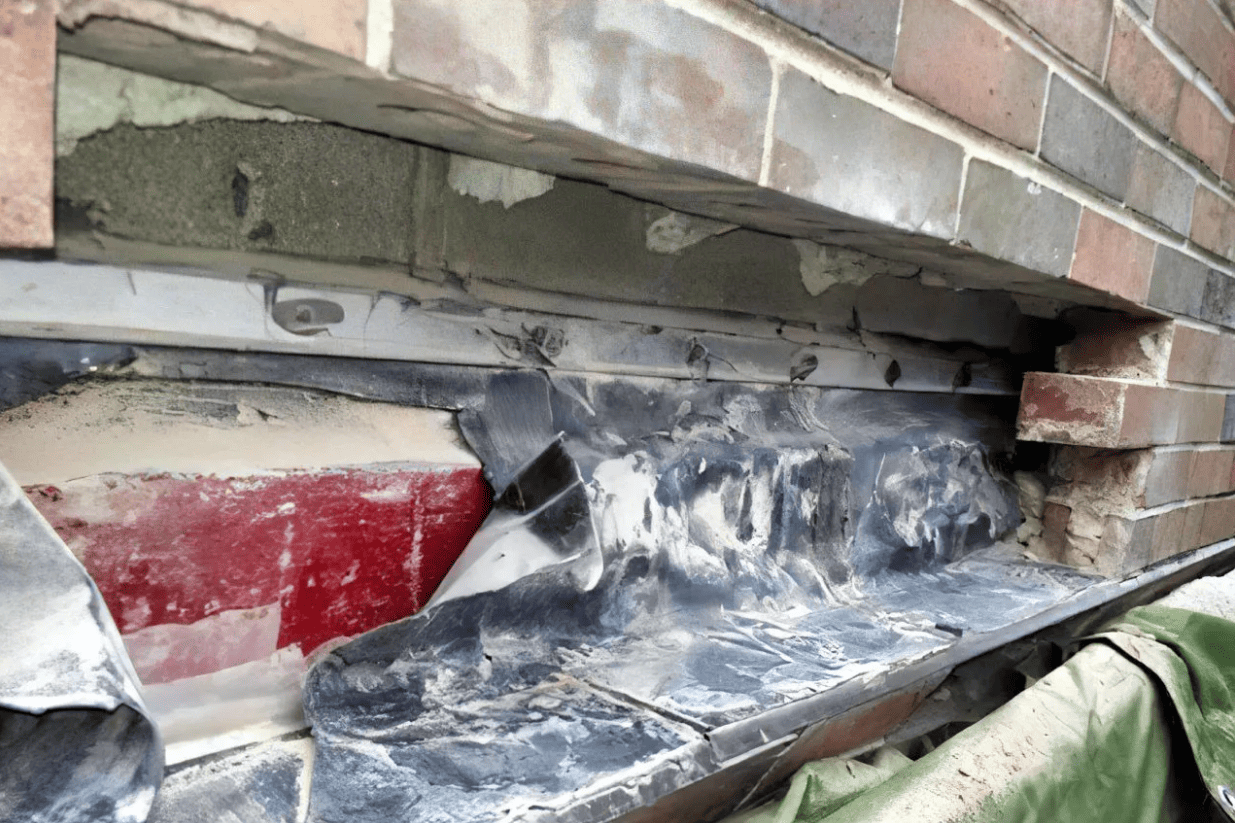
The project included brick removal and replacement, steel lintel work, structural concrete repair, tuckpointing, and a new self-adhered flashing system with drip edges, weeps, and end dams.
Those components all had a role in the wall assembly. The masonry provided the exterior surface, while the flashing and weeps managed water that reached the space behind it.
The building remained occupied during the project, so RestoreWorks also had to maintain watertight conditions as sections of the exterior wall were opened and rebuilt.
When is the Problem Bigger Than Waterproofing?
A water repellent may make sense when the masonry is sound and surface absorption is part of the concern.
Other conditions call for a closer look at the wall assembly.
Examples include:
- Active interior leaks
- Recurring efflorescence
- Spalled brick or stone
- Rust staining
- Corroded lintels
- Bulging or displaced masonry
- Failed sealant in multiple areas
- Widespread mortar deterioration
- Cracking around openings
- Problems at parapets or coping
Several of these issues showing up on the same elevation usually warrant an investigation before a waterproofing product is selected.
The repair might still include a water repellent later. The first job is figuring out where the moisture is coming from.
Frequently Asked Questions About Masonry Waterproofing
What is the Best Way to Waterproof Brick Before Winter?
Start by repairing the places where water is entering. Depending on the building, that can include tuckpointing, replacing failed sealant, repairing flashing, or correcting coping and drainage problems. Once the wall is repaired and dry, a compatible penetrating water repellent may be appropriate for some masonry.
Should You Seal Brick Before Winter?
Only when the wall condition and masonry type support it. Brick with failed mortar, open joints, damaged flashing, or active moisture should be repaired first. If a water repellent is used, it should be compatible with the masonry and installed within the product manufacturer's temperature, moisture, and curing requirements.
Does Waterproofing Stop Water From Leaking Through Masonry?
It depends on where the water is entering. A penetrating water repellent can reduce absorption through the masonry surface. It will not close an open mortar joint, replace failed caulking, repair flashing, or correct a crack. Recurring leaks should be traced to their source before a surface treatment is selected.
Is Fall a Good Time for Masonry Waterproofing in Chicago?
Fall can be a good time to inspect and repair water-entry points before winter, but temperature matters. Mortars, sealants, cleaners, and water repellents all have application and curing requirements. Starting earlier in the fall gives the contractor more flexibility than waiting until temperatures are consistently near freezing.
Address Water Problems Before Freezing Weather Arrives
There is no single masonry waterproofing method that fits every commercial building.
A wall with deteriorated mortar needs a different repair than one with failed window sealant. Damaged shelf-angle flashing requires access behind the brick. Sound masonry with excessive surface absorption may be a candidate for a penetrating water repellent.
For property managers and building owners, the best place to start is with the source of the moisture. Once that is known, the repair scope becomes much clearer and there is less chance of spending money on a treatment that leaves the original leak in place.
Need Help with a Masonry Water Intrusion Problem?
If you are seeing leaks, deteriorated mortar, failed sealants, flashing issues, or other signs of moisture getting into the building envelope, RestoreWorks can help identify the affected areas and determine the right repair approach.
Contact RestoreWorks to discuss your building and schedule an evaluation.