Sealant Repair 101: Avoiding Water Damage Before Winter
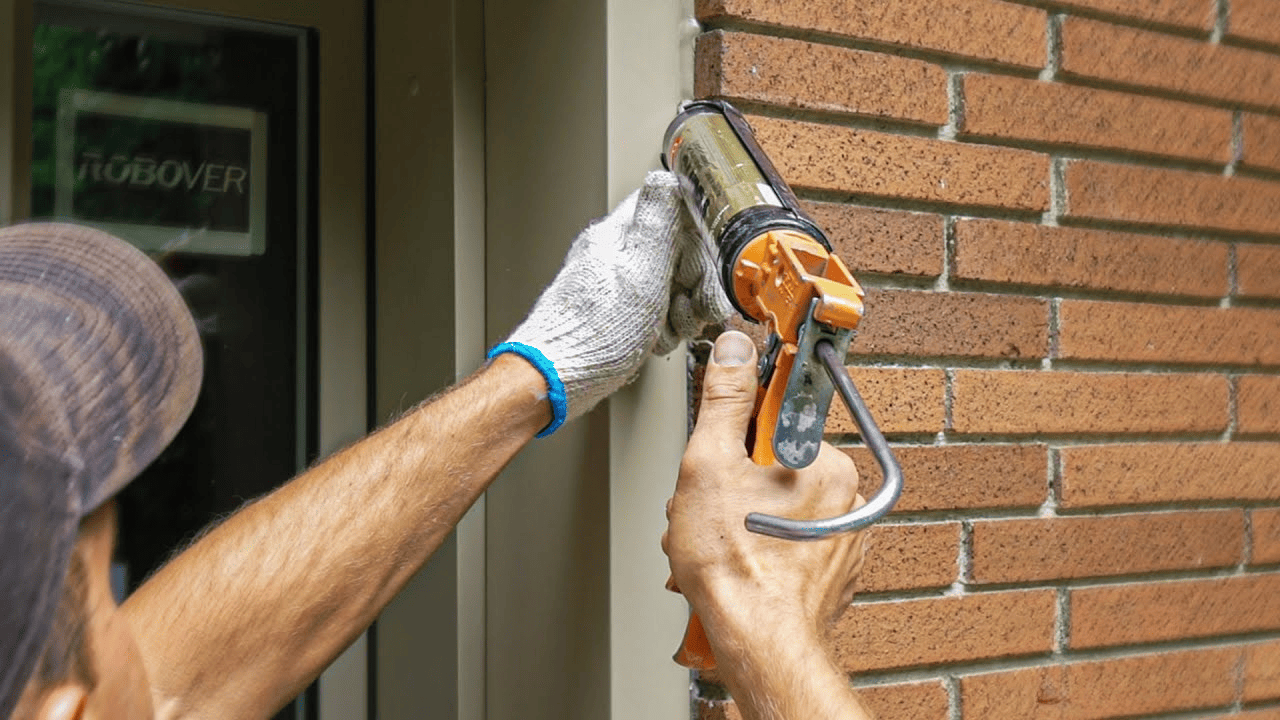
Water infiltration is one of the most common causes of building envelope deterioration. While masonry often receives the most attention, failing sealants around windows, expansion joints, control joints, doors, and other building penetrations can allow significant amounts of moisture into a building long before visible damage appears.
The Adhesive and Sealant Council’s overview of industry standards highlights that effective sealant performance depends on proper joint design, material selection, substrate preparation, backing materials, priming, and installation. ASTM C1193, the Standard Guide for Use of Joint Sealants, also recognizes that environmental conditions can negatively affect a sealed joint when these factors are not properly addressed.
For commercial buildings throughout the Chicago area, scheduling sealant repairs before winter helps reduce the risk of moisture intrusion during freeze-thaw cycles, protects surrounding building materials, and extends the life of the exterior envelope.
Whether you manage an office building, healthcare facility, condominium, university campus, or industrial property, understanding when sealant replacement is needed can help you avoid much more expensive repairs later.
What Does Commercial Sealant Do?
Sealants (often referred to as caulking) create flexible, watertight joints between different building materials. Unlike mortar, sealants are designed to accommodate movement caused by:
- Temperature changes
- Wind loads
- Building settlement
- Thermal expansion and contraction
- Vibration
As buildings naturally move throughout the year, properly installed sealants stretch and compress while continuing to prevent water infiltration.
When sealants deteriorate, however, these joints become one of the easiest pathways for water to enter the building envelope.
Why Sealant Repairs Are Especially Important Before Winter
Chicago's climate creates challenging conditions for exterior sealants.
Throughout the fall and winter, buildings experience repeated freeze-thaw cycles. If water enters failed joints before temperatures drop below freezing, it can expand as it freezes, placing additional stress on adjacent masonry, concrete, window systems, and structural components.
Research published in ScienceDirect has shown that repeated freeze-thaw cycling can accelerate the deterioration of building materials by promoting cracking, moisture migration, and reduced long-term durability. These findings reinforce the importance of maintaining properly sealed joints before winter, when moisture infiltration can have the greatest impact on building envelope performance.
Over time, this can contribute to:
- Interior water leaks
- Masonry deterioration
- Concrete deterioration
- Rusting steel components
- Damaged insulation
- Mold and mildew growth
- Increased maintenance costs
Addressing deteriorated sealants before winter helps reduce the amount of moisture entering the building during the harshest months of the year.
What Causes Commercial Sealants to Fail?
Even high-quality sealants have a limited service life.
Common causes of deterioration include:
UV Exposure
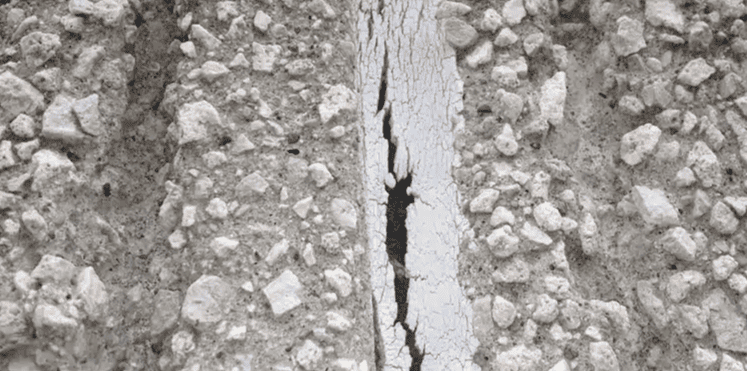
Years of sunlight gradually break down many sealant materials, causing cracking and loss of flexibility.
Building Movement
As buildings expand and contract with seasonal temperature changes, sealants eventually lose their ability to stretch without tearing.
Moisture Exposure
Constant exposure to rain, snow, and humidity accelerates deterioration, especially in older joints.
Improper Installation
Incorrect joint preparation, poor adhesion, or selecting the wrong sealant for the application can significantly shorten service life.
Aging Materials
Most commercial sealants eventually require replacement as they lose elasticity over time.
Warning Signs Your Commercial Building Needs Sealant Repair
Property managers and facility teams should regularly inspect sealant joints around:
- Windows
- Curtain wall systems
- Expansion joints
- Control joints
- Door frames
- Masonry transitions
- Concrete panel joints
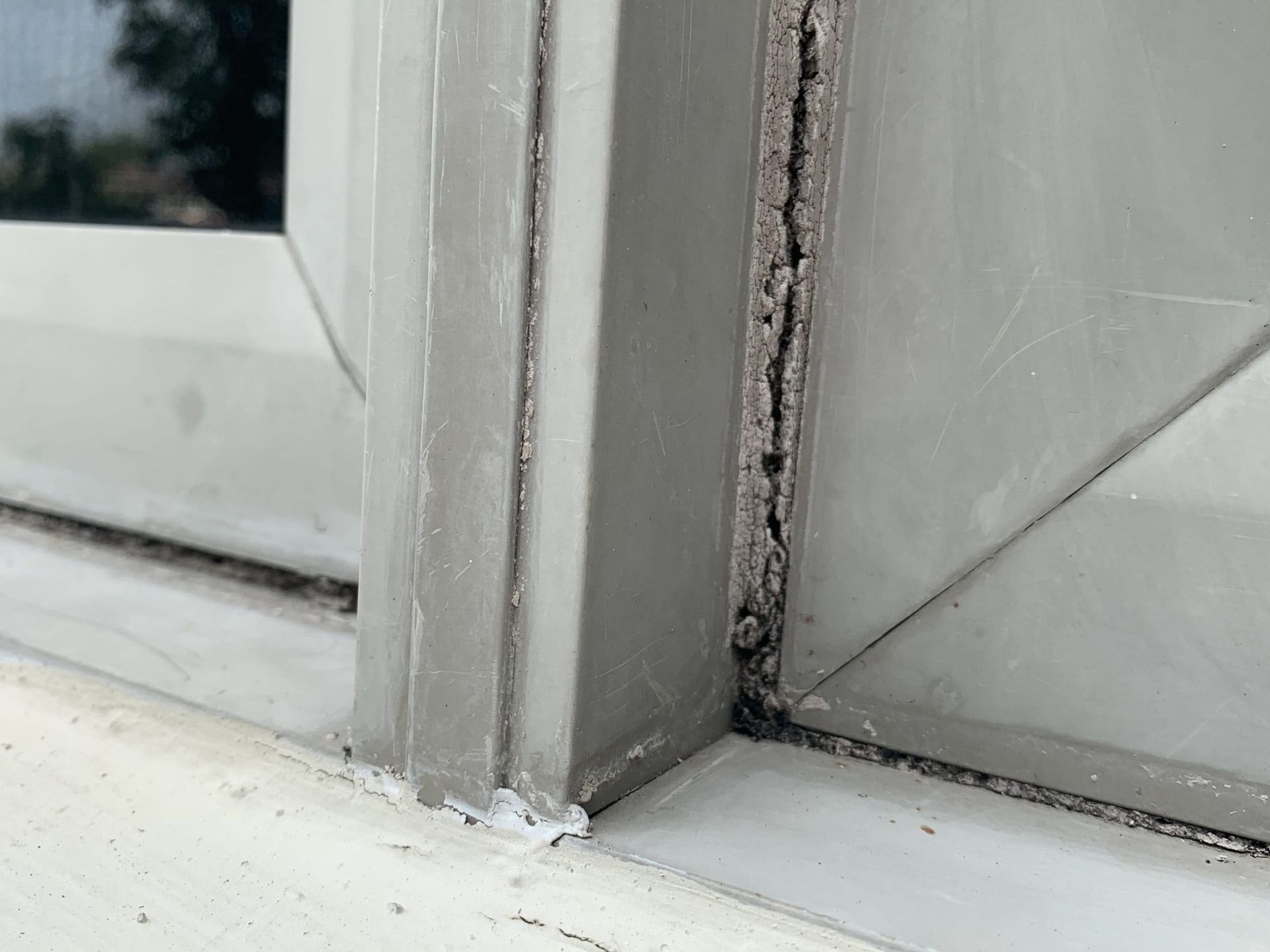
Common signs of deterioration include:
- Cracked sealant
- Shrinking or pulling away from joint edges
- Hardened or brittle material
- Missing sections
- Gaps around windows
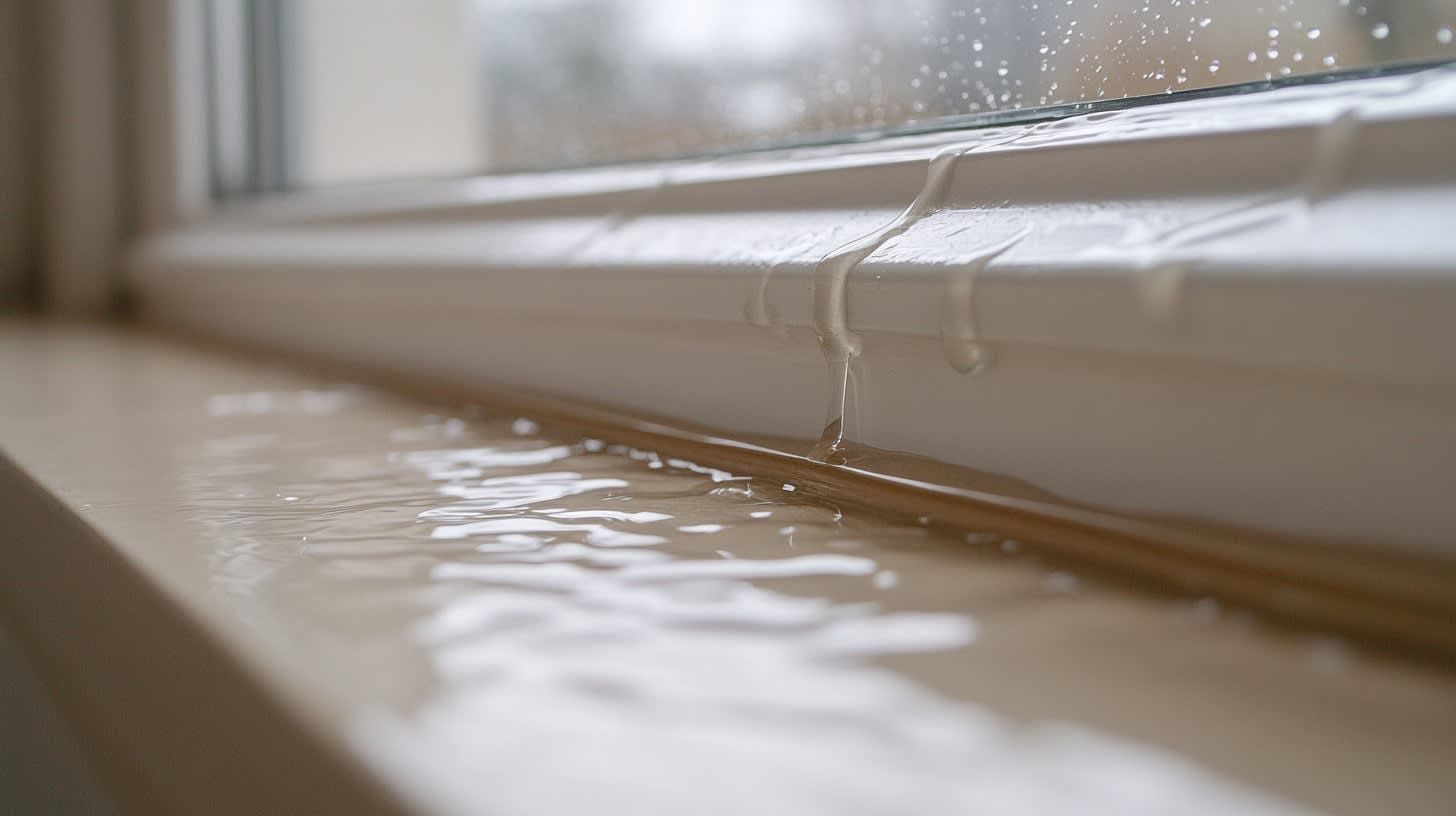
- Water stains near windows
- Interior leaks after rain
- Air drafts around openings
- Mold around window frames
These issues often begin gradually but become more costly if ignored.
Commercial Window Caulking Is Often Overlooked
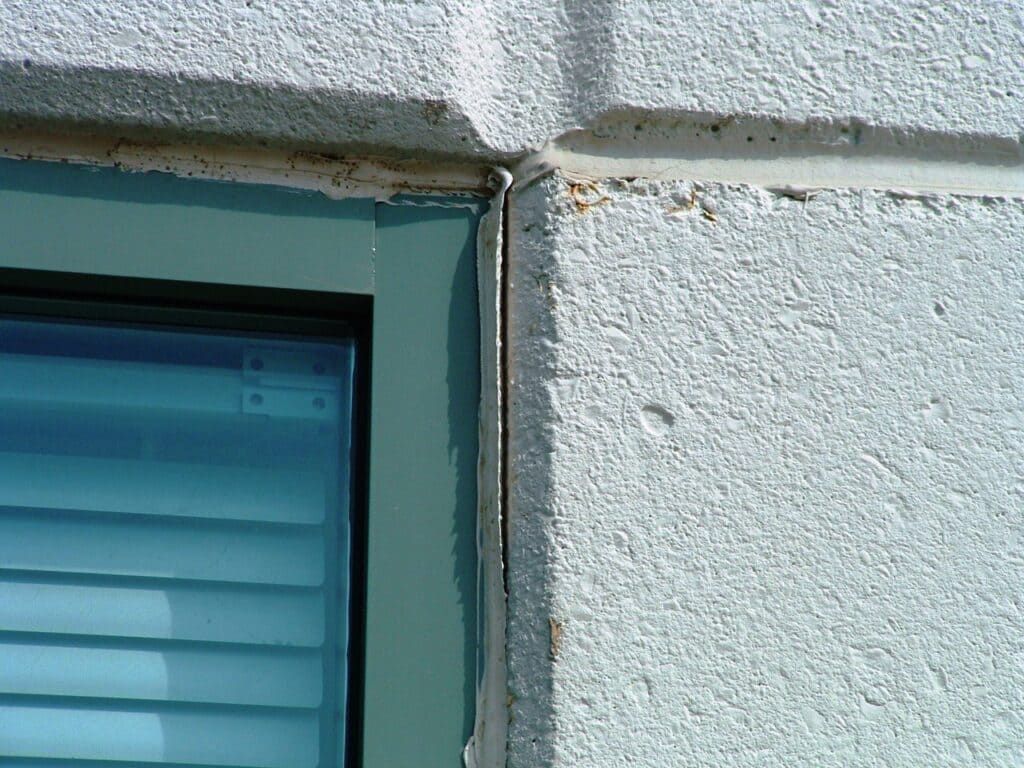
Commercial windows are constantly exposed to temperature changes, ultraviolet light, wind, rain, and humidity. Over time, these conditions can cause the sealant between the window frame and surrounding wall materials to lose flexibility, shrink, crack, or separate from the adjoining surfaces.
Even small gaps may allow air and moisture to enter the wall assembly without immediately producing a visible leak. By the time occupants notice water stains, drafts, corrosion, or damaged interior finishes, moisture may already have affected insulation, framing, or adjacent building materials.
FacilitiesNet recommends inspecting windows annually whenever practical. For buildings with large amounts of glass, facility teams may instead inspect a representative sample, typically 15% to 20% of the windows, while making sure the sample includes different window types and building exposures.
During these inspections, facility teams should look for:
- Cracked, hardened, or missing sealant
- Gaps between window frames and surrounding walls
- Water stains or deterioration around interior openings
- Corrosion or finish failure on metal components
- Rot, swelling, or decay around wood window systems
- Air or water infiltration around operable components
Many facility managers begin searching for commercial window caulking services only after occupants report water intrusion. Routine inspections and timely repairs can identify deteriorated window seals earlier, helping reduce the risk of more extensive building envelope damage.
When Should You Schedule Window Caulking Replacement?
Many property managers wait until leaks become visible before contacting window caulking replacement contractors.
In reality, sealant replacement is often most effective before leaks develop.
Scheduling repairs during late summer or early fall provides several advantages:
- Better installation conditions
- More predictable curing temperatures
- Reduced risk of weather delays
- Lower chance of winter water intrusion
- Time to address additional exterior repairs if needed
Preventive maintenance is generally less disruptive than emergency repairs during winter.
Sealant Repairs Often Reveal Other Building Envelope Issues
Sealant deterioration rarely occurs in isolation.
During inspections, contractors frequently identify other conditions that contribute to moisture intrusion, including:
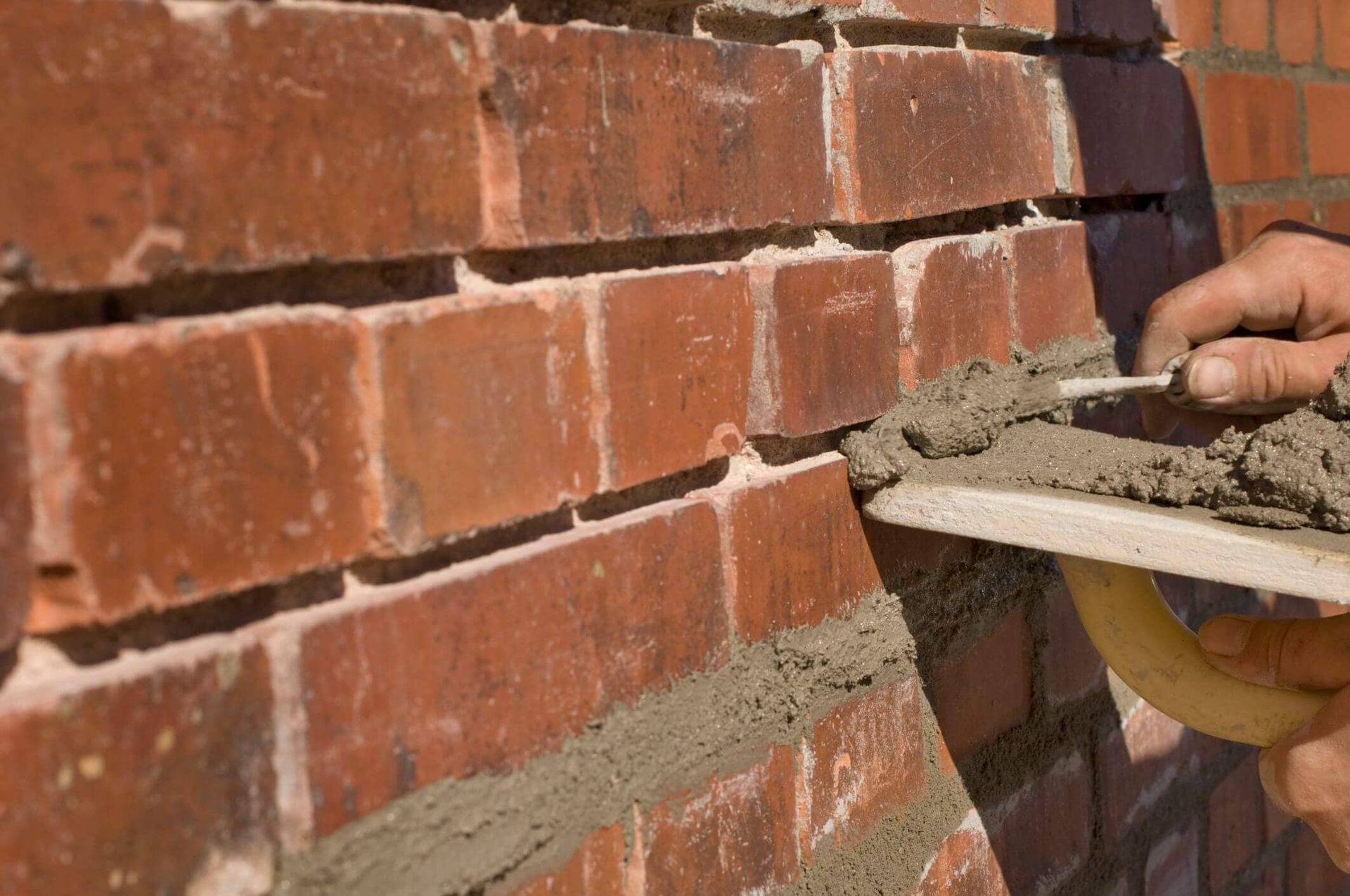
- Failed mortar joints requiring tuckpointing
- Damaged expansion joints
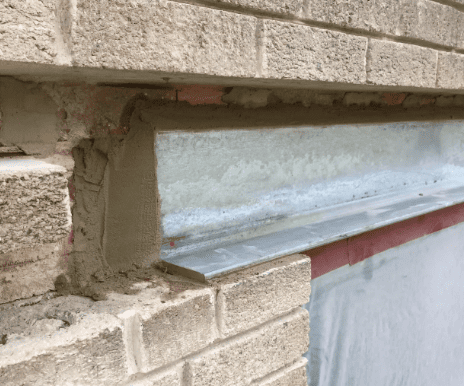
- Deteriorated shelf angle flashing
- Corroded lintels
- Cracked concrete façade components
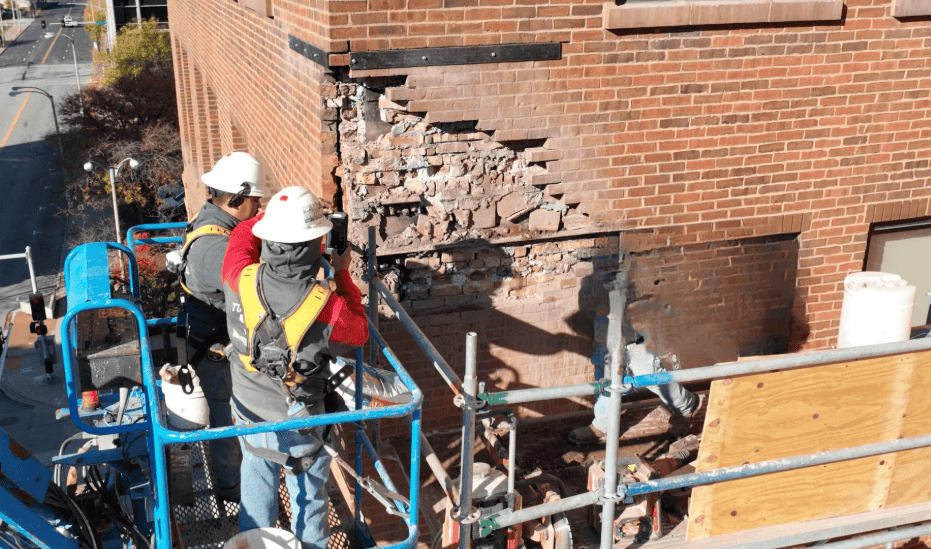
- Masonry cracks requiring restoration
Addressing related issues together often improves long-term building performance while reducing mobilization costs.
Why Building Envelope Repairs Work Best Together
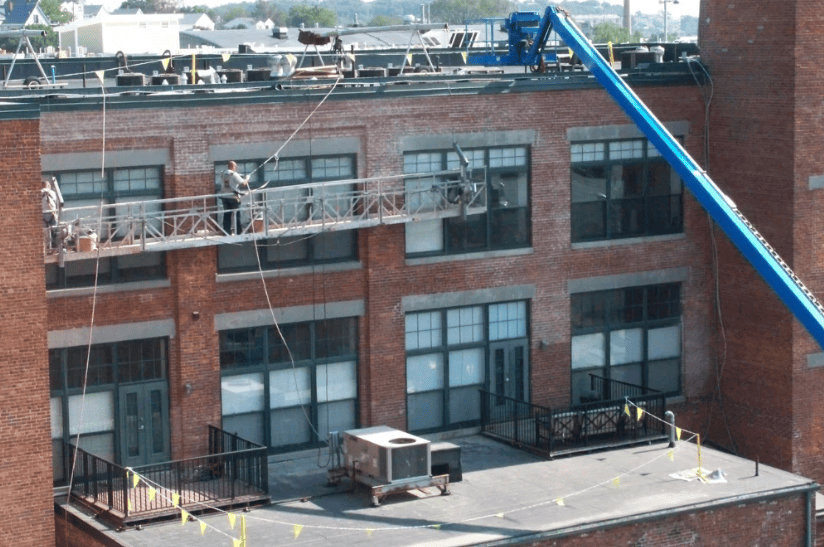
Because water intrusion can originate from multiple locations, many commercial property owners coordinate sealant replacement with other exterior maintenance projects.
Depending on inspection findings, this may include:
- Caulking and sealant repairs
- Masonry restoration
- Tuckpointing
- Lintel and shelf angle flashing repairs
- Concrete façade repairs
- Restorative cleaning after repairs are complete
Coordinating multiple repairs during one project can improve efficiency while minimizing disruption to building occupants.
What Happens During a Commercial Sealant Replacement Project?
Although every building is different, the general process includes:
- Inspect existing sealant joints.
- Identify failed or deteriorated areas.
- Remove existing sealant.
- Prepare joint surfaces.
- Install new backer rod if required.
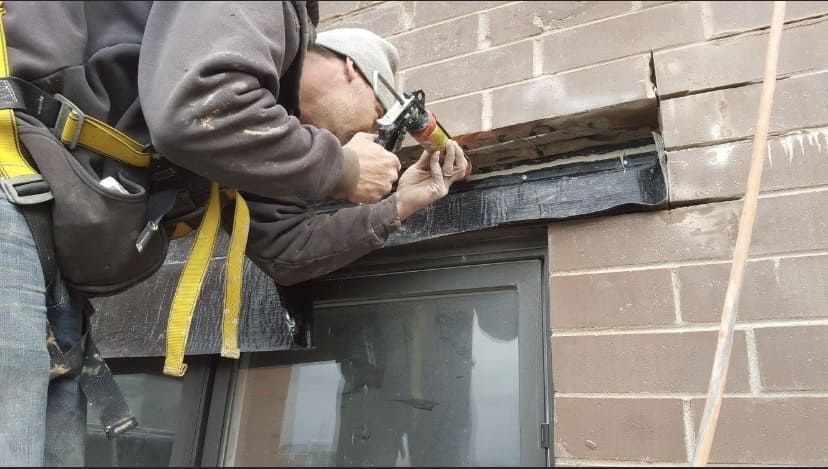
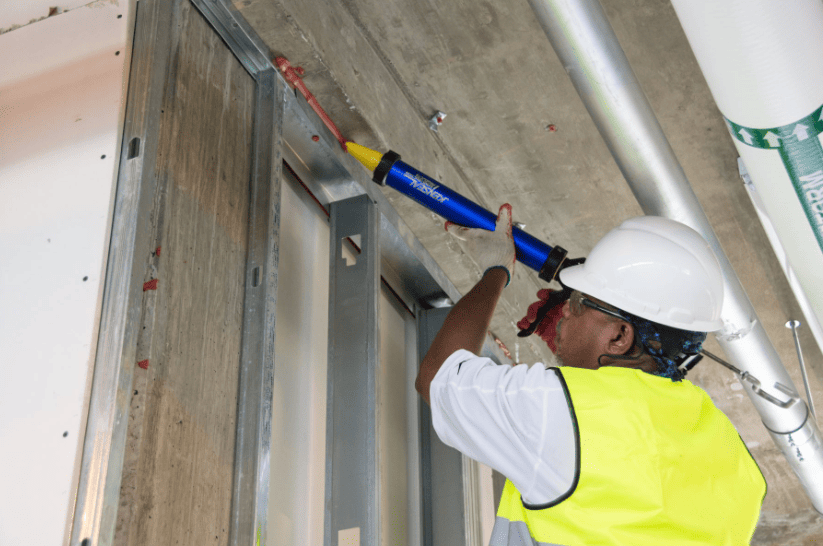
- Apply new sealant appropriate for the joint.
- Tool the sealant to ensure proper adhesion and performance.
- Inspect completed work for consistency and quality.
On larger projects, contractors may perform a mock-up before full production begins to verify joint appearance, adhesion, and installation methods.
Why Chicago Buildings Need Regular Sealant Inspections
Many commercial buildings throughout the Chicago region experience conditions that accelerate sealant deterioration, including:
- Frequent freeze-thaw cycles
- Significant seasonal temperature swings
- Wind-driven rain
- Snow and ice accumulation
- Exposure to deicing salts
- High-rise wind loads
- Lakefront weather exposure
Buildings constructed several decades ago may also contain aging sealant systems approaching the end of their expected service life.
Regular inspections help identify deterioration before moisture infiltration leads to more significant repairs.
Best Practices for Property Managers
A proactive maintenance approach can significantly reduce long-term repair costs.
Consider these best practices:
- Inspect exterior sealants annually.
- Pay close attention after severe weather events.
- Investigate water stains promptly.
- Schedule repairs before winter whenever possible.
- Address related building envelope issues together.
- Keep records of previous sealant replacement projects.
Waiting until widespread leaks develop often increases both repair costs and disruption.
Frequently Asked Questions About Sealant Repair
How long does commercial sealant typically last?
Most commercial sealants last between 10 and 20 years, depending on the sealant type, installation quality, joint movement, and exposure to sunlight and weather. Regular inspections help identify deterioration before water intrusion becomes a larger problem.
What are the signs that commercial window caulking needs replacement?
Common signs include cracked or brittle sealant, gaps around window frames, shrinking, separation from adjacent materials, interior water stains, drafts, and leaks after rainfall. These conditions indicate the sealant may no longer be providing an effective weather barrier.
Can failing sealants cause water damage inside a building?
Yes. Deteriorated sealants allow moisture to enter the building envelope, where it can damage insulation, framing, masonry, finishes, and structural components. Water intrusion may also contribute to mold growth if left unaddressed.
Is fall the best time for commercial sealant repairs?
In many cases, yes. Completing repairs before winter helps reduce the risk of freeze-thaw damage, allows sealants to cure under more favorable temperatures, and prepares the building envelope before harsh weather arrives.
Protect Your Building Before Winter Arrives
Deteriorated sealants rarely improve with time. Small gaps around windows, expansion joints, and other building penetrations can allow moisture to enter the building envelope long before interior leaks become visible.
If your commercial, institutional, or multi-family property hasn't had its exterior sealants inspected recently, scheduling an evaluation before winter can help identify areas where repairs may be needed. Addressing sealant issues early can reduce the risk of water damage, protect surrounding masonry and concrete, and help extend the service life of your building envelope.
If you're planning exterior maintenance or have noticed signs of failing sealants, contact RestoreWorks to schedule a building envelope evaluation and discuss whether caulking and sealant repairs are appropriate for your property.