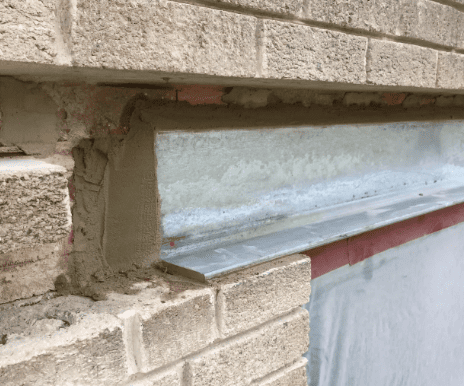
Expansion Joint Maintenance Before Winter
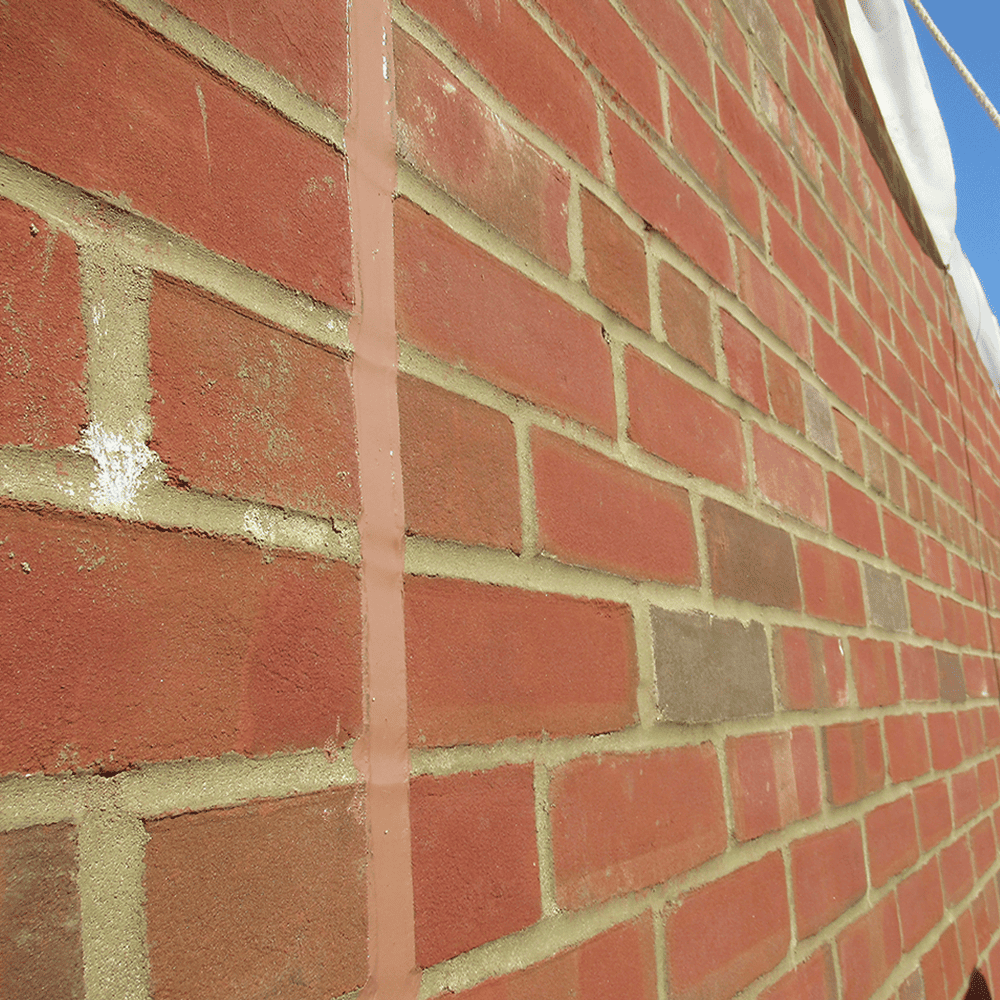
Expansion joints are easy to overlook when the rest of a masonry façade appears to be in good condition. Before winter, they are worth checking closely.
The sealant inside these joints has to move with the building while keeping water out. Once it starts cracking, separating from the masonry, or hardening with age, moisture can get behind the façade.
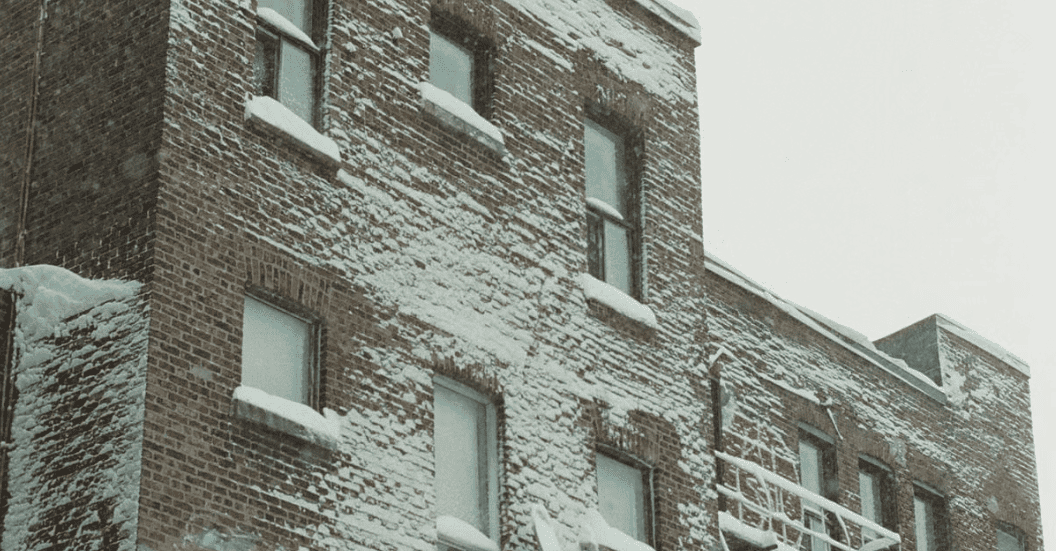
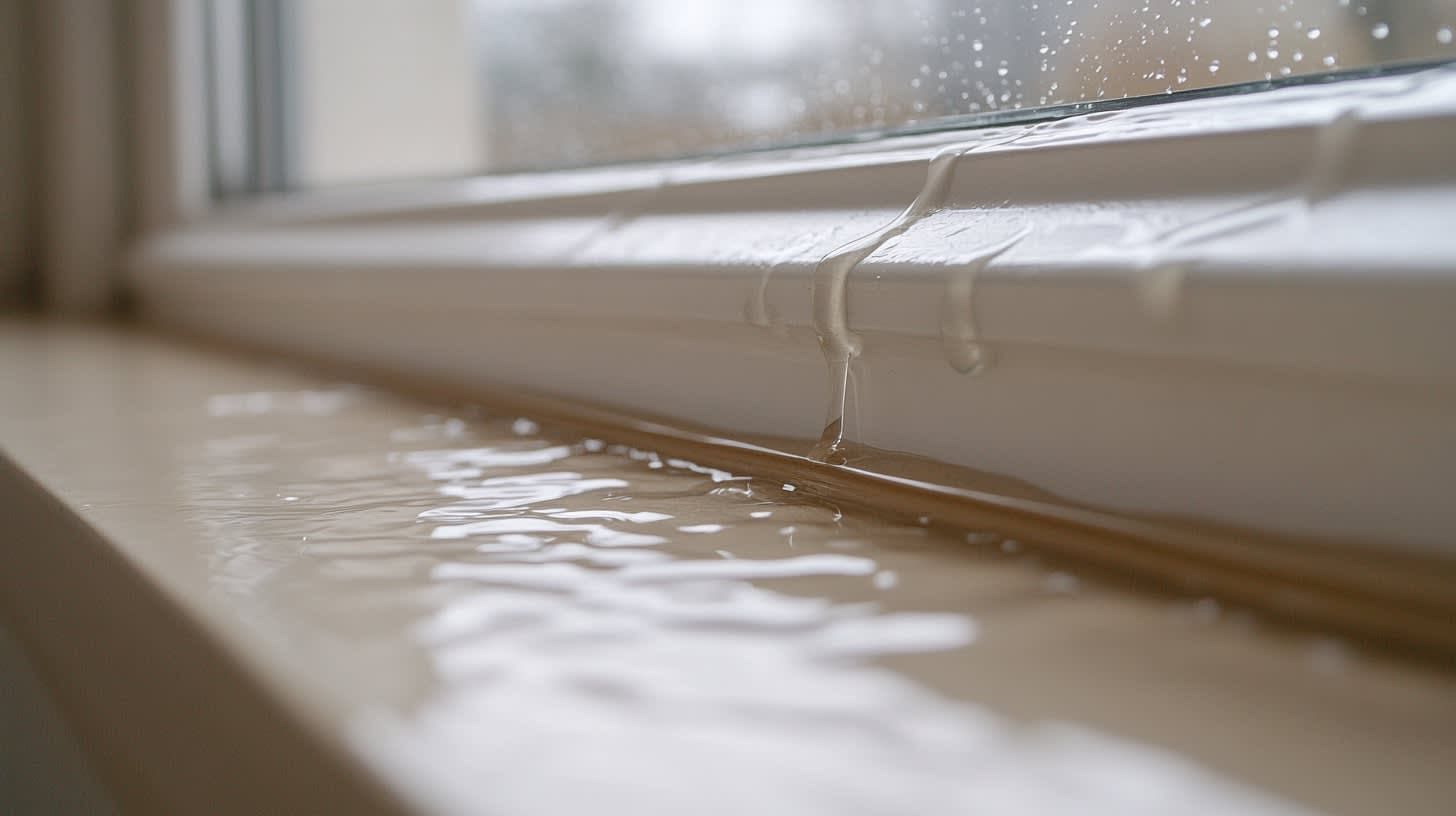
That is a concern on Chicago-area buildings heading into winter. Water that enters the wall can freeze as temperatures drop, adding another source of stress to masonry that may already have cracks, deteriorated mortar, or other openings.
Expansion joint maintenance in the fall gives building owners and property managers time to find these conditions before winter weather makes exterior repairs harder to schedule.
What Does an Expansion Joint Do?
Masonry moves. Temperature changes, moisture, and movement elsewhere in the structure all affect the wall over time.
Expansion joints give brick masonry room for that movement. Instead of building up stress across a long section of wall, movement can occur at planned locations in the façade.
The sealant inside the joint needs to remain flexible enough to open and close with it. It also needs to stay bonded to both sides of the joint so water does not have an easy route into the wall.
If the sealant fails, the masonry joint may still be there, but part of its weather protection is gone.
Expansion Joints and Control Joints Are Different
The terms sometimes get used interchangeably, especially during building maintenance discussions.
According to the Brick Industry Association, movement joints in brick masonry are called expansion joints because clay masonry experiences a net overall expansion. The Brick Industry Association also uses the term veneer expansion joints to distinguish them from expansion joints that accommodate movement in the building structure.
In concrete masonry, movement joints are generally called control joints because concrete masonry experiences net shrinkage. The control joint provides a planned location where cracking can occur as the material moves.
From a maintenance standpoint, the conditions can look similar. Failed sealant, damaged joint edges, cracking near the joint, and water infiltration are all signs that should be investigated.
Why Check Expansion Joints Before Winter?
Fall gives you a better chance to find problems while exterior repair conditions are still manageable.
Chicago masonry goes through repeated temperature changes throughout the winter. If a joint is already allowing water into the wall, freezing conditions can make an existing problem worse.
The timing also matters for the sealant itself. Sealant products have requirements for substrate temperature, moisture, preparation, and curing. Waiting until temperatures are consistently low can limit repair options or push the work into the following season.
A fall inspection does not mean every older joint needs to be replaced. The purpose is to find the ones that are clearly failing or showing signs that deserve a closer look.
What Does a Failing Expansion Joint Look Like?
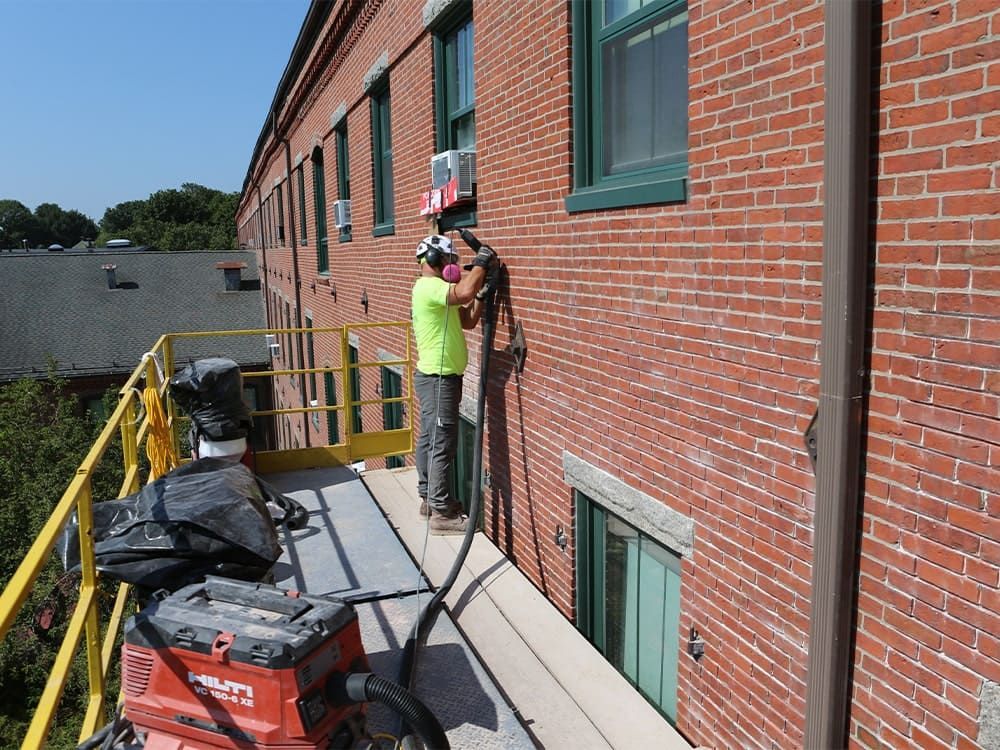
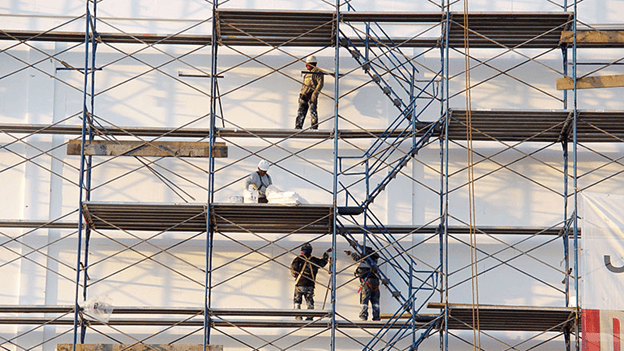
Some failures are obvious from the ground. Others become easier to see during a façade inspection from a lift, swing stage, or scaffold.
Look for conditions such as:
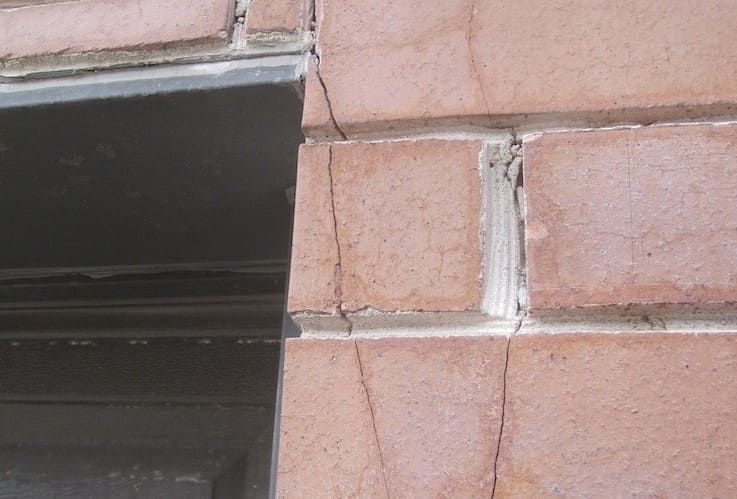
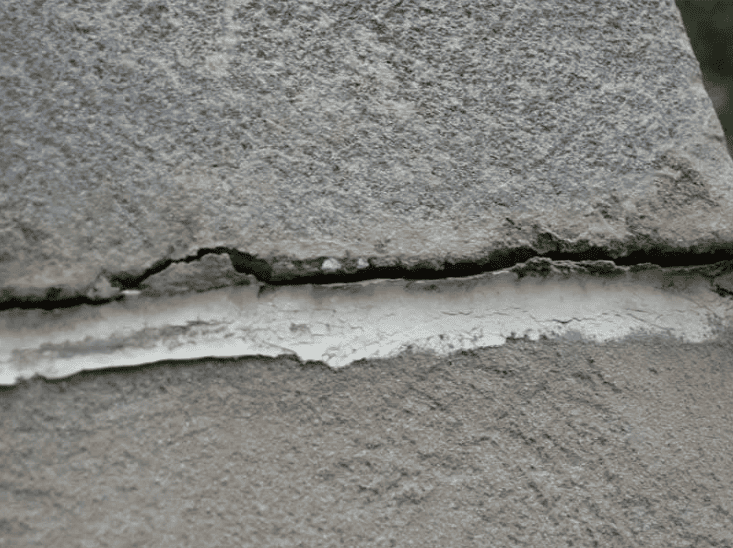
- Sealant pulling away from the side of the joint
- Cracks through the sealant
- Missing sections
- Hardened or brittle material
- Sealant pushing out of the joint
- Gaps that have opened at the edges
- Masonry cracking next to the joint
- Staining or efflorescence nearby
- Rust staining around adjacent steel
- Water staining on the interior that lines up with the exterior joint
One of the more common issues is adhesion failure. The sealant may look intact from a distance but has separated from one side of the masonry.
That small gap can be enough to let water through.
Repeated failure in the same area also deserves attention. If a joint has already been recaulked and is failing again, replacing the sealant one more time may not address what is actually causing the problem.
What Should Expansion Joint Maintenance Include?
Good expansion joint maintenance starts with figuring out the condition of the existing joint.
The repair may be limited to sealant replacement. In other cases, the joint is next to cracked masonry, deteriorated mortar, corroding steel, or another source of water entry that needs to be handled at the same time.
Remove Failed Sealant
Loose, cracked, hardened, or poorly bonded sealant should be removed before replacement material is installed.
Applying new sealant over deteriorated material can leave weak material underneath the repair. It may also make it difficult to get the proper joint dimensions.
Prepare the Joint Surfaces
The new sealant needs a clean surface to bond to.
Old sealant residue, dust, moisture, coatings, or other contaminants can affect adhesion. The exact preparation depends on the substrate and the sealant system being used.
Primer may also be required. That should be determined from the product specifications and the materials present on the building.
Check the Backer Rod
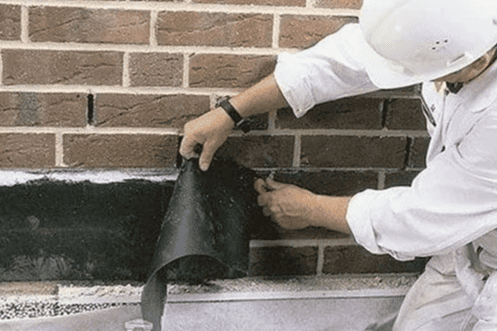
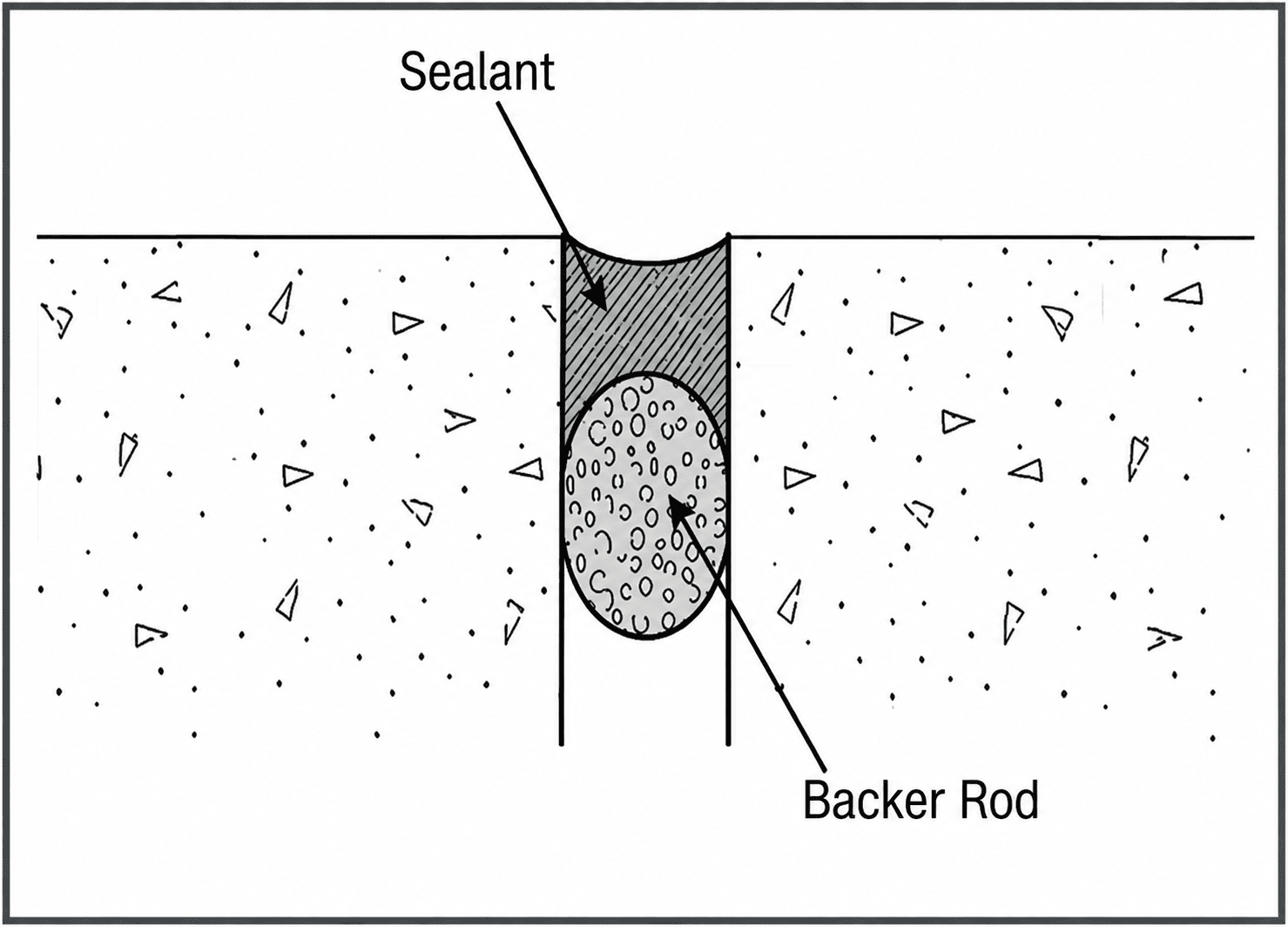
Backer rod sits behind the sealant in many expansion joints. It helps control the depth and shape of the sealant while keeping it from bonding to the back of the joint.
The Sealant, Waterproofing & Restoration Institute explains that backing material helps establish the proper sealant geometry, provides resistance during tooling, and can prevent three-sided adhesion.
That allows the sealant to stretch and compress as the joint moves.
If the backer rod is missing, damaged, the wrong size, or set at the wrong depth, replacing the sealant alone may still leave a poorly configured joint.
Use the Right Sealant for the Joint
There is no single sealant that is right for every masonry joint.
Material selection depends on how much movement is expected, joint width and depth, exposure, adjacent materials, and project specifications. Compatibility also matters when the joint meets brick, stone, concrete, metal, window systems, or coatings.
The existing material should not automatically be treated as the correct replacement just because it was there before.
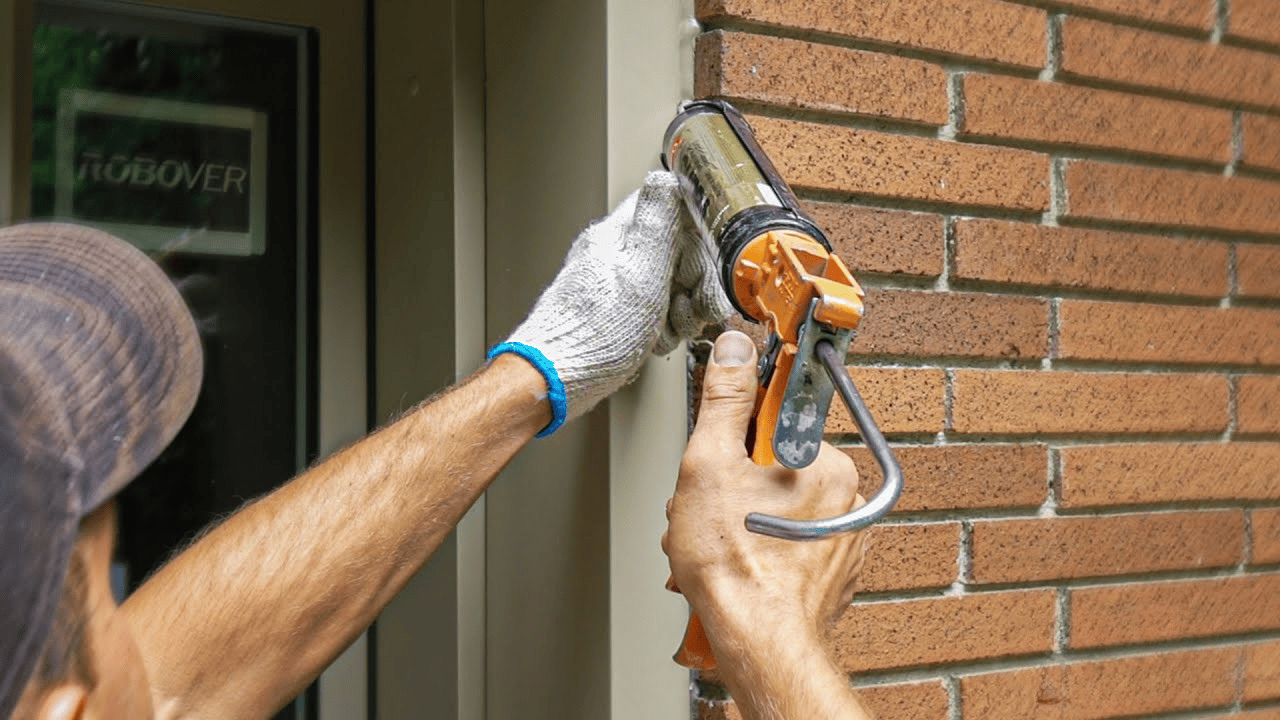
Tool and Inspect the New Joint
After installation, the sealant should have full contact with the joint faces and a consistent profile.
The finished work should also be reviewed for gaps, poor adhesion, inconsistent depth, and missed areas. Depending on the project requirements, field adhesion testing may be used to verify the installation.
When a Failed Expansion Joint Points to a Larger Problem
Sealant failure does not always stop at the joint.
Water may have been entering the wall for months or years before anyone notices a leak inside. By then, surrounding masonry or concealed components may also have deterioration.
For example, a failed vertical joint next to cracked brick should not automatically be treated as a caulking repair. The cracking needs to be looked at too. The same applies when rust staining appears near a shelf angle or lintel.
Other conditions that may warrant a broader review include deteriorated mortar, displaced masonry, spalling, recurring leaks, or previous repairs that have failed.
This is where expansion joint maintenance can overlap with tuckpointing, masonry restoration, caulking and sealant repairs, or lintel and shelf angle flashing work.
The repair scope should follow the conditions found on the building.
Do Not Fill Masonry Expansion Joints With Mortar
Expansion joints need to move, which is why they are filled with flexible material instead of mortar.
The International Masonry Institute (IMI) notes that expansion joints are used to accommodate movement in clay brick and other masonry assemblies. IMI also specifically states that these joints should not contain mortar or shims that would restrict movement.
This can become an issue during tuckpointing projects if an expansion joint is mistaken for an ordinary mortar joint. Filling the joint with mortar takes away the space that was intentionally left for movement.
The result can be added stress on the surrounding masonry, which may contribute to cracking or displacement.
Before repointing a large section of brick masonry, expansion joints should be identified and kept separate from the mortar repair scope.
How Expansion Joint Repairs Fit into Larger Facade Work
It often makes sense to inspect expansion joints when other façade work is already planned.
If a building is being tuckpointed, for example, the joints within the repair area can be reviewed at the same time. The same applies to masonry restoration, lintel work, shelf angle repairs, concrete façade repairs, or window perimeter sealants.
Sequencing matters.
If masonry needs to be rebuilt next to the joint, that work normally needs to happen before the final sealant installation. Installing new sealant first could mean cutting it out again once the adjacent repair starts.
Access is another consideration. If a swing stage, scaffold, or lift is already in place, addressing nearby joint repairs during the same project may avoid another mobilization later.
A Local Example of Joint and Facade Repairs
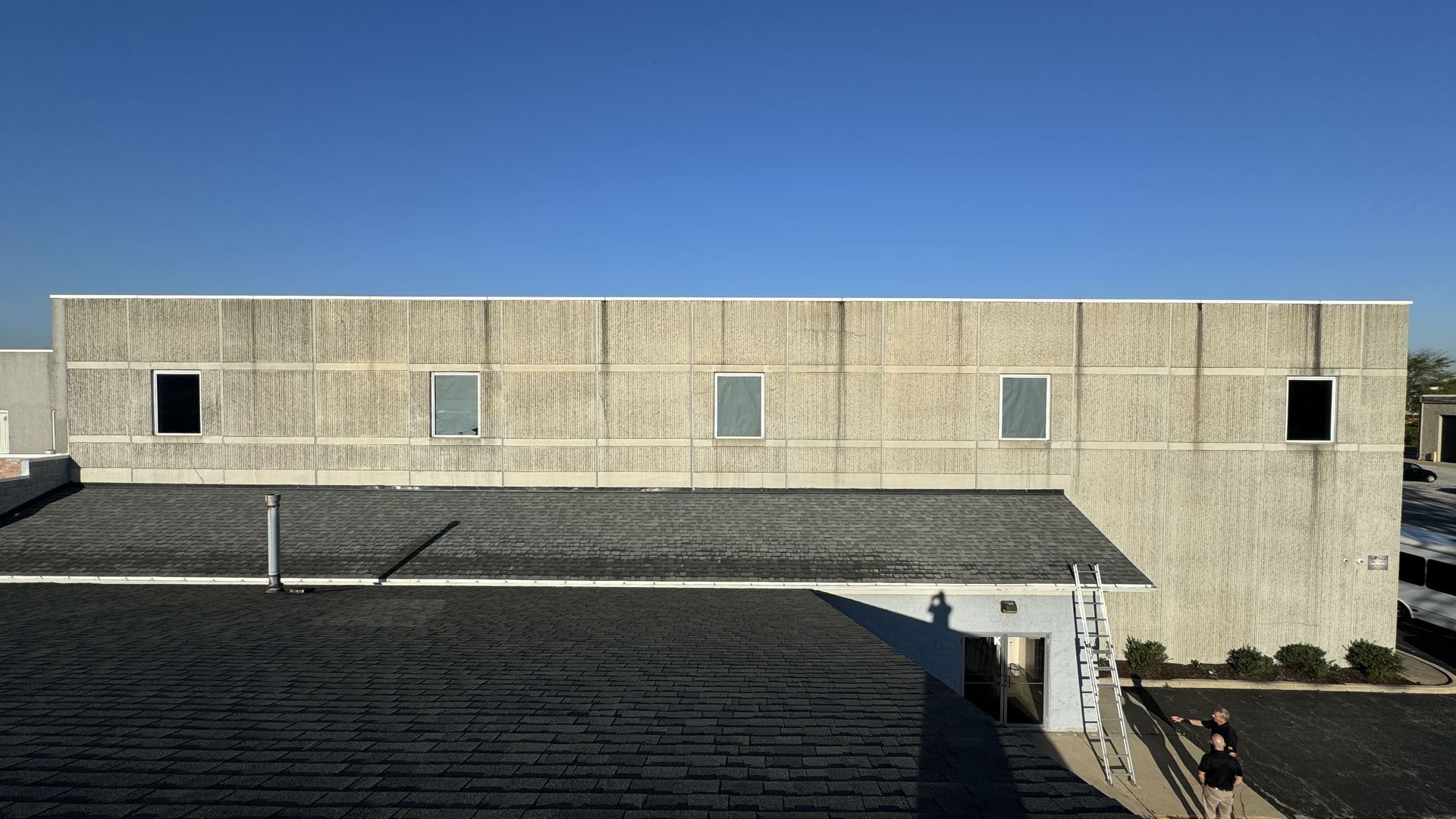
RestoreWorks encountered several related building-envelope issues at Calvary Academy in South Holland, Illinois.
The property had deteriorated control joints and failed sealants along with masonry repairs, concrete cracking, and active water infiltration. The repair program was phased so the different sources of deterioration could be addressed together instead of treating each leak as a separate problem.
Work included replacement of failing control joints, repairs at window and door perimeter sealants, localized masonry and CMU repairs, crack repairs, and other waterproofing-related work.
It is a good example of why the condition around a failed joint matters. Sometimes the joint is the repair. Other times it is one part of what is allowing water into the building.
When Should Expansion Joints Be Inspected in Chicago?
Late summer into early fall is a practical time to inspect exterior expansion joints.
According to the National Weather Service Chicago, the normal first autumn freeze at Chicago O’Hare occurs around October 19, based on 1991–2020 climate data. That gives building owners and property managers a useful planning benchmark when scheduling exterior inspections and repairs before colder weather becomes more consistent.
Inspecting joints earlier in the fall leaves time to identify damaged areas, determine the repair scope, order materials, and complete the work under more favorable conditions.
Waiting until a leak develops in the middle of winter leaves fewer options. Exterior access may be more difficult, and sealant products have specific temperature, substrate, and curing requirements that can limit when they are installed.
Properties with a history of water infiltration should be reviewed earlier rather than waiting for obvious sealant failure from the ground.
What to Look for During a Pre-Winter Inspection
A basic expansion joint inspection should answer a few straightforward questions:
- Is the sealant still bonded to both sides?
- Are there cracks or missing sections?
- Has the sealant become hard or brittle?
- Is the masonry around the joint cracked or displaced?
- Is there staining that suggests water has been moving through the area?
- Are there signs of corrosion nearby?
- Has this area leaked or been repaired before?
Photos are useful, especially when inspections are repeated from year to year. A property manager can compare the same joint locations and see whether a small defect is staying stable or getting worse.
On larger properties, documenting joint locations can also make it easier to prioritize repairs instead of replacing every joint at once.
Plan Expansion Joint Maintenance Before Cold Weather Limits the Options
A cracked or separated joint does not always mean there is extensive masonry damage behind it. It does mean there is an opening that should be looked at.
For Chicago commercial and multi-family buildings, fall is a good time to review expansion joints along with the rest of the façade. That gives the project team a chance to determine whether the repair is limited to sealant or whether masonry, flashing, steel, or other building-envelope components are involved.
The earlier that is known, the easier it is to plan the work around weather, access, and the rest of the building's maintenance schedule.
Frequently Asked Questions About Expansion Joint Maintenance
How often should expansion joints be inspected?
Expansion joints should be checked during regular façade inspections and whenever cracking, leakage, or visible sealant deterioration appears. There is no single replacement schedule for every building. Sealant life depends on the product, installation, joint movement, exposure, and condition of the surfaces it is bonded to.
How do you know when an expansion joint needs to be replaced?
Replacement may be needed when the sealant is cracked, missing, brittle, or pulling away from the sides of the joint. Bulging sealant, recurring leaks, nearby masonry cracks, or staining can also point to a problem. The surrounding façade should be checked before assuming the repair is limited to sealant.
Can expansion joint sealant be replaced in cold weather?
It depends on the sealant system and the conditions at the building. Products have specific requirements for application temperature, substrate condition, primers, and curing. Fall repairs usually provide more flexibility in Chicago than waiting until prolonged freezing temperatures have arrived.
What happens if expansion joints are not maintained?
Failed sealant can allow water into the wall and may no longer move properly with the joint. Over time, moisture can affect nearby masonry, mortar, flashing, steel, or concrete. The extent of the repair depends on how long the joint has been failing and what conditions are found around it.
Need Help Evaluating Expansion Joints Before Winter?
If you manage a commercial or multi-family property in the Chicago area and are seeing failed sealant, cracking, or signs of water infiltration, RestoreWorks can help assess the condition and determine the right repair approach.
Contact RestoreWorks to schedule a site visit or discuss an upcoming masonry restoration project.