How to Manage Multi-Trade Restoration Projects Efficiently
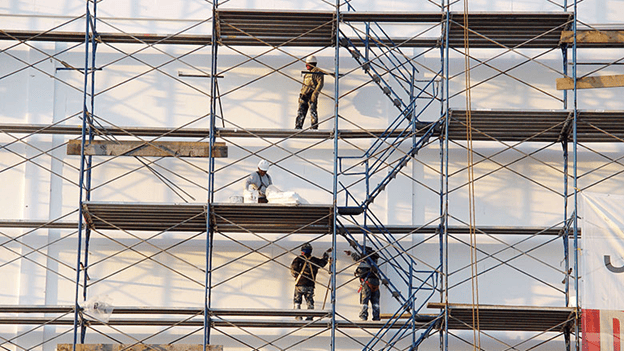
Commercial masonry restoration projects rarely involve just one trade. A masonry contractor may be repairing brick and mortar while another contractor installs roofing, replaces windows, performs waterproofing work, or repairs structural steel.
Without a clear plan, one trade can delay another. Access conflicts, material deliveries, weather, and occupied buildings all add complexity that can push schedules back and increase costs.
Whether you're managing a commercial office building, healthcare facility, condominium, university, or historic property, successful projects depend on coordination just as much as quality workmanship.
Why Multi-Trade Restoration Projects Become Difficult
Most restoration work happens on existing buildings, not empty job sites. That means contractors are working around tenants, visitors, employees, deliveries, and daily operations while sharing limited access.
A typical commercial masonry restoration project may involve:
- Masonry restoration
- Tuckpointing
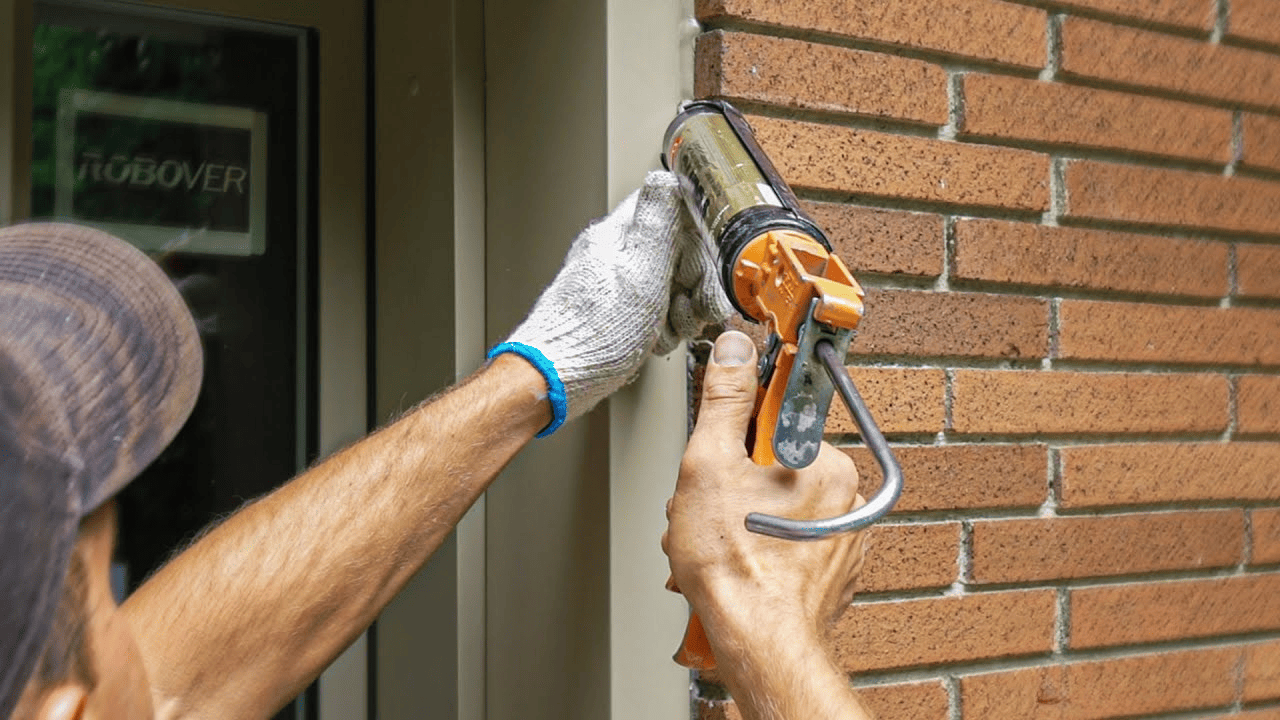
- Caulking and sealant repairs
- Lintel replacement
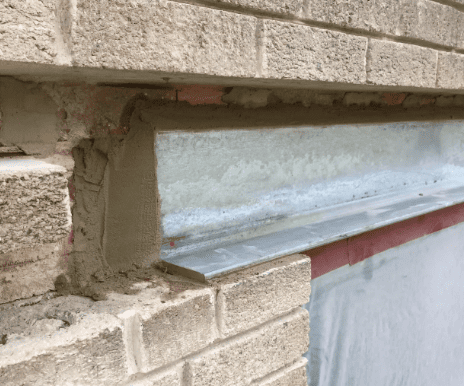
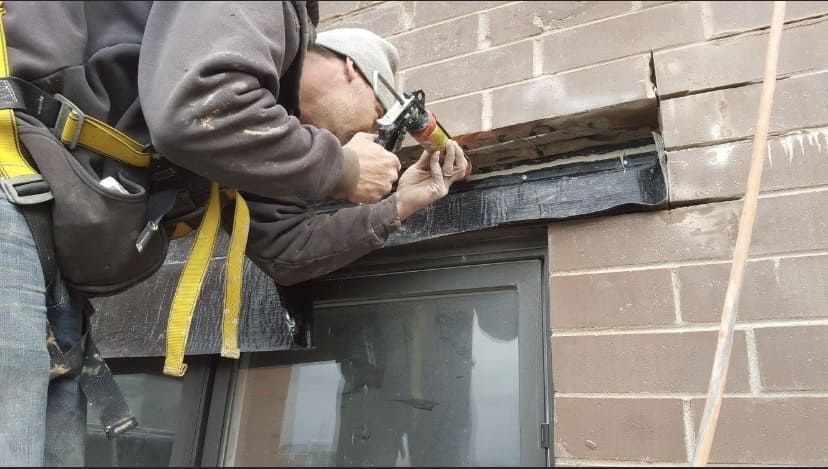
- Shelf angle flashing repairs
- Concrete façade repairs
- Roofing work
- Window replacement
- Structural steel repairs
- Waterproofing
Each trade depends on another completing work at the right time.
When work is performed out of sequence, the result isn't always just a schedule delay. It can also mean completed work has to be repaired or replaced. In one example published by The Construction Specifier, interior finishes were repaired before the roof leak causing the damage had been fully resolved. Continued water infiltration damaged the newly completed work, requiring it to be done again after the roof repairs were finished.
Commercial masonry restoration projects face similar coordination challenges. Replacing failed shelf angle flashing often requires masonry removal before adjacent roofing or waterproofing work can move forward. Window installation may need to wait until masonry repairs are complete, and sealant replacement is typically one of the final steps after surrounding restoration work has been finished. Planning the sequence early helps reduce rework, protects completed work, and keeps multiple trades moving efficiently.
Start Coordination Before Work Begins
Many project delays start long before crews arrive on site. The most successful restoration projects don't wait until construction begins to establish sequencing. They identify dependencies early, build them into the project schedule, and adjust the plan as field conditions change.
Before construction begins, the project team should establish:
- The overall project sequence
- Access requirements for each trade
- Material lead times
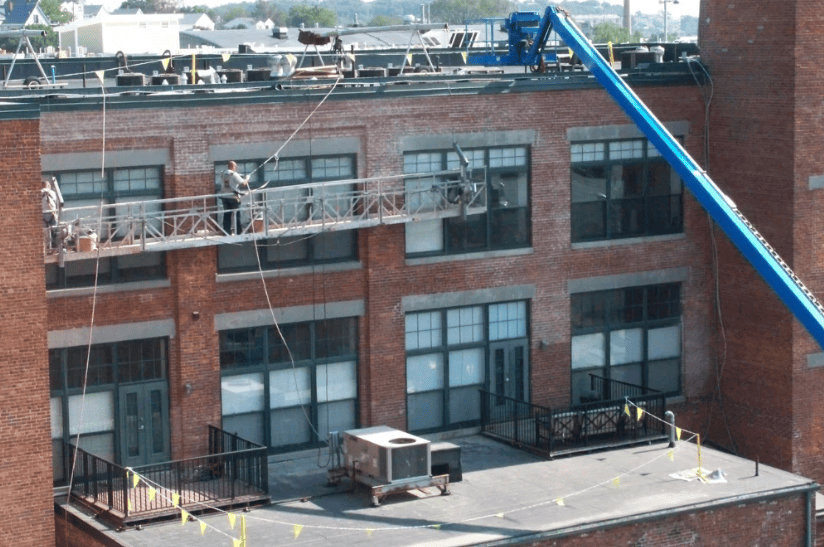
- Scaffold or swing stage requirements
- Building occupancy restrictions
- Communication expectations
- Inspection milestones
Organizations such as the U.S. Environmental Protection Agency note that construction sequencing is most effective when it's incorporated during the early stages of project planning rather than treated as an afterthought. Establishing the sequence before work begins makes it easier to coordinate trades, reduce conflicts, and adapt when unexpected conditions are uncovered.
For occupied commercial buildings, early planning also gives property managers time to notify tenants, coordinate deliveries, prepare for temporary access restrictions, and minimize disruptions to daily operations.
Build the Schedule Around Dependencies
Every restoration project has work that cannot begin until something else is complete.
Instead of treating each contractor as an independent schedule, identify the activities that control the overall project timeline.
Common examples include:
Masonry Repairs Before Sealant Replacement
Caulking installed before masonry repairs may need to be removed and replaced.
Shelf Angle Flashing Before Brick Replacement
Damaged flashing hidden behind masonry cannot be repaired after the wall has already been rebuilt.
Structural Repairs Before Finishes
Concrete or steel repairs often need to be completed before coatings or other finish work can begin.
Looking at these relationships early helps reduce rework and unnecessary downtime.
Hold Regular Coordination Meetings
A project schedule should not sit untouched after the kickoff meeting.
Weekly coordination meetings help keep everyone aligned as conditions change.
Topics often include:
- Completed work
- Upcoming milestones
- Weather impacts
- Material deliveries
- Site access
- Safety concerns
- Inspection schedules
- Changes affecting other trades
Short meetings held consistently are usually more productive than waiting until problems develop.
Make Access a Priority
Access is often one of the biggest constraints on commercial masonry restoration projects.
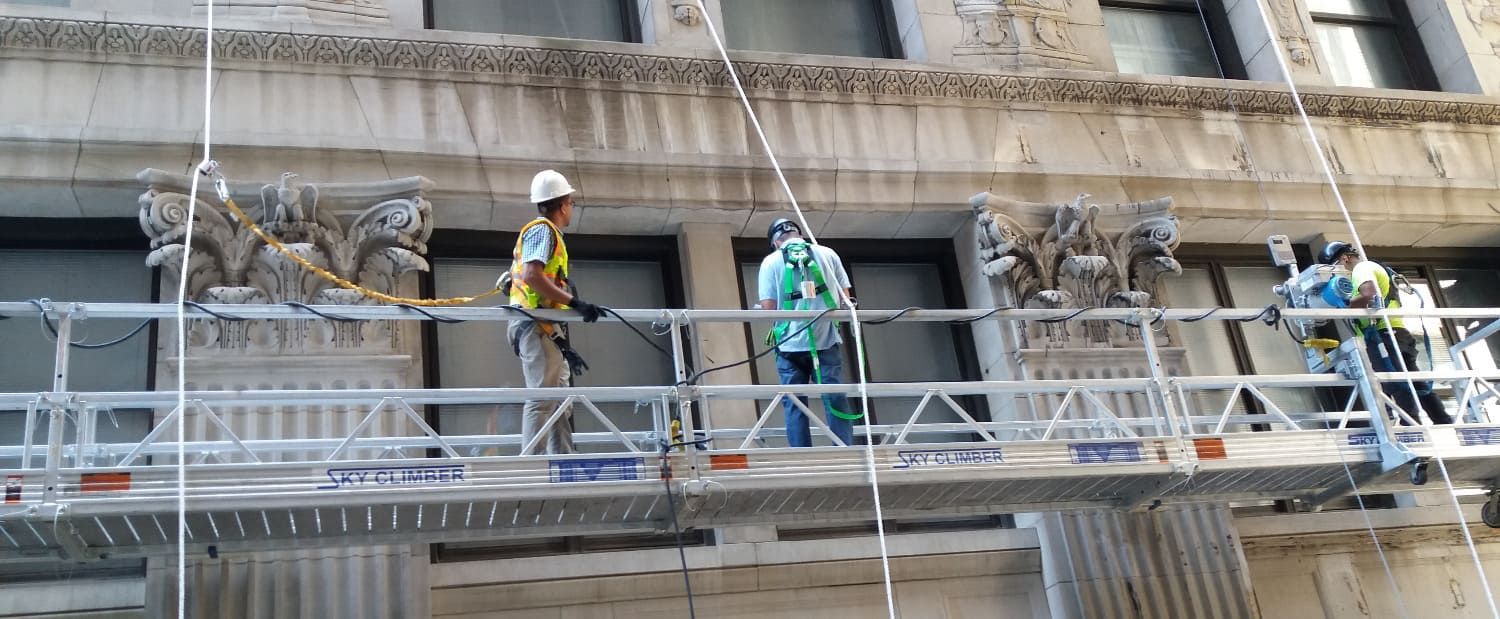
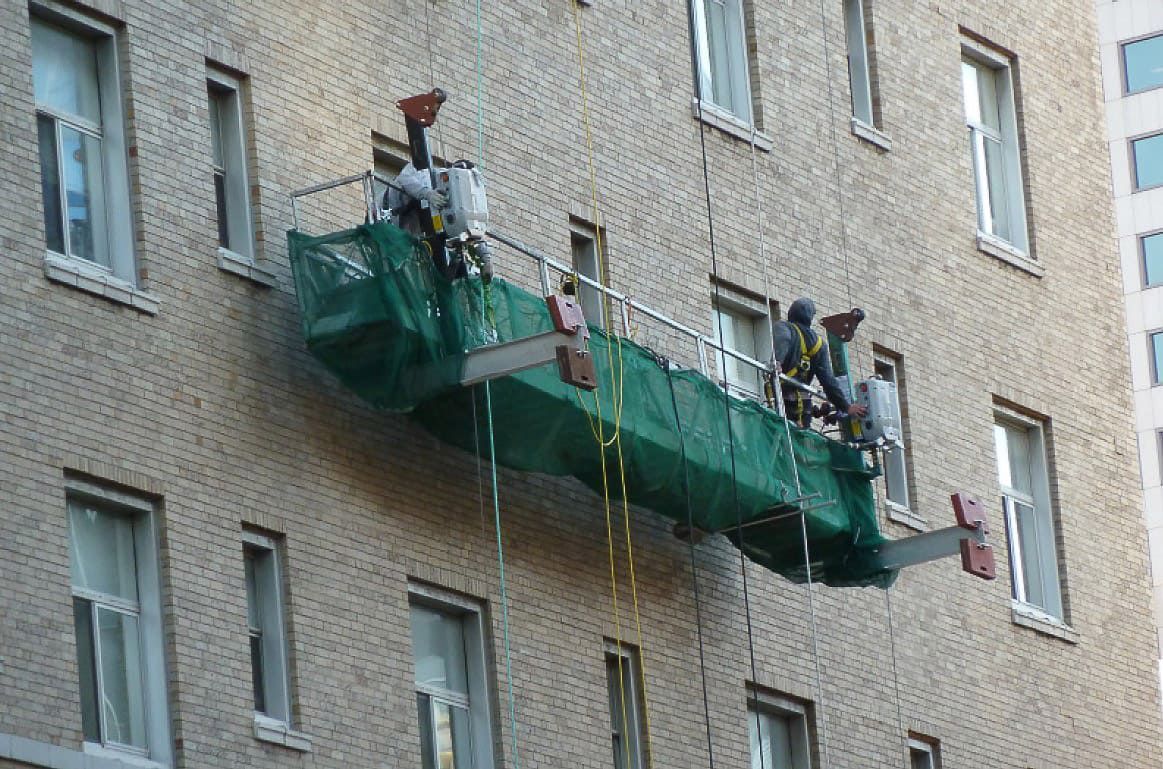
Several trades may need the same scaffold, swing stage, aerial lift, or staging area.
Rather than allowing each contractor to work independently, establish who controls each access area and when it becomes available.
Questions worth answering early include:
- Which trade installs scaffolding?
- When will scaffold modifications be required?
- Can multiple trades safely work from the same access system?
- How will material deliveries be coordinated?
- Where can equipment be stored?
Planning these details early helps reduce downtime throughout the project.
Expect Chicago Weather to Affect the Schedule
Weather affects restoration work everywhere, but Chicago presents additional challenges.
Freeze-thaw cycles can delay masonry repairs during colder months, while lakefront wind conditions may affect scaffold operations or swing stage access. Heavy rain can also interrupt exterior restoration work and shift sequencing between trades.
Building flexibility into the schedule helps minimize disruption when weather changes.
Communication Matters as Much as Construction
The best project schedules can still fail if information is not shared quickly.
Property managers, architects, engineers, general contractors, and specialty contractors should know:
- What work is happening
- Where crews will be working
- Whether schedules have changed
- How those changes affect the next trade
Simple communication often prevents larger scheduling problems later.
Documentation Keeps Projects Moving
Restoration projects frequently uncover hidden conditions after demolition begins.
Instead of relying on verbal conversations, document:
- Existing conditions
- Field changes
- RFIs
- Updated schedules
- Inspection results
- Approved repair details
Clear documentation helps everyone make decisions using the same information.
Occupied Buildings Require Additional Planning
Many commercial masonry restoration projects take place while buildings remain fully occupied.
That changes how work is scheduled.
For hospitals, schools, office buildings, condominiums, and mixed-use properties, project teams may need to coordinate:
- Pedestrian protection
- Noise restrictions
- Entry and exit routes
- Temporary closures
- Material deliveries
- Resident or tenant notifications
These considerations often influence the construction schedule just as much as the restoration work itself.
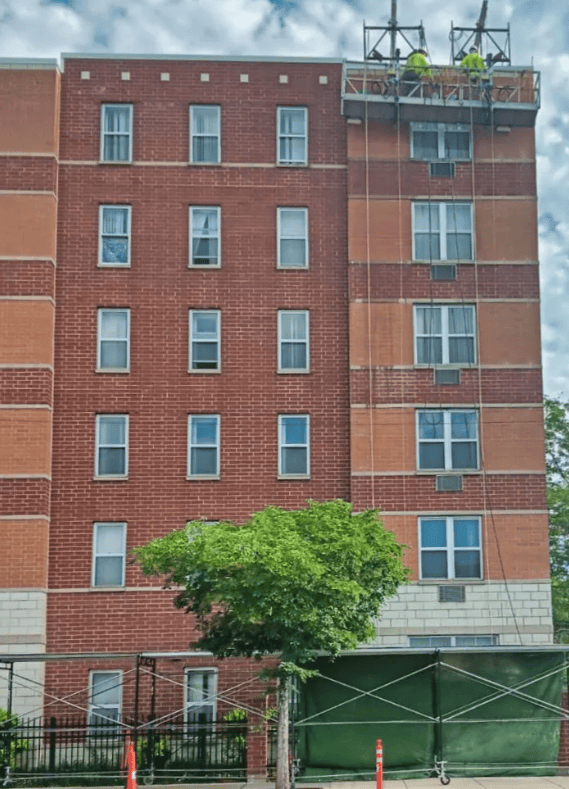
For example, during RestoreWorks' masonry restoration project at Churchview Supportive Living Community in Chicago, all work was performed from the exterior while a sidewalk canopy maintained safe access for residents and visitors throughout the project. Careful planning helped the restoration work move forward while the building remained occupied.
Choose Contractors That Understand Restoration Sequencing
Not every contractor approaches restoration work the same way.
Commercial masonry restoration often uncovers concealed conditions that require adjustments in the field. Contractors who regularly perform restoration work understand how masonry, flashing, sealants, concrete, and structural repairs affect one another.
That experience can reduce unnecessary delays and make coordination with other trades more predictable.
Frequently Asked Questions About Multi-Trade Restoration Projects
What is a multi-trade restoration project?
A multi-trade restoration project involves multiple specialty contractors working on the same building. Masonry restoration, roofing, sealant replacement, concrete repairs, window replacement, and structural repairs often need to be coordinated so each trade can complete its work without delaying others.
Why do restoration projects get delayed?
Many delays occur because trades depend on one another. Access conflicts, weather, material lead times, hidden building conditions, and schedule changes can all affect progress if they are not identified early.
How often should restoration project coordination meetings be held?
Weekly coordination meetings are common on commercial restoration projects. They allow project teams to review completed work, discuss schedule changes, address safety concerns, coordinate deliveries, and prepare upcoming activities before conflicts develop.
How does Chicago weather affect commercial masonry restoration?
Freeze-thaw cycles, rain, and strong winds can all affect exterior restoration work. Planning around seasonal conditions and allowing flexibility in the schedule helps reduce disruptions and maintain project momentum.
Planning a Commercial Masonry Restoration Project?
Managing multiple trades takes more than a detailed schedule. It requires sequencing the work correctly, coordinating access, and keeping communication moving from preconstruction through closeout.
If you're planning a commercial masonry restoration project in the Chicago area, RestoreWorks works alongside owners, property managers, architects, engineers, and general contractors to complete repairs with as little disruption as possible. Whether the project includes masonry repairs, sealant replacement, lintel and shelf angle flashing repairs, or concrete façade restoration, our team can help coordinate the work so your project stays on track.
Need to discuss an upcoming project? Contact RestoreWorks to schedule a site visit or request a consultation.