How Neglected Masonry Cleaning Leads to Long-Term Damage
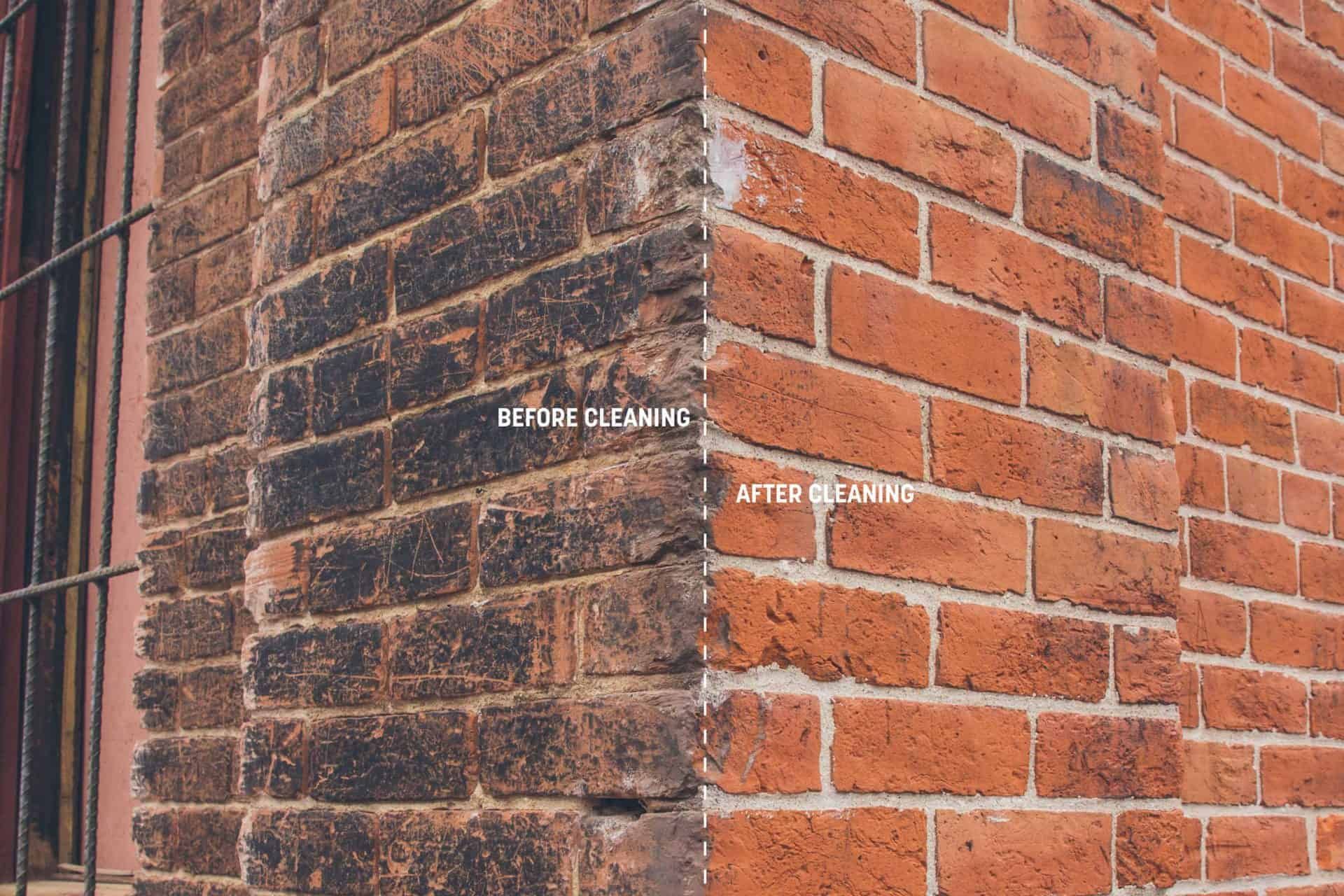
A stained masonry façade may only need restorative cleaning. In other cases, the staining is connected to moisture, salts, deteriorated joints, or another condition that needs attention.
That distinction matters on commercial and multi-family buildings. Years of buildup can make it harder to see cracks, open mortar joints, previous repairs, and other changes in the façade. Some deposits can also become more difficult to remove the longer they remain.
Before cleaning starts, it helps to know what caused the staining and what type of masonry is underneath it.
What Causes Staining on Masonry?
Brick, stone, terra cotta, cast stone, and concrete all weather differently. The same is true for the stains that develop on them.
Common conditions include:
- Efflorescence and other salt deposits
- Atmospheric dirt and pollution
- Algae, moss, and other biological growth
- Rust staining
- Mineral deposits from repeated water exposure
- Organic staining
- Runoff below copings, windows, joints, and other building components
The Historic Preservation Education Foundation recommends identifying both the masonry material and the cause and composition of the soiling when evaluating a building for cleaning. That matters because similar-looking stains can have different causes and may require different cleaning methods.
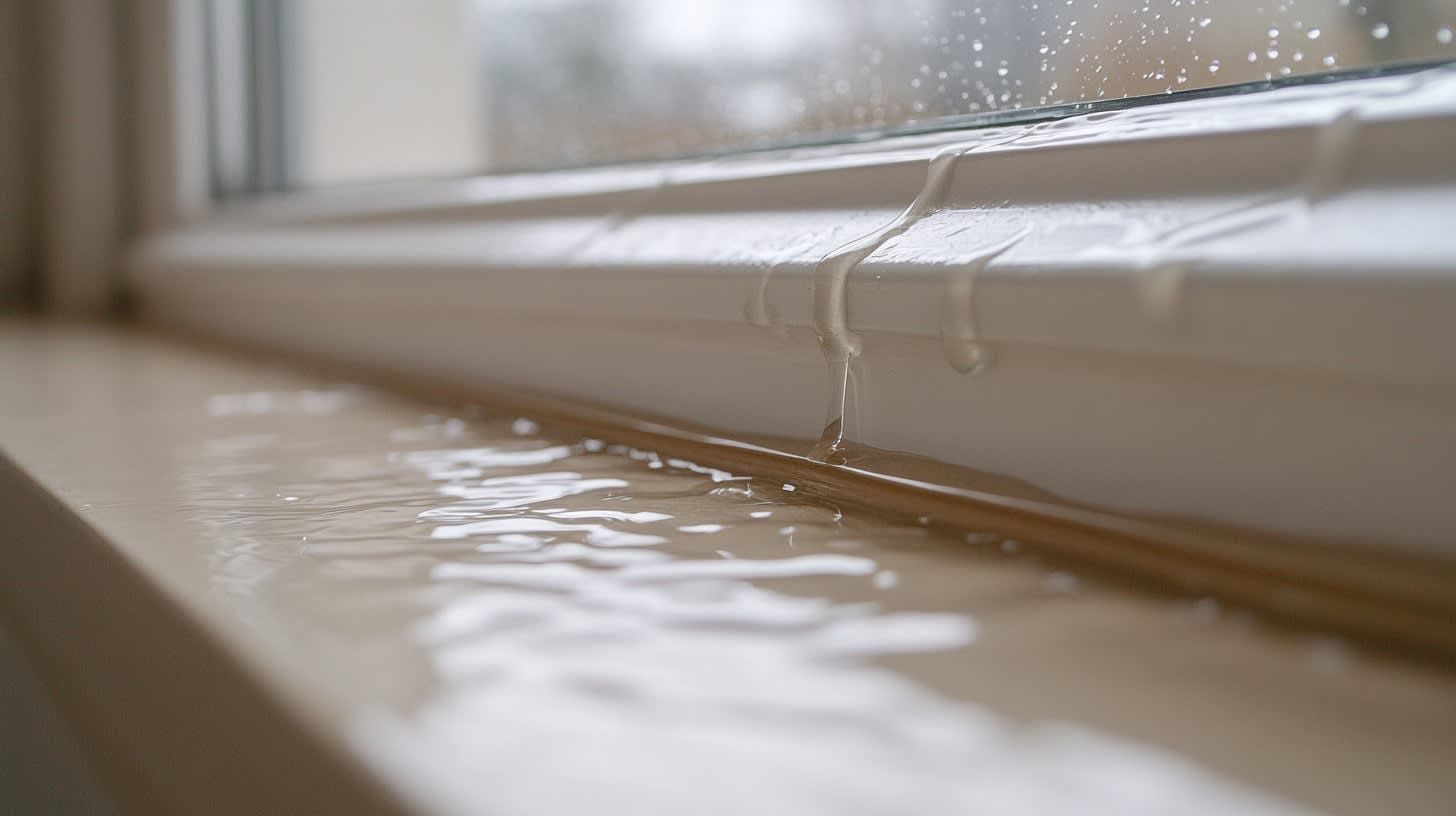
Where a stain appears can be as useful as the stain itself. A concentrated area below a window, coping, flashing location, or failed joint may point to a water path that should be evaluated before the wall is cleaned.
Recurring staining deserves even more attention. If a cleaned area quickly develops the same condition again, there is usually a reason.
How Can Neglected Masonry Cleaning Lead to Damage?
The effects depend on the material and what has accumulated on it. Dirt alone does not mean masonry is deteriorating. Problems develop when staining is tied to moisture, salts, contaminants, or conditions that go unnoticed because the surface has not been maintained.
Efflorescence Can Point to Moisture Movement
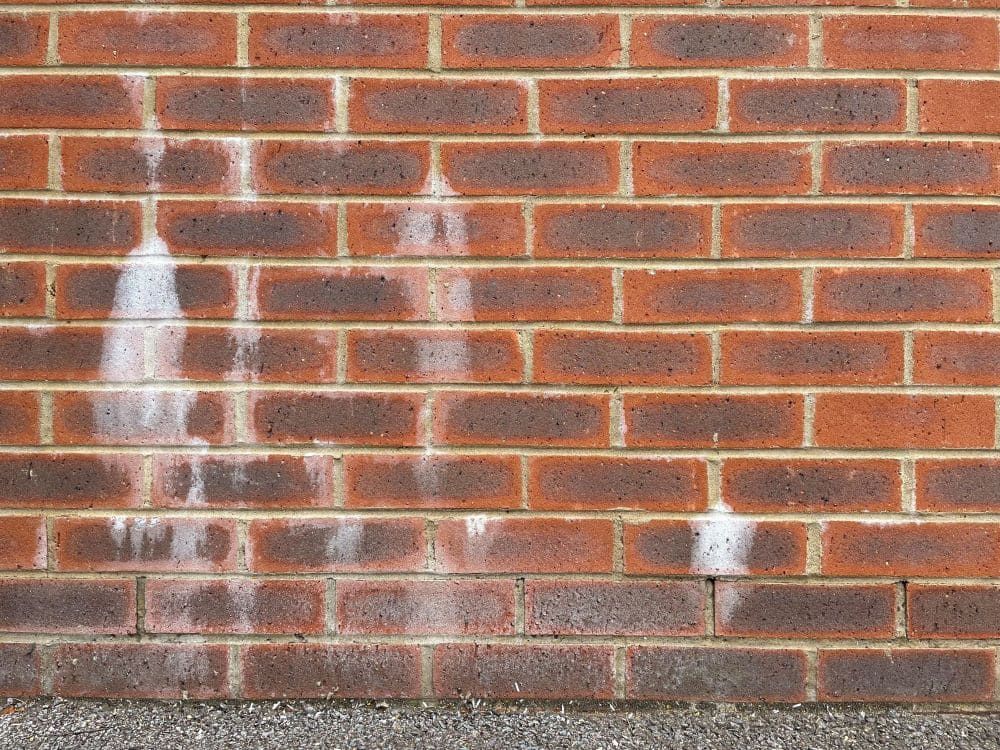
Efflorescence is the white, powdery or crystalline deposit commonly seen on brick and other masonry. It forms when water dissolves soluble salts, carries them through the masonry, and then evaporates at the surface, leaving the salts behind.
The Brick Industry Association notes that efflorescence is usually not harmful to brick masonry by itself. The more important question is why it is occurring. BIA recommends identifying and correcting the cause of efflorescence before attempting to remove the visible deposits.
On existing buildings, recurring efflorescence can point to excessive water penetration or poor drainage. Potential sources include deteriorated mortar joints, cracks, failed sealant joints, coping problems, flashing issues, and water entering around openings. Salts can also come from mortar, concrete, soil, and other materials in contact with the brick.
Cleaning can remove the deposit, but it will not stop efflorescence from returning if moisture is still moving through the wall.
Biological Growth Often Develops Where Masonry Stays Damp
Algae, moss, and similar growth tend to show up in areas that remain wet for longer periods. Shaded walls, areas near landscaping, and surfaces affected by drainage or runoff are common locations.
Cleaning may remove the growth, but the area should also be reviewed for the conditions allowing it to stay damp. Otherwise, the same problem may return.
Heavy Buildup Can Make Façade Problems Harder to See
A dirty wall can hide more than its original color.
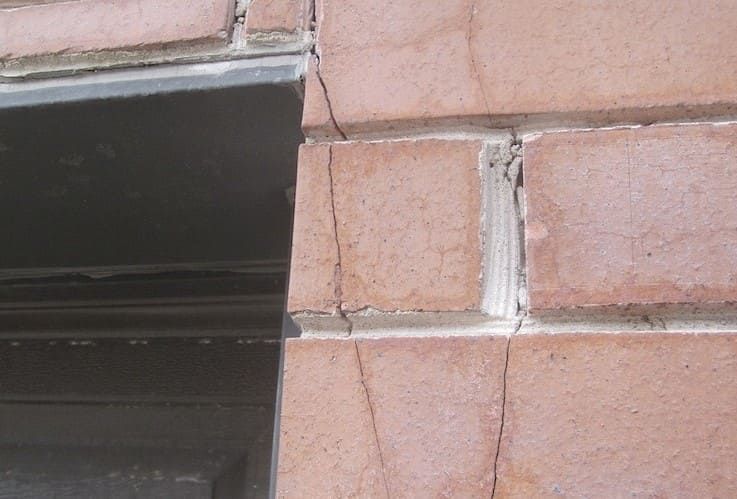
Heavy staining or deposits can make it difficult to identify:
- Fine cracks
- Open or deteriorated mortar joints
- Spalled masonry
- Surface erosion
- Old patches and previous repairs
- Differences between original and replacement materials
This is one reason masonry cleaning is sometimes completed as part of a larger restoration project. Once the surface is cleaned, the project team has a clearer view of the masonry and can determine whether additional repairs are needed.
Why Is Masonry Cleaning Important on Chicago Buildings?
Chicago weather puts exterior masonry through frequent changes in temperature and moisture.
Water that enters cracks, open joints, or porous masonry can freeze during colder weather. Existing deterioration can worsen as those wetting and freezing conditions repeat. Deicing salts around entrances, sidewalks, plazas, and parking areas can also contribute to staining and salt exposure near the base of a building.
Weather also affects when cleaning work can be performed. The U.S. General Services Administration (GSA) guidance for historic masonry cleaning places limits on temperature and weather conditions during cleaning, including restrictions when freezing temperatures, rain, or snow are expected. For Chicago projects, that makes seasonal planning an important part of the cleaning process.
Material selection matters as well. Many older Chicago buildings combine brick, limestone, terra cotta, cast stone, and previous repairs on the same façade. GSA guidance calls for identifying the material type, surface and substrate conditions, previous treatments, and the nature of the soiling before selecting a cleaning method.
A process that works on brick should not automatically be carried onto adjacent limestone or another material. Test areas help determine the gentlest method that will remove the staining without damaging the masonry.
What Types of Masonry Staining Should Be Investigated?
The pattern of a stain can provide clues about what is happening behind it.
| What You See | Possible Cause | What to Check |
|---|---|---|
| White powdery staining | Efflorescence | Moisture source and salt movement |
| Staining below windows or joints | Water runoff or penetration | Sealants, mortar joints, flashing, and drainage |
| Green or dark growth | Persistent damp conditions | Water source, drainage, and exposure |
| Rust-colored stains | Ferrous metal or runoff | Nearby or embedded metal and water path |
| Hard white deposits | Mineral-rich water | Where the water is coming from and how the deposit should be removed |
| Uneven discoloration | Previous coating, repair, or material change | Existing treatments and substrate condition |
The table is a starting point, not a diagnosis. Similar-looking stains can have different causes, especially on buildings with several masonry materials or years of previous repair work.
Why Should Masonry Cleaning Be Tested First?
There is no single cleaning method that works for every masonry surface.
The contractor needs to account for the masonry type, condition of the surface, contaminant, previous treatments, adjacent materials, and the appearance expected after cleaning.
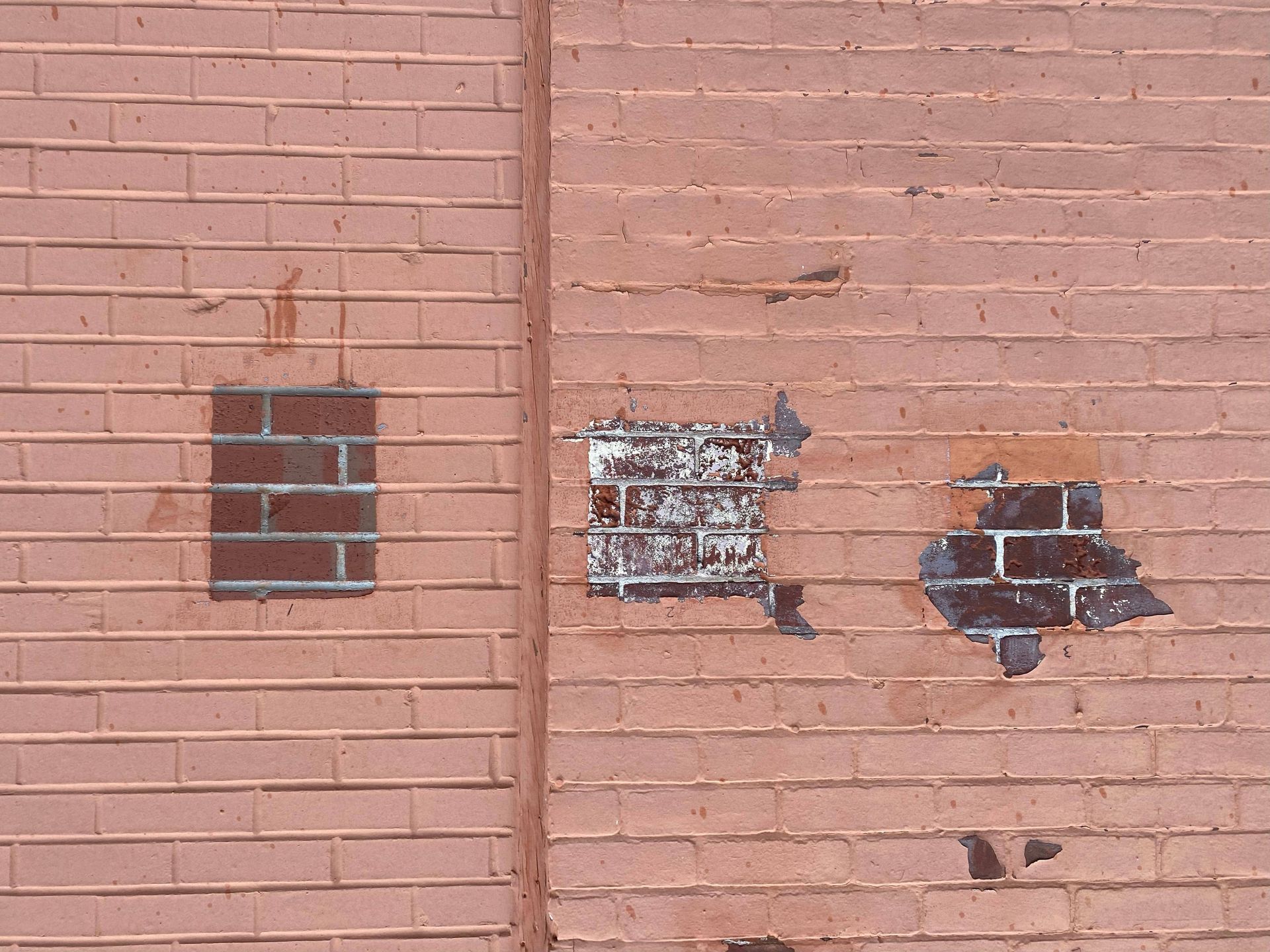
A mock-up gives the project team a controlled area to work through those variables before full production starts. Depending on the method, the test can help establish:
- Cleaner and concentration
- Dwell time
- Water pressure and volume
- Agitation
- Rinsing procedure
- Final appearance
This is especially useful on older façades. Two materials that look similar from the ground may react very differently once cleaning begins.
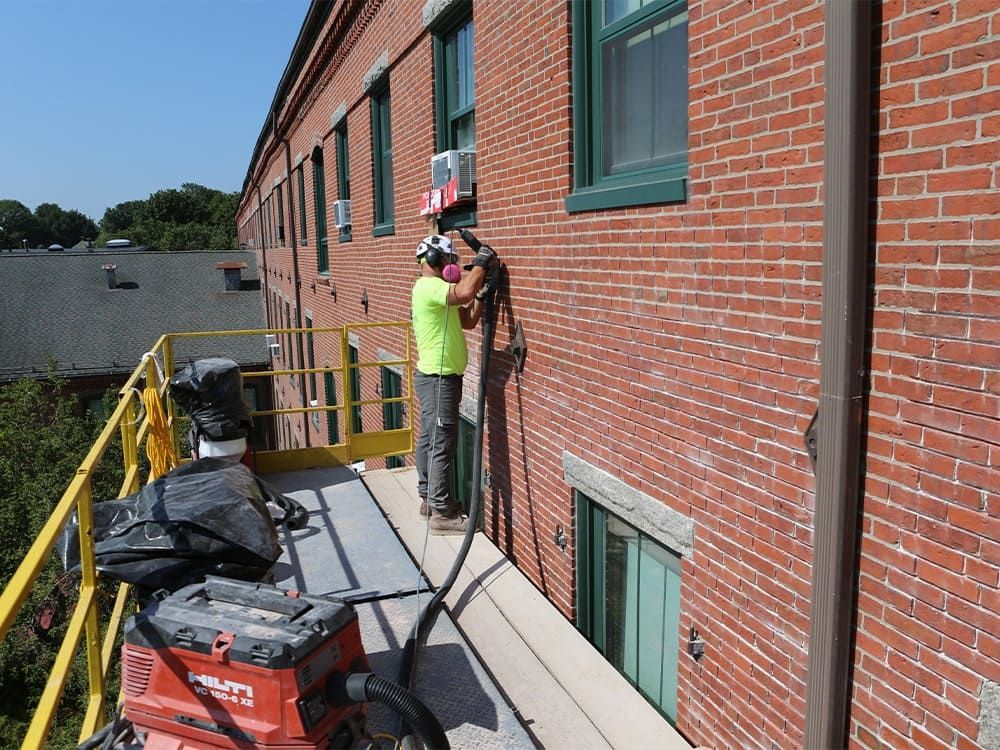
Can Pressure Washing Damage Brick or Stone?
Yes. Too much pressure can damage masonry.
High-pressure water can erode mortar, change the surface texture of brick or stone, remove weakened surface material, or introduce more water into an already vulnerable wall.
Pressure is only one part of the cleaning method. Nozzle type, distance from the wall, water volume, surface condition, and the masonry itself affect how the wall responds.
Chemical cleaners require the same care. A product that works on one masonry type may stain, etch, or otherwise damage another. This is another reason test areas should be completed before cleaning a large elevation.
The goal is to use enough cleaning action to remove the target stain without changing the masonry surface.
Should Masonry Repairs Be Completed Before or After Cleaning?
In most restoration projects, major masonry repairs and repointing should follow cleaning.
The International Masonry Institute (IMI) recommends completing masonry cleaning before major repairs and repointing. Cleaning first gives the project team a better view of the existing masonry and avoids exposing new mortar or repair materials to a cleaning process they may not be compatible with.
IMI's restoration cleaning process starts with reviewing the building's construction and maintenance history, evaluating the different masonry substrates and their condition, and identifying the source of the soiling. From there, test areas and mock-ups are used to establish the cleaning method before full-scale work begins.
A typical sequence may look like this:
- Review the façade, construction history, and existing conditions.
- Identify the masonry materials and types of staining.
- Identify and, where possible, address the source of the soiling.
- Complete cleaning test areas and mock-ups.
- Establish the acceptable level of clean with the project team.
- Complete the full-scale masonry cleaning.
- Evaluate the cleaned masonry and document any conditions that are now easier to see.
- Complete major repairs, repointing, or other restoration work.
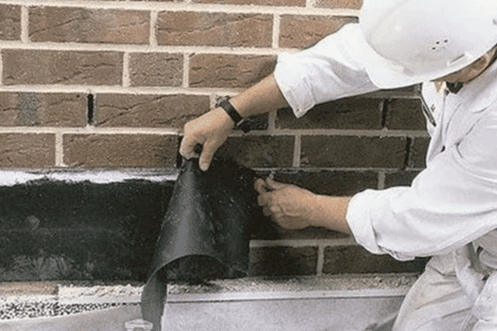
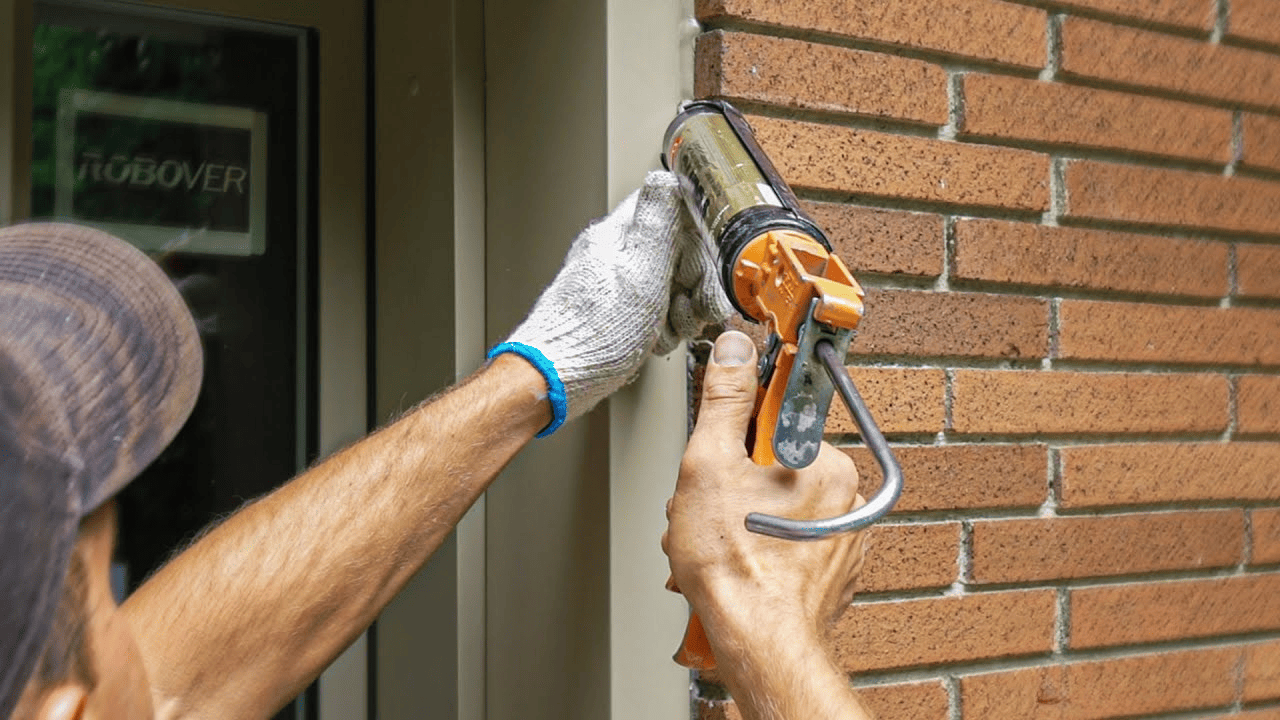
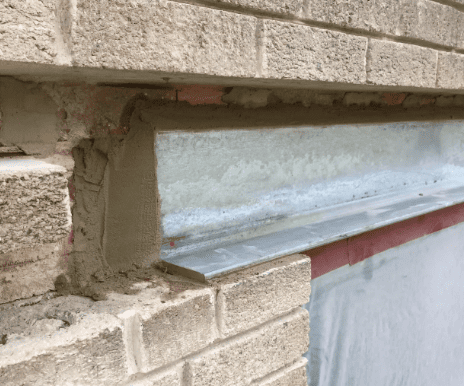
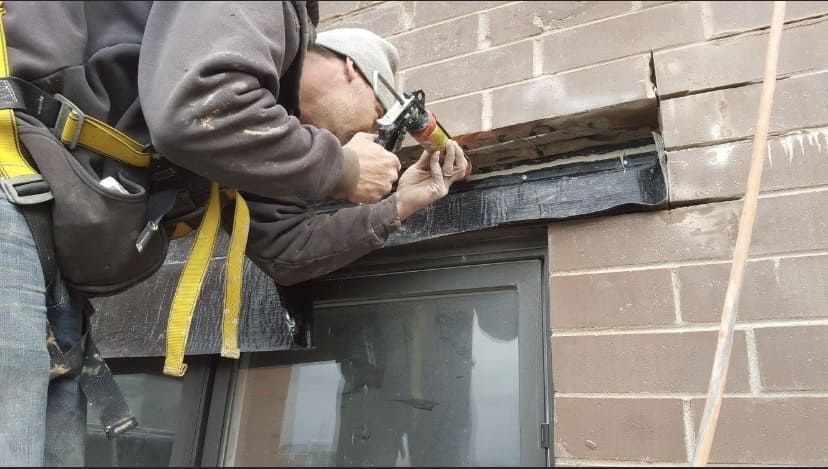
Depending on what is exposed after cleaning, the next phase may include tuckpointing, caulking and sealant repairs, masonry restoration, or lintel and shelf flashing repairs.
If cleaning must be performed after repairs are completed, the cleaning products and methods should first be tested for compatibility with the new mortar and repair materials.
What Can Restorative Cleaning Look Like in the Field?
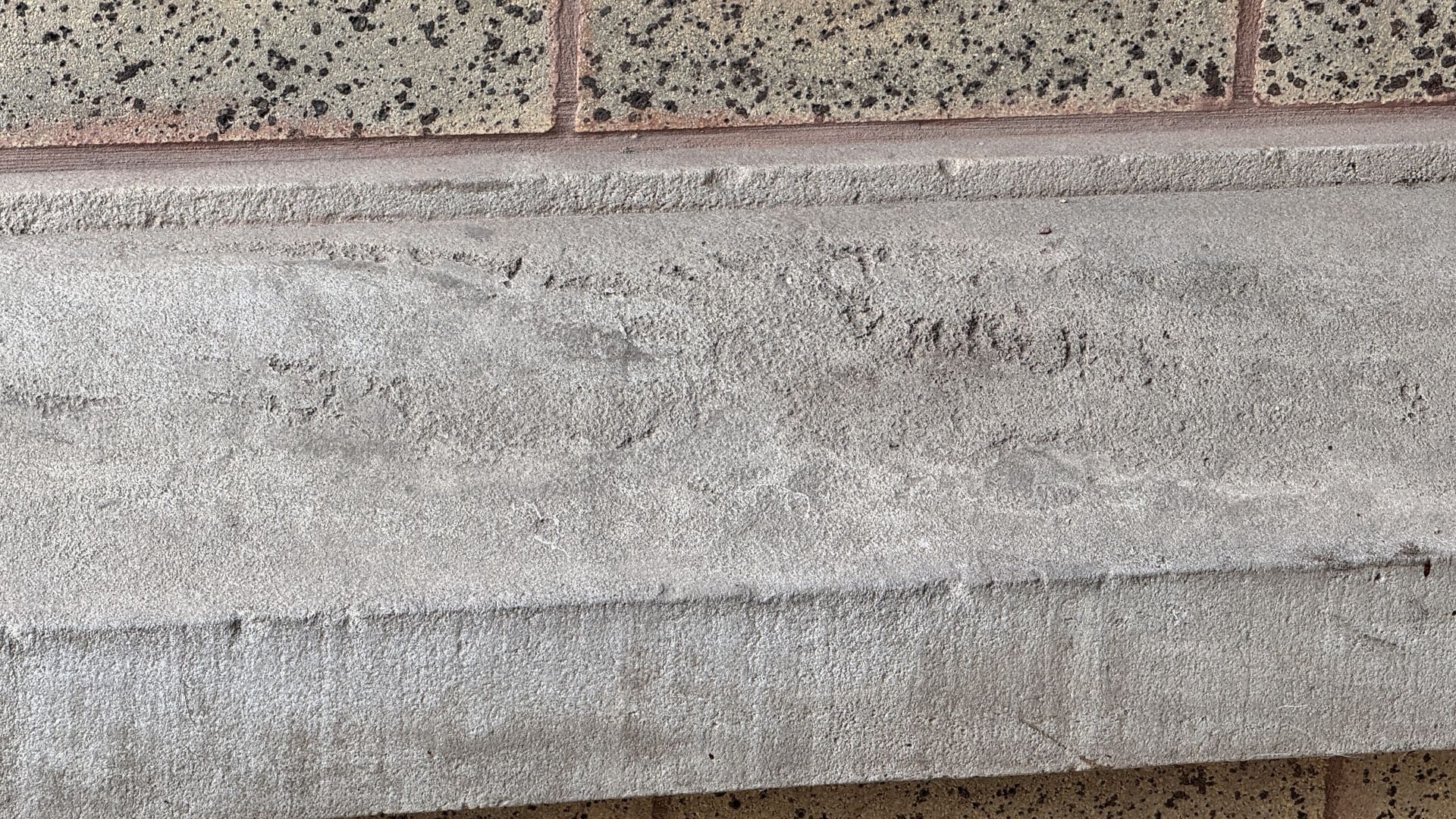
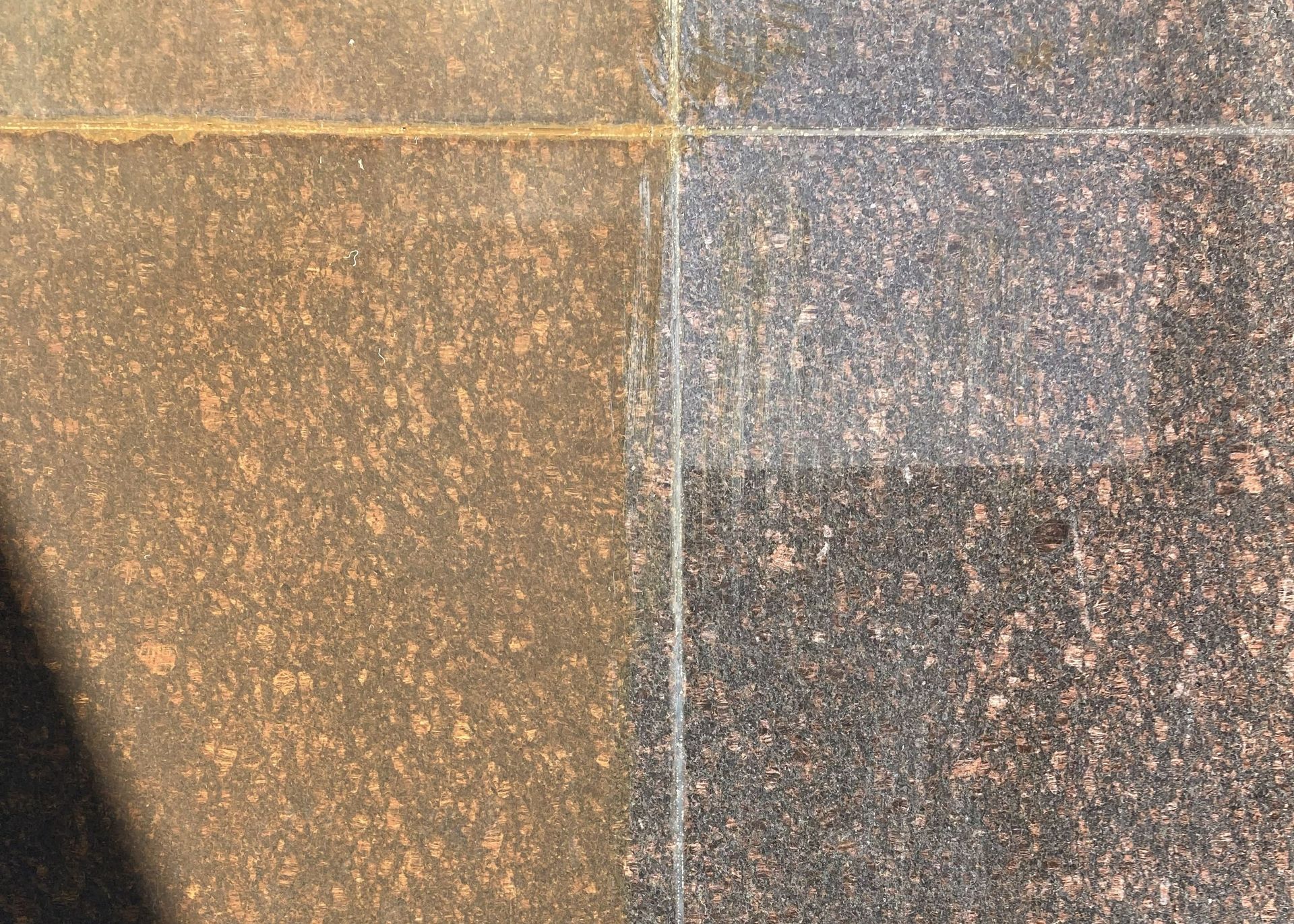
A recent RestoreWorks project at Indiana University Northwest involved mineral deposits on polished granite. While our crew was on site, they also removed rust staining from adjacent stone.
Those were two different staining conditions on neighboring surfaces. Treating both as general dirt would have missed an important part of the cleaning process: identifying what needs to be removed and how the underlying material will respond.
That same approach applies on a larger commercial façade. Start with the material and the stain. Then establish the cleaning process.
When Is It Time to Clean a Masonry Building?
There is no standard schedule that says every commercial masonry building should be cleaned after a certain number of years.
Condition is a better guide. It may be time to evaluate cleaning when:
- Staining has become noticeably heavier
- Efflorescence continues to return
- Biological growth is spreading
- Rust or mineral deposits are building up
- Soiling is interfering with façade observations
- Masonry repairs or repointing are being planned
Property managers should pay attention to changes between inspections. New staining, staining that spreads, or staining that repeatedly returns can provide useful information about how water is moving across or through the building.
Frequently Asked Questions About Masonry Cleaning
Can Dirty Masonry Cause Damage?
Dirt by itself does not automatically damage masonry. The concern depends on what is causing the discoloration. Salts, biological growth, mineral deposits, pollutants, or persistent moisture may contribute to deterioration or indicate another problem. Heavy buildup can also make cracks, failed mortar joints, and damaged masonry harder to see.
How Often Should Commercial Masonry Be Cleane?
There is no standard cleaning interval for every commercial building. The right timing depends on the masonry material, exposure, type of staining, previous treatments, and maintenance history. Property managers should track changes in the façade and investigate stains that are spreading, becoming heavier, or returning after previous cleaning.
Is Pressure Washing Safe for Brick and Stone?
It can be, but the pressure and cleaning process need to match the masonry. Excessive pressure can damage mortar or alter the face of brick and stone. A test area should be completed first to determine the appropriate water pressure, nozzle, distance, cleaning product, and rinsing procedure for the surface.
Does Cleaning Efflorescence Fix the Moisture Problem?
No. Cleaning removes the salt deposit that is visible on the surface. If moisture continues entering or moving through the masonry, the efflorescence can return. Recurring efflorescence should prompt a review of possible water sources such as cracks, mortar joints, sealants, flashing, copings, drainage, or openings.
Address the Cause Before the Staining Gets Worse
Masonry cleaning can improve the appearance of a building, but the staining itself may also point to a condition that needs attention.
Pay attention to where the staining is occurring, whether it is spreading, and whether it has returned after previous cleaning. Those details can help determine if the building needs restorative cleaning alone or if repairs should be addressed at the same time.
If you are seeing recurring staining, mineral deposits, efflorescence, or other buildup on a commercial or multi-family building in the Chicago area, contact RestoreWorks to discuss the condition and next steps.