How Heat Affects Sealants and Mortar Joints
Why Heat Can Cause Building Envelope Problems
Sealants and mortar joints play critical roles in protecting commercial, institutional, and multi-family buildings from water intrusion and weather-related deterioration. While freeze-thaw cycles often receive the most attention in the Midwest, prolonged heat exposure can also place significant stress on masonry assemblies.
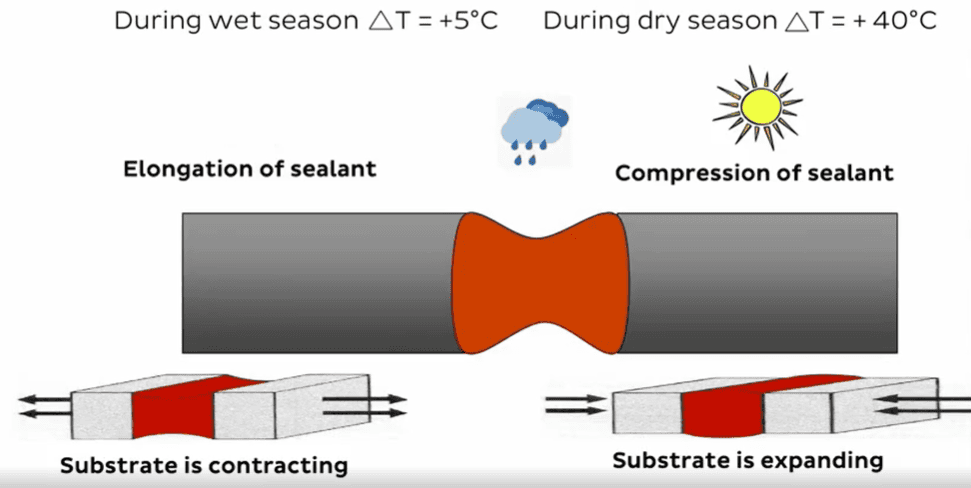
As temperatures rise, building materials expand. Brick, concrete, stone, steel, sealants, and mortar all react differently to thermal movement. When these materials expand and contract at different rates, stress can develop within the building envelope.
Over time, that stress can contribute to cracking, joint failure, moisture intrusion, and accelerated deterioration.
Understanding how heat affects sealants and mortar joints can help property managers, engineers, architects, and building owners identify potential issues before costly repairs become necessary.
How Thermal Expansion Affects Masonry Assemblies
All construction materials expand when heated and contract when cooled. This natural process is known as thermal expansion.
Masonry walls are designed to accommodate movement through features such as:
- Expansion joints
- Control joints
- Sealant joints
- Flexible flashing systems
- Properly designed movement joints
When these components function properly, thermal movement occurs without damaging the building envelope.
According to the Rocky Mountain Masonry Institute, masonry wall systems experience movement from multiple sources, including temperature changes, moisture-related expansion and contraction, settlement, and long-term material creep. Different materials within a wall assembly may also move differently over time. For example, clay masonry generally expands, while materials such as wood framing, concrete masonry units (CMU), and stone may shrink. These differences can create stress within the building envelope if movement is not properly accommodated.
Problems often develop when joints become deteriorated, improperly maintained, or unable to accommodate movement as originally intended.
Why Chicago Buildings Experience Significant Thermal Stress
Buildings throughout Chicago and Northwest Indiana are exposed to substantial annual temperature swings.
A masonry wall may experience:
- Subzero winter temperatures
- Summer surface temperatures exceeding 140°F on sun-exposed elevations
- Rapid heating and cooling cycles
- Wind-driven weather conditions near Lake Michigan
According to the Illinois State Climatologist's Office, Chicago's climate is characterized by cold winters, warm summers, frequent weather changes, and the moderating influence of Lake Michigan. While the lake can help temper some temperature extremes, buildings throughout the region are still subjected to significant seasonal fluctuations and changing weather conditions throughout the year. These environmental factors contribute to ongoing movement within masonry assemblies as building materials expand and contract over time.
These repeated cycles of expansion and contraction place ongoing stress on mortar joints, sealants, and adjacent building materials.
How Heat Affects Sealants
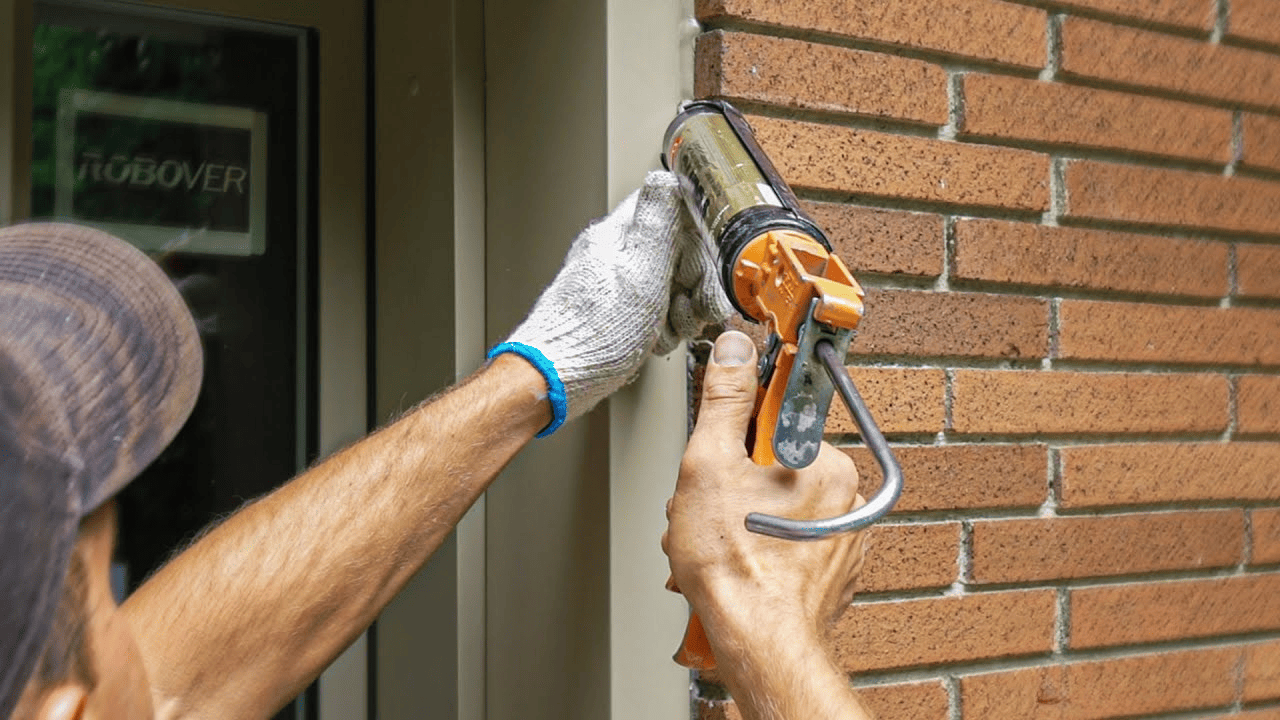
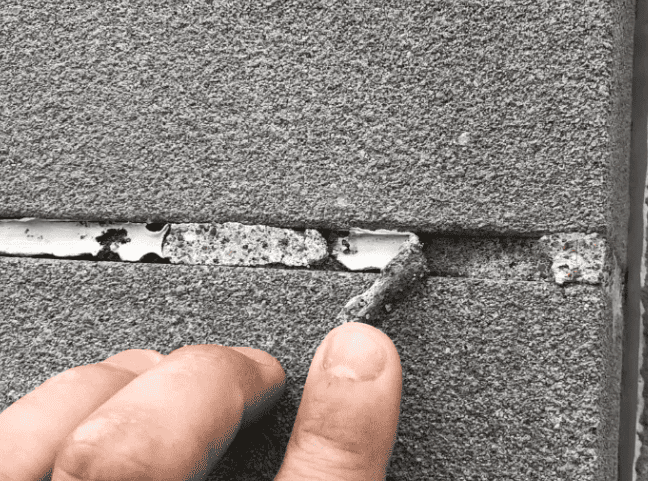
Sealants are designed to remain flexible while accommodating movement between building components. However, prolonged heat exposure and ultraviolet (UV) radiation can gradually degrade many sealant materials.
Common Effects of Heat on Sealants
Heat-related deterioration may include:
- Loss of elasticity
- Shrinkage
- Cracking
- Adhesion failure
- Cohesive failure within the sealant itself
- Surface hardening or brittleness
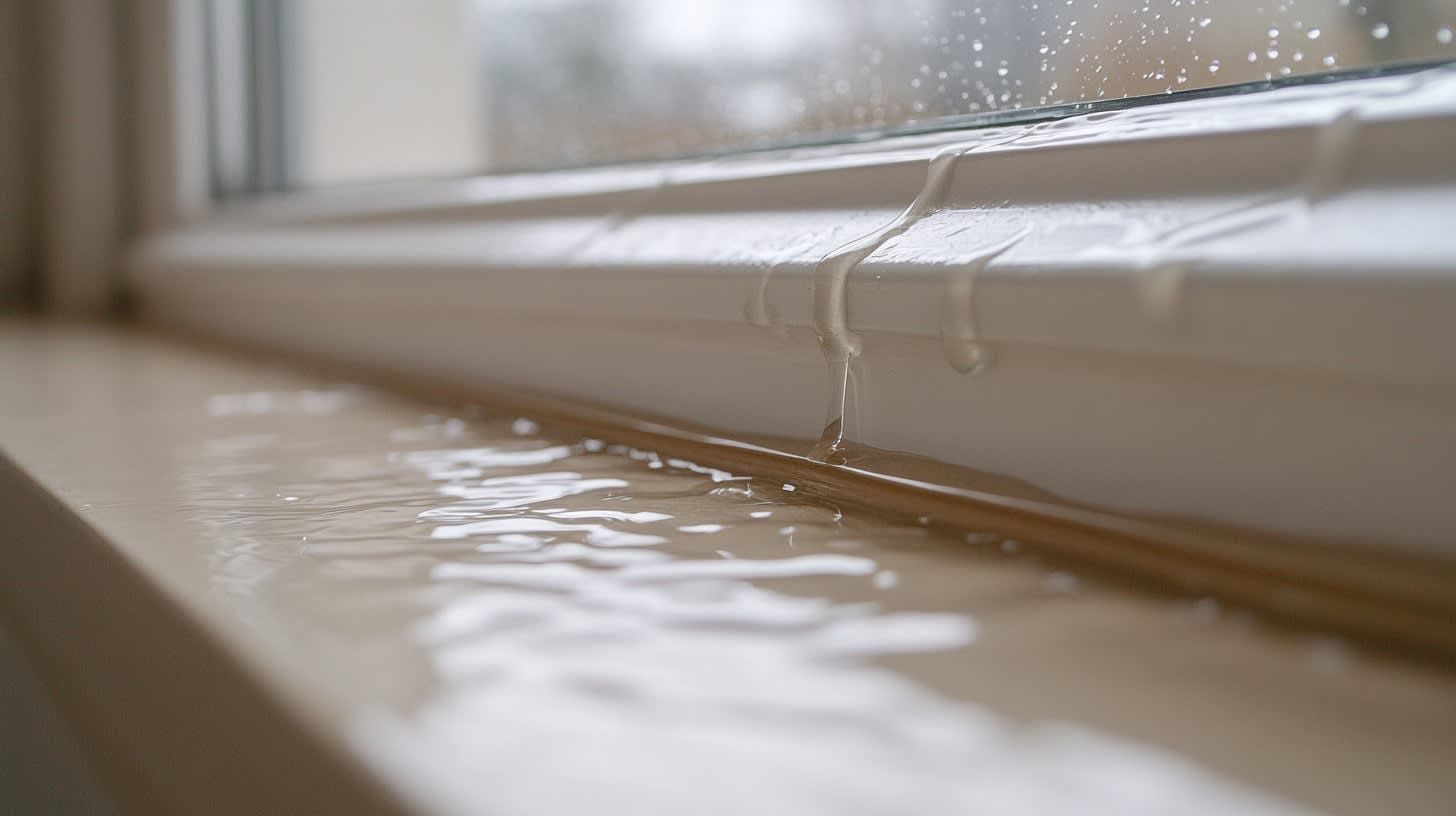
As sealants age, their ability to accommodate movement decreases. Eventually, gaps can develop that allow water infiltration into the wall assembly.
Warning Signs of Sealant Failure
Property managers and maintenance teams should watch for:
- Cracked sealant joints
- Separation from adjacent materials
- Visible gaps between materials
- Hardened or brittle sealant
- Water staining near joints
- Interior moisture intrusion
Buildings with aging sealants should be evaluated periodically by experienced commercial caulking contractors to determine whether repairs or replacement are necessary.
How Heat Affects Mortar Joints
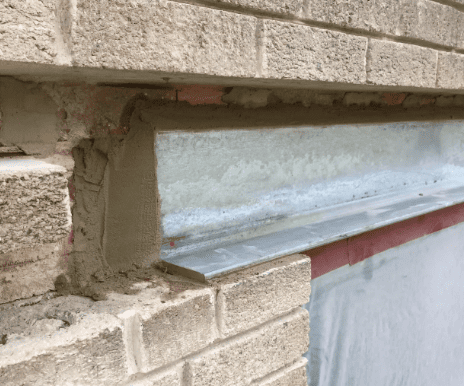
Unlike sealants, mortar joints are rigid components of a masonry wall system. While mortar is designed to withstand environmental exposure, repeated thermal movement can contribute to deterioration over time.
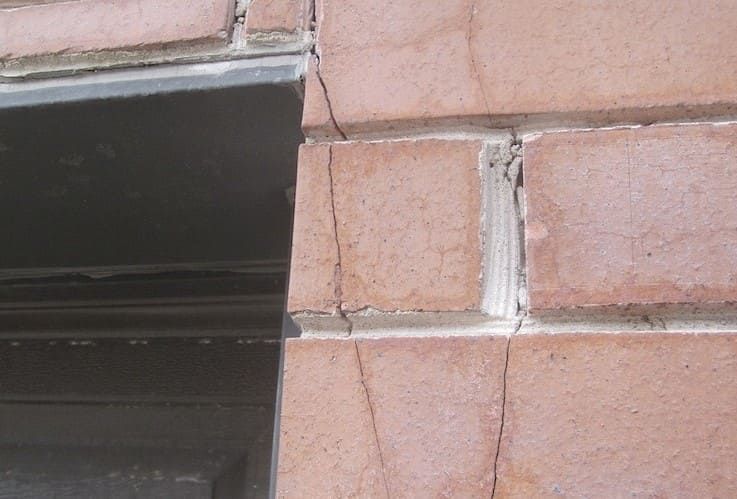
Heat itself does not typically cause mortar failure. However, expansion and contraction cycles can create stress within the mortar joint and surrounding masonry.
Common Heat-Related Mortar Joint Issues
Potential concerns include:
- Hairline cracking
- Mortar separation
- Joint erosion
- Open mortar joints
- Accelerated weathering
- Water penetration pathways
Older buildings may be particularly vulnerable if original mortar has already experienced decades of environmental exposure.
Why Mortar Joint Condition Matters
A deteriorated mortar joint can allow moisture to enter the wall system.
Once water infiltrates the assembly, additional problems may develop, including:
- Freeze-thaw damage
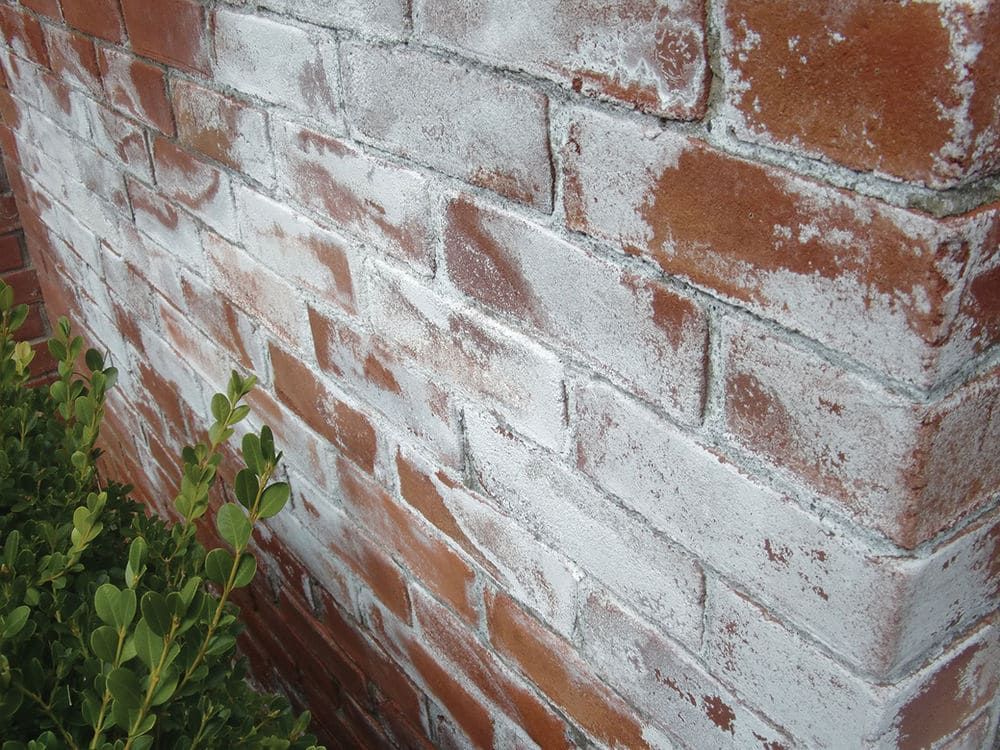
- Efflorescence
- Interior leaks
- Corrosion of embedded steel components
- Masonry displacement
This is one reason why routine inspections and timely tuckpointing remain important components of long-term masonry maintenance.
When Heat and Moisture Work Together
Heat-related movement becomes more problematic when combined with moisture intrusion.
For example:
- Sealant begins to crack or separate.
- Water enters the wall system.
- Moisture reaches concealed materials.
- Seasonal expansion and contraction continue.
- Deterioration accelerates.
Over time, what began as a minor sealant issue can contribute to more extensive masonry repairs.
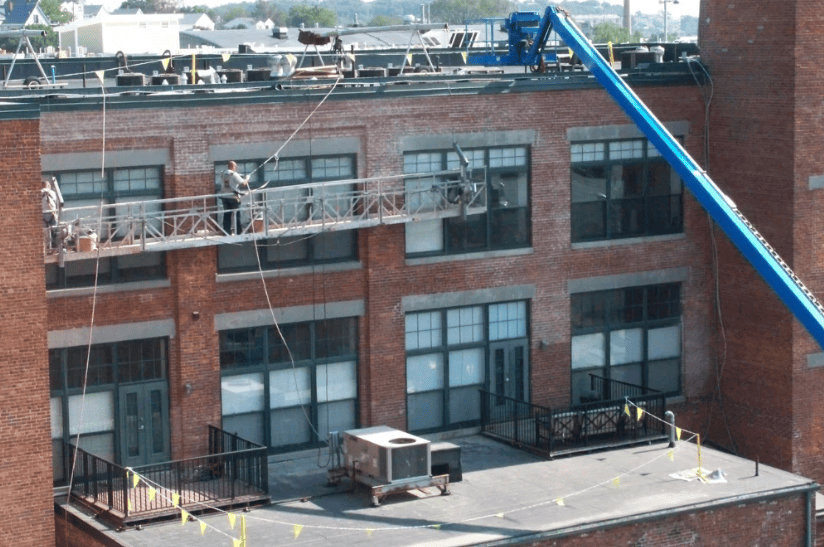
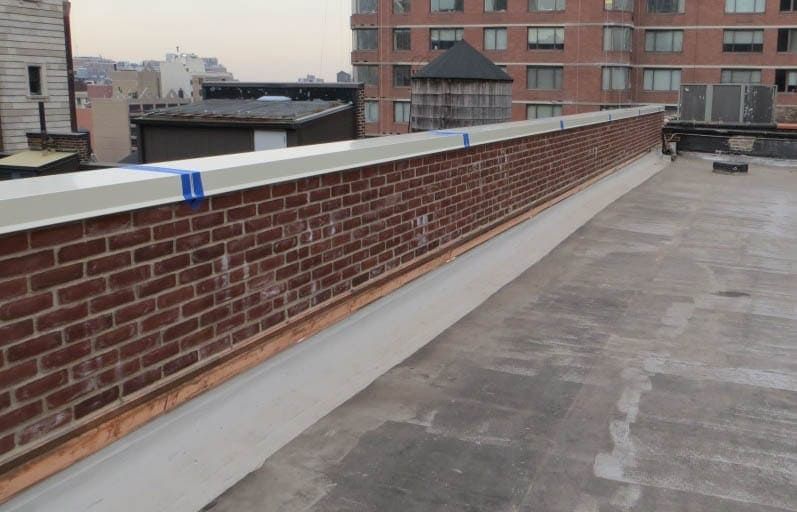
This relationship between moisture management and thermal movement is one reason comprehensive building envelope evaluations often examine sealants, mortar joints, flashing systems, and adjacent materials together.
How Building Owners Can Reduce Long-Term Damage
Proactive maintenance remains the most effective strategy for managing heat-related deterioration.
Recommended practices include:
Schedule Regular Building Envelope Inspections
Routine inspections can help identify early signs of sealant and mortar joint failure before water infiltration occurs.
Address Sealant Failures Promptly
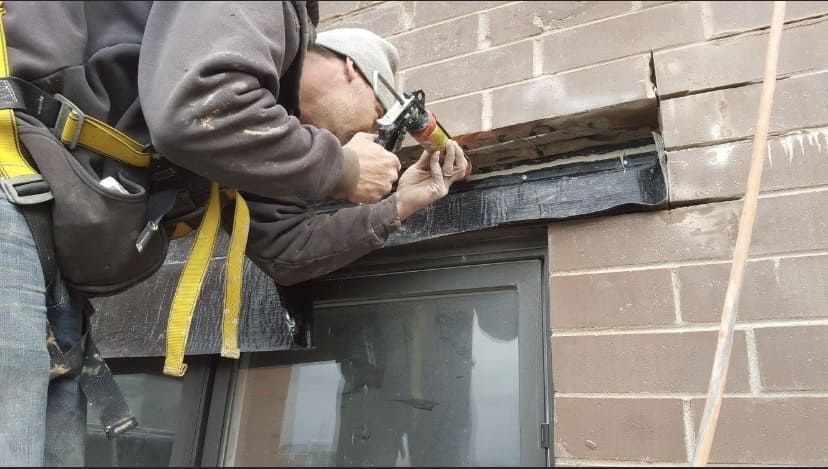
Sealant replacement is often significantly less expensive than repairing water-related damage after it develops.
Maintain Mortar Joints
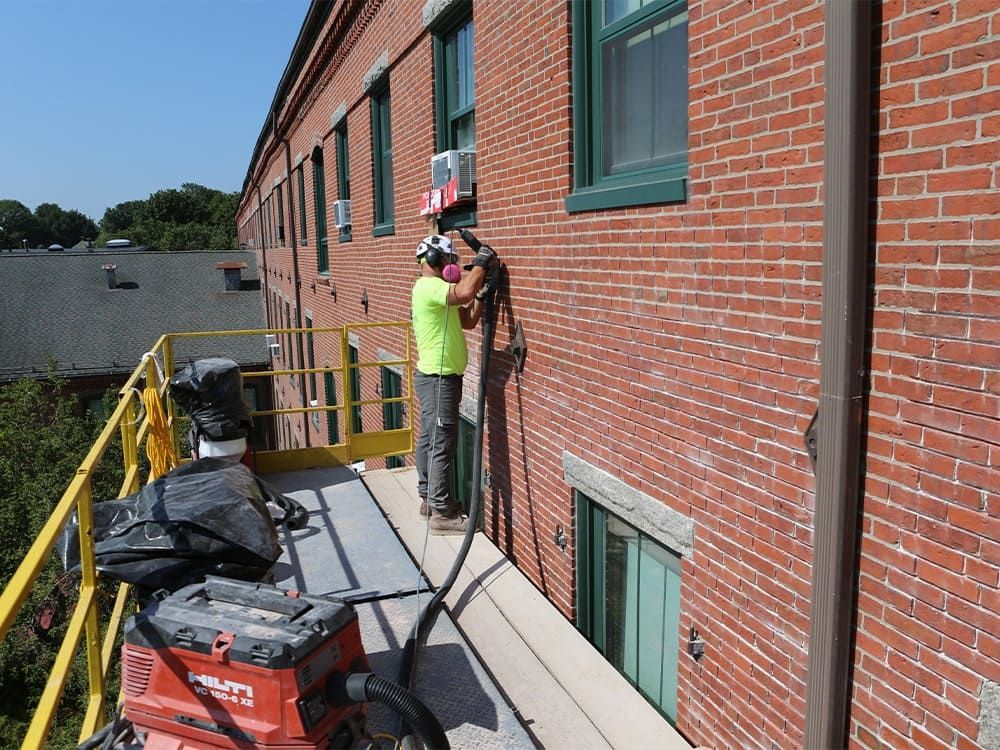
When mortar deterioration is identified, tuckpointing can help restore weather resistance and maintain the integrity of the masonry system.
Evaluate Related Building Components
Sealants, mortar joints, flashing systems, and masonry materials function together. Repairs should consider the entire assembly rather than isolated symptoms.
Why Early Repairs Often Cost Less Than Deferred Maintenance
Small joint failures rarely remain small for long.
A minor opening in a sealant joint or deteriorated mortar joint can allow moisture to enter the wall system. Once water intrusion begins, repair costs can increase significantly due to concealed damage and broader restoration requirements.
Early intervention often helps:
- Extend service life
- Reduce water intrusion risks
- Preserve structural components
- Improve building performance
- Minimize disruption to occupants
For commercial and multi-family properties, preventative maintenance frequently provides a lower overall lifecycle cost than reactive repairs. According to the International Facility Management Association (IFMA), building operations account for 60-80% of total lifecycle costs, making proactive maintenance and asset preservation important strategies for reducing long-term expenses and extending service life.
When to Consult a Masonry Restoration Contractor
If your building is showing signs of joint deterioration, cracking, or water infiltration, a professional evaluation can help determine the extent of the issue.
An experienced masonry restoration contractor can assess:
- Mortar joint condition
- Sealant performance
- Building movement
- Moisture intrusion pathways
- Flashing and drainage components
- Recommended repair priorities
Addressing issues early can help protect the building envelope and reduce the likelihood of larger restoration projects in the future.
Frequently Asked Questions
Can hot weather damage sealants?
Yes. Prolonged exposure to heat and UV radiation can cause some sealants to lose flexibility, shrink, crack, or separate from adjacent materials. As deterioration progresses, the likelihood of water intrusion increases.
How do I know if a mortar joint needs repair?
Common signs include cracking, erosion, missing mortar, open joints, and visible separation between masonry units. A professional evaluation can determine whether tuckpointing or additional repairs are needed.
How often should commercial sealants be inspected?
Most commercial buildings benefit from periodic inspections every few years, although frequency may vary based on exposure conditions, building age, and previous maintenance history. Areas with high sun exposure often warrant closer monitoring.
Can heat cause masonry walls to crack?
Heat-related expansion and contraction can contribute to cracking, particularly when movement joints are deteriorated, missing, or unable to accommodate expected building movement.
Should sealants and mortar joints be evaluated together?
Yes. Both components help protect the building envelope from moisture intrusion. Evaluating them together often provides a more complete understanding of potential vulnerabilities and repair priorities.
If you have more questions about sealant and mortar repair, contact RestoreWorks today to learn more.