How Do Caulking and Sealant Repairs Improve Building Operating Efficiency?
Maintaining your building’s efficiency should be a top priority. Often, caulking and sealant repairs are overlooked as simple maintenance tasks. However, these services play a critical role in ensuring the longevity and energy efficiency of your structures. This blog dives into the technical and practical benefits of these essential repairs, particularly in Chicago's demanding climate.
The Role of Caulking and Sealant Repairs in Building Performance
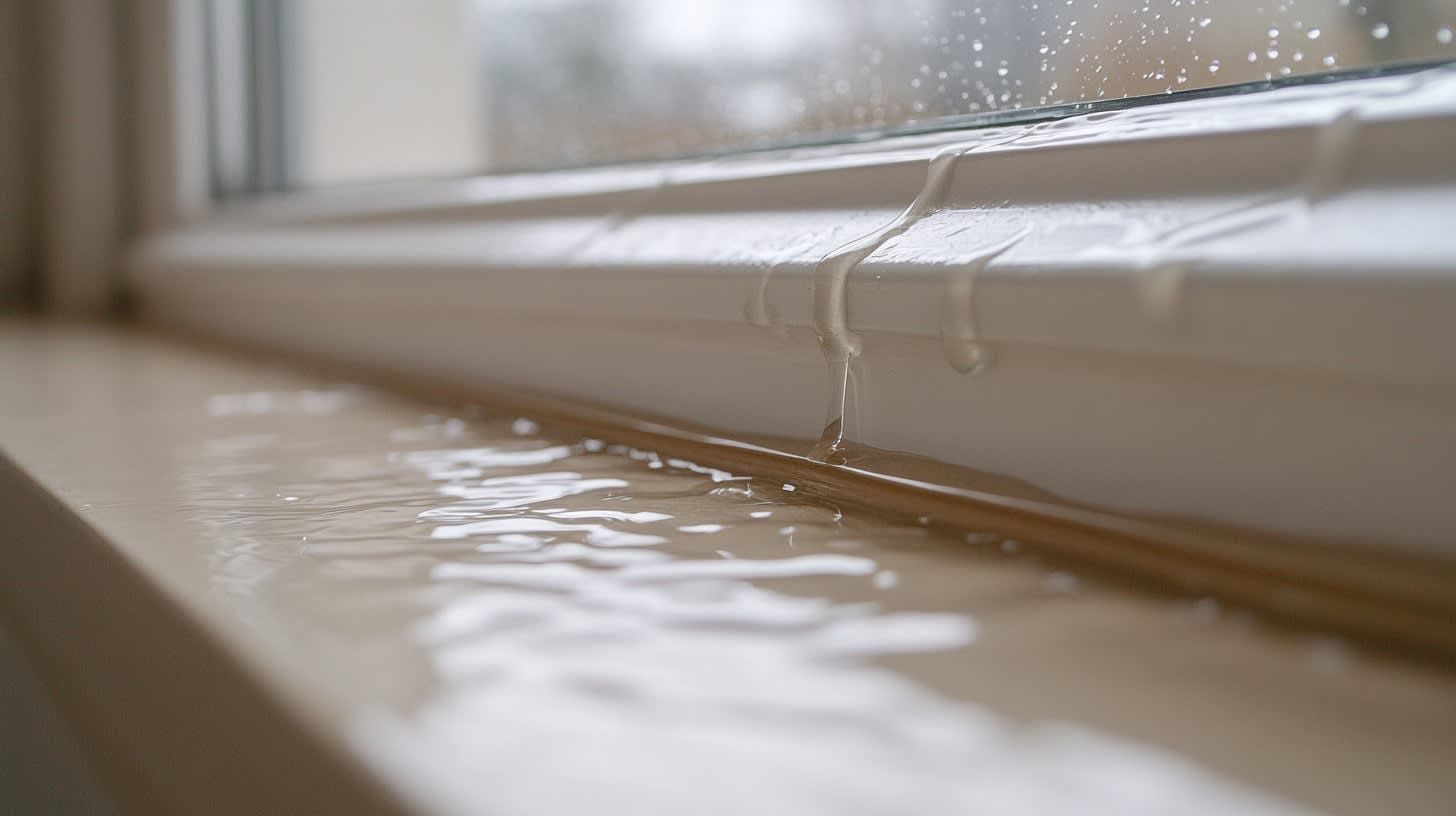
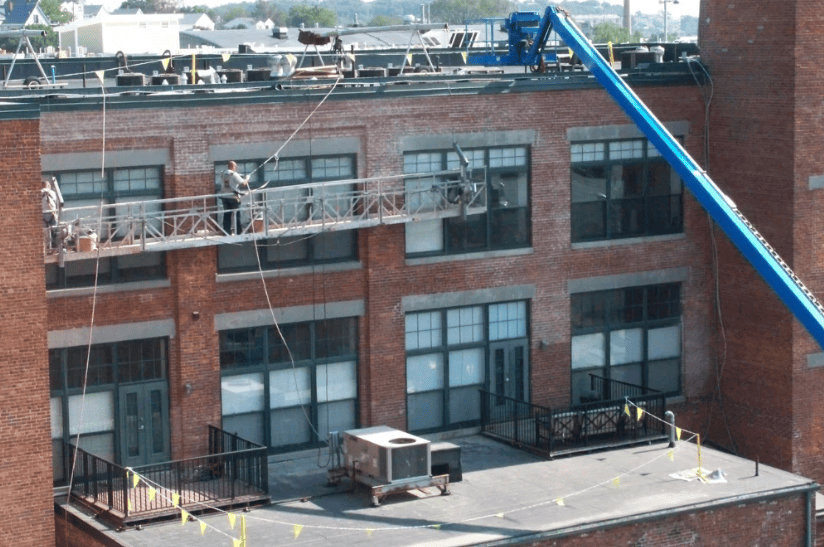
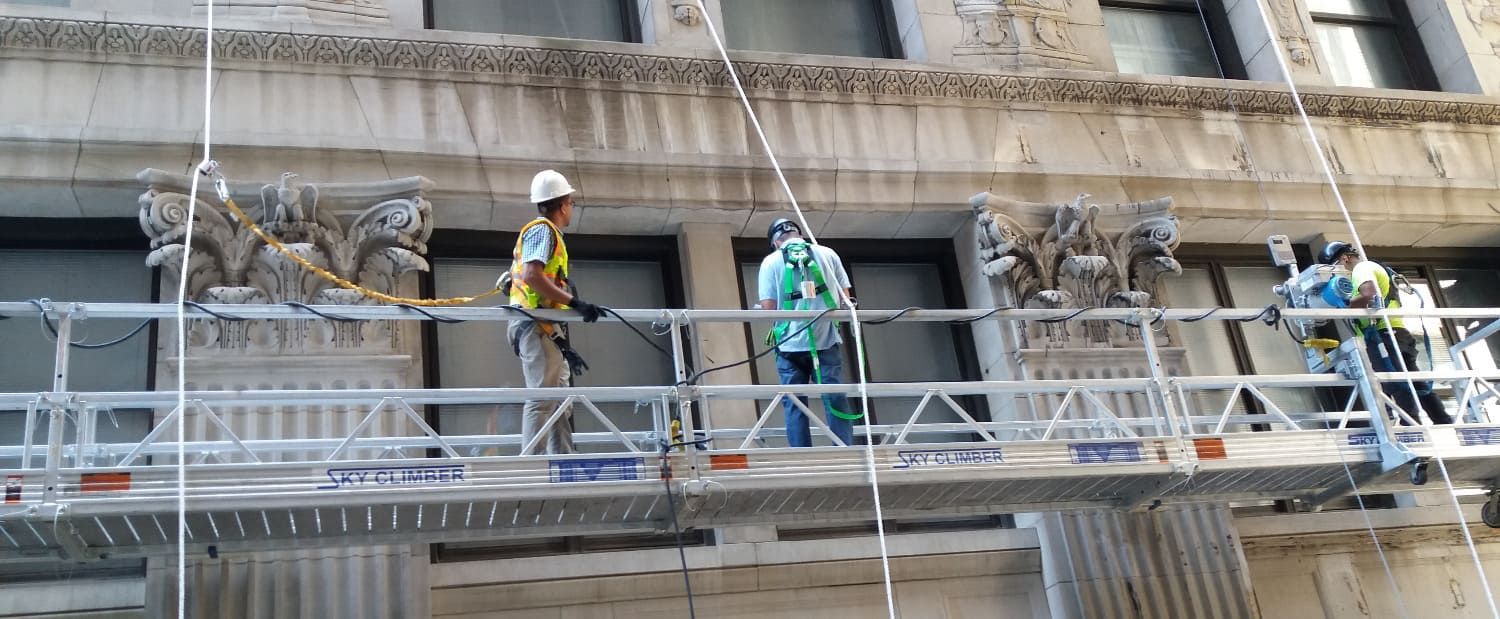
Building envelopes are designed to protect against the elements, but they’re only as effective as their weakest points—the joints. Over time, weather and normal building movement cause sealants to degrade. This is where services from a commercial caulk repair contractor comes in. Replacing failed caulk or sealants restores the integrity of your building’s envelope and prevents:
- Water infiltration that leads to structural damage.
- Air leakage that increases heating and cooling costs.
- Debris buildup that accelerates material wear.
Statistics by Energy Star show that air leakage can cause up to 20% of a building’s energy usage to go to waste. Addressing these leaks through proper caulking and sealant repairs can significantly cut energy expenses.
Benefits of Timely Caulking and Sealant Repairs
#1. Improved Energy Efficiency
Poorly sealed joints allow conditioned air to escape, forcing HVAC systems to work harder. Repairing joints with a commercial sealant repair contractor ensures that your building retains heat during the winter and stays cool in the summer. This is a critical consideration given Chicago’s temperature extremes.
#2. Extended Structural Lifespan
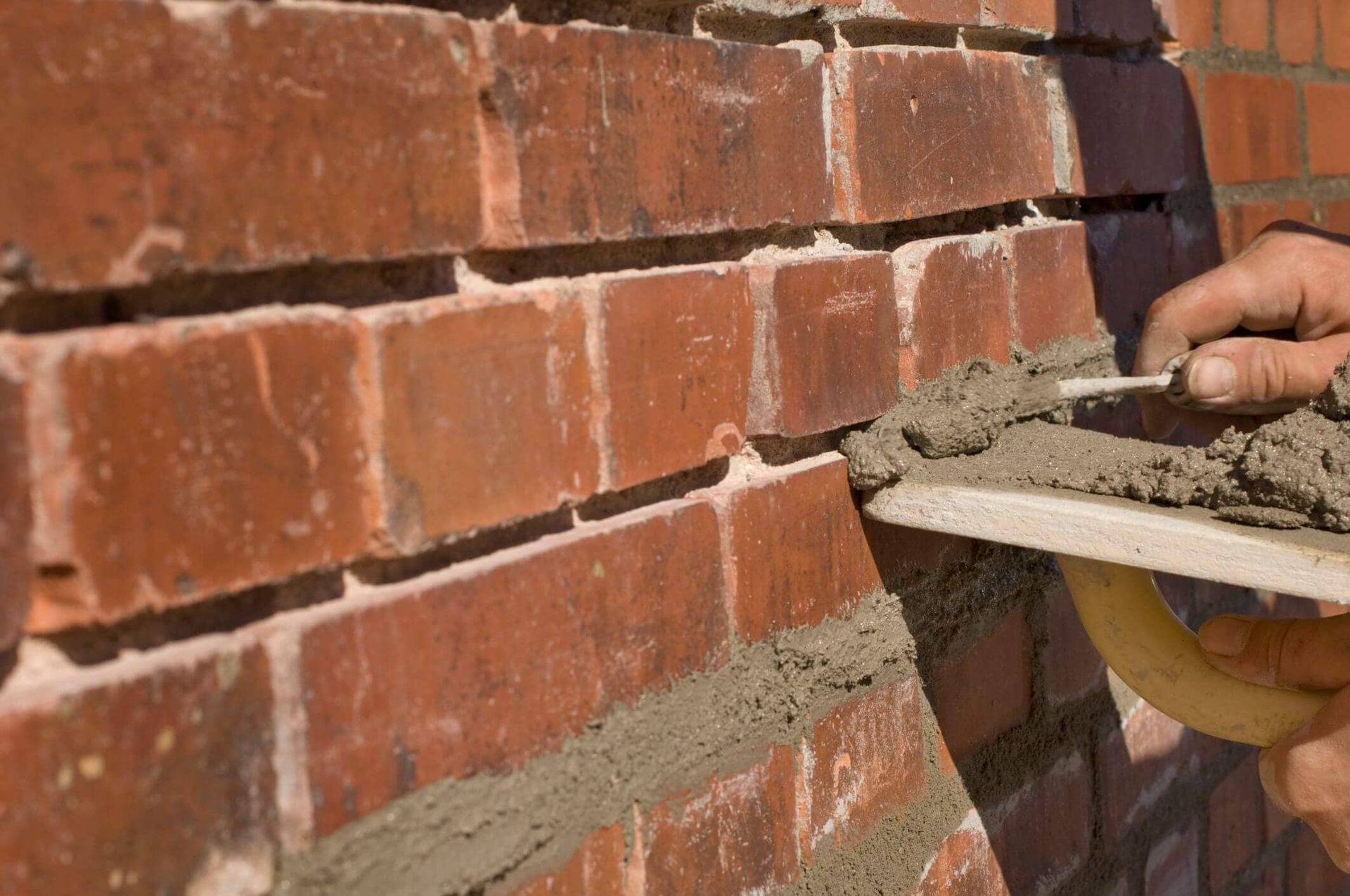
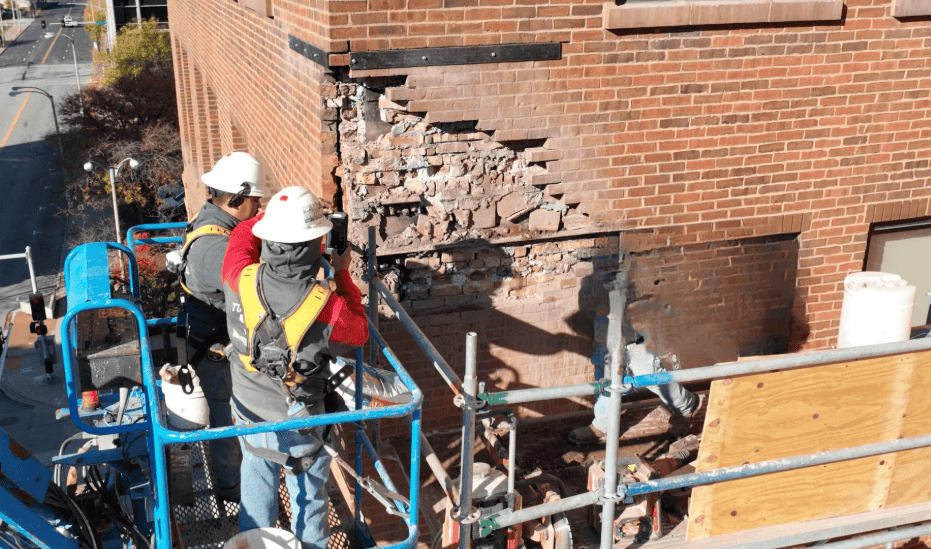
Water infiltration is one of the leading causes of masonry deterioration. Proactively addressing joint failures prevents water from penetrating into your masonry, reducing the need for more extensive repairs later.
#3. Enhanced Occupant Comfort
Drafts caused by failed sealants affect not just your energy bills but also tenant satisfaction. Your building with consistent indoor temperatures will lead to happier tenants and fewer complaints.
Signs Your Building Needs Caulking or Sealant Repairs
Regular inspections are vital for identifying potential issues early. Here are the common signs you should look for:
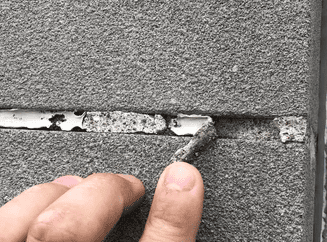
- Cracked, shrinking, or peeling sealants.
- Visible gaps at window perimeters or expansion joints.
- Evidence of water damage or mold near building interiors.
- Increased energy bills without a change in usage.
A commercial concrete facade repair contractor can evaluate these conditions and recommend solutions tailored to your building’s needs.
Why Chicago Buildings Are at Higher Risk
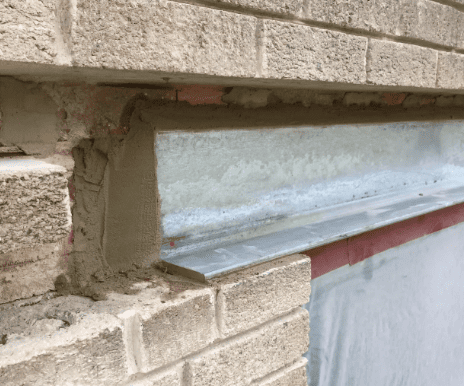
Chicago’s freeze-thaw cycles are particularly harsh on masonry and sealants. As temperatures drop, materials contract; when they rise, materials expand. This repeated stress accelerates the failure of caulking and sealants, making concrete facade restoration services essential. Ignoring these repairs can lead to:
- Spalling concrete
- Rusting reinforcements
- Weakened structural integrity
Studies by Brightly show that implementing a well-structured preventative maintenance program can reduce overall maintenance costs by 12-18%. Investing in preventive measures like sealant repairs minimizes future expenses.
Steps Involved in Professional Caulking and Sealant Repairs
When hiring a commercial caulk repair contractor in Chicago, here’s what you can expect:
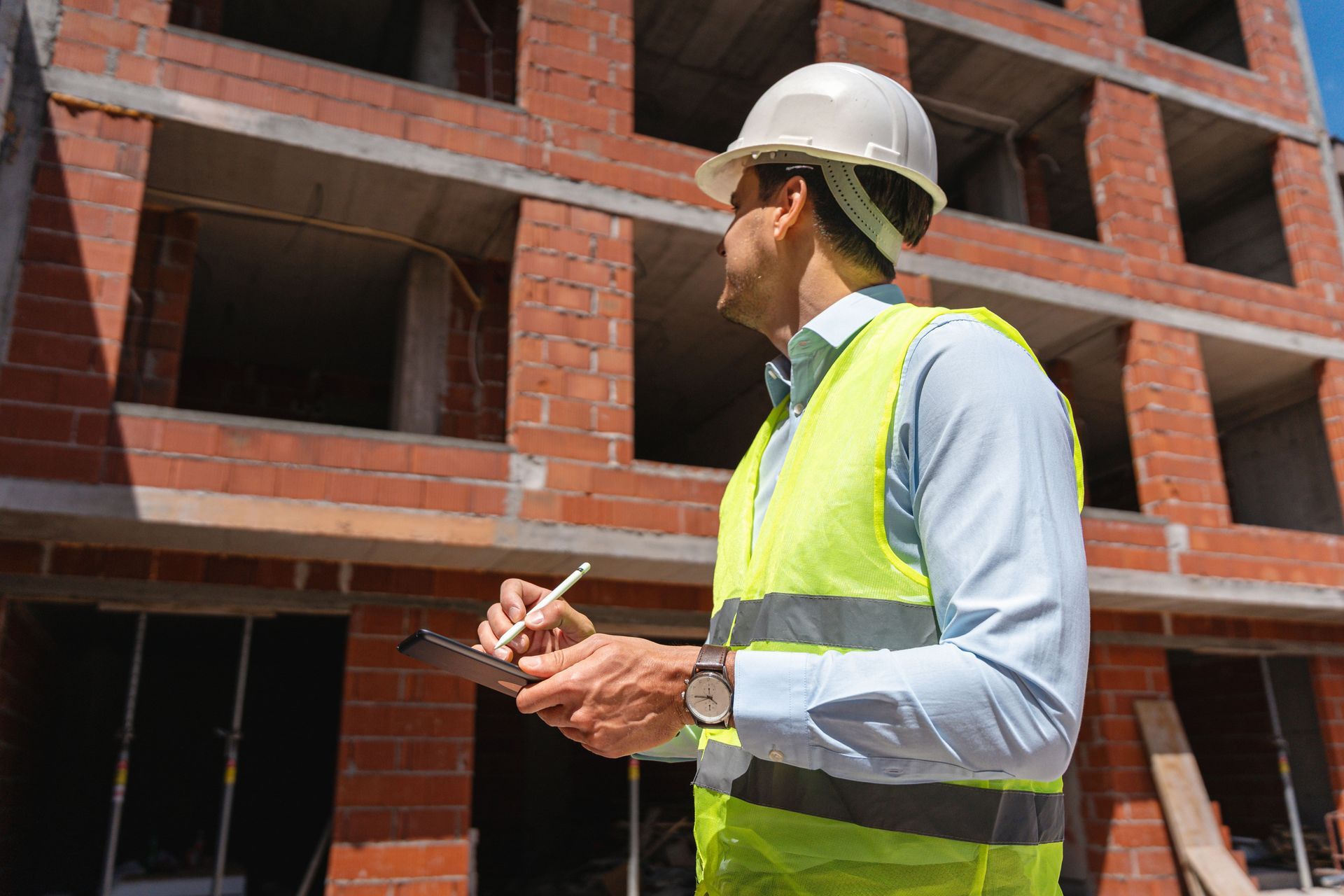
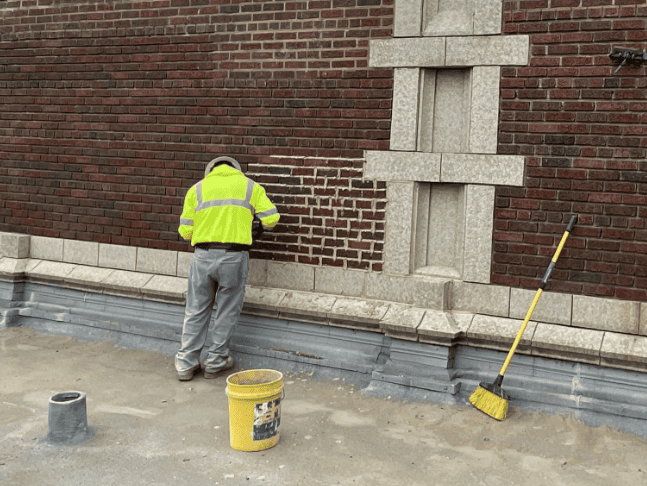
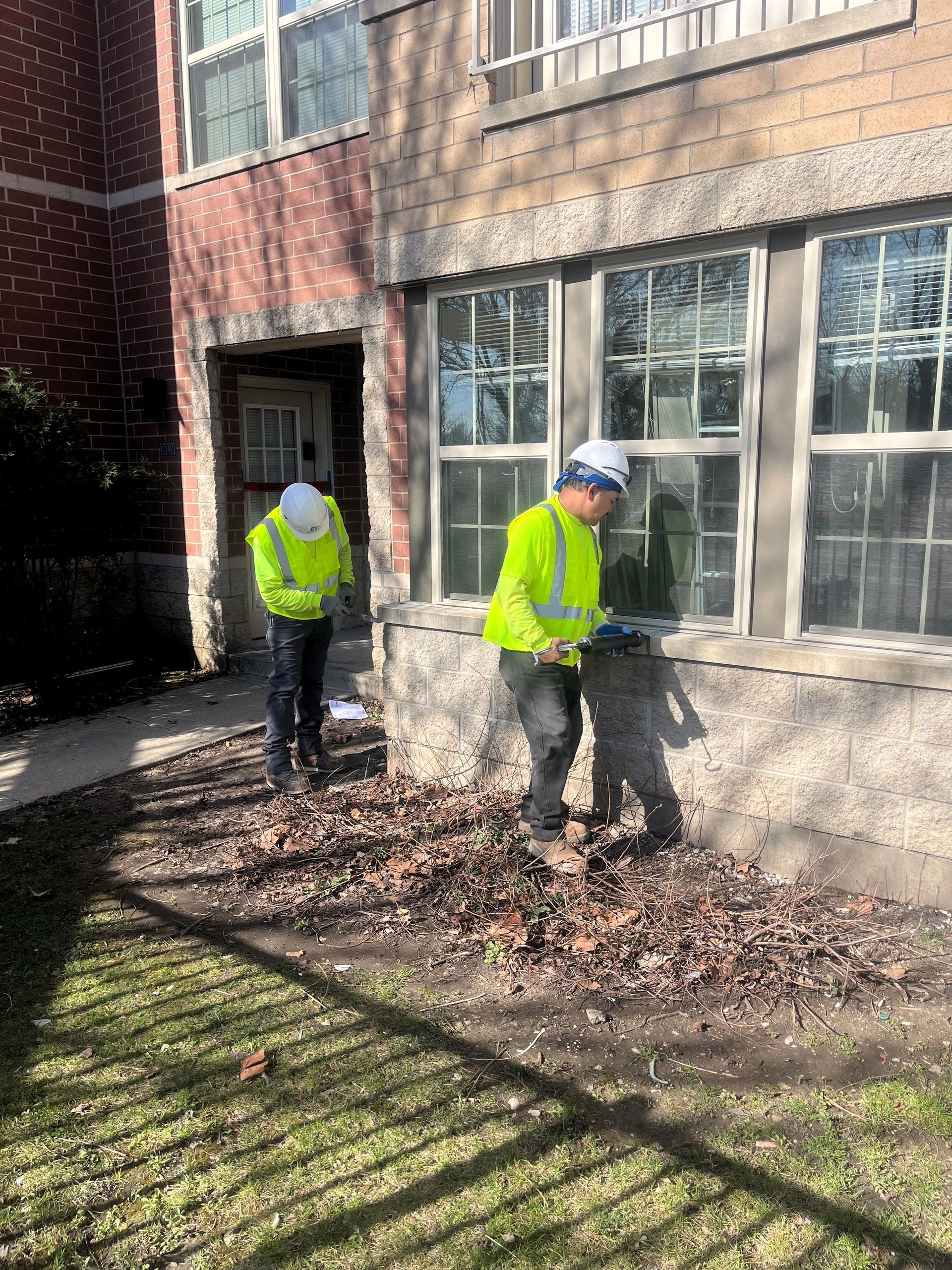
- Inspection and Assessment: Identifying all failed or aging sealants.
- Removal of Old Material: Cleaning and removing degraded caulk or sealants.
- Surface Preparation: Ensuring surfaces are clean and dry for optimal adhesion.
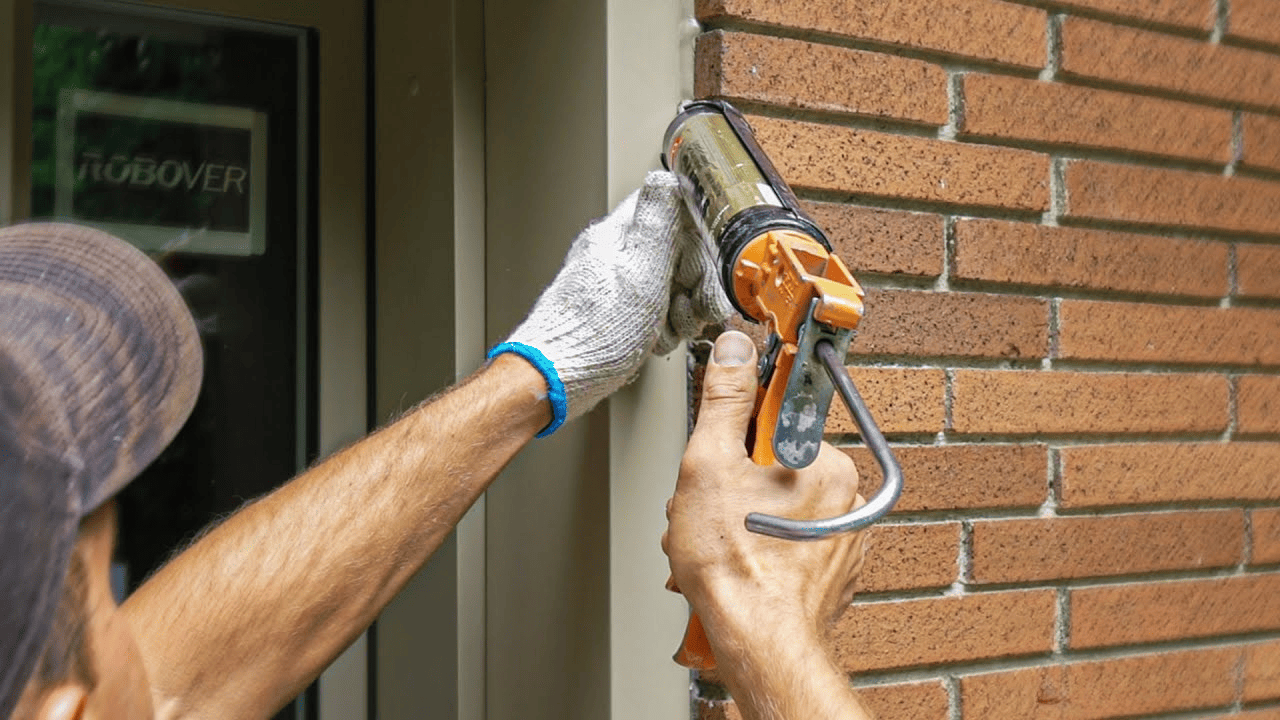
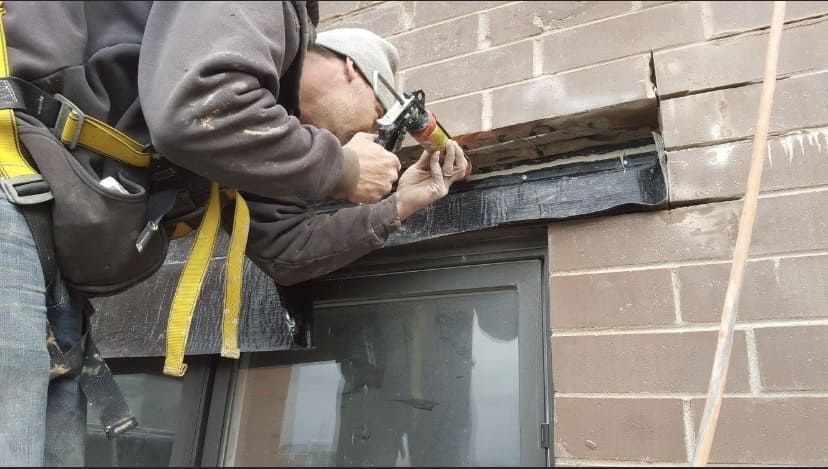
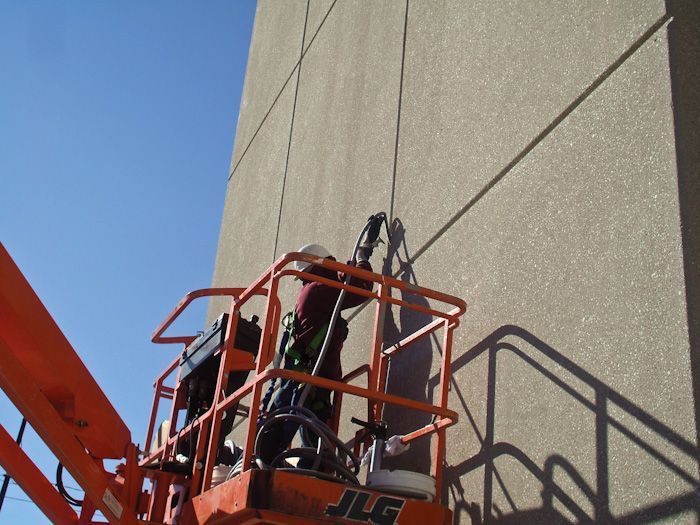
- Application of New Sealants: Using high-performance materials suited for Chicago’s climate.
- Final Inspection: Verifying that all joints are properly sealed.
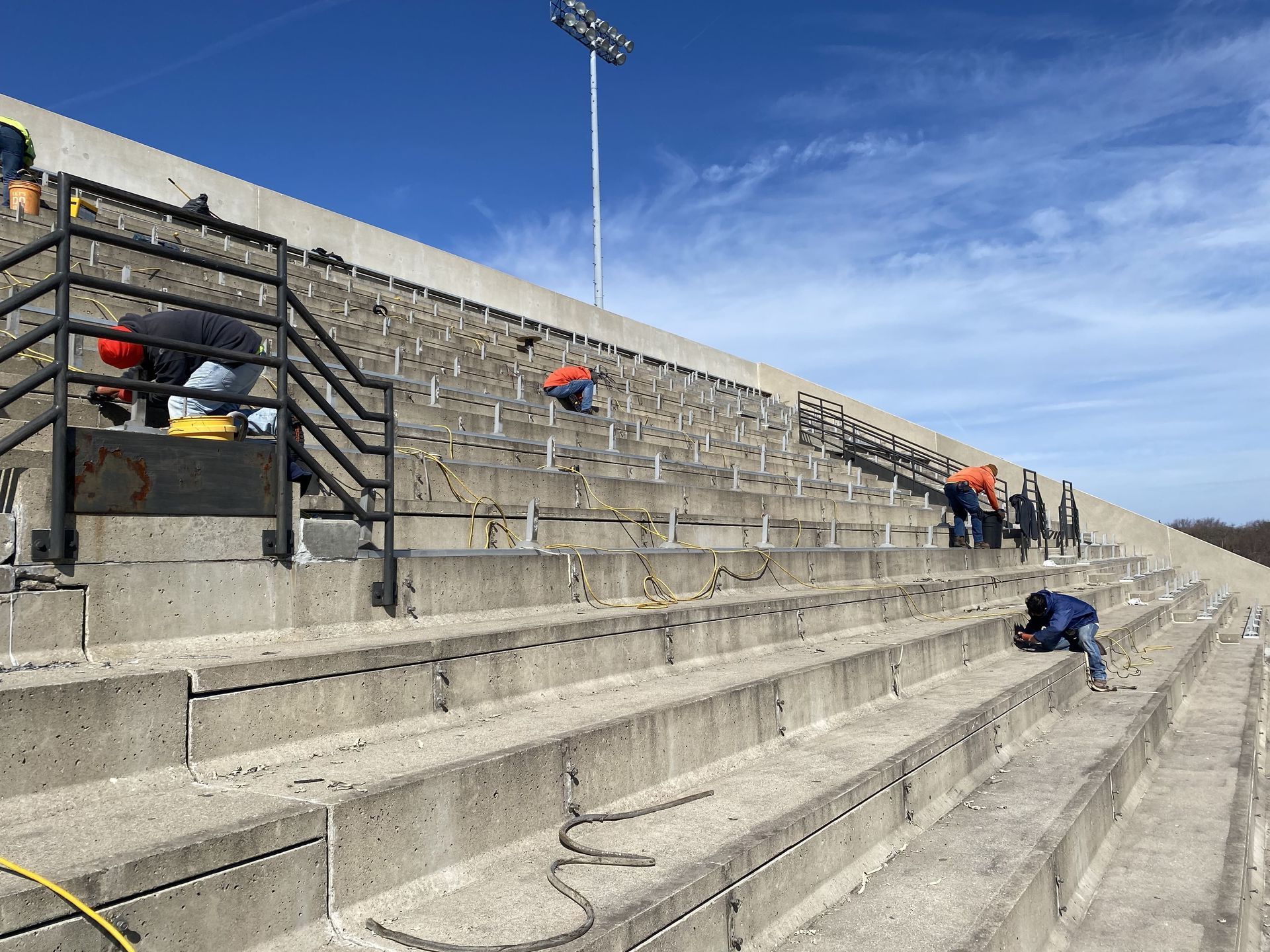
Partner with RestoreWorks for Reliable Masonry Solutions
Sealant repairs might seem minor, but their impact on building performance is anything but. If your building is showing signs of wear or you’re planning a proactive maintenance strategy, RestoreWorks specializes in providing commercial masonry restoration and concrete facade repair services in Chicago.
Contact RestoreWorks today for a free consultation and let our experts help keep your building operating at peak efficiency.