Concrete Balcony Restoration: Extending the Life of Aging Concrete
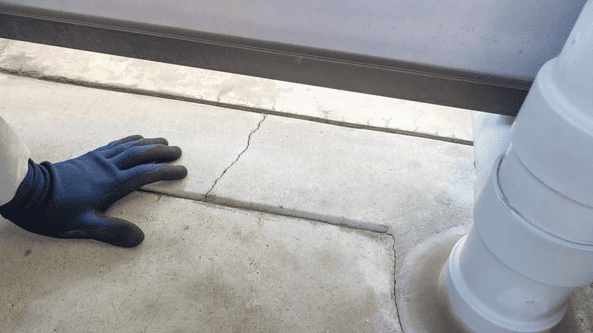
Concrete balconies are constantly exposed to moisture, temperature changes, UV exposure, and structural movement. Over time, even well-built balcony systems begin to show signs of deterioration, especially on aging commercial and multi-family buildings throughout Chicago and Northwest Indiana.
What often starts as minor cracking or surface wear can eventually lead to spalling concrete, exposed reinforcing steel, water infiltration, and structural instability if left unaddressed.
For property managers, engineers, and building owners, proactive concrete balcony restoration is often significantly more cost-effective than waiting until full replacement becomes necessary.
Why Aging Concrete Balconies Deteriorate
Concrete balconies experience ongoing stress from both environmental exposure and daily use. In the Midwest, freeze-thaw cycling is one of the largest contributors to long-term deterioration.
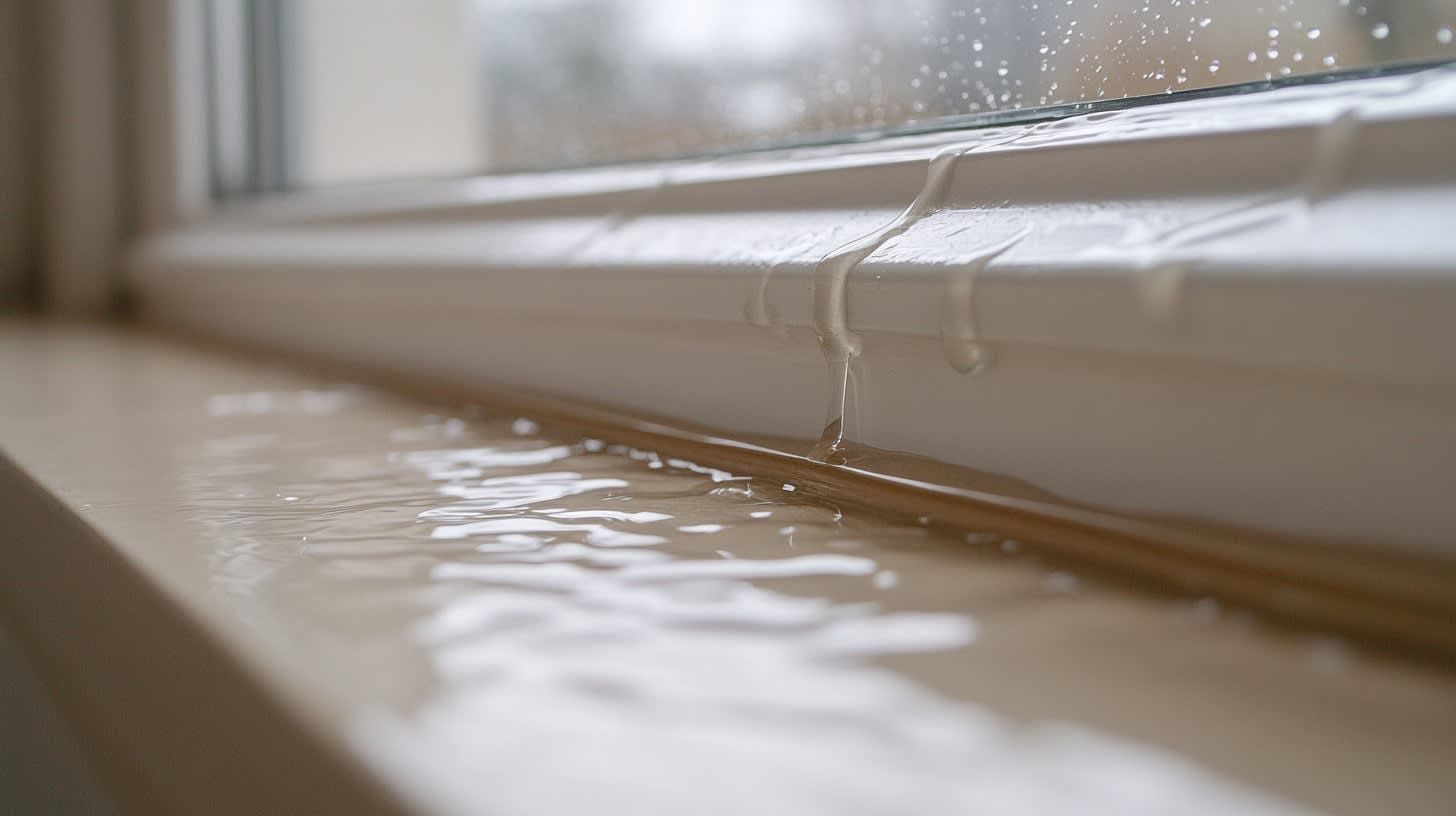
When water enters small cracks in the concrete and freezes, it expands. Repeated cycles gradually weaken the concrete, allowing more moisture intrusion and accelerating deterioration.
Chicago-area balconies are particularly vulnerable due to:
- Freeze-thaw cycling
- Snow and ice accumulation
- Deicing salts
- Wind-driven rain
- Thermal expansion and contraction
- Poor drainage conditions
- Aging waterproofing systems
Buildings near the lakefront often experience even greater moisture exposure due to higher wind and humidity levels.
The American Concrete Institute notes that concrete exposed to cycles of freezing and thawing while in a saturated condition is especially vulnerable to durability problems, which is why freeze–thaw exposure is treated as a distinct durability category in ACI 318.
Common Signs a Concrete Balcony Needs Restoration
Many balcony issues develop slowly over time before becoming obvious from ground level.
Property managers and engineers should monitor for:
- Cracking in balcony slabs or edges
- Spalling concrete
- Rust staining
- Exposed reinforcing steel
- Delaminated concrete
- Water staining beneath balconies
- Failed sealants at joints
- Uneven or deteriorated balcony coatings
- Loose railing connections
- Concrete movement or deflection
In occupied residential buildings, tenants may also report:
- Water leaks
- Balcony ponding
- Surface trip hazards
- Falling concrete debris
Ignoring these warning signs can allow deterioration to spread deeper into the structural system.
Why Balcony Deterioration Often Accelerates Quickly
Concrete deterioration is rarely linear.
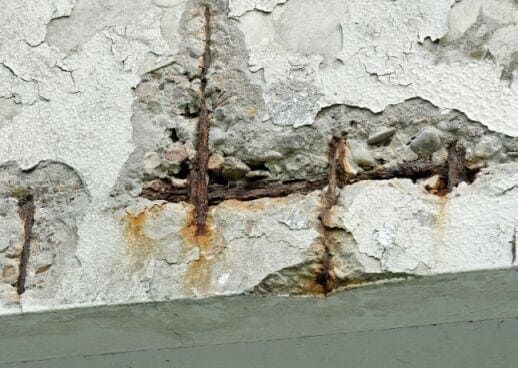
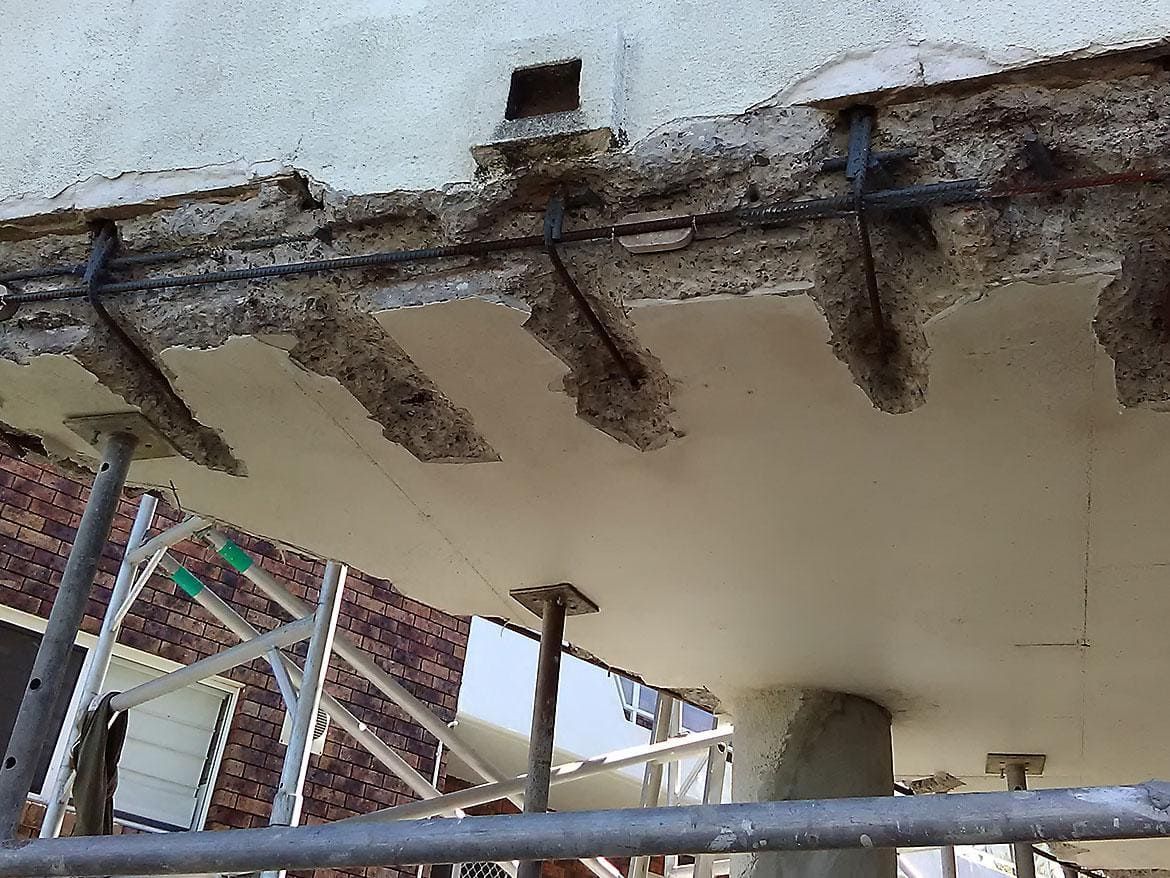
Once reinforcing steel begins to corrode, the steel expands internally, placing pressure on the surrounding concrete. This expansion causes cracking and spalling, which then allows additional water intrusion.
The cycle compounds over time:
- Moisture enters small cracks
- Reinforcing steel corrodes
- Expansion cracks surrounding concrete
- More water enters
- Structural deterioration accelerates
An article published by STRUCTURE Magazine discussing ACI 562 repair standards notes that corrosion, cracking, and moisture transmission are major contributors to concrete repair deterioration and long-term durability failures.
By the time significant concrete loss becomes visible, hidden deterioration beneath the surface is often already extensive.
What Is Included in Concrete Balcony Restoration?
Concrete balcony restoration can vary depending on the age, design, and condition of the structure.
Typical restoration scopes may include:
Concrete Removal and Repair
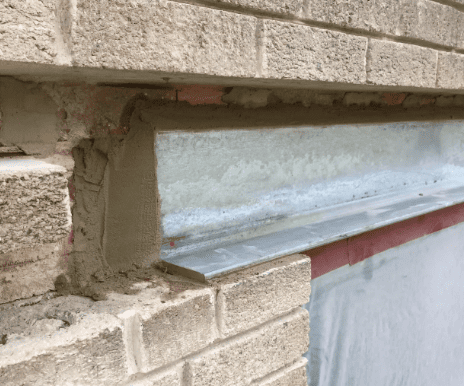
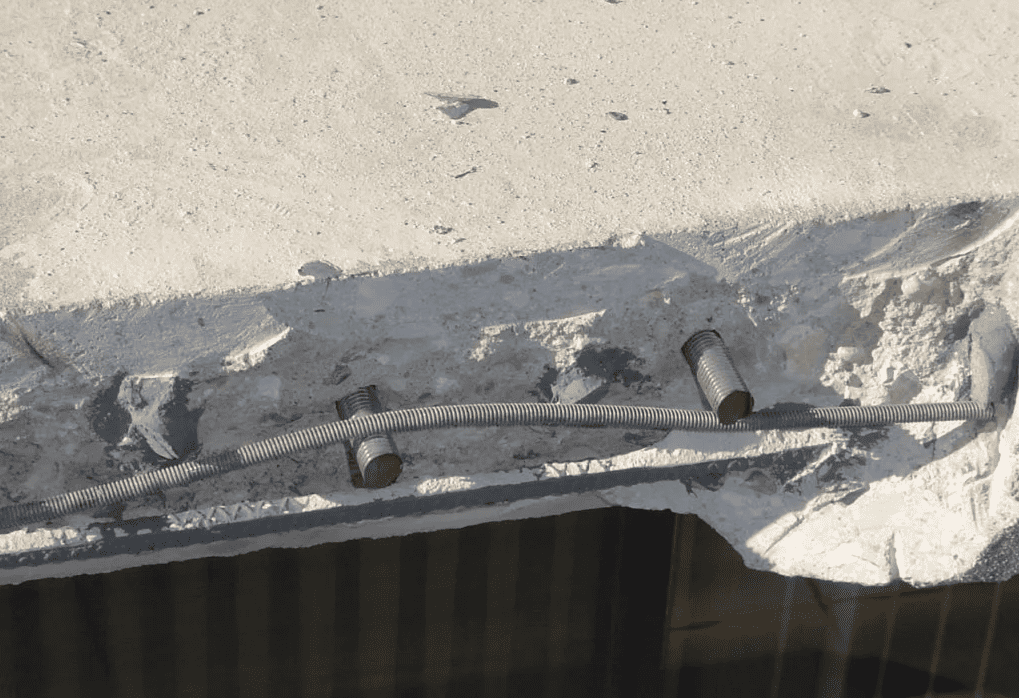
Damaged or unsound concrete is removed to expose deteriorated areas and evaluate reinforcing steel conditions.
This process may involve:
- Saw cutting repair boundaries
- Chipping deteriorated concrete
- Cleaning exposed reinforcing steel
- Replacing severely deteriorated reinforcement when necessary
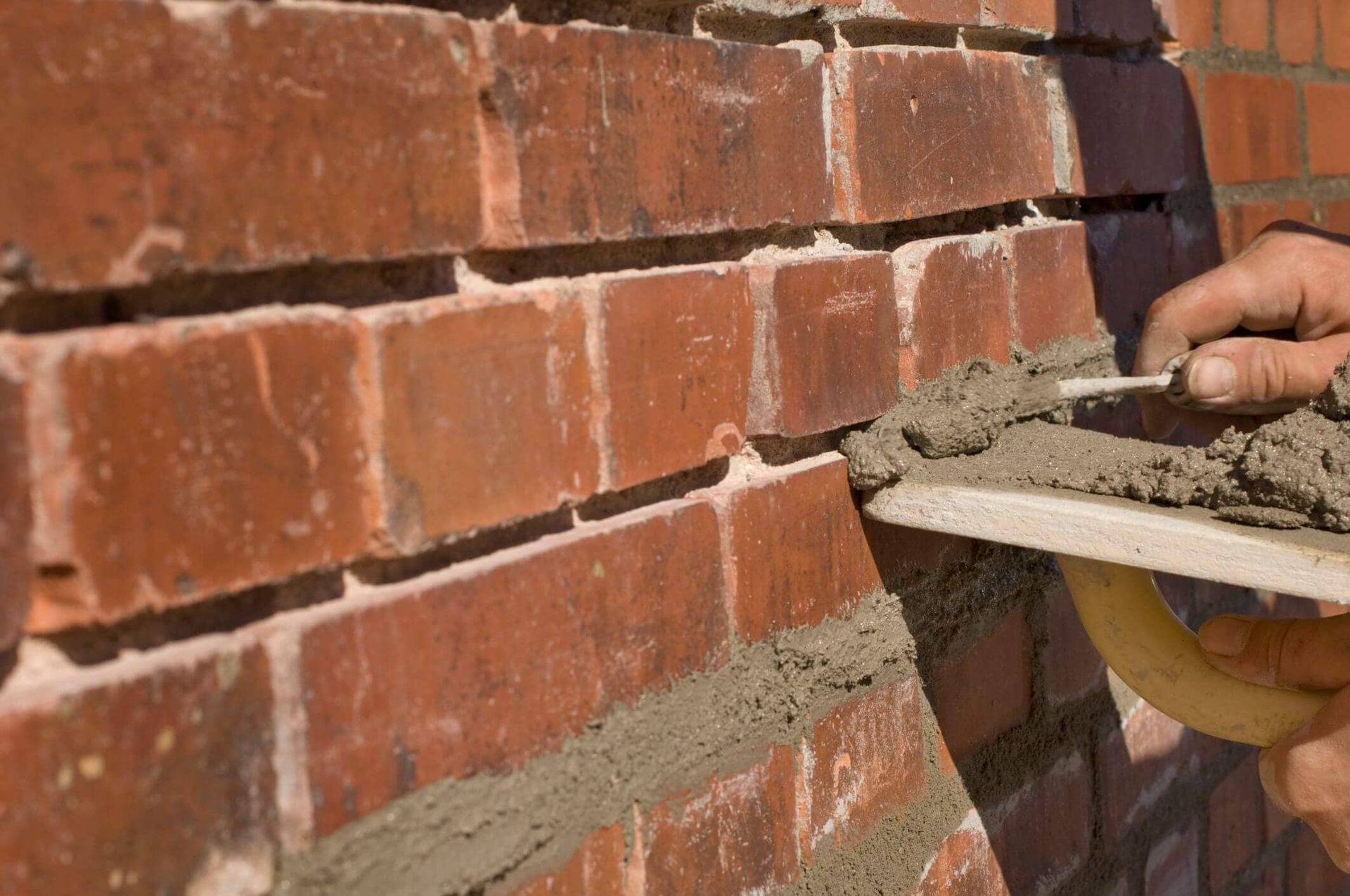
After preparation, repair mortars or structural concrete repair materials are installed to restore the balcony profile and integrity.
Reinforcing Steel Treatment
Corroded reinforcing steel is one of the primary drivers of balcony deterioration.
Depending on the condition, restoration may include:
- Cleaning and coating reinforcing steel
- Supplemental reinforcement installation
- Corrosion mitigation systems
The repair approach depends heavily on the level of section loss and structural engineer recommendations.
Waterproofing and Coating Systems
Concrete restoration alone does not solve long-term moisture intrusion if waterproofing systems are failing.
Many balcony restoration projects also involve:
- Traffic coatings
- Waterproof membranes
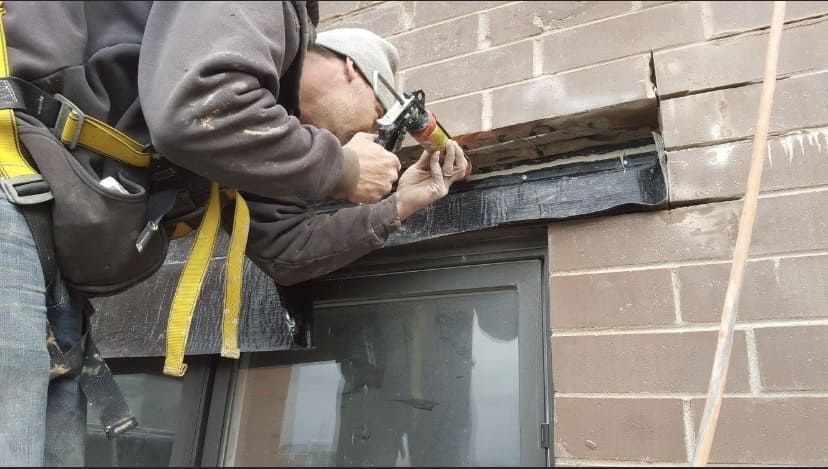
- Joint sealant replacement
- Drainage improvements
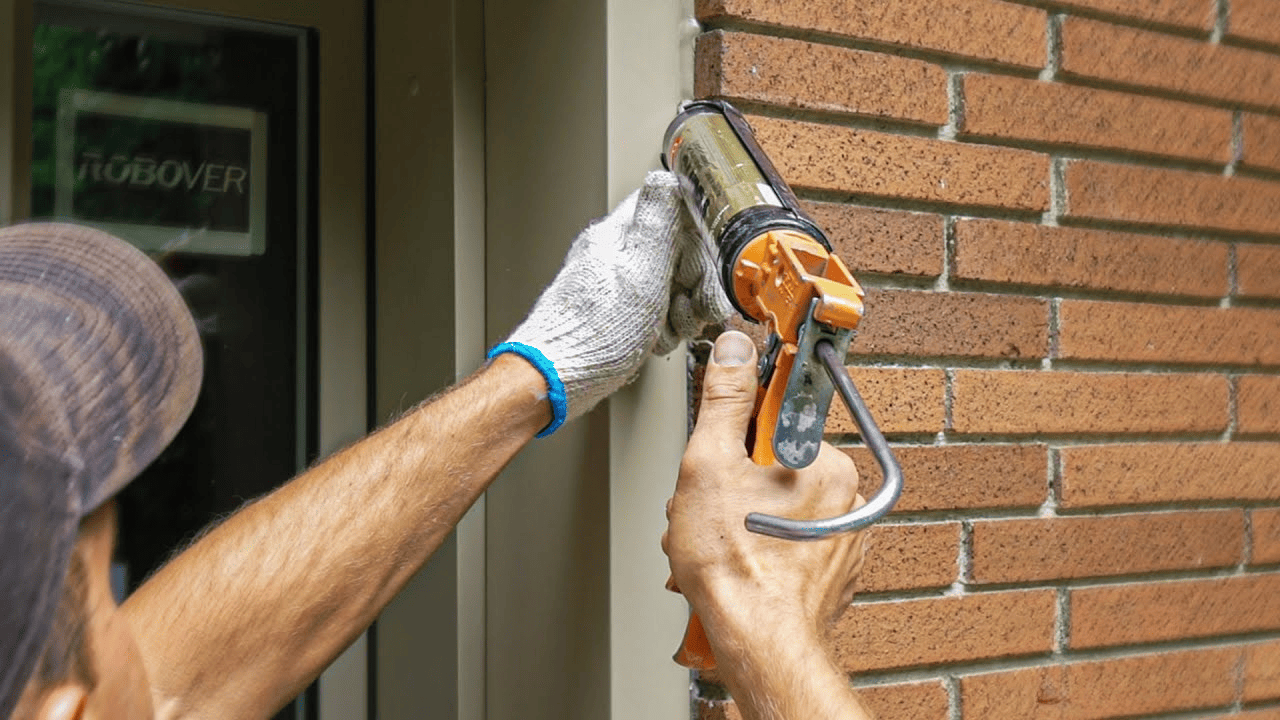
- Caulking and sealant repairs
Proper waterproofing helps reduce future water intrusion and extend repair life expectancy.
Balcony Edge and Railing Repairs
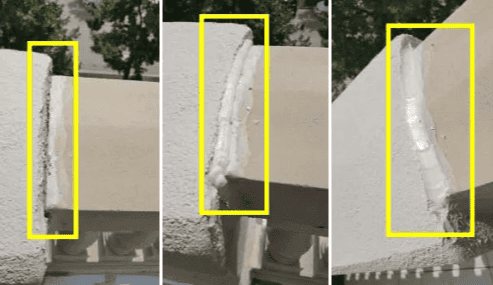
Balcony edges often deteriorate faster due to direct exposure and concentrated water runoff.
Common edge-related repairs include:
- Concrete edge rebuilding
- Drip edge improvements
- Railing anchorage repairs
- Embedded steel repairs
In many cases, railing penetrations become a major source of water infiltration if sealants or waterproofing systems fail.
The Importance of Proper Investigation Before Repairs
One of the biggest mistakes in balcony restoration is treating visible symptoms without fully understanding underlying conditions.
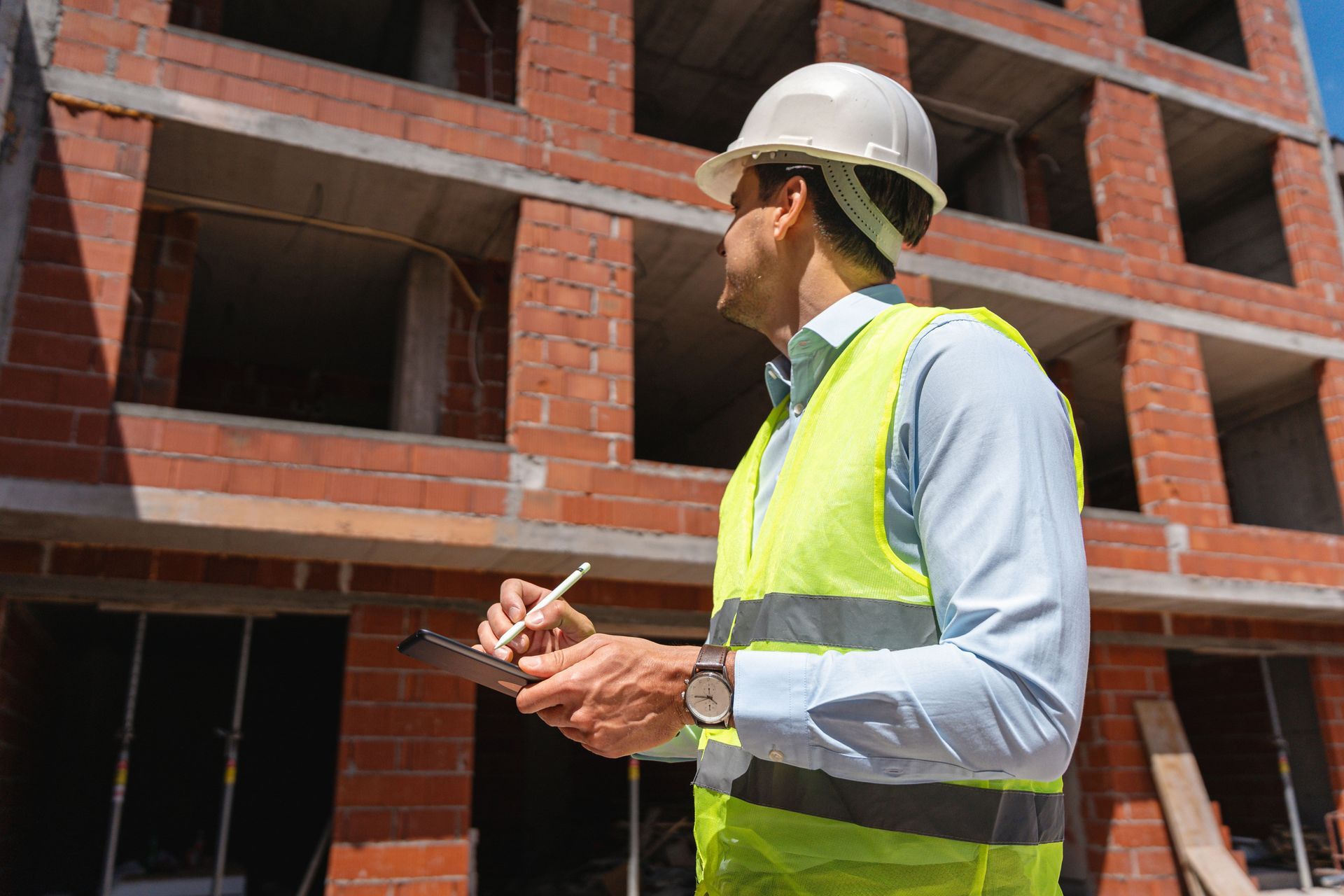
A thorough investigation may include:
- Sounding and chain drag testing
- Delamination mapping
- Probe openings
- Concrete testing
- Structural analysis
- Moisture evaluation
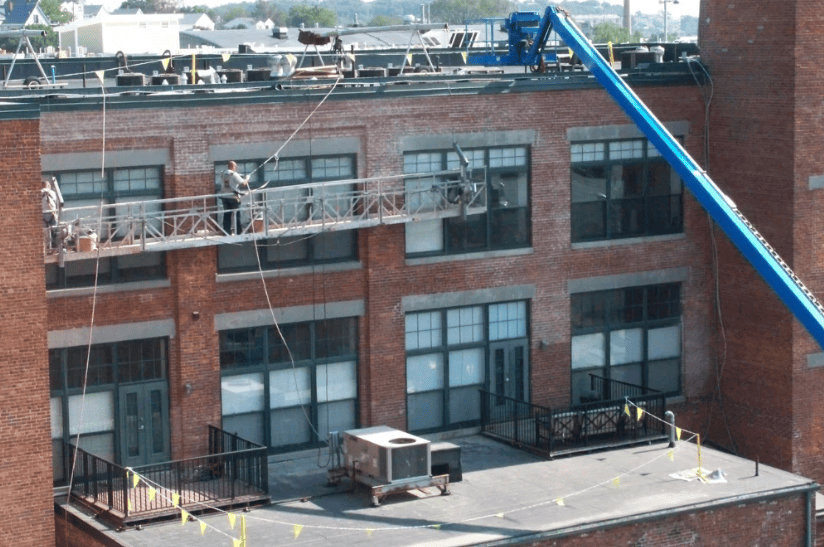
On larger restoration projects, mock-ups are often beneficial for evaluating repair procedures, finish appearance, and coating compatibility before full production begins.
For occupied buildings, phasing and access planning are also critical to minimizing disruption to residents.
Why Timing Matters for Balcony Restoration Projects
Delaying balcony repairs often increases overall project costs.
Minor repairs can become major structural restoration scopes once deterioration spreads into:
- Embedded steel
- Balcony connections
- Slab edges
- Structural framing
Chicago’s seasonal weather patterns also impact restoration scheduling.
Concrete repairs and coatings generally perform best during moderate temperatures with controlled curing conditions. Waiting until late fall or winter can complicate installation and extend project durations.
For many commercial and multi-family properties, spring through early fall is the preferred window for exterior concrete restoration work.
Balcony Restoration vs. Full Replacement
Not every deteriorated balcony requires complete replacement.
In many cases, properly executed restoration can significantly extend service life while reducing costs and occupant disruption.
However, replacement may become necessary when:
- Structural deterioration is extensive
- Reinforcing steel section loss is severe
- Balcony connections are compromised
- Existing systems no longer meet performance requirements
According to the International Masonry Institute, successful concrete restoration depends heavily on selecting repair materials with compatible properties, including strength, density, porosity, and water absorption. Improperly matched repair materials can contribute to premature future deterioration in the surrounding concrete.
This is one reason balcony restoration projects require more than surface-level patching. Proper investigation, material selection, and repair sequencing all impact long-term performance.
An experienced restoration contractor and structural engineer can help determine whether restoration or replacement is the more practical long-term solution.
Concrete Balcony Restoration on Historic and Aging Buildings
Older buildings often present additional restoration challenges.
Historic concrete balconies may contain:
- Older reinforcement layouts
- Non-standard concrete mixes
- Embedded steel details no longer commonly used
- Limited drainage systems
Repair compatibility becomes especially important on historic structures. Incompatible repair materials can create additional cracking, differential movement, or moisture-related issues over time.
An article published by the Royal Institution of Chartered Surveyors discussing historic balcony failures notes that materials with differing thermal movement properties can contribute to long-term stress cracking and structural instability. This becomes especially important when modern repair materials are introduced into aging balcony systems originally built with different concrete compositions and construction methods.
Historic and aging balconies also commonly contain hidden deterioration beneath coatings, patch repairs, or waterproofing systems, making proper investigation critical before repairs begin.
Why Qualified Balcony Repair Contractors Matter
Concrete balcony restoration is not simply cosmetic patching.
Improper repairs can trap moisture, fail prematurely, or create ongoing structural concerns.
Experienced balcony repair contractors understand:
- Structural repair sequencing
- Moisture management
- Reinforcing steel corrosion
- Repair material compatibility
- Coating system performance
- Occupied building logistics
Restoration work often requires coordination between contractors, engineers, property managers, and residents throughout the project lifecycle.
Planning Ahead Can Extend Balcony Service Life
The most successful balcony restoration projects are proactive rather than reactive.
Regular inspections, early repairs, and ongoing maintenance can help:
- Extend structural life
- Reduce emergency repairs
- Improve occupant safety
- Minimize long-term costs
- Preserve property value
For aging commercial and multi-family buildings throughout Chicago, concrete balcony restoration is often a critical part of long-term exterior maintenance planning.
Frequently Asked Questions About
Concrete Balcony Restoration
How long does concrete balcony restoration last?
The lifespan of balcony restoration depends on repair quality, waterproofing performance, environmental exposure, and ongoing maintenance. Properly executed repairs combined with waterproofing systems can often extend balcony service life by 15–25 years or more.
What causes concrete balconies to crack?
Concrete balconies crack due to structural movement, freeze-thaw cycling, moisture intrusion, reinforcing steel corrosion, thermal expansion, and normal aging. Small cracks can allow water intrusion, which accelerates long-term deterioration if not repaired.
Can spalling concrete on balconies be repaired?
Yes. Spalling concrete can often be repaired through selective concrete removal, reinforcing steel treatment, and installation of compatible repair materials. However, severe structural deterioration may require partial or full balcony replacement.
How do I know if my balcony is structurally unsafe?
Warning signs may include large cracks, falling concrete, exposed reinforcing steel, excessive movement, rust staining, or loose railings. A structural engineer or qualified restoration contractor should evaluate deteriorated balconies to determine the extent of structural concerns.
When is the best time for balcony restoration in Chicago?
Spring through early fall is typically the best time for exterior balcony restoration in Chicago due to more favorable temperatures and curing conditions. Early planning also helps avoid scheduling delays during peak construction season.
If you are interested in concrete balcony restoration or would like to learn more, contact RestoreWorks today.