Façade Repairs During Summer: Minimizing Disruption for Occupants
Summer is one of the busiest seasons for façade repairs in Chicago and Northwest Indiana. Warmer temperatures, longer daylight hours, and lower risk of freeze-related curing issues make it the ideal window for exterior restoration work.
But for occupied buildings, summer construction creates another challenge: minimizing disruption for residents, tenants, visitors, employees, and day-to-day operations.
Whether the project involves masonry restoration, concrete façade repair, sealant replacement, or lintel and shelf flashing repairs, the way the work is planned often matters just as much as the repair itself.
For property managers and facility teams, the goal is not simply completing repairs. It is completing them safely, efficiently, and with as little operational impact as possible.
Why Summer Is Peak Season for Building Façade Repairs
Chicago’s climate creates a limited annual window for many exterior restoration activities. Materials such as mortar, sealants, and certain repair products perform best within controlled temperature ranges.
Summer conditions typically provide:
- Better mortar curing conditions
- Reduced risk of freeze-thaw damage during installation
- Longer production days
- Improved access scheduling
- More predictable weather patterns
This becomes especially important for historic masonry buildings and high-rise structures exposed to significant moisture infiltration, thermal movement, and seasonal expansion and contraction.
In Chicago, façade repair planning is also influenced by:
- Local façade inspection requirements
- Occupancy schedules
- Tourism and retail traffic
- School summer shutdown periods
- HOA and condominium association restrictions
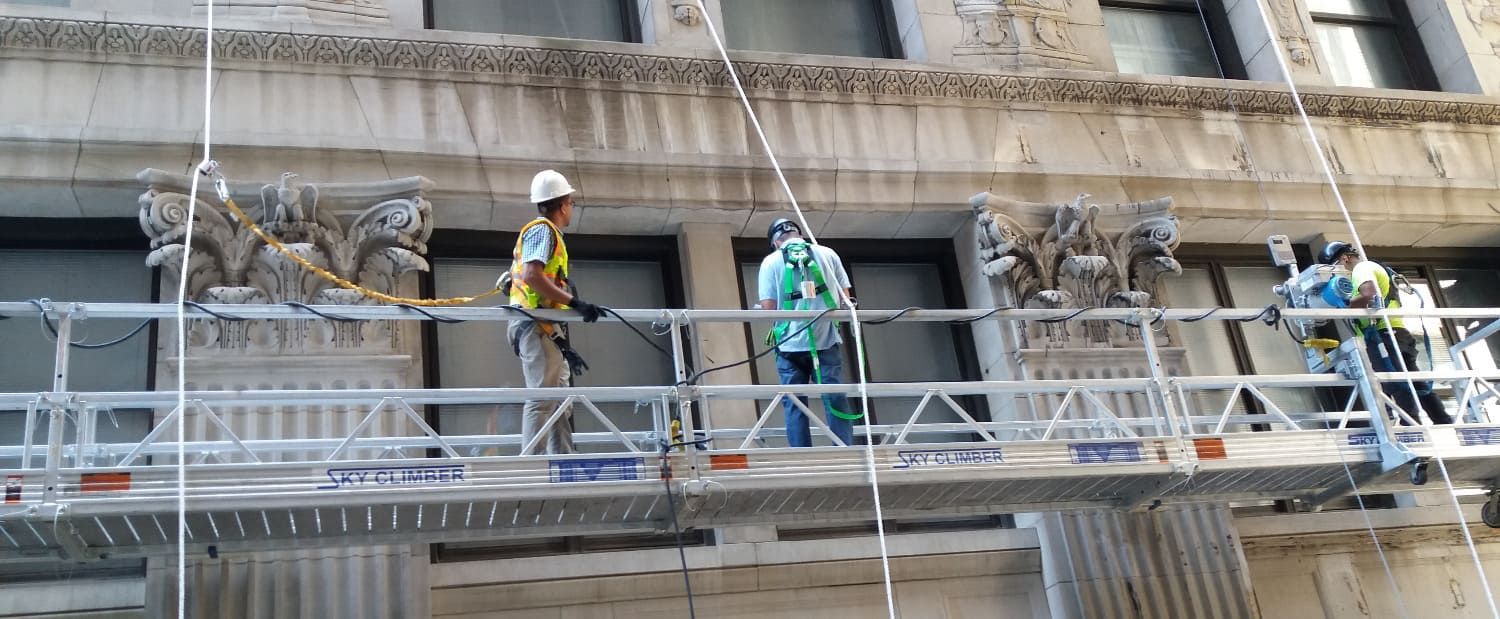
Many Chicago high-rise buildings are also subject to the city’s exterior wall inspection requirements, which can influence when façade repairs and investigations are scheduled. According to Simpson Gumpertz & Heger (SGH), critical examinations for certain buildings may require close-up inspections performed from suspended scaffolding or swing stages, along with inspection openings on older masonry, stone, or terra cotta facades. Because these inspections often uncover concealed deterioration or hazardous conditions, many property owners plan evaluations and repair work during spring and summer to allow adequate time for repairs before winter weather returns.
For many commercial and multifamily buildings, summer is the only practical opportunity to complete larger-scale building façade repairs before winter conditions return.
The Biggest Occupant Concerns During Façade Repairs
Most occupants understand that exterior repairs are necessary. The frustration usually comes from poor communication, unexpected disruptions, or unsafe site conditions.
The most common concerns include:
Noise and Vibration
Façade repairs often involve:
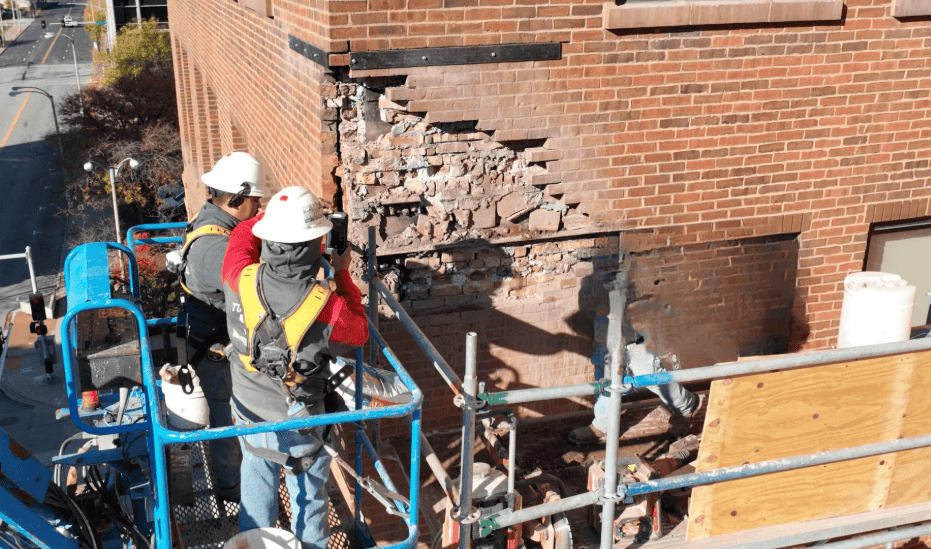
- Mortar removal
- Concrete demolition
- Grinding
- Anchoring
- Masonry cutting
- Scaffold movement
Without proper planning, these activities can disrupt office tenants, hotel guests, healthcare facilities, or residents working remotely.
Blocked Access Points
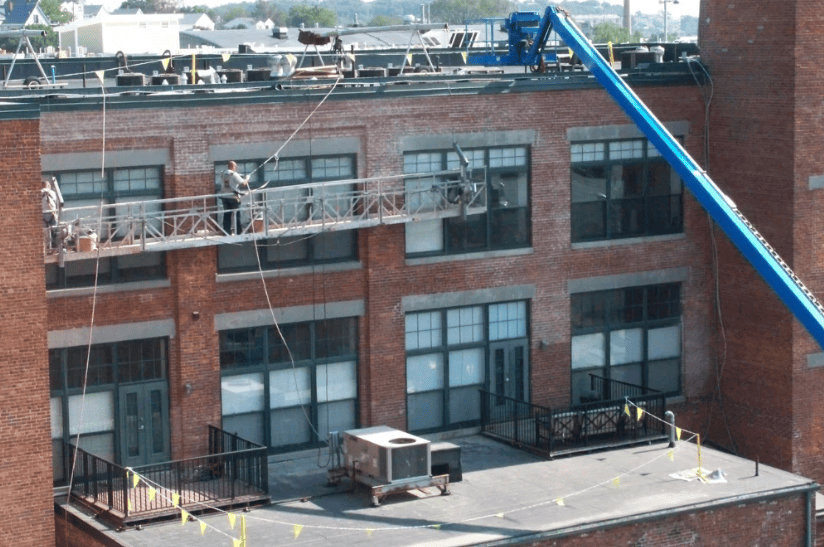
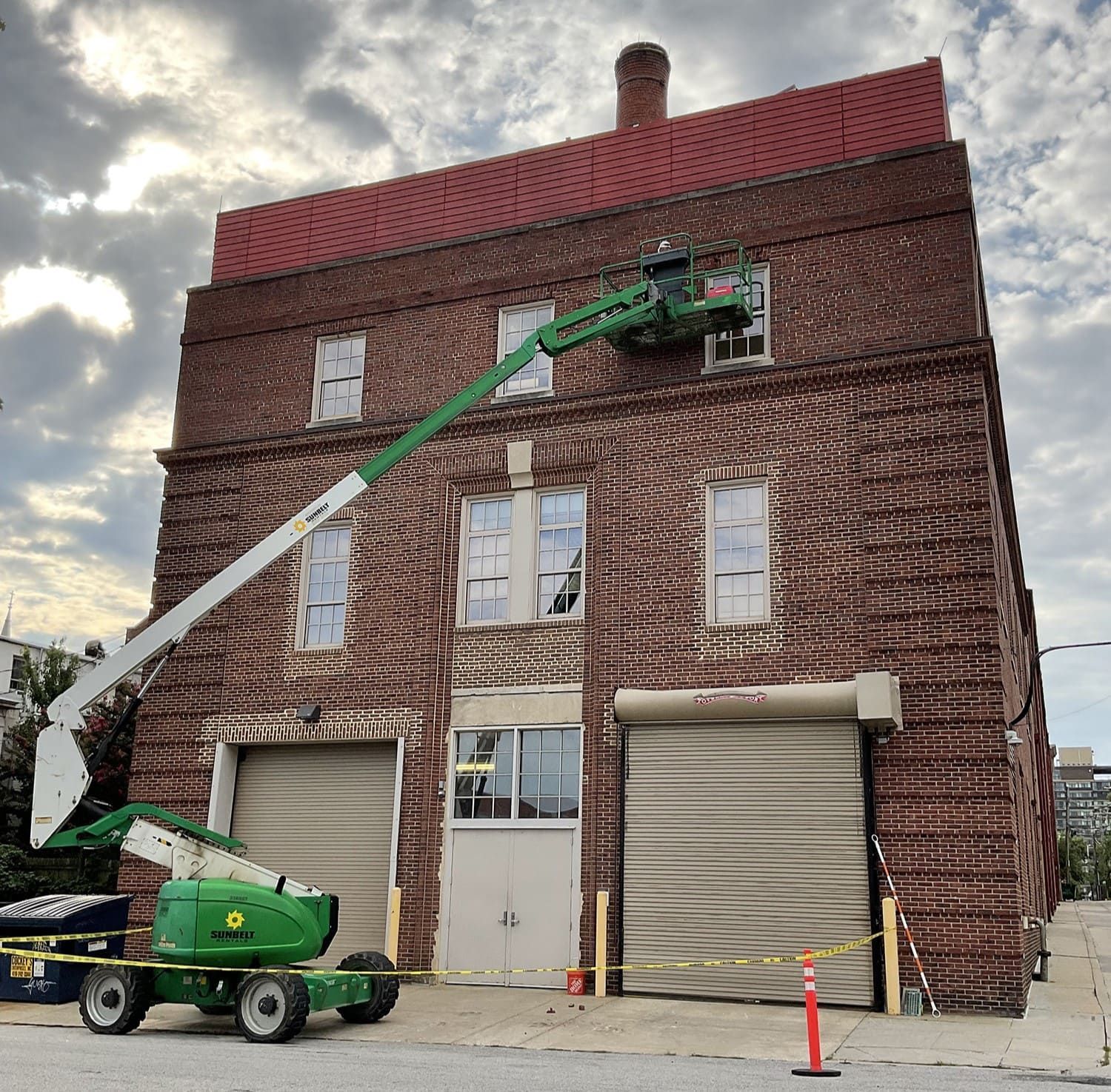
Scaffolding, swing stages, sidewalk canopies, and material staging can affect:
- Building entrances
- Parking access
- Loading docks
- Pedestrian traffic
- Emergency egress routes
This is particularly important for occupied high-rise buildings and mixed-use properties.
Dust and Water Intrusion Risks
Improper containment during tuckpointing, sealant removal, or restorative cleaning can create issues inside occupied spaces.
Sensitive areas often include:
- Retail storefronts
- Medical facilities
- Luxury residential units
- Office interiors near active repairs
Communication Breakdowns
One of the biggest frustrations for property managers is when occupants receive inconsistent information about the project schedule or daily work areas.
Projects run more smoothly when expectations are clear from the beginning.
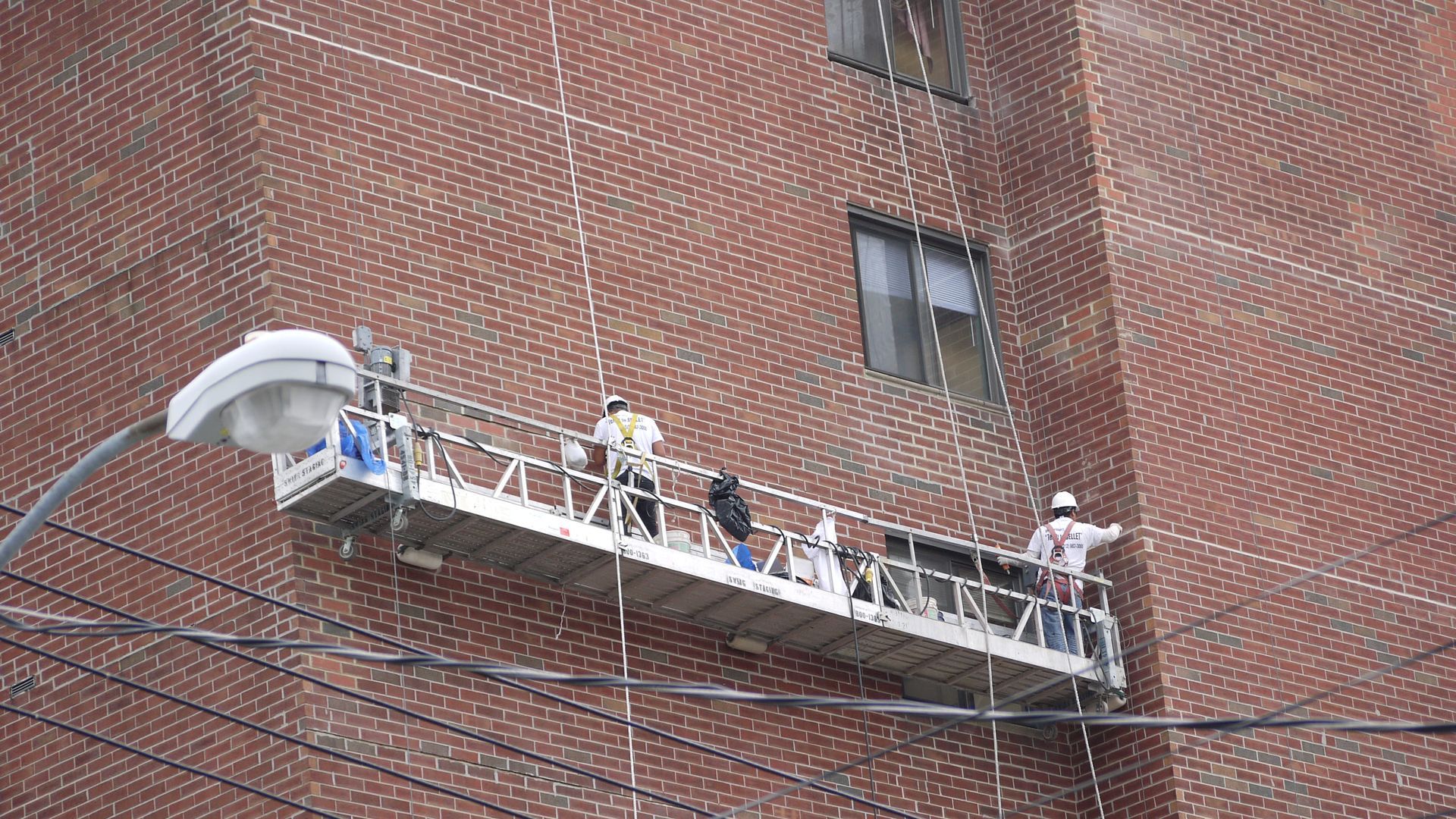
Planning Façade Repairs Around Building Operations
Successful summer façade repair projects are heavily dependent on pre-construction coordination.
Before work begins, experienced restoration contractors typically review:
- Occupancy schedules
- Peak pedestrian hours
- Tenant-sensitive areas
- Delivery routes
- Rooftop access requirements
- Parking logistics
- Noise restrictions
- Emergency access routes
This allows repair sequencing to align with actual building operations instead of forcing occupants to adjust around the construction process.
Common Strategies Used to Reduce Disruption
Phased Work Areas
Instead of opening the entire façade at once, work can be broken into controlled sections.
This helps:
- Limit the amount of active construction visible to occupants
- Reduce access interruptions
- Maintain safer pedestrian flow
- Improve project coordination
Off-Hour Scheduling
Some repairs are scheduled during:
- Early mornings
- Weekends
- Tenant off-hours
- School breaks
- Lower occupancy periods
This is common for commercial office buildings and educational facilities.
Advanced Occupant Notices
Clear communication helps eliminate confusion and complaints.
Typical notices may include:
- Upcoming work locations
- Expected noise periods
- Access changes
- Window closure requirements
- Water shutdown notifications
- Safety reminders
Occupied Building Façade Repair Example:
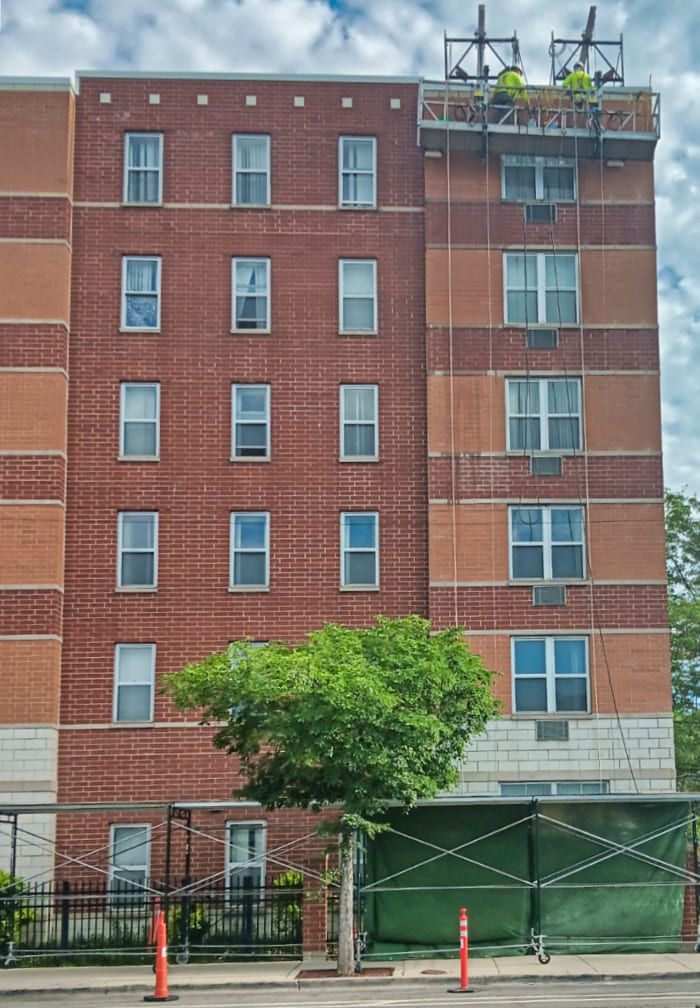
Churchview Supportive Living
Occupied healthcare and senior living environments often require an even greater level of coordination during façade repairs.
During a masonry restoration project at Churchview Supportive Living in Chicago, RestoreWorks completed repairs while the building remained occupied by senior residents.
The project included:
- Brick replacement
- Tuckpointing
- Expansion joint caulking replacement
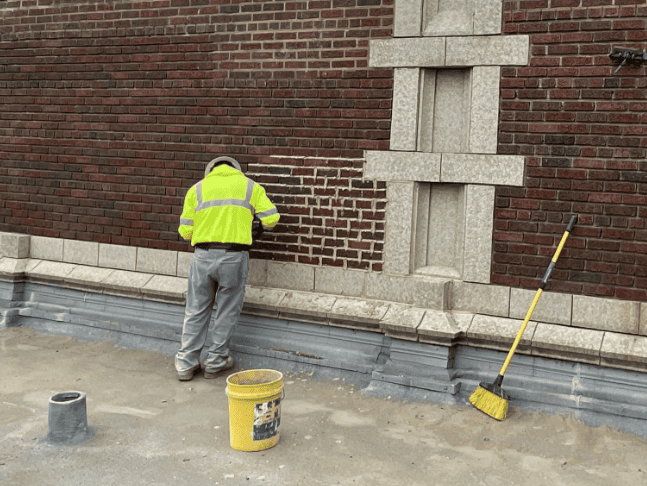
- Restorative cleaning
- Masonry pier rebuilding
To minimize disruption to residents, all work was performed from the building exterior while a sidewalk canopy system maintained safe, unobstructed access to the property entrance throughout construction.
Completing this type of occupied façade restoration during summer helped maximize production efficiency while maintaining safer access conditions for residents and visitors.
Projects like this highlight why sequencing, access planning, communication, and pedestrian safety are critical during occupied façade restoration work.
Protecting Interior Spaces During Repairs
For occupied buildings, protecting the interior environment is critical.
This may involve:
- Dust containment systems
- Temporary weather protection
- Controlled water management during restorative cleaning
- Window and air intake protection
- Sealant staging coordination
On older Chicago masonry buildings, this becomes especially important because many wall systems were not originally designed with modern drainage or cavity wall assemblies.
How Chicago Weather Impacts Summer Façade Repairs
Summer provides better working conditions than winter, but Chicago weather still creates challenges.
Heavy storms, high winds near the lakefront, and sudden temperature swings can affect:
- Swing stage operations
- Sealant installations
- Mortar curing
- Waterproofing performance
- Access equipment scheduling
Lakefront buildings often experience more aggressive weather exposure than inland structures due to:
- Wind-driven rain
- Freeze-thaw cycling
- Thermal movement
- Increased moisture infiltration
Over time, repetitive seasonal expansion and contraction can gradually weaken masonry materials, sealants, flashings, and façade connections, particularly on older Chicago buildings exposed to decades of weather cycling.
Many exterior building failures are tied to long-term weather exposure, material fatigue, and conditions that were not originally designed for local environmental stresses.
This is one reason why proactive façade maintenance is important before conditions worsen during fall and winter. Early identification of deterioration often helps prevent larger structural repairs, interior water intrusion, and emergency stabilization work later on.
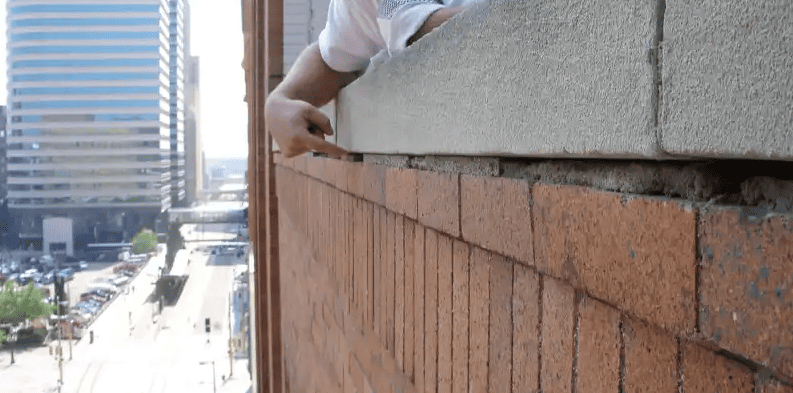
Which Façade Repairs Are Commonly
Completed During Summer?
Summer is commonly used for:
Repairs may include:
- Brick replacement
- Stone repair
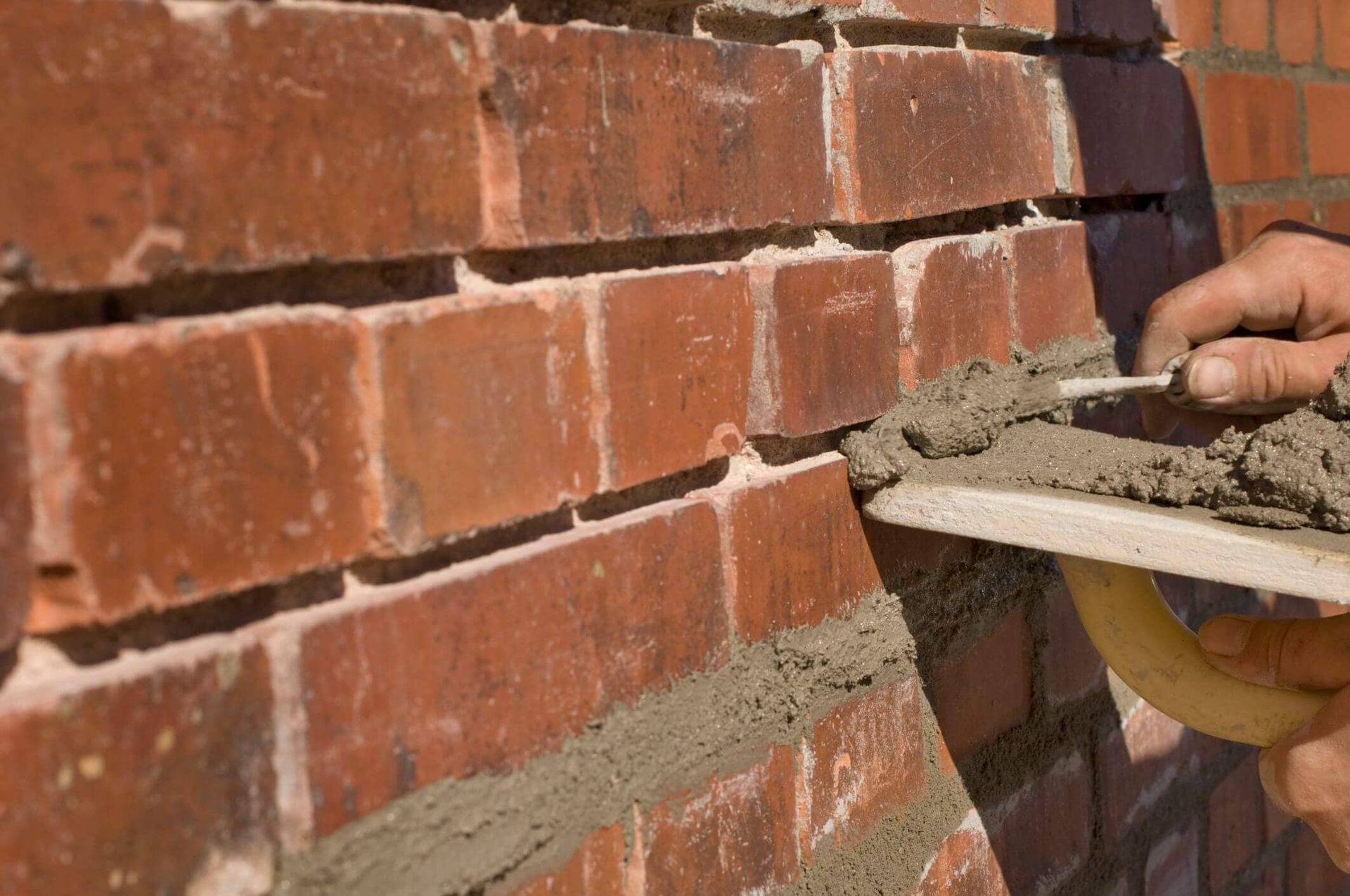
- Tuckpointing
- Crack stabilization
- Masonry anchoring
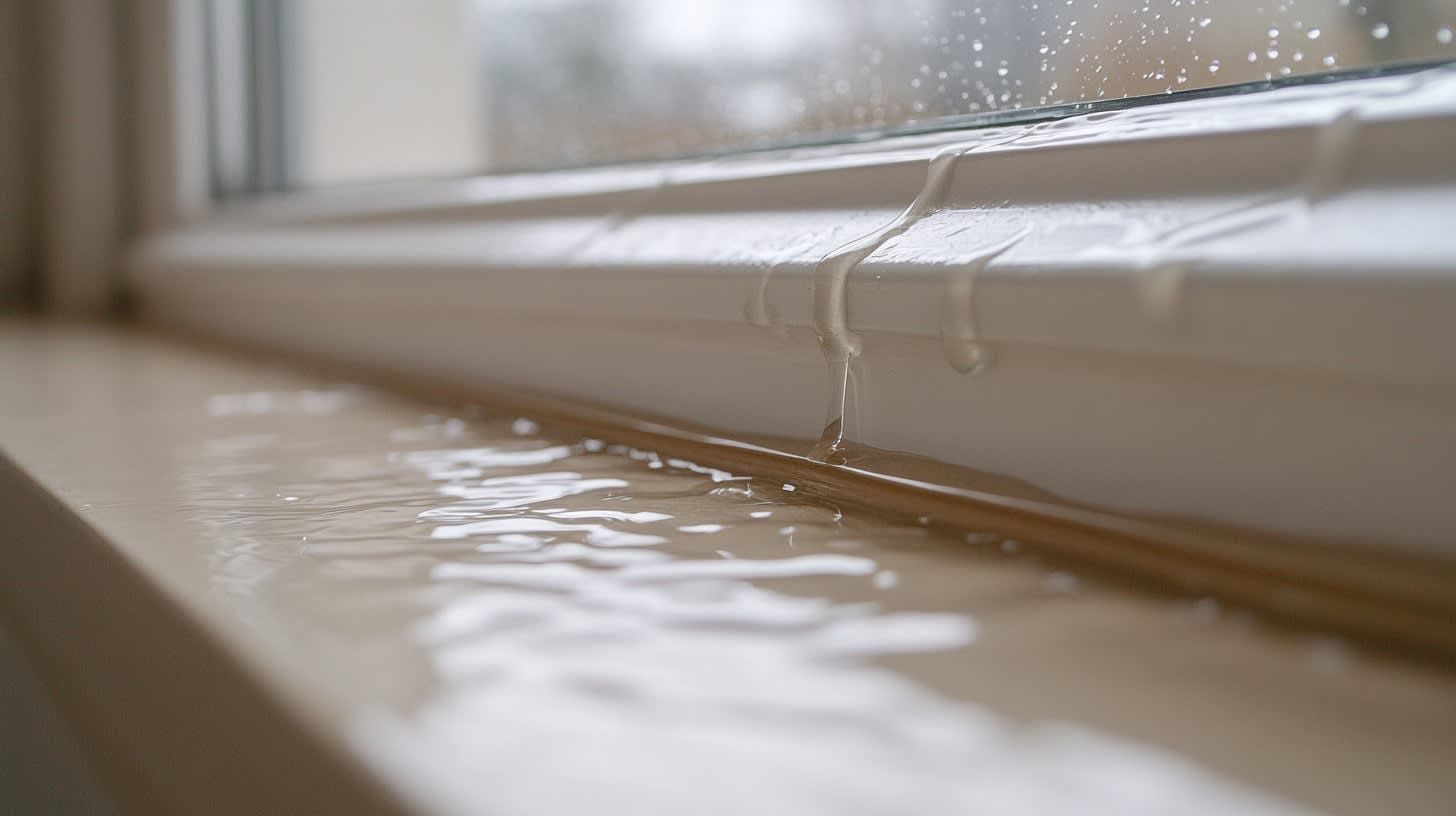
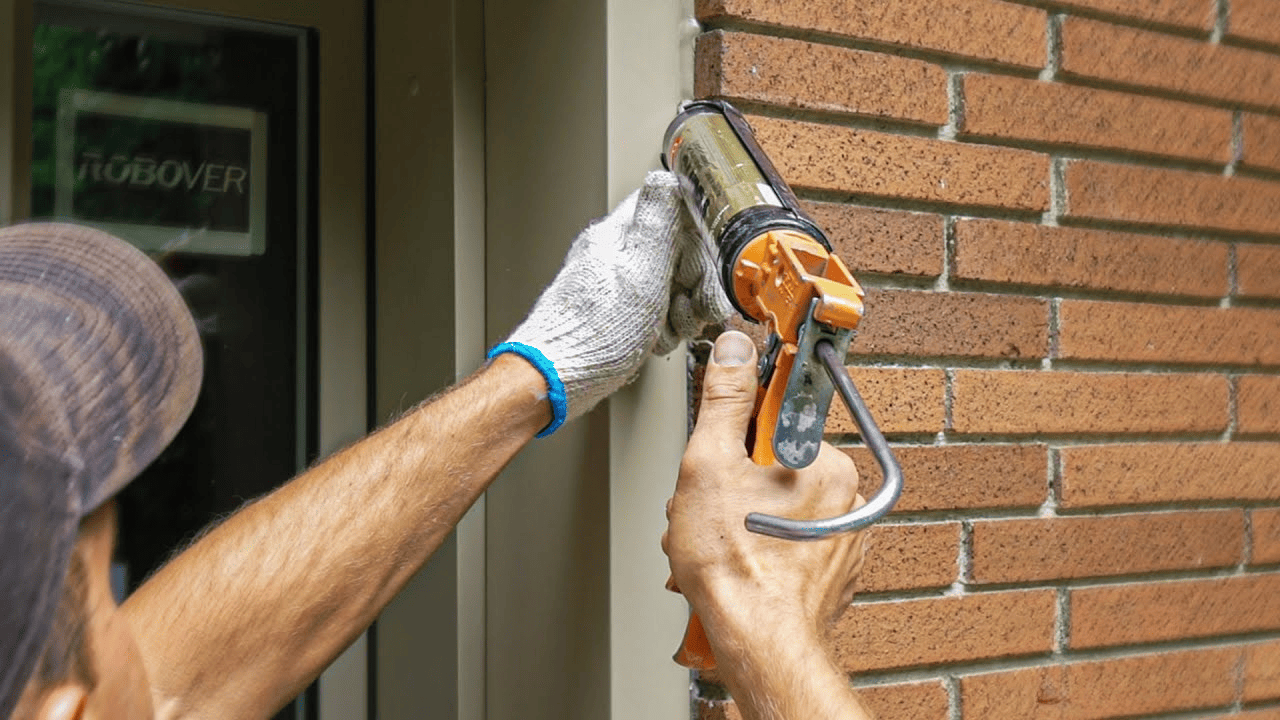
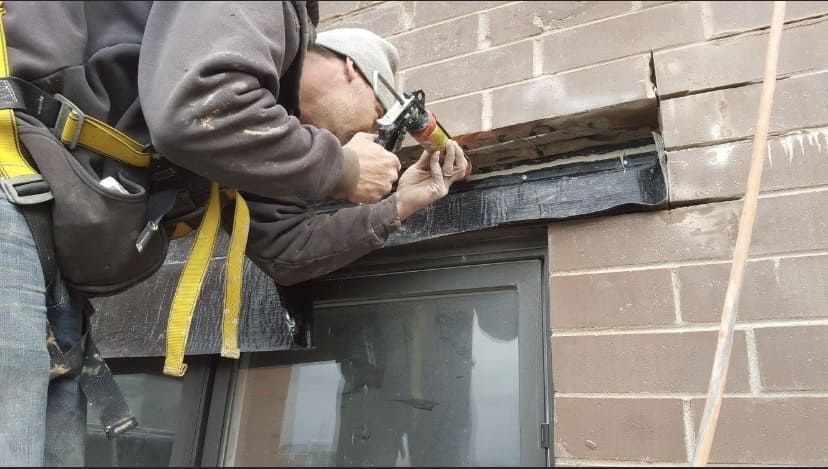
Failed sealants around windows, expansion joints, and transitions are a major source of water infiltration.
Summer temperatures often provide more favorable installation conditions for sealant performance.
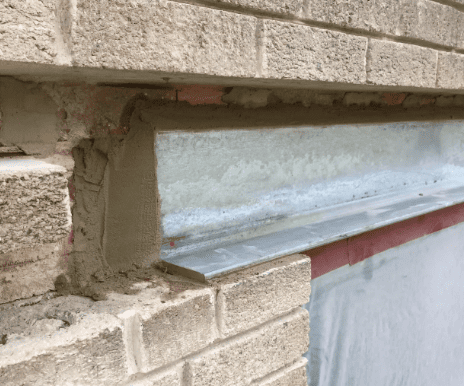
Rusting steel lintels above windows are common throughout Chicago’s older masonry buildings.
These repairs may involve:
- Steel replacement
- Flashing installation
- Weep system improvements
- Localized masonry reconstruction
Concrete balconies, parking structures, and façade elements often deteriorate due to:
- Corrosion
- Water intrusion
- Salt exposure
- Freeze-thaw expansion
Summer conditions help improve repair sequencing and curing consistency.
The Importance of Communication During
Occupied Restoration Projects
The most successful occupied façade repair projects usually share one trait: strong communication between the contractor, property management team, and occupants.
This includes:
- Weekly schedule updates
- Daily coordination
- Clear access planning
- Immediate issues addressed quickly
- Realistic project expectations
For large commercial properties and condominium buildings, poor communication can create more complaints than the repair work itself.
A well-managed project should feel organized, predictable, and controlled, even when significant restoration work is taking place.
Why Preventive Façade Repairs Often Reduce
Long-Term Disruption
Deferred façade repairs rarely become simpler over time.
Minor issues such as:
- Failed sealants
- Open mortar joints
- Localized cracking
- Early rust staining
can eventually lead to:
- Interior leaks
- Falling debris hazards
- Larger access zones
- Emergency repairs
- More invasive construction
Water infiltration is often one of the earliest warning signs of façade deterioration. As moisture enters deteriorated mortar joints, cracked sealants, or failed flashing systems, repeated freeze-thaw cycling can gradually expand hidden damage behind the exterior wall surface.
According to The Chicagoland Cooperator News, deferred maintenance on masonry facades can eventually allow moisture to reach embedded steel components, increasing the risk of corrosion, displacement, and larger structural repair needs over time.
Proactive repairs completed during planned summer schedules are typically less disruptive than emergency stabilization work during winter conditions.
Frequently Asked Questions About Summer Façade Repairs
How long do façade repairs usually take on occupied buildings?
The timeline depends on the size of the building, repair scope, access conditions, and weather exposure. Smaller localized repairs may take several weeks, while larger occupied high-rise restoration projects can extend across multiple months with phased sequencing.
Are façade repairs noisy for tenants or residents?
Some repair activities such as grinding, demolition, and mortar removal create temporary noise and vibration. Most contractors reduce disruption through phased scheduling, advance notifications, and coordination around sensitive occupancy periods.
Can façade repairs happen while tenants remain in the building?
Yes. Most commercial and multifamily façade repair projects are completed while the building remains occupied. Proper planning, containment, access management, and communication are critical to maintaining safe operations during construction.
Why is summer the preferred season for façade repairs
Summer provides more favorable conditions for mortar curing, sealant installation, concrete repair, and access equipment operation. Chicago winters can delay repairs and create additional risks related to freezing temperatures and moisture exposure.
What types of façade issues should be repaired before winter?
Open mortar joints, failed sealants, cracked masonry, rusting lintels, and water infiltration issues should be addressed before winter freeze-thaw cycles accelerate deterioration and increase repair costs.
If you have more questions or are interested in brick or concrete façade repairs for your commercial building, contact RestoreWorks today.