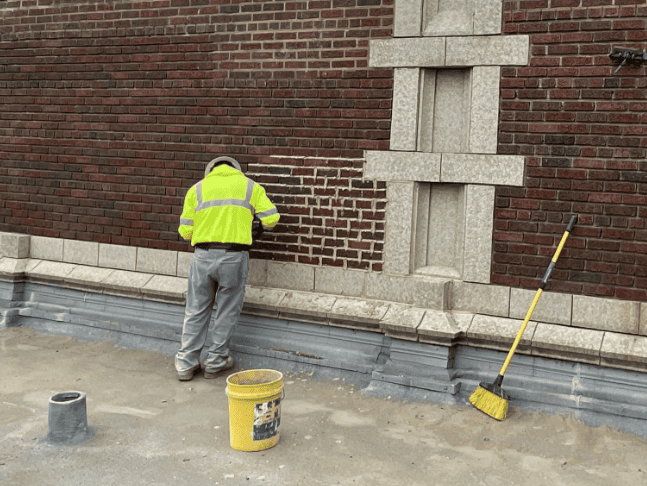
Identifying Cracked Masonry Before it Becomes a Hazard
What Is a Lintel and Why Does It Matter?
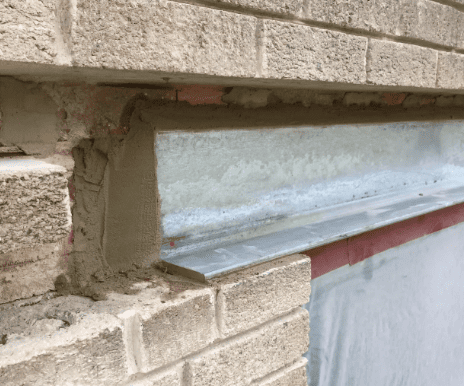
A lintel is a structural component installed above windows, doors, and other wall openings to support the weight of the masonry above. In many commercial, institutional, and multi-family buildings throughout Chicago and Northwest Indiana, steel lintels are concealed behind the exterior brickwork.
When functioning properly, a lintel transfers loads safely around an opening. However, when moisture reaches the steel and corrosion begins, the lintel can expand, crack surrounding masonry, and eventually compromise the stability of the wall assembly.
Because the steel is typically hidden from view, the first signs of trouble often appear in the masonry itself.
What Causes Brick Above Windows to Crack?
Most cracked masonry projects begin with one common issue: water infiltration.
When moisture repeatedly reaches the steel lintel, corrosion develops. As the steel rusts, it expands. This process, often referred to as "rust jacking," places pressure on surrounding brick and mortar, leading to visible cracking and displacement.
Several factors commonly contribute to lintel failure:
- Failed caulking and sealant joints
- Missing or deteriorated flashing
- Blocked weep holes
- Poor water drainage
- Aging building materials
- Deferred maintenance
- Long-term exposure to freeze-thaw cycles
In the Chicago region, repeated freeze-thaw conditions can accelerate deterioration by allowing water to enter small openings, freeze, expand, and create additional pathways for moisture intrusion. Research published in the journal Construction and Building Materials has shown that masonry exposed to both moisture and repeated freeze-thaw cycling can experience increased deterioration over time, reinforcing the importance of controlling water infiltration before more significant damage occurs.
Which Buildings Commonly Experience Lintel Failure?
Lintel deterioration is commonly found on older commercial, institutional, multi-family, and historic masonry buildings throughout the Chicago region. Buildings with numerous window openings, aging flashing systems, or long-term water infiltration issues are often more susceptible to corrosion-related damage around lintels.
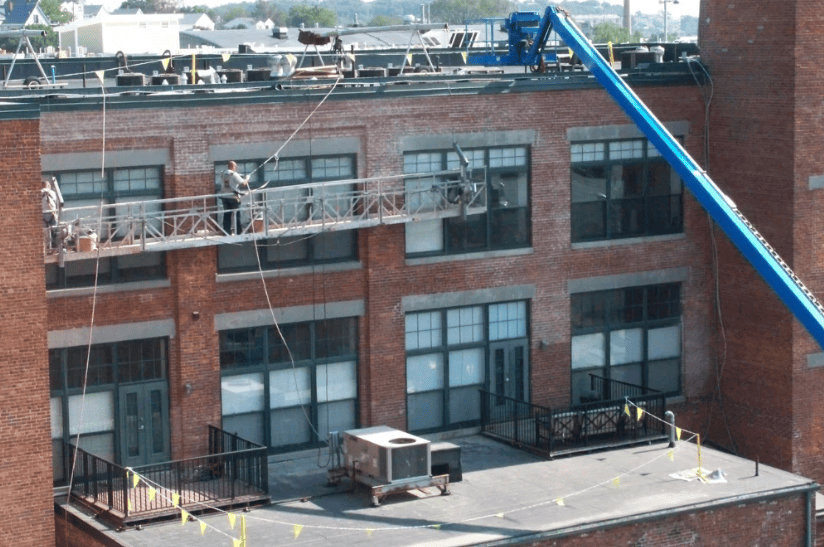
Schools, churches, apartment buildings, office buildings, and historic properties frequently require lintel repairs or replacement as part of larger masonry restoration projects. Regular façade inspections can help identify early signs of deterioration before cracking, displacement, or safety concerns develop.
Common Signs of Lintel Failure
Identifying early warning signs can help property managers and building owners address problems before repairs become significantly more expensive.
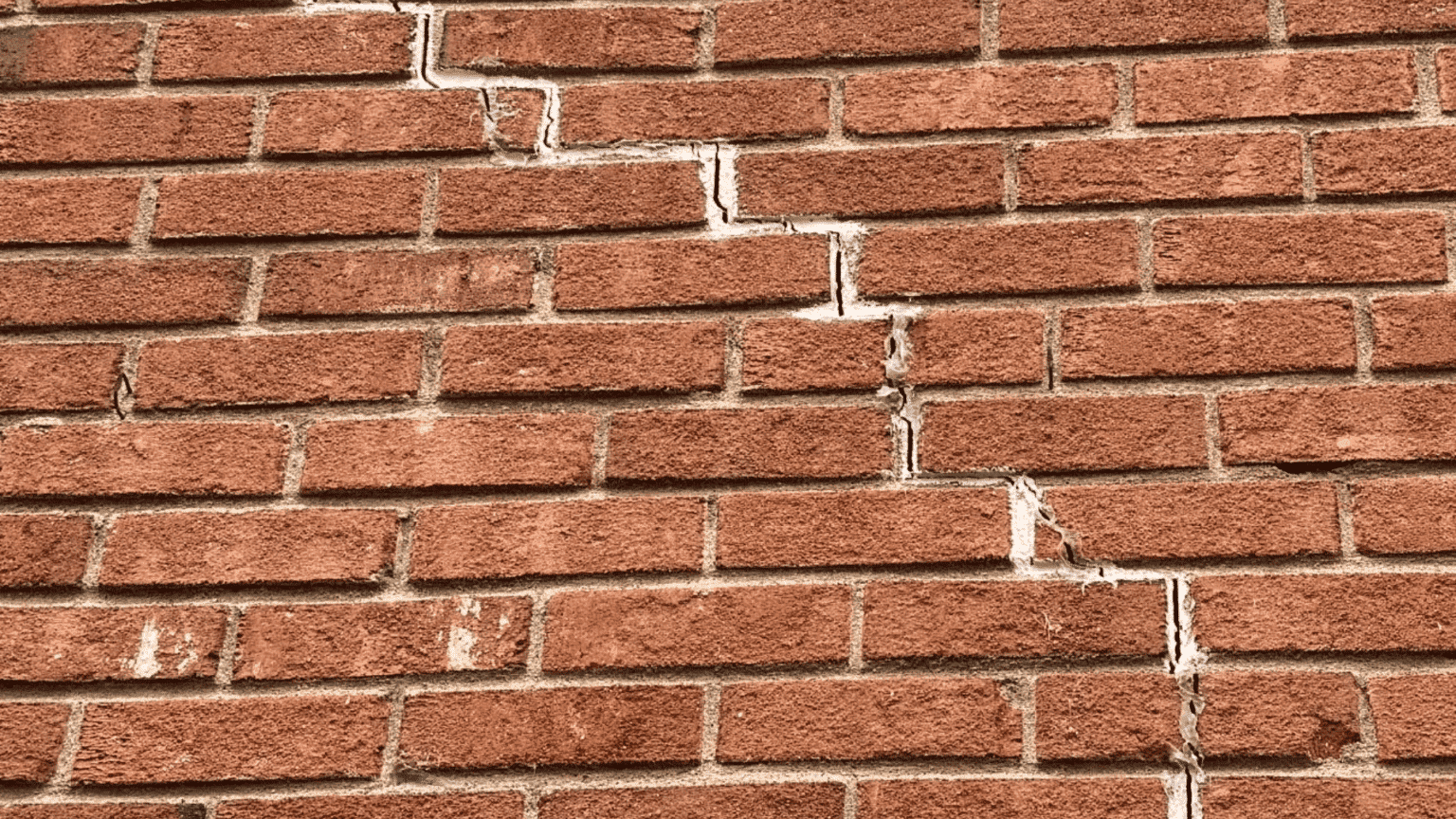
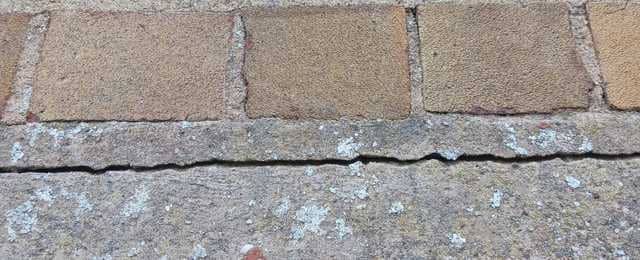
Horizontal Cracking Above Windows and Doors
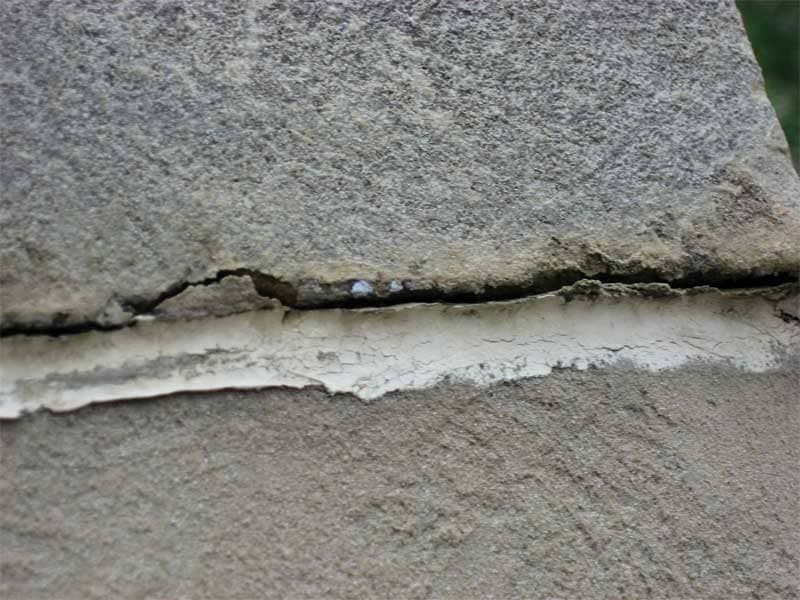
One of the most recognizable indicators of lintel failure is horizontal cracking directly above an opening.
These cracks often appear because expanding steel is pushing against the masonry from behind.
Look for:
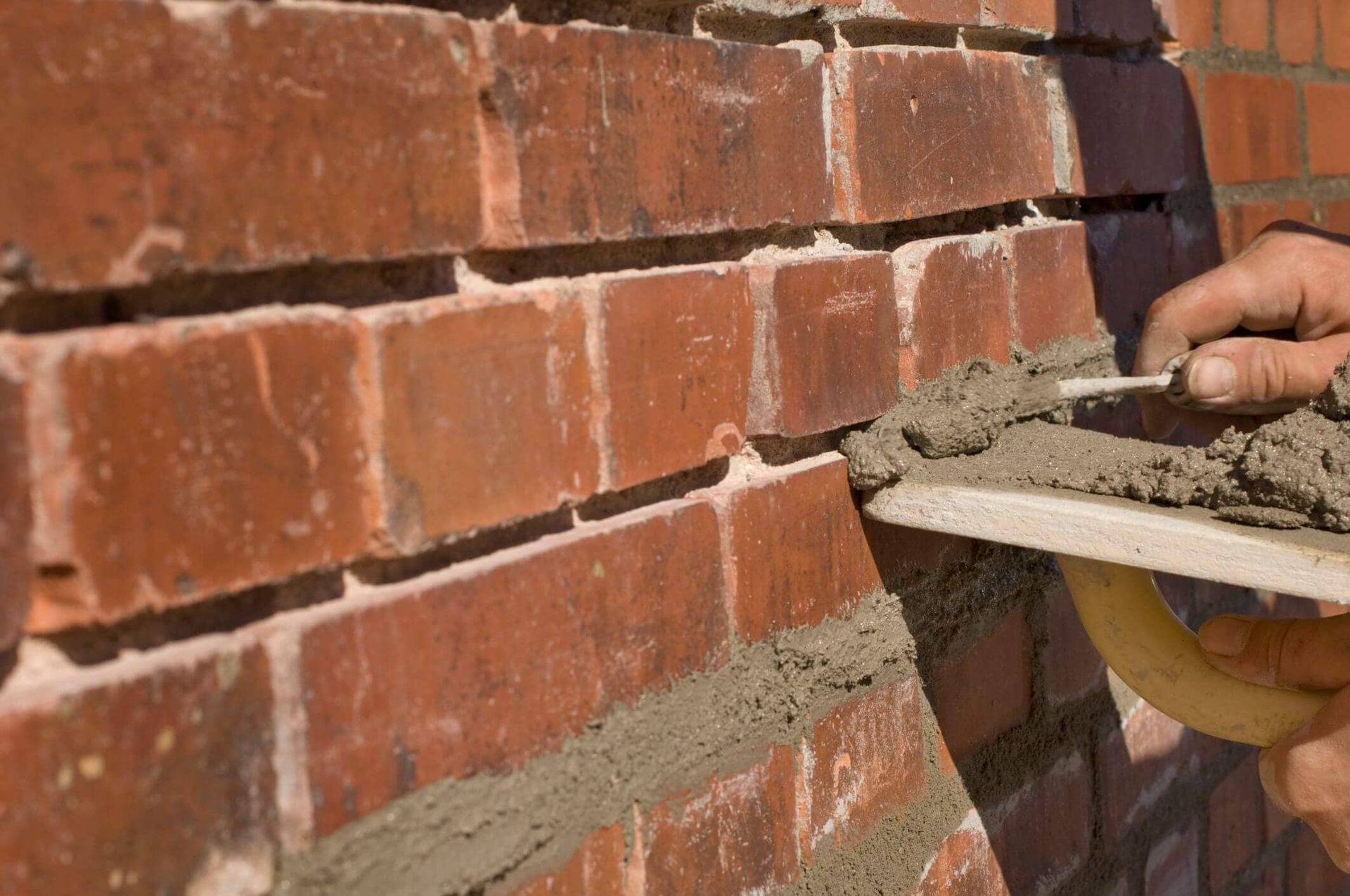
- Horizontal cracks extending across multiple bricks
- Cracks above windows and door openings
- Mortar joint separation
- Progressive widening of existing cracks
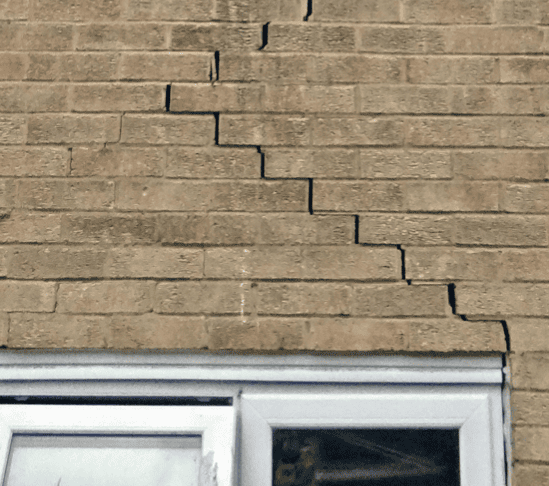
Stair-Step Cracking Near Openings
Stair-step cracking frequently develops when masonry movement occurs around windows and doors.
While several conditions can cause stair-step cracks, deteriorated lintels are a common culprit when the damage is concentrated above an opening.
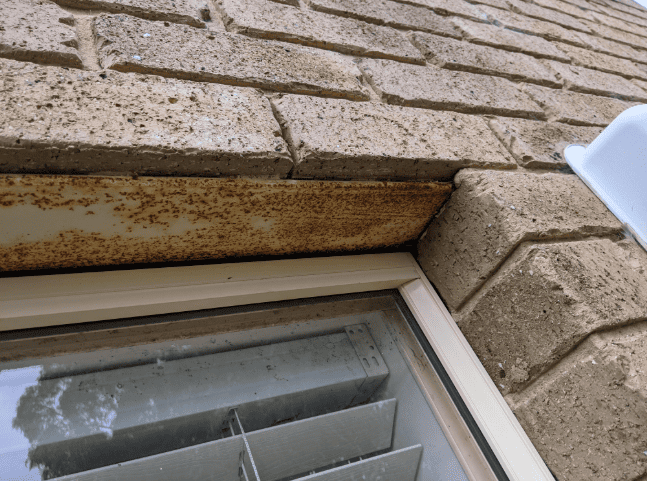
Rust Staining on Brick Surfaces
Rust-colored staining is often one of the earliest visible signs that corrosion is occurring behind the wall.
Although staining alone does not confirm structural failure, it frequently indicates that moisture is reaching embedded steel components.
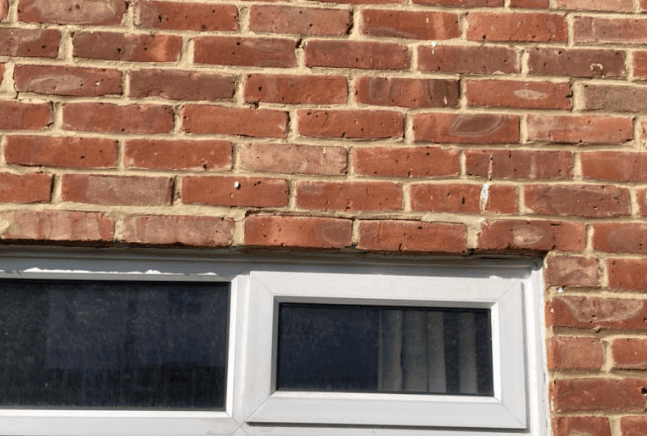
Bulging or Displaced Brickwork
As corrosion progresses, expanding steel can push brick outward.
Warning signs include:
- Bricks protruding beyond the wall plane
- Bowed masonry
- Separation between masonry and adjacent materials
- Uneven mortar joints
When these conditions develop, prompt evaluation is recommended because falling masonry hazards can eventually occur.
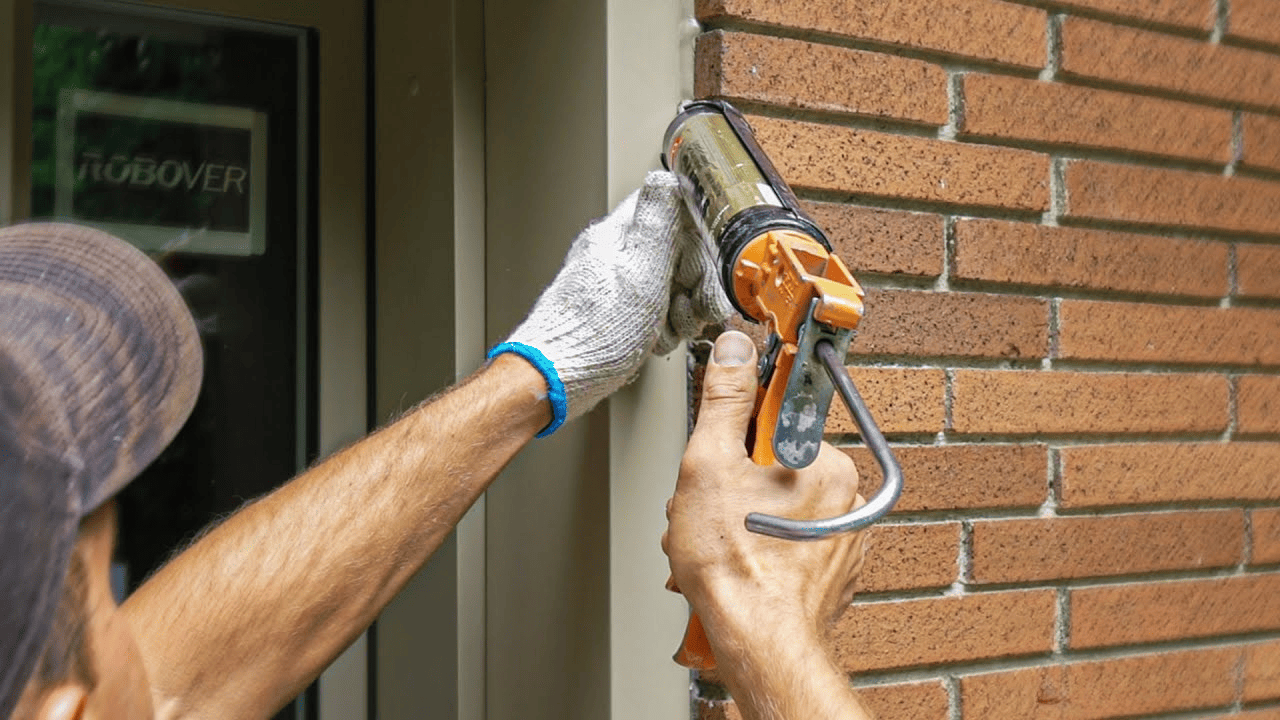
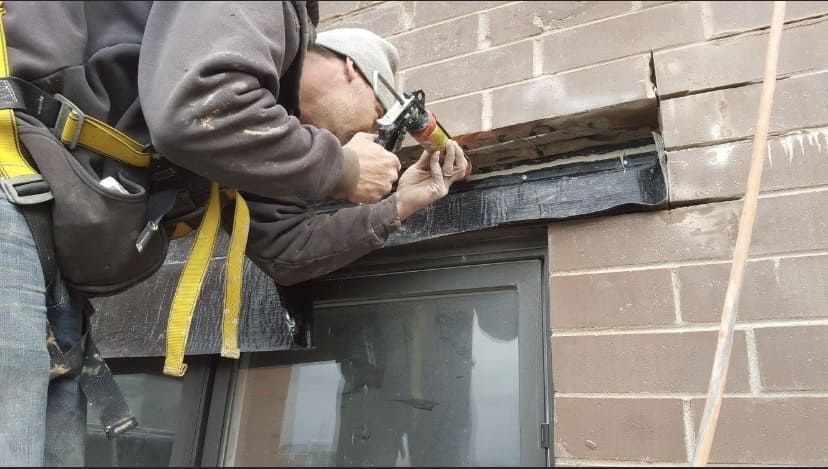
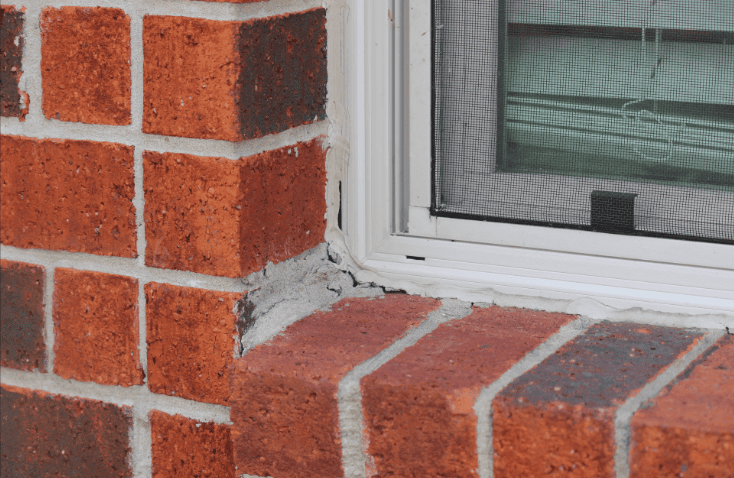
Failed Sealants Around Windows
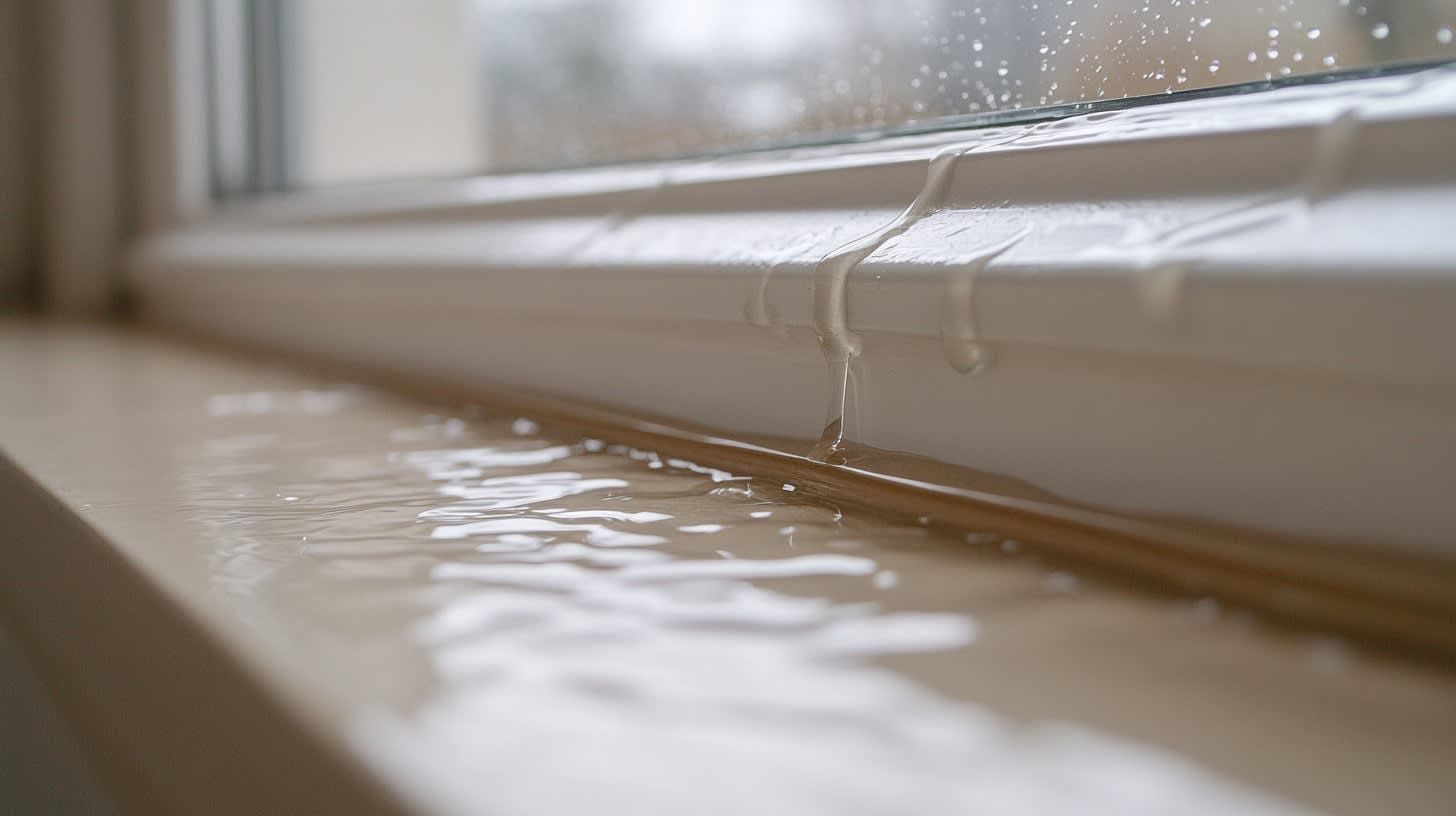
Deteriorated sealant joints allow water to enter the wall assembly.
In many restoration projects, cracked masonry is discovered alongside failed perimeter sealants, making comprehensive repairs important for long-term performance.
Why Cracked Masonry Should Never Be Ignored
It is easy to assume a small crack above a window is cosmetic. However, lintel deterioration is typically progressive. What begins as minor cracking can eventually result in:
- Loose masonry units
- Water infiltration
- Interior moisture damage
- Corrosion of embedded steel
- Increased repair costs
- Falling brick hazards
- Emergency stabilization measures
The longer corrosion continues, the more extensive the repairs often become.
How Water Infiltration Leads to Lintel Failure
Most lintel failures can be traced back to unmanaged moisture.
According to the Mason Contractors Association of America, masonry walls are designed to resist weather penetration, but moisture can still enter a wall assembly through deteriorated joints, failed sealants, flashing deficiencies, and other vulnerabilities. When that moisture reaches embedded steel lintels, corrosion can begin and progressively worsen over time.
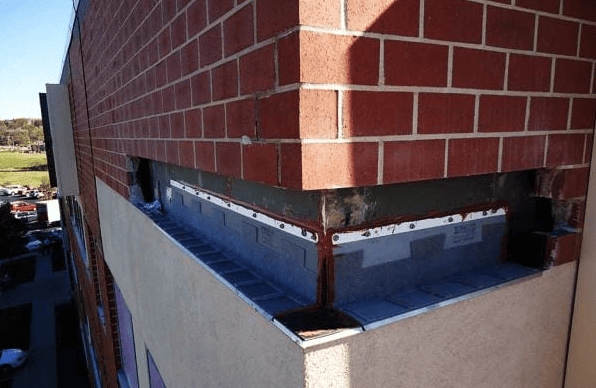
Failed Flashing Systems
Flashing is designed to collect and redirect water out of the wall assembly.
When flashing is damaged, improperly installed, or missing entirely, water can become trapped above openings and accelerate steel corrosion.
This is one reason lintel and shelf flashing repairs are frequently performed alongside lintel replacement projects.
Blocked Weep Holes
Weep holes provide a pathway for moisture to exit cavity walls.
When they become blocked by mortar droppings, debris, or previous repairs, water can accumulate inside the wall assembly.
Deteriorated Sealants
Caulking and sealants serve as a critical line of defense against water intrusion.
When sealants fail, moisture can enter around windows, doors, and expansion joints, increasing the likelihood of corrosion within concealed steel components.
When Does Cracked Masonry Become a Safety Concern?
Not every crack requires immediate replacement.
However, certain conditions should be evaluated promptly:
- Significant brick displacement
- Active masonry movement
- Loose or unstable brickwork
- Visible steel deterioration
- Falling debris
- Large horizontal cracks above openings
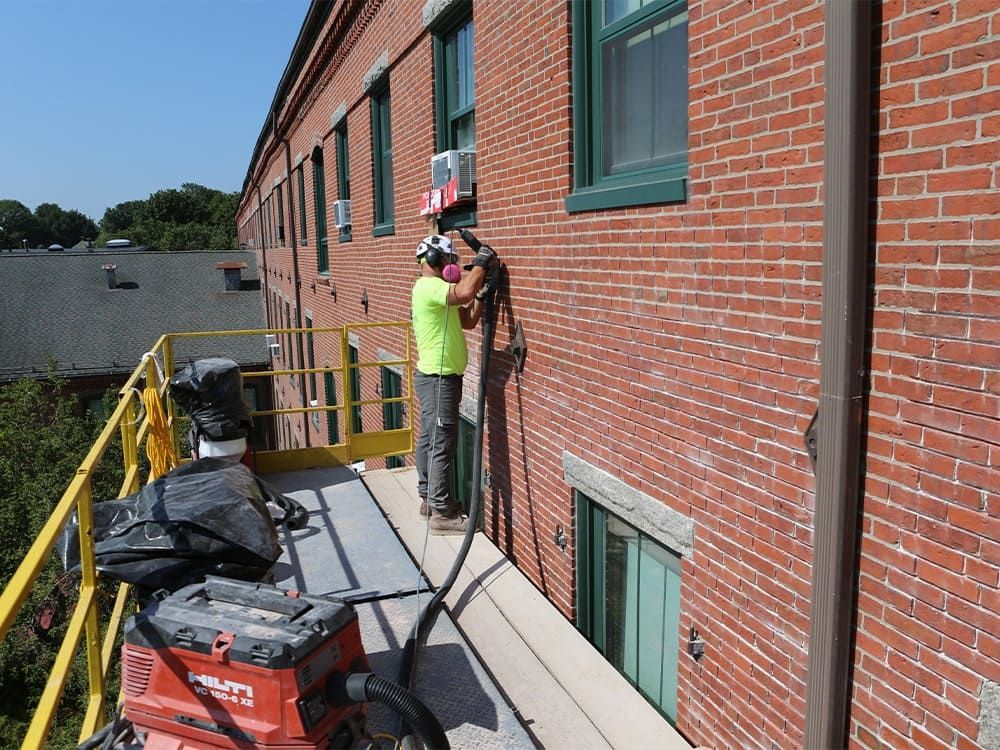
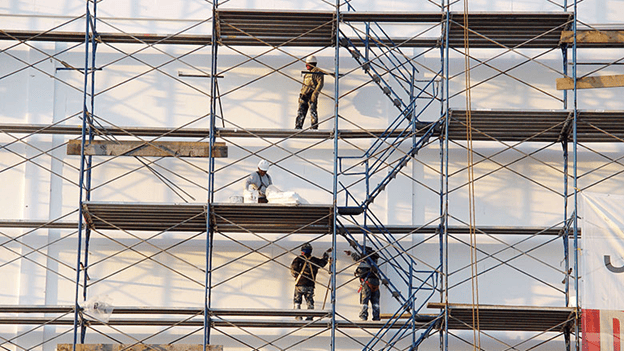
- Areas requiring sidewalk protection or restricted access
When these warning signs are present, consultation with a qualified masonry restoration contractor and, when necessary, a structural engineer is recommended.
Why Routine Façade Inspections Matter
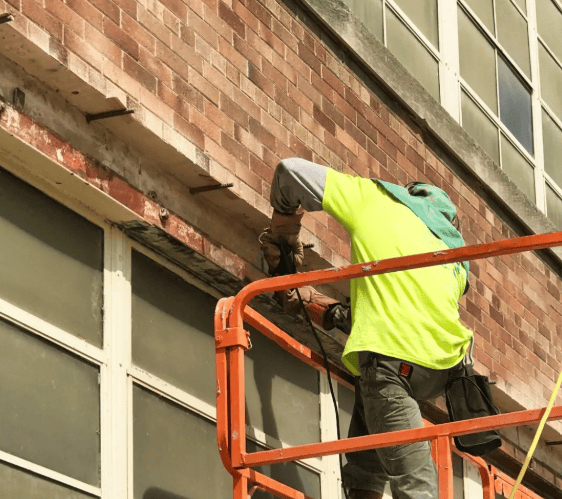
Many major restoration projects could have been significantly smaller if early warning signs had been identified sooner.
Routine façade inspections can help uncover:
- Early-stage corrosion
- Cracked mortar joints
- Failed sealants
- Water infiltration pathways
- Masonry movement
- Deteriorating flashing systems
The International Institute of Building Enclosure Consultants (IIBEC) recommends periodic inspections of exterior building facades and appurtenances to help maintain performance, protect building value, and identify potential safety concerns before they develop into more significant repair or safety issues.
For commercial and multi-family properties, proactive inspections often allow repairs to be planned rather than performed under emergency conditions.
How Chicago's Climate Accelerates Lintel Deterioration
Buildings throughout Chicago face environmental conditions that increase the likelihood of lintel failure.
These include:
- Frequent freeze-thaw cycles
- Wind-driven rain
- Lakefront moisture exposure
- Seasonal temperature fluctuations
- Aging masonry construction
Many buildings throughout the region were constructed decades ago and may contain aging flashing systems, deteriorated sealants, or steel components that have been exposed to moisture for years.
As a result, cracked masonry remains one of the most common masonry restoration issues encountered on commercial, institutional, and multi-family properties.
Frequently Asked Questions About Cracked Masonry
How do I know if a lintel is failing?
Common signs include horizontal cracking above windows and doors, rust staining, displaced brickwork, deteriorated mortar joints, and visible masonry movement. Because the steel lintel is often concealed behind the masonry, a professional inspection may be necessary to determine the extent of deterioration.
Can cracked masonry be repaired without replacement?
In some cases, yes. Minor corrosion may allow for localized repairs if the lintel has retained sufficient structural integrity. More advanced deterioration, significant section loss, or substantial masonry displacement typically requires full replacement.
What causes lintel failure in brick buildings?
The most common cause is moisture intrusion. Water reaching the steel lintel causes corrosion, and as the steel expands, pressure develops within the masonry. This often results in cracking, displacement, and progressive deterioration over time.
Is cracked masonry dangerous?
It can become dangerous if left unaddressed. Severe lintel failure may lead to loose masonry, falling bricks, and structural instability around openings. Buildings showing significant movement or displacement should be evaluated promptly.
How long does a lintel replacement project take?
Project duration varies based on access, the number of openings, and the extent of repairs. Smaller repairs may be completed within days, while larger façade restoration projects involving multiple openings can require several weeks.
Address Cracked Masonry Before They Become a Larger Problem
Cracked masonry above windows and doors is often more than a cosmetic issue. In many cases, it is the first visible indication of corrosion occurring within the wall assembly.
Early identification and timely repairs can help property managers, engineers, architects, and building owners avoid more extensive masonry damage, water infiltration issues, and safety concerns.
If you notice cracking, rust staining, displaced brickwork, or signs of lintel failure, a professional evaluation can help determine the most effective repair strategy before the problem worsens. Contact RestroreWorks to learn more.